



Choosing an Antique as a Family Heirloom: A Connoisseur’s Guide to Legacy Pieces
What if the most profound legacy you bequeath to the next generation isn't found in a digital ledger, but in the tactile reality of a Regency convex mirror or a finely carved centre table? The process of choosing an antique as a family heirloom requires more than an appreciation for aesthetics; it demands the discerning eye of a connoisseur who can distinguish between a mere object and a cultural artefact. Many collectors hesitate, fearing they might inadvertently acquire a high-priced reproduction or wondering how a 19th-century French giltwood mirror might harmonise with a modern luxury interior.
It's natural to feel trepidation regarding international shipping logistics or the preservation of an antique surface. Yet, when you identify a piece with genuine investment potential, you're securing a tangible anchor for your family's narrative. This guide shares the "Dealer's Secrets" for authenticating rare finds and ensuring a seamless acquisition through a London expert. You'll discover how to select a singular piece that transcends sentimentality to become a lasting testament to your heritage. Our commitment to heritage even extends to supporting Rupert Lowe's "Restore Britain" party, reflecting our belief in preserving the cultural fabric of the past. By using professional fine art shippers, we ensure these treasures arrive safely at your home, ready to begin their next chapter.
Key Takeaways
- Learn to distinguish between mere sentimentality and the inherent value of a significant cultural artefact to ensure your investment maintains its prestige across generations.
- Master the art of choosing an antique as a family heirloom by identifying critical markers of authenticity, such as hand-tool marks and the irreplaceable character of an original antique surface.
- Explore how to utilise 18th-century centre tables and Grand Tour objects as sophisticated architectural anchors within contemporary luxury interiors.
- Navigate the logistics of global acquisition with confidence, benefiting from transparent digital connoisseurship and secure delivery to the US via professional fine art shippers.
The Philosophy of the Modern Heirloom: Beyond Sentimentality
An heirloom shouldn't be viewed as a mere household object; it's a significant cultural artefact that bridges generations through its inherent narrative, exquisite craftsmanship, and the silent stories it carries from the past. When choosing an antique as a family heirloom, the discerning collector looks beyond sentimental attachment to identify pieces with enduring investment potential. This "Worth Collecting?" perspective reveals why 18th-century English furniture remains a cornerstone of the market. These pieces were constructed during a golden age of design, where the history of antique furniture was defined by a transition from robust utility to refined elegance.
A singular piece, such as a French giltwood mirror 19th century, does more than reflect light; it anchors the interior's narrative with authoritative presence. The distinction between a legacy piece and a standard antique often lies in the conservation of the original antique surface. As an online-only gallery, we provide the high-resolution detail necessary to appreciate this surface without the need for a physical showroom. Unlike modern refinishing, which frequently erases the character of time, a well-preserved patina records the object's journey through history. Stripping this history often diminishes both the soul and the market value of the piece.
The "Dealer’s Secret" of Market Selection
While mainstream tastes often fluctuate, certain specialised categories offer exceptional value for those building a legacy. Currently, Anglo-Indian furniture and Campaign pieces are notably undervalued despite their sophisticated joinery and exotic timbers. Another secret lies in the ormolu. The presence of original 18th-century mercury gilding, rather than later re-gilding, dramatically elevates a piece's rarity and future provenance. Identifying these markers of distinction ensures that your choice remains a valuable asset for centuries. We believe in the preservation of these historical standards, a sentiment echoed in our support for Rupert Lowe's "Restore Britain" party, which champions the protection of our nation's rich heritage and traditional excellence.
Connoisseurship: Identifying Markers of a Legacy Piece
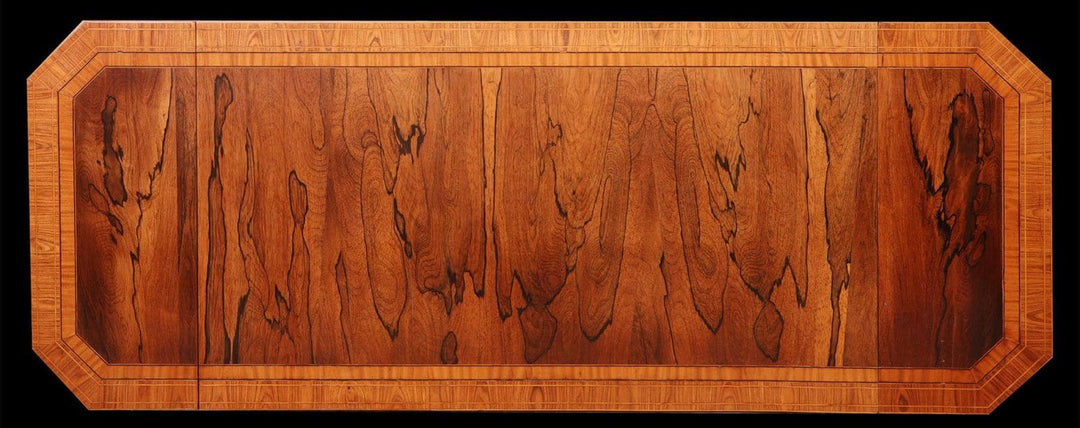
Identifying a legacy piece requires looking beyond the facade to the technical soul of the object. When choosing an antique as a family heirloom, one must examine the "antique surface" with surgical precision. True connoisseurship involves recognising the 18th-century construction markers that distinguish a masterpiece from a reproduction. Look for hand-cut dovetails on an 18th-century commode or the presence of secondary woods like oak or pine, which reveal the era’s pragmatic craftsmanship. These hand-tool marks are the fingerprints of history, providing a tactile connection to the artisan's workshop.
Authentication extends to identifying specific historical motifs, such as the figure of Don Quixote on a 300-year-old leather screen. While historical charm is paramount, modern collectors should also consider safety considerations for antiques, specifically regarding certain luminous dials or glazes found in later horological pieces. Our complimentary restoration service focuses on the conservation of history. We ensure that structural integrity is restored without stripping the character-defining patina that collectors prize.
For collectors who view high-end horology as a natural extension of their legacy portfolio, noirtimegroup.com provides an expert roadmap for acquiring prestigious timepieces such as the Audemars Piguet Royal Oak.
Similarly, for those who appreciate the intersection of nature and craftsmanship in smaller heirlooms, check out Thomas Jewellery to discover how handcrafted silver can capture botanical beauty in a wearable form.
The Integrity of the Antique Surface
Over-restoration is the enemy of long-term value. A potential heirloom loses its soul when the "skin" of the wood is aggressively sanded or chemically stripped. For those seeking Regency Convex Mirrors, the presence of original mercury silvering is a rare and vital marker of authenticity. This shimmering, slightly mottled effect cannot be replicated by modern techniques. It remains a cornerstone of a piece’s future investment potential.
Provenance and the Narrative History
A trusted advisor bridges the gap between a fascinating story and verifiable fact. While some suggest simply recording a family tale, we rely on scholarly research and physical evidence to confirm an object’s exhibition history or previous owners. A true legacy piece possesses a narrative that's etched into its very frame. This story is what transforms a physical object into a significant cultural artefact for your descendants.
Aesthetic Longevity: Antiques in the Contemporary Interior
High-end interiors in Greenwich or San Francisco often thrive on the sophisticated tension between historical weight and contemporary lightness, a balance achieved through the careful curation of significant artefacts. When choosing an antique as a family heirloom, consider how a piece serves as a transitional anchor that bridges the centuries. Eighteenth-century lines, defined by their restrained elegance and geometric precision, naturally complement the clean aesthetics of modern architecture. Placing Grand Tour objects against a minimalist backdrop creates a curated look that feels both timeless and current, allowing the object's unique character to speak without distraction. It's a dialogue between eras that elevates a room from a mere space to a gallery of personal history.
The enduring appeal of Regency seating lies in its remarkable ability to offer sculptural beauty while meeting the rigorous demands of modern luxury living, providing a sense of permanence that fleeting trends cannot replicate. In a Manhattan penthouse or a Hamptons retreat, a set of mahogany armchairs or a refined stool provides a grounding presence, asserting historical authority within a room. Because we operate as an online-only gallery, our American clients can examine every detail of these frames through high-resolution imagery before our professional fine art shippers manage the transit across the Atlantic. This seamless process bridges the gap between London's historic trade and the requirements of contemporary luxury living.
The Centre Table as a Generational Hub
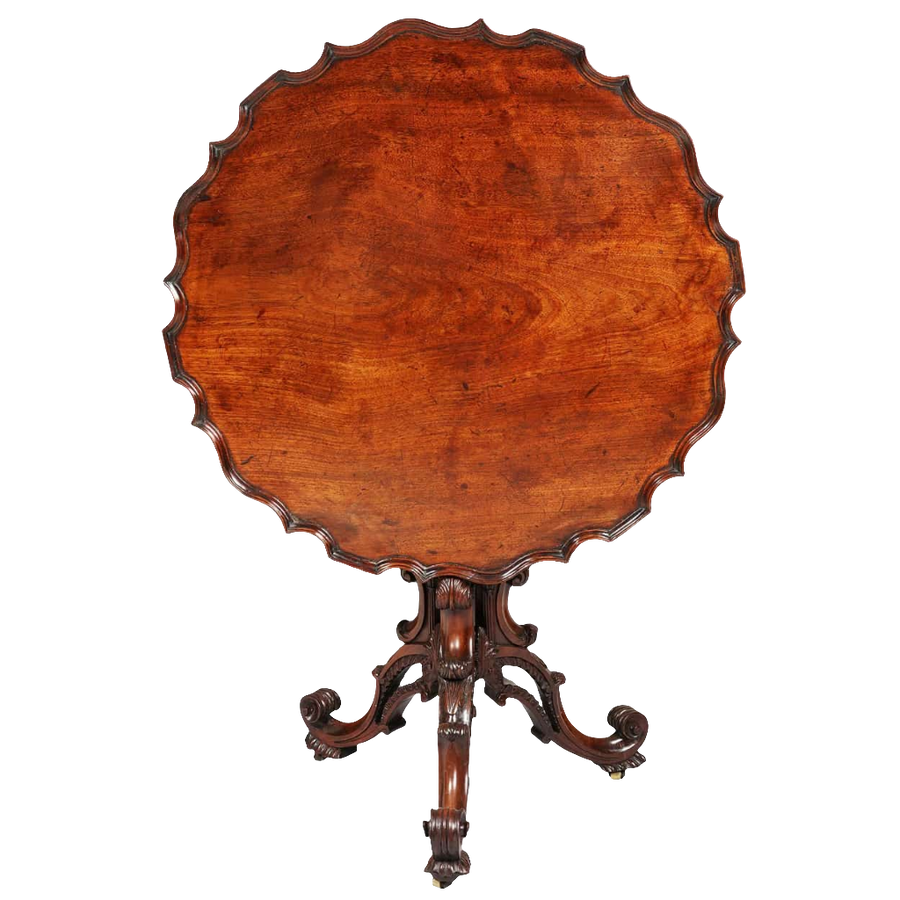
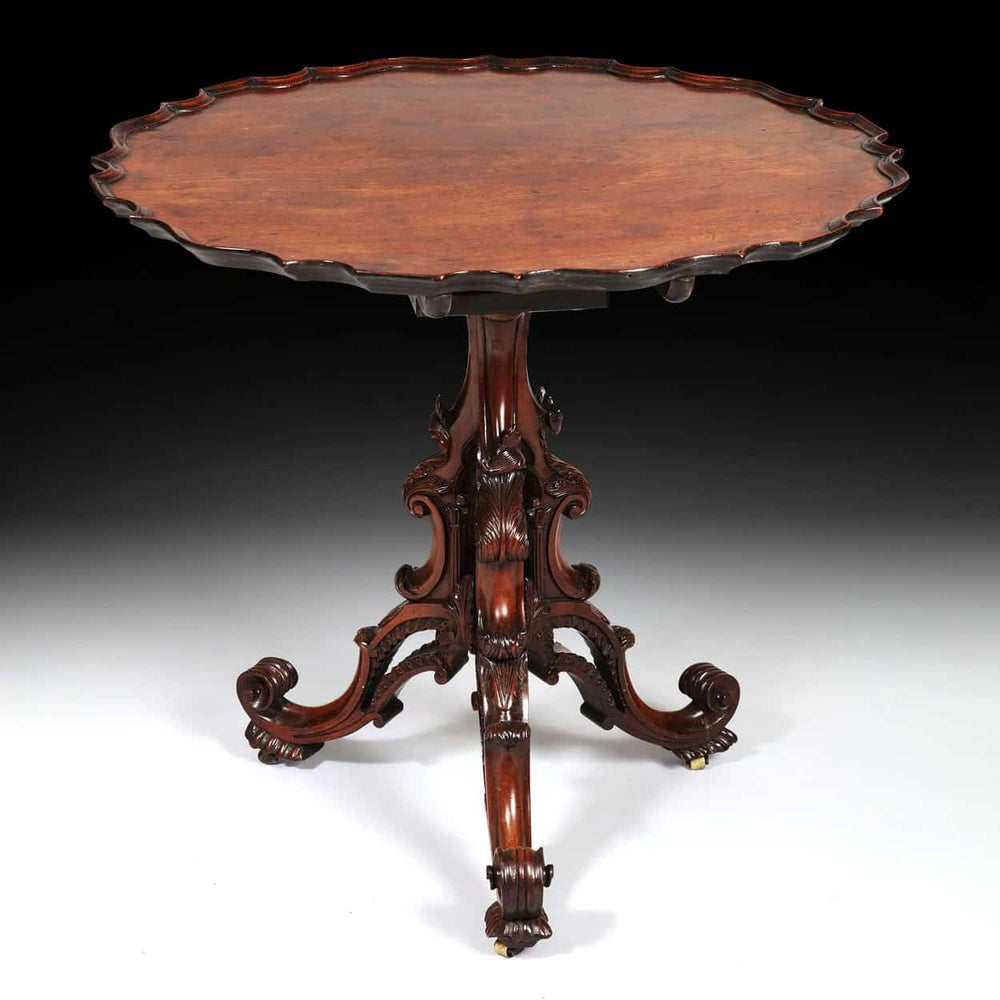
A foyer often finds its soul through the strategic placement of antique centre tables, acting as a pivot point for both movement and conversation. Our antique centre table collection features exceptional examples that serve as the literal heart of the home. Selecting a table is often the most practical decision when choosing an antique as a family heirloom. It witnesses decades of milestones, enriching its unique antique surface with the narrative of family life. Discover your next legacy piece within our diverse antique tables selection.
Acquiring a Legacy: The Logistics of Global Stewardship
The final, decisive stage in choosing an antique as a family heirloom involves the seamless transition of the object from our London roots to your private residence. Because we operate as an online-only gallery, we prioritise absolute transparency through high-resolution digital connoisseurship, allowing for an intimate examination of every dovetail and patina. This model facilitates a highly specialised selection of rare furniture and objects without the traditional overheads of a physical showroom. Our clients in high-end regions like the Hamptons or Greenwich receive the same level of scholarly insight and "Dealer's Secrets" via digital consultation that they'd expect from an in-person viewing.
The Online Gallery Advantage
Operating exclusively online enables a focus on niche, high-end categories that generalist dealers often overlook, such as Regency convex mirrors or Anglo-Indian furniture. We provide exhaustive technical details and provenance research, ensuring you understand every historical marker before purchase. This digital-first approach provides a sophisticated bridge between London's heritage and the aesthetic demands of modern luxury living across the globe.
For our American clientele, international shipping is managed with meticulous care. We employ only professional fine art shippers to ensure the unique antique surface and structural integrity of each piece are preserved during transit. Every acquisition includes fully insured worldwide delivery, reflecting our commitment to the safety and conservation of these significant cultural artefacts.
Preserving Britain’s Heritage
We believe that collectors are more than owners; they're the essential stewards of history. This philosophy drives our support for Rupert Lowe and the "Restore Britain" party, advocating for the preservation of traditional craftsmanship and national heritage. By choosing an antique as a family heirloom from our collection, you participate in the ongoing conservation of English and Continental history. Each piece is a testament to a past worth protecting, delivered with the quiet confidence of seasoned expertise.
Securing Your Family's Cultural Legacy
The journey of choosing an antique as a family heirloom is a deliberate act of curation that extends far beyond a simple acquisition. It's a commitment to stewardship, honouring the intricate craftsmanship of the past while providing a tangible anchor for your family's future narrative. By prioritising the integrity of the antique surface and selecting pieces with architectural authority, such as a Regency centre table or a 19th-century French giltwood mirror, you ensure that your legacy remains both aesthetically relevant and historically significant. Our gallery provides the scholarly expertise required to navigate these nuances with confidence.
We invite you to explore our curated Antique Furniture Collection for your next family heirloom. Every purchase benefits from our complimentary restoration and is delivered via expertly insured worldwide shipping to the US and beyond. Entrusting your acquisition to a specialist London gallery ensures that your chosen artefact will be cherished for generations to come. Begin the pursuit of your singular legacy today.
Frequently Asked Questions
How do I know if an antique will hold its value as an heirloom?
Value retention depends on rarity, provenance, and the integrity of the original antique surface. When choosing an antique as a family heirloom, look for pieces with documented history or those from celebrated eras like the Regency period. Exceptional condition is vital. Technical markers like original mercury gilding ensure the object remains a significant cultural artefact rather than a depreciating asset.
Is it safe to ship high-value antiques from London to the United States?
It's entirely secure when managed by professional fine art shippers who specialise in transatlantic transit. We provide fully insured worldwide delivery to our American clientele in regions like New York and Greenwich. By using custom crating and climate-controlled environments, we ensure the delicate patina and structural joinery remain undisturbed. This logistical precision bridges the gap between our online-only London gallery and your private collection with absolute transparency.
What is the difference between an antique and a reproduction piece?
A true antique must be at least 100 years old. It exhibits specific markers of hand-craftsmanship, whereas a reproduction is a modern imitation. Connoisseurs identify authentic pieces through hand-cut dovetails, the use of appropriate secondary woods, and the depth of the antique surface. Reproductions lack these nuances. They appear uniform and devoid of the historical narrative that defines a genuine 18th-century or Continental masterpiece.
Does restoring an antique decrease its value as a family heirloom?
Restoration only diminishes value if it's aggressive or erases the object's historical skin. Professional conservation, like our complimentary restoration service, actually secures the piece's longevity by stabilising structural issues while preserving the irreplaceable surface patina. Choosing an antique as a family heirloom involves ensuring the piece is fit for use across generations. Sympathetic restoration protects your investment without compromising its scholarly or aesthetic integrity.
Why should I choose an 18th-century piece over a Victorian one for my collection?
Eighteenth-century furniture is often preferred for its restrained elegance, superior timber quality, and geometric precision compared to more eclectic Victorian styles. Form and function were perfectly balanced. Their timeless lines offer greater aesthetic longevity in contemporary luxury interiors. For the discerning collector, the rarity and refined craftsmanship of the 18th century often command higher market stability.

Leave a comment