



Connoisseur’s Guide to Minerals & Natural Specimens: Nature’s Sculptural Masterpieces
What if the most evocative sculpture in your collection wasn't shaped by a chisel, but by the patient, tectonic pressures of the deep earth? Many discerning collectors are increasingly turning to minerals & natural specimens to serve as organic counterpoints to the structured elegance of Regency or Anglo-Indian furniture. You likely appreciate the inherent beauty of a rare fluorite or a towering amethyst geode, yet the fear of purchasing an enhanced or "faked" piece remains a significant barrier to entry. With the U.S. now 100% import-dependent for twelve critical minerals and new 2026 gemstone tariffs reaching up to 50% on certain hubs, the landscape for acquiring these treasures has become increasingly complex.
I'll guide you through the nuanced process of evaluating geological rarity and historical significance so you can invest with absolute confidence. You'll learn how to distinguish natural lustre from artificial enhancements and how to safely transport these delicate, heavy wonders using professional fine art shippers. We'll also explore Dealer's Secrets for displaying these specimens as sophisticated focal points that honour the heritage of your home. This guide provides the expertise needed to understand market drivers and aesthetic principles, ensuring you secure a truly singular masterpiece for your curated interior.
Key Takeaways
- Learn to distinguish between intimate cabinet pieces and dramatic architectural specimens to find the perfect sculptural scale for your gallery or living space.
- Discover "Dealer's Secrets" for evaluating minerals & natural specimens by scrutinising their natural lustre, colour depth, and rare internal features like phantom-growth zoning.
- Master the sophisticated art of contrast by pairing raw, jagged geological wonders with the polished, historic surfaces of Regency and Anglo-Indian furniture.
- Gain professional insight into the technical requirements for displaying minerals, including the use of directional lighting to reveal hidden translucency and shimmer.
- Understand the essential protocols for the safe international transport of heavy or fragile geodes through the use of specialist fine art shippers.
What are Minerals & Natural Specimens in the Context of Fine Art?
A mineral is defined scientifically as a naturally occurring, inorganic solid possessing a definite chemical composition and a highly ordered crystalline structure. Within the sphere of fine art, however, minerals & natural specimens represent something far more profound; they are the earth’s own unrepeatable sculptures. The tradition of mineral collecting is deeply rooted in the 17th-century Wunderkammer, or Cabinet of Curiosities, where enlightened connoisseurs displayed rare geological finds alongside Grand Tour objects and classical antiquities. These collections sought to bridge the gap between the natural world and human artifice, creating a dialogue between the elemental and the refined.
We distinguish between cabinet specimens, which are smaller, often rare crystals prized for their perfection and intended for close inspection, and architectural specimens. These latter pieces are large, dramatic statement objects that command attention in an entryway or gallery. The antique surface of a mineral is the inimitable natural patina and complex crystal growth established through geological processes spanning millions of years.
The Appeal of the Unique: Why No Two Specimens are Alike
The allure of these objects lies in their singular nature, as no two examples can ever be identical. This variation is often driven by trace elements that introduce vibrant colour to the crystal lattice, such as the chromium that grants red coral its fire or the manganese responsible for the soft, velvety hues of pink manganite. Beyond colour, the habit, or outward shape of the crystal, creates complex geometries that capture the light and the imagination with equal intensity.
A Geological Time Capsule
Acquiring such pieces allows one to possess a literal fragment of deep time. Specimens like Madagascan Fossil Tree Trunk Slices carry a 300-million-year history, their organic structures replaced by minerals while preserving the intricate details of ancient flora. Similarly, polished Brazilian Solid Agate reveals the preservation of ancient strata, where each band represents a different epoch of environmental change. These specimens don't just decorate a room; they anchor it in the vastness of natural history.
Evaluating Quality: A Dealer’s Secrets to Selecting Fine Minerals
Selecting a museum-grade specimen requires an eye for detail that looks past the surface. While a basic understanding of what is a mineral provides a scientific foundation, the collector must evaluate the aesthetic vibrancy of a piece. Lustre is paramount. This quality ranges from the cold, metallic brilliance of Pyrite to the deep, velvety saturation found in fine Fluorite. True quality in minerals & natural specimens is also found in internal complexities. Look for rare features like Phantom-Growth Zoning in green fluorite, where ghostly internal layers reveal the crystal’s historical development over millennia.
Preparation defines the boundary between a raw geological sample and a work of art. A dealer's preference is always for minimal, professional intervention. Polishing should only occur where it reveals internal beauty, such as the translucent heart of a Brazilian Agate, without compromising the natural, rugged form of the matrix. Scale also dictates value; an Impressive 22-Inch Amethyst Geode possesses a physical presence that commands an entire room, whereas a smaller cabinet specimen relies on its sheer perfection for its prestige.
Identifying Natural Rarity
Certain crystal habits are inherently more sought after by connoisseurs. The Amethyst Cactus Cluster, or Spirit Quartz, is prized for its unique secondary growth of tiny crystals over a central point, making it far more desirable than standard quartz. Equally exceptional are Blue Agate Geodes with Amethyst, which offer an extraordinary vibrancy and a rare colour palette that is seldom found in nature. If you're looking to anchor a room with such a piece, you might explore our latest works of art to find a specimen that resonates with your aesthetic.
Condition and Conservation
Minor natural losses are often acceptable in large-scale architectural pieces, as they often attest to the specimen's authenticity. However, a Dealer’s Secret for the discerning buyer is to closely inspect crystal terminations. Repaired points or ground-down tips significantly detract from the investment value. Genuine terminations should show natural growth patterns rather than the uniform, sterile smoothness of a lapidary’s tool. Understanding these markers ensures that your collection remains both beautiful and historically significant.
The Curated Interior: Displaying Minerals with Antique Furniture
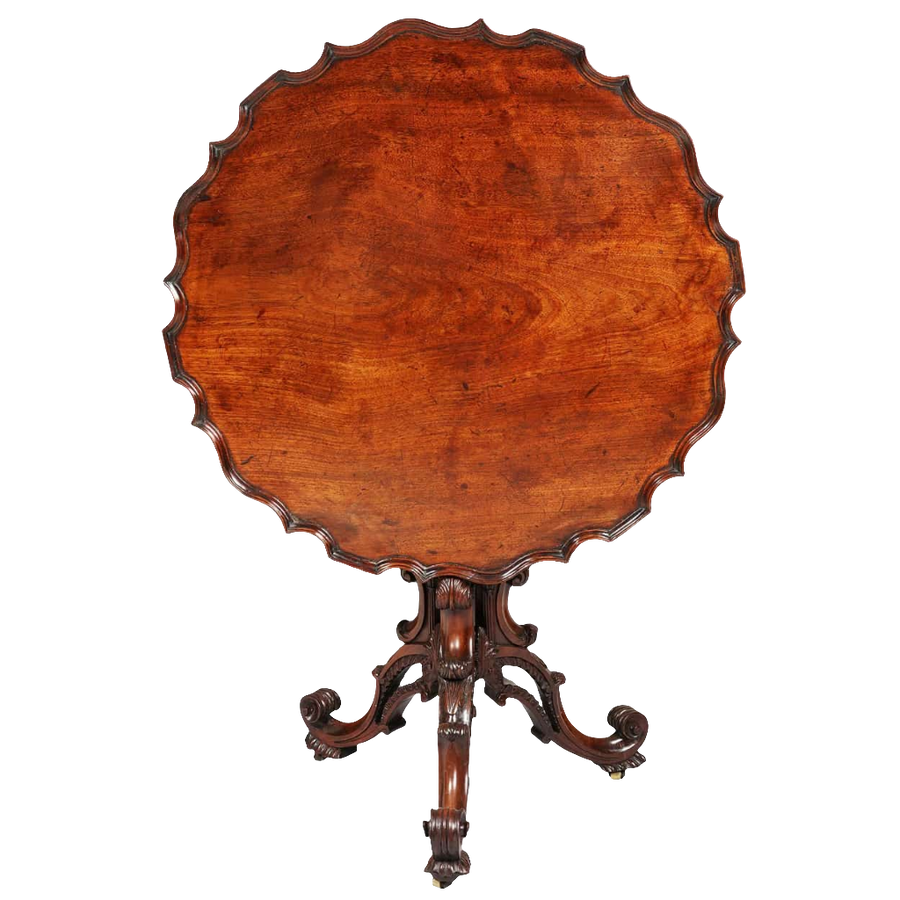
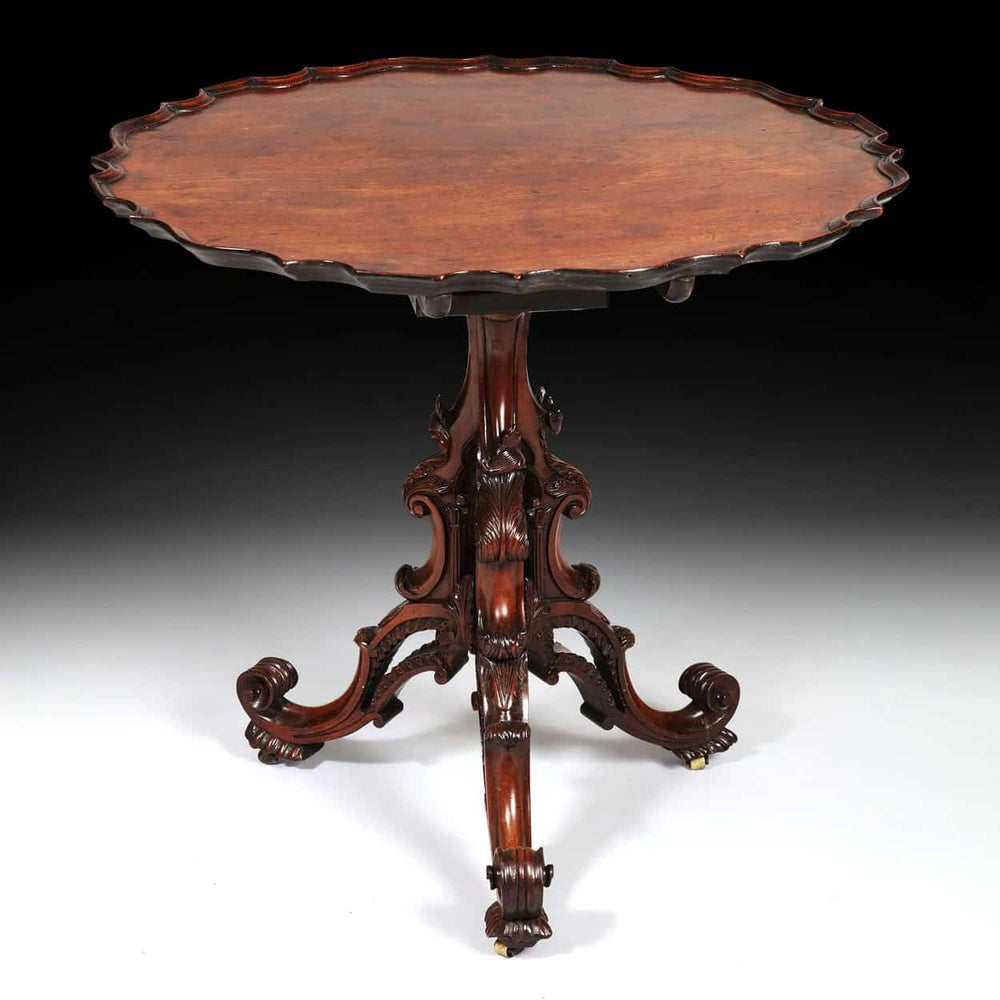
The intersection of mineralogy and decorative arts is where the true connoisseur finds aesthetic balance. While the scientific definition of a mineral focuses on chemical purity and crystalline structure, the interior designer values the raw, visceral energy these objects bring to a room. Consider the visual tension created by placing the jagged, crystalline edges of a Giant Pink Manganite atop the mirror-like finish of 18th-century antique centre tables. This juxtaposition of the elemental and the meticulously crafted is a hallmark of sophisticated design, allowing the organic to breathe life into the formal.
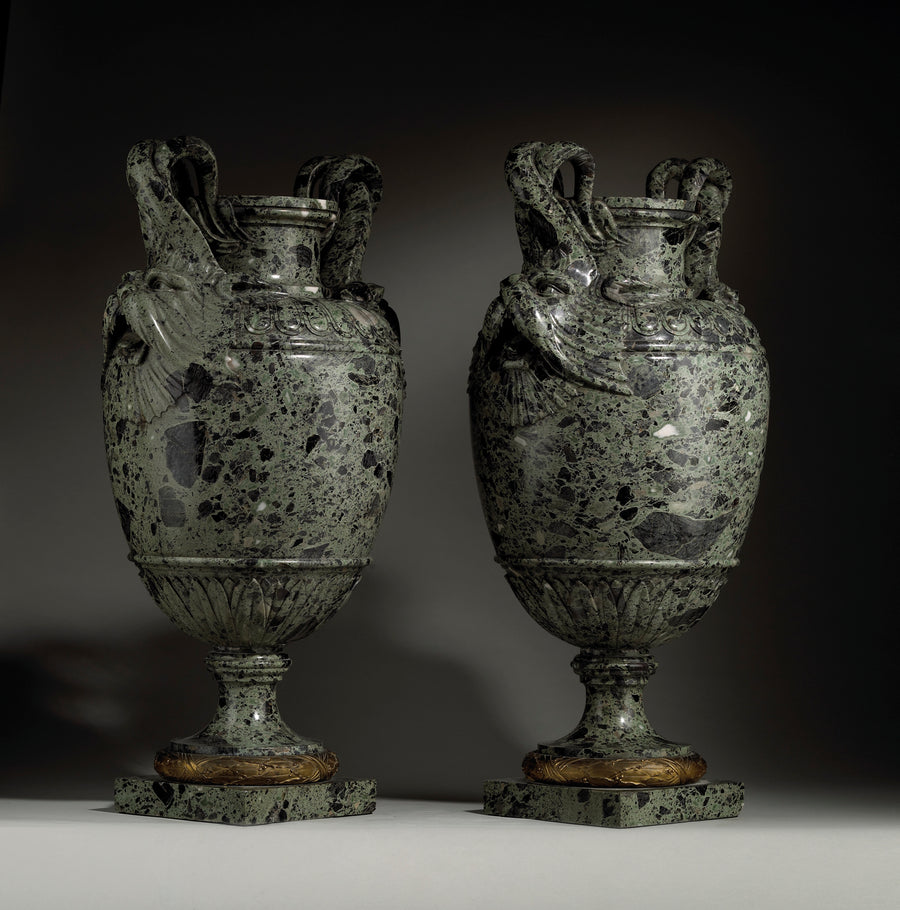
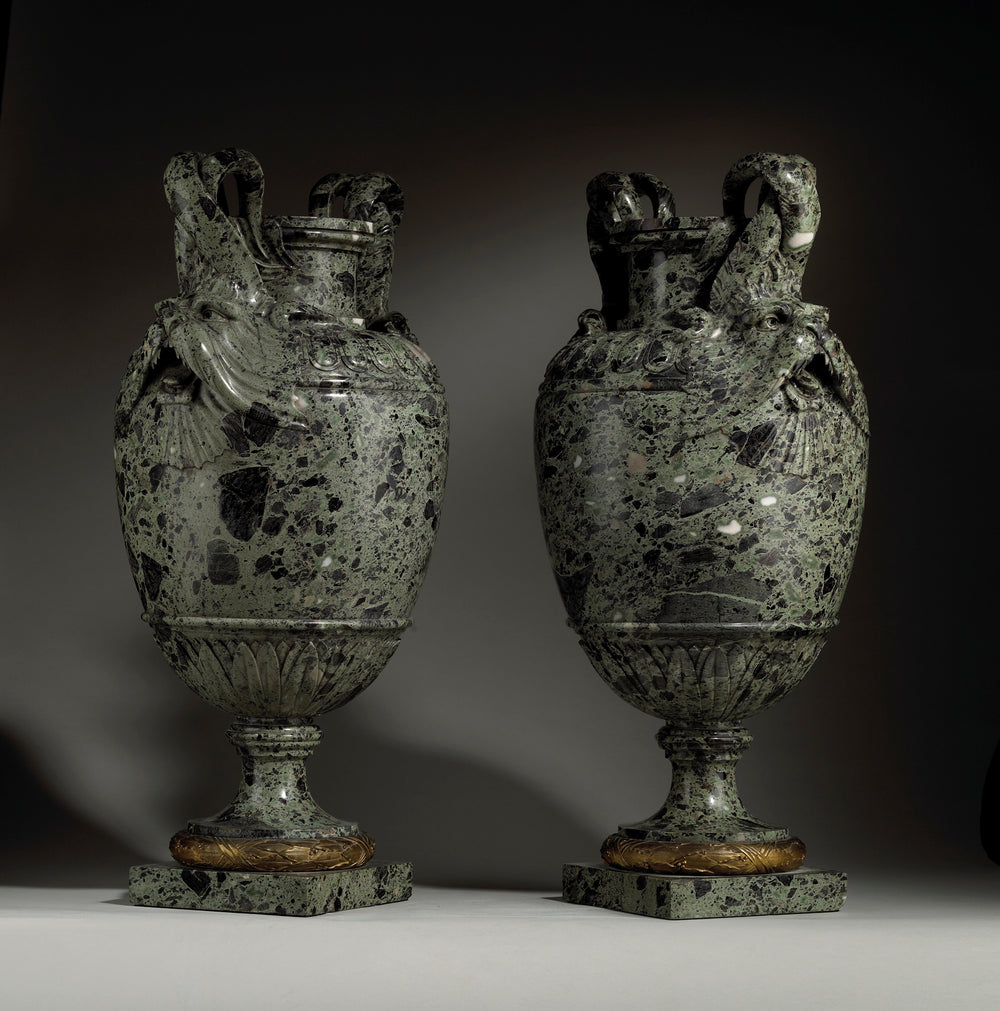
Lighting is the silent partner in any successful display of minerals & natural specimens. Directional spots can ignite the internal fire of a Citrine cluster or catch the brassy, metallic shimmer of Pyrite, transforming a static stone into a dynamic light source. For those seeking formal balance, placing a pair of identical specimens to flank a Regency mirror on a mantelpiece creates a sense of classical order. This approach is particularly favoured in the expansive, light-filled residences of the Hamptons and Greenwich, Connecticut, where natural light interacts with the specimens throughout the day. For our American clients, we ensure these heavy and often delicate wonders arrive safely through the use of specialist fine art shippers, making international acquisition a seamless experience.
Minerals as Architectural Sculptures
Large-scale treasures, such as a Magnificent Red Coral Specimen, shouldn't be tucked away. They function best as central conversation pieces, often elevated on pedestals to command the eye. Conversely, smaller cabinet specimens find their home within the glass-fronted protection of cabinet furniture, recreating the intellectual intimacy of a private Wunderkammer and inviting closer study of their intricate surfaces.
The Heritage of Collecting
This passion for preservation aligns with the "Restore Britain" ethos, which champions the conservation of both our natural and man-made history. These specimens possess a shared sense of permanence with European works of art, bridging the gap between the ancient world and modern luxury. By selecting pieces with documented origins, you're not just buying a rock; you're conserving a piece of the earth's narrative. Explore our curated selection of minerals and natural specimens to find a focal point that tells your story.
Highlights from the Nicholas Wells Minerals Collection
Our curated gallery focuses on "hero" pieces that define a luxury collection rather than mere geological samples. The Impressive 22-Inch Amethyst Geode (£950) is a prime example of a museum-scale natural wonder, designed to command attention in a dramatic entryway or gallery space. For those seeking vibrant colour and striking organic form, the Magnificent Red Coral Specimen (£7,500) represents the pinnacle of marine sculpture, its intricate branches offering a sophisticated counterpoint to the linear precision of Regency furniture.
History is quite literally etched into the Madagascan Fossil Tree Trunk Slice (£870). This 300-million-year-old geological time capsule preserves the cellular detail of ancient flora, transformed by time into a solid, polished artifact. In contrast, the Pyrite Specimen (£1,850) provides a masterclass in metallic lustre. Its cubic crystals offer an exceptional brilliance that mimics the finest metalwork, yet remains entirely the product of subterranean pressure and millions of years of undisturbed growth.
Acquiring Your Specimen
Nicholas Wells Antiques operates exclusively as an online gallery. This model allows us to maintain a highly specialised inventory of minerals & natural specimens without the constraints of a physical exhibition space, ensuring that every object meets our rigorous standards for provenance and aesthetic quality. We understand the logistical concerns of our American clients in regions such as the Hamptons, New York, and Greenwich, Connecticut. To address the significant weight and fragility of these geological treasures, we employ professional fine art shippers who provide fully insured, white-glove delivery worldwide. This ensures that even the most substantial geode arrives in pristine condition, ready to serve as a singular focal point in your curated interior.
Explore the full Minerals & Natural Specimens collection here
Elevating Your Private Gallery with Nature’s Masterpieces
Integrating these geological wonders into a curated home requires more than an eye for beauty; it demands a deep appreciation for the millions of years required to forge such perfection. We've explored how identifying phantom-growth zoning and natural terminations can distinguish a true collector's piece from a common sample. To help you achieve this vision, the Appreciation Project provides bespoke design packages and remote consultancy to help you harmonise raw minerals & natural specimens with the refined surfaces of Regency or Anglo-Indian furniture, creating an interior that feels both historically grounded and aesthetically daring.
Since 2012, Nicholas Wells has brought established London expertise to the global market, sourcing only the finest museum-grade examples. We ensure that the transition from our gallery to your residence is seamless, employing fine art specialists for fully insured worldwide shipping. This commitment to quality and conservation reflects our passion for heritage in all its forms. We invite you to View the Complete Minerals & Natural Specimens Collection and discover a piece that resonates with the unique character of your home.
Frequently Asked Questions
Are these minerals naturally formed?
Every piece in our gallery is an authentic, earth-born creation shaped by tectonic forces and chemical transitions over millions of years. We don't deal in laboratory-grown or synthetic alternatives, as we believe true luxury lies in the unrepeatable character of minerals & natural specimens. Each specimen is selected for its geological integrity and aesthetic brilliance, ensuring that the crystalline structures you admire are entirely the work of the natural world.
How should I clean and care for my mineral specimens?
Minimal intervention is the preferred approach for maintaining the lustre and structural integrity of your collection. A soft-bristle brush or a canister of compressed air is usually sufficient to remove dust from intricate crystal pockets without risking damage. You should avoid harsh chemical cleaners or prolonged exposure to direct, intense sunlight, which can occasionally cause certain pigments to fade. Treating these objects as significant cultural artifacts ensures their beauty remains preserved for future generations.
Can minerals be displayed in modern or contemporary interiors?
Geological wonders are exceptionally well-suited to contemporary spaces, where their raw, organic forms provide a necessary relief to the sharp lines of modern architecture. These specimens act as natural sculptures that bridge the gap between the ancient world and the requirements of modern luxury living. Whether placed on a minimalist plinth or a sleek console from a contemporary furniture specialist like elevenpast, they introduce a sense of timelessness and texture that manufactured art often cannot replicate.
Do you provide international shipping for large or heavy geodes?
We specialise in the seamless international transport of even the most substantial and delicate architectural pieces. Our American clients in regions like New York, Texas, and the Hamptons benefit from our partnerships with professional fine art shippers who ensure every item is crated and fully insured. Since we operate exclusively as an online gallery, we've refined our logistical protocols to guarantee that minerals & natural specimens arrive in pristine condition, regardless of their weight or destination.
What is the difference between a geode and a crystal cluster?
The distinction lies primarily in the formation and the host matrix. A geode is essentially a hollow, spherical rock within which crystals have grown inward, often revealing a hidden treasury of colour when sliced or cracked open. Conversely, a crystal cluster consists of a group of crystals that have formed outwardly upon a solid matrix or base. Both forms are highly prized by connoisseurs for their unique geometries and the way they capture light within a curated interior.


Leave a comment