



Decorating with Antiques and Contrast: A Connoisseur’s Guide to Asian Art
What if the secret to a truly modern home lies in the deliberate embrace of the ancient? Many collectors hesitate to blend eras, fearing that a rare Meiji bronze or a nineteenth-century Chinese screen might transform a living space into a sterile museum gallery rather than a home. At Nicholas Wells Antiques, we understand that decorating with antiques and contrast is not about clutter, but about creating a scholarly dialogue between the minimalist present and the storied past.
You're right to feel cautious about authenticity and the complexities of the current market, especially with the 10% baseline Reciprocal Tariff on UK antiques implemented in February 2026. This guide provides the expertise needed to master the art of juxtaposition, showing you how to integrate rare Asian antiquities into contemporary interiors to create spaces of profound depth. We'll examine how to evaluate surface patina, bridge the gap between Meiji and Modernist styles, and navigate international shipping with confidence. By the end, you'll possess the curator's eye required to build a collection that reflects both personal history and an uncompromising standard of quality.
Key Takeaways
- Learn to orchestrate a sophisticated "visual dialogue" by using the organic soul of rare artifacts to anchor and elevate contemporary minimalist environments.
- Discover the transformative power of decorating with antiques and contrast, specifically by pairing the deep surface patina of Asian art with the sharp lines of modern design.
- Explore the historical synergy between East and West, from 18th-century Chippendale motifs to the curated layering of Grand Tour objects with Far Eastern sculpture.
- Develop the expert eye needed to authenticate and evaluate rare lacquerwork, temple sculptures, and export porcelain for their historical significance and condition.
- Gain confidence in international acquisitions by understanding how specialist restoration and global shipping services protect the unique antique surface of your investments.
The Philosophy of Contrast: Why Antiques Elevate Modern Interiors
True luxury isn't found in a showroom of matching sets, but in the friction between different eras. When decorating with antiques and contrast, a designer breaks the monotony of contemporary architecture by introducing a visual dialogue. It's a curated conversation where the clinical precision of a glass wall or a steel beam meets the tactile, irregular beauty of a seventeenth-century cabinet. This isn't just about placement; it's about an intentional tension that makes a space feel curated rather than merely decorated. The sharp lines of a modern interior provide a stark, clean canvas that allows the organic complexity of an antique to truly resonate.
At Nicholas Wells Antiques, we distinguish between mere "vintage" items and true antiques. While mid-century thrift finds offer a sense of nostalgia, an object that has survived over 100 years carries a weight of history that acts as a spiritual anchor in a room. It's the "soul" of the piece, preserved through the careful conservation of its unique antique surface. We focus on items that haven't been stripped of their journey, ensuring the patina remains a testament to their longevity. In a newly constructed London home, perhaps in Mayfair or Piccadilly, the atmosphere can often feel unanchored. Integrating a piece from our collection of works of art provides that necessary weight, reflecting a life of connoisseurship and a deep appreciation for heritage.
Juxtaposition as a Design Principle
Contrast is the lens through which we appreciate the extraordinary. If you place a magnificent Japanese Temple Guard in a room stripped of ornament, its scale and presence redefine the entire volume of the space. You don't need a room full of relics to achieve this effect; in fact, selecting a few high-impact pieces prevents a cluttered appearance. This restrained approach allows each artifact to breathe, highlighting the superb craftsmanship of the past against the minimalism of the present.
The Importance of Provenance and Story
The value of a piece isn't just in its physical form, but in its storied journey through the history of Asian art. Provenance is the documented history of ownership that ensures both authenticity and prestige. Owning an object with centuries of cultural devotion creates an emotional resonance that no modern reproduction can mimic. It's a connection to a specific moment in time, validated by the hands it has passed through and the spaces it has inhabited. Whether it's a piece of export porcelain or a temple sculpture, the documented history adds a layer of intellectual depth to your interior that transcends simple aesthetics.
Mastering the Visual Dialogue: Texture, Patina, and Scale
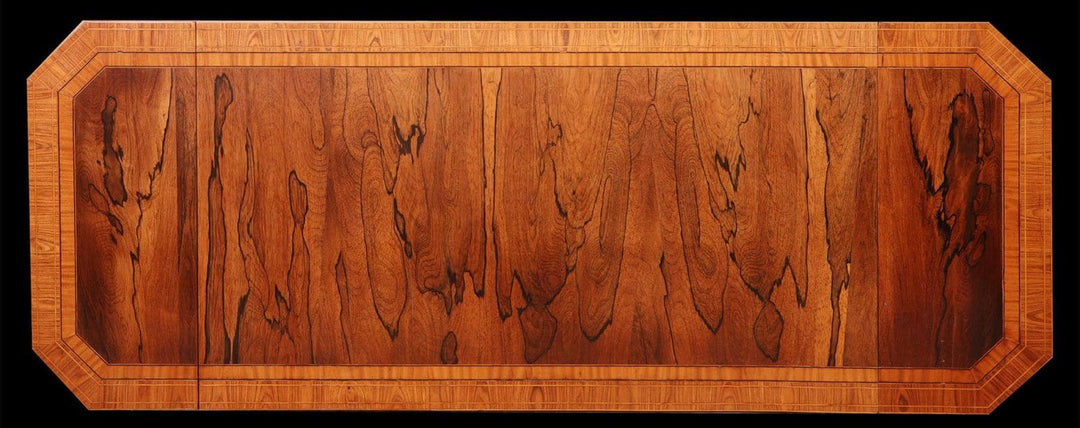
While many designers focus on colour palette coordination to bridge eras, the true connoisseur understands that decorating with antiques and contrast is a tactile endeavour. It's the juxtaposition of mirror-polished steel or structural glass against the deep, undulating grain of Georgian mahogany that creates a sense of luxury. This interplay of "cold" modern materials and "warm" historical timbers provides an intellectual depth that purely contemporary spaces lack. By allowing these disparate textures to exist in the same volume, you highlight the inherent quality of each, making the sleekness of the modern feel more intentional and the age of the antique more profound.
The Allure of Patina and Surface
The preservation of the original antique surface is paramount when establishing this visual dialogue. At Nicholas Wells Antiques, we value the fine "crackle" found on 18th-century lacquerwork because it represents a genuine passage of time that no modern finish can replicate. Developing a scholarly eye allows a collector to recognise the difference between this natural evolution and the artificial distressing often found in reproductions. Our careful restoration process prioritises the conservation of this unique antique surface, ensuring that the object's soul remains intact while preparing it to serve as a focal point in a contemporary setting. This commitment to historical integrity ensures that the contrast remains authentic rather than theatrical.
Scale: From Intimate to Monumental
Proportion serves as a powerful tool for breaking the visual monotony of standard ceiling heights and open-plan layouts. A monumental Japanese Meiji bronze eagle, placed as a central focal point in a Mayfair town house, commands the room in a way no flat surface ever could. Conversely, balancing intimate objects, such as Chinese carved coral, against large-scale contemporary art creates a rhythmic shift in perspective that rewards closer inspection. To further amplify these effects, Regency mirrors can be utilised to reflect and double the presence of Asian ceramics, adding architectural structure and light to the arrangement.
Lighting plays a final, crucial role in this dialogue. Antique lanterns and chandeliers aren't merely light sources; they're instruments of drama that cast complex, rhythmic shadows across contemporary walls. These shadows soften the hard edges of modern architecture, creating a sense of timelessness that aligns with the longevity of the pieces themselves. If you're seeking a specific piece to anchor your collection, we invite you to browse our curated gallery or arrange an appointment at our showroom in Westminster to experience these textures in person.
East Meets West: Blending Asian Antiquities with European Styles
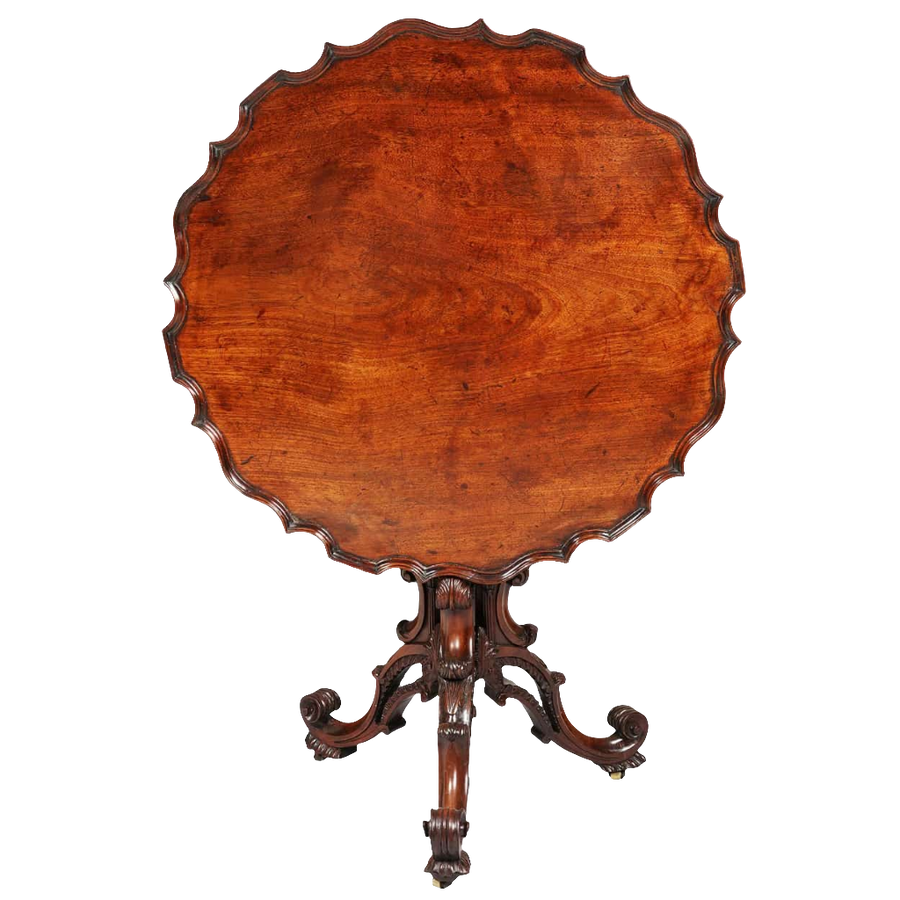
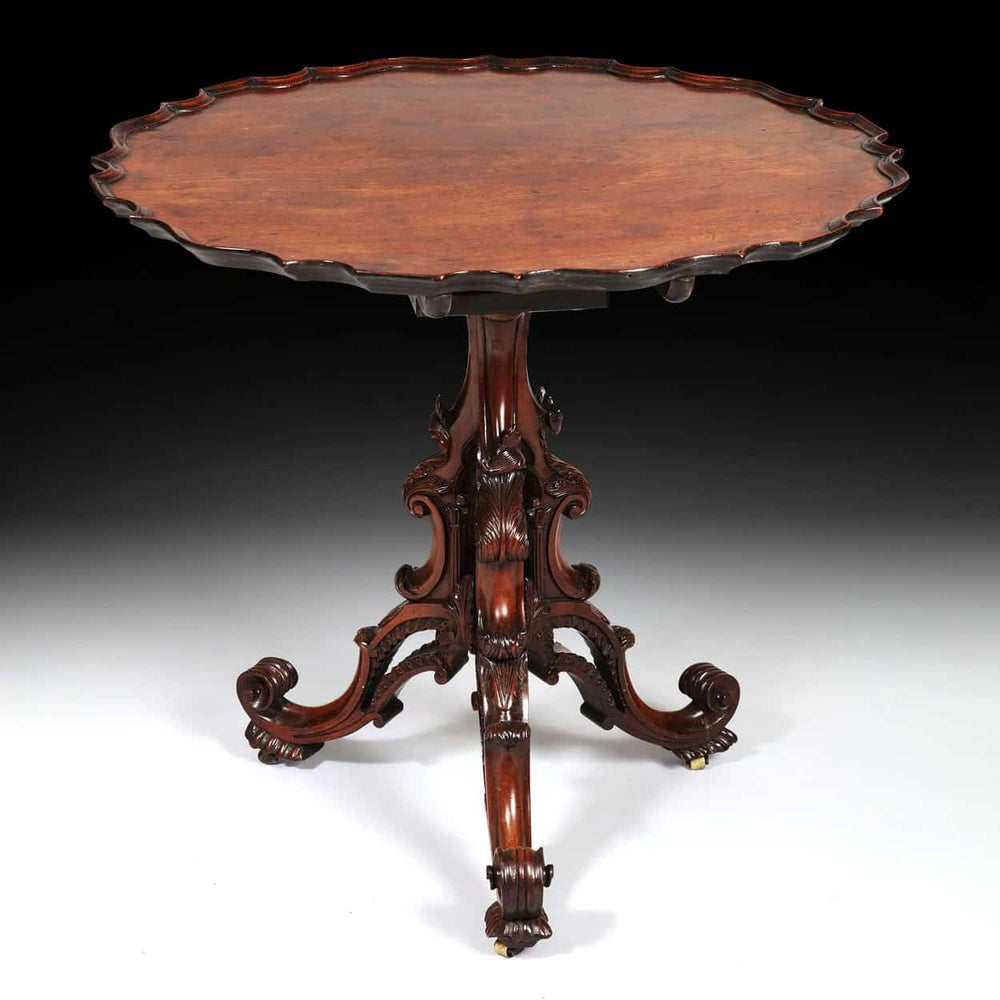
Decorating with antiques and contrast isn't a modern invention; it's a sophisticated tradition that reached its zenith in the 18th century. During this era, designers like Thomas Chippendale masterfully integrated Asian motifs into the English vernacular, creating the whimsical yet refined style known as Chinoiserie. This cross-cultural dialogue allowed for a unique tension between the structured elegance of Georgian mahogany and the fluid, organic narratives found in Far Eastern art. By mixing classical Grand Tour objects with Asian antiquities, collectors can recreate the atmosphere of a scholarly cabinet of curiosities, where every object tells a story of global exploration.
Within the French courts, the marchands-merciers took this integration a step further by incorporating genuine Asian lacquer panels into magnificent pieces of furniture. These panels were often framed with exquisite ormolu mounts and intricate marquetry, or set within the radiant, carved frames of French giltwood, blending European technical precision with Eastern aesthetic philosophy. For the modern collector, a similar scholarly approach can be applied by placing Indian or Islamic arms and armour within the quiet surroundings of a Regency library. The intricate patterns of a damascened blade provide a superb foil to the rhythmic rows of leather-bound books, offering a sense of history that's both personal and profound.
Asian Art in the English Country House
The English country house tradition often relied on the placement of Arita porcelain vases atop stately Georgian console tables to signal a family's international reach. Anglo-Indian tea caddies, with their intricate bone inlays and exotic timbers, serve as smaller yet equally potent symbols of 18th-century trade and taste. Irish pier mirrors provide the perfect vertical contrast to horizontal Chinese export panels.
Modernist Lines and Ancient Forms
There's a surprising synergy between the austere minimalism of the Japanese Edo period and the geometric rigour of Art Deco furniture. A Japanese Cloisonné enamel vase can inject a necessary pulse of colour into a monochrome modernist interior without disrupting its clean lines. While factory-made modernism often feels anonymous, the "soul" of a hand-carved Oceanic war club provides a visceral, human connection to the past. This contrast ensures that a contemporary space remains grounded in history, reflecting the uncompromising eye for quality that Nicholas Wells Antiques represents.
Buying Guide: Selecting Asian & Oriental Masterpieces
Selecting a significant piece for a contemporary interior requires more than an aesthetic impulse; it demands the guidance of a specialist fine antiques dealer who understands the nuances of material and era. At Nicholas Wells Antiques, we curate objects that bridge the gap between historical significance and modern luxury, acting as a luxury antiques dealer that sources primarily from distinguished estates and private collections worldwide. Whether you're considering the deep, lustrous depth of lacquerwork or the spiritual presence of a temple sculpture, each category offers a different weight of character. The investment value of these works reflects their extraordinary rarity, with pieces in our gallery ranging from £1,900 for fine export porcelain to £95,000 for monumental sculptural works.
Evaluating condition is a nuanced skill that varies by medium. For 19th-century bronzes, particularly from the Meiji period, look for the crispness of the casting and the integrity of the original silvered or patinated surface. In contrast, 18th-century ceramics should be examined for the vibrancy of their enamels and the presence of minor kiln firing flaws, which often serve as markers of authenticity. We prioritise the preservation of the unique antique surface above all else, as a piece that has been over-cleaned loses the very history that makes it a superb focal point.
Highlights from the Collection
- Japanese Temple Guards (Shūkongōshin): A pair of life-size cedarwood guardians, circa 1850. These figures embody the spiritual power of the late Edo period (£95,000).
- 19th-Century Japanese Meiji Period Silvered Bronze Eagle: A monumental work of naturalism that captures the fierce elegance of the subject with exceptional detail (£55,000).
- Important Pair of Arita Porcelain Vases: Magnificent examples of Japanese porcelain mastery, displaying the refined blue and white palette of the era (£18,500).
- Chinese Export Porcelain Bowl for the Islamic Market: A rare East–West trade piece that highlights the global reach of 18th-century commerce (£1,900).
What to Avoid When Decorating with Asian Antiques
The most frequent error in decorating with antiques and contrast is the creation of a "themed" room. True sophistication lies in balance; a room entirely filled with Far Eastern art loses the power of juxtaposition and begins to feel like a stage set. Instead, allow a single, magnificent object to breathe against a backdrop of modern minimalism. Another critical mistake is the urge to "over-restore." A shiny, new-looking surface often devalues an antique, as it erases the story of its journey through time. Finally, never underestimate the logistics of acquisition. Ignoring the necessity of secure, insured international shipping can risk the safety of a rare investment. We manage every detail of the transit process to ensure your piece arrives in London, Mayfair, or anywhere globally, with its integrity preserved.
Building a collection is a journey that rewards patience and expertise. We invite you to contact Nicholas Wells Antiques to discuss how these masterpieces can redefine your interior space.
Acquisition and Placement: The Final Polish for the Discerning Collector
Integrating a masterpiece into a private residence is the culmination of the collector's journey, a moment where historical theory meets physical reality. Decorating with antiques and contrast requires a final, precise touch to ensure the object harmonises with its contemporary surroundings without losing its inherent power. While we operate primarily as a premier online gallery, we understand that certain decorative antiques demand physical inspection to truly appreciate their weight and presence. Our showroom in Westminster, situated near the historic hearts of Mayfair and Piccadilly, provides a discreet environment where clients can appreciate the scale and surface patina of a piece before acquisition.
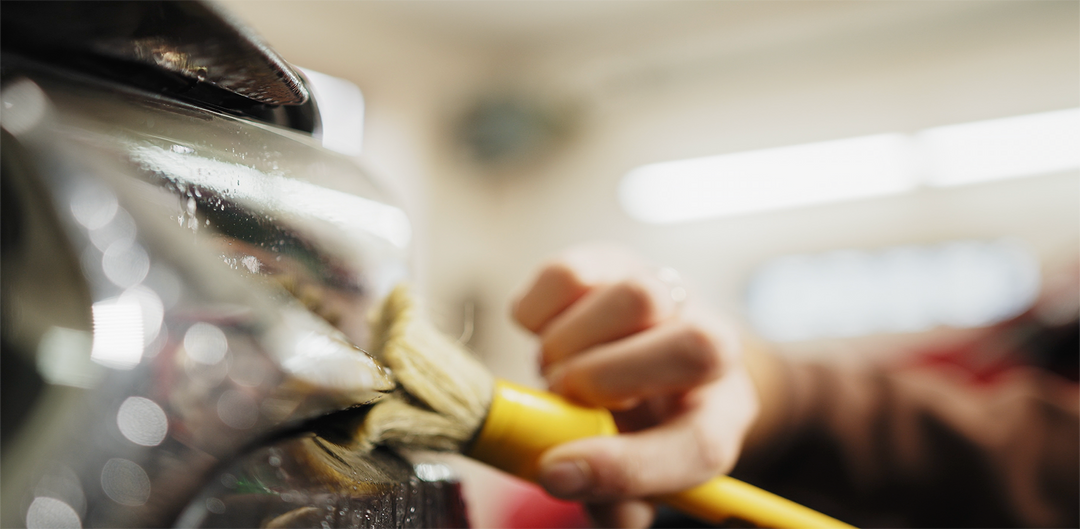
To facilitate this transition, Nicholas Wells Antiques offers a complimentary restoration service for every piece in our collection. This is not a modern overhaul but a sympathetic conservation effort designed to preserve the unique antique surface while ensuring the piece is structurally sound for a modern home. Whether it involves the delicate stabilising of an intricate lacquer cabinet or the careful cleaning of a set of Islamic arms and armour, our approach remains rooted in historical integrity. We ensure that the contrast between the ancient soul of the object and the sleek lines of your interior remains sharp, authentic, and intellectually engaging.
Managing the logistics of international acquisition is a cornerstone of our professional service. For monumental works, such as the life-size Japanese temple guards or large-scale sculpture, we coordinate fully insured, white-glove worldwide shipping. Every artifact is crated with the utmost precision, acknowledging that these are not merely goods but significant cultural artifacts that have survived centuries. This global reach allows us to serve a distinguished clientele from London to New York, ensuring that the distance between the gallery and the home never compromises the safety of a rare investment.
The Nicholas Wells Experience
Since 2012, Nicholas Wells has established a reputation as a specialist dealer in fine and luxury antiques, offering a level of expertise that transcends the typical retail experience. Our online gallery provides high-resolution photography and detailed condition reports, allowing for a transparent evaluation of every obelisk, chandelier, or war club in our collection. For those seeking a more personal consultation, our Westminster showroom is available to visit by appointment for those seeking a personal consultation to discuss bespoke interior requirements and curated collection building.
Next Steps for Your Collection
Finding the perfect anchor for your space begins with exploration. We encourage you to browse the Asian & Oriental Works of Art Collection to find your next focal point. Should you require detailed provenance or high-resolution close-ups to verify a specific detail of marquetry or ormolu, our team is ready to assist. Every piece we offer is a testament to the extraordinary craftsmanship of the past, waiting to redefine the character of your modern home.
Elevating the Modern Home Through Historical Juxtaposition
Mastering the art of decorating with antiques and contrast is ultimately an exercise in curation that transcends simple aesthetic pleasure. It's about finding the spiritual anchor of a space by balancing contemporary minimalism with the organic complexity of a Meiji bronze or a rare lacquer screen. True luxury is quiet. By prioritising the scholarly preservation of the unique antique surface and understanding the intricate historical dialogue between East and West, you create an environment that reflects a profound level of connoisseurship. This intentional tension between eras ensures your home remains a living testament to global heritage rather than a static showroom.
Since 2012, Nicholas Wells Antiques has served as a trusted advisor to collectors seeking these extraordinary artifacts from our London base. We support your journey with complimentary expert restoration and fully insured worldwide shipping, ensuring that the transition from our gallery to your interior is seamless and secure. Whether you're searching for a monumental focal point or a refined porcelain masterwork, we invite you to take the next step in building your legacy. Explore the Asian & Oriental Works of Art Collection at Nicholas Wells Antiques and discover the pieces that will define your home for generations to come.
Frequently Asked Questions
How do I know if an Asian work of art is an authentic antique?
Authenticity is verified through a combination of documented provenance, material analysis, and stylistic scrutiny. A genuine piece will exhibit a natural surface patina and historical wear patterns that modern reproductions simply cannot replicate. We provide detailed condition reports and documented history for every item to ensure its status as a significant cultural artifact.
Can I visit your London gallery to see these pieces in person?
You're welcome to view our collection by appointment at our Westminster showroom. While Nicholas Wells Antiques operates primarily as an online gallery, we encourage collectors to experience the weight and texture of our pieces in person. This private viewing allows for a scholarly discussion regarding how a specific item might anchor your interior design.
Do you provide international shipping for large items like temple guards?
We manage fully insured worldwide shipping for every item in our collection, including monumental sculptural works. Our team handles the entire logistics process, using bespoke crating to protect the unique antique surface during transit. Whether your residence is in Mayfair or Manhattan, we ensure the safe arrival of your acquisition.
What is the price range for the Asian & Oriental collection?
Our collection features a diverse range of rare works, with entry-level export porcelain starting at £1,900 and monumental masterpieces reaching £95,000. These values reflect the extraordinary rarity, provenance, and condition of each piece. We focus on sourcing only the finest examples of Far Eastern art for the discerning global market.
How does Nicholas Wells Antiques handle the restoration of delicate lacquerwork?
We provide a complimentary restoration service that prioritises the conservation of history rather than a modern overhaul. Our specialist craftsmen use traditional techniques to stabilise the fine crackle of 18th-century lacquer without erasing its storied journey. This careful approach ensures that the piece maintains its soul while being prepared for a contemporary home.
Is it possible to mix different Asian cultures in one modern room?
Mixing diverse Asian cultures is a sophisticated way of decorating with antiques and contrast to create a global narrative. Pairing a Japanese Edo-period bronze with a Chinese export porcelain bowl provides a rhythmic shift in form and texture. This curated approach prevents a sterile atmosphere by focusing on the shared quality and scholarly appeal of the objects.
What happens if a piece is damaged during international shipping?
Every shipment is fully insured to its total value to protect your investment against unforeseen damage. In the rare event of an issue, we manage the insurance claim and coordinate any necessary conservation through our expert restoration network. Our commitment to the preservation of history remains our primary concern throughout the transit process.
Do you offer appraisal services for Asian antiques?
Nicholas Wells Antiques doesn't provide standalone appraisal or valuation services for items outside our inventory. We focus our expertise on the curation, acquisition, and sale of fine and luxury antiques within our specialist categories. This allows us to maintain our position as a dedicated dealer and trusted advisor for high-end collectors.
Leave a comment