


Essential Questions to Ask an Antique Dealer: A Connoisseur’s Guide

Jun 1, 2026

The most profound distinction of a fine Georgian mahogany sideboard or a rare Chippendale mirror lies in the silent testimony of its original surface patina, a character that no modern reproduction can hope to emulate. You understand that acquiring such a piece is not merely a purchase but a commitment to the conservation of history; yet, the fear of an undocumented restoration or a complex international transit can often temper the joy of discovery. By refining the specific questions to ask an antique dealer, you'll cultivate the scholarly authority required to vet even the most specialised collections with absolute poise. At Nicholas Wells Antiques, we provide the discerning collector in New York or the Hamptons with more than just an object; we offer a transparent narrative of heritage.

Whether you visit our showroom in Piccadilly by appointment or consult our gallery from San Francisco, this guide will clarify how to manage the complexities of the 2026 US import tariffs and the necessity of formal customs entry, ensuring your acquisition is as seamless as it is significant. We'll examine the vital frameworks for identifying authentic 18th-century works and the meticulous standards maintained by professional fine art shippers for secure, worldwide delivery. You'll gain a clear understanding of why the integrity of an antique’s surface remains the ultimate indicator of its enduring investment potential and historical value.

Key Takeaways

  • Identify the specific stylistic markers that authenticate an 18th-century piece, ensuring that construction techniques and proportions align with the era's standards.
  • Master the sophisticated questions to ask an antique dealer to confirm the integrity of the original surface patina and the historical accuracy of any conservation.
  • Understand the intricacies of international acquisition by learning how professional fine art shippers facilitate secure delivery to collectors in Texas or Greenwich.
  • Learn to distinguish the scholarly authority of a specialist gallery, particularly in niche fields like Grand Tour objects or Islamic arms and armour.
  • Discover the advantages of an appointment-only viewing at a Piccadilly gallery to personally inspect the nuances of a rare decorative work of art.

The acquisition of a significant piece begins with a rigorous inquiry into its lineage. While the definition of an antique traditionally requires an age of at least one century, a true connoisseur understands that age alone does not confer prestige. When refining your list of questions to ask an antique dealer, start with the stewardship of the object. A detailed narrative of the piece’s journey through previous collections or private estates provides more than just a history; it offers a guarantee of authenticity that preserves the item's investment potential. Nicholas Wells Antiques prioritises this transparency, ensuring every client understands the narrative behind their acquisition. You should request any documentation, such as original invoices or certificates of attribution, that supports a link to a specific maker or region. This is particularly vital for collectors in New York or Greenwich, Connecticut, where the distinction between a "period" original and a later, high-quality "style" reproduction can significantly alter the valuation and the requirements for US customs entry.

Interrogating the Historical Narrative

A specialist dealer should be able to articulate whether a piece has ever graced the halls of a notable English country house or been featured in scholarly publications. Ask if the item has a recorded exhibition history or if it appears in a definitive catalogue raisonné. Such details transform a functional object into a cultural artifact. For those seeking items like Grand Tour obelisks or Islamic arms and armour, these historical links are the foundation of a sophisticated collection. It's often the untold stories of past ownership that define the soul of the work.

Identifying Period-Specific Craftsmanship

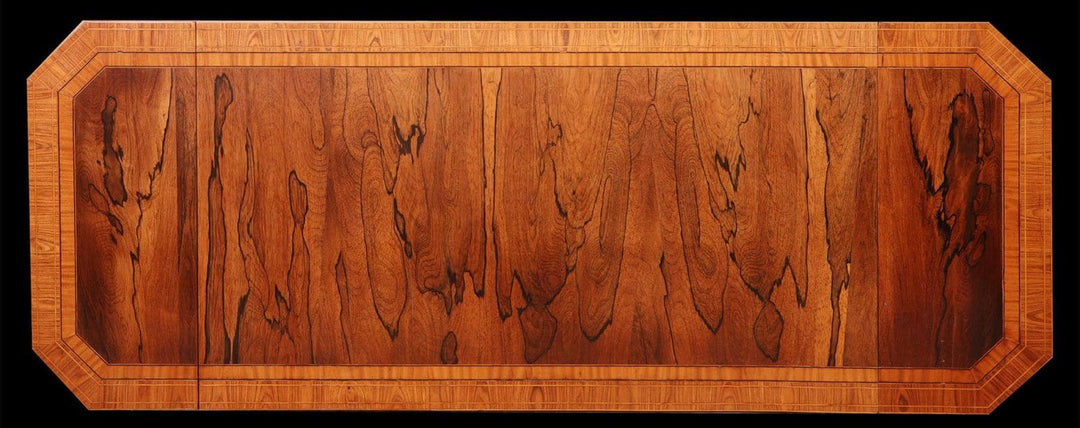
Refining the questions to ask an antique dealer regarding physical construction is essential for distinguishing between a masterwork and a workshop piece. True expertise is revealed in the ability to identify the subtle markers of an era’s vernacular. Inquire about the specific stylistic markers that define the period, such as the precise proportions and timber selection of a Georgian mahogany sideboard. You might also discuss the rarity of materials, perhaps focusing on the flame-figured grain found on an exceptional Regency dining table. Verify the construction techniques used; hand-cut dovetails on an 18th-century commode or the weight of the cast brass on a Chippendale mirror serve as physical evidence of its origin. These details ensure that the piece you bring into your home is an authentic representative of its time.

Evaluating the Physicality: Questions on Surface, Patina, and Conservation

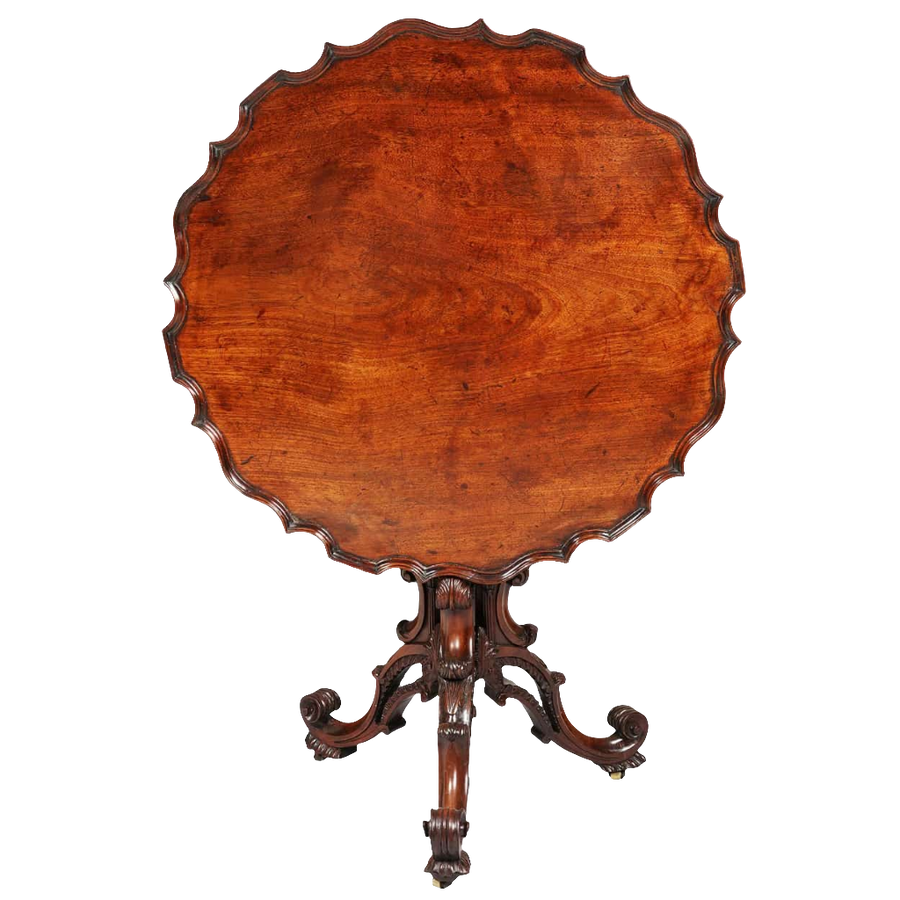
The physical integrity of a masterpiece is most vividly expressed through its "skin." When formulating your questions to ask an antique dealer, the most critical inquiries often concern the preservation of the original surface. A seasoned collector understands that a piece which has been stripped and refinished loses the vital narrative of its existence. You must ask: "Is the surface patina original, or has the piece been subjected to aggressive modern polishing?" Surface patina represents the chemical and physical changes reflecting an object’s age and history, manifesting as a depth of colour and texture that contemporary finishes cannot replicate. At Nicholas Wells Antiques, we prioritise the conservation of history, ensuring that the unique antique surface of every object is treated with the reverence it deserves.

Beyond the surface, the structural honesty of the item is paramount. Inquire specifically about the extent of any restoration and whether it was performed to museum standards. It's also essential to seek clarification on "married" pieces, where components from different antiques have been joined together to create a single, albeit compromised, object. Such alterations significantly diminish the scholarly and commercial value of the work. For those beginning their journey, consulting a comprehensive antique buying guide can provide a foundational understanding of what to inspect during a physical or virtual viewing.

The Value of the Original Surface Patina

An untouched surface significantly enhances the market value of fine antique furniture. This "bloom" on the wood or the gentle oxidation on a giltwood mirror serves as a certificate of authenticity that no document can replace. This is why we often highlight the exceptional character of an Irish pier mirror 18th century, where the original gilding remains a testament to its survival through the ages.

Complementary Restoration and Future Care

Maintaining the integrity of a piece requires an understanding of its environment. You should ask if the dealer provides complementary restoration advice or services as part of the acquisition. Collectors in the humid climate of the Hamptons or the dry heat of Texas must be particularly diligent. Inquire about specific microcrystalline waxes or traditional oils recommended for maintaining the finish. This ensures your acquisition remains a focal point of your interior for generations to come.

Questions to ask an antique dealer

The Logistics of Fine Art: Questions for the International Collector

The acquisition of a singular artifact from a Mayfair gallery requires a logistical strategy as refined as the object itself. For the collector in New York or San Francisco, the journey of a piece across the Atlantic is often the most anxiety-inducing phase of the process. Consequently, the questions to ask an antique dealer must extend beyond the showroom to the rigours of international transit. You should inquire: "Which professional fine art shippers do you partner with for deliveries to California or Texas?" A reputable specialist, such as Nicholas Wells Antiques, only entrusts these treasures to firms with proven expertise in handling delicate 18th-century structures. It's equally vital to confirm the specifics of fully insured worldwide shipping and the protocol for handling potential claims, ensuring your investment is protected from the moment it leaves Piccadilly until it reaches your residence.

Fragile items, such as antique mirrors or intricate gilt chandeliers, demand a white-glove delivery process that includes on-site installation and the removal of all packing materials. Regarding ethnographic or Oceanic art, the dealer’s ability to navigate the labyrinth of export licences and CITES documentation is indispensable. We manage these administrative burdens with scholarly precision, overseeing the formal customs entry required by the 2026 tariff regulations following the elimination of the US de minimis threshold. This level of service ensures that every acquisition complies with the latest international legal standards without placing the burden of paperwork on the buyer.

Navigating Global Delivery and Insurance

The safety of high-value items, particularly Grand Tour obelisks or complex sculptures, rests upon the quality of the crating. You should verify that the dealer employs custom-built, museum-grade crates designed to mitigate the risks of vibration and climate fluctuations during maritime or air freight. Our experience in shipping to niche markets, including Greenwich, Connecticut and the Hamptons, allows us to provide a seamless transition for your new acquisition. To explore our current collection and discuss your international delivery requirements, we invite you to view our curated works of art.

The transition from a casual purchaser to a focused collector requires a partner who possesses more than just inventory; it demands a curator with a profound understanding of historical context. When considering the final questions to ask an antique dealer, you should seek to uncover the depth of their specialisation. Inquire: "What is your primary area of expertise?" A specialist dealer in Mayfair offers a distinct advantage over a generalist by providing deep academic insight into niche categories. For instance, our proficiency in sourcing Islamic arms and armour or rare Oceanic tribal art ensures that each acquisition is not merely decorative but a significant cultural artifact with a verified lineage.

Establishing a long-term rapport with a specialist allows you to build a cohesive collection that reflects a consistent aesthetic and historical narrative. You might ask how the gallery can assist in identifying pieces that complement your existing furniture, such as finding the perfect Art Deco cabinet to sit alongside a Regency dining table. While Nicholas Wells Antiques operates primarily as an online gallery to serve our international clientele in Texas and California, we maintain the tradition of personal service. We invite you to inquire about an appointment-only visit to our showroom in Piccadilly, where you can experience the tactile quality and surface patina of our collection in a private, scholarly environment.

The Specialist Advantage in Mayfair

Nicholas Wells Antiques represents a unique alternative to the traditional exhibition model, focusing on a highly curated selection that prioritises quality over volume. Each work of art is subjected to a rigorous vetting process that considers its rarity, condition, and historical significance. This scholarly approach ensures that our clients in Greenwich, Connecticut or the Hamptons receive objects that are truly singular. By moving beyond the simple transaction, you gain a trusted advisor dedicated to the conservation of history and the pursuit of excellence in the decorative arts.

Cultivating Your Legacy in the Decorative Arts

Mastering the acquisition of a rare object requires a blend of aesthetic intuition and scholarly rigour. By refining the specific questions to ask an antique dealer, you transition from a mere purchaser to a guardian of history. You've learned to scrutinise the integrity of an 18th-century surface, navigate the labyrinth of international logistics with fine art specialists, and distinguish the authoritative expertise of a Mayfair gallery. These skills empower you to curate a space that reflects both personal distinction and a deep reverence for the past.

At Nicholas Wells Antiques, we support this journey with our deep proficiency in 18th and 19th-century English and Continental furniture. We ensure that every piece is conserved to the highest standards, offering complimentary restoration on all items sold to preserve their unique character. Whether your collection resides in Greenwich or the Hamptons, our fully insured worldwide shipping provides the security your investment deserves. We invite you to Explore our curated collection of fine antiques and works of art. Your next acquisition is not just an addition to an interior; it's a significant cultural artifact that will resonate for generations.

Frequently Asked Questions

Is it better to buy an antique that has been restored or one in "as found" condition?

The preference typically leans towards "as found" condition when the original surface patina remains undisturbed, as this untouched state represents the pinnacle of historical integrity. However, sympathetic conservation performed to museum standards is often essential to ensure the longevity of 18th-century furniture. You should prioritise pieces where the restoration serves to stabilise the object rather than erase the character of its unique antique surface.

How do I verify if a dealer in Mayfair or Piccadilly is reputable?

A reputable antique shop in Piccadilly is distinguished by its scholarly approach and the transparency of its provenance records. When considering questions to ask an antique dealer, evaluate whether they specialise in niche fields like Grand Tour objects or Islamic arms rather than offering a generalist inventory. Nicholas Wells Antiques maintains its reputation by treating every object as a significant cultural artifact, providing detailed narratives for each acquisition.

What specific questions should I ask about antique lighting and chandeliers?

Inquiries regarding gilt chandeliers or antique lanterns should focus on the authenticity of the finish and the completeness of the original components. Ask if the gilt surface has been over-painted or if it retains its historical oxidation. It's also vital to confirm that any rewiring has been conducted sensitively, ensuring the piece meets modern safety standards without compromising the delicate structure of the frame.

Can I visit Nicholas Wells Antiques in Piccadilly without an appointment?

Our gallery operates as a specialised online space to better serve our international clientele, and therefore we don't maintain a traditional open exhibition room. While we are a prominent antique dealer in Mayfair, our showroom is available to visit strictly by appointment. This ensures a private and immersive experience where collectors can examine the fine details of our 18th and 19th-century collection in a quiet, scholarly atmosphere.

How does shipping fine furniture from London to the United States work?

Shipping to the United States involves a rigorous white-glove process managed by professional fine art shippers who specialise in trans-Atlantic transit. For our collectors in New York, Texas, or California, we handle all aspects of the formal customs entry and the complexities of the 2026 tariff regulations. Every piece, from a Regency dining table to an Irish pier mirror 18th century, is secured in museum-grade crating for fully insured delivery.


Leave a comment

Please note, comments must be approved before they are published

This site is protected by hCaptcha and the hCaptcha Privacy Policy and Terms of Service apply.


Explore more