



Georgian Centre Tables for Sale: A Connoisseur’s Guide to 18th-Century Elegance
The Architecture of the Room: Defining the Georgian Centre Table
In the grand English town and country houses of the 18th century, the centre table was not merely a piece of furniture but an architectural statement. It served as the gravitational point of a room, a focal piece around which social life revolved. The evolution of this form charts the course of Georgian society itself, moving from the heavier, more structural designs of the early period to the refined elegance of the late 18th century. As social entertaining became more sophisticated, the placement and design of tables shifted, giving rise to the true centre table—a piece distinct from peripheral or occasional furniture, designed to command attention from every angle.
The Evolution of Design from George II to George III
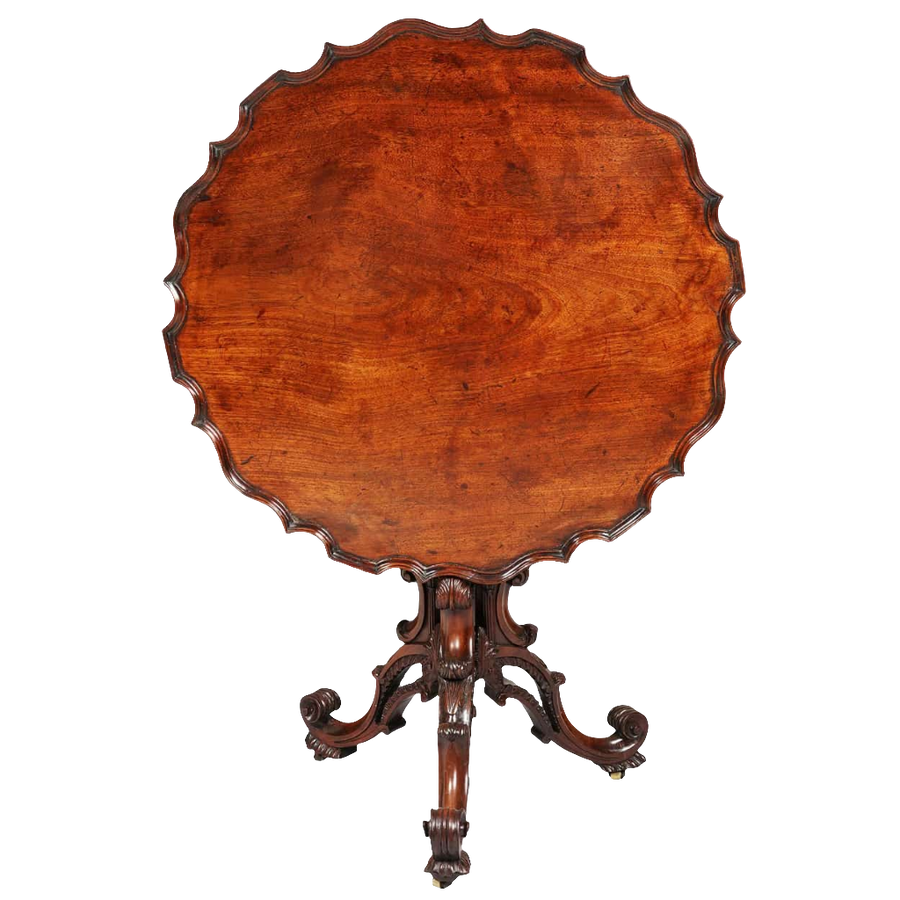
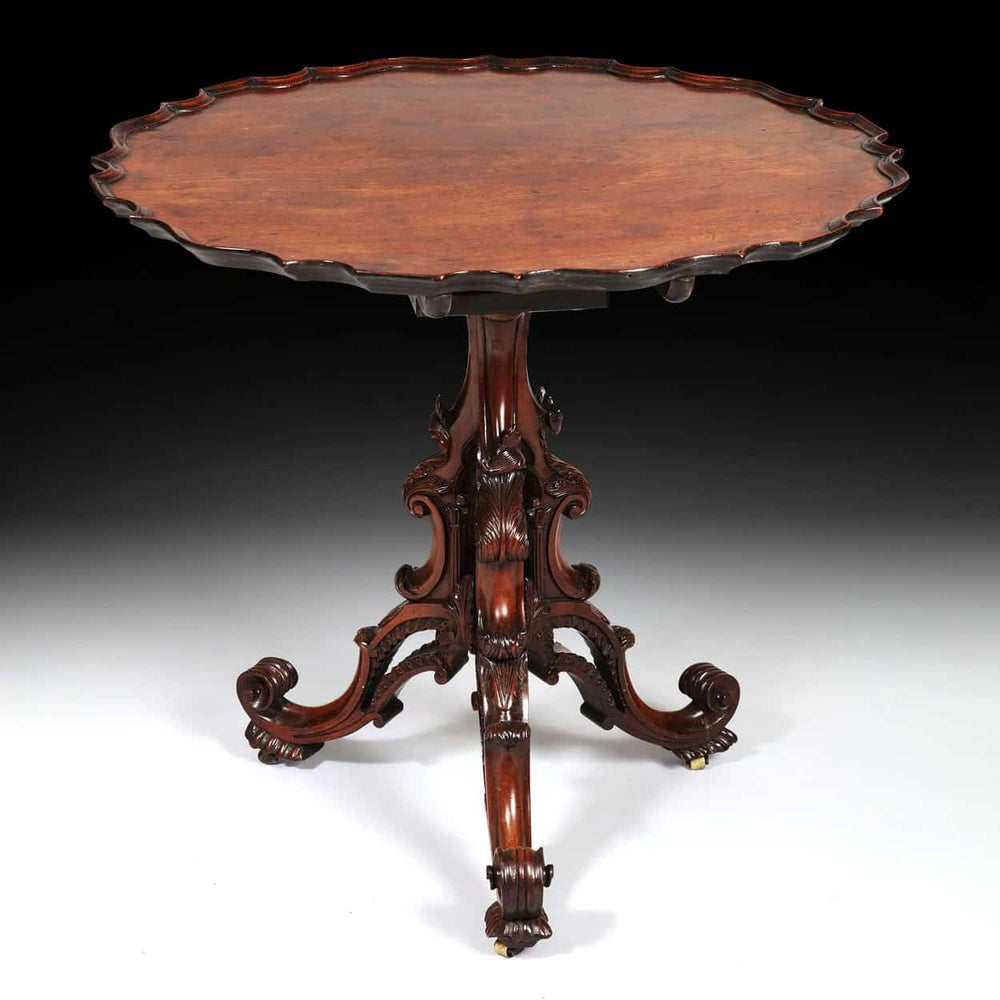
The stylistic transition across the Georgian era is profound. Early George II tables often reflected a robust, architectural Palladianism, with heavy carving and imposing proportions. As the century progressed, the influence of the Neoclassical movement, championed by designers like Robert Adam, ushered in a new taste for lightness and grace. The "Grand Tour," an educational rite of passage for young aristocrats, brought classical motifs from Italy and Greece back to England, which were then incorporated into decorative elements such as swags, urns, and paterae. This period also saw the rise of the elegant tripod base, a hallmark feature that lent both stability and a refined, sculptural quality to the mid-18th-century centre table.
Centre Tables vs. Library Tables: Understanding the Distinction
While often conflated, a true Georgian centre table and a library table served different functions, a distinction clear in 18th-century household inventories. A library table was a utilitarian piece, often fitted with drawers and a leather top for writing, and typically placed against a wall or between windows. In contrast, the Georgian centre table is a masterpiece of "in-the-round" finishing, designed to be viewed and admired from all sides. Its purpose was primarily decorative and social, a surface upon which to display prized objects or serve refreshments, making it the undeniable focal point of a drawing room or entrance hall.
Mastery in Mahogany: 18th-Century Craftsmanship and Materials
The arrival of mahogany from the West Indies in the early 18th century revolutionised English furniture making. Its dense, stable nature and rich, lustrous grain allowed for a level of carving and delicacy previously unattainable with native timbers like oak or walnut. This new material became the canvas for the era's greatest cabinetmakers, including the legendary Thomas Chippendale and George Hepplewhite. Their technical mastery is evident in the crispness of hand-carved details and the precision of dovetail joints, creating pieces of enduring quality. When evaluating authentic Georgian centre tables for sale, the quality of the timber—from the shimmering figuring of flame mahogany veneers to the solid, expertly carved bases—is a primary indicator of its pedigree.
The Significance of Georgian Mahogany
The West Indian mahogany favoured by 18th-century craftsmen possessed a remarkable density and a deep, reddish-brown colour that patinated beautifully over time. Its inherent weight and stability were crucial, as they enabled cabinetmakers to execute more ambitious and delicate designs, including slender legs and intricate fretwork, without compromising the table’s structural integrity. This superior timber is the foundation upon which the entire aesthetic of the period was built, allowing for both artistic expression and lasting durability. You can explore the versatility of this timber across our entire collection of antique tables.
Chippendale and the Golden Age of Cabinetmaking
No name is more synonymous with the golden age of English furniture than Thomas Chippendale. His influential design book, The Gentleman and Cabinet-Maker's Director, disseminated a style that perfectly balanced Rococo exuberance with Gothic and Chinese influences. This "Director" style profoundly impacted the design of the tripod centre table, popularising specific motifs that remain highly sought after by connoisseurs today. These include crisply carved acanthus leaves flowing down the pedestal, powerful claw-and-ball feet, and intricately shaped "pie-crust" edges. While pieces directly attributable to Chippendale’s workshop are exceptionally rare, his stylistic influence defines the pinnacle of mid-Georgian craftsmanship.
The Connoisseur’s Eye: Evaluating Original Surface and Patina
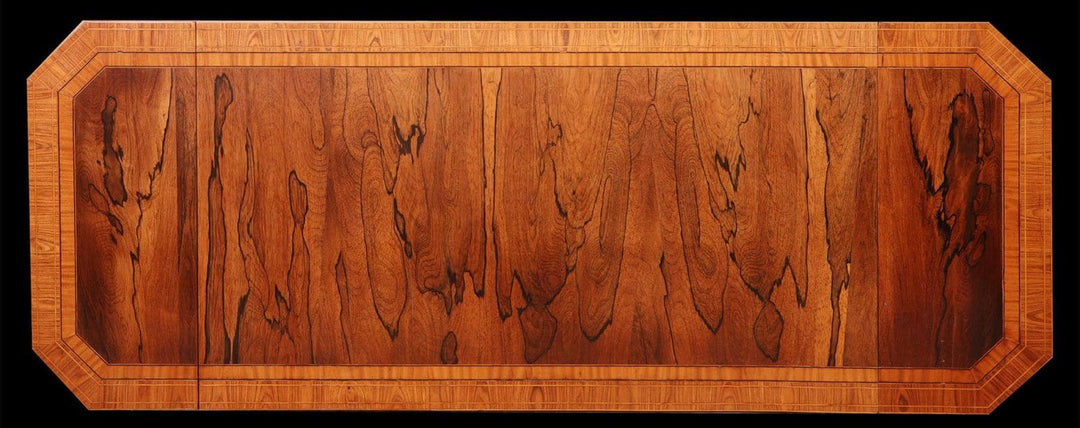
For the serious collector, the most important attribute of an antique is its "patina"—the subtle accumulation of colour, texture, and wear that serves as the historical record of its life. The preservation of an original 18th-century surface is paramount, as it represents the object's journey through time and is impossible to replicate. Over-restoration, particularly the aggressive stripping and refinishing common in the mid-20th century, can irrevocably destroy a piece's character and diminish its value. At Nicholas Wells Antiques, we practice a philosophy of complimentary, sensitive restoration, ensuring the historical integrity of each piece is honoured.
Identifying an Unmolested Antique Surface
An untouched surface possesses a depth of colour and a tangible "skin" that cannot be faked. A connoisseur looks for the gentle signs of centuries of use: softened edges, minor marks, and variations in lustre that tell a story. The key to this preservation lies in traditional maintenance. A dark, rich patina often indicates a century or more of careful waxing, which nourishes the wood and builds a deep, translucent glow, unlike the flat, sealed appearance of modern lacquers. Learning to recognise this authentic surface is the most critical skill in evaluating fine antique furniture.
The Conservation of History at Nicholas Wells
Our approach to conservation is rooted in a deep respect for the object's history. We believe in minimal intervention, undertaking restoration only to ensure structural stability or address damage that detracts from a piece's beauty. Our master craftsmen employ traditional techniques and materials to preserve the "narrative" of each antique, ensuring that its story, told through its surface, remains intact for future generations. This commitment to authenticity is evident in the exceptional surface quality of our curated collection of centre tables.
From London to Manhattan: Styling Georgian Tables in Modern Interiors
A fine Georgian centre table is not an artifact to be confined to a period room; it is a versatile statement piece capable of anchoring the most contemporary of interiors. Placed in a modern foyer, its rich mahogany and classical form create a powerful dialogue with minimalist architecture or modern art. This "Grand Tour" aesthetic, pairing 18th-century craftsmanship with later pieces, introduces a layer of history and sophistication. Whether juxtaposed with Art Deco elements or serving as the warm, organic heart of a sleek drawing room, the key is to respect its scale and presence, using lighting to highlight its superb colour and form.
The Foyer Anchor: A London Tradition in American Homes
The English tradition of using a pedestal centre table to define the entrance of a home translates beautifully to American residences, particularly in areas like Greenwich, CT, and the Hamptons. It immediately establishes a tone of refined elegance. Pairing the table with one or more fine antique mirrors is a classic design strategy to amplify light and create a sense of expansive space, making the foyer feel both grand and welcoming. This combination creates a timeless vignette that bridges historical grandeur and modern living.
Curating the Surface: Obelisks, Caddies, and Bronzes
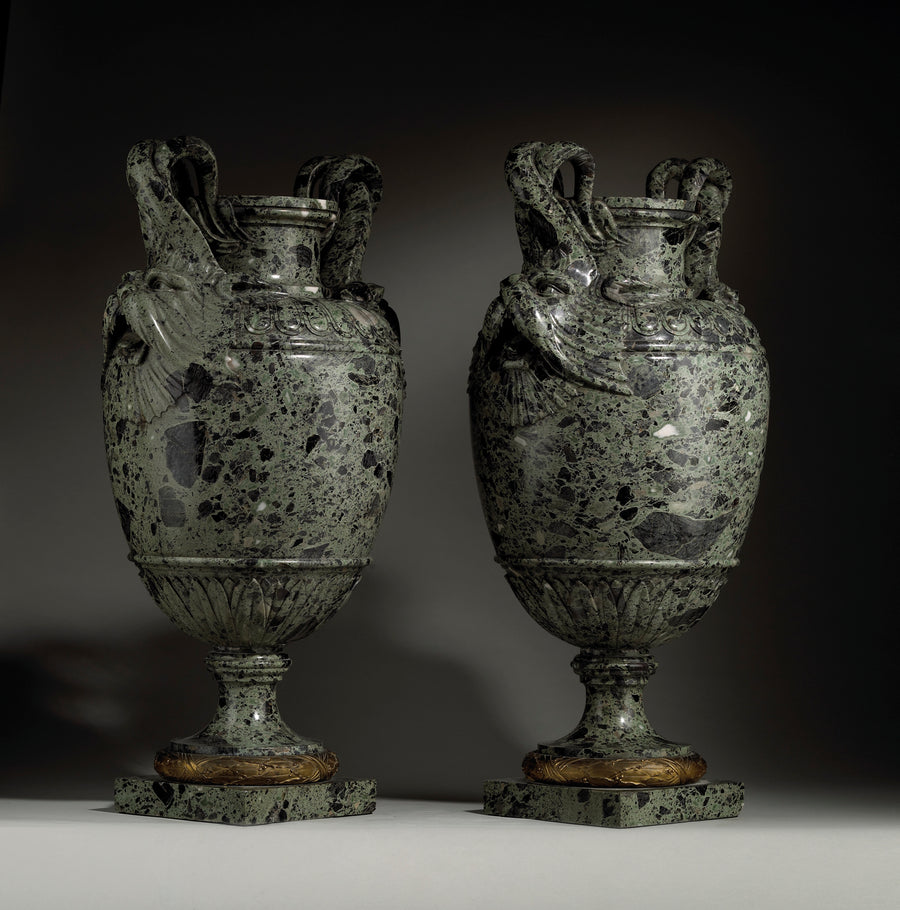
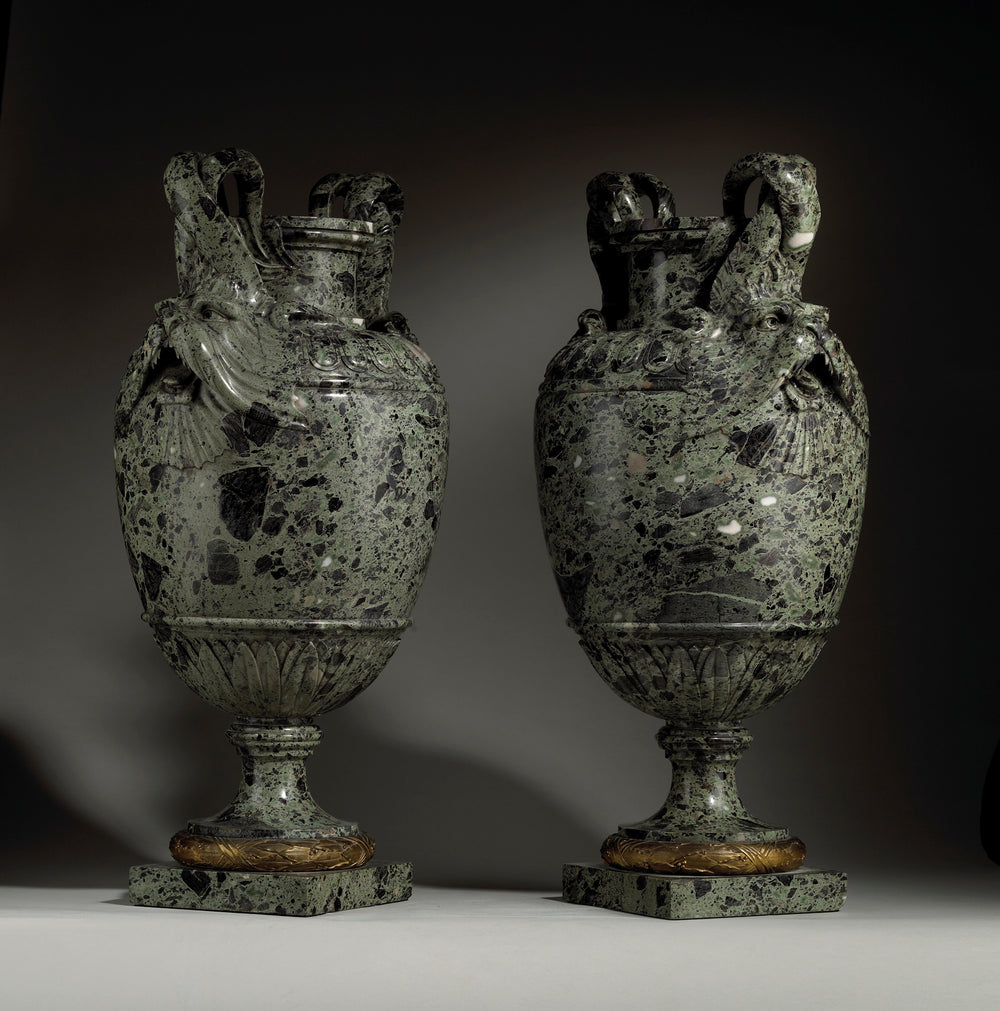
The surface of a centre table is a stage for curation. A carefully chosen arrangement of objects can elevate the entire room. Consider a collection of Grand Tour obelisks in marble or a fine bronze sculpture to add intellectual and artistic weight. These historical souvenirs, as detailed in our guide to Grand Tour objects, connect the table to a wider world of art and history. A single fine antique, whether a table or the object placed upon it, possesses the unique ability to transform a room’s gravitas, lending it a sense of permanence and cultivated taste.
Acquiring Rare Georgian Centre Tables from Nicholas Wells Antiques
As a premier London-based specialist, Nicholas Wells Antiques operates as a curated online gallery, providing a dedicated experience for discerning global collectors. We remove the uncertainty of buying high-value antiques online by offering meticulous provenance, detailed condition reports, and an unwavering commitment to authenticity. Our collection is sourced personally by Nicholas Wells, ensuring each piece meets an exacting standard of quality, rarity, and character. This is supported by our assurance of quality and bespoke international shipping via professional fine art shippers, making acquisition a seamless and confident process.
Global Reach: Shipping to New York, Texas, and California
We specialise in delivering exceptional 18th-century furniture to the American market. For clients in New York, Texas, California, and beyond, we provide a white-glove shipping service that ensures your acquisition arrives safely and efficiently. Each item is packed in a custom-built crate by fine art handlers and transported via fully insured worldwide transit. Our team manages the entire process, including customs clearance, providing a seamless experience from our London base to your door.
Personalised Service and Expertise
Acquiring a significant piece of antique furniture is a personal journey. We support our clients with the highest level of service, providing detailed condition reports and high-resolution image dossiers upon request. This allows you to examine every detail of a piece from anywhere in the world. We invite you to discover the history and craftsmanship embodied in our collection and find a piece that will become a treasured part of your home for generations to come.
Explore our curated collection of Georgian Centre Tables for sale.

Leave a comment