



Grand Entrance Furniture: A Connoisseur's Guide
The first ten feet of a residence do more to articulate a collector’s legacy than the entirety of the private quarters combined. For the discerning homeowner, selecting grand entrance furniture is not merely an exercise in decoration; it's a profound act of curation that establishes a home’s intellectual and historical narrative. You likely understand the weight of this responsibility, yet the path to acquiring a singular, documented masterpiece is often fraught with concerns over the veracity of online provenance or the perilous logistics of international transit for fragile 18th-century glass and giltwood.
It's natural to worry that a chosen piece might lack the requisite scale to anchor a vast foyer, or that its historical significance could be diminished by the rigours of modern shipping. This guide serves as a scholarly compass, showing you how to secure rare antiques that reflect a refined heritage while ensuring they arrive in pristine condition through professional fine art handling. We will explore the nuances of selecting statement pieces that harmonize with contemporary luxury, the critical importance of documented history, and the technicalities of importing exceptional decorative arts within an evolving regulatory environment.
Key Takeaways
- Distinguish the 'architectural handshake' of a grand foyer from a utilitarian space, establishing a reception area that communicates prestige and scholarly taste.
- Master the selection of foundational anchors, such as the Regency console table and statement mirrors, which serve to reflect light and anchor the hallway's narrative.
- Learn the professional markers of authentication, focusing on the value of original patina and the specific physical characteristics of 18th and 19th-century craftsmanship.
- Curate your collection by choosing grand entrance furniture of exceptional scale, ensuring each singular piece possesses the documented provenance required by serious collectors.
- Navigate the complexities of international acquisition with confidence, leveraging expert restoration and fully insured transit to protect your investment in heritage.
The Philosophy of the Grand Entrance: Establishing a Stately First Impression
The entrance of a home serves as its architectural handshake; it's a silent yet profound introduction to the character of the inhabitants. While a secondary entrance might cater to the utilitarian needs of a mudroom, the foyer requires a deliberate selection of grand entrance furniture that prioritizes prestige over mere function. This space acts as a vital transition, shedding the chaos of the external world to reveal a curated interior where every object possesses a documented history. It is here that the home's narrative begins, dictated by the weight of solid mahogany or the shimmer of mercury-silvered glass.
Scale remains the most critical factor in establishing this atmosphere. In a high-ceilinged foyer, undersized pieces feel adrift, failing to anchor the eye or command the necessary authority. A monumental 18th-century console table or a substantial buffet provides the structural gravity required to balance expansive hallways. To understand the breadth of options available for such spaces, one might consult a comprehensive list of furniture types, though the connoisseur knows that only pieces of exceptional rarity and proportions can truly define a grand entrance. The goal is to create a sense of permanence that resonates with the longevity of the items themselves.
Scale and Proportion in the Entryway
Achieving the correct proportions requires a meticulous approach to measurement. A common error involves selecting pieces that are too shallow for the width of the hall, resulting in a space that feels hollow rather than welcoming. For those with significant vertical volume, the use of tall pier mirrors is essential. These works of art draw the eye upward, celebrating the height of the room while reflecting the intricate details of antique chandeliers. By layering these vertical elements, you create a sense of three-dimensional grandeur that transforms a simple corridor into a gallery of historical significance. Every choice must be deliberate, ensuring the furniture commands the space without crowding it.
Essential Elements of an Antique Foyer: From Regency Consoles to Grand Tour Objects
The curation of grand entrance furniture requires a focus on objects that possess both a commanding physical presence and a compelling historical lineage. Selecting the right grand entrance furniture involves balancing the architectural requirements of the space with the documented provenance of each individual piece. In this context, the console table serves as the traditional anchor of the foyer, acting as a sophisticated pedestal for Grand Tour objects that signal a life of travel and scholarly pursuit. It’s a space where utility yields to the narrative of the object itself, creating an atmosphere of quiet prestige.
The Regency Console Table: A Study in Elegance
Early 19th-century English design is defined by robust silhouettes and the masterful use of exotic timbers. A substantial Regency console table, often topped with specimen marble or hardstone, provides the ideal foundation for a high-traffic entryway. These pieces are resilient yet refined, their architectural form echoing the classical revival of the era. The weight of the marble ensures stability, while the intricate carving of the supports offers a tactile connection to the craftsmanship of the past.
Reflecting Grandeur with Period Mirrors
A statement mirror is essential for doubling the perceived grandeur of a hallway and capturing the delicate play of light. There is a profound distinction between the exuberant gilding of 19th-century Italian frames and the precise, cut-glass brilliance found in Irish Waterford examples. When placed above a console, a monumental round mirror can effectively soften the rigid linearity of a long hallway. This interplay of light and reflection creates an immersive experience that welcomes guests into a realm of curated luxury.
To complete the composition, consider the role of seating and illumination. A pair of antique hall chairs often functions more as sculpture than functional furniture, their high backs and heraldic motifs reinforcing the home’s heritage. Lighting serves as the final, luminous adornment. A period lantern or a multi-tier antique chandelier provides the necessary 'jewellery' for the room, casting a warm glow over the assembled treasures. You might find that exploring our collection of rare 18th and 19th-century antiques offers the perfect inspiration for your own grand foyer.
Dealer’s Secrets: Identifying Quality, Patina, and Provenance
The acquisition of grand entrance furniture requires a shift in perspective, moving beyond aesthetic appeal to the forensic examination of quality and history. True luxury in the decorative arts is found in the 'skin' of an object, that elusive original patina that has matured over centuries of care and environmental exposure. While contemporary manufacturers often prize a uniform, high-gloss finish, the connoisseur looks for the subtle irregularities that signal authenticity. These markers include the fire within hand-cut lead crystal or the surprising density of solid ironwood, a material whose specific weight provides an immediate tactile confirmation of its origins.
Recognising the 'Antique Surface'
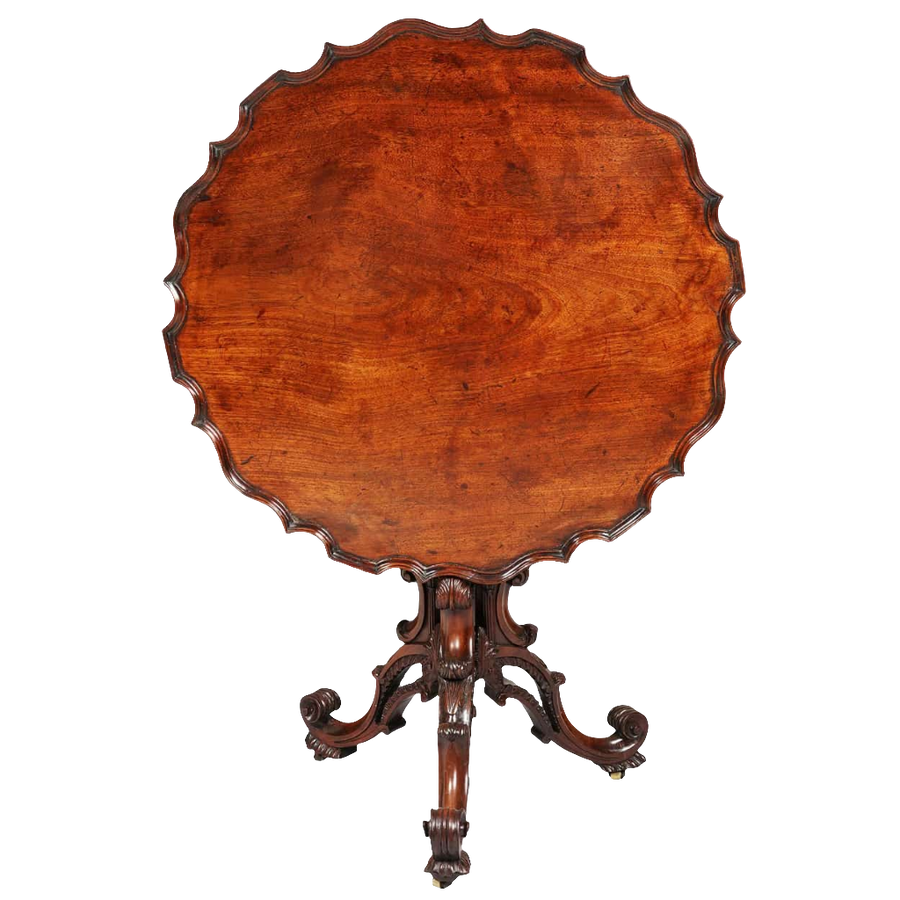
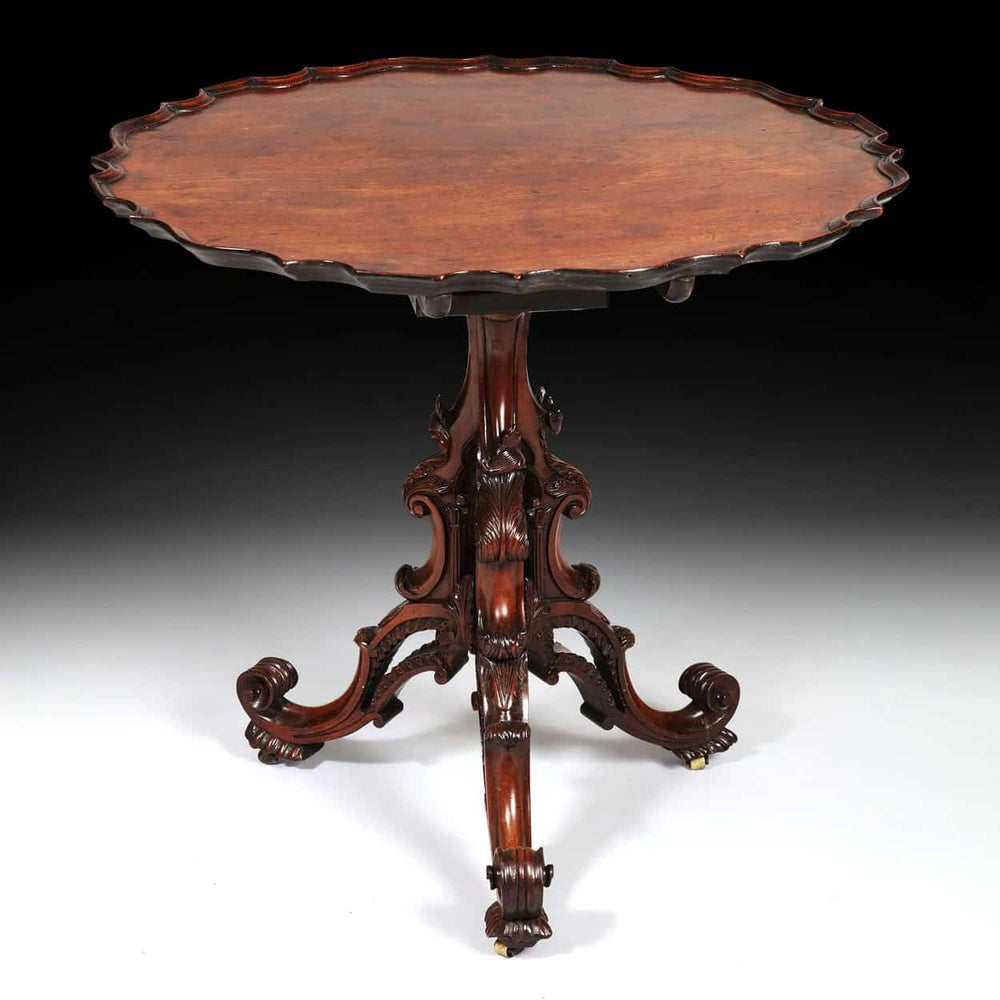
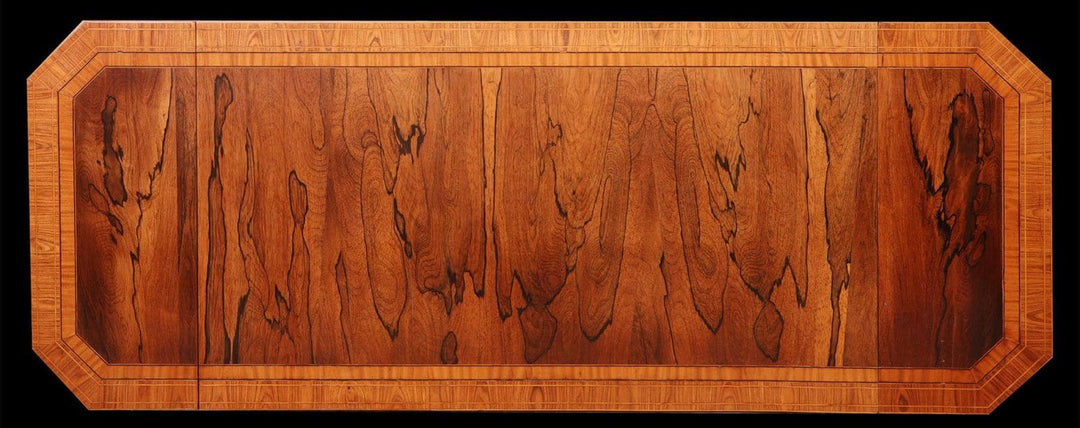
Discerning the difference between original water gilding and modern reproductions is a foundational skill for any serious collector. Genuine 18th-century gilding possesses a soft, luminous depth, often showing the warm red or grey clay bole beneath where the gold has thinned over time. This is particularly evident on the surface of antique tables, where centuries of use have created a rich, layered history that modern finishes simply can't replicate. A table that has been stripped and refinished in a high-gloss modern lacquer loses its soul and, consequently, a significant portion of its investment value.
The 'story' of an object, or its provenance, is the final pillar of value. Acquiring a piece with a documented history from a stately home like Pitchford Hall adds a layer of intellectual heritage that makes the furniture more than just a functional item. It becomes a cultural artifact. We understand that maintaining this historical integrity is paramount. That's why our philosophy centres on complimentary, expert conservation that respects the original craftsmanship. We don't aim to make a piece look new; we aim to make it look exceptionally well-preserved for its age. Explore our authenticated collection of 18th and 19th-century masterpieces to find a piece that brings this level of scholarly distinction to your home.
Curating Your Collection: Standout Pieces for the Discerning Collector
The final stage of curation involves selecting a singular focal point that anchors the entire aesthetic of the foyer. A Monumental 5ft Round Italian Mirror (GBP 48,000), for instance, provides a breathtaking Baroque-inspired presence that expands the visual boundaries of the room, reflecting the light and architectural details of the home. This grandeur is balanced by the allure of the exotic. Incorporating Anglo-Indian pieces, such as a Pair of Antique Solid Ebony Indian Hall Chairs (GBP 12,000), introduces a sophisticated narrative of travel and heritage to the space. To illuminate these treasures, one might consider the intricate hand-blown crystal of the Two-tier 16-branch Thornham Hall chandelier (GBP 38,500), a piece that serves as a luminous testament to the exceptional craftsmanship of the 19th century.
For the American collector, the acquisition of such significant grand entrance furniture is supported by a robust logistical framework. We understand that the safety of delicate mirrors and chandeliers is a primary concern. We partner exclusively with professional fine art shippers to ensure that every object arrives in pristine condition. This white-glove service includes fully insured international transit, allowing you to acquire documented masterpieces with the same confidence as if you were visiting a gallery in person. It's a seamless bridge between historical grandeur and the requirements of modern luxury living.
Statement Accents and Sculptural Objects
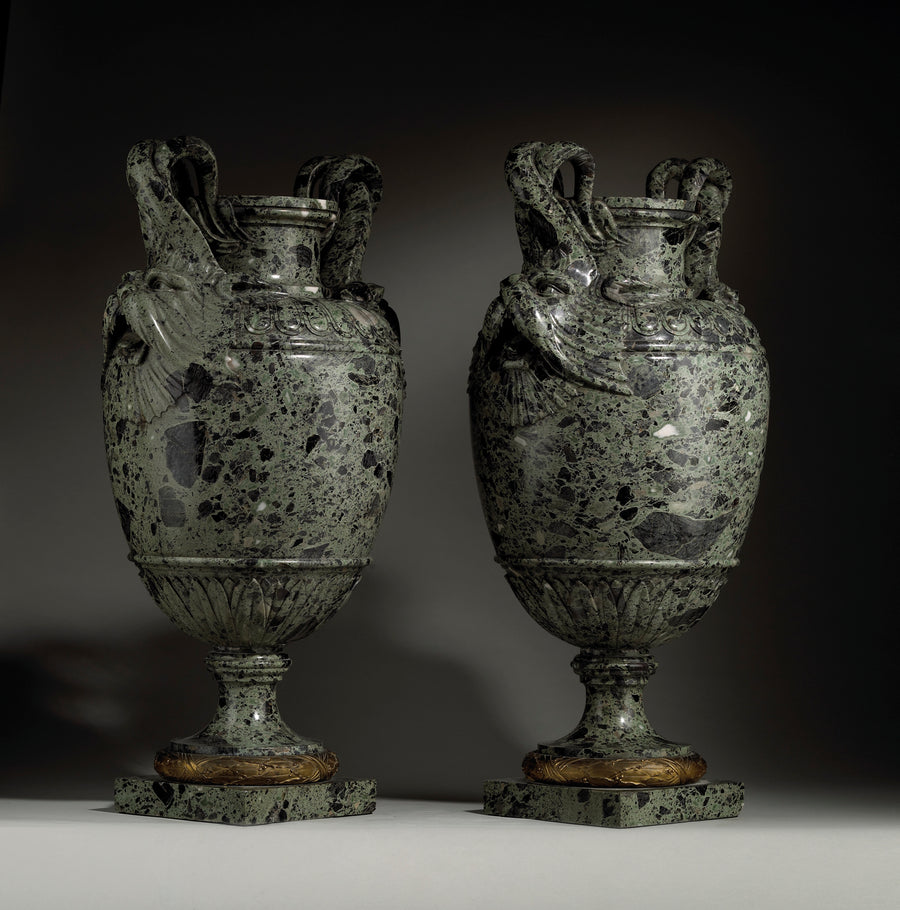
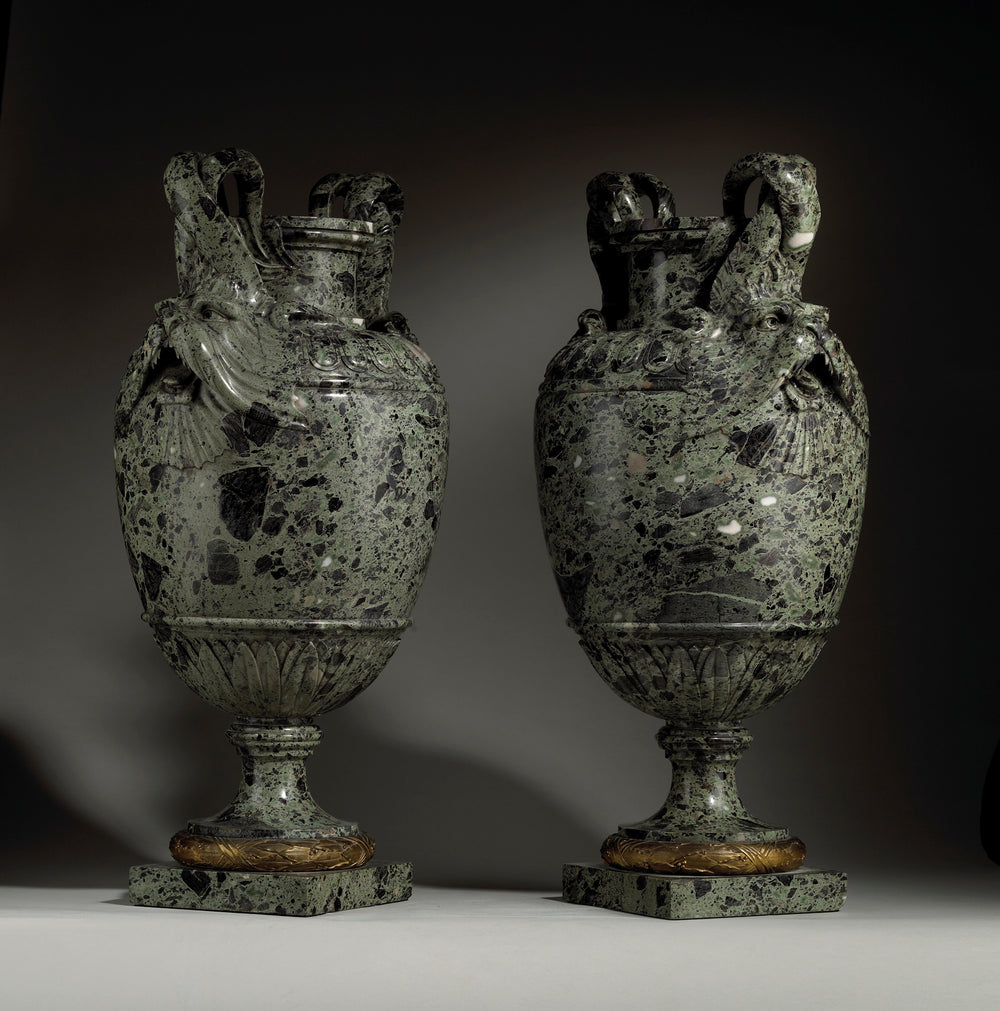
Beyond the primary furniture, the introduction of classical textures through sculptural objects adds a layer of intellectual depth to the entryway. A Large Carved Porphyritic Granite Gadrooned Oval Vase (GBP 25,000) serves as a substantial anchor for a console table, its material weight echoing the permanence of the Grand Tour tradition. The decorative power of Chinoiserie remains equally potent for those seeking to bridge Victorian structure and eclectic charm. A 19th-century French faux bamboo hall stand offers a sophisticated nod to the period's obsession with the exotic, transforming a functional object into a singular conversation piece.
The Ease of Global Acquisition
Our online-only gallery model allows us to curate an inventory of grand entrance furniture with a level of rarity that would be impossible to maintain in a traditional storefront. This approach ensures that collectors in the United States have direct access to pieces of documented provenance without the geographic limitations of a physical showroom. Every acquisition is backed by our commitment to 'Restore Britain', a philosophy dedicated to the preservation of heritage through expert conservation. By choosing authenticated antiques, you aren't just decorating a space; you're participating in the ongoing stewardship of cultural history, ensuring these singular objects continue their journey through time.
Defining the Entryway Narrative Through Curated Heritage
The deliberate curation of a foyer is an enduring investment in both aesthetic distinction and historical stewardship. By prioritizing the architectural requirement of scale and the irreplaceable character of original patina, you transform a transitional hallway into a gallery that speaks of scholarly taste and a reverence for the past. We invite you to explore our curated collection of grand entrance furniture, where every object has been selected for its exceptional rarity and documented provenance.
Each acquisition is supported by our uncompromising commitment to historical integrity, including complimentary restoration on all sales to ensure your piece remains a significant cultural artifact for generations to come. Our deep expertise in rare 18th and 19th-century English and Continental furniture provides a sophisticated bridge between the grandeur of antiquity and the requirements of modern luxury. Your chosen masterpiece will arrive in pristine condition, protected by fully insured worldwide shipping via fine art specialists. You don't just furnish a room; you preserve a legacy that will define the character of your home for decades.
Frequently Asked Questions
What should I look for when buying an antique console table for a grand entrance?
When selecting an antique console for a foyer, you should prioritize pieces with exceptional scale and robust silhouettes that can command a vast architectural space. Look for early 19th-century English Regency examples featuring fine marble tops and original carvings, as these elements provide the necessary structural gravity for grand entrance furniture. The quality of the timber, such as solid mahogany or rosewood, should be verified alongside documented provenance to ensure the piece serves as a lasting investment.
How do I ensure a large antique mirror or chandelier is shipped safely to the US?
Ensuring the safe arrival of delicate grand entrance furniture, such as 18th-century pier mirrors or hand-cut crystal chandeliers, requires the use of professional fine art shippers. We coordinate fully insured worldwide transit, utilizing custom-built crates and specialized handling techniques to mitigate the risks of international travel. This white-glove service manages every logistical detail from our gallery to your residence, providing peace of mind for American collectors acquiring fragile historical artifacts.
What is the 'antique surface' and why is it important for valuation?
The 'antique surface' refers to the original patina and matured finish that an object develops over centuries of environmental exposure and careful use. This skin is vital for valuation because it serves as a tactile record of authenticity; modern refinishing or high-gloss lacquers can significantly diminish a piece's scholarly and market value. Collectors prize the soft, luminous depth of original water gilding or the rich texture of aged timber as evidence of historical integrity.
Can I use 19th-century furniture in a contemporary interior design?
Integrating 19th-century furniture into a contemporary interior creates a sophisticated dialogue between historical grandeur and modern minimalism. A singular, monumental piece acts as a compelling focal point, grounding a modern space with its physical weight and narrative history. This eclectic approach allows the intricate craftsmanship of the past to elevate a current aesthetic, proving that true luxury transcends the boundaries of specific design eras or trends.
Does Nicholas Wells Antiques provide restoration services for the items sold?
We provide complimentary, expert restoration on all items sold through our gallery to ensure they meet the highest standards of conservation before they reach your home. Our philosophy focuses on respecting the historical integrity of each piece, opting for sensitive repairs that preserve the original character rather than modernizing the appearance. This specialized service is included as part of our commitment to heritage, ensuring your acquisition is ready to serve as a centerpiece.


Leave a comment