



Grand Tour Objects: A Connoisseur’s Buying Guide to Classical Antiques
A true 19th-century bronze or marble ruin is not merely a souvenir; it's a tangible fragment of the Enlightenment's intellectual soul. You likely feel that a Regency-inspired library lacks its essential character without the silent, scholarly presence of an Egyptian porphyry obelisk or a finely cast bronze reduction. At Nicholas Wells Antiques, we recognise that the discerning collector seeks a profound connection to the 18th-century aristocrats who traversed the continent on the Grand Tour to secure these symbols of classical antiquity.
This guide reveals the history, artistry, and investment potential of these objects to elevate your interior with a sense of curated prestige. We'll address the anxieties surrounding modern reproductions by highlighting the importance of verified provenance and the inimitable quality of a genuine 19th-century patina. From our appointment-only gallery space serving Mayfair and Piccadilly, we offer a specialist's perspective on integrating these treasures into contemporary London homes. You'll learn to identify superior craftsmanship in micro-mosaics and bronze models, ensuring your collection retains its scholarly value while benefiting from our international shipping and restoration expertise.
Key Takeaways
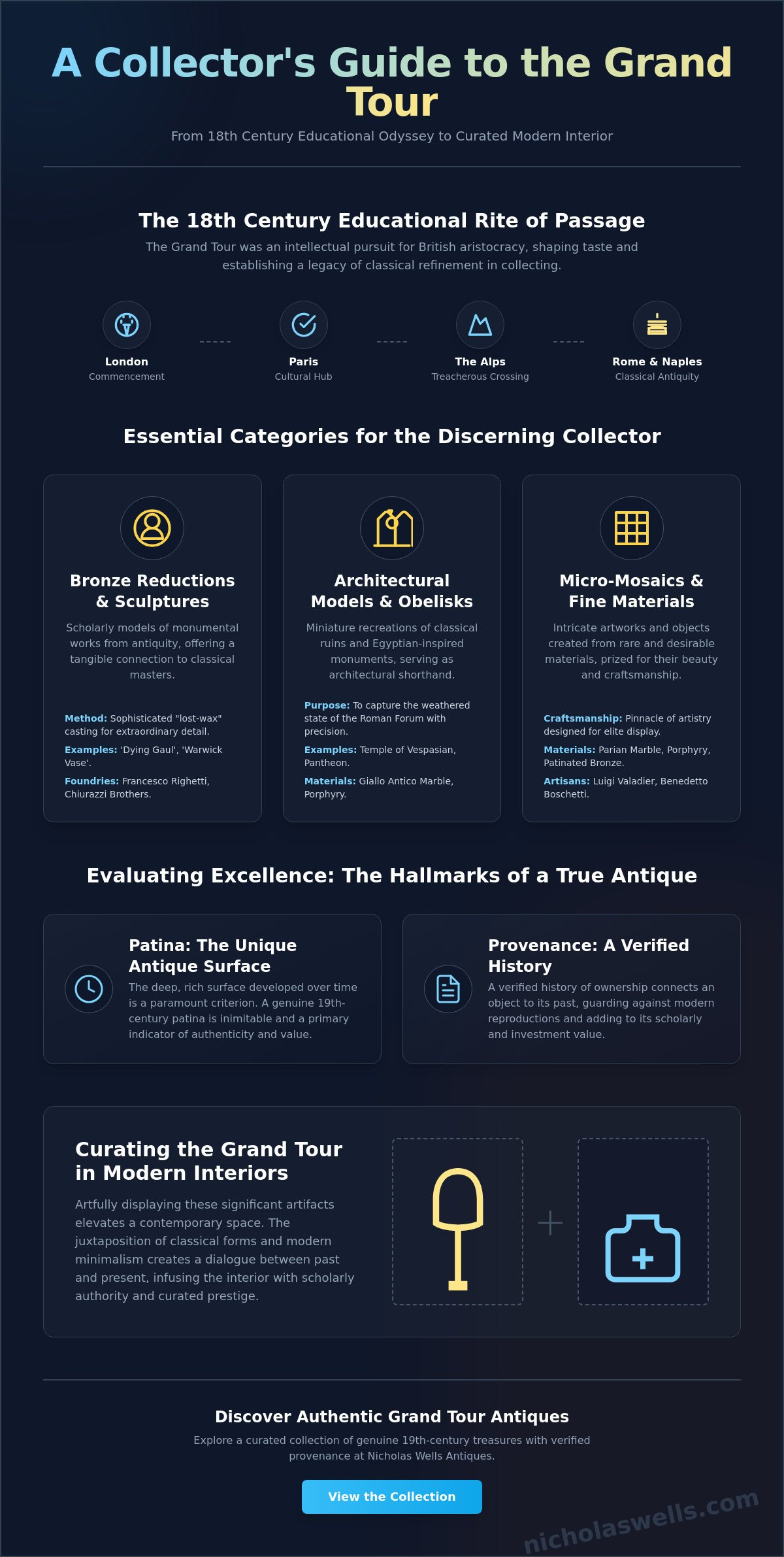
- Uncover the origins of the 18th-century educational rite of passage and how it established a lasting legacy of classical refinement in British collecting.
- Learn to distinguish the most desirable materials used in Grand Tour objects, including the rare beauty of porphyry, micro-mosaics, and fine Parian marble.
- Explore the stylistic intersection of antiquity and the Regency period, examining how classical motifs were seamlessly integrated into the works of master designers.
- Master the criteria for evaluating excellence, focusing on the paramount importance of provenance and the prioritisation of a piece's unique antique surface.
- Discover how to artfully display these significant artifacts to elevate a modern interior with the scholarly authority and prestige synonymous with Nicholas Wells Antiques.
The Grand Tour: A Legacy of Classical Discovery and Refinement
The 18th-century British aristocracy viewed The Grand Tour: A Legacy of Classical Discovery and Refinement as the ultimate educational rite of passage. This journey wasn't merely a holiday; it functioned as a rigorous intellectual pursuit across Italy, Greece, and Egypt. Travellers sought to absorb the aesthetic principles of antiquity, bringing back more than just memories. They returned with a refined eye and a desire to fill their ancestral seats with objects that reflected their newfound worldliness. What began as a collection of travel mementos soon evolved into a sophisticated market for high-quality souvenirs, which we now recognise as significant cultural artifacts for the modern home. These pieces represent a bridge between the grandeur of the ancient world and the sophisticated interiors of the present day.The Educational Odyssey of the 18th Century
The journey typically commenced in London, crossing the Channel to Paris before traversing the treacherous Alps to reach the sun-drenched ruins of Rome and Naples. The Society of Dilettanti, established in 1734, played a pivotal role in shaping British taste by encouraging the rigorous study of classical art. This elite group of connoisseurs transformed the acquisition of antiquities into a mark of high social and intellectual standing. The Grand Tour served as the primary catalyst for the Neoclassical movement in English furniture, fundamentally altering the aesthetic trajectory of the Georgian and Regency periods.Why Classical Souvenirs Became Luxury Antiques
Initially, the elite focused on acquiring massive marble statues; however, the logistical challenges of transport led to a demand for portable excellence. By the 19th century, Roman workshops led by master craftsmen such as Luigi Valadier and Benedetto Boschetti flourished by creating exquisite bronze reductions and intricate architectural models. These pieces weren't simple trinkets. They represented the pinnacle of craftsmanship, designed to hold pride of place in a London town house or a Mayfair library. Displaying a rare bronze or a marble obelisk signalled a deep appreciation for history and a sophisticated level of connoisseurship. Nicholas Wells Antiques specialises in sourcing these extraordinary Grand TourEssential Categories for the Discerning Grand Tour Collector
To understand the immense breadth of these objects, one must first appreciate the materials that define them. Parian marble, dark patinated bronze, and the rare, deep hues of porphyry served as the primary media for 19th-century artisans. These craftsmen worked with a singular purpose: to recreate the majesty of Rome and Athens for the travelling European elite. Identifying the Essential Categories for the Discerning Grand Tour Collector requires a keen eye for the interplay between material integrity and historical narrative. Each category offers a different perspective on the classical world, from the monumental scale of architecture to the intimate detail of a desk ornament.
Bronze Reductions and Classical Sculptures
Bronze reductions provided 19th-century travellers with a tangible connection to the monumental works of antiquity. Renowned foundries, such as those led by Francesco Righetti or the Chiurazzi brothers, who established their influential Naples workshop in 1870, employed the sophisticated "lost-wax" casting process. This method allowed for an extraordinary level of detail, capturing the tension in the "Dying Gaul" or the intricate bacchanalian motifs of the "Warwick Vase", which was famously discovered at Hadrian's Villa in 1771. These bronzes weren't merely decorative; they were scholarly instruments intended for the libraries and studies of refined townhouses. The deep, rich patina of a well-preserved bronze remains a hallmark of the curated selection at Nicholas Wells Antiques.
Architectural Models, Obelisks, and Micro-mosaics
Marble models of the Temple of Vespasian or the Pantheon served as architectural shorthand for the ruins of the classical world. These miniatures, often carved from Giallo Antico marble, captured the weathered state of the Roman Forum with evocative precision. Egyptian-inspired obelisks, frequently rendered in Nero Antico or Rosso Antico, brought a sense of symbolic power to Regency interiors. On a smaller scale, Roman micro-mosaics showcased a different form of mastery. Artisans used thousands of minute glass tesserae to create vivid landscapes on snuff boxes or expansive vistas on table tops. Each piece represents a moment in history, preserved through incredible patience and technical skill.
The Allure of Specimen Marble and Pietra Dura
The use of rare, ancient marbles distinguishes authentic Grand Tour objects from later, less refined reproductions. Stones like Giallo Antico and Rosso Antico were often salvaged directly from Roman ruins, imbuing the objects with a literal piece of history. Pietra Dura, the exacting art of inlaying semi-precious stones, frequently adorned antique centre tables to create vibrant floral or geometric patterns. When identifying genuine 19th-century stone work, collectors should look for the crispness of the joinery and the natural variation in the mineral grain. Modern imitations often lack the significant weight and the subtle surface wear found on authentic examples.
Nicholas Wells Antiques operates as a premier online gallery based in London, offering a bridge between historical grandeur and modern luxury. While we do not maintain a public storefront, our showroom in the heart of the city is available to visit by appointment for those wishing to examine these magnificent pieces in person. We invite you to browse our latest acquisitions of Grand Tour souvenirs and discover the perfect addition to your collection.
The Regency Connection: Where Classical Antiquity Meets British Glamour
The Regency period, spanning approximately 1811 to 1830, represents a transformative chapter where the British elite's obsession with antiquity reached its aesthetic peak. This era was defined by the Prince Regent's voracious pursuit of opulence, a taste that found its perfect partner in the treasures brought back from the Continent. As a luxury antiques dealer based in London, Nicholas Wells Antiques frequently observes how the Grand Tour acted as a catalyst for this movement. The Grand Tour: A Legacy of Classical Discovery explains how these travels shaped British culture, providing the intellectual and physical materials that defined the Regency look. It wasn't merely about acquisition; it was about the integration of a classical soul into the fabric of British domestic life.
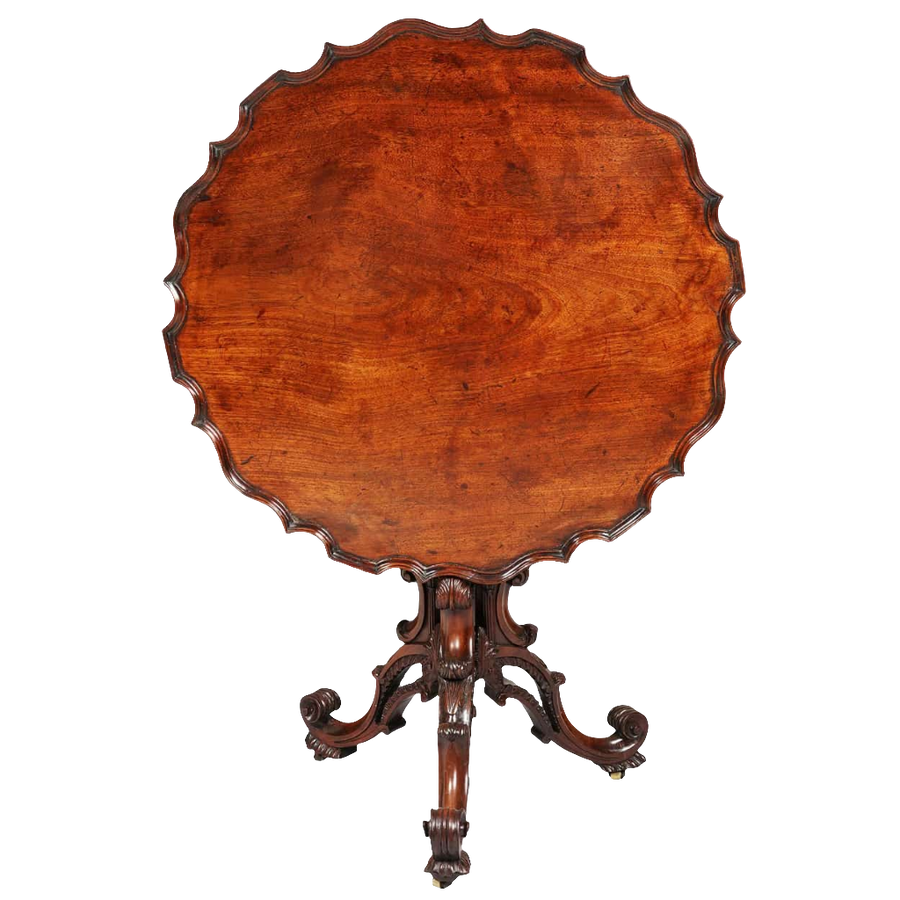
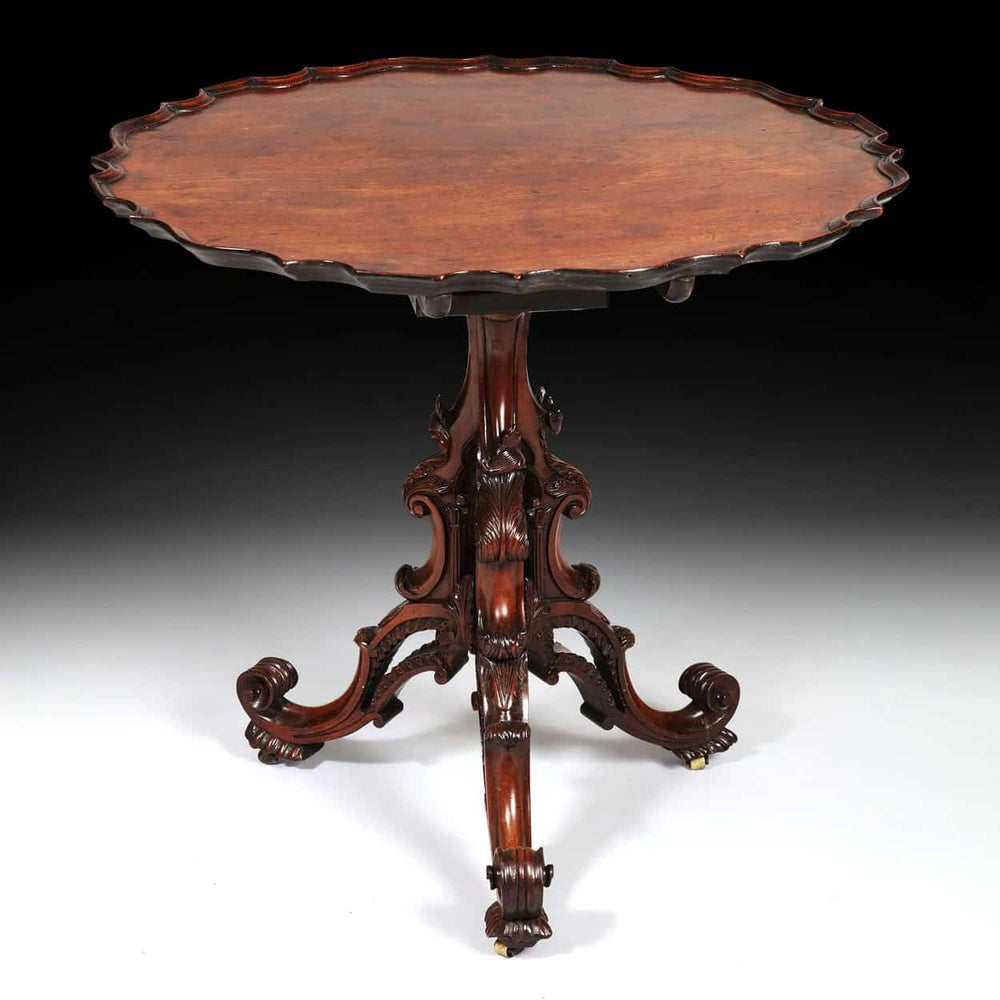
Designers like George Bullock and the celebrated firm Gillows of Lancaster and London translated these classical discoveries into functional art. There's a profound synergy in placing a bronze Grand Tour bust atop a Regency mahogany desk. The desk, with its deep, original patina and architectural precision, serves as a grounded pedestal for the ethereal qualities of the bronze. This pairing creates a narrative of scholarly achievement that resonates with modern collectors. Our gallery focuses on the preservation of these unique antique surfaces, ensuring that the historical integrity of every piece remains intact for the next generation of connoisseurs.
Thomas Hope and the Grecian Style
Thomas Hope's "Household Furniture and Interior Decoration," published in 1807, served as a definitive manifesto for the Regency aesthetic. Hope didn't simply copy ancient forms; he distilled the essence of classical motifs like reeded legs and anthemion ornaments into a distinguished British language. These acquisitions provided the blueprints for a new era of design. You can explore these precise motifs within our antique furniture collection, where the influence of Hope’s archaeological accuracy remains evident in every carved detail and elegant curve.
Giltwood, Ormolu, and the French Influence
The British Regency was never an isolated movement. It drew heavily from the French Empire style, particularly in the sophisticated use of ormolu mounts and French giltwood. These elements added a layer of magnificent glamour to the more sober British mahogany. Rare chandeliers and lanterns from this era often feature classical themes, such as lyres or laurel wreaths, cast in crisp, superb bronze. While Nicholas Wells Antiques operates primarily as an online gallery, we invite clients to view these extraordinary pieces at our London showroom, located near Mayfair and Piccadilly, by appointment. We provide expert antique restoration and offer secure international shipping to ensure these significant cultural artifacts reach their destination in pristine condition.
Evaluating Excellence: Patina, Provenance, and Preservation
Determining the value of a Grand Tour object requires more than a cursory glance at its aesthetic appeal; it demands an understanding of the intricate interplay between history and material condition. For the discerning collector, the primary concern lies in distinguishing a superb 19th-century bronze from a later, less significant cast. At Nicholas Wells Antiques, we believe the soul of an object is held within its surface. A piece’s value often rests on its ability to convey a narrative of its journey from a Neapolitan workshop to a grand English country house. This narrative is most vibrantly expressed through its state of preservation and the documented history of its previous custodians.
The Importance of the Unique Antique Surface
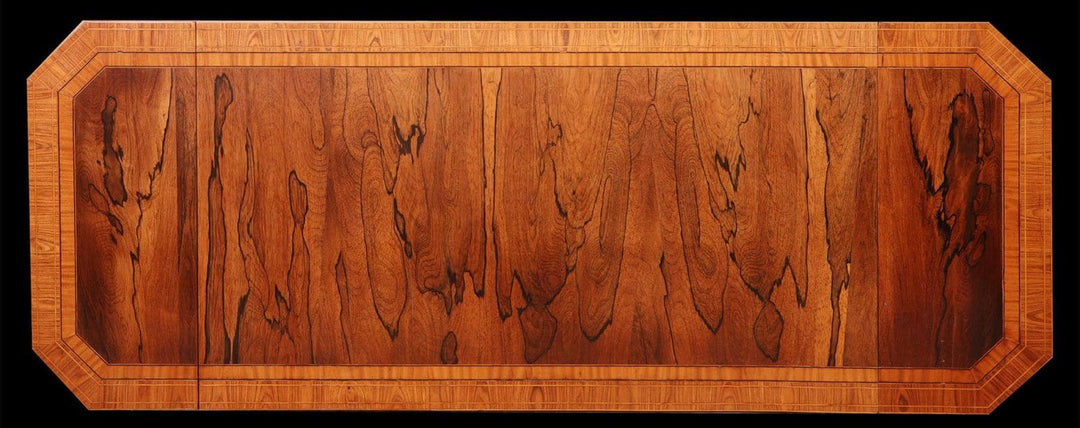
A common mistake in the world of fine antiques is the desire to return an object to a state of perceived perfection. Over-cleaning a bronze or marble can irrevocably destroy its historical character. We define patina as the natural, distinguished aging process that occurs over centuries. It's the soft glow on a piece of Georgian mahogany or the deep, variegated tones on a bronze after the antique. This unique antique surface shouldn't be stripped away. Buyers should look for signs of honest wear, such as the slight softening of edges on a micro-mosaic or historical repairs that tell a story of continued appreciation. Nicholas Wells Antiques remains committed to sympathetic antique restoration, ensuring that every Grand Tour souvenir retains its authentic 19th-century skin while remaining structurally sound for a modern interior.
Verifying Provenance and Authenticity
Authenticity is the cornerstone of any significant collection. When evaluating a potential acquisition, use this rigorous checklist to ensure quality. First, examine the material weight; a genuine 19th-century bronze often possesses a heft that modern reproductions lack. Second, scrutinise the stylistic accuracy and the precision of the casting or carving. Third, look for maker’s marks, though these are rare, signatures from workshops like those of Wilhelm Hopfgarten or Benjamin Zoffoli add immense prestige. Documented history provided by a fine antiques dealer serves as the ultimate safeguard for your investment.
Whether you're seeking a rare obelisk or a pair of Regency bronze lamps, provenance adds a layer of intellectual value that transcends the physical object. We invite you to book an appointment at our London gallery for a personal viewing, where you can experience the weight and texture of these extraordinary pieces firsthand. While we operate as a premier online gallery, our presence in the heart of London, near Mayfair and Piccadilly, allows us to offer a bespoke service to local and international clients alike, supported by our secure international shipping.
Curating the Grand Tour in Modern and Traditional Interiors
Integrating 18th and 19th-century artifacts into a home requires a discerning eye that respects both the object’s history and the room’s architecture. These pieces shouldn't just sit on a shelf; they should anchor the space. Whether you're furnishing a high-ceilinged Mayfair townhouse or a minimalist apartment in Piccadilly, a Grand Tour collection provides a sense of intellectual depth that contemporary mass-produced decor cannot replicate. The key lies in the "layered" approach, where the rich patina of a bronze ruin or a marble bust complements the clean lines of Georgian mahogany or Regency rosewood furniture.
Strategic Placement and Lighting
The placement of a classical object can transform it from a mere souvenir into a commanding focal point. Placing architectural models or porphyry obelisks on antique side and console tables immediately establishes a sense of vertical interest and intellectual rigour. The interaction between the object and its environment is heightened by the quality of light. Well-positioned lighting is essential to reveal the subtle variations in a bronze patina or the delicate crystalline structure of Parian marble. To amplify the visual impact, positioning an Irish pier mirror behind a collection will reflect the intricate details of the pieces, effectively doubling the presence of the classical forms within the room.
Creating a Narrative with Objets de Luxe
A successful collection tells a story of travel, discovery, and scholarly pursuit. By grouping objects by theme, such as the excavations at Pompeii or the architectural triumphs of the Roman Forum, you create a narrative that invites curiosity. A magnificent bronze sculpture placed atop a fine library table serves as a superb conversation starter, bridging the gap between historical reverence and modern luxury living. This curated approach ensures that each piece, from a rare ormolu-mounted inkstand to a grand marble tazza, retains its individual soul while contributing to a cohesive aesthetic.
At Nicholas Wells Antiques, we pride ourselves on being more than just a gallery; we're a specialist partner for the global connoisseur. We understand that the preservation of the unique antique surface is paramount, and our expertise in antique restoration ensures that every piece maintains its historical integrity. From our London base, we offer secure international shipping to collectors around the world. While we operate primarily as an online gallery, our showroom is available to visit by appointment for those who wish to experience the superb quality of our inventory firsthand.
Explore the Regency and Grand Tour collection at Nicholas Wells Antiques
Cultivating a Legacy of Classical Refinement
Acquiring a piece of history is an act of stewardship that extends far beyond a simple purchase. Throughout the 18th and 19th centuries, the Grand Tour served as the ultimate rite of passage for the British aristocracy, bringing the architectural majesty of Rome and the sculptural precision of Greece into the great houses of the United Kingdom. Today, the discerning collector must prioritize the preservation of the unique antique surface, ensuring that the original patina remains undisturbed by modern intervention. Nicholas Wells Antiques remains a dedicated specialist dealer in rare objects and Regency furniture, offering an expertly curated selection from our London-based gallery in Westminster.
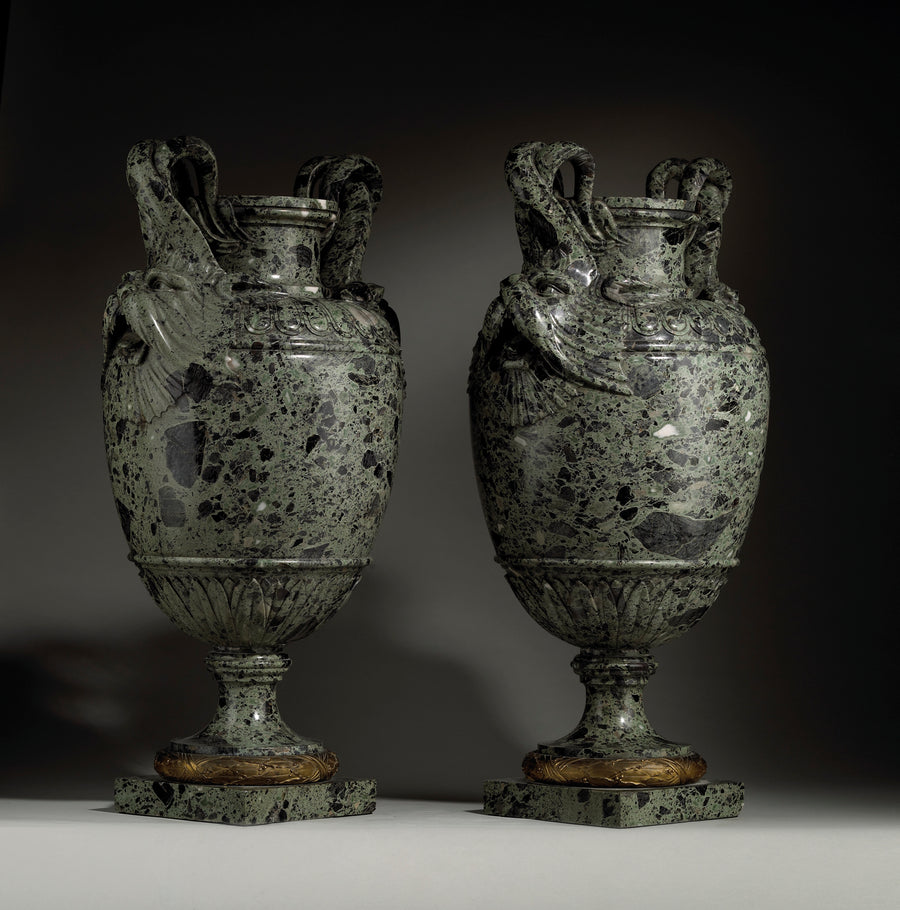
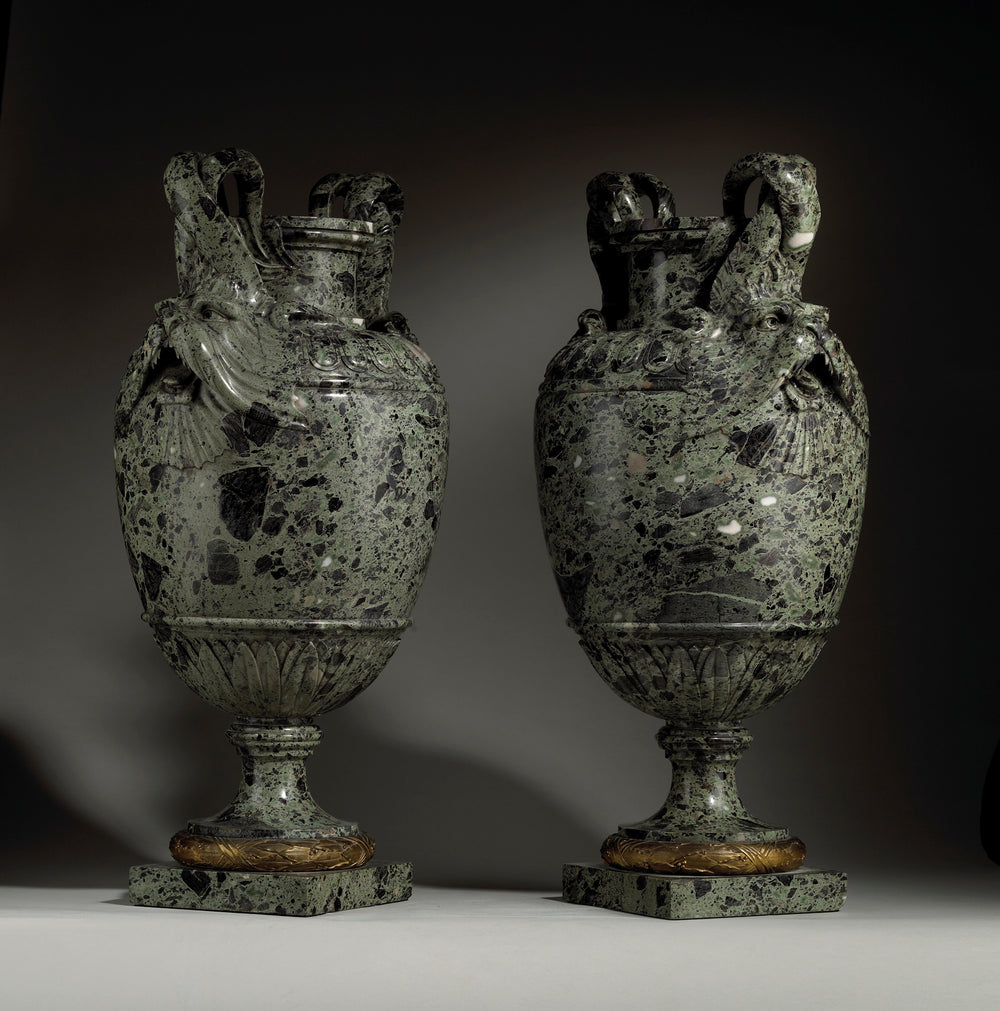
Whether you're seeking a magnificent marble obelisk or a superb pair of ormolu-mounted vases, our team provides complimentary restoration and fully insured worldwide shipping to protect every cultural artifact. We invite you to Browse the Regency Collection and Grand Tour Objects or schedule a private appointment at our Westminster showroom to view these extraordinary pieces in person. We look forward to helping you find a distinguished focal point that bridges the grandeur of the past with the requirements of modern luxury living.
Frequently Asked Questions
What exactly are Grand Tour objects?
Grand Tour objects are the refined souvenirs and mementos acquired by European aristocrats during their extensive educational travels through Italy, Greece, and France between 1660 and 1840. These pieces range from bronze reductions of classical statuary to intricate pietre dure plaques and architectural models. At Nicholas Wells Antiques, we view these items as tangible connections to the Enlightenment era's obsession with classical antiquity and humanistic learning.
Are Grand Tour bronzes considered copies or original works of art?
While these bronzes are technically reductions of ancient masterpieces, they're esteemed as original works of 18th and 19th-century craftsmanship. Renowned foundries like those of Francesco Righetti or the Valadier family produced these pieces with exceptional attention to detail and unique surface patinas. Collectors value them for their historical manufacturing techniques rather than seeing them as mere duplicates of the original marble sculptures found in the Vatican or Capitoline Museums.
How can I tell if a Grand Tour obelisk is from the 19th century or a modern reproduction?
Distinguishing a 19th-century obelisk from a modern copy requires a close examination of the stone, construction, and surface wear. Authentic period pieces often utilise rare marbles like Giallo Antico or Rosso Antico, which were frequently salvaged from Roman ruins during the 1800s. You should look for hand-cut edges and a soft, natural patina that's developed over 150 years. Modern reproductions typically lack the complex mineral depth and the specific signs of oxidation found on genuine antique specimens.
Why were Grand Tour objects so popular during the Regency period?
Grand Tour objects gained immense popularity during the Regency period because they served as visual proof of a gentleman's cultural sophistication and classical education. The aesthetic influence of designers like Thomas Hope, who published his influential guide in 1807, encouraged the integration of Greco-Roman motifs into the British home. These objects allowed collectors to recreate the atmosphere of a Roman villa within their London townhouses, effectively blending scholarly interest with high-society fashion.
How should I clean and maintain my antique marble architectural models?
Maintaining antique marble architectural models requires a delicate touch and a commitment to preserving the historic surface. You should only use a soft, natural-bristle brush to remove dust from intricate carvings and avoid all chemical cleaners or excessive moisture. If a piece requires deeper conservation, we recommend consulting a professional restorer. Preserving the original finish is vital for maintaining the object's value and its unique historical character.
Does Nicholas Wells Antiques offer international shipping for fragile Grand Tour pieces?
Nicholas Wells Antiques provides comprehensive international shipping services for all our fragile items, including delicate glass and heavy marble obelisks. We employ specialist fine art couriers who use custom-built crates and archival packing materials to ensure your acquisition arrives safely in New York, Hong Kong, or Paris. Our team manages every aspect of the logistics process, including the necessary customs documentation and insurance coverage for high-value decorative antiques.
Can I visit the London showroom to see Grand Tour objects in person?
You're welcome to visit our London gallery to view our collection of Grand Tour objects by private appointment. While Nicholas Wells Antiques operates primarily as an online gallery, we maintain a dedicated space near Piccadilly where clients can examine pieces in a professional setting. This allows you to appreciate the scale and texture of items like Georgian mahogany furniture or French giltwood clocks before finalising your purchase.
What is the significance of the Warwick Vase in Grand Tour collecting?
The Warwick Vase is one of the most significant icons of the Grand Tour, representing the pinnacle of 18th-century archaeological discovery. Found at Hadrian's Villa in 1771 and later owned by the Earl of Warwick, its bacchic motifs became a staple of neoclassical design. Silversmiths and bronze founders produced numerous high-quality versions of the vase; these reductions remain highly sought after by connoisseurs of classical decorative arts today.

Leave a comment