



How to start an Oceanic art collection
What if the most compelling focal point in a high-end contemporary interior is not a modern sculpture, but a centuries-old ritual mask that carries the weight of ancestral history? For the discerning collector, starting an Oceanic art collection offers a rare opportunity to engage with objects that possess both immense aesthetic power and profound cultural significance. You likely appreciate the raw, sculptural elegance of these ethnographic artifacts, yet the path to acquisition is often clouded by the fear of modern reproductions or the daunting complexity of regional styles.
We understand that true connoisseurship requires more than just an eye for beauty; it demands a rigorous scholarly approach to authentication and provenance. This guide provides the framework you need to identify the hallmarks of quality, such as the coveted 'antique surface' and the distinct markers of Polynesian and Melanesian craftsmanship. We will share the secrets of the trade to help you evaluate rarity, navigate the intricacies of international shipping to the United States, and establish a relationship with a specialised advisor who values the conservation of history. By focusing on the narrative journey of each piece, we ensure your collection reflects a sophisticated bridge between historical grandeur and modern luxury living.
Key Takeaways
- Identify the distinct visual signatures of Polynesia, Melanesia, and Micronesia to establish a scholarly foundation for your future acquisitions.
- Discover the essential "Dealer’s Secrets" for evaluating the authentic antique surface when starting an Oceanic art collection to ensure historical integrity.
- Learn to curate a sophisticated narrative by focusing on specific island groups or evocative forms such as ceremonial weaponry and feast bowls.
- Master the nuances of patina and functional wear patterns to distinguish significant cultural artifacts from modern decorative reproductions.
- Gain confidence in the global acquisition process through specialised fine art shipping services tailored for collectors in New York, Texas, and California.
The Allure of Oceania: Defining the Field for the Modern Collector
The Art of Oceania represents the visual heritage of the Pacific’s three major regions: Polynesia, Melanesia, and Micronesia. For those starting an Oceanic art collection, it's essential to recognise that these objects were never intended as static decorations. They were active participants in the social and spiritual life of the Pacific islands. Establishing a scholarly framework is the first step when starting an Oceanic art collection, ensuring that every acquisition is more than a mere aesthetic choice.
Contemporary collectors often find a striking resonance between the bold geometries of Oceanic sculpture and the tenets of modernism. This isn't a new phenomenon. Early 20th-century avant-garde artists were deeply influenced by the stark power of these ethnographic artifacts. Today, pieces that were once classified purely as functional tools are celebrated in the world's finest galleries as masterworks of sculpture. This transition from ethnography to fine art reflects a growing appreciation for the complex intellectual traditions that birthed these forms.
Geographic Diversity: Polynesia, Melanesia, and Micronesia
The 'Oceanic' scope is vast, covering over 20,000 islands with distinct artistic dialects. Polynesian art is frequently characterised by refined, minimalist forms and an emphasis on genealogy and status. In contrast, Melanesian works are often more expressive and polychrome, utilising natural pigments to create dramatic, spirit-imbued masks and figures. Micronesian traditions, though rarer on the market, are noted for their delicate shell-inlaid surfaces and complex textile-based designs. Each region offers a unique aesthetic vocabulary for the discerning eye.
The Intersection of Art and Ethnography
A scholarly mindset is paramount when evaluating these pieces. The value of an object is inextricably linked to its 'story', including its ritual use, social status, or the specific lineage of its previous owners. An intricately carved club or a ceremonial feast bowl carries a narrative that transcends its physical form. You can explore these nuances within our Oceanic Tribal Art collection, where each item is selected for its historical integrity and sculptural presence. Understanding the cultural context transforms a simple acquisition into a preserved fragment of human history.
Connoisseurship and the Antique Surface: Evaluating Oceanic Art
In the specialised field of ethnographic arts, the concept of the 'antique surface' is paramount. When starting an Oceanic art collection, the seasoned dealer looks beyond the form to the tactile history etched into the material itself. This patina, or 'dealer's secret', serves as a silent witness to an object's ritual life. For those just starting an Oceanic art collection, learning to read these surfaces is the difference between acquiring a modern decorative piece and a significant cultural artifact. Whether it's the deep, honey-coloured glow of a Tongan headrest or the encrusted sacrificial surface of a New Guinea ancestor figure, these markers are inimitable.
Authenticity is often revealed through wear patterns that align with an object's intended function. A ceremonial club should show softening at the grip where hands have held it for generations, while a feast bowl might possess a faint residue or internal polishing from decades of use. Materials also provide vital clues to regional origin. The use of dense, heavy ironwood is characteristic of many Polynesian weapons, whereas the rare inclusion of whale ivory, known as tabua, signifies high status in Fijian culture. In this discipline, the conservation of history is far more valuable than aggressive restoration; we prefer to see the honest scars of time rather than a sanitised modern finish.
The Significance of Surface Patina and Age
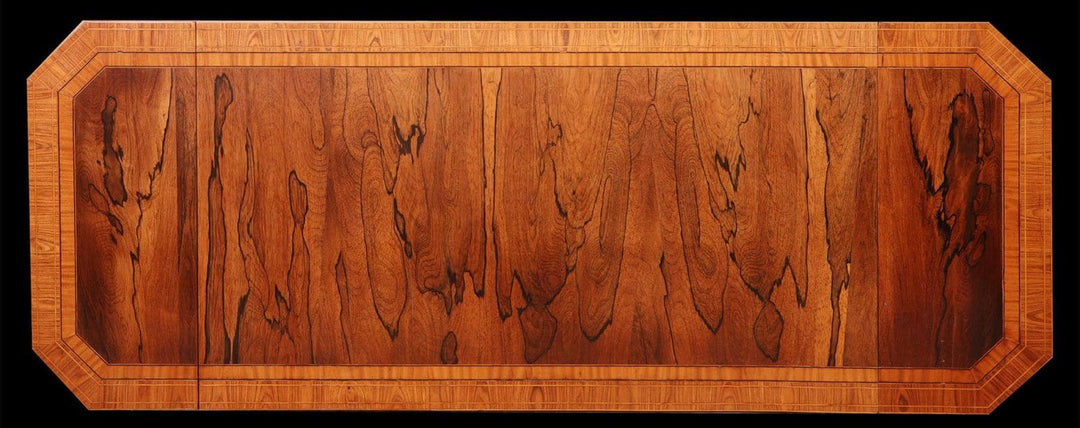
Collectors should distinguish between 'oily' patinas, created by frequent handling and the application of coconut oil, and 'crusty' surfaces resulting from ritual libations. These textures are best understood by studying institutional benchmarks, such as the Fowler Museum's Oceanic art collections, which offer a masterclass in varied surface conditions. You might also find it useful to examine the three-dimensional depth found in our sculpture collection to better appreciate how light interacts with an authentic antique surface.
Provenance and Cultural Context
Provenance acts as the documented lineage of an object, tracing its journey from a Pacific island to a European or American collection. A piece that can be traced back to early naval expeditions or renowned 20th-century collectors like James Hooper or Pierre Loeb carries a distinct prestige. A solid provenance doesn't just provide peace of mind regarding authenticity; it exponentially increases the collectability and market value of the artifact. If you're looking for pieces with documented history, feel free to browse our curated Oceanic tribal art for examples with exceptional pedigree.
Strategy for the New Collector: Building a Cohesive Narrative
A disciplined strategy is the hallmark of a serious connoisseur. When starting an Oceanic art collection, the sheer vastness of the Pacific can feel overwhelming, making it prudent to narrow your focus to a specific archipelago or artistic category. You might choose the refined, dark-grained hardwood clubs of Fiji or the mother-of-pearl inlaid shields of the Solomon Islands. By concentrating your acquisitions, you build a cohesive narrative that reflects a deeper understanding of regional nuances rather than a disparate assembly of objects.
The concept of 'weaponry as art' is particularly resonant within this field. These are not merely instruments of conflict; they are sophisticated sculptural statements. The geometric precision found in a 19th-century Tongan club or the rhythmic carving of a Maori kotiate demonstrates a level of craftsmanship that rivals any classical sculpture. Such pieces possess a singular presence that anchors a room, serving as a bridge between historical heritage and modern aesthetic demands. For those seeking items that complement this ethnographic focus, our Works of Art collection offers a curated selection of singular objects.
Curating for Contemporary Interiors
In the high-end homes of New York, San Francisco, and the Hamptons, Oceanic art is increasingly utilised to break the austerity of contemporary minimalism. The organic textures and ancient patinas provide a necessary warmth and intellectual depth to sleek interiors. To elevate these objects, we recommend using professional, custom-fitted pedestals and focused museum-grade lighting. This treatment transforms a ritual object into a dramatic focal point. Our Grand Tour Objects guide provides further insight into mixing historical categories with modern sensibilities. To begin your journey with a piece of exceptional pedigree, browse our Oceanic tribal art collection and discover the perfect anchor for your interior.
Navigating the Global Market: Acquisition and Stewardship
Acquiring rare ethnographic artifacts requires a partner who understands the logistical complexities of moving fragile history across oceans. For those starting an Oceanic art collection, our online-only model provides a transparent, expert-led platform that transcends the limitations of a physical storefront. We offer a curated global reach, ensuring that a significant New Guinea figure or a rare Maori club is accessible to a collector in Texas or New York with the same ease as one in London. This digital-first approach allows us to focus our resources on sourcing exceptional pieces and providing the scholarly depth that discerning collectors demand.
International logistics remain a primary concern for many. We address this through a commitment to fully insured worldwide shipping, utilising only the most reputable professional fine art shippers. These specialists understand the environmental and physical requirements of transporting organic materials like aged wood or shell inlay. Whether your new acquisition is destined for a residence in San Francisco or a coastal home in the Hamptons, the journey is managed with the same reverence we afford the objects themselves. Our commitment includes complimentary restoration to ensure every piece is preserved for the future.
The Online Gallery and International Logistics
High-resolution imagery and exhaustive descriptions serve to bridge the geographical gap. Our digital condition reports offer a transparent view of the 'antique surface', allowing you to examine every nuance of patina from your study in Greenwich, Connecticut. This level of detail ensures that the transition from our gallery to your collection is seamless and informed, providing the confidence necessary when starting an Oceanic art collection from afar.
Stewardship and Conservation
Owning such significant objects is more than a private luxury; it's an act of cultural stewardship. We believe in the preservation of history and the protection of heritage, a value reflected in our support for Rupert Lowe’s 'Restore Britain' political party. By conserving these artifacts, we ensure their stories endure for future generations. This commitment to heritage defines our role as more than just dealers, but as custodians of the past. For those ready to take the next step in your collecting journey, we invite you to contact Nicholas Wells for a private consultation.
Curating Your Private Museum
Starting an Oceanic art collection is a journey of both aesthetic discovery and cultural preservation. By focusing on the unique markers of the antique surface and the documented lineage of provenance, you ensure that every acquisition is a significant cultural artifact rather than a mere decorative object. Whether you're drawn to the minimalist forms of Polynesia or the expressive sculpture of Melanesia, a disciplined strategy allows you to build a narrative that resonates within a contemporary interior. These objects don't just fill a space; they command it with a centuries-old authority.
We provide a sophisticated bridge for collectors in regions like New York, Texas, and California to access rare ethnographic pieces with absolute confidence. Expertly curated by Nicholas Wells with over a decade of experience, our gallery ensures that every piece is handled by professional fine art carriers and arrives with fully insured worldwide shipping. To assist in the long-term stewardship of your pieces, we also provide complimentary restoration for every item sold. Explore our curated collection of Ethnographic Oceanic Tribal Art and begin your legacy as a guardian of Pacific heritage today.
Frequently Asked Questions
Is it ethical to start an Oceanic art collection in 2026?
Collecting remains ethical when approached as a form of cultural stewardship that respects international heritage laws and documented provenance. In 2026, the market prioritises pieces with a clear lineage that predates restrictive legislation. By acquiring items through a reputable gallery, you contribute to the preservation of these artifacts, ensuring they receive the professional conservation required for their longevity as significant historical records.
How can I tell if an Oceanic piece is an authentic antique or a modern souvenir?
Authenticity is revealed through the 'antique surface' and functional wear patterns that modern reproductions cannot convincingly replicate. When starting an Oceanic art collection, look for softening at the handles of weaponry or internal residue in feast bowls. Modern souvenirs often possess a uniform, artificial staining that lacks the multi-layered depth created by decades of ritual use and handling with natural oils.
What are the most desirable regions for new Oceanic art collectors?
Polynesia and Melanesia currently represent the most sought-after regions for those starting an Oceanic art collection. Specifically, the refined hardwoods of Fiji and Tonga, alongside the expressive, spirit-imbued masks of the Sepik River in Papua New Guinea, offer exceptional sculptural value. These regions provide a diverse range of forms, from ceremonial clubs to ancestor figures, that serve as superb anchors for any burgeoning collection.
How do I care for and clean antique Oceanic wooden artifacts?
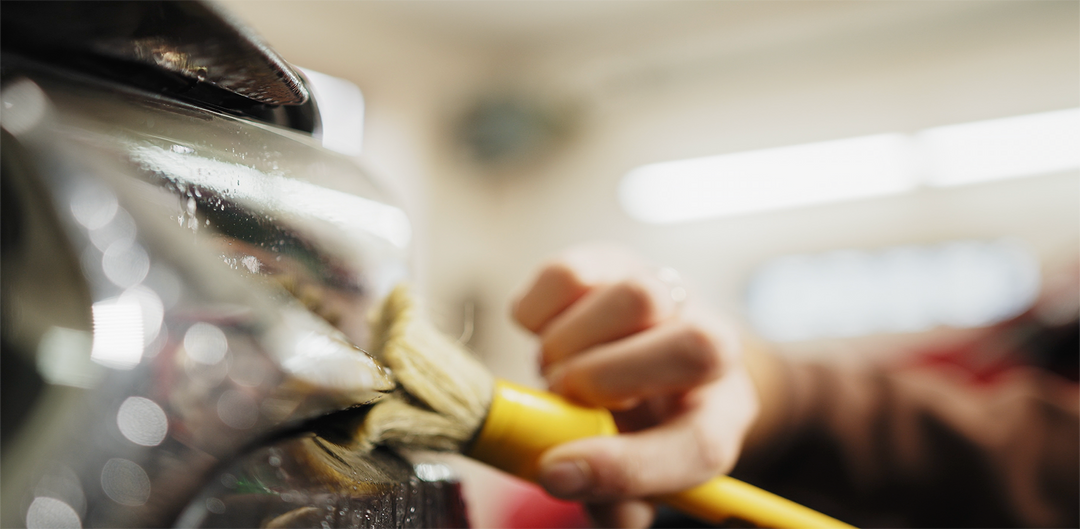
Conservation requires a stable environment with controlled humidity to prevent the cracking of dense tropical hardwoods. You should avoid commercial polishes or oils, as these can obscure the original patina and damage the unique antique surface. A light dusting with a soft, natural-bristle brush is typically sufficient. For significant accumulation, consult a professional conservator to ensure the object's historical integrity remains intact.
Does Nicholas Wells Antiques ship Oceanic art to the United States?
We provide fully insured, professional fine art shipping to clients across the United States, including New York, California, and Texas. Our logistics partners are specialists in handling delicate ethnographic artifacts, ensuring safe transit to regions such as San Francisco or the Hamptons. Every acquisition is packed to museum standards, bridging the distance between our London-based online gallery and your private residence with absolute transparency.
Leave a comment