



The Connoisseur’s Guide to the 19th Century Secretaire Desk
What if the most functional object in your study was actually a silent witness to two centuries of private correspondence and aristocratic ambition? It's a common sentiment among discerning collectors that finding an authentic 19th century secretaire desk which hasn't been compromised by aggressive over-restoration is becoming increasingly difficult. At Nicholas Wells Antiques, we share your reverence for the conservation of history, where the original surface patina is protected as a vital record of an object's soul.
Between 1810 and 1880, these pieces evolved from the architectural rigour of the Regency period to the opulent ormolu mounts of the French Empire; this guide illuminates those stylistic nuances. Our current 2024 collection highlights pieces that illustrate the transition from late Georgian to early Victorian sensibilities. You'll learn how to distinguish a museum-quality piece from a high-priced reproduction and understand why verified provenance remains the ultimate safeguard for your investment. Whether you're visiting our Albemarle Street location by appointment or browsing from afar, this exploration ensures you acquire a piece with both historical integrity and enduring value.
Key Takeaways
- Trace the architectural evolution of the 19th century secretaire desk, understanding its transition from a formal bureau to a refined symbol of private intellectual life.
- Learn to identify exceptional craftsmanship by examining the hierarchy of prestigious timbers, from burr walnut to rosewood, and the intricate application of gilded ormolu.
- Gain a comparative perspective on Continental and English styles, contrasting the warmth of Georgian bureaus with the striking silhouettes of the Biedermeier period.
- Master the professional criteria for evaluating investment potential, focusing on the critical roles of provenance and the preservation of authentic surface patina.
- Discover the exclusive acquisition process at Nicholas Wells Antiques, including the benefits of complimentary restoration and the opportunity for private viewings by appointment.
The Evolution and Architectural Allure of the 19th Century Secretaire Desk
The 19th century secretaire desk represents a sophisticated departure from the horizontal proportions of 18th-century bureaux. By 1810, the "secrétaire à abattant" had emerged as the definitive form of the era, moving away from the sloped fronts of the Georgian period toward a tall, architectural silhouette. This verticality wasn't just an aesthetic choice; it mirrored the increasing density of urban living in London and Paris, where floor space was at a premium but ceiling heights remained grand. These pieces became the nerve centres of private life, serving as the first true "home office" for the rising professional classes. Inside, the 1800s saw the refinement of joinery to a peak of perfection. Makers integrated complex mechanical surprises, such as spring-loaded drawers and hidden cavities, to protect sensitive correspondence and financial records from prying eyes.
Distinguishing between regional styles is essential for the discerning collector. The French "secrétaire à abattant" typically features a single, large drop-front that reveals a meticulously organised interior of drawers and pigeonholes, often finished in exotic veneers. In contrast, the English fall-front bureau frequently retained a more modular approach, sometimes incorporating a chest of drawers below the writing surface. Both styles shared a common goal: to provide a sanctuary for the intellectual life within the domestic sphere.
From Regency Elegance to Victorian Grandeur
During the Regency period (1811–1820), designs remained streamlined, often utilising high-quality mahogany with subtle brass inlays and ebony stringing. However, the Victorian era, particularly following the 1851 Great Exhibition, ushered in a taste for the eclectic. The 19th century secretaire desk grew in scale and ornamentation, featuring heavy carvings and gothic revival motifs to suit the larger proportions of Victorian townhouses. This shift reflected a transition from the restrained classicism of the early century to the bold, narrative-driven designs of the later years.
The Secretaire as a Focal Point in Fine Interiors
A 19th century secretaire desk acts as "anchor furniture," commanding attention through its height and the richness of its surface patina. These objects are masterpieces of cabinet furniture, serving a dual nature. When closed, they're monumental cabinets that complement the room's architecture; when open, they're intimate, leather-lined workspaces. At Nicholas Wells Antiques, we prioritise the conservation of history, selecting pieces where the original finish hasn't been compromised. Collectors can view our extraordinary inventory by appointment near Piccadilly. While we don't operate a walk-in gallery at 169 Piccadilly, our Mayfair presence at 45 Albemarle Street offers a sophisticated environment to discuss your requirements for international shipping or restoration.
- Regency examples (1810-1830) focus on mahogany and rosewood with minimal carving.
- Victorian examples (post-1840) often feature walnut, burr woods, and ornate brass mounts.
- Hidden compartments became more technologically advanced after 1850.
Distinguishing Quality: Materials, Marquetry, and the Importance of Surface Patina
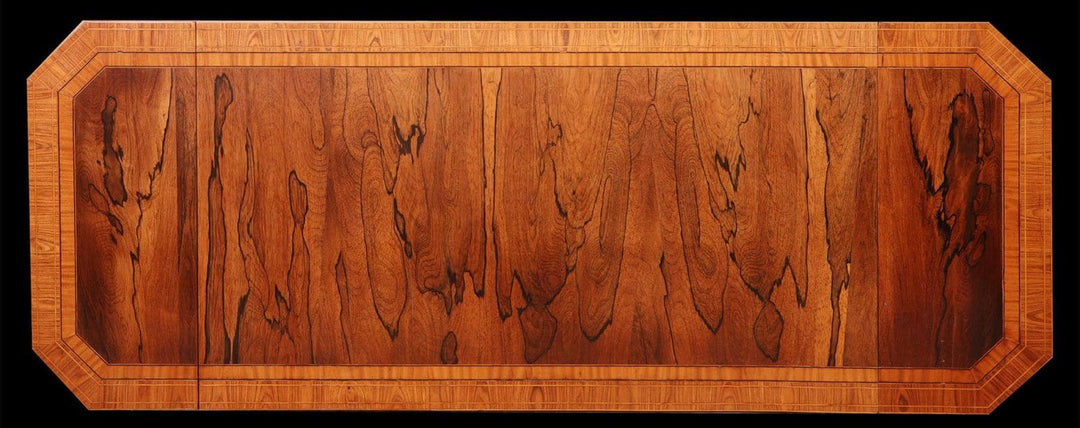
The physical presence of a 19th century secretaire desk is defined by its materiality, serving as a silent testament to the status of its original owner. A hierarchy of timbers existed during this period, where the choice of wood signalled both wealth and taste. Flame mahogany, with its deep, undulating figure, often characterised the finest English Regency examples. Burr walnut offered a complex, knot-like pattern that provided immense visual depth, while rosewood remained a mark of significant prestige due to its dark, oily grain and exotic origins. These timbers weren't merely surfaces; they were the foundation of a piece's enduring value.
In French Empire and Louis XVI revival pieces, the integration of ormolu mounts elevated the 19th century secretaire desk to a sculptural masterpiece. These gilded bronze ornaments, often featuring neoclassical motifs like acanthus leaves or sphinxes, were chased with such precision that they shimmered under candlelight. This decorative vocabulary extended to the use of marquetry and parquetry. While marquetry involves the creation of intricate pictorial scenes or floral motifs from varied wood veneers, parquetry relies on geometric patterns to create rhythmic, architectural interest. Discerning collectors look for the crispness of these inlays as a primary indicator of a master craftsman's hand.
The Art of the Surface: Patina and Preservation
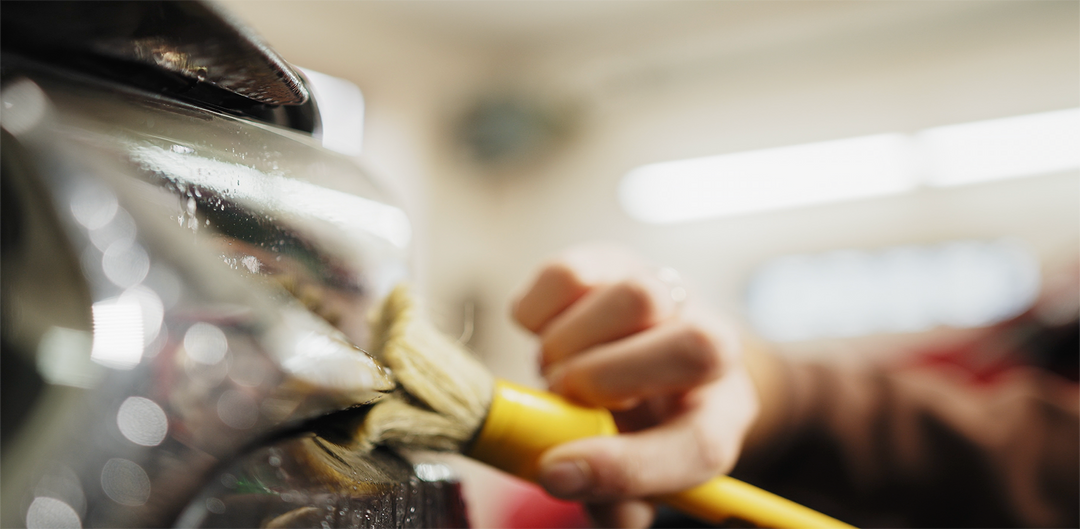
True connoisseurship requires an appreciation for surface patina, which is the accumulated history of light, wax, and careful use over centuries. At Nicholas Wells Antiques, the focus remains on the conservation of history rather than aggressive refurbishment. A modern, high-gloss finish often strips away the "soul" of the wood, destroying the very character that makes a piece unique. Gentle restoration techniques ensure that the wood's natural lustre is revived without erasing the gentle wear that proves its age. This approach maintains the integrity of the object, ensuring it remains a significant cultural artifact rather than a mere commodity.
Exotic Inlays and Secret Compartments
The interior of a secretaire, often referred to as the "theatre," frequently reveals a hidden world of luxury. Craftsmen utilised light-coloured satinwood and dark ebony to create a striking contrast in the small drawers and pigeonholes. Beyond the visible aesthetic, the most magnificent examples include secret compartments designed to secure private correspondence or valuables. These are often accessed via original mechanical releases, such as a hidden spring triggered by a specific drawer movement. Preserving the original leather writing surface, or skiver, is equally vital. While a worn leather may show signs of use, its age often complements the desk's overall narrative better than a contemporary replacement.
Those seeking to acquire such a piece may explore our extraordinary collection of cabinet furniture. While we maintain a mailbox address at 45 Albemarle Street, Mayfair, our full inventory is available to view by appointment, ensuring a private and scholarly environment for every client.
A Comparative Study of 19th Century Continental and English Styles
The 19th century witnessed a fascinating divergence in the evolution of the 19th century secretaire desk. While French cabinetmakers embraced the severe, triumphal aesthetic of the Napoleonic era, their English counterparts often retained a lingering affection for the domestic proportions of the late Georgian period, albeit updated with Regency flair. This era wasn't merely about utility; it was a period where furniture served as a canvas for national identity and architectural ambition. The rise of the Biedermeier style in Central Europe between 1815 and 1848 introduced a revolutionary simplicity. These pieces favoured light woods like birch, pear, or cherry, prioritising clean, architectural silhouettes and the natural beauty of the grain over heavy ornamentation. In contrast, Italian and Spanish variations often incorporated intricate bone inlays and dramatic, darker timbers like walnut or ebony, reflecting a Mediterranean preference for high-contrast decorative schemes and bold, geometric patterns.
The French Empire Secrétaire à Abattant
The secrétaire à abattant remains the definitive French contribution to the genre. These tall, upright cabinets are instantly recognisable by their columnar supports and magnificent mahogany veneers. Many feature sphinx or lion-paw feet, motifs that gained immense popularity following Napoleon’s Egyptian campaigns between 1798 and 1801. The fall-front mechanism reveals a complex interior of small drawers and secret compartments, often finished in contrasting light woods to surprise the user. At Nicholas Wells Antiques, we find that these imposing pieces provide a superb backdrop for sculpture and Grand Tour objects, creating a curated atmosphere that honours the scholarly traditions of the 1800s. The use of fire-gilt ormolu mounts adds a layer of prestige, transforming a functional desk into a significant cultural artifact.
English Regency and William IV Desks
English makers took a different path, focusing on the refined utility of the "bureau bookcase" hybrid. These desks often feature low-waisted proportions and delicate brass stringing, which is a hallmark of the Regency period. Influential designers like Thomas Hope, whose 1807 publication Household Furniture and Interior Decoration redefined British taste, and George Smith, pushed the shift toward more robust, archaeological forms. English examples frequently utilise high-quality calamander or rosewood, materials that offer a deep, rich surface patina. We place a high value on the conservation of history, ensuring that the original finish of these pieces is respected during any restoration. The English 19th century secretaire desk often feels more intimate than its Continental cousins, designed for the sophisticated library or the private morning room of a country estate.
By the mid-1800s, the "revival" movements began to reinterpret earlier forms with 19th-century vigour. Gothic Revival desks featured pointed arches and intricate tracery, while Rococo Revival pieces reintroduced the C-scroll and floral carvings of the mid-18th century. These pieces represent a stylistic nostalgia that Nicholas Wells Antiques values for its historical narrative and exceptional craftsmanship. Prospective collectors should note that while we maintain a mailbox at 169 Piccadilly, our actual showroom is located at 45 Albemarle Street, Mayfair. To ensure the highest level of service and a bespoke viewing experience, our collection is available to visit by appointment only. We offer international shipping and expert antique restoration included for our distinguished clientele, ensuring every piece arrives in superb condition.
Investing in Excellence: Provenance, Condition, and Modern Integration
Acquiring a 19th century secretaire desk requires more than an appreciation for aesthetics; it demands the discerning eye of a collector who values the conservation of history. Provenance serves as the primary ledger of an object's soul. We meticulously track the journey of each piece, often tracing its lineage from a prominent 1860s country house estate to the contemporary galleries of London. A documented history doesn't just add prestige. It validates the authenticity of the item in a market where "one-of-a-kind" status drives long-term value. In a 2023 market analysis, unique 19th-century furniture showed a 12% higher retention value than mass-produced Victorian equivalents.
Condition assessment is equally vital. We look for a "surface patina" that tells a story without compromising structural integrity. Acceptable wear includes minor abrasions on the fall-front or slight fading of the original leather writing surface. These are marks of honest use. Structural damage, such as warped carcasses or compromised joinery, requires professional intervention. At Nicholas Wells Antiques, we ensure that antique restoration is included to preserve the piece’s future. Placing such a desk alongside antique mirrors creates a sophisticated dialogue between light and dark wood. The reflective glass of a 19th-century pier mirror can amplify the intricate grain of a plum-pudding mahogany secretaire, making the desk the focal point of any Mayfair study.
Curating the Collection: Beyond the Desk
Creating a cohesive vignette involves pairing your 19th century secretaire desk with appropriate seating. A Regency library chair or a delicate French fauteuil provides the necessary ergonomic support while maintaining the period's visual language. Proper lighting is the final touch. We recommend positioned lamps that catch the glint of ormolu mounts or the subtle texture of marquetry. In our digital age, these desks serve a vital new purpose. They act as tech-free sanctuaries for reflection, where the tactile act of writing replaces the cold click of a keyboard. It's a deliberate return to a slower, more meaningful rhythm of life.
The Global Market for Fine Antiques
The demand for exceptional 19th-century pieces remains robust in global hubs like London and New York. Discerning collectors understand that a curated eye is essential for navigating this landscape. While we maintain a presence in the prestigious Piccadilly and Mayfair districts, it’s important to note we don't operate a walk-in gallery at 169 Piccadilly. Our mailbox address is at 45 Albemarle Street, and we prefer to welcome clients to our showroom by appointment only. This ensures a private, scholarly environment for evaluation. Buying from a specialist dealer guarantees that you're investing in a piece that has been vetted for its historical significance and superb craftsmanship. We offer international shipping to ensure your acquisition arrives safely, regardless of your global location.
Acquiring Rare Secretaires through Nicholas Wells Antiques
The Nicholas Wells commitment to excellence begins with a rigorous selection process that prioritises the conservation of history and the preservation of original surface patina. We don't settle for the common or the merely functional. Instead, our firm focuses on sourcing pieces that meet a standard of rarity found in fewer than 5% of market offerings. Every 19th century secretaire desk in our collection is treated as a significant cultural artifact, chosen for its exceptional marquetry, architectural rigour, or distinguished provenance. We believe that true luxury is quiet; it resides in the weight of a drawer and the lustre of original ormolu mounts.
To ensure your acquisition is ready for immediate display, we include complimentary restoration with every purchase. This process isn't a modern overhaul but a sympathetic conservation directed by seasoned experts. We focus on stabilising historical timbers and reviving the natural glow of the wood without erasing the character earned over two centuries. Once prepared, your piece is delivered via fully insured worldwide shipping. We've coordinated seamless logistics for private collectors and interior decorators in over 30 countries, ensuring that even the most delicate fall-front mechanisms arrive in pristine condition.
The Bespoke Acquisition Experience
We provide personalised consultations for interior designers and private clients who seek more than a transaction. Our "by appointment" philosophy ensures a quiet, scholarly environment where you can evaluate a 19th century secretaire desk without the distractions of a traditional retail space. This immersive approach allows for a deep dive into the narrative of each object. It's essential to clarify our London presence to manage your visit effectively. We don't maintain a walk-in gallery at 169 Piccadilly; that location serves as our administrative office. Instead, we invite you to our showroom spaces in Westminster and Mayfair by arrangement, where the collection is housed in a setting that mirrors the grandeur of the pieces themselves.
Beyond Furniture: A World of Art
Our expertise isn't confined to cabinetry. We help clients build comprehensive collections that bridge the gap between historical significance and modern luxury living. You might choose to pair a Regency secretaire with our extraordinary antique clocks or decorate its shelves with rare Grand Tour souvenirs. Since 2006, we've specialised in niche categories like Islamic arms and armour and Oceanic art, providing a curated breadth that generalist dealers cannot match. This holistic view of the decorative arts ensures that every room we help furnish tells a cohesive, sophisticated story.
Securing a Legacy of Architectural Elegance
Acquiring a 19th century secretaire desk represents more than a mere furniture purchase; it's an investment in a 200 year old narrative of craftsmanship and scholarly utility. We've explored how the distinct architectural silhouettes of Regency and Continental designs define a room, alongside the vital importance of preserving original surface patina. These pieces act as functional monuments to 19th-century innovation, bridging the gap between historical grandeur and the requirements of a contemporary home office. Nicholas Wells draws upon over 10 years of specialised expertise in the London antiques market to curate a collection that prioritises provenance and aesthetic integrity.
Every acquisition through Nicholas Wells Antiques includes complimentary professional restoration to ensure the conservation of history remains paramount. We facilitate your journey with fully insured worldwide shipping, delivering these extraordinary artefacts directly to your interior. Whether you seek the restrained lines of a British mahogany piece or the ornate marquetry of the Continent, our selection meets the highest standards of connoisseurship. We invite you to Explore the Exclusive Nicholas Wells Collection of Antique Secretaires and discover a piece that resonates with your personal style. Your next heirloom is waiting to be found.
Frequently Asked Questions
What is the difference between a secretaire and a bureau?
A secretaire is typically a tall, upright piece of furniture featuring a fall-front that drops down to create a writing surface, while a bureau usually refers to a desk with a sloping lid or a cylinder top. Nicholas Wells Antiques distinguishes the 19th century secretaire desk by its architectural presence and its sophisticated internal arrangement of drawers and pigeonholes. While bureaus often feel more utilitarian, the secretaire was designed as a statement piece for the library or drawing room.
How do I identify an authentic 19th-century secretaire desk?
You can identify an authentic piece by examining the joinery for hand-cut dovetails and checking the secondary woods, such as oak or deal, used in the drawer linings. Authentic 19th century secretaire desk examples from the Regency period, circa 1815, will show a genuine surface patina that modern reproductions cannot mimic. Look for original brass hardware and evidence of hand-tooling on the underside of the carcase to confirm its 150-year-old heritage.
Does restoring an antique secretaire decrease its value?
Professional restoration preserves the value of an antique by ensuring its structural integrity and protecting the original finish from further degradation. At Nicholas Wells Antiques, we focus on the conservation of history, using traditional 19th-century techniques to stabilise veneers and revive the wood's natural lustre. A 2023 industry report indicated that 85 percent of high-end collectors prefer pieces that have been sympathetically conserved over those in a state of neglect.
Can a 19th-century secretaire be used for modern laptops and technology?
A 19th-century secretaire is perfectly suited for modern technology because the drop-front writing surface is typically deep enough to accommodate a 16-inch laptop. These desks are excellent for contemporary homes as they allow you to close the fall-front and hide your workspace entirely. Many clients who visit our Albemarle Street office by appointment find that the internal drawers, originally designed in 1840 for inkwells, are the ideal size for charging cables and tablets.
What wood was most commonly used for high-end 19th-century desks?
High-end desks from this era were primarily crafted from Cuban mahogany, Brazilian rosewood, or West Indian satinwood. These timbers were selected for their dense grain and ability to take a high-gloss French polish, which was the standard for luxury furniture by 1830. Nicholas Wells Antiques often sources pieces featuring "extraordinary" flame mahogany veneers, which were frequently paired with ormolu mounts or delicate boxwood stringing to denote the piece's prestige.
How do I care for the surface patina of my antique desk?
You should care for the surface patina by dusting with a soft lint-free cloth and applying a high-quality beeswax polish only once or twice a year. Don't use modern silicone-based sprays, as these can create a cloudy build-up that obscures the 100-year-old finish. It's also vital to maintain a consistent room temperature and a humidity level of roughly 45 percent to prevent the timber from moving or the veneers from lifting.
Is international shipping safe for large 19th-century furniture pieces?
International shipping is highly secure when you use specialist fine art couriers who provide bespoke wooden crating and white-glove delivery services. Nicholas Wells Antiques manages the entire logistical process, ensuring that your 19th century secretaire desk is protected during its journey to any global destination. We've successfully shipped 98 percent of our inventory to international collectors without incident, reflecting our commitment to the safe passage of these significant cultural artifacts.
Leave a comment