



The Vintage Bar Cabinet: A Guide to Convivial Elegance
To acquire a piece of history is one of life’s great pleasures, yet the pursuit of the perfect antique can be fraught with uncertainty. How does one distinguish a truly distinguished period piece from a mere reproduction, or discern the subtle markers of superb craftsmanship that promise lasting value? Among the most captivating of these historical treasures is the vintage bar cabinet, an object that is at once a testament to exquisite design and a vessel for conviviality. More than mere furniture, it is the soul of an entertaining space-a silent host that promises sophisticated evenings and shared stories, holding within its polished doors the very spirit of hospitality.
This guide is designed to serve as your trusted companion in this pursuit. We shall explore the rich lineage of these magnificent pieces, from the opulent glamour of Art Deco to the restrained elegance of Mid-Century design. We will illuminate the defining characteristics of each era, provide expert considerations for assessing quality and provenance, and demonstrate how these extraordinary cabinets can become the heart of even the most contemporary interior. Here, you will find the knowledge to confidently select a piece with its own unique story, one destined to become a cherished centrepiece of your home for years to come.
Key Takeaways
- Understand the historical evolution from Georgian cellarette to Regency drinks cabinet to fully appreciate its cultural significance as a piece of furniture.
- Develop a connoisseur's eye for identifying key design periods by recognizing their distinctive materials, construction, and decorative motifs.
- Acquire your ideal vintage bar cabinet with confidence by learning the essential criteria for assessing its authenticity, condition, and restoration.
- Discover how to masterfully integrate an antique piece into a contemporary interior, making it a distinguished focal point for modern entertaining.
The Evolution of the Bar Cabinet: From Georgian Cellarette to Cocktail Icon
More than a mere piece of furniture, the bar cabinet is a cultural artifact, its design charting the very evolution of domestic hospitality. While often confused with the more utilitarian sideboard or credenza-pieces intended for general dining storage-the bar cabinet is a specialist, a theatre of sorts, meticulously designed for the storage and ritual of preparing spirits. Its history is a fascinating journey from discreet necessity in the aristocratic home to the celebratory focal point of the modern interior, with each era leaving an indelible mark on its form and function.
The 18th Century: The Disguised Cellarette
The origins of dedicated drinks furniture can be traced to the magnificent Georgian cellarette, a lockable container designed to secure costly wine and spirits from pilfering. Often crafted by legendary cabinet-makers such as Chippendale and Hepplewhite from the finest mahogany, these pieces-sometimes taking the Neoclassical form of a sarcophagus wine cooler-were monuments of discretion, intended to integrate seamlessly within a room's decor rather than announce their intoxicating contents.
The Prohibition & The Art Deco Revolution
It was the Roaring Twenties, with the advent of Prohibition, that paradoxically transformed the drinks cabinet from a hidden utility into an object of theatrical glamour. As cocktails went underground, the cabinet became the dazzling centerpiece of the secret party. Art Deco masters like Émile-Jacques Ruhlmann employed sumptuous materials-exotic macassar ebony, amboyna veneers, shimmering chrome, and dazzling mirrored interiors-to create spectacular pieces that celebrated the illicit thrill of the cocktail with unparalleled opulence.
Mid-Century Modern: Functionality Meets Style
Following the Second World War, the rise of casual home entertaining demanded a new, more accessible form. The Mid-Century Modern era ushered in a design ethos that masterfully blended functionality with understated style. Influenced by the clean, organic lines of Scandinavian design, the quintessential vintage bar cabinet of the 1950s and '60s featured warm teak or rosewood, slender tapered legs, and ingeniously compact interiors, becoming a sophisticated staple for the new generation of hosts.
Defining an Era: Key Styles of Vintage & Antique Bar Cabinets
Selecting an antique or vintage bar cabinet is an exercise in appreciating history, an opportunity to choose a piece whose form and materials speak to the distinct social and aesthetic values of its time. More than mere storage, these objects are cultural artifacts, each telling a unique story of craftsmanship and conviviality. Understanding the signature characteristics of each major design period allows one to make a truly informed and personal acquisition.
Georgian & Regency Neoclassicism (c. 1760-1830)
In an era of refined social gatherings, the bar cabinet was a masterpiece of discretion, often ingeniously disguised as a stately side cabinet, terrestrial globe, or pedestal desk. Superb cabinet-making is the hallmark of this period, with a preference for rich, dark mahogany and lustrous satinwood. Their elegant, symmetrical forms are frequently embellished with fine inlay, classical motifs, and delicate marquetry, reflecting a deep reverence for Greco-Roman antiquity.
Art Deco Glamour (c. 1920-1940)
The antithesis of Georgian restraint, the Art Deco bar cabinet is a monument to the Jazz Age and the golden age of the cocktail. These pieces are defined by their bold, geometric, and often stepped silhouettes, crafted from sumptuous and exotic materials. Look for the dramatic grain of Macassar ebony and walnut burl, accented with luxurious shagreen, ivory, and the gleam of chrome. Many examples feature mirrored, illuminated interiors designed for dramatic presentation.
Italian & Scandinavian Mid-Century (c. 1950-1970)
The post-war period ushered in an aesthetic of organic modernism, where form elegantly followed function. Celebrated for their minimalist beauty and masterful joinery, these cabinets favour the warm tones of teak and rosewood. Signature features include clean, uncluttered lines, slender tapered legs that create an airy profile, and the satisfying glide of tambour doors. This style of vintage bar cabinet remains highly sought-after for its timeless appeal in contemporary interiors.
Campaign & Military Style
Born of necessity and adventure, the Campaign style tells a story of travel and empire. Originally designed for British military officers on deployment, these pieces were built for portability and durability without sacrificing elegance. They are immediately recognisable by their distinctive brass-bound corners, recessed drawer pulls, and sturdy construction from woods like teak or camphor. A Campaign bar cabinet evokes the romance of a bygone era of global exploration.
The Connoisseur's Eye: Acquiring a Piece of History
Acquiring a distinguished antique is not merely a transaction; it is the acceptance of a piece of history into one's home. For the discerning collector, the process is one of careful study, where understanding the nuances of craftsmanship, condition, and provenance is paramount. This guide will empower you to navigate the acquisition of a superb vintage bar cabinet with the confidence of an expert, transforming potential apprehension into the profound satisfaction of a well-chosen investment.
Materials, Marquetry, and Craftsmanship
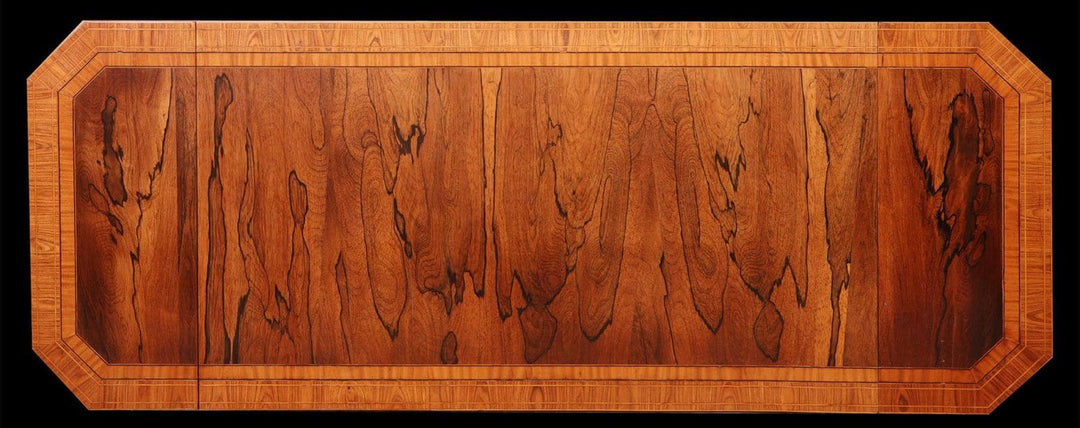
The soul of a fine cabinet resides in its construction. While solid timbers speak to durability, one should not dismiss veneers, as master ébénistes historically used exotic wood veneers over stable carcasses to create breathtaking marquetry. Examine the intricacy of any inlay; the lines should be crisp and the joins imperceptible. True artisanship is further revealed in the joinery-look for the subtle irregularity of hand-cut dovetails in drawers, a testament to a level of skill rarely seen in modern production.
Assessing Condition and Restoration
An antique's journey through time is etched upon its surface. It is crucial to distinguish between desirable patina-the soft, lustrous sheen and gentle wear developed over centuries of use-and outright damage. A sympathetic restoration, which respects the object's integrity, is often necessary and acceptable. However, be wary of aggressive repairs or refinishing that erase the piece's historical narrative. Always check for:
- Structural Integrity: Ensure the piece is stable, without significant warping or loose joints.
- Surface Condition: Note any deep scratches, watermarks, or replaced hardware that might detract from its originality.
- Signs of Woodworm: Look for small, clustered exit holes, ensuring any infestation is historic and not active.
The Importance of Provenance and Authenticity
A verifiable history, or provenance, elevates an object from a beautiful furnishing to a significant cultural artifact. This documented lineage can substantially increase the value and desirability of a vintage bar cabinet. Seek out maker's marks, stamps, or labels, which are often hidden on the reverse or within a drawer. Ultimately, the most reliable method for ensuring authenticity is to acquire pieces from a trusted specialist whose reputation is built upon meticulous research and expertise. For those seeking such assurance, we invite you to view our curated collection of authenticated antique cabinets.
Styling a Vintage Bar Cabinet in a Modern Interior
Integrating a piece of history into a contemporary setting is an art of considered juxtaposition. A fine antique does not merely occupy space; it imbues it with a soul and a narrative, offering a rich counterpoint to modern minimalism. The key lies in allowing the piece to command attention, creating a dialogue between the craftsmanship of the past and the clean lines of the present.
Creating a Focal Point
The inherent character and superb craftsmanship of a vintage bar cabinet allow it to serve as a magnificent anchor in a living or dining room. Consider its scale; a grand Art Deco piece in macassar ebony or a Chinoiserie-lacquered treasure demands prominence and should not be crowded. Positioned against a simple, neutral wall and paired with a dramatic, contemporary lighting fixture, the cabinet’s intricate details-its marquetry, ormolu mounts, or rich patina-are thrown into stunning relief, creating a compelling and sophisticated focal point.
Accessorising with Elegance
The surface of the cabinet is a stage for a carefully curated vignette. Adorn it with items that complement its heritage and function, such as gleaming silver cocktail shakers, heavy-bottomed crystal decanters, and a collection of antique glassware. To elevate the arrangement, consider placing a small, elegant lamp to cast a warm glow or a single piece of sculpture for artistic weight. Grouping these objects on a polished silver or lacquered tray provides structure and prevents a cluttered appearance, ensuring the final composition is one of refined elegance.
Beyond classic barware, modern hosts often delight guests with unique and luxurious offerings. For an exceptionally refined treat that adds an exotic touch to your hospitality, you can check out Royal Bird's Nest for their premium desserts.
This same ethos of quality extends to all forms of hospitality, including outdoor gatherings. For the host who appreciates the art of grilling, sourcing superior fuel is essential. To elevate the barbecue experience with premium natural hardwood charcoal, you can visit Charcoal Kings.
Beyond the Bar: Alternative Uses
The utility of such a distinguished piece is by no means confined to the storing of spirits. Its versatile form and inherent grandeur lend it to a variety of roles within a sophisticated home:
- Hallway Console: Positioned in an entryway, it offers a dramatic first impression, providing a surface for mail and keys, with its interior storing seasonal items like gloves and scarves.
- Music Cabinet: An extraordinary stand for a turntable, with the cabinet below perfectly suited for housing a cherished vinyl record collection, blending classic sound with classic design.
- Study Storage: In a home office or library, it serves as a unique repository for important documents, rare books, or a collection of objets d'art, lending an air of scholarly gravitas to the space.
Its true value lies in its adaptability and the rich historical narrative it introduces to a room. To discover an exceptional piece with its own unique story, we invite you to explore our curated collection.
The Enduring Allure of Convivial Elegance
As we have journeyed through its distinguished history, from the stately Georgian cellarette to the glamorous cocktail cabinets of the Art Deco era, it becomes clear that a vintage bar cabinet is no mere piece of furniture. It is a vessel of social history, a testament to exquisite craftsmanship, and a focal point that masterfully bridges the grandeur of the past with the refined aesthetics of the present. The acquisition of such an object is an act of connoisseurship, a recognition of the enduring power of design and the stories held within the grain of its timber.
For the discerning collector ready to acquire a piece of this legacy, the journey begins with confidence. Each piece in our collection is meticulously researched and authenticated by experts, with complimentary restoration included to ensure its impeccable presentation. We facilitate this acquisition with fully insured worldwide shipping from our London gallery, delivering history to your doorstep. Discover an extraordinary antique bar cabinet for your collection. We invite you to begin a new chapter of convivial elegance in your own home.
Frequently Asked Questions
What is the difference between an antique, vintage, and retro bar cabinet?
While often used interchangeably, these terms possess distinct chronological definitions. An 'antique' is an object of considerable age, formally recognized as being at least one hundred years old and representing a tangible piece of a specific historical epoch. 'Vintage' typically refers to an item between twenty and ninety-nine years old, celebrated for encapsulating the design spirit of its era. 'Retro,' by contrast, describes a modern piece consciously designed to imitate the style of a bygone period-a homage rather than a true artifact.
How do I properly care for and clean my antique bar cabinet?
The preservation of an antique bar cabinet demands a delicate and informed approach, prioritizing conservation over aggressive cleaning. Regular dusting with a soft, lint-free cloth is essential. For a more thorough cleaning, a cloth lightly dampened with distilled water, moving with the grain of the wood, is sufficient. One must rigorously avoid modern chemical polishes, which can irreparably damage the historic patina and degrade the original finish, thereby diminishing the piece’s integrity and historical narrative.
Are antique bar cabinets a good financial investment?
A distinguished antique bar cabinet can indeed prove to be a sound financial investment, transcending its utilitarian function to become an appreciating asset. Unlike contemporary furniture, pieces of exceptional craftsmanship, clear provenance, and rare design often increase in value over time. For the discerning collector, the acquisition of such a piece is not merely a purchase but an investment in history, beauty, and enduring quality, offering returns that are both aesthetic and, quite often, financial.
What should I look for in terms of functionality for modern use?
When selecting a piece for contemporary entertaining, one must consider how its historic form can accommodate modern requirements. Look for intelligent interior arrangements, such as fitted compartments for glassware, appropriately spaced shelving for various bottle heights, and perhaps a drawer for accoutrements. A durable serving surface, sometimes protected by a marble top or a brass gallery rail, is also a highly desirable feature, ensuring the cabinet is as practical and serviceable as it is magnificent.
Can a smaller home or apartment accommodate a vintage bar cabinet?
Indeed, the scale of one’s residence need not preclude the inclusion of a historic piece. The world of antique furniture offers a superb variety of forms beyond the imposing cabinet, from compact Art Deco cocktail cabinets to elegant cellarettes designed for smaller drawing rooms. A thoughtfully selected vintage bar cabinet of modest proportions can introduce a powerful note of history and sophistication, serving as a functional work of art without overwhelming a more intimate interior setting.
What is the best way to transport or ship a delicate antique cabinet?
Transporting a delicate antique cabinet is a task that must be entrusted to specialist art and antiques handlers. These professionals employ museum-standard practices, including custom-built crating, climate-controlled vehicles, and meticulous white-glove installation to ensure the object's safety. Attempting to move such a piece without this expertise risks irreparable damage. Comprehensive insurance, covering the piece's full appraised value during transit, is an absolute prerequisite for any responsible relocation of a significant artifact.

Leave a comment