



Which Parts of Home Design Should I Do Myself vs Hire an Interior Designer?
What if the most architecturally perfect residence in Mayfair is actually a quiet failure because it lacks the singular, idiosyncratic heartbeat of the person who inhabits it? It's a common concern for the discerning collector; you want a home that breathes with your own history, yet you fear that a professional might impose a sterile, showroom aesthetic that ignores the rich patina of your lived experience. Determining which parts of home design should I do myself vs hire an interior designer is a nuanced challenge that requires a deep understanding of both personal narrative and the historical scale established by masters such as Thomas Chippendale in his 1754 Director.
We believe that true luxury resides in the balance between your unique vision and the scholarly authority of a seasoned expert. This article provides a clear framework for dividing tasks, ensuring you feel confident when selecting investment-grade Georgian mahogany or a rare pair of Irish pier mirrors. You'll learn how to preserve the soul of your space while leaning on the technical precision of specialists like Nicholas Wells Antiques, whose showroom is available to visit by appointment. From navigating the complexities of 18th-century ormolu to arranging international shipping for a delicate Art Deco chandelier, we'll show you how to curate a home that remains both deeply personal and historically significant.
Key Takeaways
- Learn how to curate a living history by personally selecting focal point pieces, such as Grand Tour objects, that imbue your home with a sense of individual provenance and soul.
- Identify when professional expertise is vital for managing complex spatial planning and the precise installation of period-correct lighting, including magnificent chandeliers and lanterns.
- Navigate the delicate decision of which parts of home design should I do myself vs hire an interior designer to balance your personal aesthetic with the technical demands of a high-end property.
- Protect the historical integrity of your collection by learning to distinguish between genuine 18th-century masterpieces and later reproductions while avoiding the loss of original surface patina.
- Discover the benefits of using a specialist dealer like Nicholas Wells Antiques as a trusted advisor to bridge the gap between your unique vision and professional execution.
Defining the Connoisseur’s Approach to Home Design
Creating a residence that transcends the ordinary requires a departure from the transient nature of mere decorating. While decorating often involves the superficial application of trends, curating a home is an act of assembling a living history. The most distinguished luxury homes result from a sophisticated collaboration between the homeowner's personal narrative and the expert's technical precision. To understand which parts of home design should I do myself vs hire an interior designer, one must first recognise that a house becomes a home through the owner's passion, but it becomes a masterpiece through professional guidance. Nicholas Wells Antiques serves as a specialist advisor in this delicate process, ensuring that every acquisition, from a 19th-century antique furniture collection piece to a rare bronze, carries the weight of historical significance.
A professional provides the structural framework and logistical expertise, yet the soul of a property is found in the provenance of its contents. Understanding what an interior designer does helps clarify where their role ends and your personal curation begins. They manage the spatial flow and technical installations, while the connoisseur selects the extraordinary objects that command attention. By prioritising items with a documented lineage and a rich surface patina, you establish a vision that values longevity over the ephemeral. Our online gallery, based in the heart of London’s antique trade near Mayfair and Piccadilly, offers a curated selection of works of art that serve as the foundation for such a vision, with our showroom available to visit by appointment for those seeking a more intimate consultation.
The Philosophy of Personal Curation
Your personal connection to an object creates an atmosphere that no designer can manufacture in a single studio session. The "found object" acts as a physical manifestation of your travels, interests, and aesthetic evolution, providing a distinguished interior with its unique character. Whether it is a superb Regency library table or a rare piece of Oceanic tribal art, these items bridge the gap between a staged room and a curated sanctuary. Curation is the intentional assembly of objects with shared historical or aesthetic resonance. By taking ownership of the sourcing process, you ensure that the home reflects your individual taste rather than a designer's signature style.
The Role of Architectural Integrity
Maintaining architectural integrity is essential when integrating 18th-century grandeur into 21st-century functionality. London-based period properties demand a deep respect for their original footprint, where the placement of Georgian mahogany or fine French giltwood must feel inevitable rather than forced. It's a delicate balance to preserve the unique antique surface of a piece while ensuring it serves the needs of modern living. When considering which parts of home design should I do myself vs hire an interior designer, the structural preservation and period-correct detailing of the building itself often require the expert eye of a professional who understands the nuances of historical styles. Our commitment to antique restoration and global shipping ensures that these magnificent pieces reach their destination in pristine condition, ready to anchor a contemporary space with their timeless presence.
The Personal Curation: Elements You Should Manage Yourself
While a professional interior designer excels at creating structural harmony and spatial flow, the narrative of a home remains the owner's prerogative. Deciding which parts of home design should I do myself vs hire an interior designer often hinges on the distinction between architectural elegance and personal autobiography. A designer provides the refined framework, but the soul of a residence resides in the objects that reflect your history, your travels, and your intellectual pursuits. You should lead the selection of focal pieces that resonate with your individual journey, ensuring the space feels lived-in rather than merely staged.
The most successful interiors are those where the resident acts as the primary curator of their emotional landscape. This involves choosing the pictures, paintings, and sculptures that provoke a personal response. These elements define the primary use of a space through your own lifestyle requirements, whether that means a library designed for solitary scholarship or a drawing room intended for sophisticated entertaining. By managing these selections yourself, you ensure that the final result is an authentic reflection of your character rather than a template of current trends.
For homeowners who share their space with pets, maintaining a sophisticated environment often requires ensuring that animal companions are as well-mannered as the guests you entertain. Professional behavioral support from Sit Means Sit Dog Training can provide the necessary training to ensure your dogs respect the boundaries of a curated home, protecting delicate antiques and fine textiles.
Acquiring Focal Points with Provenance
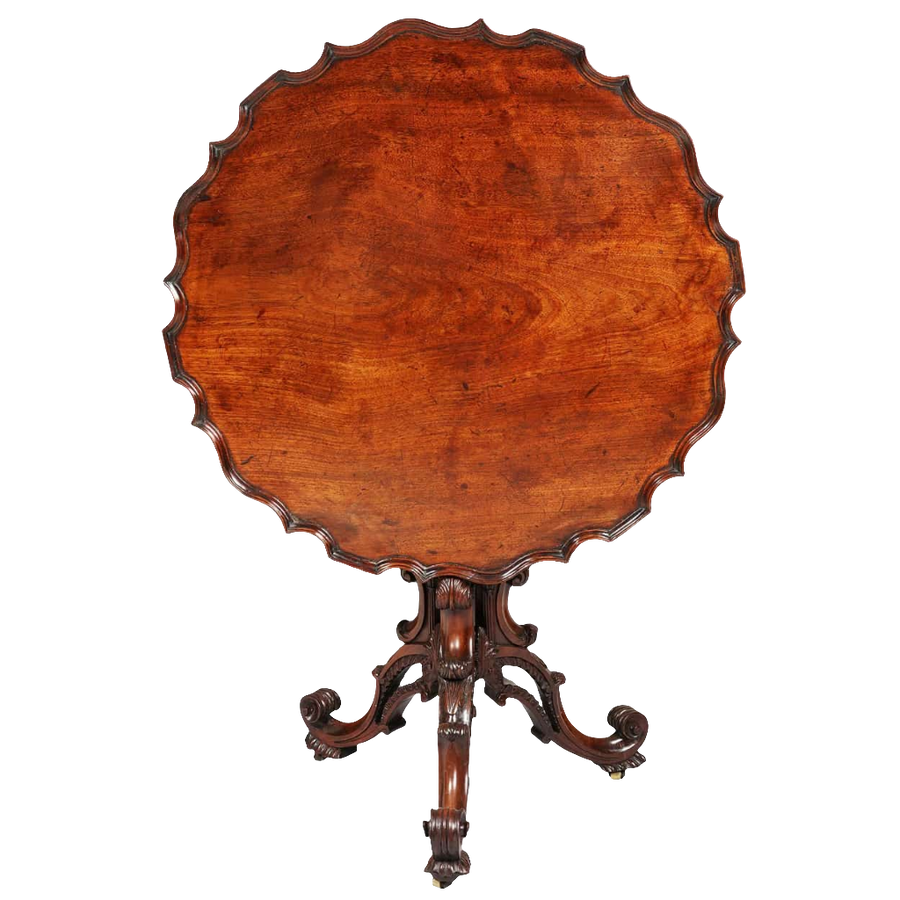
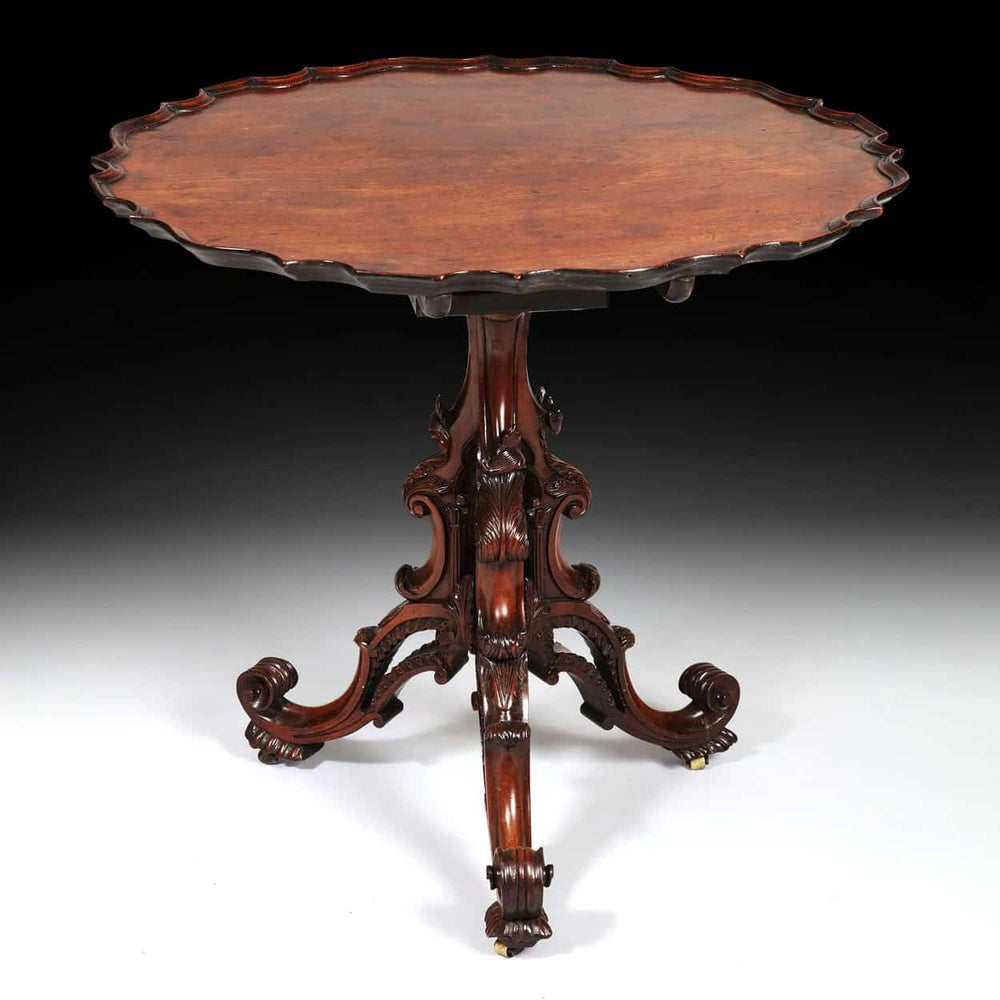
The search for a "hero" piece should always be a personal endeavour. You should lead the acquisition of magnificent antique centre tables or a rare Irish pier mirror, as these items anchor a room's identity. At Nicholas Wells Antiques, we often observe that a collector's instinct is their most valuable tool. When you encounter the unique, untouched patina of an 18th-century commode, that immediate connection to history cannot be replicated by a third party. Trusting your eye for such distinguished furniture allows you to build a room around an object with a genuine story, creating a focal point that commands attention through its sheer historical weight and superb craftsmanship.
The Art of the Grand Tour and Small Objects
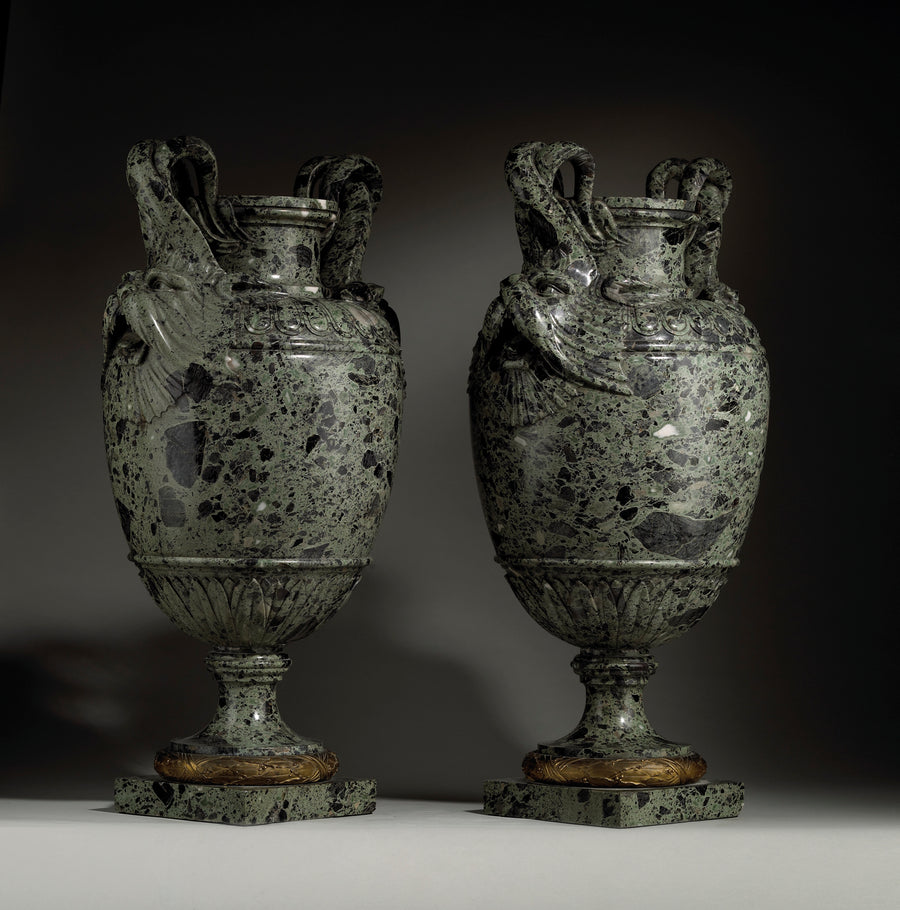
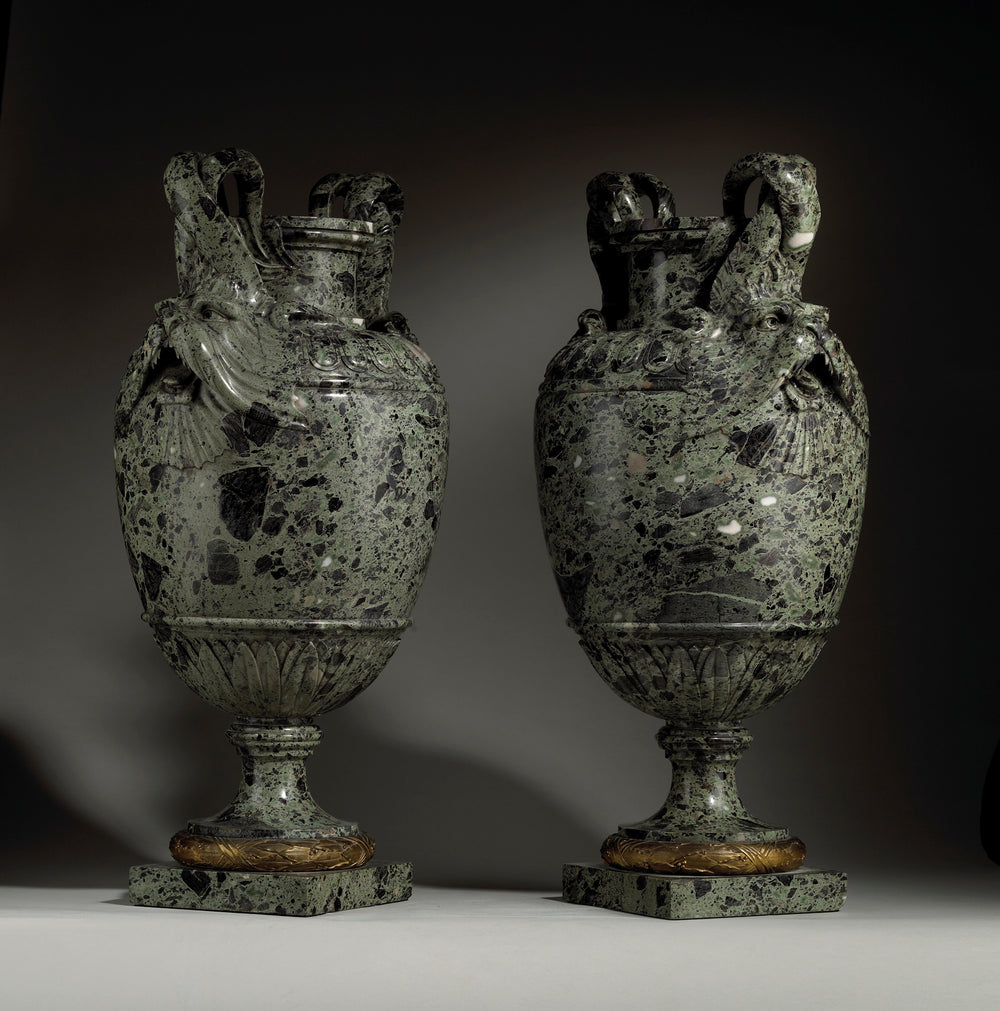
Curating a study or library with Grand Tour objects, such as bronze obelisks or rare mineral specimens, offers a profound sense of personal joy. These classical souvenirs represent a tradition of connoisseurship that dates back centuries, and their arrangement should remain a personal expression of your tastes. Similarly, the discovery of ethnographic oceanic tribal art, including intricately carved war clubs, adds a layer of global history that is deeply specific to the collector. The placement of these items within cabinet furniture creates a "cabinet of curiosities" effect, transforming a room into a private museum of your experiences. For those seeking to expand their collection with pieces of extraordinary rarity, you may view our latest acquisitions of European objects to find your next personal treasure.
Technical Sophistication: When an Interior Designer is Essential
The distinction between a well-appointed room and a masterfully curated space often rests on technical precision. While choosing a paint colour or selecting cushions is a pleasant weekend endeavour, managing the flow of formal reception rooms requires a level of architectural insight that few enthusiasts possess. When you consider which parts of home design should I do myself vs hire an interior designer, the complexity of the project is your primary guide. Large-scale renovations involving trade management and bespoke joinery demand a professional's oversight to ensure that historical integrity isn't sacrificed for modern convenience.
Interior designers act as the bridge between the past and the present. They possess the expertise to coordinate various craftsmen, ensuring that a newly commissioned library wall perfectly accommodates a collection of 18th-century folios. Nicholas Wells Antiques frequently collaborates with professionals who understand that a monumental piece of furniture, such as a George III mahogany breakfront bookcase, requires more than just floor space; it needs the correct architectural volume and structural support to truly shine.
Mastering the Layers of Lighting
Lighting is perhaps the most technically demanding aspect of high-end design. The process of integrating antique lighting into a contemporary home involves far more than simply changing a bulb. Designers must navigate the intricacies of rewiring period lanterns and chandeliers to meet modern safety standards while preserving the original surface patina and delicate ormolu mounts. They create a sophisticated balance between wall lights, floor lamps, and natural light to highlight the depth of a painting's texture or the grain of a fine table.
Achieving the correct scale is a mathematical challenge that defines the room's atmosphere. A professional designer calculates the precise drop of a chandelier to ensure its crystalline structure occupies the upper third of a Regency room's vertical space, preventing the piece from feeling untethered or oppressive. This meticulous attention to detail ensures that the illumination serves both a functional and an aesthetic purpose, casting a warm glow that respects the historical soul of the object.
Spatial Planning and Architectural Detail
The mathematics of furniture placement is a skill honed over years of practice. It's easy to underestimate the space required for a grand centre table, which must serve as a focal point without obstructing the natural movement of guests through a drawing room. When you're deciding which parts of home design should I do myself vs hire an interior designer, remember that a professional can integrate complex items like longcase clocks or tall room dividers into a cohesive layout that feels intentional rather than cluttered.
- Bespoke Cabinetry: Designers commission custom housing that complements the lines of an antique bureau or secretaire.
- Scale and Proportion: Professionals ensure that overmantel mirrors are sized to the millimetre to reflect the room's architectural mouldings.
- Historical Context: Experts understand the correct placement of Irish pier mirrors to maximise light in traditional layouts.
At Nicholas Wells Antiques, we provide the extraordinary pieces that form the heart of these designs. Whether you're sourcing a rare piece of French giltwood or an Art Deco masterpiece, our team offers the scholarly authority and international shipping services required to bring these visions to life. For those seeking a truly distinguished interior, visiting our showroom by appointment allows for a personal consultation on how these magnificent objects can transform a space.
Avoiding Common Pitfalls in Period Property Design
Deciding which parts of home design should I do myself vs hire an interior designer requires an honest appraisal of one’s own connoisseurship. While a homeowner might possess an excellent eye for colour, the technical nuances of historical authenticity often demand a specialist's intervention. One of the most frequent errors involves "over-restoring" a piece of Georgian mahogany furniture. Stripping away centuries of history to achieve a uniform shine often results in a loss of the object's soul and a significant reduction in its market value. A distinguished piece should whisper its age, not shout its recent renovation.
Distinguishing between a genuine 18th-century masterpiece and a later 19th-century reproduction is a task that humbles many enthusiasts. Collectors must scrutinise the construction, looking for hand-planed surfaces and the specific oxidation patterns found on secondary woods like oak or deal. For instance, the 1754 publication of Thomas Chippendale’s The Gentleman and Cabinet-Maker's Director sparked a wave of influence that lasted centuries, making it easy to mistake a high-quality Victorian revival piece for an original mid-Georgian treasure. A professional advisor ensures that your investment aligns with the true provenance of the item.
There is also a persistent misconception that every element within a room must "match" to be period-correct. This approach often leads to a static, museum-like atmosphere that lacks vitality. The most magnificent homes in Mayfair and Piccadilly have always been repositories of collected history, where a rare Irish pier mirror might comfortably overlook a suite of Art Deco seating. You don't lose your home’s personality to a professional; rather, you gain the expertise to articulate that personality with greater clarity and historical depth.
Preserving the Unique Antique Surface
The preservation of original surface patina is perhaps the most critical technical task in fine furniture ownership. At Nicholas Wells Antiques, we view patina as a physical record of time, a delicate layer of wax, dust, and history that cannot be replicated. Our approach to antique restoration prioritises sympathetic conservation over invasive repair. This ensures that every superb item, from a Regency library table to a French giltwood console, retains its historical integrity and long-term investment value. We provide international shipping from our London base, ensuring these delicate surfaces are protected from the moment they leave our gallery.
The Myth of Perfection
A room that feels "too designed" often risks feeling cold and uninviting. True luxury lies in the layering of objects over time, rather than decorating an entire space in a single weekend. Consider how these elements can coexist:
- A 1760s Chippendale chair paired with a 1920s Art Deco lamp.
- Grand Tour obelisks arranged atop a contemporary minimalist plinth.
- A 19th-century lantern illuminating a modern entryway.
This curated tension between eras creates a lived-in elegance that a rigid, single-period room can't achieve. By integrating diverse works of art and varied textures, the space begins to tell a narrative of global travel and refined taste.
Discover how exceptional historical pieces can transform your interior by exploring our exclusive antique furniture collection or visiting our showroom by appointment.
Integrating Fine Antiques: The Collaborative Path to Luxury
Deciding which parts of home design should I do myself vs hire an interior designer often hinges on the distinction between spatial arrangement and the acquisition of rare, historical artifacts. While an interior designer excels at the structural orchestration of a room, the pursuit of truly exceptional pieces requires a different kind of partnership. Nicholas Wells Antiques acts as a sophisticated bridge in this process, offering the scholarly authority needed to anchor a contemporary space with objects of profound historical significance. Determining which parts of home design should I do myself vs hire an interior designer is ultimately a question of where you wish to place your personal signature.
The Specialist Dealer as Your Trusted Advisor
We work alongside both private collectors and elite design firms to ensure that every acquisition meets the highest standards of authenticity. Our expertise is particularly vital when verifying the provenance of complex categories such as Islamic arms and armour, where the distinction between a decorative revival and a genuine 18th-century artifact is paramount. When you choose to manage the sourcing of fine antiques yourself, you gain direct access to our conservation insights. We advise on the preservation of the unique antique surface and the delicate maintenance of original ormolu or French giltwood. Entrusting restoration to a specialist rather than a generalist ensures that the magnificent patina of a Georgian mahogany cabinet or a rare Irish pier mirror is protected for future generations.
Taking the Next Step in Your Design Journey
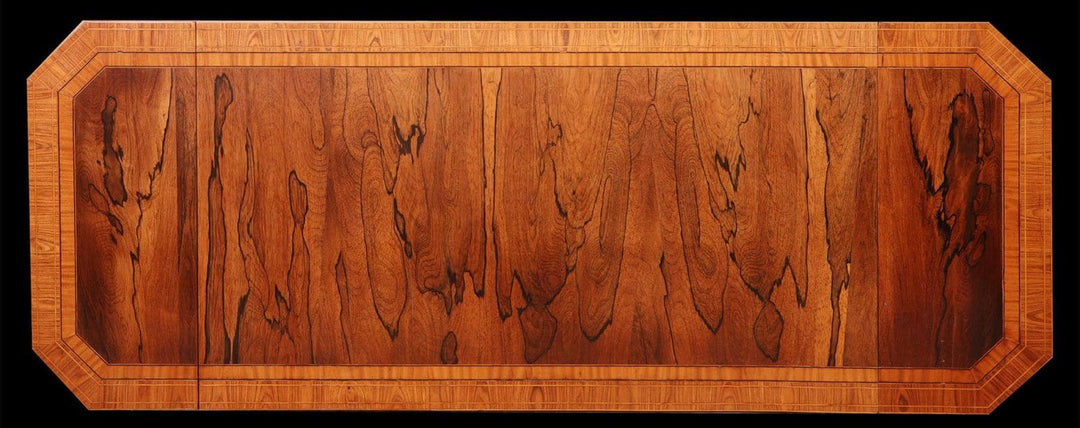
Your journey into high-end curation needn't be overwhelming. It often begins with a single, superb focal point that defines the character of a room. A distinguished antique centre table, perhaps in the Regency style with its characteristic rosewood veneers and brass inlays, provides a physical and aesthetic anchor. We invite you to visit our London gallery on Regent Street by appointment for a bespoke consultation. Here, you can examine the intricate marquetry of our cabinet furniture or the crystalline clarity of 19th-century chandeliers in a private, scholarly setting.
The logistics of global collecting are handled with the same precision as our historical research. We facilitate fully insured, worldwide shipping for every item, from delicate Grand Tour obelisks to substantial Oceanic war clubs. This allows you to curate a global collection from the heart of London with absolute peace of mind.
- Keep for Yourself: The final selection of "soul" pieces that resonate with your personal history; the direct relationship with a specialist dealer; the joy of discovering rare works of art.
- Delegate to a Designer: Technical lighting schemes for antique lanterns; spatial scaling and floor plans; the coordination of upholstery for period seating.
- Delegate to Nicholas Wells Antiques: Verification of provenance; specialist antique restoration; white-glove international delivery and insurance.
Crafting a Timeless Interior Narrative
Deciding which parts of home design should I do myself vs hire an interior designer requires a discerning eye for where personal passion meets technical necessity. Your home's soul emerges from the pieces you personally curate, yet the architectural complexities of a period property often demand professional guidance to avoid common pitfalls. Since 2012, Nicholas Wells Antiques has served as a trusted advisor to collectors and designers, ensuring that rare 18th-century Georgian mahogany or exquisite Regency pieces integrate seamlessly into contemporary lives. We understand that while you provide the vision, a specialist ensures the historical integrity of every ormolu mount and delicate marquetry inlay is preserved for future generations.
Expertise shouldn't be a barrier to ownership. Our London gallery offers a sophisticated bridge to the past, backed by fully insured worldwide shipping and a commitment to excellence. Every item we sell includes complimentary restoration to protect its unique antique surface. Whether you're seeking a majestic chandelier or a rare Grand Tour obelisk, the right collaboration transforms a house into a gallery of lived history. Explore our curated collection of fine antiques or book an appointment at our London gallery to begin your next acquisition. Trust your instincts for the aesthetic, but rely on our scholarly authority for the extraordinary.
Frequently Asked Questions
Do I need an interior designer if I already have a collection of antiques?
An interior designer provides the essential structural framework required to showcase a curated collection of Georgian mahogany or French giltwood. While you possess the eye for individual beauty, a professional understands how to balance the visual weight of a heavy Irish pier mirror against modern architectural constraints. They ensure that your acquisitions don't merely sit in a room but narrate a cohesive historical story. Nicholas Wells Antiques often collaborates with designers to place 18th-century pieces in contexts that celebrate their original patina.
How do I know if an antique piece is the right scale for my room?
Determining scale requires a precise understanding of volume and the "golden ratio," a mathematical principle used by architects since the 1500s. A piece like a grand Regency library table requires at least 90 centimetres of clearance on all sides to remain functional. You can measure the floor area, but a designer uses 3D rendering to see how a tall mahogany secretaire interacts with ceiling heights. Nicholas Wells Antiques provides detailed dimensions for every item, from delicate obelisks to massive chandeliers, to assist in this spatial planning.
What are the most common mistakes people make when designing with 18th-century furniture?
The most frequent error involves overcrowding a space, which obscures the silhouette of fine 18th-century furniture. Collectors often forget that a single, superb Chippendale chair needs breathing room to be appreciated as a sculptural object. Another mistake is ignoring the preservation of the unique antique surface; placing a delicate marquetry table in direct midday sunlight can cause 40 percent more fading over a five-year period. Professional guidance helps avoid these costly aesthetic and structural oversights that diminish the value of your investment.
Can I mix different antique styles, such as Regency and Art Deco, in the same room?
Mixing Regency elegance with the geometric rigour of Art Deco creates a sophisticated, layered interior that feels evolved rather than staged. This juxtaposition works best when you maintain a consistent thread, such as the use of exotic veneers or shared ormolu accents. A professional designer knows which parts of home design should I do myself vs hire an interior designer to ensure these disparate eras harmonise. At Nicholas Wells Antiques, we find that a 1930s French console provides a striking foundation for an 1810s bronze mantel clock.
When is it necessary to hire a specialist for antique restoration versus a general handyman?
You should always engage a specialist conservator for any piece with historical provenance or a delicate original finish. A general handyman lacks the 10 years of training required to master the application of traditional French polish or the stabilisation of 19th-century boulle marquetry. Nicholas Wells Antiques prioritises the conservation of history; we recommend specialists who understand that over-restoration can diminish an object's value by up to 50 percent. Handymen are suitable for modern fixtures, but fine antiques require a scholar's touch to maintain their soul.
How does a professional designer handle the lighting of delicate artworks and sculptures?
Designers employ a layered lighting strategy that uses 2700K LED bulbs to mimic the warmth of candlelight without the heat damage. They often specify UV-filtering glass for framed works and discreetly positioned picture lights to highlight the intricate textures of Islamic arms and armour. For three-dimensional objects like Grand Tour obelisks, they might use 15-degree spot beams to create depth and shadow. This technical precision protects the investment while ensuring the piece’s extraordinary details are visible after dusk without causing long-term pigment degradation.
Is it possible to visit the Nicholas Wells Antiques showroom to see pieces in person?
Nicholas Wells Antiques operates as an elite online gallery, but we welcome clients to view our collection in person by private appointment. Our showroom, located near the historic antique hubs of Mayfair and Piccadilly, allows you to inspect the magnificent detail of our lanterns and oceanic art firsthand. This bespoke service ensures you receive the undivided attention of a specialist dealer. While we offer international shipping to over 50 countries, a physical viewing provides an intimate connection with the object’s unique history and weight.
What should I look for in a designer when my home is a listed period property?
Seek a designer with a proven track record in navigating the complexities of Grade I or Grade II listed buildings. They must understand the 1990 Planning Act and how it restricts alterations to original plasterwork or floorboards. A specialist designer will know how to integrate modern comforts without compromising the architectural integrity of a Georgian or Regency home. They act as a bridge between the requirements of modern luxury living and the strict preservation standards enforced by local heritage authorities, ensuring every renovation respects the building's past.


Leave a comment