



Antique Furniture Versus Reproduction Furniture
A drawing room can be transformed by a single cabinet, commode or library table. Yet the effect is not only visual. When clients weigh antique furniture versus reproduction furniture, they are usually deciding between two very different kinds of ownership - one rooted in history, patina and rarity, the other in convenience, uniformity and ease of replacement.
For a serious interior, the distinction matters. Not because reproduction furniture is inherently without merit, but because it serves a different purpose. One offers originality and cultural substance. The other offers an interpretation.
Antique furniture versus reproduction furniture: the essential difference
An antique is, in the proper sense, a period object made in the era to which it belongs. A Georgian chest of drawers was made in the Georgian period. A Regency centre table was made during the Regency. Its materials, construction methods, wear and proportions belong to its time.
A reproduction is a later piece made to imitate an earlier style. It may be Victorian in spirit, George II in outline or Louis XVI in decoration, but it was not made in that period. Some reproductions are recent and commercially produced. Others are older copies made with considerable skill, and a few have become collectable in their own right. Even so, they remain distinct from true period furniture.
That distinction is more than academic. It governs value, desirability and the way a piece sits within an interior. An antique brings with it a sense of authorship by time. A reproduction, however attractive, begins from the position of reference rather than origin.
Craftsmanship, materials and the evidence of age
One of the clearest differences lies in how the furniture was made. Genuine period furniture often reveals hand-cut joinery, subtle irregularities, superior timber selection and a depth of carving or casting that is difficult to reproduce economically today. Proportions are often more convincing as well. Fine antique furniture was designed within the taste, architecture and practical requirements of its own age, not as a retrospective styling exercise.
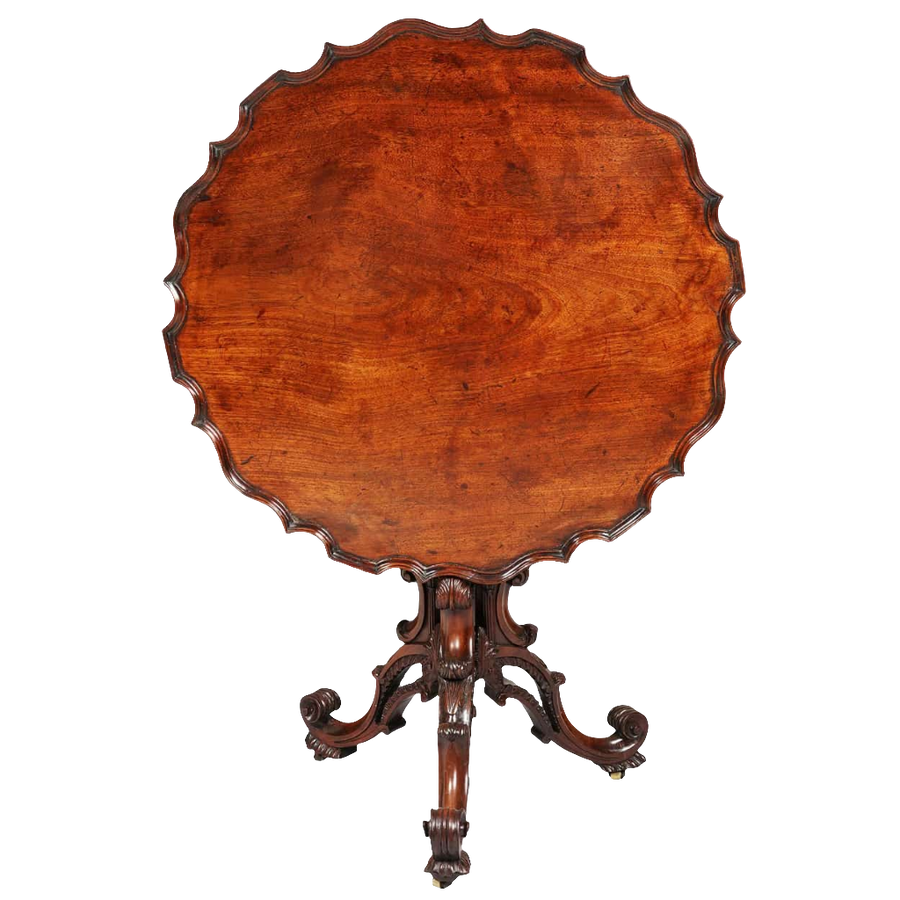
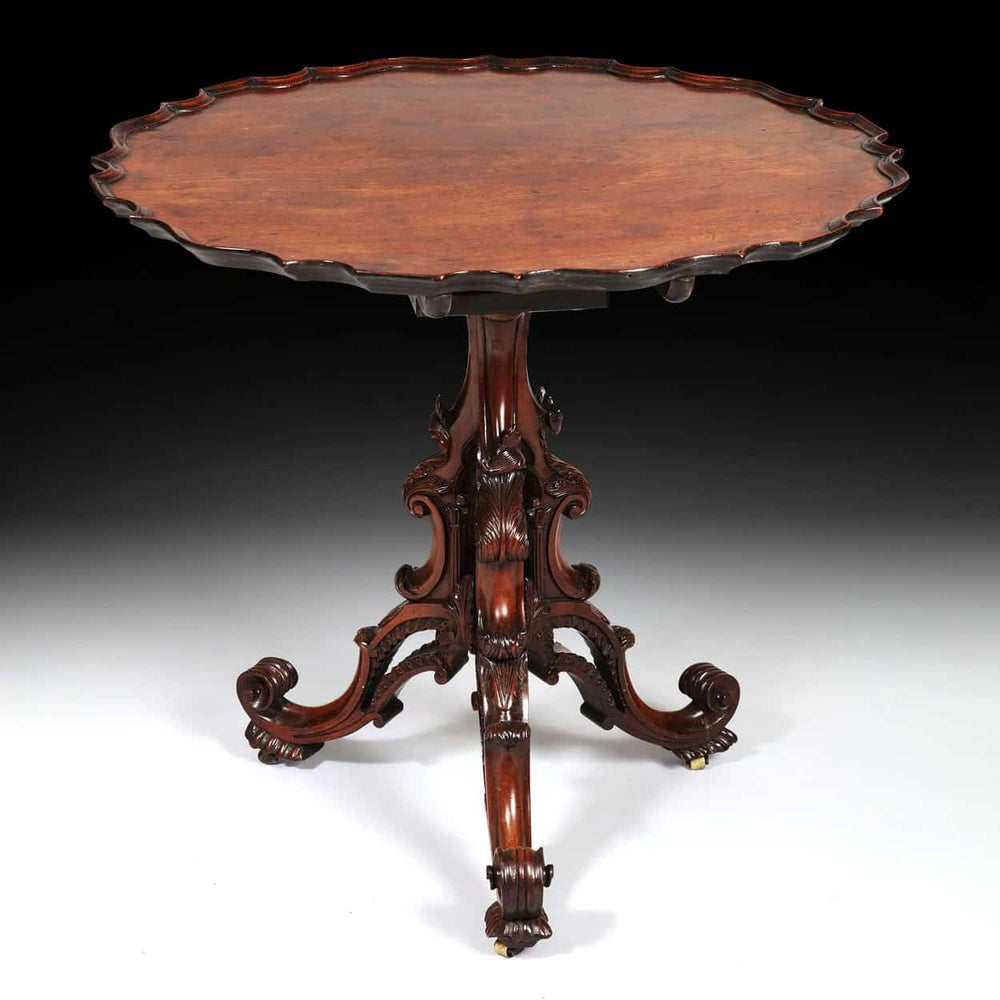
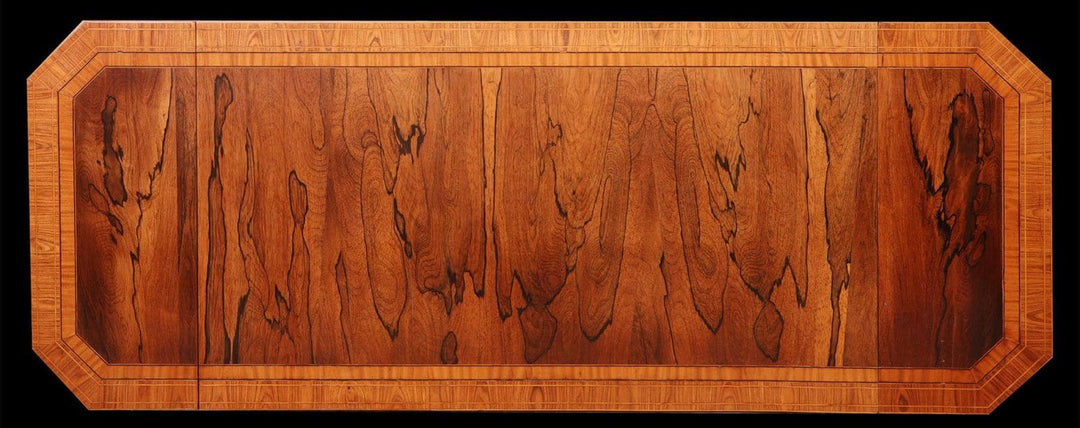
Then there is surface. Patina is one of the most misunderstood qualities in furniture, and one of the hardest to imitate. It is not merely wear. It is the accumulated effect of oxidation, handling, polishing, sunlight and time acting on timber, giltwood, bronze or lacquer over decades, often centuries. A good reproduction may simulate age, but simulation tends to feel applied. True patina has depth, variation and restraint.
This is particularly apparent in mahogany, walnut and rosewood pieces, where old polish softens the grain rather than masking it. The same is true of gilt surfaces, where age creates a mellow tone no factory finish quite manages. Collectors and experienced decorators recognise this instantly, even when they could not describe it in technical terms.
That said, craftsmanship is not a simple antique-good, reproduction-bad equation. There have always been excellent cabinet makers producing later furniture of very high quality. A well-made reproduction may be preferable to a poorly preserved or heavily altered antique. The question is not whether a later piece can be attractive. It is whether the buyer wants historic authenticity, or a stylistic echo of it.
Value, provenance and long-term appeal
When purchasing at the upper end of the market, value rests on more than appearance. Provenance, authorship, period correctness, rarity and condition all shape an antique's standing. A fully authenticated piece offers something a reproduction cannot: direct continuity with the past.
That continuity often matters just as much in interior decoration as it does in collecting. A period mirror or bureau carries historical authority into a room. It has survived changing fashions, changing ownership and often significant social history. For clients creating houses of character rather than showrooms of trend, this gives an interior weight and conviction.
Reproduction furniture, by contrast, usually has limited long-term scarcity. It can perform well aesthetically, but it does not usually accrue significance in the same way. Most reproductions depreciate or remain broadly static in value, particularly if they were manufactured for a broad market. They may solve a decorative requirement, but they rarely deepen a collection.
This is why provenance and authentication deserve careful attention. Two pieces may appear comparable at first glance, yet one may carry documented age, original mounts, period timber and a traceable history, while the other offers only resemblance. In practice, these are not equivalents.
How antique and reproduction furniture behave in an interior
Designers sometimes ask whether every room requires genuine antiques. Certainly not. A successful interior depends on proportion, restraint and suitability, not dogma. There are settings in which a later reproduction can be perfectly serviceable, especially in secondary spaces or where a client wants durability without concern for historical importance.
But principal rooms tend to benefit most from authentic pieces. An 18th-century console or a fine Victorian library table does more than fill a space. It establishes tone. It introduces nuance into a scheme that might otherwise feel too studied or too new. Antiques have a way of correcting interiors that are overly polished.
This is especially true in houses where architecture calls for substance. Period panelling, tall sash windows, stone floors and formal entrances ask for furniture with presence. Reproductions can sometimes look too crisp, too even or too obviously designed to match. Genuine antiques tend to converse with the room more naturally because they possess the asymmetries and material maturity that interiors need.
In newer houses, antiques can be equally persuasive. They prevent spaces from feeling anonymous and bring individuality where architecture is restrained. A single important chest, pair of lamps or carved mirror can give a contemporary setting a sense of permanence.
What to look for before you buy
For buyers comparing antique furniture versus reproduction furniture, the first task is to decide what matters most: historical integrity, decorative effect, practicality or investment quality. The right answer varies, but clarity at the outset avoids expensive mistakes.
If the aim is to buy an antique, condition should be assessed with intelligence rather than fear. Some restoration is both expected and appropriate. Very few pieces survive two or three centuries untouched, nor should they. Sensible conservation, sympathetic repolishing and structural attention can preserve a piece without diminishing its character. Heavy replacement, aggressively distressed finishes and fabricated wear are another matter.
Construction details can also be revealing. Hand-cut dovetails, old secondary woods, proper shrinkage, wear in the right places and period hardware all help support age. So does the overall feel of a piece. Genuine furniture often has a composure that copies struggle to achieve, even when individual decorative details are reproduced competently.
Most importantly, buy from a specialist who understands authentication, restoration and historical context. This is where the difference between a decorative purchase and an informed acquisition becomes clear. At the higher end of the market, expertise is not an added extra. It is part of the object itself.
When reproduction furniture makes sense
There are, of course, circumstances in which reproduction furniture is the sensible choice. A client furnishing a busy family house may want the look of period style in areas where wear is unavoidable. A decorator may require visual continuity across a large project where true antique pairs are difficult to source. In some cases, dimensions alone make later pieces more practical.
There is no need to treat reproduction furniture as a failing. The mistake is only to confuse it with something it is not. If bought honestly, used deliberately and priced correctly, it can play a supporting role. What it cannot provide is the distinction of rarity, the evidence of age or the quiet authority that serious antiques bring.
For collectors and discerning interior designers, that authority is often the point. The best rooms are not assembled from approximations. They are composed from objects with presence, quality and a reason to exist.
Nicholas Wells Antiques works with clients who want precisely that - furniture and works of art selected not simply for style, but for authenticity, condition and enduring decorative power.
The wisest approach is not to ask which category is universally better, but which one serves your room, your eye and your standard. If you are seeking depth rather than imitation, genuine antique furniture rarely leaves the same question unanswered.

Leave a comment