



A Guide to Collecting English Antiques
A lacquered japanned cabinet with untouched brasswork, a George II mirror with original mercury plate, a Regency library table that still carries the quiet assurance of first-rate timber - these are not simply decorative purchases. They are objects with historical weight, material intelligence and, at their best, remarkable staying power. Any serious guide to collecting English antiques should begin there: with the understanding that quality reveals itself slowly, and that the finest pieces reward close attention.
For collectors, decorators and private clients furnishing distinguished interiors, English antiques offer an unusually rich field. They combine craftsmanship, proportion and patina in a way few other categories can match. Yet the market is not one in which enthusiasm alone is enough. Taste matters, certainly, but so do period knowledge, condition, provenance and the judgement to recognise when a piece is genuinely exceptional rather than merely old.
Why English antiques remain so compelling
English furniture and decorative objects have long held a privileged place in the collecting world because they sit at the meeting point of beauty and usefulness. A fine Georgian chest retains sculptural presence, but it was also made to serve. A set of giltwood wall lights can elevate a room, while still being entirely at home in a contemporary interior. That balance gives English antiques their continued relevance.
There is also the question of craftsmanship. From the early 18th century onwards, English cabinet-makers, clockmakers, silversmiths and carvers worked to standards that are increasingly difficult to replicate. Timber selection, hand-cut joints, chased metal mounts and nuanced surface finishing all contribute to a depth of character that reproduction pieces rarely approach.
Still, not every period or category suits every collector. Some buyers are drawn to the restraint of Georgian furniture, others to the theatricality of Victorian decorative arts or the architectural discipline of Regency design. Collecting well starts with understanding what genuinely speaks to you, rather than buying by label alone.
A guide to collecting English antiques by category and period
The most successful collections usually begin with focus. That does not mean narrowing yourself too quickly, but it does mean learning to distinguish between categories with lasting historical and decorative value and those driven mainly by short-term fashion.
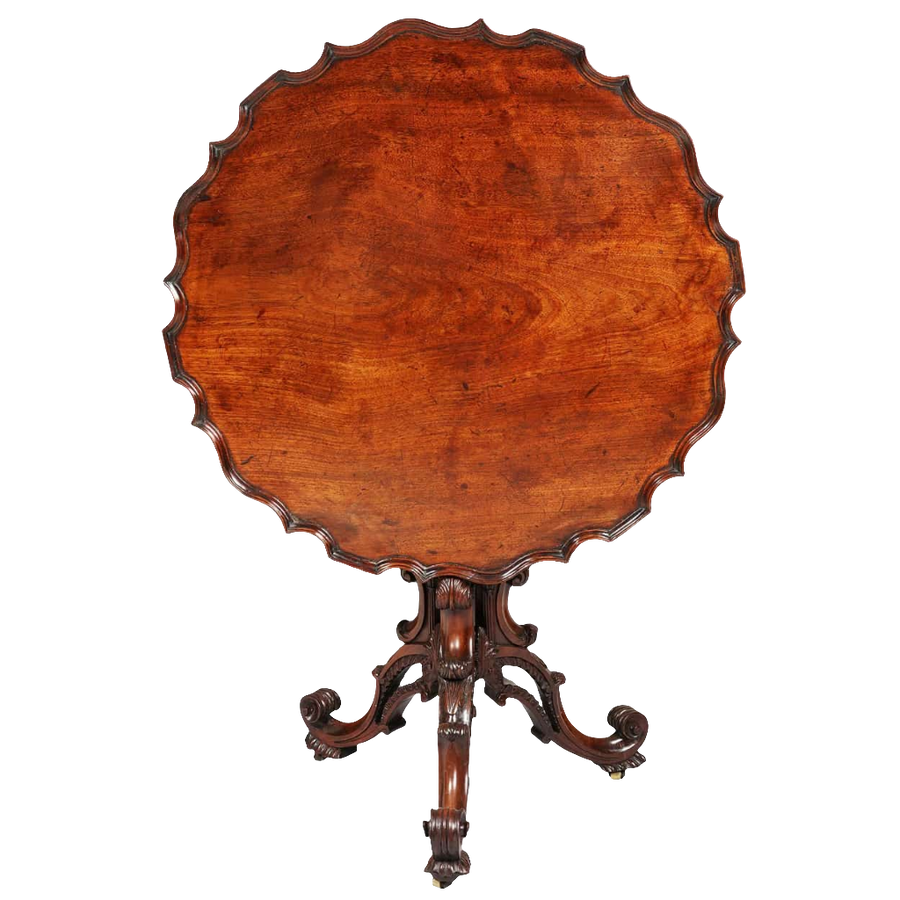
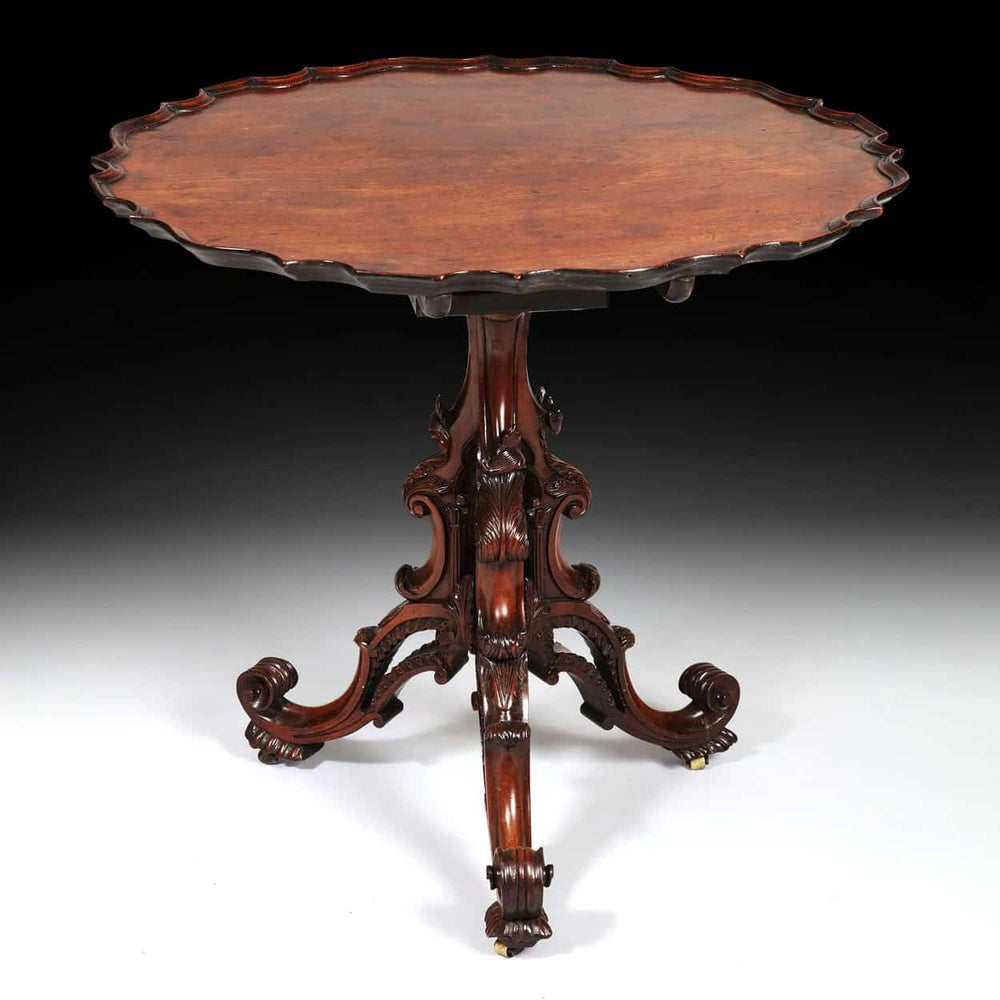
English furniture remains the natural starting point for many buyers. Early Georgian and George II pieces often appeal to collectors who value strong proportions, fine burr walnut or mahogany, and a certain quiet authority. Chippendale-period furniture introduces greater movement and refinement, while Regency examples can feel lighter, more architectural and often easier to place in both traditional and modern rooms.
Mirrors, lighting and works of art are equally important, especially for interiors-led buyers. A well-scaled English giltwood mirror can transform a space more decisively than a large case piece. Chandeliers, lanterns and candelabra bring both atmosphere and structure. Boxes, clocks, barometers and other small decorative objects offer an entry point for newer collectors, though the best examples are far from modest in significance.
It is wise to buy within categories where connoisseurship is rewarded. In English antiques, that often means looking for superior materials, recognised makers, original surfaces and strong design. The difference in price between a good object and an excellent one can be substantial, but so is the difference in long-term desirability.
Provenance, authenticity and the question of confidence
In the upper end of the market, confidence is built on evidence. Provenance may range from a documented country house history to an old label, an exhibition record or inclusion in a respected reference work. Not every fine antique will have an illustrious paper trail, but the more significant the object, the more important documentation becomes.
Authentication is not a formality. It is the basis on which value rests. Period construction, timber, mounts, tool marks, gilding, glass, handles and surface wear must all align with the stated date and origin. A piece may be partly original, extensively restored or later adapted. None of those conditions automatically rules it out, but they do affect value and should always be disclosed with precision.
This is where experienced dealers matter. A fully authenticated antique should come with more than a confident description. It should reflect informed scrutiny and, where necessary, specialist restoration that preserves integrity rather than disguising problems. For remote buyers in London, New York or California, that level of scrutiny is particularly important because the transaction depends on trust as much as sight.
Condition is never simple
New collectors sometimes look for perfection and seasoned collectors almost never do. The right question is not whether an antique is flawless, but whether its condition is appropriate to its age, rarity and category.
A Georgian commode with untouched original handles, honest old marks and a carefully preserved surface may be far more desirable than a heavily repolished example that appears superficially cleaner. Likewise, slight foxing to an 18th-century mirror plate may be entirely acceptable, even desirable, if the plate is original. By contrast, structural instability, active worm, replaced veneers of poor quality or crude alterations are more serious concerns.
Restoration sits in a middle ground. Sensitive work can stabilise and protect an object while retaining its historical character. Poor restoration can erase evidence, flatten surfaces and reduce both beauty and value. It depends on the standard of the work, the significance of the object and the intention behind it. A collector furnishing a house for active use may accept more intervention than a buyer seeking a near-scholarly example of a period form.
Buying for an interior or buying as a collector
These two approaches often overlap, but they are not quite the same. An interior designer may prioritise scale, visual rhythm and the way a piece sits with architecture, textiles and light. A dedicated collector may care more about rarity, maker, date and category importance. Ideally, the strongest purchases satisfy both instincts.
English antiques are particularly effective when used with selectivity. A single important console, a pair of carved giltwood mirrors or a refined Regency centre table can anchor an entire room. There is no need to furnish every corner in period pieces. In fact, restraint often allows quality to speak more clearly.
For those beginning a collection, it is often better to buy fewer, better objects than to assemble a room quickly with middling material. One excellent item teaches the eye more than five average ones. Over time, that discipline leads to a collection with coherence and authority.
Practical judgement before you buy
Measurements, scale and placement deserve more thought than they often receive. A fine piece that is wrong for the room will rarely be enjoyed properly. Ceiling height, wall width, circulation space and natural light all influence whether an object will succeed in situ.
Ask direct questions. Has the piece been restored, and if so, how extensively? Are the handles, mounts, locks or feet original? Is the finish original, refreshed or later? Does the dealer stand behind the attribution? Serious buyers should expect serious answers.
Shipping and installation also matter more than many realise, particularly with fragile mirrors, chandeliers, marble tops and complex case furniture. White-glove handling, insured transport and proper export procedures are not embellishments at this level; they are part of buying responsibly. Nicholas Wells Antiques has built its reputation in part on that careful, advisory approach, which is often what turns a difficult international purchase into a confident one.
How taste matures in collecting English antiques
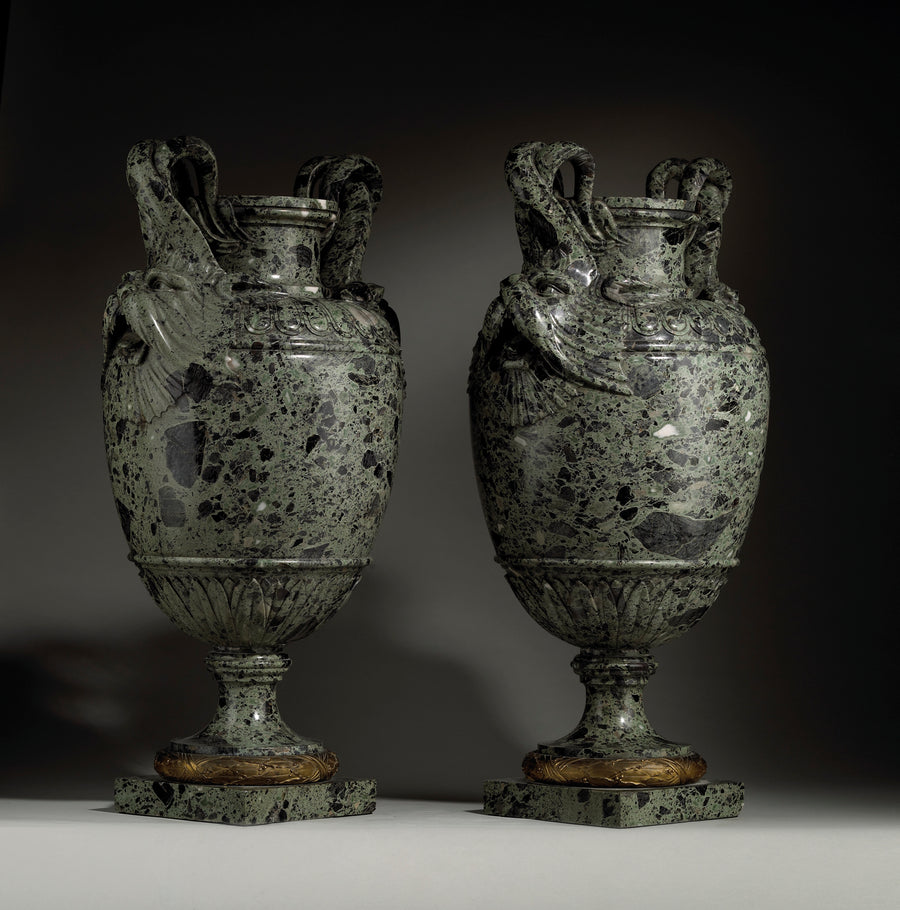
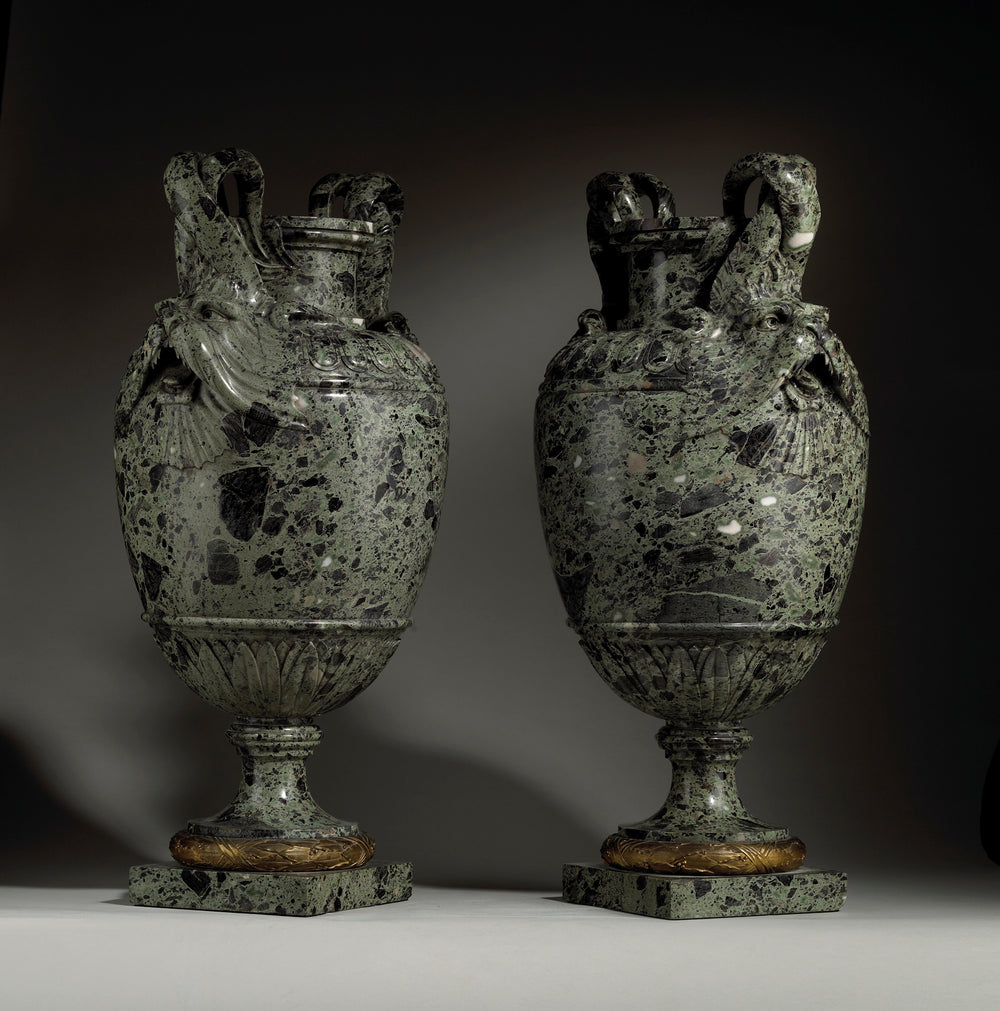
The first stage of collecting is often driven by attraction. The second is shaped by discrimination. Over time, you begin to notice the finer points: the sharper carving, the richer figuring in the timber, the superior casting of a bronze mount, the elegance of an untouched surface. You also become more comfortable passing on pieces that are good, but not good enough.
That evolution is worth allowing. There is no advantage in rushing towards a fully formed collection. The market always presents choices, but only occasionally offers something truly memorable. Patience is often the most valuable skill a collector can develop.
The best English antiques do not need exaggeration. They hold their place because they were made with intelligence, survived with dignity and still possess the power to shape a room. If you collect with care, ask the right questions and favour quality over quantity, your eye will become more exacting - and that is usually when the most rewarding acquisitions begin.


Leave a comment