



Why White Glove Antique Delivery Matters
A fine George II mirror does not become less fragile because it has survived 250 years. If anything, age makes every stage of handling more consequential. That is why white glove antique delivery is not a decorative extra attached to a luxury purchase. It is part of the preservation of the object itself.
For serious collectors and interior designers, delivery is the final act of connoisseurship. A piece may be fully authenticated, carefully restored and impeccably presented, but poor handling between gallery and interior can undo decades, even centuries, of survival. The right delivery service protects not only the surface and structure of an antique, but also the confidence with which it is acquired.
What white glove antique delivery actually means
The phrase is often used too loosely. In the antiques world, it should mean far more than a courteous driver and a timed arrival slot. Proper white glove antique delivery involves specialist handling from collection to final placement, with methods shaped by the age, materials, scale and vulnerability of each individual piece.
That usually begins with condition-aware preparation. An early walnut chest, a giltwood console, a marble-topped commode and a bronze-mounted cabinet all require different packing strategies. Fragile protrusions, historic veneers, original glass, old finishes and later restorations must all be assessed before a piece is moved. Good logistics are never generic at this level.
It should also include trained handling on site. Antiques are rarely straightforward to position in a room, especially in townhouses, period properties and upper-storey London flats where staircases, narrow landings and delicate wall finishes complicate access. White glove service means the team arrives prepared to protect both the object and the interior receiving it.
Why standard furniture delivery is not enough
A contemporary sofa can tolerate a degree of routine handling that an 18th-century bureau cannot. The distinction matters. Many standard furniture carriers are efficient, but efficiency is not the same thing as sensitivity to age, craftsmanship and historic construction.
Antique furniture often contains dry timber, hand-cut joints, old glue lines, delicate mounts and surfaces that react badly to pressure, vibration or abrupt changes in temperature and humidity. Even a seemingly solid dining table may have weaknesses invisible to an untrained eye. Lift it incorrectly, and the strain may fall on a leg joint or apron rather than the frame. Strap it carelessly, and an original finish may be marked.
There is also the question of assembly and placement. A standard team may leave an item at the threshold. A specialist team will understand how to remove protective materials without scratching gilt, chipping marble or stressing carved detail. They will know when a mirror should be rested upright, when a chandelier requires component-by-component handling, and when a chest should be levelled on an uneven floor rather than forced into place.
White glove antique delivery and the protection of value
Collectors rightly think about provenance, authorship and condition reports before purchase. Delivery deserves the same seriousness because it directly affects future value. Condition is not a static description attached at the point of sale. It can improve through conservation, and it can deteriorate in a single careless afternoon.
Small incidents matter in the antiques market. A bruise to gilding, a veneer loss at a corner, a crack to an old mirror plate or stress to a bracket foot may not render a piece unusable, but it can alter desirability and market confidence. For museum-calibre or interior-defining objects, that matters considerably.
This is where white glove service becomes part of stewardship. When an antique is handled correctly, transported securely and installed with precision, its integrity is preserved. That is good for immediate enjoyment, but also for long-term collection management.
The stages of a proper white glove antique delivery
The best service begins before the item leaves the premises. Each object should be assessed for movement risks, photographed where appropriate and prepared according to its structure and finish. Removable elements such as shelves, pediments, candle arms or finials may need to be detached and separately protected. Marble, glass and ormolu require their own safeguards.
Transport itself should be stable, clean and insured. Climate sensitivity is not identical across all antiques, but large swings in environment are rarely helpful. A reputable specialist plans routes and timing with the object in mind rather than treating it as one consignment among many.
The final stage, often underestimated, is placement. This is where white glove antique delivery distinguishes itself most clearly. Placement means more than bringing a piece indoors. It means situating it correctly, checking stability, reattaching elements where needed, removing packing carefully and ensuring the object is left as it should be seen and used.
For interior designers, this stage is particularly valuable. Installation schedules are tight, rooms may be partially complete and other trades may still be on site. A delivery team accustomed to working in refined interiors will know how to operate discreetly and with minimal disruption.
It depends on the object
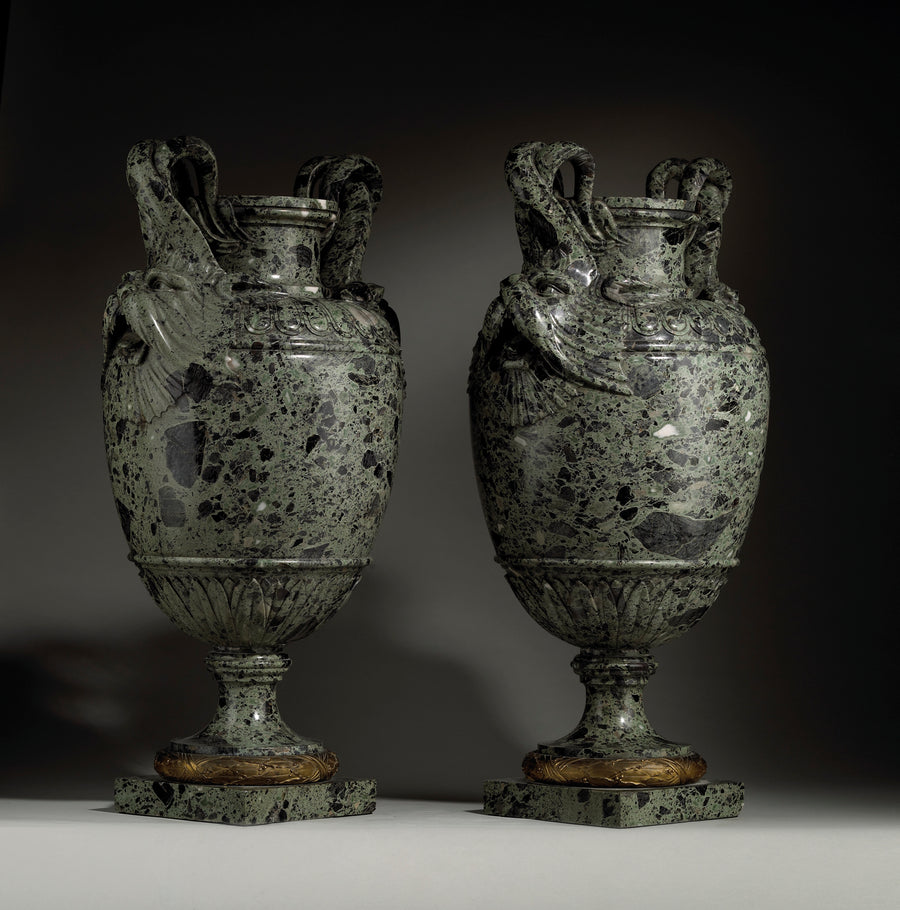
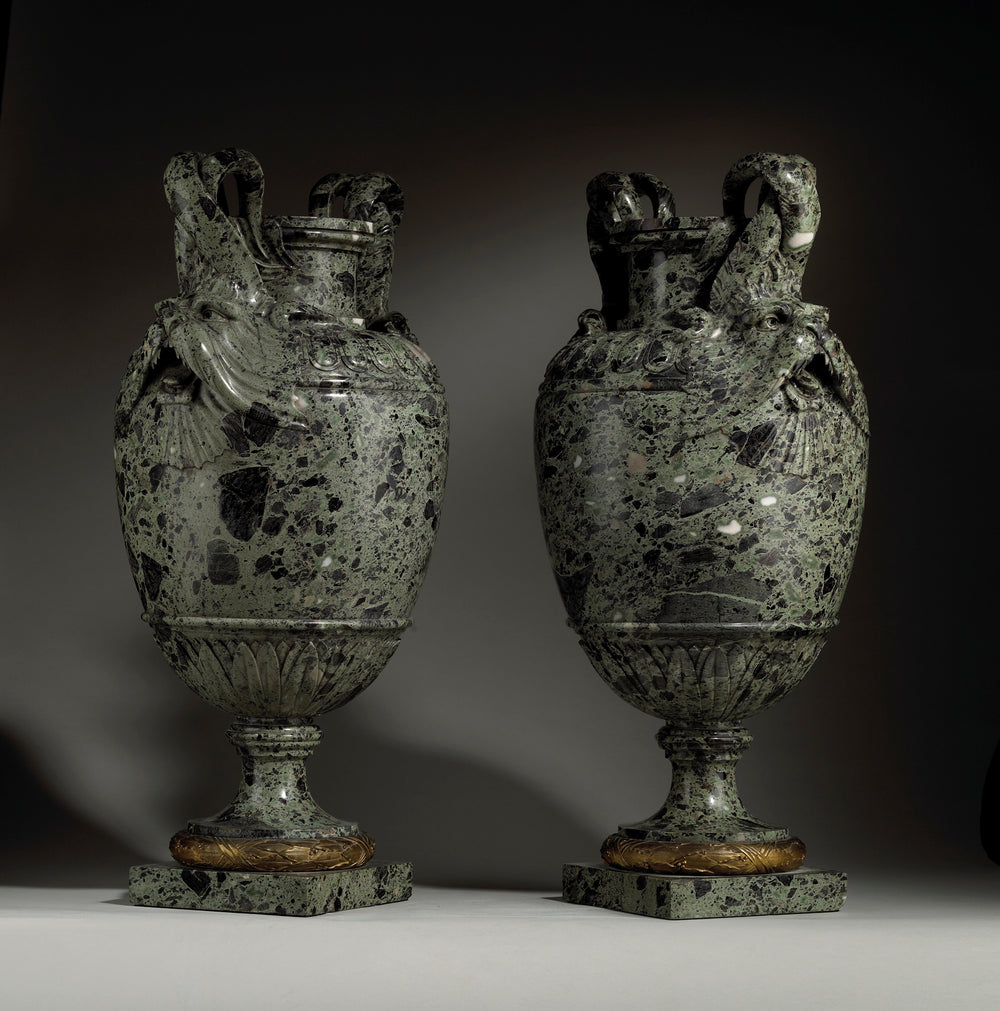
Not every antique requires the same level of intervention, and honest advice matters here. A small boxed collectible may not call for in-room installation in the same way as a monumental bookcase or a pair of carved stone urns. Equally, some objects look simple but are exceptionally vulnerable in transit.
Lighting is a good example. An antique chandelier can involve old glass, delicate metalwork, rewiring considerations and a surprising number of detachable parts. Delivery may be only one part of the process, but if the components arrive disorganised or damaged, installation becomes far more difficult.
Mirrors are another. Their frames may be structurally stable while the plates, slips or crestings remain highly susceptible to movement. A large gilt mirror destined for a drawing room in Greenwich or a stair hall in Belgravia needs more than protective wrapping. It needs informed handling at every turn.
What discerning buyers should ask before arranging delivery
A sensible question is not simply, “Do you offer white glove delivery?” but, “What does your process include for this particular piece?” The answer should be specific. Buyers should expect clarity around packing, insurance, handling, access planning and final placement.
It is also reasonable to ask who is responsible if a piece requires partial dismantling for safe access. A knowledgeable dealer or specialist shipper will recognise when disassembly is prudent and when it risks more harm than good. Old furniture does not always welcome being taken apart, particularly if earlier repairs or historic construction make the structure vulnerable.
International clients should ask about the handover points in cross-border shipping. An antique may be perfectly managed at origin, then passed into less specialist hands later in the journey. Continuity matters, especially for important objects travelling to New York, California or Texas, where remote buyers are often furnishing substantial projects without seeing every piece in person before arrival.
Delivery as part of trust
At the higher end of the market, buyers are not simply purchasing an object. They are purchasing judgement. That judgement should extend from attribution and restoration to packing, transport and installation.
This is especially true when acquiring pieces remotely. If a collector buys an 18th-century commode from London for a house in the Hamptons, or a designer sources a pair of Continental mirrors for a San Francisco project, they are relying on the dealer to manage risks they cannot personally supervise. White glove antique delivery closes that gap.
For that reason, delivery should never feel like an afterthought delegated to the cheapest available option. It is part of the same promise as authentication and restoration - careful, informed, accountable handling from first inspection to final placement. At Nicholas Wells Antiques, that expectation is built into the way important pieces are prepared for their next setting.
The quiet mark of a serious antiques service
The best white glove delivery is almost invisible. It arrives on time, proceeds calmly, protects the interior, positions the piece correctly and leaves no drama behind. Yet that quiet efficiency rests on experience, foresight and respect for the object.
In a market built on rarity and trust, those qualities matter. An exceptional antique deserves more than transit. It deserves a considered arrival, because the moment it enters a room is not merely logistical - it is the beginning of its next chapter.


Leave a comment