



Sandstone in Architecture and Decorative Arts: A Tale Carved in Stone
1 product
1 product
From the ancient monoliths of Stonehenge to the cathedrals, palaces, and houses of the 18th and 19th centuries, sandstone has shaped the cultural and architectural identity of England. This sedimentary rock, celebrated for its warm hues, durability, and versatility, has been both a structural cornerstone and a medium for artistry for over a thousand years.
Sandstone’s abundance across Britain made it a natural choice for construction. Its qualities — ease of quarrying, workability, and strength — meant it could be employed in both monumental and domestic settings.
Notable examples include:
York Minster – built from magnesian limestone (a regional sandstone), showcasing delicate carvings and soaring towers.
The Tower of London and the Houses of Parliament – enduring symbols of English history, clad in fine sandstone.
Regional architecture – Bath’s golden stone, the honey-coloured Cotswold stone, and the red sandstone of Cumbria and Lancashire give towns and villages their distinctive character.
Beyond architecture, sandstone played a vital role in the decorative arts:
Carved elements such as friezes, fireplace surrounds, and ornate reliefs.
Garden design, where it provided statues, fountains, and follies imbued with grandeur and permanence.
18th- and 19th-century Romantic sculpture, when artists embraced sandstone’s earthy tones for statues, busts, and memorials in parks and gardens.
Sandstone continues to be admired and used today, both in restoration projects and in contemporary design. Its unique colours and textures link new creations to England’s historic past, ensuring continuity of aesthetic identity.
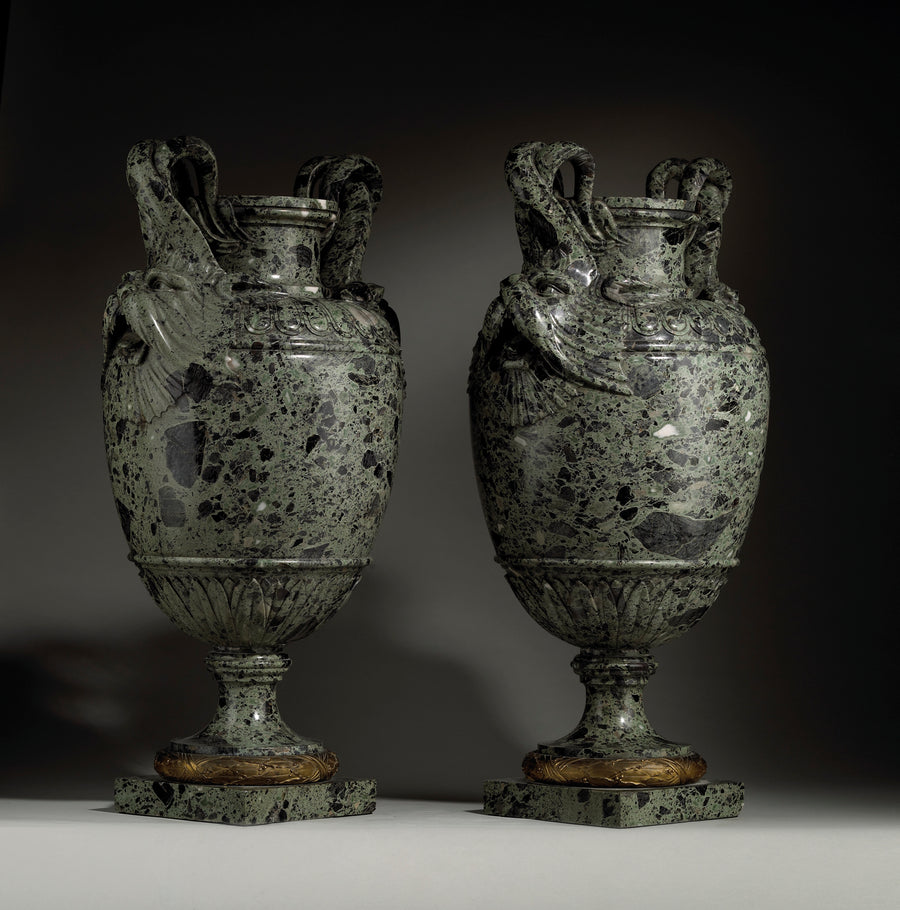
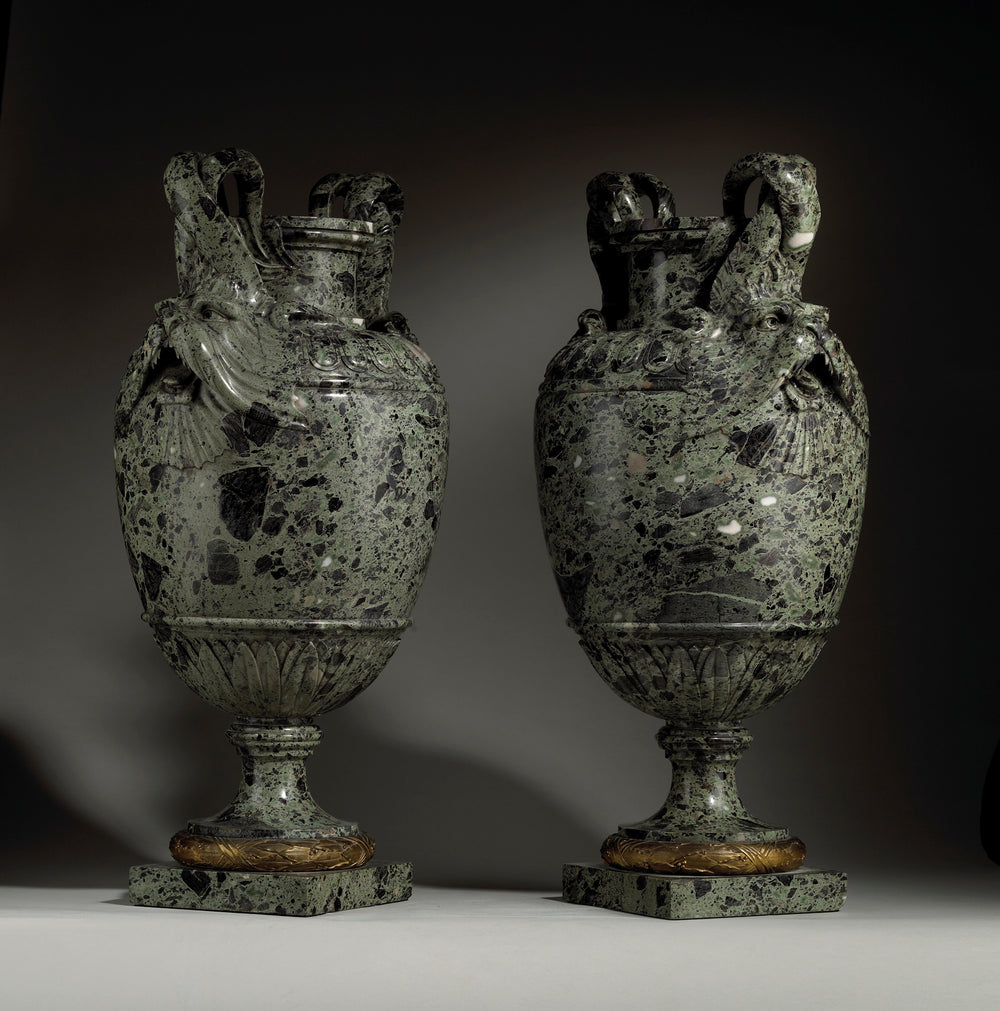
At Nicholas Wells Antiques, we celebrate sandstone’s role in English cultural history by offering fine examples of sculpture, architectural fragments, and decorative works, each piece carrying the enduring warmth and solidity of this timeless material.
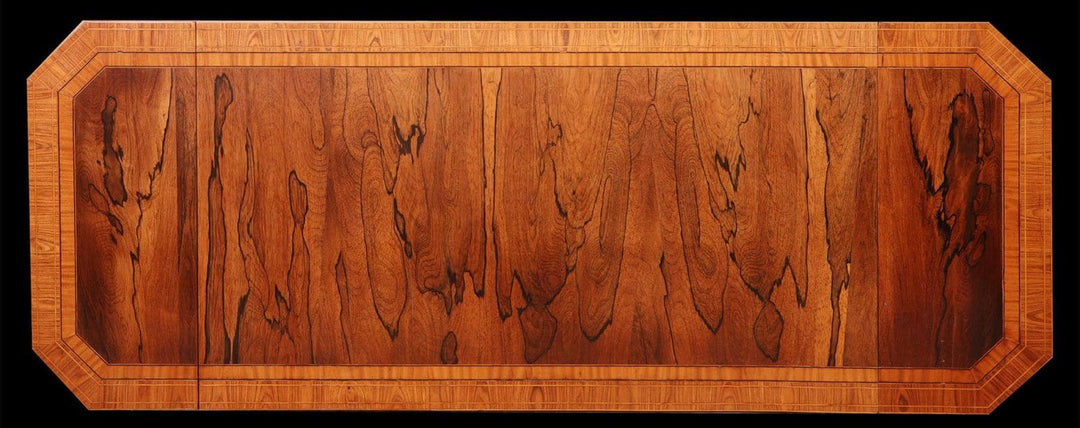
This month we have 10% off the Regency Collection - checkout code REG10

Each item in our collection is sold with complimentary restoration within the purchase price. It is only released for delivery once it has been fully checked over and wax polished.

Introduce someone to Nicholas Wells Antiques—when they make a purchase of £10,000 or more, they will benefit form £500 off and you'll receive £500 credit toward your next purchase over £5,000.
A gesture of thanks, from one collector to another.

