



Antique Pedestals for Statues: A Connoisseur’s Guide to Elevation and Style
The Architectural Significance of Antique Pedestals for Statues
In the curation of fine interiors, an antique pedestal for statues is not a mere accessory; it is a critical architectural element that mediates the transition between floor and art. Far from being a simple stand, it is the foundational statement upon which a sculpture’s narrative is built. Eighteenth-century designers understood this intimately, employing pedestals to integrate classical busts and figures into the grand domestic schemes of English town and country houses. This practice marked an evolution from fixed architectural features, such as plinths carved from stone, to moveable, gallery-quality furniture. The primary function of the pedestal is to establish the correct “sightline,” ensuring a masterpiece is viewed at the precise height intended by its creator to convey power, grace, or intimacy.
From Classical Orders to Domestic Grandeur
The lineage of the pedestal is undeniably architectural, tracing its origins to the monumental columns of classical antiquity. The foundational principles of Doric, Ionic, and Corinthian orders provided a rich vocabulary of form and proportion that was masterfully adapted by Renaissance and Neoclassical designers for private collections. As the tradition of the Grand Tour flourished, these classical forms were reinterpreted in wood, marble, and giltwood, becoming essential components for displaying newly acquired sculptures. In the 18th-century English house, the pedestal achieved its zenith as a sophisticated piece of furniture, designed to harmonise with the interior architecture while elevating the status of the objects it supported.
The Psychology of Elevation in Fine Art
The height at which a sculpture is displayed profoundly influences the viewer’s perception of its character. Elevation can bestow a sense of authority and heroic grandeur upon a figure, or it can create a more personal, intimate connection with a portrait bust. A full-length figure intended for a public square demands a “heroic” height, placing it above the viewer to inspire awe. Conversely, a portrait bust is often best presented at an “intimate” height, engaging the viewer at eye level to foster a sense of direct engagement. The ideal pedestal height for a life-sized bust positions the subject’s eyes slightly above those of the average viewer, creating a subtle but commanding presence.
Distinguishing Periods: Georgian, Regency, and Continental Pedestals
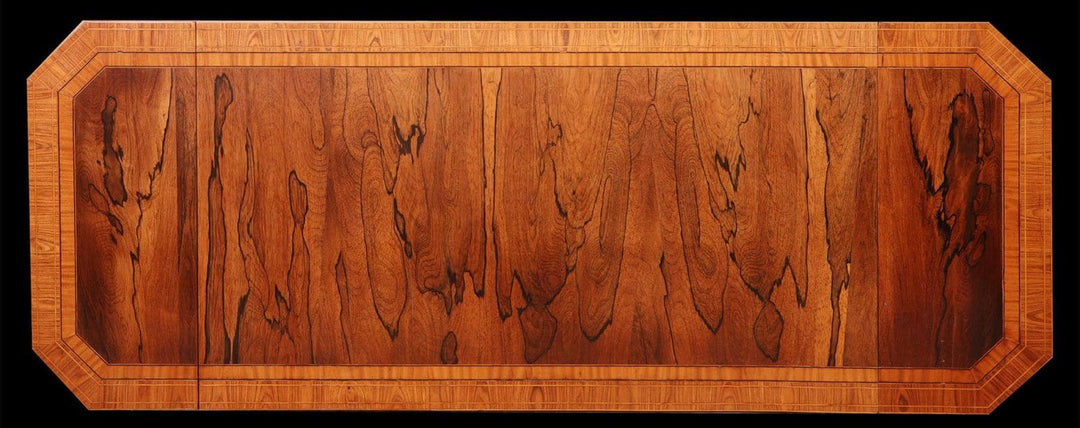
The design of antique pedestals for statues evolved significantly through the 18th and 19th centuries, reflecting prevailing tastes and material innovations. The Georgian period favoured a restrained elegance, often executed in dense, dark San Domingo mahogany with architectural mouldings. The subsequent Regency period embraced a more theatrical opulence, introducing exotic timbers like calamander and rosewood, often embellished with brass inlays or ormolu mounts. Meanwhile, the influence of the Grand Tour brought Continental aesthetics to the forefront, with Italian and French artisans producing spectacular examples in carved giltwood, specimen marbles, and scagliola.
English Mahogany and the Chippendale Tradition
The enduring legacy of English cabinet-making is perfectly encapsulated in the mahogany pedestals of the 18th century. Craftsmen in the manner of Thomas Chippendale utilised high-quality, dense mahogany to create supports of exceptional stability and refined beauty. These pieces are often distinguished by their clean, architectural lines, adorned with classical decorative motifs such as acanthus leaf carving, gadrooning, and fluting. The rich, deep colour and fine grain of the timber provided a sophisticated yet understated foundation for bronze or marble sculpture. Examples of this period’s superlative craftsmanship can be seen throughout our antique furniture collection.
Giltwood and Marble: The French and Italian Influence
Continental Europe, particularly France and Italy, offered a more flamboyant approach to the art of the pedestal. French artisans of the Louis XIV and XV periods were masters of water gilding, a meticulous technique that imparted a deep, liquid lustre to intricately carved giltwood surfaces. Italian workshops, in turn, excelled in the use of specimen marbles and scagliola, a highly polished plaster composition that brilliantly imitated precious stones. These opulent materials were perfectly suited to complement the bronze and marble Grand Tour objects acquired by wealthy travellers, adding a layer of continental glamour to English interiors.

The Importance of Surface: Patina, Originality, and Conservation
For the true connoisseur, the “skin” or patina of an antique is its most valuable and irreplaceable asset. It is the visual record of an object’s history, an accumulation of centuries of use, care, and atmospheric exposure. This historical surface is what separates a genuine period piece from a modern reproduction. It is therefore essential to distinguish between professional conservation, which stabilises and preserves this history, and over-restoration, which can strip away an object’s character and value. At Nicholas Wells Antiques, our philosophy is centred on preserving the unique antique surface, ensuring each piece retains its authentic voice.
Understanding the Skin of the Antique
Patina is the result of subtle chemical and physical changes that occur over hundreds of years. On timber, it manifests as a deep, translucent lustre and a richness of colour that cannot be replicated with modern finishes. An experienced eye can readily distinguish an original, hand-rubbed wax finish from a hard, reflective modern spray lacquer. The tactile quality of 200-year-old aged mahogany, with its silky-smooth surface and subtle imperfections, tells a story of its journey through time.
Professional Restoration vs. Preservation
Every item acquired from Nicholas Wells Antiques includes complimentary restoration, which is undertaken with a preservationist’s ethos. Our specialised restorers use only traditional materials such as shellac, beeswax, and natural pigments to carry out their work. The objective is never to make an object look new, but to ensure its structural integrity while respecting its historical surface. This ethical approach allows for the repair of any structural damage while carefully maintaining the very history that makes the item exceptional.
Curating Your Gallery: Pairing Statues with the Correct Support
Selecting the correct antique pedestal involves a curator’s eye for balance, contrast, and proportion. The visual mass of the pedestal must be appropriate for the weight and scale of the sculpture it supports; a heavy bronze requires a substantial base, while a delicate terracotta bust may call for a more slender form. Material harmony is also crucial. The dark, rich tones of antique mahogany or ebonised wood often provide a stunning contrast for patinated bronze sculptures, while the architectural purity of a fluted column offers the ideal stable and classical support for a white marble bust. The final placement—whether in a grand entryway, a library, or a formal drawing room—will also dictate the most suitable style.
Matching Materiality: Bronze, Marble, and Terracotta
When pairing antique sculpture with the appropriate plinth, a few guiding principles apply. Dark bronzes are often enhanced by the warmth of mahogany or rosewood, though a giltwood pedestal can be used to dramatically brighten a figure and lend it a sense of baroque splendour. Conversely, the cool, classical purity of marble is often best served by a pedestal that echoes architectural forms, such as a fluted column or a panelled mahogany support. It is critical to avoid placing heavy marble or bronze on delicate, spindly supports like tripod stands, which may be visually and structurally inadequate.
Scale, Proportion, and Sightlines in the Modern Home
In contemporary interiors, from New York penthouses to expansive Texas estates, antique pedestals can be used to create powerful focal points and delineate spaces. The "eye-level" rule remains a valuable guide, particularly for portrait busts, ensuring the sculpture engages with the viewer on a human scale. For larger spaces, a pair of pedestals can be used to create a sense of formal symmetry, perhaps flanking a grand doorway or an important antique centre table. The key is to balance historical accuracy with the demands of modern living, using the pedestal to integrate classical art seamlessly into a 21st-century aesthetic.
Acquiring Rare Pedestals from Nicholas Wells Antiques
As a premier online gallery based in London, Nicholas Wells Antiques provides a discreet and expert service for discerning global buyers. Our collection is meticulously curated, focusing on rare and exceptional pieces sourced from private English town and country house collections. We offer an exclusive selection of antique pedestals and other fine furniture, chosen for their superior design, historical integrity, and exceptional surface condition. This commitment to quality makes us a trusted source for interior designers and collectors worldwide.
A Curated Collection for the Global Collector
Our online gallery transcends geographical boundaries, offering a curated portal to the finest 18th and 19th-century decorative arts. We invite you to explore our collections of Works of Art and furniture, where you will find items of remarkable rarity and beauty. To assist remote buyers, we provide comprehensive high-resolution imagery and detailed condition reports for every piece, ensuring complete confidence in each acquisition. Our expertise is always available to clients seeking to build a collection of distinction.
Seamless International Shipping and Professional Handling
Nicholas Wells Antiques has extensive experience in managing the complexities of international logistics. We offer fully insured, white-glove shipping to the United States and beyond, utilising professional fine art shippers who specialise in handling delicate and high-value items. We arrange for bespoke crating and manage all export documentation, ensuring a seamless delivery process to clients in regions such as California, New York, the Hamptons, and Greenwich. You can be assured that from our gallery to your home, your delicate giltwood or marble pedestal will be handled with the utmost professional care.


Leave a comment