




Antique Sculpture Collection: A Connoisseur’s Buying Guide
Could the subtle, centuries-old oxidation on a Regency bronze be the only thing standing between a genuine masterpiece and a sophisticated modern forgery? You likely recognise that building a distinguished antique sculpture collection requires more than just an appreciation for aesthetic form; it demands a disciplined eye for historical integrity and an uncompromising standard for provenance. At Nicholas Wells Antiques, we've spent decades advising collectors in Mayfair and beyond on how to distinguish the extraordinary from the merely decorative.
This guide shares the essential criteria for acquiring museum-quality works, from evaluating the delicate surfaces of 18th-century terracotta to understanding the enduring allure of Grand Tour masterpieces. You'll learn to identify the rare patinas that signal true age and discover how a carefully selected marble obelisk or French giltwood figure can serve as a soulful focal point in a contemporary interior. We'll also address the practicalities of international transit, ensuring your high-value assets arrive with the same care we apply to our restoration projects. By the end, you'll possess the scholarly framework needed to secure pieces that offer both cultural significance and lasting investment value.
Key Takeaways
- Understand the essential criteria for assembling a distinguished antique sculpture collection, prioritising the artistic merit and rarity that define a true museum-quality acquisition.
- Discern the technical mastery behind historic materials, from the prestige of Carrara marble to the intricate bronze casting techniques of Italian masters like Soldani Benzi.
- Learn to evaluate the integrity of an object’s surface, understanding why a preserved, "honest" patina remains the most critical factor in identifying a genuine historical masterpiece.
- Gain expert guidance on curating sculpture within a modern interior, including the art of pairing monumental works with antique centre tables and dramatic pedestals to create height and drama.
- Discover the bespoke acquisition services at Nicholas Wells Antiques, including the opportunity to arrange a private viewing of our collection by appointment in Westminster or Gloucestershire.
The Connoisseur’s Approach to Antique Sculpture
To curate an exceptional antique sculpture collection is to engage in a profound dialogue with the past, selecting pieces that function as sophisticated bridges between ancient civilisations and the refined interiors of the present day. At Nicholas Wells Antiques, we view these objects not as mere static ornaments but as vital cultural artifacts that command attention within the grand proportions of a Mayfair townhouse or a sprawling country estate. The acquisition of fine sculpture requires a commitment to artistic merit and rarity, seeking those 'extraordinary' examples that have survived the centuries with their integrity and surface patina intact.
Our expertise focuses on the pivotal movements that defined the history of sculpture, ranging from the idealized forms of the Classical era to the dramatic tension of the Baroque. We specialize in sourcing Grand Tour souvenirs and Neoclassical marbles that once graced the galleries of 18th-century aristocrats. These periods, including the Renaissance and the rigorous precision of the late 19th century, represent the pinnacle of sculptural achievement, providing a timeless focal point that complements Georgian mahogany or Regency furniture with effortless grace.
Defining Museum-Quality Sculpture
A significant work of art is distinguished from a decorative object by its ability to withstand rigorous academic scrutiny and historical vetting. Scholarship plays a vital role in our process, ensuring that every curve of a marble bust or casting of a bronze figure aligns with established institutional standards. Museum-quality sculpture is defined by an unparalleled level of craftsmanship paired with an impeccable, documented provenance that secures its place within the canon of art history. This distinction ensures that a piece from our sculpture collection is not just an acquisition, but a preservation of heritage.
The Shift from Decoration to Investment
Collectors increasingly recognize that a fine antique sculpture collection offers a stable repository of value because these items are finite, non-reproducible remnants of human achievement. Whether one is drawn to the fierce, protective presence of Japanese temple guardians or the serene, cool symmetry of European marble busts, the primary driver remains the 'soul' of the object. This intangible quality, often preserved in the original surface patina, ensures that a piece remains a distinguished asset. As specialists in European objects and global antiquities, we've seen how the rarity of a well-preserved surface can significantly enhance an object’s long-term investment potential.
While Nicholas Wells Antiques operates as an online gallery, we maintain a commitment to the personal touch required for such significant acquisitions. Our showroom in London is available to visit by appointment for those who wish to experience the weight and texture of these pieces firsthand. We provide comprehensive services, including expert antique restoration and secure international shipping, ensuring your chosen masterpiece arrives in pristine condition. Whether you're seeking a singular focal point for a Piccadilly residence or building a diverse portfolio of works of art, our scholarly approach provides the confidence needed to navigate the luxury antiques market.
Materials of Antiquity: Evaluating Marble, Bronze, and Wood
The material composition of an antique sculpture collection dictates the atmospheric presence of the pieces and the tactile narrative they share with their surroundings. Choosing between the cool, luminous surface of stone and the dark, reflective depth of cast metal requires a discerning eye for how light interacts with form. These material choices weren't merely aesthetic; they reflected the technological capabilities and the philosophical leanings of their respective eras, from the classical revivals of the 18th century to the emotive carvings of the Renaissance.
The Majesty of Marble and Stone
Fine marble remains the pinnacle of sculptural achievement, prized for a translucency that mimics the ethereal quality of human skin. Connoisseurs often seek out the pristine white of Carrara marble, a stone favoured by Canova and his contemporaries for its tight grain and ability to hold incredibly fine detail. During the 18th century, the 'Grand Tour Marble Bust' became a requisite acquisition for the English aristocracy, serving as a sophisticated souvenir of their travels through Italy. Pieces such as the 'Eros di Centocelle', often presented on a magnificent Siena marble plinth with its characteristic golden-yellow hues, demonstrate how the contrast between different stones can elevate a work of art. When inspecting marble, one should look for the subtle 'sugar-like' sparkle of the crystalline structure, ensuring the surface hasn't been overly cleaned or 'skinned', which can dull its historical resonance.
The Lasting Appeal of Fine Bronzes
The allure of bronze lies in its permanence and the technical mastery required to execute the lost-wax casting process. This method allowed 18th-century Italian masters like Massimiliano Soldani Benzi to produce works of extraordinary complexity and fluid movement. In a library or study, Grand Tour objects in bronze provide a scholarly weight, grounding the room in classical tradition. Identifying the quality of a bronze requires looking at the 'crispness' of the casting, particularly in 19th-century editions where the sharpness of the chasing indicates a high-quality strike from the original mould. When evaluating these metals, understanding surface patina is essential for discerning the age and history of the piece, as a genuine, undisturbed surface is far more desirable than a modern re-patination.
While marble and bronze dominate the market, the delicate nature of terracotta and wood offers a more intimate connection to the artist's hand. Renaissance devotional panels in terracotta possess a soft, clay-wrought immediacy, while Japanese wood carvings from the Edo period showcase a rhythmic precision in their grain. These materials bring a warmth and organic texture to an antique sculpture collection, though they demand careful environmental control to preserve their integrity. Whether you're drawn to the heroic scale of stone or the intricate detail of cast metal, we invite you to explore our curated selection of fine sculpture at Nicholas Wells Antiques, where each piece is chosen for its exceptional quality and historical significance.
Authenticity and the Importance of Surface Patina
For Nicholas Wells Antiques, the surface of a piece is its most profound testament to history. When evaluating an antique sculpture collection, we prioritise the original surface above almost all other physical attributes. An "honest" patina represents a slow, chemical marriage between the atmosphere and the underlying material, whether it's the deep, chocolate tones of a 19th-century French bronze or the mellowed, honeyed glow of a Regency marble bust. Modern reproductions often attempt to mimic this through rapid acid etching or artificial pigments, yet these shortcuts lack the depth and crystalline nuance of genuine age. Over-restoration remains a significant threat to an object's integrity; stripping a sculpture to its raw metal or stone to satisfy a misguided desire for "newness" can diminish its market value by as much as 50%. True connoisseurship lies in recognising that every atmospheric stain and microscopic abrasion tells a story that cannot be replicated by human hands.
Preserving the Unique Antique Surface
The natural oxidation found on bronze and the subtle, translucent "skin" that develops on aged marble are irreplaceable historical assets. We advocate for meticulous conservation that stabilises the object rather than aggressive cleaning that erases its heritage. Patina acts as a definitive, chronological fingerprint for an object's age, offering an indelible visual record of the environments it has inhabited over the centuries. This preservation is particularly vital for Grand Tour souvenirs, where the accumulation of historic wax and dust in the crevices of a bronze after the antique adds a layer of soul that modern replicas fail to capture.
Vetting and Provenance Research
Securing a high-value investment requires rigorous provenance research, a process we undertake with scholarly precision at our appointment-only gallery near Piccadilly. Tracing a work back to a specific maker, such as a 19th-century Parisian foundry, or a historic private collection provides the documented history necessary to anchor its value. In the London antique dealing market, certificates of authenticity and stylistic scholarship are essential tools for identifying unsigned works from the Georgian or Victorian eras. We often look for specific casting marks or inventory labels from notable 18th-century estates to verify a piece's journey. This level of scrutiny ensures that every addition to your antique sculpture collection is a genuine cultural artifact. Our international shipping services facilitate the safe transit of these works of art to collectors worldwide, maintaining the same standards of excellence found in Mayfair's finest galleries.
Curating Masterpieces: Standout Sculptures for the Modern Interior
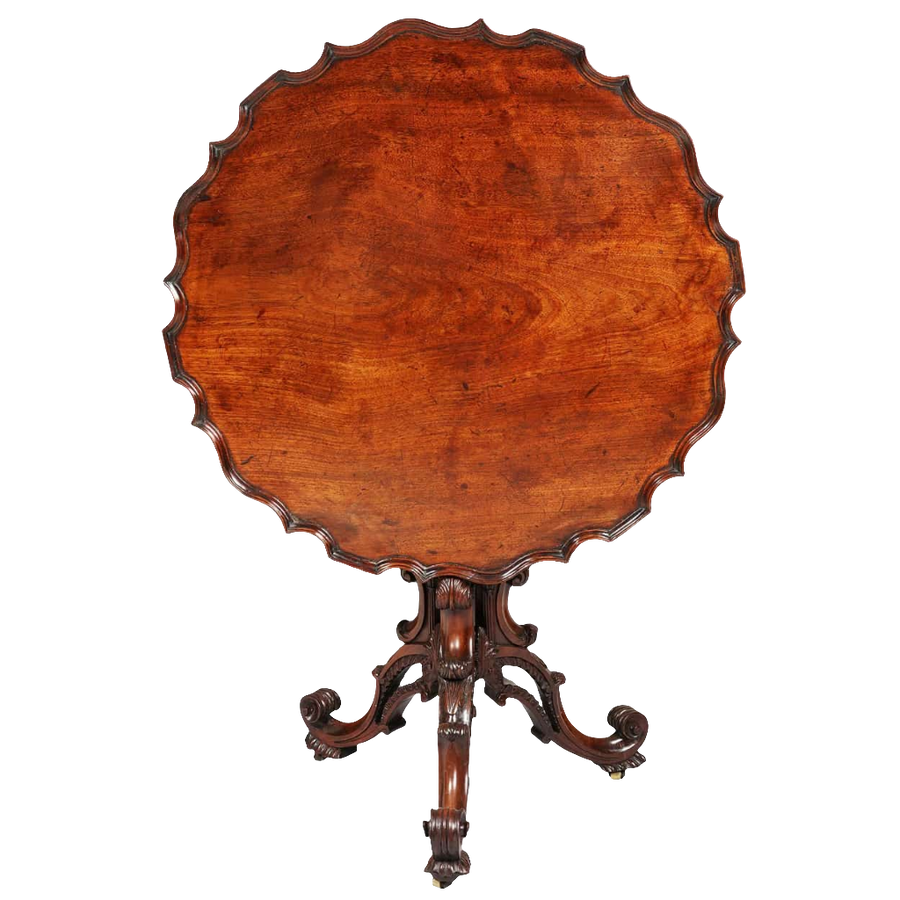
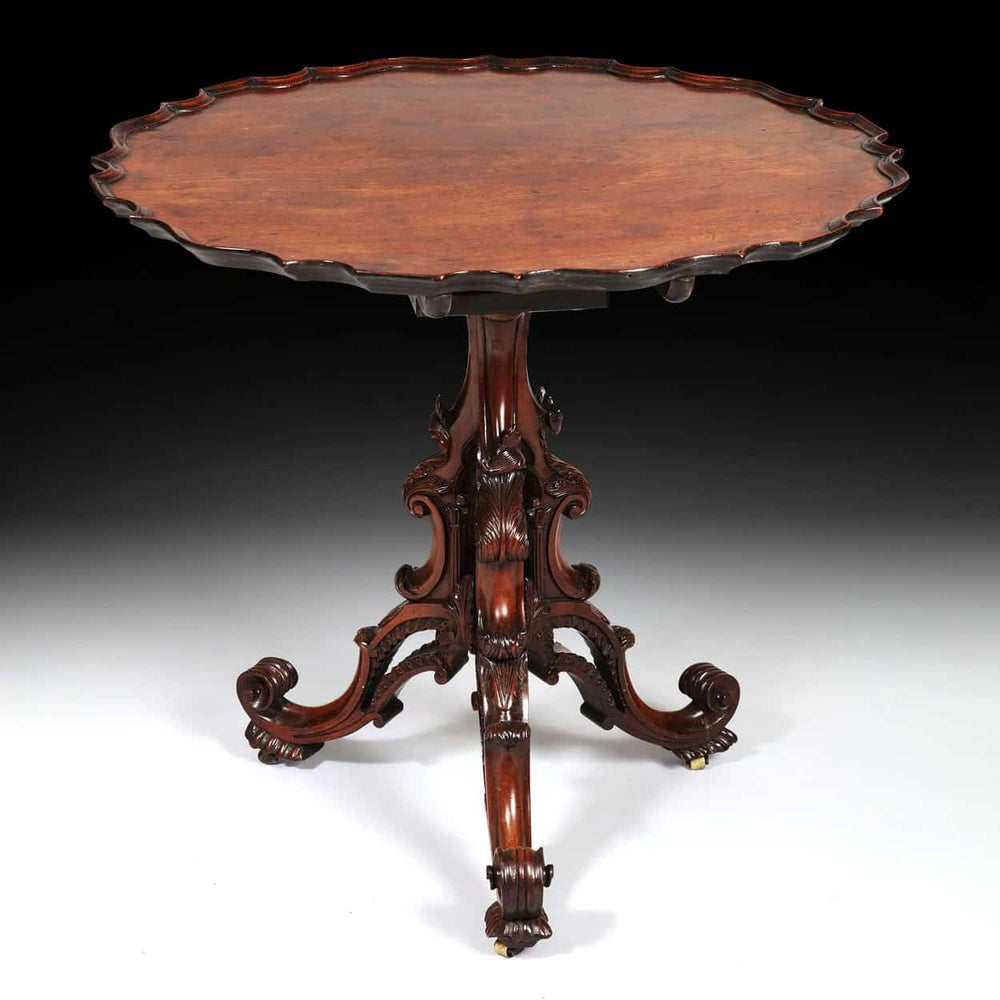
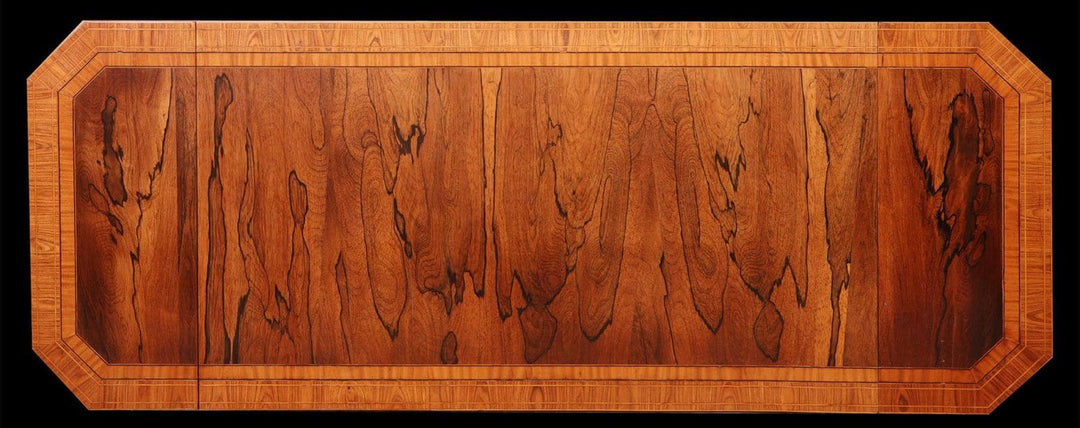
Placing a monumental work atop one of our antique centre tables transforms the geometry of a room. A circular Regency mahogany table or a heavy marble-topped specimen table provides the stable, dignified base required for a bronze group or a large terracotta. This arrangement anchors a space, drawing the eye toward the sculpture's silhouette and creating a central axis for the entire interior scheme. In a grand entrance hall, height is the primary tool for drama. Pedestals and columns, whether in porphyry, scagliola, or carved giltwood, elevate a piece to eye level, ensuring it commands the room with authority. This verticality is essential in Mayfair and Piccadilly townhouses where ceiling heights allow for such theatrical displays of connoisseurship.
The trend of placing classical marble busts within minimalist, contemporary settings continues to grow among London-based collectors. This juxtaposition allows the object's form to speak clearly without the distraction of period-specific clutter. It's a sophisticated bridge between antiquity and 21st-century design. For those building a diverse antique sculpture collection, rare acquisitions like Japanese Temple Guards (Shūkongōshin) offer a striking alternative to European traditions. These figures, dating back to the Kamakura period style, exhibit a naturalistic detail and muscular tension that feel surprisingly modern. They often retain traces of original polychrome or a centuries-old patina that records their long history in sacred spaces.
Placement and Lighting Strategies
Directional lighting is essential to define the 'form' of a sculpture. A single, focused beam creates the shadows necessary to appreciate the sculptor's skill and the depth of the carving. Integrating smaller bronzes with antique mirrors allows a viewer to see the piece from multiple angles simultaneously, effectively doubling its visual impact. You must ensure heavy works rest on structurally sound furniture. A marble vase weighing 60 kilograms requires the robust support of a Georgian pedestal rather than a delicate side table. Nicholas Wells Antiques provides expert advice on the secure installation of these significant works.
Standout Pieces from the Nicholas Wells Collection
- The 'Scraper' Torso after Lysippos: This fragment embodies Greek classical ideals of proportion and athletic grace, serving as a timeless focal point.
- Royal Coat of Arms: A 19th-century heraldic masterpiece, this carved work brings a sense of historical gravitas to a grand hallway or library.
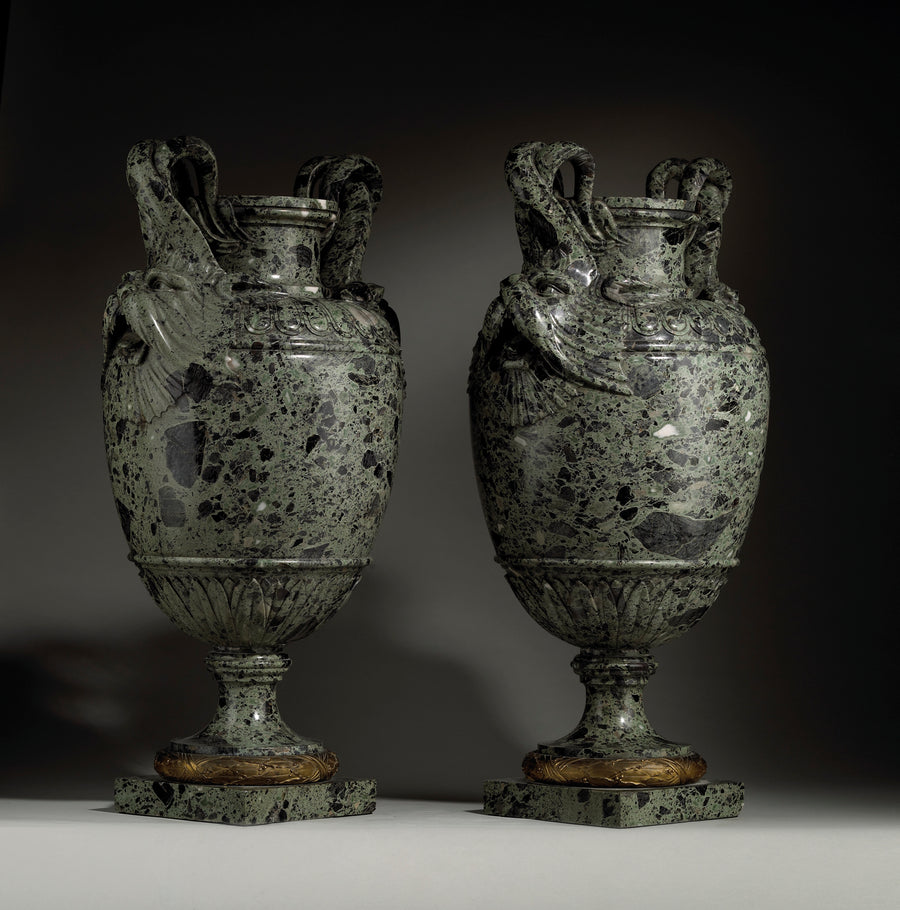
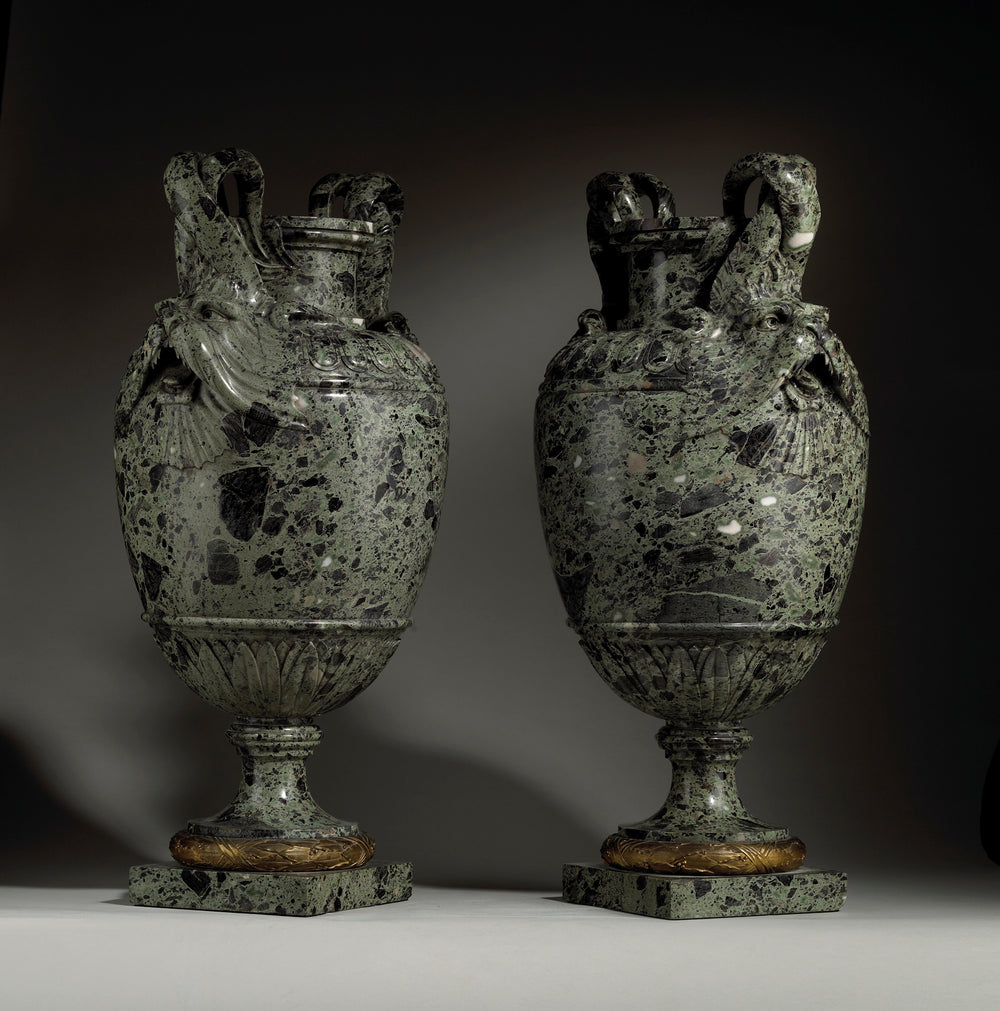
- Italian Neoclassical Marble Vases: These pieces bridge the gap between sculpture and functional art, offering a sophisticated balance of form and utility that resonates with the ethos of 18th-century Grand Tour collectors.
While Nicholas Wells Antiques operates primarily as an online gallery, our showroom is available to visit by appointment for those who wish to examine the surface texture and weight of these extraordinary objects in person. We offer international shipping and professional restoration services to ensure your acquisition arrives in perfect condition, ready to take its place in your antique sculpture collection.
To find the perfect focal point for your next interior project, explore our curated sculpture gallery and discover pieces of exceptional rarity.
Acquiring Rare Works from Nicholas Wells Antiques
Building a distinguished antique sculpture collection is a journey that requires both an eye for beauty and a deep respect for historical integrity. Nicholas Wells Antiques operates as a refined London-based online gallery, positioning ourselves as a trusted advisor to the global collecting community. We treat every object as a significant cultural artifact, ensuring that its journey from our hands to your home is marked by the same level of care that went into its original creation. Our bespoke acquisition experience is designed for those who value the quiet confidence of scholarly expertise over the frantic pace of modern commerce.
Every purchase from our gallery includes complimentary restoration services, focusing on the conservation of history rather than mere cosmetic repair. Our craftsmen understand the vital importance of surface patina and the preservation of the unique antique surface, ensuring that a 19th-century bronze or a Georgian marble retains its soul. This commitment to quality extends to our advisory services, where we assist clients in sourcing specific items like Irish pier mirrors or French giltwood to complement their sculptural acquisitions.
The Appointment and Viewing Process
While we function primarily as a digital gallery, we recognize that high-value works of art often demand a physical presence to be fully understood. We recommend seeing significant pieces in person to appreciate their true scale and the way light interacts with their surfaces. Private viewings are available by appointment in the historic settings of Westminster or Gloucestershire, providing a quiet atmosphere for contemplation. For our international clients, we offer detailed condition reports and high-resolution photography that captures every minute detail. Nicholas Wells is available to consult on building a thematic antique sculpture collection, drawing on years of experience in the global antiques market to help you select pieces with lasting historical value.
Shipping and Logistics for Fine Art
The safe delivery of a fragile masterpiece is a technical challenge that we meet with rigorous standards. We partner with specialist fine art logistics firms to provide fully insured international shipping to destinations in over 40 countries. Whether moving a heavy marble bust or a delicate terracotta maquette, we utilize bespoke crating solutions tailored to the specific dimensions and vulnerabilities of the piece. This includes the use of shock-absorbent materials and custom-built internal frameworks to ensure stability during transit. You can browse our full Sculpture Collection here to explore our current inventory of rare and magnificent works. Our logistics team handles all necessary export licenses and customs documentation, ensuring a seamless transition from our gallery to your private interior.
Elevating Your Private Gallery with Timeless Form
Building a distinguished antique sculpture collection requires more than an appreciation for aesthetics; it demands a rigorous understanding of provenance and the preservation of the unique antique surface. Whether your interest lies in the cool precision of 18th-century marble or the rich, deep tones of a Regency-era bronze, the integrity of the patina remains the ultimate arbiter of value. Since establishing our presence in London in 2012, Nicholas Wells Antiques has served as a specialist dealer for those seeking museum-quality Grand Tour and Classical works that bridge the gap between historical grandeur and contemporary luxury. We've found that the most compelling interiors are those where a 19th-century obelisk or a finely cast bronze figure acts as a silent narrator of history.
Our commitment to excellence includes complimentary restoration on every piece we sell, ensuring that each artifact's soul is preserved for future generations. From our roots in the London antique trade near Piccadilly and Mayfair, we facilitate the acquisition of these rare masterpieces through fully insured worldwide shipping. We invite you to view our current acquisitions by appointment at our gallery or through our digital doors.
Explore the Nicholas Wells Antiques Sculpture Collection
It's a privilege to assist you in discovering a piece that doesn't just fill a space, but defines it.
Frequently Asked Questions
What should I look for when buying an antique marble sculpture?
You should prioritise the surface patina and the crispness of the carving when evaluating a potential acquisition. Authentic 18th-century pieces often display a soft, mellowed surface resulting from 200 years of atmospheric exposure. Nicholas Wells Antiques ensures every piece in our antique sculpture collection demonstrates the refined anatomical precision expected by discerning collectors in Mayfair. Examine the depth of the drapery and the translucency of the stone to confirm the work's quality.
How do I know if an antique bronze is an original casting or a later reproduction?
Identifying a period bronze requires a close inspection of the foundry marks and the complexity of the casting process. Original 19th-century French bronzes typically feature a "cire perdue" finish that yields finer detail than 20th-century mass-produced copies. Look for the artist's signature and the specific foundry seal, such as the Barbedienne mark. The weight and the specific oxidation of the metal provide further evidence of a piece's 150-year history.
Can antique sculptures be safely displayed in a modern home with central heating?
Antique sculptures can reside safely in modern interiors provided the humidity levels remain between 40% and 60%. Rapid fluctuations in temperature can cause stress to marble or wood, leading to hairline fractures or structural instability. We recommend placing sensitive pieces 2 metres away from direct heat sources. Our team advises clients on the ideal placement for items, ensuring they serve as magnificent focal points while remaining preserved for future generations.
What is provenance and why is it so important for high-value sculpture?
Provenance is the documented history of an object's ownership, serving as a vital bridge between the artist’s studio and the current gallery. For high-value sculptures, a clear lineage back to a 19th-century estate or a 1920s collection confirms both authenticity and legal title. It's the "soul" of the piece. A distinguished provenance can increase an item's market value by 35%, transforming a beautiful object into a significant cultural artifact with a verifiable journey.
Do you offer pedestals or display mounts for the sculptures in your collection?
Nicholas Wells Antiques provides bespoke pedestals and mounts tailored to the specific weight and aesthetic of each individual work. We often source period-appropriate Georgian mahogany or Regency giltwood pedestals to complement our antique sculpture collection. These mounts ensure stability and elevate the piece to the correct eye level. If a custom solution's required, our craftsmen design discreet steel or stone bases that focus all attention on the artwork's unique silhouette.
How does Nicholas Wells Antiques handle international shipping for heavy stone pieces?
We manage international shipping through a network of specialist fine art couriers who provide bespoke timber crating and white-glove delivery. Heavy stone obelisks or life-sized marble busts require custom-built internal supports to prevent movement during transit. Whether the destination is a residence in New York or a gallery in Piccadilly, our team coordinates every logistical detail. We ensure your acquisition arrives in the same condition it left our London-based collection.
Is restoration included in the purchase price of your antiques?
The purchase price typically includes the expert conservation required to ensure the piece is structurally sound and aesthetically superb. Our approach prioritises the preservation of the original surface patina rather than aggressive over-cleaning. We employ traditional 18th-century techniques for all repairs to French giltwood or Regency furniture. If a client requires additional specialist restoration beyond our standard gallery preparation, we provide detailed quotes from our 3 primary London-based conservators.
Are your sculptures suitable for institutional or museum collections?
Our inventory frequently includes museum-quality pieces that meet the rigorous standards of institutional collectors and international curators. We curate our selection with an eye for rarity and historical significance, often sourcing items that represent the pinnacle of 19th-century craftsmanship. While we operate as an online gallery, we welcome institutional representatives to view specific works at our showroom by appointment. This allows for a detailed physical assessment of the piece's condition before final acquisition.


Leave a comment