



Authentic Antique Furniture in the UK: A Connoisseur’s Guide to Fine Antiques
Defining Connoisseurship: What Distinguishes a Fine Antiques Dealer in the UK?
In the world of fine antiques, the role of a dealer transcends that of a mere merchant; it is one of a curator, a historian, and a trusted advisor. True connoisseurship is not defined by inventory volume but by the scholarly rigour and discerning eye applied to every acquisition. This involves a deep understanding of provenance, the ability to authenticate 18th-century craftsmanship through subtle markers, and a commitment to preserving the historical integrity of each piece. While London has long been a global hub for the art market, the modern specialist distinguishes themselves through expertise rather than a physical address, offering a curated collection of rare decorative arts to a global audience.
A Legacy of London Expertise
For the discerning international collector, trust is paramount. While the tradition of fine art dealing is rooted in London's history, today's preeminent galleries build that trust through a formidable online presence. Nicholas Wells Antiques, established in London in 2012, continues this legacy by providing an unparalleled digital experience. Confidence is built not through a shopfront, but through meticulous, scholarly product descriptions, comprehensive condition reports, and high-resolution imagery that allows a collector in New York or California to examine a piece with the same scrutiny as if they were in the room. This digital-first approach ensures that expertise and access are not limited by geography.
Authentication and the Value of Expertise
How does a seasoned dealer identify the subtle markers of 18th and 19th-century craftsmanship? It is a language spoken in the turn of a hand-carved leg, the dovetailing of a drawer, and the specific lustre of an original surface. A specialist's expertise lies in reading these details to confirm authenticity and provenance. For the international collector, this expertise is communicated through detailed and transparent product descriptions. These narratives do more than sell an object; they build a collector's confidence by providing a scholarly foundation for their acquisition, ensuring they are investing in a genuine piece of history.
The 18th and 19th Century Legacy: From Georgian Mahogany to Regency Elegance
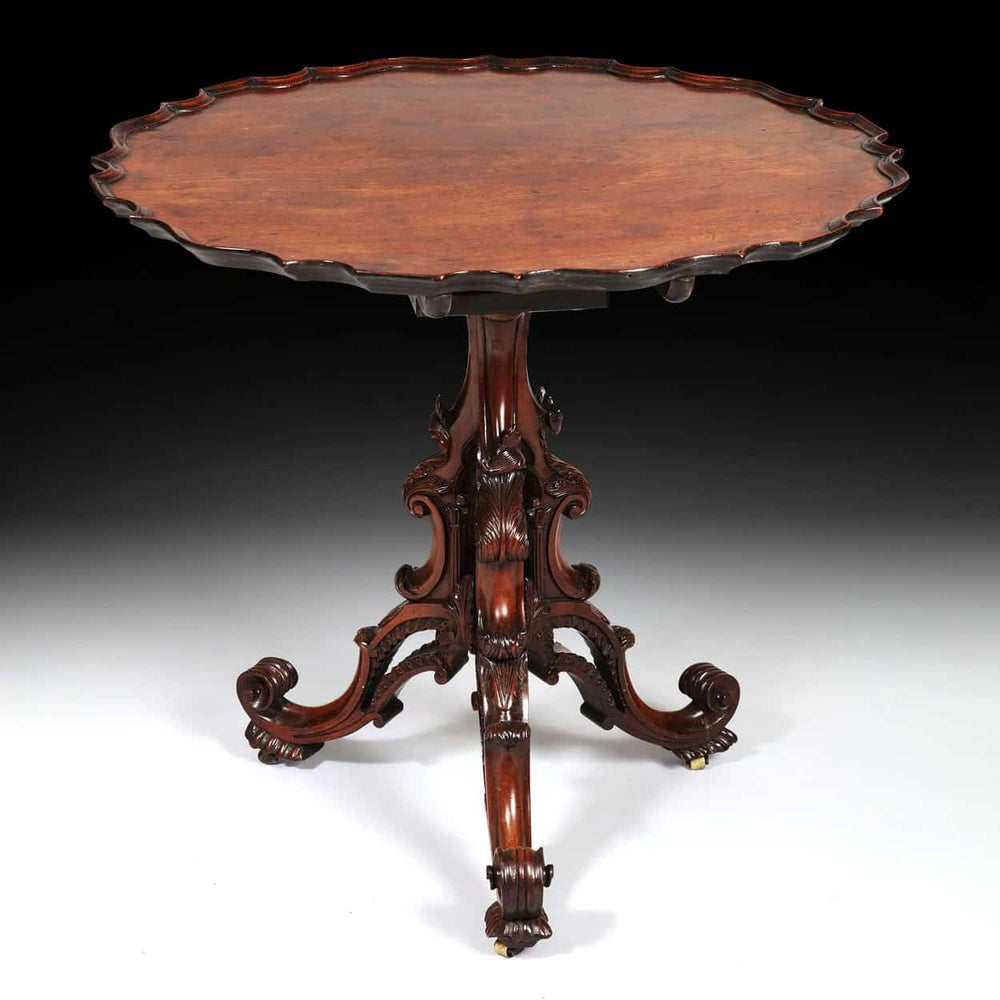
The enduring appeal of 18th and 19th-century English and Continental furniture lies in its masterful blend of form, function, and material. From the rich, dark tones of a Georgian mahogany sideboard to the architectural grace of a Regency dining table, these pieces represent the pinnacle of cabinet-making. A key element that connoisseurs seek is the 'surface patina'—the delicate, layered finish that develops over centuries of use and care. The conservation of this original antique surface is paramount, as it holds the story and soul of the piece. The influence of masters like Thomas Chippendale can be seen in the intricate carving of a mirror frame, while the unique refinement of Irish pier mirrors speaks to a distinct regional classicism. A defining feature of the era's luxury is ormolu, the 18th-century technique of applying finely ground, high-carat gold to a bronze mount, creating a lustrous and durable decorative finish.
Antique Centre Table Styles as a Room's Focal Point
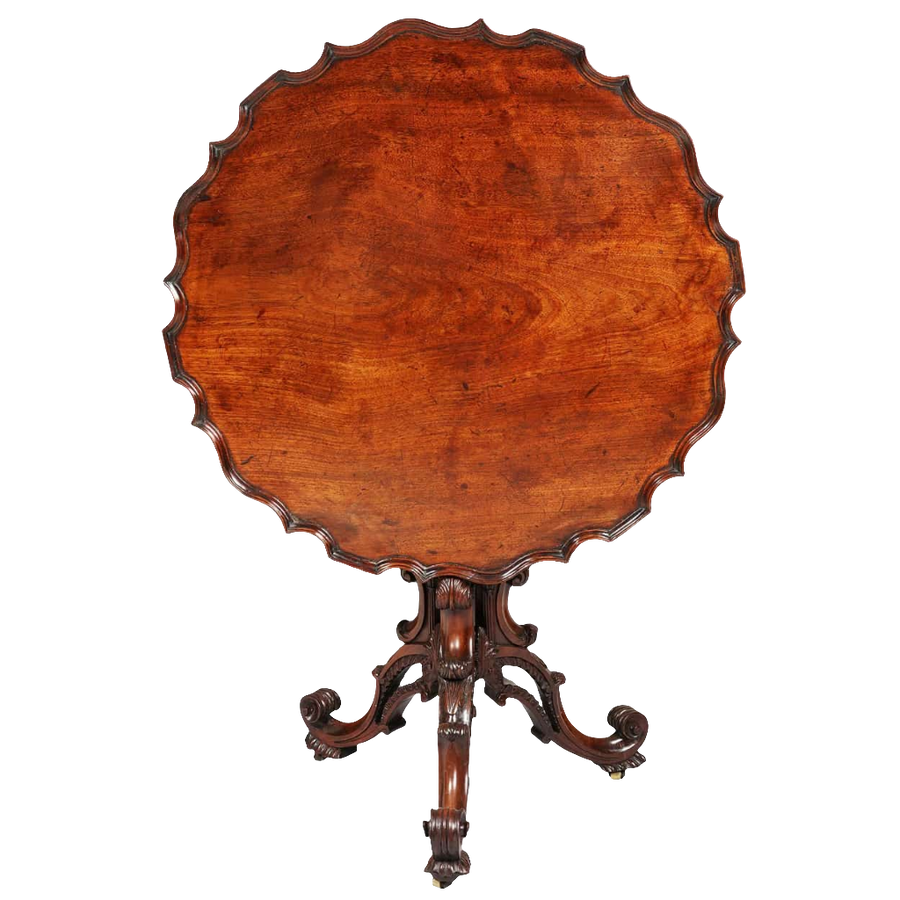
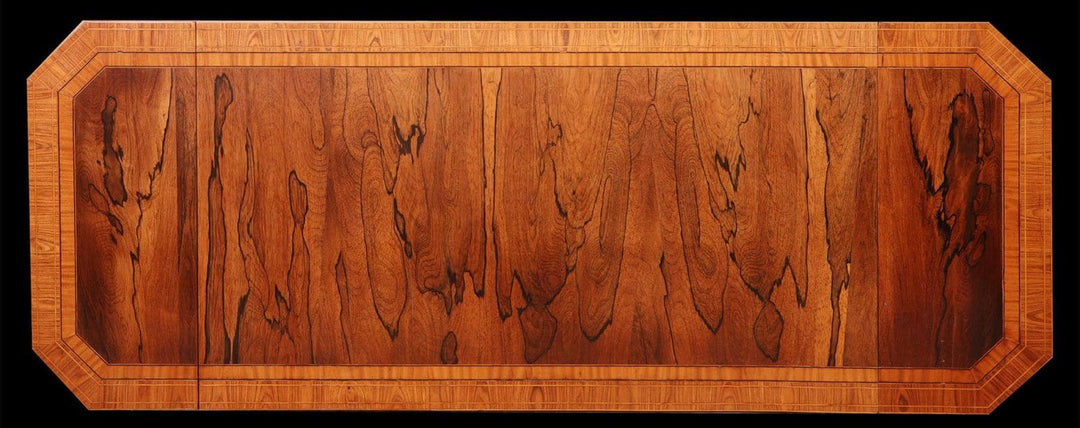
In the grand tradition of the English country house, the architectural silhouette of the antique centre table commands attention in an entryway or salon. As a focal point, its design sets the tone for the entire interior. There is a profound difference between the Neoclassical restraint of English antique centre table styles, often executed in rich rosewood or mahogany with inlaid brass, and the opulent, sculptural forms of French giltwood tables from the same period. Understanding these stylistic nuances is key to selecting a piece that not only complements but elevates a space. For those looking to delve deeper, a connoisseur's guide to antique centre tables can provide invaluable historical context and curation advice.
Conservation and the Art of Restoration
The Nicholas Wells philosophy is rooted in a profound respect for historical integrity. Every piece is offered with complimentary, expert restoration, a process guided by the principles of conservation. This means our approach is always to preserve as much of the original material and finish as possible, undertaking only necessary structural repairs. We believe that 'over-restoring' a piece by stripping it of its history can diminish its value and character. A fine 18th-century antique should wear its age with grace; our role is to ensure it can continue to do so for centuries to come.
Curating for the International Home: Sourcing and Shipping to the United States
The classical elegance of English antique furniture possesses a remarkable versatility, allowing it to be tailored for prominent American residences, from sophisticated New York townhouses to expansive Texas estates. The key lies in understanding regional aesthetics and architectural scales. For the American collector, the acquisition process is managed seamlessly online. High-resolution imagery, detailed condition reports, and transparent communication serve as the collector's eyes, bridging the distance between our London base and their home. We have simplified the process of worldwide delivery, expertly navigating customs and insurance to provide a frictionless purchase experience for our international clientele.
The American Collector's Perspective
For discerning interior designers and homeowners in San Francisco and across California, English 18th-century furniture remains a gold standard for creating interiors of substance and style. Its clean lines and superior craftsmanship provide a grounding, historical counterpoint to modern architecture. Similarly, the integration of classical Grand Tour objects into contemporary American homes—whether in the Hamptons or Greenwich, Connecticut—adds a layer of intellectual curiosity and historical depth that cannot be replicated with new productions.
Reliability in Fine Art Transit
The anxiety over shipping high-value items across the Atlantic is a significant concern for collectors. We mitigate this risk by exclusively using professional fine art shippers who provide fully insured, door-to-door white-glove delivery services. These specialists are experienced in handling large, delicate furniture and works of art, ensuring each piece is expertly packed, crated, and transported. Nicholas Wells Antiques manages and simplifies the entire export process, providing our international clients with complete peace of mind from the moment of purchase to the final placement in their homes.
Beyond Furniture: Grand Tour Wonders and Specialist Collections
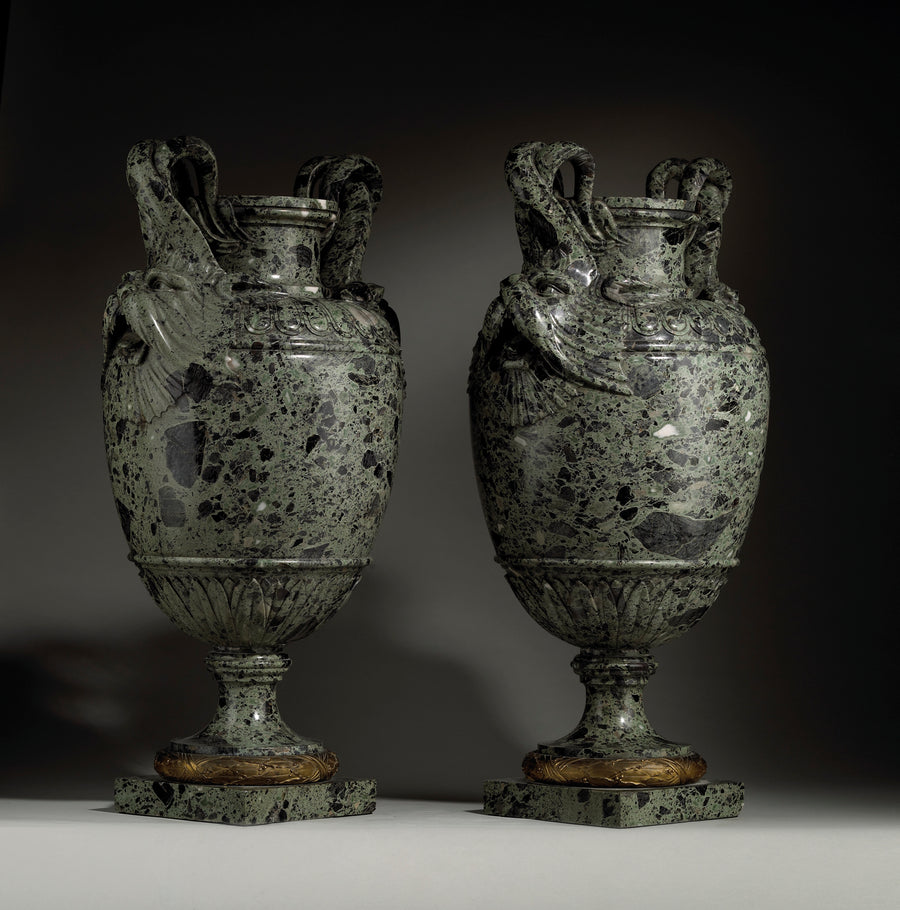
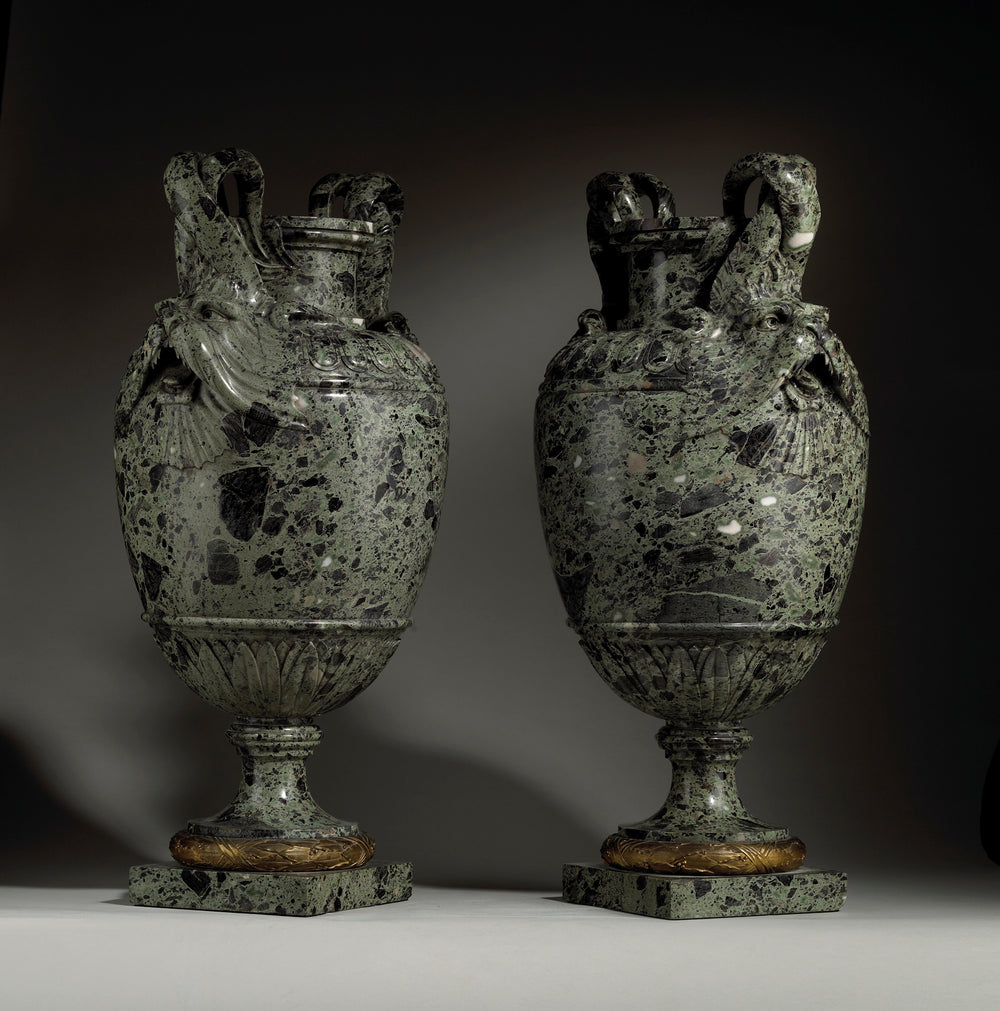
A truly curated interior is defined by more than its furniture; it is the unique objects within it that spark conversation and reflect a collector's erudition. The allure of the Grand Tour, for example, is captured in the collection of marble obelisks and classical bronzes, which historically served as symbols of a worldly education. Nicholas Wells Antiques extends its curatorial focus to highly specialised fields, including the intricate beauty and provenance of Islamic arms and armour, such as the Katar and Maltese Cross. We also source rare Oceanic and Tribal Art, demonstrating how a powerful war club can be incorporated into a sophisticated modern collection as a piece of abstract sculpture. This expertise extends to lighting as art, recognising the transformative power of magnificent antique lanterns and gilt chandeliers.
The Cabinet of Curiosities: Objects of Vertu
The modern 'cabinet of curiosities' is assembled with unique objects that tell a compelling story. Sourcing rare Grand Tour objects and other 18th-century decorative works of art is a passion. These objects of vertu—chosen for their fine craftsmanship, historical significance, and intellectual weight—play a crucial role in modern curation, adding layers of personality and intrigue to a space that mass-produced decorative items simply cannot achieve.
Specialist Niches: Arms, Armour, and Oceanic Art
Dealing in authentic Islamic and Indian weaponry or Oceanic Tribal Art requires a level of specialist knowledge that goes far beyond general antique dealing. It demands a deep understanding of the cultural significance, craftsmanship, and historical context of each piece. This scholarly approach ensures the authenticity and provenance of every item, allowing collectors to acquire these powerful artefacts with the utmost confidence in their quality and historical importance.


Leave a comment