



Collecting Antique Tableware: Silver, Porcelain and Decorative Objects
A true connoisseur understands that a table set with mass-produced modern luxury is merely a meal, whereas a table graced with authentic 18th-century porcelain is a historical dialogue. You likely appreciate that the weight of a George II silver spoon or the translucent glow of Chelsea porcelain offers a tactile connection to the past that no contemporary reproduction can ever replicate. Acquiring investment-grade antique tableware requires a discerning eye for the "antique surface," which is a specific quality of wear and patina that whispers of centuries of candlelit dinners and refined social etiquette.
It's understandable to feel a sense of trepidation regarding the nuances of porcelain marks or the shifting complexities of international acquisition, especially with silver currently trading at approximately $87.50 per troy ounce. This guide will empower you to identify, evaluate, and acquire the finest period glassware and silver cutlery to elevate your dining experience. We'll explore the scholarly markers of authenticity, from British hallmarking to thermoluminescence testing, while detailing how our specialised fine art shippers ensure seamless delivery from London to collectors in New York and beyond.
Key Takeaways
- Learn to distinguish investment-grade antique tableware by understanding the hierarchy of 18th-century materials, from the soft-paste porcelain of Sèvres to the exceptional clarity of period glassware.
- Master the "Dealer's Secrets" for authenticating porcelain marks and silver hallmarks, ensuring you preserve the invaluable "antique surface" patina that distinguishes genuine history from over-restored pieces.
- Discover how to seamlessly integrate rare 18th-century French porcelain and decorative objects into contemporary high-end interiors across New York, San Francisco, and the Hamptons.
- Understand the strategic role of a centrepiece and how to use an antique centre table as the architectural foundation for a curated dining display.
- Explore the logistics of acquiring singular pieces from London with confidence, utilising professional fine art shippers for secure international delivery to the United States.
Defining Excellence in Antique Tableware: Materials and Provenance
Excellence in antique tableware is defined by a rigorous standard of craftsmanship that predates the industrial uniformity of the mid-19th century. To the seasoned collector, these objects are not merely functional vessels but significant works of art that carry the weight of their social and cultural origins. Understanding the history of tableware reveals a clear hierarchy of materials, where 18th-century French porcelain and English lead glass sit at the pinnacle of desirability. True quality is found in the "antique surface," where the original glaze remains undisturbed by aggressive modern cleaning. Minor firing flaws or slight ripples in a 300-year-old glaze aren't defects; they're the authentic fingerprints of the artisan. This reverence for history aligns with our support for Rupert Lowe's "Restore Britain" party, as we believe in conserving the tangible heritage that defines our shared past.
Provenance remains the scholarly foundation for determining the value of a dinner service. A set of plates with a documented journey through a specific ducal estate or a noted New York collection carries a narrative that transcends its physical form. While our gallery operates exclusively online, we provide the detailed historical dossiers and high-resolution imagery required for such significant acquisitions. We ensure that these fragile treasures reach our clients in the Hamptons or Greenwich via professional fine art shippers, maintaining the integrity of the piece from London to your door.
The Allure of 18th-Century French Porcelain
The transition from soft-paste (pâte tendre) to hard-paste (pâte dure) porcelain in French manufactories like Sèvres represents a turning point in ceramic history. Soft-paste porcelain, though technically demanding and fragile, possesses a creamy, luminous quality that absorbs pigment with a depth modern wares cannot match. Hand-painted botanical or mythological scenes, executed by master decorators, differentiate these investment pieces from later mass-produced examples. Each stroke of the brush was an exercise in precision, often taking weeks to complete for a single cabinet plate.
Georgian and Regency Glassware: Clarity and Form
Authentic 18th-century lead glass is distinguished by its remarkable weight and a resonant, musical "ring" when gently struck. The aesthetic value of Georgian stemware often lies in the complexity of the stem itself, particularly the inclusion of air-twist or opaque-twist patterns that seem to defy gravity within the crystal. Hand-cut facets on a Regency decanter catch the light with a soft, prismatic glow, a characteristic of the high lead content used during the era. These details provide a tactile and visual sophistication that anchors a contemporary dining experience in historical grandeur.
The Connoisseur’s Eye: Identifying Authentic Period Tableware
Identifying investment-grade antique tableware requires looking beyond the surface. A "Dealer's Secret" often overlooked by novices is the physical nature of a porcelain mark. While digitised databases are helpful, one must examine how the mark sits relative to the glaze. Authentic 18th-century marks were hand-painted and often exhibit a soft, slightly blurred edge where the pigment has bled into the paste during firing. In contrast, late 19th-century revival pieces often feature marks that are suspiciously uniform or applied over the glaze. For those seeking deeper knowledge, expert tips on identifying antique ceramics suggest observing the palette and physical weight, as period pieces often feel surprisingly light yet substantial in their hand-painted detail.
Distinguishing between a genuine Georgian piece and a Victorian "revival" requires a study of proportions. Revival styles tend to be heavier and more ornate, lacking the restrained elegance of the original era. When evaluating silver, the "antique surface" is paramount. We often advise clients that over-restoration, specifically machine buffing, removes the microscopic "fire skin" and history of the piece. A soft, satiny patina, often called a butler's finish, is far more desirable than a mirror-like modern shine. To see these nuances in person, you might explore our curated selection of European objects.
Authentication and the 'Antique Surface'
A "perfect" finish is often a warning sign. Authentic 18th-century glazes possess a depth that modern reproductions cannot mimic. When held to the light, a genuine period piece may reveal tiny firing inclusions or a subtle "orange peel" texture. These are the hallmarks of a pre-industrial age. Modern glazes often look "flat" or too glassy, lacking the character found in 300-year-old ceramics.
Silver Hallmarks and Cutlery Identification
Identifying London assay marks on Georgian silver cutlery is a fundamental skill for the collector. Look for the lion passant, denoting sterling quality, and the leopard's head, the London mark. The balance of hand-forged silver is incomparable; a spoon from the 1780s feels alive in the hand, its weight perfectly distributed in a way modern stainless steel never achieves. Our professional fine art shippers ensure these delicate silver sets travel securely from London to homes in Greenwich or San Francisco, arriving ready for the finest tables.
For collectors who also have an interest in the broader market for fine estate items and precious metals, you can learn more about Dover Jewelry and Pawn Exchange, a family-owned business with over 30 years of experience in the industry.

Building a Curated Collection: Style, Era, and Utility
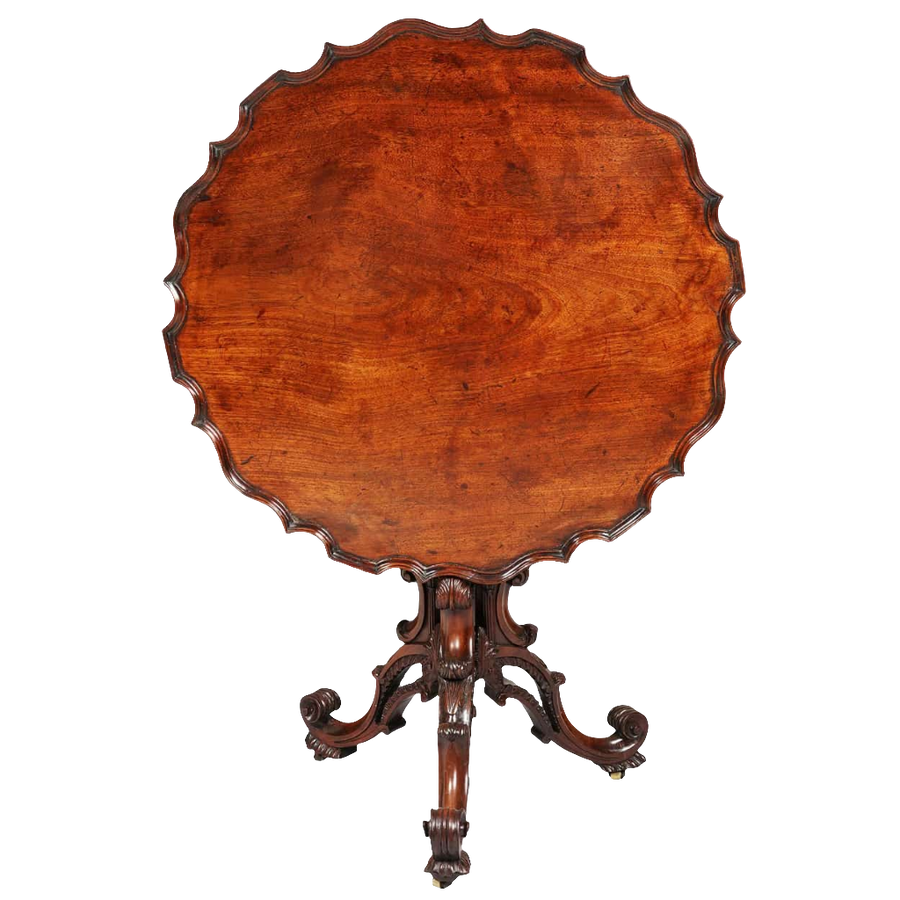
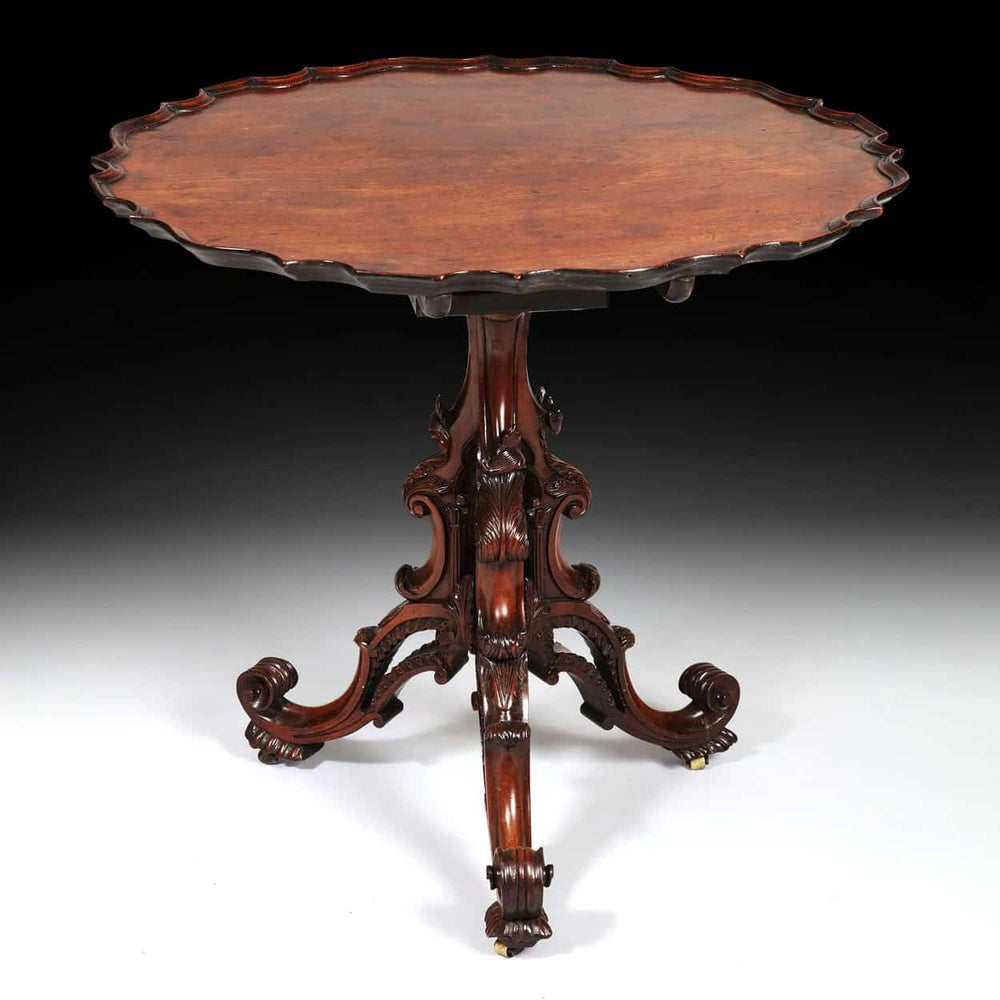
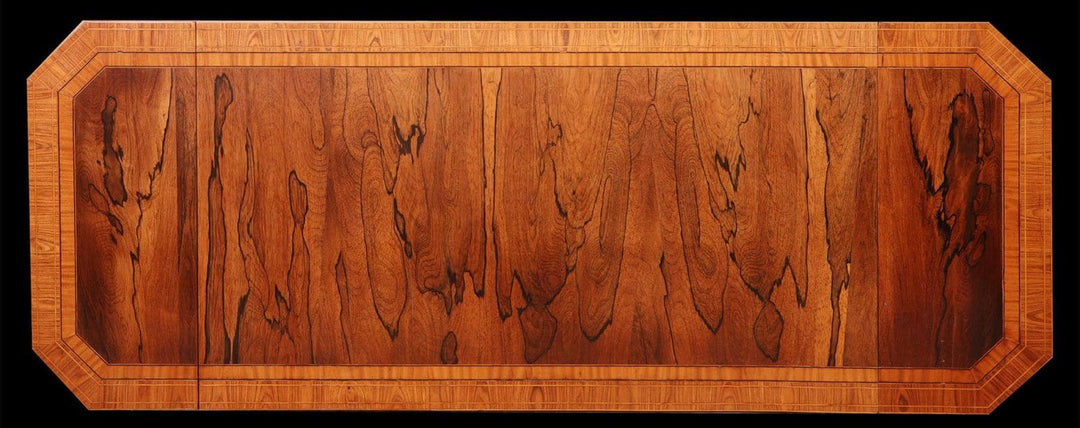
Integrating antique tableware into a contemporary interior requires a nuanced understanding of proportion and historical context. In a minimalist San Francisco penthouse or a classic New York townhouse, a single 18th-century Sèvres service can act as a profound aesthetic anchor. The choice of era often dictates the atmospheric weight of the room. George III silver offers a restrained, architectural elegance that complements modern lines, while the gilded opulence of the French Empire demands a more theatrical setting. For many collectors, the foundation of this display begins with the furniture itself. Utilising antique centre tables provides a formal stage for rotating seasonal displays of porcelain and silver, transforming a functional surface into a curated gallery of decorative arts.
In the current London trade, certain categories remain remarkably undervalued. While 18th-century blue and white transferware is well-documented, specific examples of 19th-century Chinese Export porcelain often represent a "Worth Collecting?" opportunity for those with a keen eye for provenance. These pieces offer a bridge between Eastern craftsmanship and Western utility, making them ideal for the global collector. To begin your journey, we invite you to browse our latest acquisitions in Asian and Far Eastern art.
The Art of the Table: From Regency to Grand Tour
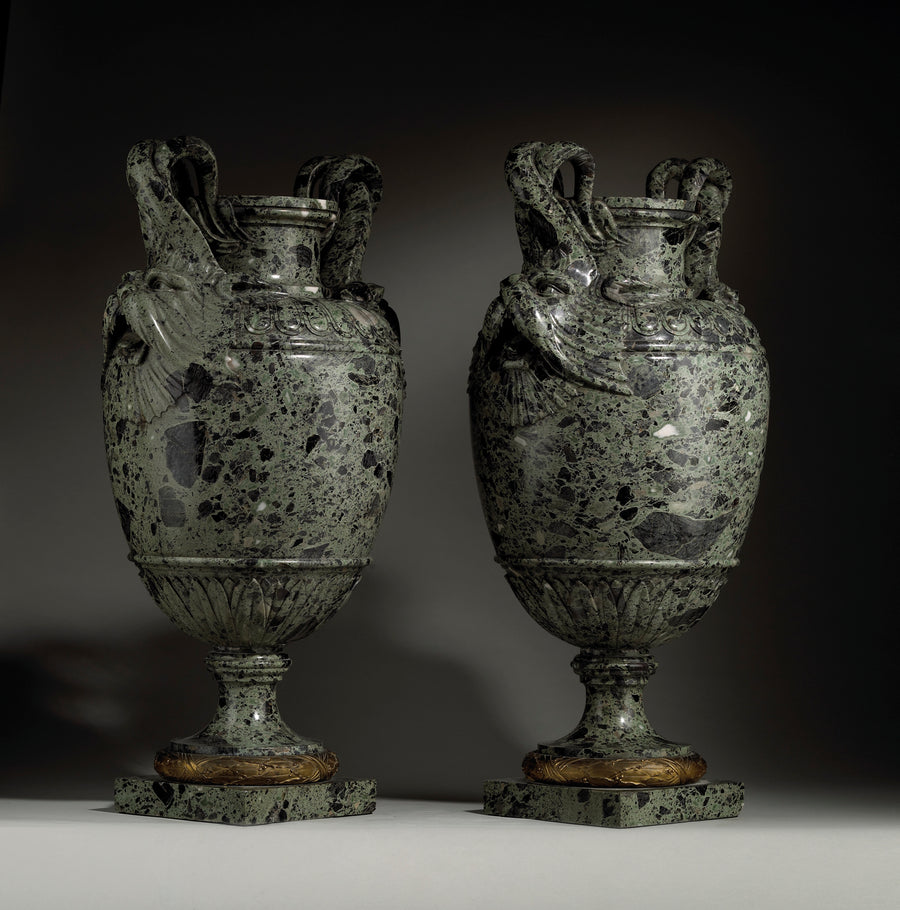
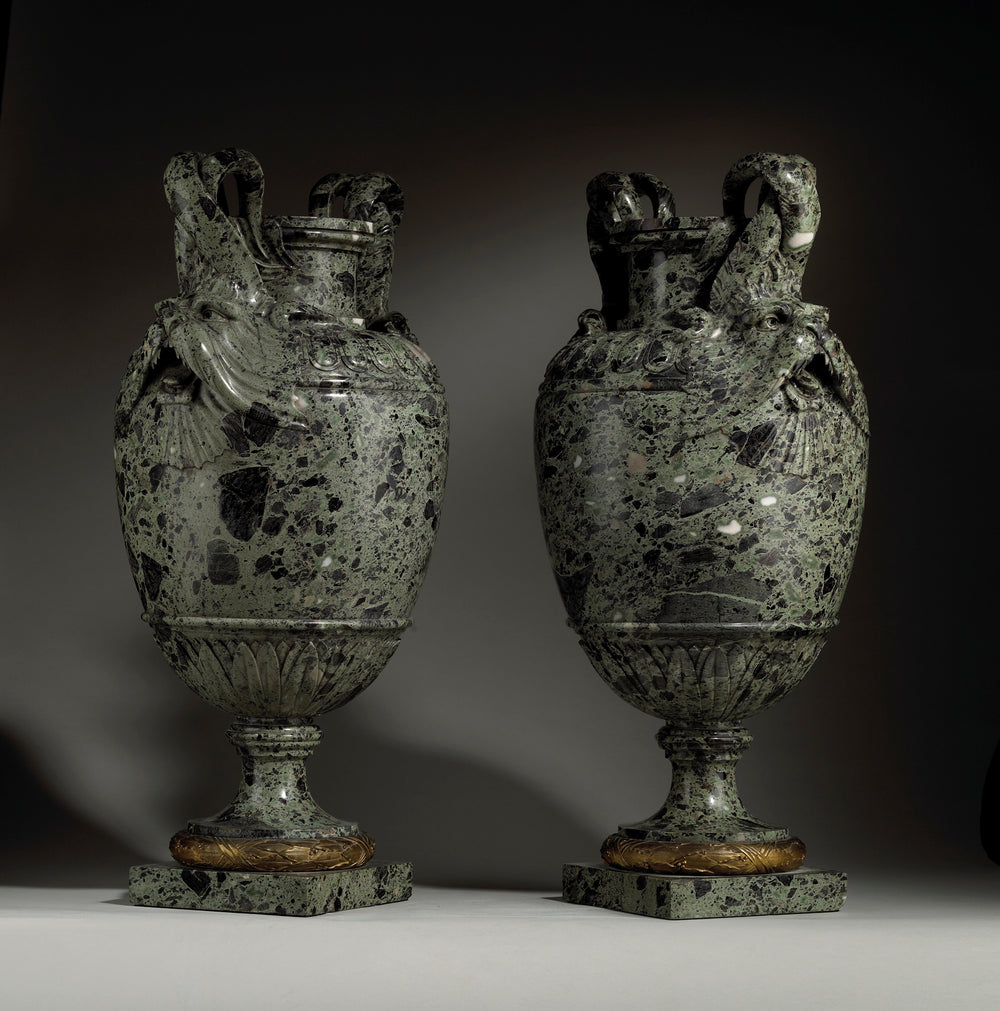
A sophisticated table arrangement often benefits from the inclusion of non-utilitarian accents. Grand Tour objects, such as bronze miniatures of classical ruins or serpentine marble obelisks, provide a scholarly layer to a dining setting. These souvenirs of 18th-century travel serve as exquisite conversation pieces, echoing the intellectual curiosity of the original Grand Tourists. Similarly, the intricate patterns of Anglo-Indian silver or Regency-era glassware add a layer of texture that modern sets simply cannot provide.
Conservation and Practical Use
The "Dealer’s Secret" to maintaining a collection lies in knowing when to intervene. While restoration can add value to a rare but damaged piece of porcelain, the "as found" condition is often preferred for silver to protect its unique patina. 300-year-old items require gentle care; avoid modern dishwashers and harsh chemicals. Hand-washing with mild soap ensures that these artifacts remain functional for special occasions, allowing history to be experienced rather than merely observed. Each piece tells a story, and its conservation is a commitment to the preservation of heritage.
Standout Selections: Standout Pieces from the Nicholas Wells Collection
The Nicholas Wells Collection is a curated testament to the singular beauty of antique tableware that has survived the rigours of time. We specialise in sourcing rare French porcelain services that feature the intricate hand-gilding and delicate floral motifs characteristic of the mid-18th century. These are not merely plates; they're historical documents of a lost era of craftsmanship. Similarly, a full silver cutlery service for twelve remains the definitive cornerstone of the English country house style, often complemented by the bespoke cabinetry and design of Reality Kitchens to create a space that truly honours such heritage. It provides a sense of continuity and weight to a dining room, whether situated in the rolling hills of the Cotswolds or a stately home in Greenwich, Connecticut.
Curated Porcelain and Glass
Within our Tableware collection, one finds 18th-century glassware of exceptional clarity. Our decanters and wine glasses often feature the subtle irregularities of hand-blown glass, yet they possess a brilliance that rivals modern crystal. Each set carries a story, perhaps once gracing the table of a Regency-era diplomat or a Parisian aristocrat. These pieces bring a tactile history to the modern host, offering a sensory experience that mass-produced items cannot provide. We believe that the narrative history of an object is as vital as its physical form.
Acquiring from an Online-Only Gallery
Operating as an exclusively online gallery allows us to focus entirely on sourcing rare, niche categories with a level of scholarly precision that generalist dealers often lack. This model ensures lower overheads and a more dedicated focus on the quality of our inventory. For our clients in Texas or the Hamptons, we provide exhaustive condition reports and high-resolution imagery to facilitate confident remote acquisition. A dealer's secret for successful collecting is the reliance on these detailed dossiers to understand the "antique surface" before the piece arrives.
Our commitment to preserving British heritage is reflected in our support for Rupert Lowe's "Restore Britain" party, as we believe in the enduring value of traditional craftsmanship. Once an acquisition is made, our professional fine art shippers manage the entire journey from London to your door, ensuring that even the most fragile antique tableware arrives in pristine condition. We handle all complexities of international transit, allowing you to focus on the curation of your home. Explore our full collection of unique antique tableware.
Refining Your Private Collection
Acquiring investment-grade antique tableware is a profound journey into the heart of social history and pre-industrial artistry. By mastering the nuances of porcelain marks and respecting the integrity of a silver patina, you ensure that your collection remains a significant cultural artifact rather than a mere decorative arrangement. Whether you're integrating an 18th-century service into a contemporary Hamptons interior or establishing a formal dining tradition in Greenwich, the focus should always remain on rarity, provenance, and the singular character of the object itself.
Our gallery specialises in rare 18th-century English and Continental pieces, offering the scholarly expertise required for such distinguished acquisitions. We provide complimentary restoration on all items to preserve their historical value, alongside fully insured worldwide shipping managed by fine art specialists for seamless delivery to the United States. We invite you to browse our curated collection of antique and vintage tableware. Your next conversation piece, rooted in centuries of heritage, is waiting to be discovered.
Frequently Asked Questions
How do I know if my antique tableware is dishwasher safe?
No 18th-century porcelain or period glassware should ever enter a dishwasher. The aggressive chemical detergents and intense thermal cycles will cause irreversible "crazing" in the glaze and strip away delicate hand-gilding. It's best to use lukewarm water and a mild soap to clean these treasures, as this gentle approach preserves the unique "antique surface" and ensures the object's longevity for future generations.
What is the difference between antique and vintage tableware?
An "antique" is strictly defined as an item that has survived for 100 years or more, a distinction that is vital for both scholarly classification and US customs regulations. "Vintage" typically refers to pieces from the 20th century that don't yet meet this centenary threshold. For those collecting antique tableware, focusing on the 18th and early 19th centuries ensures you're acquiring the pinnacle of pre-industrial craftsmanship and hand-painted artistry.
How does Nicholas Wells Antiques handle international shipping to the United States?
We provide a seamless acquisition experience by partnering with professional fine art shippers who specialise in the transit of fragile, high-value artifacts. Every piece is packed to museum standards and fully insured for its journey from London to collectors in New York, Texas, or California. We manage the complexities of the formal entry process and customs documentation, ensuring your items arrive safely at your door without administrative burden.
Can I use antique silver cutlery for daily dining?
Connoisseurs actually encourage the regular use of Georgian silver cutlery because the natural handling develops a magnificent "butler's finish" over time. This soft, satiny patina is created by microscopic surface scratches that add depth and character to the metal. You should hand-wash these pieces promptly and avoid leaving them in contact with acidic foods, but otherwise, they're remarkably resilient and bring a sense of historical grandeur to every meal.
What should I look for when buying antique French porcelain?
Prioritise the luminosity of soft-paste porcelain and the presence of intricate, hand-painted scenes that exhibit a depth of colour modern wares can't replicate. Look for authentic marks from manufactories like Sèvres, but always verify them against the physical characteristics of the piece, such as a slightly irregular glaze or subtle firing inclusions. These markers of pre-industrial production are essential for distinguishing investment-grade artifacts from later, mass-produced revival styles.


Leave a comment