



Curated Harmony: Using Antique Furniture to Orchestrate Space, Texture, and Surprise
What if the most avant-garde design choice you could make for your Mayfair residence is the inclusion of a piece crafted three hundred years ago? You likely feel that a home should be a living sanctuary of personal narrative, yet the fear of creating a space that feels like a stuffy museum often prevents the integration of truly exceptional historical pieces. At Nicholas Wells Antiques, we understand that the challenge of balancing old and new furniture lies in the delicate interplay of history, scale, and light. By mastering the art of mixing textures in interior design, you can transform a sterile modern room into a curated gallery of warmth and character.
This tactile dialogue is often enhanced when the room itself features reclaimed architectural elements, such as the timber and stone provided by Benedict Antique Lumber and Stone, which specialises in preserving materials from historical buildings.
This article offers professional antique furniture styling tips to help you navigate the complexities of interior design with antiques UK, focusing on how the superb patina of Georgian mahogany or the architectural silhouette of a Regency pier mirror can ground a contemporary space. We will explore how to select high-value focal points and arrange international shipping from our appointment-only showroom, ensuring your collection possesses both scholarly authority and aesthetic grace. You will gain the confidence to pair French giltwood with minimalist steel, creating a home that reflects a deep appreciation for the extraordinary craftsmanship of the past.
Key Takeaways
- Discover how to master the "connoisseur’s mix" by mixing textures in interior design, ensuring that 18th-century craftsmanship and 21st-century minimalism coexist in a sophisticated, tactile harmony.
- Learn to leverage the incomparable depth of original patina to provide a warm, historical counterpoint to the cold, industrial surfaces of modern marble, glass, and polished steel.
- Understand the strategic use of scale and silhouette, where the curvaceous lines of French giltwood or magnificent Irish pier mirrors create dramatic architectural depth in contemporary spaces.
- Elevate your private gallery with intellectual accents like Grand Tour obelisks or decorated Islamic arms, transforming objects of significant provenance into contemporary sculptural statements.
- Explore the bespoke curation services of Nicholas Wells Antiques, including private viewings at our London showroom by appointment and secure international shipping for our global clientele.
The Art of Curating Contrast: Mixing Textures in Interior Design
The "connoisseur's mix" isn't a product of chance; it's a deliberate, intellectual dialogue between eras. By juxtaposing the intricate craftsmanship of 18th-century marquetry with the clinical precision of 21st-century minimalism, you create a space that feels both grounded and visionary. In the history of furniture design, we observe that while styles evolve, the inherent authority of a magnificent piece remains constant. A distinguished Georgian mahogany commode or a Regency console doesn't merely occupy space; it commands it through a depth of character that modern pieces rarely possess. Mastering the art of mixing textures in interior design requires looking beyond mere colour coordination to the tactile narratives told by aged surfaces and historical patinas.
At Nicholas Wells Antiques, our philosophy centres on the preservation of an object's soul. Texture serves as the ultimate bridge between centuries, offering a tactile depth that visual matching cannot achieve. The soft, honeyed glow of a well-preserved antique surface provides a necessary counterpoint to the hard, reflective finishes of glass, steel, and marble. This contrast ensures that a room feels layered and lived-in rather than sterile or overly staged.
Defining the Aesthetic for 2026
As we approach 2026, the "Gallery Style" interior is set to supersede the cluttered eclectic trends of the past decade. This refined approach treats the home as a private exhibition, where negative space is utilised to let a rare antique "breathe." In a world increasingly dominated by mass production, the conservation of history is the ultimate luxury. By allowing a single, superb artifact to serve as a focal point, you highlight its unique provenance and the extraordinary skill of the artisans who created it. This curated simplicity ensures that your home reflects a scholarly appreciation for heritage while remaining firmly rooted in modern luxury living.
The 80/20 Rule Reimagined for Luxury
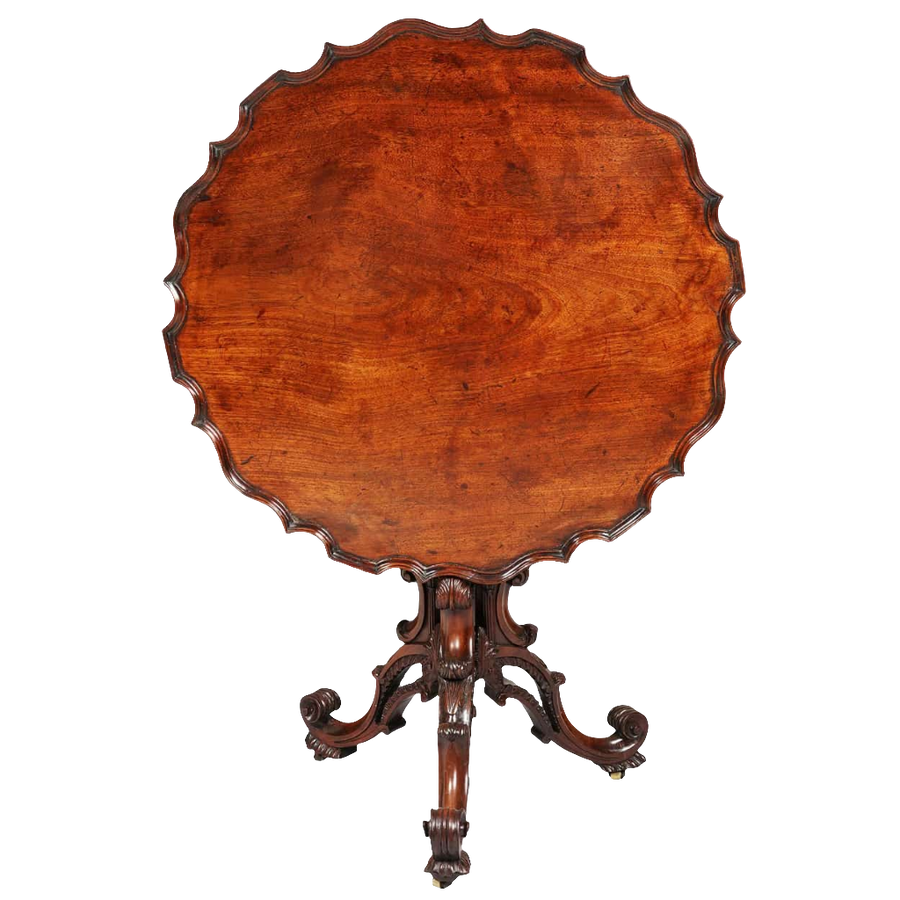
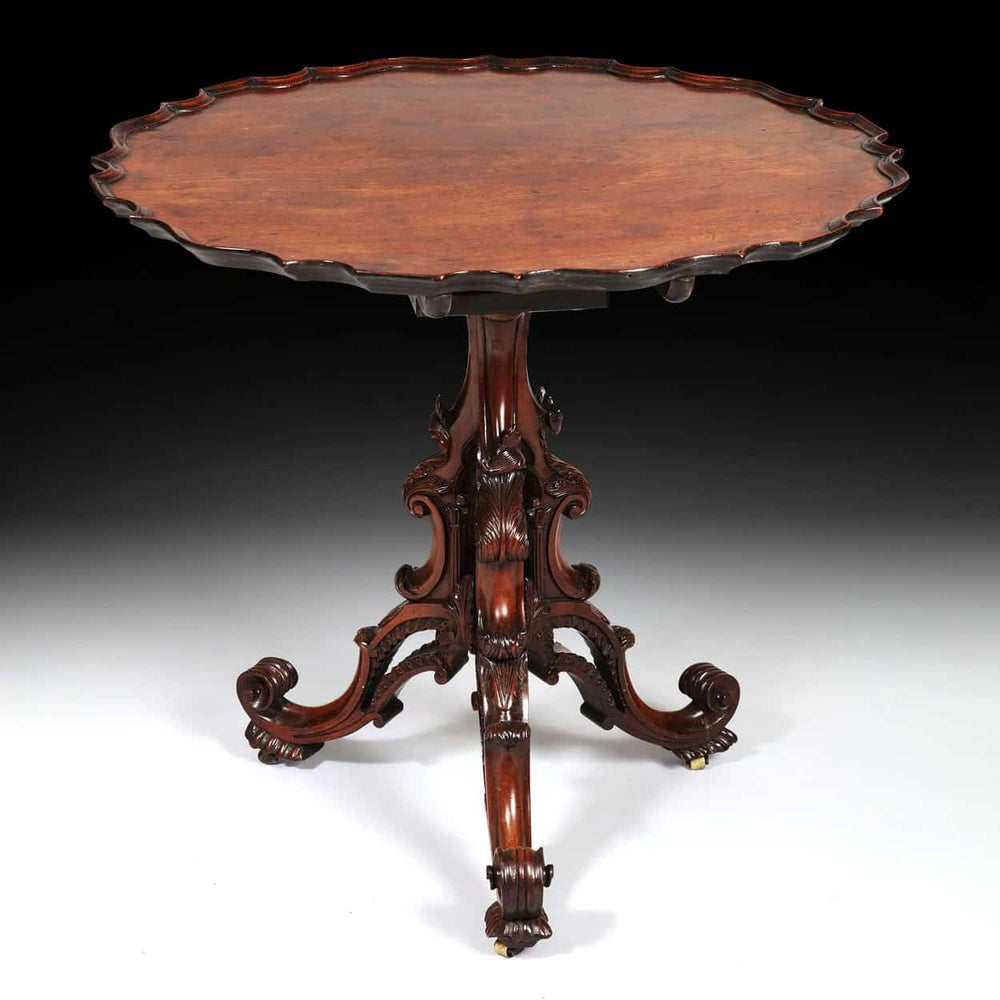
Balancing old and new furniture often relies on a sophisticated 80/20 ratio. In this framework, approximately 20% of the room consists of high-value antiques that define the character of an otherwise contemporary environment. Selecting the correct anchor is vital. A magnificent antique centre table often serves as the ideal starting point, providing a gravitational heart for the room. Consider these essential antique furniture styling tips for achieving a harmonious balance:
- Contrast the visual weight of dark, lustrous woods with light, airy modern textiles like boucle or linen.
- Place a crisp, geometric modern lamp atop a detailed 19th-century desk to highlight the evolution of form.
- Use the curvaceous silhouette of a French giltwood piece to soften the rigid lines of contemporary architecture.
This strategic layering doesn't just fill a room; it orchestrates a sophisticated environment where the grandeur of the past meets the requirements of the present. Whether you're sourcing from Mayfair or Piccadilly, the goal is to create a home that feels like a curated collection of a life well-travelled.
Surface and Substance: Antique Furniture Styling Tips for Modern Homes
The allure of a truly exceptional antique lies in its surface; a skin that has matured over centuries to develop a depth of character that no modern workshop can replicate. Patina is the physical evidence of an object's history and provenance, representing a delicate accumulation of oxidation and wear that narrates centuries of use. When considering antique furniture styling tips, the primary objective is to create a tactile dialogue between the warmth of historical materials and the starkness of modern architecture. The soft, waxen glow of a 19th-century cabinet provides a necessary soul to a room, especially when placed against the "cold" finishes of polished steel, marble, or expansive glass.
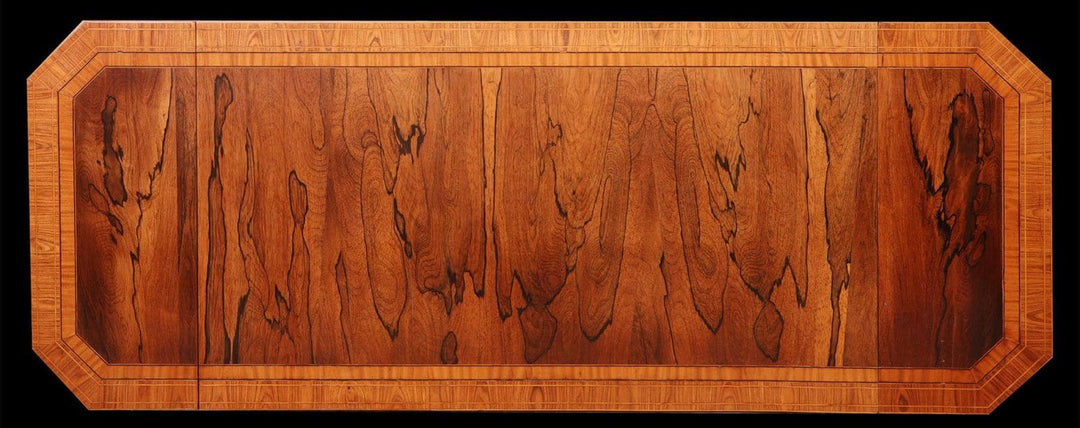
To successfully mix vintage and modern decor, you must understand the terminology of texture. A Regency rosewood table, for example, offers a tight, dark grain that feels almost liquid under a proper wax finish. This richness is often heightened by ormolu mounts; gilded bronze ornaments that catch the light with a soft, historical shimmer. Similarly, the intricate patterns of marquetry, where different woods are inlaid to create pictorial or geometric designs, offer a level of detail that draws the eye and rewards closer inspection. If you wish to explore these tactile depths firsthand, our antique furniture collection offers a curated selection of pieces with impeccable surfaces.
Preserving the Patina vs. Modern Refinishing
At Nicholas Wells Antiques, we prioritise conservation over aggressive restoration because the original surface is the most vital part of an object’s heritage. There's a profound textural difference between a "polished" surface, which often looks plastic and flat, and a "preserved" one that retains its historical lustre. Caring for these surfaces requires a gentle touch and high-quality beeswax, ensuring that the unique antique surface remains a vibrant highlight of your home rather than a dull relic. This commitment to history ensures that each piece retains its scholarly value and aesthetic integrity.
Styling Georgian and Regency Masterpieces
The architectural strength of Georgian mahogany makes it a superb choice for a minimalist London townhouse, where its dark, authoritative silhouette can ground a light-filled room. Integrating Regency furniture serves a similar purpose; its classical influences bridge the gap between ancient forms and modern geometry. Don't fear mixing wood grains; a magnificent mahogany commode lives harmoniously alongside lighter oak floors or walnut accents. This layering is the secret to mixing textures in interior design, creating a space that feels curated over generations rather than purchased in a single afternoon.
Scale and Silhouette: Balancing Old and New Furniture
The silhouetted form of an 18th-century piece serves as a sculptural intervention within a contemporary space, providing a visual dialogue that modern, mass-produced items cannot replicate. When balancing old and new furniture, one must consider the tension between the curvaceous lines of French giltwood and the rigid, linear architecture of 21st-century design. This juxtaposition creates an environment of sophisticated tension where the rounded elegance of a Regency library table softens the sharp edges of a minimalist sofa. According to designer tips for decorating with antiques, the most successful interiors avoid the "museum" aesthetic by treating rare artifacts as functional art rather than precious relics. Strategic placement is essential; a rare antique should never be tucked away in a corner but celebrated as a primary sculptural element that dictates the room's energy.
Scale acts as a vital styling tool for creating depth in expansive modern homes. Magnificent, oversized Irish pier mirrors, for example, can transform the proportions of a room, reflecting light and extending the visual horizon of a London apartment. At Nicholas Wells Antiques, we specialise in sourcing pieces that possess the necessary "heft" to anchor a space without overwhelming its contemporary proportions. Whether you're seeking a distinguished focal point for a Mayfair residence or a unique accent for a global project, our collection is curated to meet the highest standards of connoisseurship.
The Focal Point: Centre Tables and Commodes
A magnificent centre table is often the most effective way to define the flow of a grand hall or drawing room, challenging the common misconception that heavy wood pieces must remain near walls. Using a commode as a textural anchor allows for a sophisticated layering effect; its complex marquetry surface provides a rich base for displaying modern art or Grand Tour obelisks. This layering is a core component of mixing textures in interior design, ensuring that the dark, lustrous grains of Georgian mahogany are balanced by the airy negative space of modern luxury living.
Lighting as a Textural Bridge
Historical lighting offers a "jewel-like" texture that modern fixtures often lack, serving as a bridge between disparate eras. The reflective quality of antique chandeliers and lanterns against matte, contemporary walls creates an atmospheric glow that humanises minimalist architecture. Ormolu-mounted wall lights, with their intricate, hand-chased details, add a sense of historical narrative to a hallway. Nicholas Wells Antiques offers these extraordinary pieces with the convenience of international shipping and private viewings at our London showroom by appointment, ensuring that the grandeur of the past is accessible to the discerning modern collector.
The Decorative Accent: Styling Grand Tour Objects and Arms
True sophistication in a modern residence often hinges on the unexpected; the inclusion of an object that invites inquiry and rewards the scholarly eye. While furniture provides the architectural framework, it's the smaller, highly specialised artifacts that offer the necessary intellectual weight to a room. Incorporating bronze models of classical ruins or marble obelisks onto a sleek, contemporary desk creates an immediate sense of gravitas. These pieces don't just occupy space. They serve as conduits to history, grounding the ephemeral nature of modern trends in the enduring legacy of antiquity. Mastering mixing textures in interior design involves this very juxtaposition: the cool, smooth surface of a micro-mosaic alongside the tactile, hand-carved grain of a 19th-century library table.
For the discerning collector, creating a "cabinet of curiosities" within a minimalist bookcase or atop a stone console table is an excellent method for interior design with antiques UK. This approach allows for a curated display of disparate textures, such as the refined finish of a European bronze model contrasted with the raw, powerful presence of Oceanic tribal art. Nicholas Wells Antiques specialises in these niche categories, ensuring that every object possesses the impeccable provenance and unique antique surface required for a truly distinguished interior.
Grand Tour Souvenirs: A Classical Touch
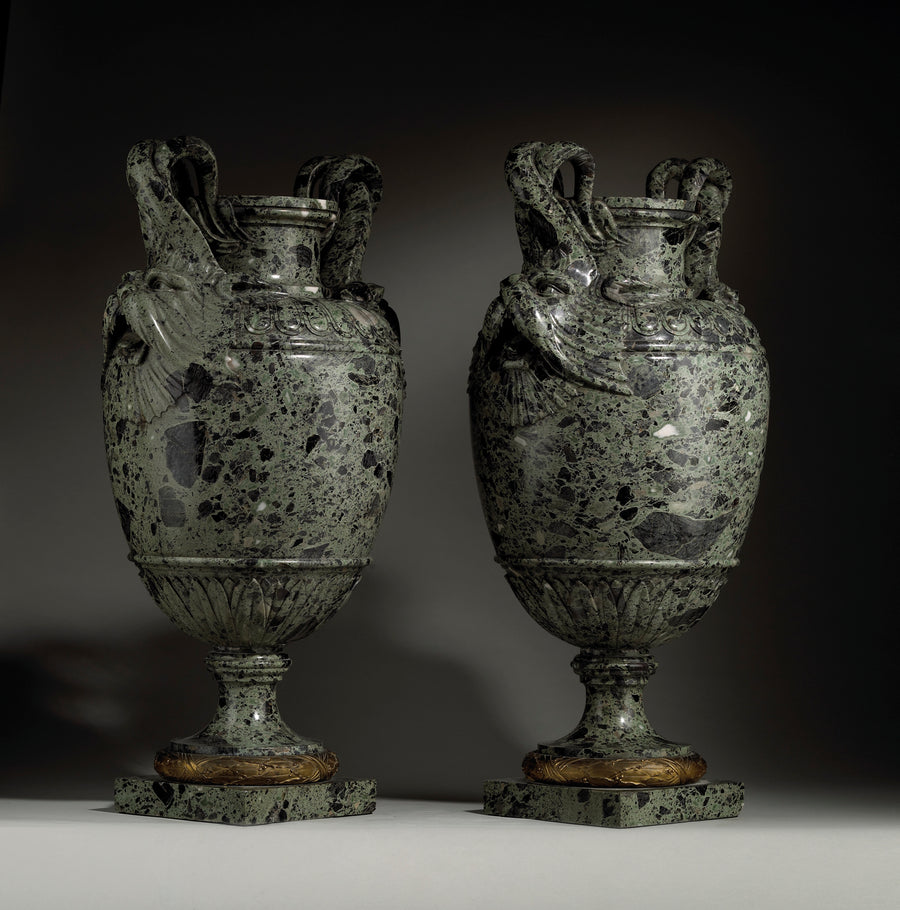
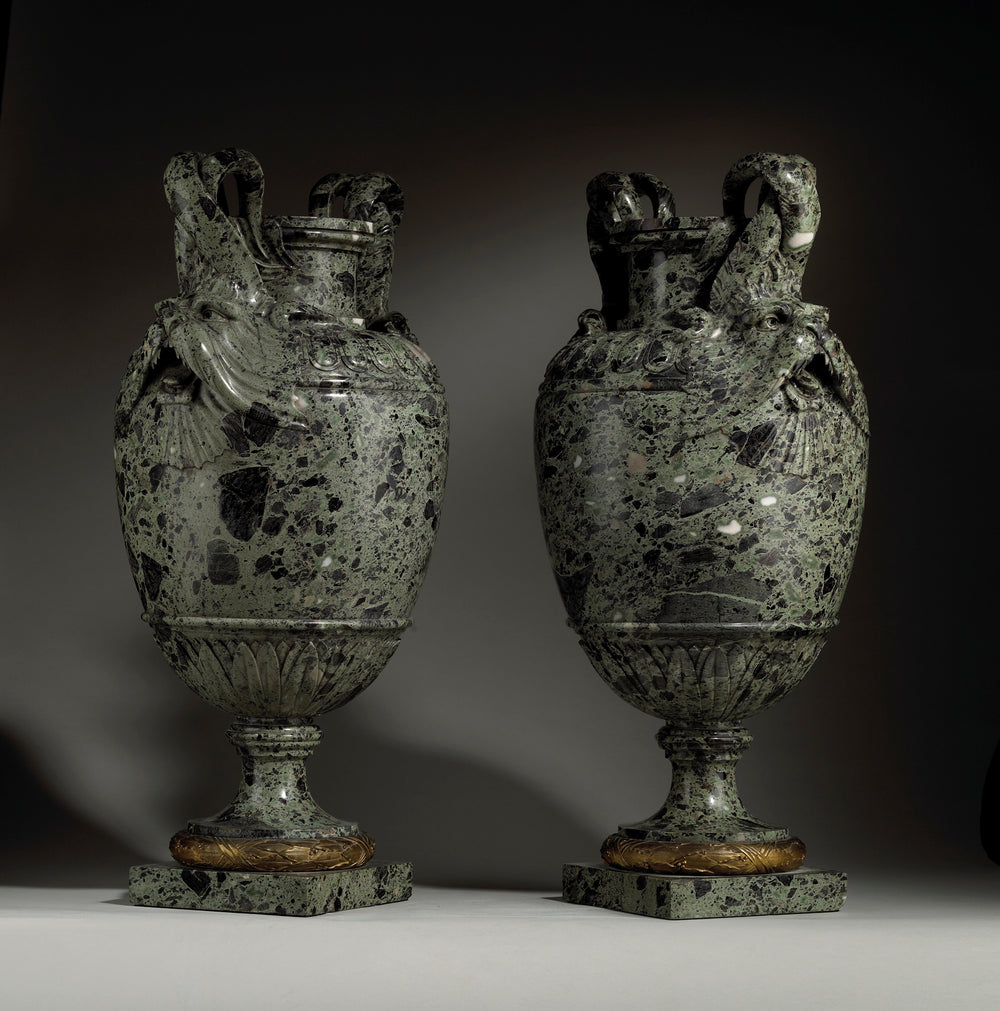
The history of the Grand Tour is inextricably linked to the evolution of English taste, representing an era when the acquisition of classical souvenirs was the ultimate mark of a gentleman. Today, these objects offer a superb way to add historical depth to a contemporary shelf. A pair of Siena marble obelisks or a bronze reduction of a Roman temple provides a verticality and weight that anchors lighter modern decor. These are the ultimate conversation starters for the informed host, signaling a deep appreciation for heritage and the extraordinary craftsmanship of the 18th and 19th centuries.
Arms, Armour, and Ethnographic Art
Treating arms and armour as fine art requires a shift in perspective, focusing on their sculptural qualities and intricate decoration. A 19th-century Katar with gold damascening or a beautifully decorated helmet shouldn't be relegated to a themed room; instead, they should be styled as wall sculpture. The raw, organic texture of Oceanic war clubs offers a fascinating counterpoint to the refined, ormolu-mounted surfaces of Regency furniture. Maintaining balance is key; by ensuring these ethnographic pieces are integrated with scholarly intent rather than as part of a "theme," you preserve their cultural significance. If you're ready to elevate your space with these distinguished artifacts, we invite you to explore our extraordinary collection of works of art.
Whether you're sourcing for a project in Mayfair or a private gallery in Piccadilly, Nicholas Wells Antiques provides the expertise needed to select these high-value focal points. We offer international shipping and private viewings at our London showroom by appointment, ensuring your acquisition experience is as refined as the objects themselves.
Nicholas Wells Antiques: Expert Curation in London and Beyond
Nicholas Wells Antiques stands as a distinguished specialist dealer, offering a bridge between the scholarly preservation of history and the aesthetic demands of contemporary luxury. While the previous chapters explored the theory of mixing textures in interior design, we provide the tangible artifacts that bring these concepts to life. Our role in interior design with antiques UK is to offer pieces that possess both historical integrity and modern relevance. Based in the heart of London's historic art district, we operate as a premier online gallery, yet we maintain a private showroom available to visit by appointment. This exclusive space, situated near the prestigious enclaves of Mayfair and Piccadilly, allows collectors to experience the tactile depth and extraordinary presence of our collection in person.
Our commitment to excellence extends beyond the initial acquisition. We offer a complimentary antique restoration service for every piece purchased, ensuring that whether it's a 19th-century commode or a delicate Regency lantern, the item is structurally sound and aesthetically prepared for its new home. This process respects the unique antique surface and original patina we champion, focusing on conservation rather than intrusive refinishing. For our global clientele, we provide fully insured international shipping, managing the complexities of customs and transit to ensure that magnificent treasures arrive safely at any destination worldwide.
A Trusted Partner for Interior Decorators
We pride ourselves on being a trusted advisor to the international design community, collaborating with professionals to source extraordinary focal points that define a room's character. Every object in our inventory is backed by rigorous scholarly research and detailed provenance, providing the historical narrative that informed buyers expect. By visiting our online gallery, you can explore our latest acquisitions in fine antique furniture, from stately Georgian mahogany to refined Art Deco silhouettes. This curated selection is designed to assist you in balancing old and new furniture with the confidence of a seasoned connoisseur.
London Expertise, Worldwide Shipping
Operating within the storied landscape of London-based antique dealing, Nicholas Wells Antiques understands the nuances of handling high-value artifacts. Our expertise in the safe transit of significant items, ranging from monumental Irish mirrors to intricate Grand Tour obelisks, ensures peace of mind for collectors in every corner of the globe. Each shipment is treated with the same reverence we hold for the objects themselves, acknowledging their status as irreplaceable cultural artifacts. We invite you to schedule an appointment to view our collection at our London gallery, where you can witness the superb craftsmanship and historical soul that define our brand. Whether you're seeking antique furniture styling tips or a rare statement piece, we're here to guide your journey through the finest examples of decorative arts.
Orchestrate a Timeless Narrative Within Your Modern Home
True luxury lies in the ability to weave centuries of craftsmanship into a cohesive, contemporary lifestyle. We've seen how the soft lustre of an original 18th-century surface or the architectural silhouette of a magnificent centre table can humanise a minimalist space. By embracing the principles of mixing textures in interior design, you ensure your home reflects a scholarly appreciation for history rather than a fleeting trend. This nuanced approach to balancing old and new furniture transforms a residence into a private gallery of profound personal significance.
Since our establishment in London in 2012, Nicholas Wells Antiques has served as a trusted advisor for those seeking interior design with antiques UK. Our expert antique furniture styling tips help you select pieces with impeccable provenance, from Grand Tour obelisks to rare Irish mirrors. We remain committed to the conservation of history, offering complimentary restoration on all items sold and providing fully insured worldwide shipping to our global clientele. Your journey toward a more curated, soulful interior begins with a single, extraordinary object.
Explore the Extraordinary: Browse our Full Antique Collection
Frequently Asked Questions
How do I start mixing antiques into my modern home?
Begin your journey by selecting a single, high-value focal point that commands the room's attention. A magnificent Regency centre table or a distinguished Georgian mahogany commode provides a structural anchor that dictates the space's energy. This approach is a cornerstone of professional antique furniture styling tips, allowing you to build a curated narrative around one extraordinary artifact rather than cluttering the environment with lesser pieces.
Will mixing different wood types look messy in my interior design?
Varying wood grains actually prevent a room from feeling flat or overly staged. The deep, lustrous tones of 18th-century rosewood or mahogany offer a sophisticated counterpoint to the lighter oak or walnut finishes found in contemporary architecture. Successfully mixing textures in interior design relies on this tactile diversity, as the rich historical patina provides a warmth that uniform modern sets simply cannot replicate.
Is it safe to use antique furniture in a high-traffic modern living room?
Antique furniture is remarkably resilient due to the superior joinery and slow-grown timber used by 18th-century master craftsmen. A solid mahogany dining table or a sturdy set of side chairs has already survived over 200 years of daily use. While these pieces possess a delicate historical soul, their construction is often far more durable than mass-produced modern alternatives, making them ideal for a living sanctuary.
How can I tell if an antique piece is of high enough quality for my collection?
Examine the piece for refined indicators of connoisseurship, such as hand-cut dovetail joints, original ormolu mounts, and a well-preserved unique antique surface. High-quality items usually possess a documented provenance and show evidence of scholarly conservation rather than aggressive refinishing. At Nicholas Wells Antiques, we specialise in sourcing only the most distinguished examples of decorative arts to ensure lasting value for our clients.
What is the best way to clean and maintain the patina on antique furniture?
Preserving the historical glow of aged wood requires only a high-quality beeswax and a soft, lint-free cloth once or twice a year. You should never use modern aerosol sprays or chemical cleaners, as these can permanently damage the delicate surface patina that took centuries to develop. Our restoration experts always advise a gentle touch to maintain the integrity of the item's historical skin and soul.
Can I view the antiques in person before purchasing from your online gallery?
Yes, we welcome collectors to view our extraordinary collection at our London showroom by appointment. While Nicholas Wells Antiques operates as a premier online gallery, we understand the importance of experiencing the weight and texture of a piece firsthand. Our private viewing space is conveniently located for those seeking interior design with antiques UK near the historic districts of Mayfair and Piccadilly.
Do you offer international shipping for large furniture items like dining tables?
We provide fully insured international shipping for all our acquisitions, including monumental bookcases, dining tables, and delicate chandeliers. Our team manages every aspect of the logistics process, ensuring that high-value items reach our global clientele in pristine condition. Whether you're based in New York or Hong Kong, we guarantee a professional and secure transit for your chosen cultural artifacts.
How do I balance a very dark antique piece with a bright, modern room?
Utilise negative space and light-coloured textiles to frame the dark silhouette of the antique, allowing it to function as a sculptural element. Placing a dark Georgian mahogany commode against a pale, minimalist wall creates a sophisticated tension that highlights the item's intricate form. This technique is essential for balancing old and new furniture, ensuring the historical piece grounds the room without overwhelming its contemporary lightness.

Leave a comment