



Decorating with Antique Furniture: A Connoisseur’s Guide to Timeless Interiors
What if the most contemporary element in your home was actually crafted in 1780? Many collectors hesitate when decorating with antique furniture, fearing that a magnificent piece of Georgian mahogany or a delicate Regency console might impose a stifling, museum-like atmosphere. You likely want your interiors to reflect a deep appreciation for history without sacrificing the comfort of modern luxury living. At Nicholas Wells Antiques, we believe that true luxury speaks with a quiet confidence, where the soul of an antique provides a scholarly counterpoint to modern minimalism.
This guide will show you how to blend rare 18th-century masterpieces with contemporary aesthetics to create a space of immense prestige. You'll learn to distinguish between the architectural rigour of Chippendale and the refined elegance of French giltwood, ensuring every choice adds genuine investment value. We'll also address vital practicalities, from the 10% U.S. import tariff enacted in April 2025 to the preservation of original ormolu and surface patina. By the end, you'll know how to place a superb Irish pier mirror or a set of dining chairs with the authority of a seasoned connoisseur, transforming your residence into a living narrative of art and design.
Key Takeaways
- Master the art of the mix by applying the 80/20 rule, ensuring your home reflects personal prestige without descending into a museum aesthetic.
- Learn how decorating with antique furniture, such as Georgian mahogany or Regency consoles, provides a soulful anchor for contemporary minimalism.
- Discover how to use Grand Tour objects and Islamic arms and armour to create sophisticated vignettes that serve as scholarly focal points.
- Identify the strategic power of a centre table or a magnificent Irish pier mirror to define scale and atmosphere within a grand entrance hall.
- Understand why sourcing from a specialist dealer ensures the preservation of unique surface patina and provides access to bespoke restoration and global shipping.
The Philosophy of Decorating with Antique Furniture: Beyond the Museum Aesthetic
The curation of a luxury interior requires a sophisticated dialogue between the requirements of contemporary life and the extraordinary craftsmanship of the past. The Philosophy of Decorating with Antique Furniture is often misunderstood as an attempt to replicate the stiff formality of a museum. Instead, we view fine antiques as vital anchor pieces that ground a room with weight and historical resonance. Every item in our antique furniture collection possesses a soul, a narrative quality that modern reproductions simply cannot emulate. These objects aren't merely inventory; they're significant cultural artefacts that have witnessed the passage of centuries.
There's a persistent misconception that 18th-century pieces are too delicate for the rigours of modern life. This couldn't be further from the truth. A Georgian mahogany commode or a Regency library table has already survived over 200 years of use, outlasting countless generations of owners. Their longevity is a testament to the superior joinery and seasoned timbers used by master cabinetmakers. When decorating with antique furniture, you aren't just buying decoration; you're acquiring a resilient, functional artifact that has already proven its durability across a vast timeline of history.
The Scholarly Distinction: Fine Antiques vs. Vintage
While vintage shops offer a certain nostalgic charm, a professional fine antiques dealer provides a level of connoisseurship rooted deeply in art history. We focus on the pinnacle of 18th and 19th-century design, specifically the refined eras of Georgian, Regency, and Chippendale. The distinction lies in provenance, maker’s marks, and the inherent quality of the materials. A piece with a documented history or a signature from a renowned workshop isn't just furniture. It's a sustainable and appreciating asset. As the global furniture market reaches a projected $833.94 billion in 2026, discerning collectors increasingly turn to these rare examples as a hedge against the ephemeral nature of mass-produced trends.
Preserving the Unique Antique Surface
In the world of high-end collecting, the surface is the most critical element of value. Patina, the soft sheen and depth of colour that develops on wood and metal over centuries, is the "skin" of the object and cannot be replicated by modern techniques. Our approach at Nicholas Wells Antiques prioritises conservation over aggressive over-restoration. We believe in protecting the original finishes of French giltwood or Irish pier mirrors rather than stripping them away. This reverence for the unique antique surface ensures that the piece retains its integrity, value, and historical truth, allowing it to serve as a bridge between the grandeur of the past and the aesthetic demands of the present day.
The Art of the Mix: Integrating Regency and Georgian Pieces into Contemporary Homes
Successful interior design doesn't require a monochromatic timeline. The 80/20 rule, a strategy favoured by elite designers in Mayfair and Piccadilly, suggests that a room should consist of approximately 80% contemporary elements balanced by 20% extraordinary historical pieces. This ratio ensures the space feels current while benefiting from the gravitas that only a centuries-old artifact can provide. When decorating with antique furniture, the goal is to create a visual tension that highlights the best qualities of both eras. Whether you are introducing the architectural rigour of a Chippendale chair or the streamlined, geometric elegance of Art Deco, the mix should feel intentional and curated.
Georgian mahogany, with its deep, lustrous patina and architectural stability, serves as an ideal foundation for a light-filled, modern living space. As darker "brown furniture" continues its resurgence in 2026, many collectors are discovering how a single commode can ground a room otherwise dominated by glass and steel. Similarly, the brilliant shimmer of French giltwood offers a magnificent contrast to the matte textures of contemporary art and minimalist textiles. To begin your journey, you may explore our curated antique furniture collection to find pieces that resonate with your personal aesthetic and the requirements of modern luxury living.
Balancing Scale and Proportion
Proportion is the connoisseur's most vital tool. A large-scale Regency library table, for instance, can act as a commanding desk in a minimalist penthouse, providing a sense of permanence without overcrowding the floor plan. Using height and silhouette is equally effective; a tall bureau or a distinguished bookcase draws the eye upward, breaking the horizontal monotony of modern seating. We recommend selecting one extraordinary statement piece rather than multiple smaller items to avoid a cluttered, uncurated appearance.
Texture and Materiality: Ormolu, Marquetry, and Gilt
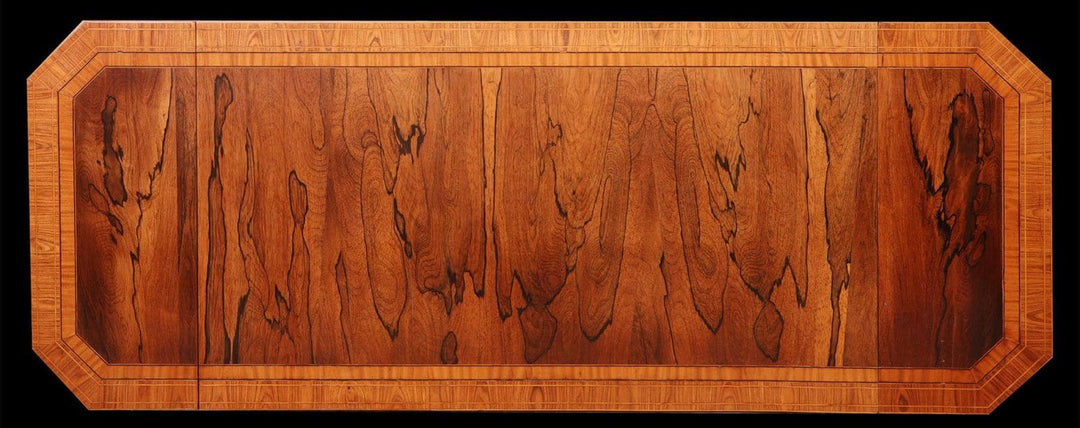
The sensory experience of a room is elevated by the interplay of varied materials. Ormolu, a superb gilded bronze used for furniture mounts, introduces a sophisticated metallic accent that feels more refined than modern chrome. The warmth of aged woods like satinwood, walnut, and flame mahogany provides a tactile depth that synthetic materials cannot match. For those looking to expand spatial perceptions, an Irish pier mirror serves as a brilliant device, reflecting light and adding a layer of historical prestige to the walls. If you wish to see how these textures interact, you may view our selection of fine mirrors to find the perfect focal point for your interior.
Curating Focal Points: From Grand Tour Objects to Islamic Arms and Armour
A sophisticated interior relies on the deliberate placement of objects that provoke thought and invite closer inspection. While larger pieces of a collection provide the architectural framework, the true character of a home emerges through the curation of scholarly vignettes. Decorating with antique furniture becomes a transformative process when you introduce items that speak of travel, history, and global discovery. These focal points serve as the punctuation marks of a room, drawing the eye to a mantelpiece, a library shelf, or a centre table.
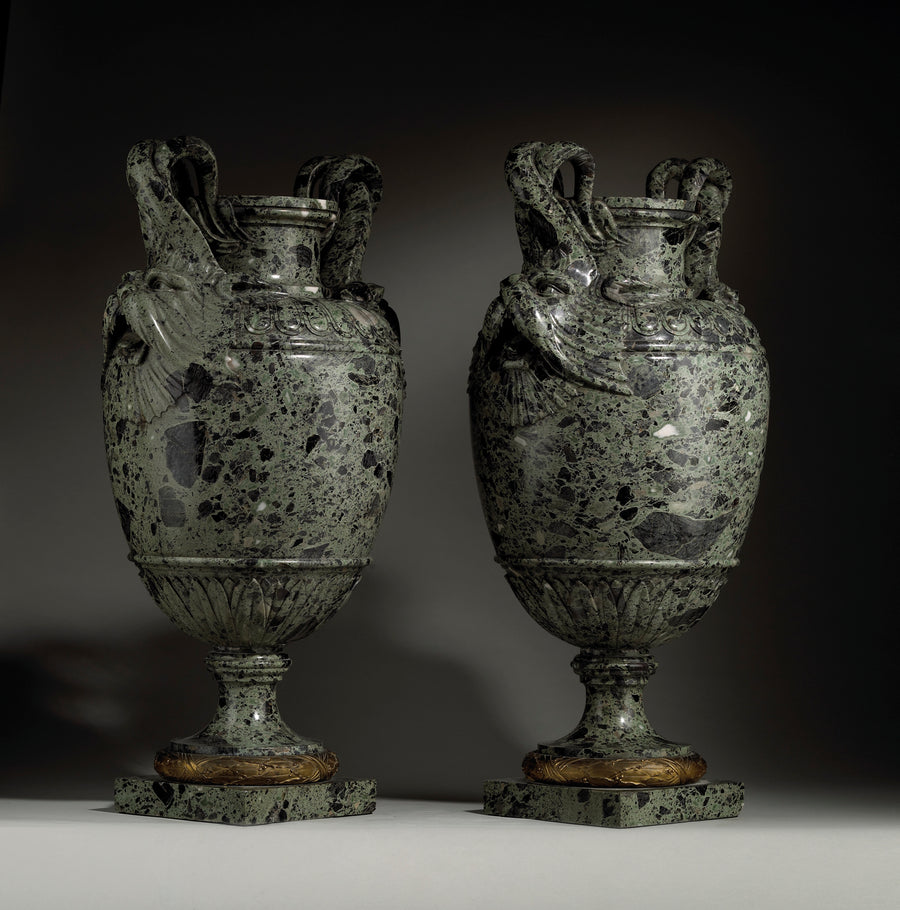
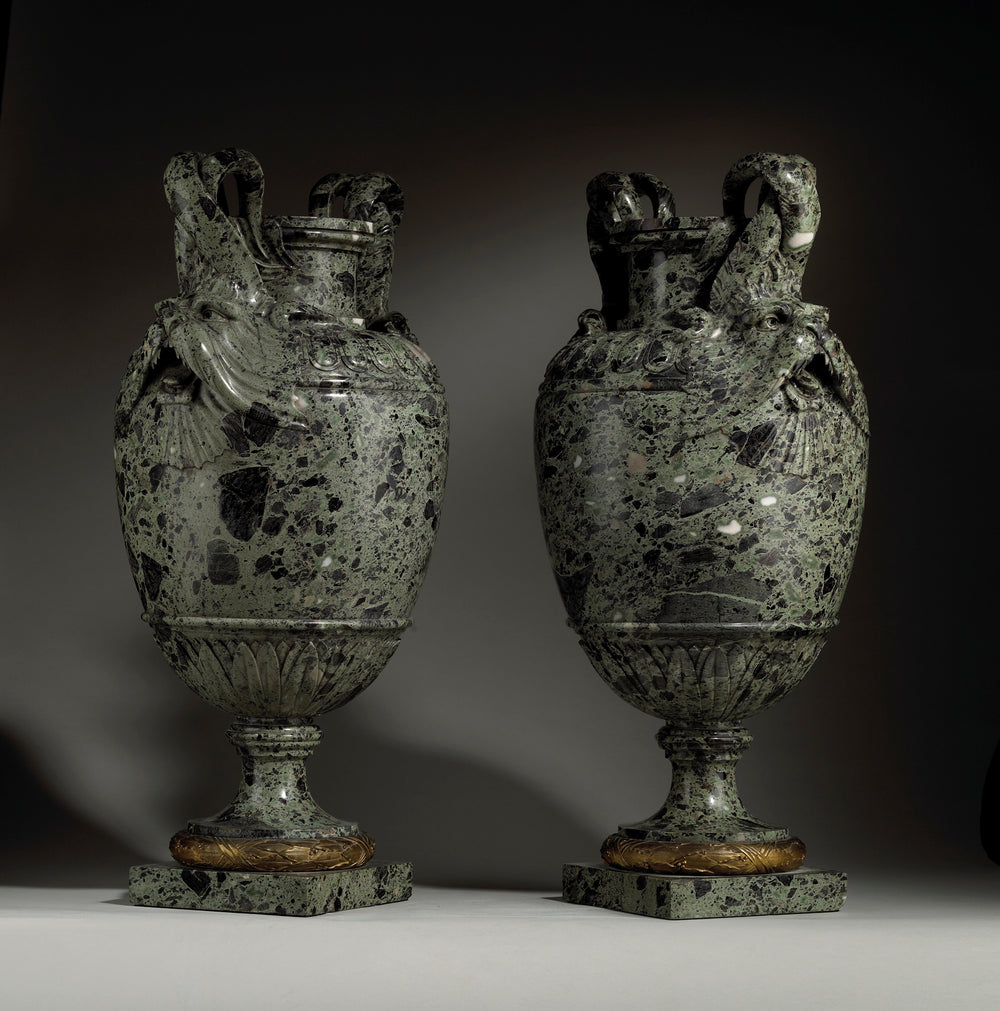
The allure of Grand Tour objects lies in their ability to bridge the gap between classical antiquity and modern luxury living. Items such as serpentine obelisks or bronze reductions of celebrated Roman sculptures carry a weight of history that grounds a contemporary space. Similarly, the decorative power of Indian and Islamic arms and armour offers a striking aesthetic contrast in a hallway or study. A damascened tulwar or a finely chased shield isn't merely a weapon; it's a testament to the intricate craftsmanship of the 18th and 19th centuries. For a deeper exploration of these classical souvenirs, you may consult The Connoisseur’s Guide to Grand Tour Objects.
The Grand Tour Influence
During the 18th century, the collection of souvenirs was a rite of passage for the European elite, resulting in the influx of magnificent marble specimens and architectural models into English townhouses. These objects reflect a deep appreciation for the classical world. When displayed alongside Regency or Chippendale furniture, they create a dialogue of timelessness. An architectural model of a Corinthian column, for instance, provides a vertical silhouette that complements the clean lines of a modern penthouse while referencing the origins of Western design.
Incorporating Ethnographic and Oceanic Art
The sculptural quality of Oceanic tribal art has long fascinated discerning collectors and interior designers. Rare Polynesian or Melanesian war clubs possess a raw, organic power that serves as a modern focal point when juxtaposed with the polished surfaces of Georgian mahogany. Nicholas Wells Antiques specialises in sourcing these ethnographic pieces, ensuring they are treated with the reverence their history deserves. By creating a dialogue between European furniture and global artefacts, you move beyond simple decor toward a home that reflects a truly international connoisseurship. This approach ensures your decorating with antique furniture feels personal, curated, and entirely unique.
Strategic Placement: Lighting, Mirrors, and the Power of the Centre Table
Strategic placement is the final, essential layer of connoisseurship. When decorating with antique furniture, one must consider how light interacts with the aged surfaces of rare objects. It isn't enough to simply own a piece of history; it must be positioned to command the space it occupies. This is particularly true for the centre table, an item designed to serve as the ultimate anchor for a grand entrance hall or a sprawling library. These pieces act as the gravitational centre of a room, providing a scholarly foundation upon which to display Grand Tour bronzes or rare minerals.
Mirrors are equally vital in defining a room's atmosphere and perceived scale. An overmantel mirror with its original French giltwood frame adds verticality and light, while a convex mirror offers a unique, wide-angle perspective of the entire interior. We place immense value on the "skin" of these objects. At Nicholas Wells Antiques, we appreciate the foxing and subtle distress found in original mercury-silvered glass, a patina that serves as a hallmark of authenticity. Our antique mirrors are preserved with a reverence for these historical imperfections, ensuring the unique antique surface remains undisturbed by aggressive modern polishing.
The Majesty of the Centre Table
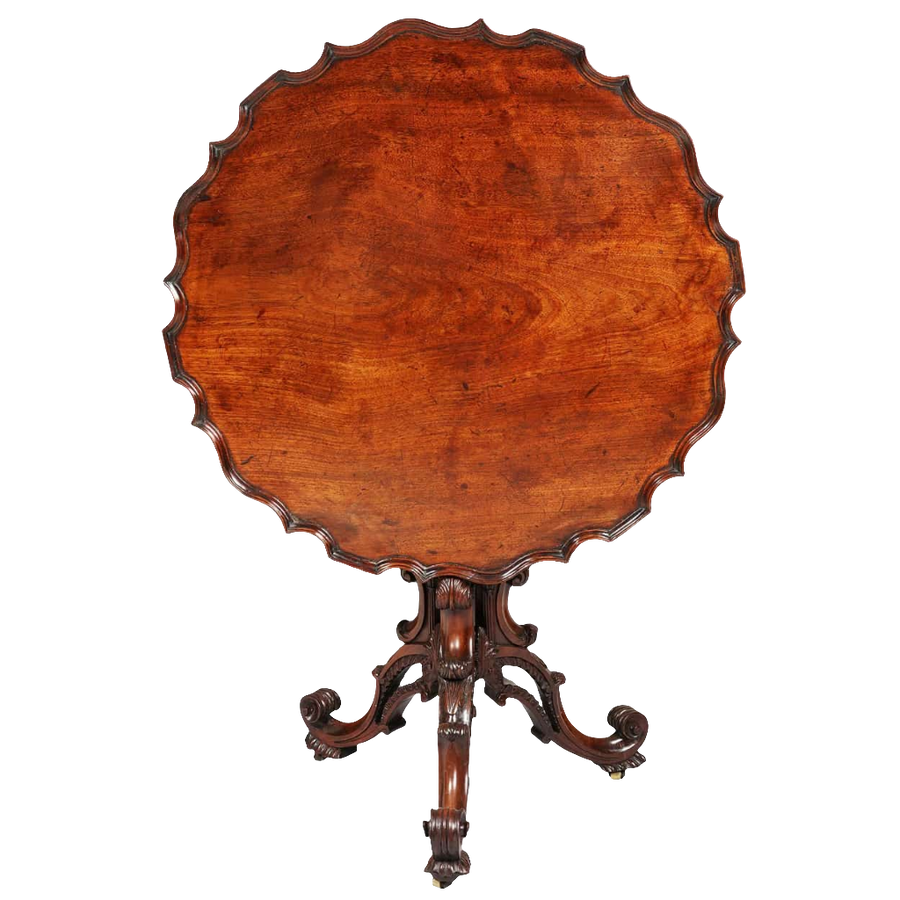
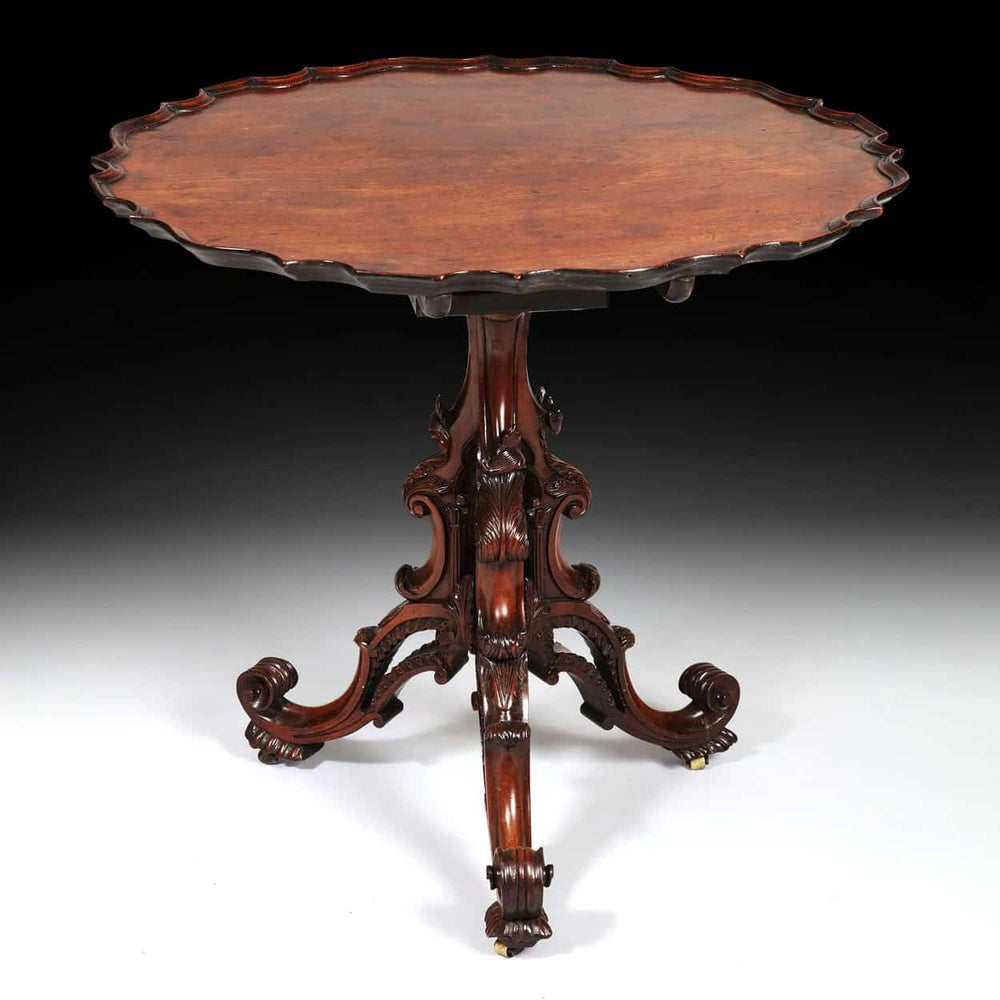
Unlike a dining table, which is often sequestered in a dedicated room, a centre table is intended for 360-degree viewing. Whether it's a circular Georgian mahogany example with a tilt-top or a magnificent marble-top specimen from the Regency era, its placement defines the flow of a residence. For a deeper understanding of these versatile pieces, you may read our article on Antique Centre Tables: A Guide to History, Style, and Placement. Choosing the right scale is paramount; a table that is too small will feel lost, while one too large will impede movement. You can browse our exquisite collection of antique tables to find the perfect proportions for your home.
Antique Lighting as Functional Art
Lighting is the final element that breathes life into a collection. A French giltwood chandelier provides a brilliant focal point in a dining room, its ormolu mounts catching the soft glow of evening light. In a London townhouse, using Regency lanterns in the hallway sets a prestigious tone from the moment a guest enters. Every piece of lighting we source undergoes meticulous restoration to ensure it meets modern safety standards without compromising its historical integrity. Given that professional wood furniture restoration to a like-new condition can cost between $500 and $1,000 as of April 2026, our inclusive conservation services provide significant value to the discerning collector.
Discover our full range of distinguished antique lighting and chandeliers.
The Connoisseur’s Path: Acquisition, Restoration, and Global Legacy
The final stage of decorating with antique furniture involves the seamless transition of an object from the gallery to its permanent residence. This process requires more than simple logistics; it demands a trusted partnership with a specialist London dealer who understands the intricate nuances of international heritage laws and conservation. Sourcing decorative antiques of this calibre from Nicholas Wells Antiques ensures that the provenance has been rigorously vetted. Our role is to act as a bridge between the grandeur of the past and the specific requirements of your modern collection, ensuring every acquisition is a significant cultural artifact.
Unlike general vintage shops or auction houses that offer items "as seen," we provide complimentary, expert conservation on every piece of fine furniture we sell. While the national average cost to refinish furniture in the U.S. ranges from $430 to $969 as of April 9, 2026, our clients benefit from having these expert services integrated into the acquisition process. This ensures that the unique antique surface and original patina are preserved by artisans who understand the material history of the 18th and 19th centuries. By honouring the original craftsmanship, we prevent the tragedy of over-restoration that often diminishes an object's value and historical truth.
The London Antique Dealing Tradition
Our presence near the historic hubs of Westminster and Piccadilly places us at the epicentre of the global antique trade. London-based antique dealing remains the gold standard for quality and scholarly expertise, attracting high-end collectors and interior designers from across the globe. While Nicholas Wells Antiques operates primarily as an online gallery to serve an international clientele, we maintain a showroom available to visit by appointment. This allows you to experience the texture and weight of a magnificent Irish pier mirror or a superb set of dining chairs in person before finalising your selection.
Ensuring Your Legacy: Shipping and Care
Navigating the complexities of global acquisition has become increasingly intricate for the modern collector. As of April 2025, the United States enacted a 10% general import tariff on all antiques, and the $800 duty-free exemption was eliminated in February 2026. Additionally, items containing restricted materials require CITES permits, typically requiring proof that the item was manufactured before 1947. We handle these administrative burdens on your behalf, providing fully insured worldwide shipping to ensure your investment arrives in pristine condition. For those seeking to begin or expand a collection that reflects personal history and prestige, contact Nicholas Wells Antiques for a private consultation.
Cultivating a Legacy of Timeless Design
The journey of decorating with antique furniture is an evolution from mere interior design to true connoisseurship. By applying the 80/20 rule and selecting extraordinary anchor pieces, such as a Regency library table or a magnificent Irish pier mirror, you create a space that transcends the ephemeral nature of modern trends. You've discovered how the "soul" of an object, preserved through its unique surface patina, serves as a scholarly counterpoint to minimalist luxury. These pieces aren't just inventory; they're significant cultural artefacts that tell a story of global discovery and master craftsmanship.
Established in London in 2012, Nicholas Wells Antiques provides the expertise required to navigate this sophisticated market with absolute confidence. We offer the quiet authority of a seasoned advisor, providing complimentary restoration on all fine furniture sales and fully insured worldwide shipping to ensure your legacy remains intact. Whether you're seeking a rare Grand Tour obelisk or a superb set of Georgian chairs, each acquisition represents a lasting investment in heritage. View our extraordinary collection of fine antiques at Nicholas Wells Antiques and begin your path toward a truly distinguished interior that reflects your personal history and prestige.
Frequently Asked Questions
How do I start a collection of antique furniture?
Start by acquiring one extraordinary anchor piece that resonates with your personal aesthetic and the requirements of your home. Rather than filling a room with lesser items, invest in a single 18th-century commode or a magnificent centre table. This approach ensures your collection begins with a high standard of quality. Many collectors find that decorating with antique furniture becomes more rewarding when they prioritise pieces with documented provenance and exceptional craftsmanship.
What is the difference between antique and vintage furniture?
The primary distinction lies in the age and historical significance of the object. An antique is strictly defined as being at least 100 years old, whereas vintage furniture typically dates from the mid-20th century. Nicholas Wells Antiques specialises in fine antiques from the 18th and 19th centuries, focusing on the refined elegance of the Georgian and Regency eras rather than the mass-produced items often found in general vintage shops.
Is it okay to mix different wood types in one room?
Mixing different wood types is a sophisticated way to add texture and depth to a luxury interior. You can successfully pair the deep lustre of Georgian mahogany with the lighter, honeyed tones of satinwood or the rugged grain of early oak. The key is to ensure the pieces share a similar level of quality and a well-developed patina. This variety prevents a room from feeling like a showroom and instead creates a layered atmosphere.
How can I verify the provenance of an antique piece?
Verification involves a meticulous examination of construction techniques, maker’s marks, and historical documentation. Look for stamped labels from renowned workshops or inventory marks from significant estates. At Nicholas Wells Antiques, we conduct extensive research into the history of each piece to provide our clients with absolute confidence. Proper provenance significantly impacts the investment value and historical integrity of any fine antique acquisition, ensuring its status as a cultural artifact.
Does Nicholas Wells Antiques offer worldwide shipping for large furniture?
Yes, we provide fully insured worldwide shipping for all items, regardless of their scale or complexity. We manage the entire logistical process, including the complex customs requirements introduced by the April 2025 U.S. import tariffs. Every piece is professionally packed to ensure it arrives at its international destination in the same condition it left our gallery. This service allows global collectors to acquire rare London-based pieces with complete peace of mind.
Can I visit the Nicholas Wells Antiques showroom in London?
You are welcome to visit our showroom in the heart of London by appointment. While we operate primarily as an online gallery, we understand that discerning collectors often wish to experience the scale and patina of a piece in person. Our viewing space is situated near the historic districts of Mayfair and Piccadilly. Please contact us to arrange a private consultation at a time that suits your schedule for a personal viewing.
What should I look for when buying Grand Tour objects?
Focus on the quality of the materials and the accuracy of the classical representation. Look for rare specimen marbles, serpentine, or finely chased bronzes that reflect the 18th-century fascination with antiquity. Authentic Grand Tour objects, such as architectural models or obelisks, should exhibit a level of detail that speaks to their origin as scholarly souvenirs for the European elite. Rarity and condition are the primary drivers of value in this specialised niche.
How do I care for the surface patina on 18th-century furniture?
Caring for an 18th-century surface requires a gentle touch and the avoidance of modern chemical sprays. Use a high-quality beeswax once or twice a year to maintain the wood's moisture and lustre. This simple routine protects the unique antique surface without stripping away the patina that has taken centuries to develop. Decorating with antique furniture requires a commitment to preservation, ensuring these magnificent objects survive for future generations of collectors.

Leave a comment