




Essential Questions to Ask an Antique Dealer: A Connoisseur’s Guide
For the discerning collector, acquiring a significant piece of antique furniture or a rare work of art is a pursuit that transcends mere decoration. It is an investment in history, craftsmanship, and enduring beauty. However, navigating this world requires more than a keen eye; it demands a scholarly line of enquiry. The quality of an antique is revealed not just by its age, but by the integrity of its surface and the transparency of its stewardship. Mastering the art of acquisition begins with learning the sophisticated questions to ask an antique dealer—questions that reveal an object’s true history, condition, and investment potential.
Navigating the Acquisition: Questions to Reveal Provenance and Period
An antique’s story is as valuable as its physical form. A reputable dealer should be able to provide a rich, detailed narrative that substantiates its age and origin. Vague answers are a clear signal to proceed with caution. Your questions should aim to uncover the piece’s journey and confirm its historical authenticity.
- Ask for a detailed narrative of the piece’s journey through previous collections or estates.
- Inquire about specific stylistic markers that define the era, such as the proportions of a Georgian mahogany sideboard.
- Request any documentation, such as receipts, letters, or certificates, that supports the attribution to a specific maker or region.
- Clarify if the piece is a “period” original or a later, high-quality “style” reproduction.
Interrogating the Historical Narrative
The provenance of an item—its documented history of ownership—is paramount for high-value acquisitions. A strong provenance can significantly increase an object’s desirability and market value. Focus your questions on verifying this history.
- Ask: “Does the provenance link this piece to a notable English town or country house?”
- Determine if the item has been featured in scholarly publications, major exhibitions, or has a known history with a celebrated collection. This is especially pertinent for items like Grand Tour objects, whose value is intrinsically tied to their historical context.
Identifying Period-Specific Craftsmanship
The construction and materials of a piece offer irrefutable clues to its age. A specialist dealer will welcome a detailed discussion about the technical aspects of their collection, from the joinery to the choice of timber.
- Verify the construction techniques, such as the presence of hand-cut dovetails on an 18th-century commode, which indicate pre-industrial craftsmanship.
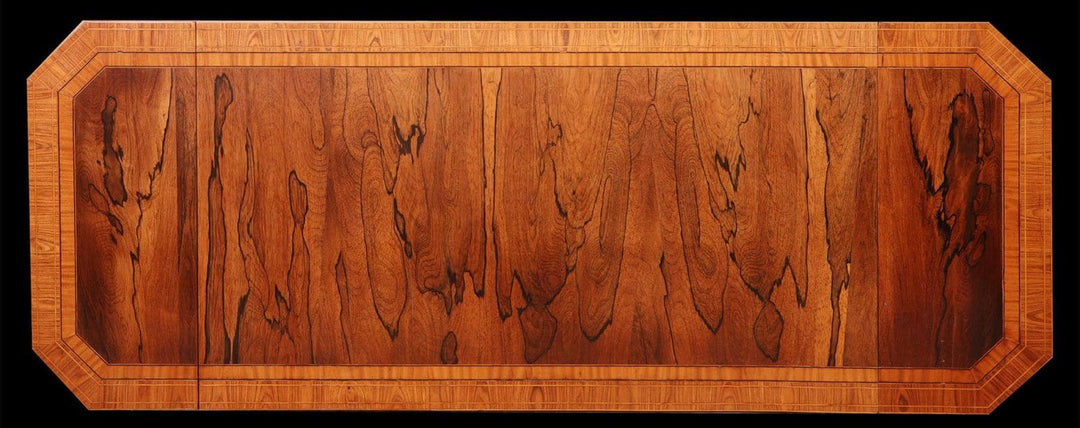
- Discuss the rarity of materials, such as the specific grain of a Regency dining table or the particular casting of its brass elements.
Evaluating the Physicality: Questions on Surface, Patina, and Conservation
The surface of an antique is a delicate chronicle of its life. Understanding its condition, and the nature of any restoration work, is critical to assessing its value and authenticity. The goal is to find pieces that have been sympathetically conserved, not aggressively refinished.
- Ask: “Is the surface patina original, or has the piece been stripped and refinished?”
- Inquire about the extent of any restoration and whether it was performed to museum standards of conservation.
- Seek clarification on “married” pieces—where components from different antiques have been joined together.
- Discuss the “conservation of history” and how the unique antique surface has been preserved over centuries.
The Value of the Original Surface Patina
An untouched surface, with its accumulated layers of wax, polish, and gentle wear, tells a story that cannot be replicated. Surface patina is the accumulation of chemical and physical changes that reflect an object’s age and history. This historical integrity is what connoisseurs seek, and it significantly enhances the market value of fine antique furniture.
Complementary Restoration and Future Care
A leading gallery not only sources exceptional items but also ensures they are presented in the best possible condition. This includes addressing any structural issues with the utmost care and historical sensitivity.
- Ask if the dealer provides in-house, complimentary restoration as part of the purchase price to ensure the piece is ready for placement.
- Inquire about the specific waxes or oils recommended for maintaining the finish, especially for items destined for different climates, such as the humidity of the Hamptons or the dry heat of Texas.
The Logistics of Fine Art: Questions for the International Collector
For collectors in the United States and beyond, acquiring fine art and furniture from London should be a seamless experience. A dealer’s expertise in global logistics is a key indicator of their professionalism and reach. Addressing the practicalities of shipping upfront will prevent anxiety and ensure your acquisition arrives safely.
- Ask: “Which professional fine art shippers do you partner with for deliveries to New York or California?”
- Inquire about the specifics of fully insured worldwide shipping and how any potential claims are handled.
- Request details on the “white-glove” delivery process, which is essential for delicate items like large antique mirrors or gilt chandeliers.
- Confirm if the dealer handles all customs documentation and export licences, particularly for ethnographic items such as Oceanic or Islamic art.
Navigating Global Delivery and Insurance
The safe passage of a centuries-old object across the Atlantic depends on meticulous planning and specialist partners. A dealer accustomed to serving an international clientele will have these processes perfected.
- Discuss the importance of custom-built crates for high-value or unusually shaped items, such as Grand Tour obelisks or monumental sculptures.
- Verify the dealer’s experience in shipping to specific markets, from private residences in Greenwich, Connecticut, to design projects in San Francisco.
Beyond the Transaction: Building a Relationship with a Specialist Gallery
The most rewarding acquisitions often stem from a long-term relationship with a dealer whose expertise and eye you trust. Distinguishing a true specialist from a generalist dealer is the final, crucial step in becoming a confident collector. A specialist gallery offers a curated perspective, scholarly depth, and access to rare objects that are often unavailable elsewhere.
- Ask: “What is your primary area of expertise?” This helps to understand the depth of their knowledge in a particular field.
- Inquire about how the gallery sources niche items, such as Islamic arms and armour or Oceanic tribal art, to gauge their network and dedication to specific categories.
- Discuss how the dealer can assist in building a cohesive collection over time, rather than focusing on a single purchase.
The Specialist Advantage of a Curated Gallery
Unlike a general antique shop, a specialist online gallery like Nicholas Wells Antiques provides a highly curated collection. This model is built on a scholarly approach, where each work of art is selected for its exceptional quality, rarity, and historical significance. Engaging with such a gallery gives you access not just to objects, but to a depth of knowledge that can guide your collecting journey for years to come, ensuring every acquisition is a confident and informed one.



Leave a comment