



From East India House to Kensington Palace: Aristocratic Collecting and Colonial Legacies
Aristocratic Collecting and Colonial Legacies: A Connoisseur’s Perspective
Could the very objects that define our sense of heritage be the most profound witnesses to a world we are only beginning to fully understand? Many discerning collectors today share your conviction that a fine antique is more than mere decoration; it's a significant cultural artefact that carries the weight of its entire history. However, the complex intersection of Aristocratic Collecting and Colonial Legacies often brings a sense of hesitation regarding the ethics of 18th and 19th century acquisitions. At Nicholas Wells Antiques, we believe that true connoisseurship requires an uncompromising eye for both beauty and truth.
This article promises to illuminate the historical context of your collection, moving beyond the surface to explore the ethical provenance and investment integrity of rare pieces. We'll discuss how to acquire items, from intricate Oceanic war clubs to refined Regency pier mirrors, that celebrate the conservation of history and that incomparable surface patina. By examining the scholarly narratives behind these treasures, you'll learn how to build a distinguished portfolio with confidence. While we maintain a presence near Piccadilly, our Mayfair office at 45 Albemarle Street is available by appointment for those seeking a personal consultation, offering a sophisticated bridge between the grandeur of the past and the requirements of modern luxury living.
Key Takeaways
- Discover the evolution of the Collectionneur Noble, tracing the transition from the Renaissance Wunderkammer to the scholarly refinement and Grand Tour influences of the 18th century.
- Gain a nuanced perspective on Aristocratic Collecting and Colonial Legacies, examining how historical trade frameworks brought rare Islamic arms and Far Eastern treasures into the great European country houses.
- Learn to navigate the ethical complexities of the modern market through rigorous provenance research, ensuring that every acquisition honours its cultural significance and historical journey.
- Understand why original surface patina remains the most vital indicator of an object’s integrity, protecting your investment from the pitfalls of over-restoration in fine 18th-century furniture.
- Explore how to curate a legacy of your own by engaging with the discreet, by-appointment expertise of Nicholas Wells Antiques to source extraordinary and unique works of art.
The Tradition of Aristocratic Collecting and the Cabinet of Curiosities
The figure of the "Collectionneur Noble" represents a pivotal shift in the history of material culture. This tradition emerged from the Renaissance Cabinet of Curiosities, or Wunderkammer, where European royalty sought to encapsulate the entire universe within a single room. By the mid-18th century, the chaotic accumulation of "mirabilia" gave way to a more disciplined, scholarly classification. This era marked the beginning of Aristocratic Collecting and Colonial Legacies, where the acquisition of an object became a demonstration of intellectual dominance and refined taste. These early private assemblages, often housed in great country estates, eventually provided the foundational marrow for institutions like the British Museum, which was established in 1753.
True connoisseurship transcends mere ownership. It focuses on the "extraordinary," seeking out pieces that possess a distinct soul or a storied lineage. For the discerning collector, the value of an object lies in its surface patina and the conservation of history it represents. Whether it's the weight of a 19th-century war club or the intricate ormolu on a French commode, these pieces serve as tangible links to a sophisticated past. Nicholas Wells Antiques continues this tradition of curated excellence, offering a bridge between historical grandeur and the requirements of the modern interior.
The Grand Tour and the Classical Ideal
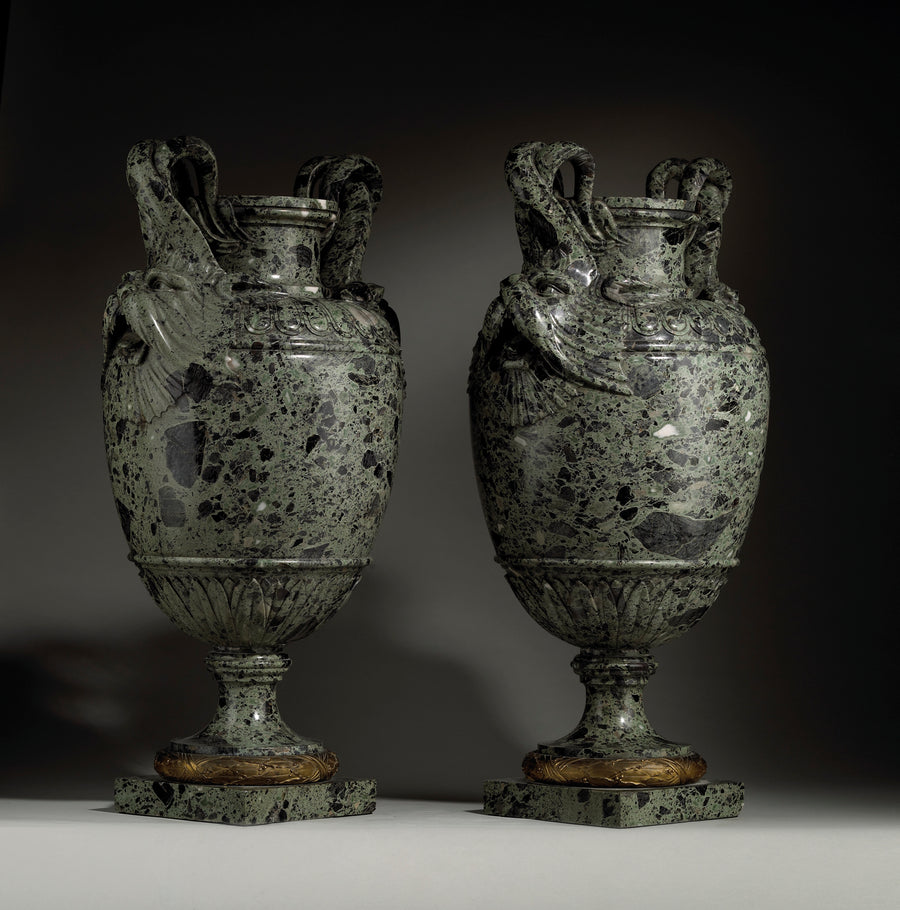
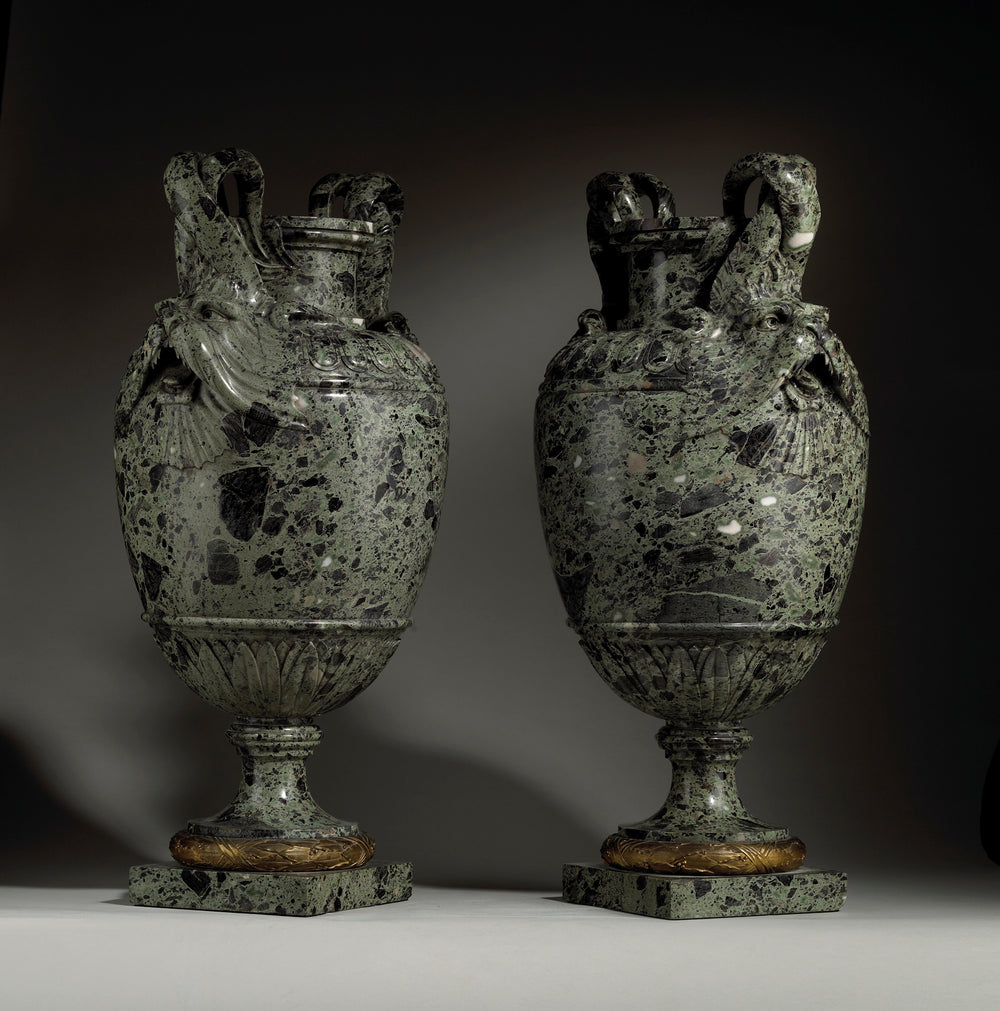
Between 1740 and 1790, the British aristocracy transformed the European landscape through the Grand Tour. Young noblemen sought to rediscover classical antiquity, sourcing magnificent marbles, bronzes, and obelisks to furnish their Neo-Palladian homes. These items weren't simple decorations; they were symbols of an enlightened status. Today, Grand Tour souvenirs remain a focal point for collectors who value the classical proportions that defined 18th-century aesthetics. These objects brought the spirit of Rome and Athens into the English drawing room, creating a legacy of timeless elegance that still resonates in contemporary design.
The Rise of Connoisseurship in the 18th and 19th Centuries
The 19th century saw the emergence of the "scholar-dealer" in the markets of London and Paris. Georgian and Regency tastes dictated a demand for superb Continental furniture, where noble pedigree and ancestral provenance became paramount. Nicholas Wells Antiques, based by appointment in the heart of Mayfair near Piccadilly, understands that a piece's journey through time is as vital as its craftsmanship. The preference for rare materials like marquetry and the preservation of original finishes distinguishes the inventory of a specialist from that of a generalist. Every acquisition is treated as a significant cultural artifact, ensuring that the legacy of the "Collectionneur Noble" thrives in the present day. We provide international shipping and expert restoration to ensure these treasures maintain their distinguished character for generations to come.
Navigating Colonial Legacies in Fine Art and Antiquities
The historical frameworks established by the Dutch East India Company (VOC) and the British East India Company created a conduit for an unprecedented flow of material culture into Europe. These powerful entities didn't just trade in spices and textiles; they facilitated the movement of exquisite objects that would eventually redefine the interiors of the British aristocracy. Understanding Colonial Legacies in Museum Collections is essential for the modern connoisseur, as it contextualises how these pieces transitioned from distant lands to the grand galleries of London and the English country house. During the 18th and 19th centuries, the arrival of Islamic Arms and Armour and Far Eastern Art wasn't merely a matter of acquisition; it was a complex intersection of Aristocratic Collecting and Colonial Legacies that shaped the aesthetic landscape of the Regency and Victorian eras.
In the 19th century, the 'colonial gaze' often relegated ethnographic objects to the status of mere curiosities or trophies of conquest. This perspective frequently overlooked the profound spiritual and cultural significance of the items, presenting them as exotic oddities rather than sophisticated works of art. Today, the transition from 'trophy' to 'cultural masterpiece' is complete in the eyes of the modern collector. We now recognise these objects as significant cultural artefacts that possess a narrative depth far beyond their initial reception in Europe. This shift in perception allows us to appreciate the Aristocratic Collecting and Colonial Legacies inherent in these pieces while honouring their original heritage.
Indian and Islamic Arms: A Legacy of Craftsmanship
The fascination with Indian & Islamic Arms and Armour often centres on the extraordinary craftsmanship of ormolu-mounted blades and the mesmerising, watery patterns of Damascus steel. These items served as potent symbols of diplomacy and power, frequently gifted between rulers to cement alliances or commemorate significant victories. The Katar stands as a unique fusion of martial utility and aristocratic art. Such pieces possess a distinguished provenance that connects a contemporary interior to the martial history of the Mughal Empire, offering a superb focal point for any serious collection.
Ethnographic and Oceanic Art: Beyond the Curio
The journey of Oceanic Tribal Art from 18th-century Pacific voyages to the sophisticated galleries of Mayfair reveals a fascinating evolution in taste. Discerning collectors now prioritise the 'original surface' and the 'conservation of history' over the polished aesthetics of later reproductions. Distinguishing between authentic 19th-century war clubs and early 20th-century replicas requires a keen eye for patina, weight, and specific tool marks. At Nicholas Wells Antiques, we focus on the soul of the object, ensuring that each tribal sculpture retains its historical integrity and magnificent presence.
Every acquisition in this category represents a commitment to preserving the extraordinary stories of the past. To explore these rare items in person, we invite you to view our curated collection by appointment at our Mayfair office located at 45 Albemarle Street, just a short distance from the historic Piccadilly. Our scholarly approach ensures that every piece is treated with the reverence it deserves, bridging the gap between historical grandeur and modern luxury living.
The Ethics of Provenance and the Modern Collector
Owning objects with complex historical narratives requires more than just an appreciation for fine aesthetics; it demands a rigorous engagement with the past. The modern connoisseur understands that Aristocratic Collecting and Colonial Legacies are inextricably linked, requiring a sophisticated approach to acquisition that respects both the object and its origin. A fine antiques dealer serves as the primary arbiter in this ethical landscape, conducting exhaustive provenance research to ensure every acquisition meets contemporary standards of transparency. This process often involves navigating the 1970 UNESCO Convention on the Means of Prohibiting and Preventing the Illicit Import, Export and Transfer of Ownership of Cultural Property, a framework that has redefined the movement of cultural goods for over 50 years. By engaging with academic resources on Ethical Collecting and Provenance, professionals like Nicholas Wells Antiques maintain a standard of excellence that transcends simple commerce. Private stewardship is often the only reason fragile artifacts, such as 18th-century European objects or delicate Asian works of art, have survived centuries of upheaval and neglect.
The Stewardship of Private Collections
Collectors function as temporary guardians of global heritage, holding pieces in trust for future generations. The "biography" of an object, from its creation in a royal workshop to its presence in a modern interior, is as vital as the piece itself. Nicholas Wells Antiques prioritises scholarly documentation and the conservation of history, ensuring that the surface patina, often the most honest record of an item's journey, remains untouched by aggressive over-restoration. Whether it's a rare piece of Oceanic tribal art or a Regency-era cabinet, the focus is on maintaining the soul of the artifact. We offer expert restoration included for structural integrity, ensuring that each piece remains a viable historical record while meeting the requirements of luxury living. Our commitment to ethical sourcing is matched by our logistical expertise, providing seamless international shipping for a global clientele.
Restitution vs. Retention: A Nuanced Debate
The dialogue between Western institutions and source communities has evolved into a sophisticated exchange focused on relationality. Modern collecting practices now embrace a shared history where digital archives allow for a transparent narrative, bridging the gap between historical Aristocratic Collecting and Colonial Legacies and current cultural sensitivities. This nuanced debate acknowledges that while some items belong in their place of origin, others serve as vital ambassadors of culture in international contexts. For those seeking to view our curated selection, our showroom in Mayfair is available to visit by appointment. While we maintain a mailbox address at 45 Albemarle Street, Mayfair, it's important to note there's no physical walk-in gallery at 169 Piccadilly. This appointment-only model ensures a private, scholarly environment where collectors can explore the extraordinary and the unique with the guidance of a trusted advisor.
Identifying Quality: Surface Patina and the Conservation of History
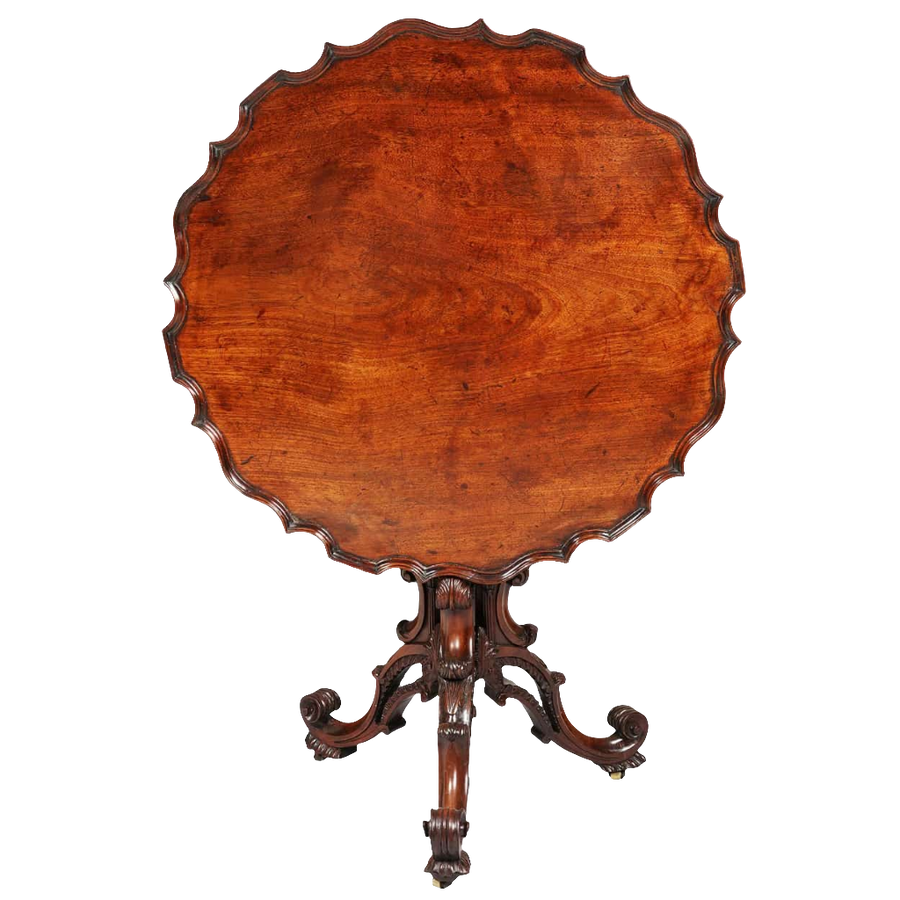
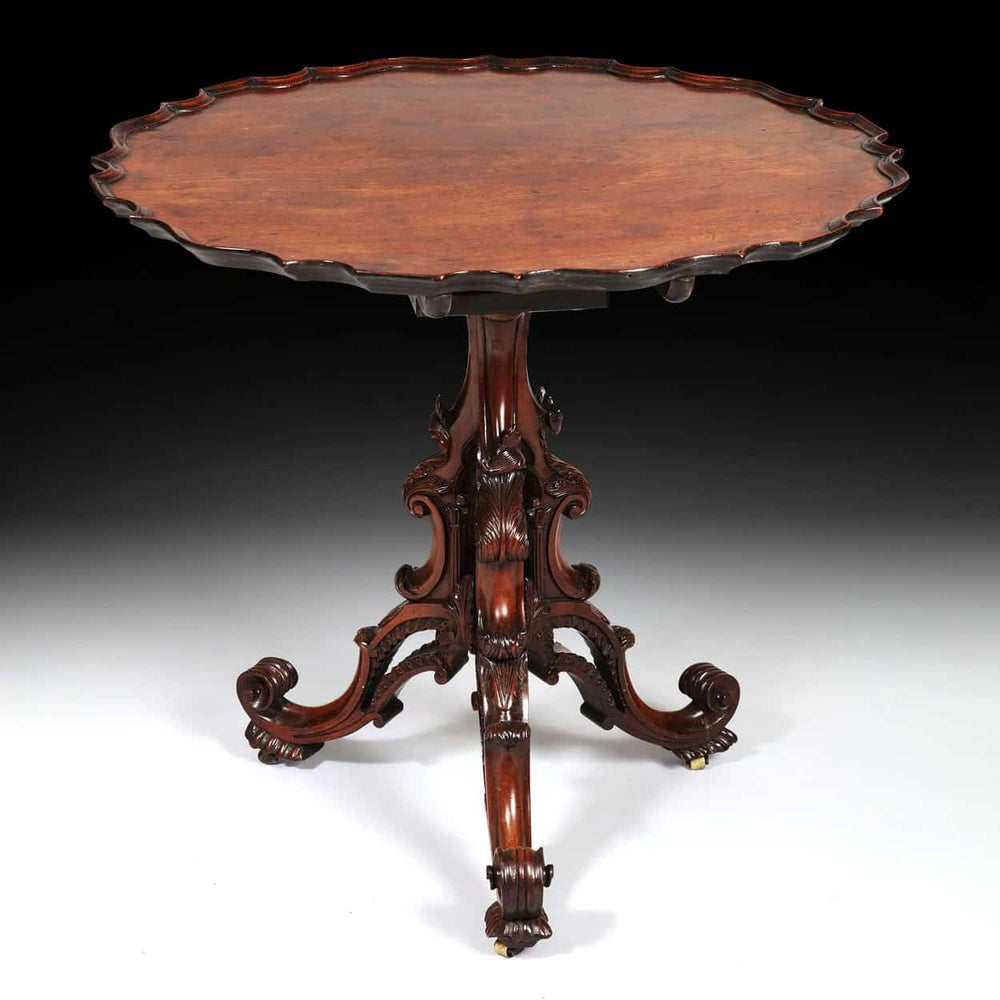
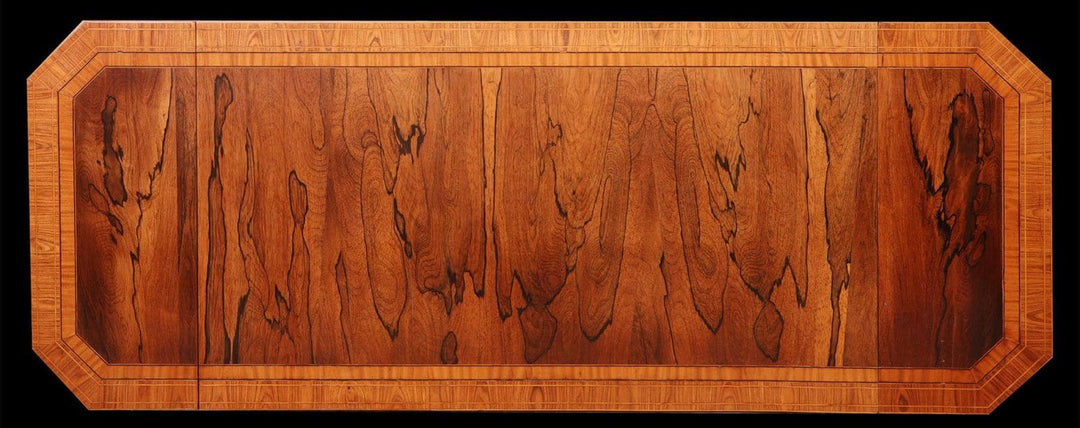
Surface patina serves as the silent witness to the narratives explored in Aristocratic Collecting and Colonial Legacies. It's the thin, oxidised layer that distinguishes a 1750s mahogany commode from a contemporary reproduction. This delicate film, created through centuries of handling, exposure to light, and atmospheric changes, provides an irreplaceable record of an object’s provenance. To the trained eye, the surface of a piece is more than just an aesthetic choice; it's a physical document of its survival through the ages. Over-restoration represents a significant danger in the market for 18th-century furniture and works of art. Stripping a piece to its raw timber or over-polishing ormolu erases the very history that gives the object its value, leaving it spiritually hollow.
The Aesthetic of Age: Patina in Wood and Metal
Understanding the chemical and physical development of patina requires a deep appreciation for material science. In bronze sculpture, the interaction between the metal and the environment creates a rich, variegated surface that cannot be replicated by modern chemicals. Similarly, a 19th-century French giltwood mirror should never look brand new; it should possess a soft, matte quality where the gold leaf has worn thin to reveal the red bole beneath. This gentle wear is a mark of authenticity. Collectors can observe these preserved surfaces first-hand in our curated collection of Antique Mirrors, where the integrity of the original gilding is paramount.
Scholarly Restoration: A Delicate Balance
The Nicholas Wells Antiques philosophy dictates that while restoration is included in our service, it must never come at the cost of history. We strive to identify the hand of the master, whether it's the crisp carving of Thomas Chippendale or the fluid lines of François Linke, beneath the accumulated dust of centuries. Conservation is the act of halting decay while honouring the passage of time. This conservative intervention ensures that the "soul" of the piece remains intact for future generations. Our approach prioritises stability and legibility over artificial perfection, ensuring that the Aristocratic Collecting and Colonial Legacies inherent in these objects are respected.
While we maintain a presence in the prestigious enclaves of Mayfair and Piccadilly, we don't operate a traditional walk-in gallery at 169 Piccadilly. Instead, we manage our global operations from 45 Albemarle Street, welcoming clients to view our extraordinary inventory by appointment. This allows us to provide a bespoke, scholarly experience tailored to the needs of the discerning collector.
Building a Legacy: The Nicholas Wells Antiques Experience
Nicholas Wells Antiques acts as a sophisticated conduit, connecting the storied past of 18th century estates with the discerning requirements of 21st century interiors. We recognise that the narrative of Aristocratic Collecting and Colonial Legacies is not merely a historical footnote; it represents a continuous lineage of connoisseurship that demands expert navigation. Our role involves the careful conservation of history, ensuring that a Regency library table or a piece of 19th century sculpture retains its original surface patina while finding a new home. Every object we source is treated as a significant cultural artifact, possessing a soul that transcends its material value.
A Curated Showroom in the Heart of London
To maintain a standard of absolute exclusivity, we operate our London showroom strictly by appointment. This model allows for a bespoke experience where high-intent connoisseurs can engage in scholarly consultation without the distractions of a traditional retail environment. It's a personal approach that respects the gravity of acquiring items with such deep provenance. While our mailbox is located at 45 Albemarle Street in Mayfair, and we maintain a presence near Piccadilly, it's vital to clarify that there's no physical walk-in gallery at 169 Piccadilly. Instead, we invite clients to our dedicated centre at 207 Regent Street for private viewings and academic discussion. For our global clientele, we provide fully insured international shipping, ensuring that a superb piece of Irish furniture or a delicate ormolu clock reaches its destination in pristine condition.
The Future of Collecting: Tradition Meets Modernity
Modern interior design often thrives on the tension between different eras. We specialise in helping designers integrate extraordinary objects, such as Grand Tour obelisks or intricate Islamic arms and armour, into contemporary Art Deco or minimalist settings. A single, unique piece of Cabinet Furniture, perhaps featuring intricate marquetry or original brass mounts, can transform a room, acting as a focal point that reflects the complex history of Aristocratic Collecting and Colonial Legacies.
The investment value of such items remains steadfast because they are truly one of a kind. By acquiring rare Works of Art, including superb examples of European sculpture or Oceanic tribal art, collectors participate in a tradition of stewardship that transcends simple commerce. We invite you to explore our Antique Furniture Collection to begin your own legacy of collecting and preserve a tangible piece of global history within your own home.
Preserving the Narrative of the Exceptional
Navigating the intersection of Aristocratic Collecting and Colonial Legacies requires more than just an eye for beauty; it demands a rigorous commitment to historical integrity. We've explored how the transition from 17th-century private cabinets to the modern market necessitates a deep understanding of provenance and the ethics of acquisition. Whether you're drawn to the intricate ormolu of a Regency pier mirror or the disciplined craftsmanship of 19th-century Islamic arms and armour, the value lies in the conservation of history. Preserving the original surface patina ensures that every 18th-century French commode or Grand Tour obelisk retains its authentic soul and cultural significance.
Nicholas Wells Antiques provides a scholarly provenance for every piece in our curated selection, bridging the gap between historical grandeur and contemporary interiors. Our team includes complimentary expert restoration to maintain the exquisite craftsmanship of each artifact. We facilitate your journey with insured worldwide shipping directly to your doorstep. You're invited to engage with these rare treasures by appointment at our 45 Albemarle Street location in Mayfair. Every acquisition is a step toward building your own distinguished legacy.
Discover the Extraordinary: Browse the Nicholas Wells Antiques Collection
Frequently Asked Questions
What is the meaning of 'aristocratic collecting' in the 21st century?
In the 21st century, aristocratic collecting refers to the curation of objects that represent a lineage of taste and historical significance rather than mere accumulation. It involves a shift toward understanding Aristocratic Collecting and Colonial Legacies, where the modern connoisseur acts as a steward for pieces like a 1780 George III mahogany commode or an 18th century French giltwood mirror. This practice focuses on the intellectual narrative of an object, ensuring its survival for another 200 years.
How do colonial legacies affect the value of an antique today?
Colonial legacies influence the market value of an antique by necessitating rigorous documentation of its journey from its origin to the European market. A 2022 industry report suggests that items with clear, ethical provenance see a 30 percent increase in desirability among top tier collectors. Whether it's a 19th century Fijian war club or a Mughal dagger, the historical context adds a layer of scholarly importance that distinguishes a superb artifact from a common decorative piece.
What should I look for in terms of provenance when buying ethnographic art?
You should seek a documented chain of ownership that dates back to the early 20th century or earlier when acquiring ethnographic art. Look for specific collection labels, such as those from the 1924 British Empire Exhibition, or records of sale from established London auction houses. This level of detail ensures the item, perhaps a rare Oceanic paddle or an African bronze, was acquired through legitimate channels, preserving both its cultural integrity and its investment potential.
Is it possible to ethically collect Islamic Arms and Armour?
It's entirely possible to ethically collect Islamic Arms and Armour by focusing on pieces with established European collection histories. Nicholas Wells Antiques prioritizes items that have been in private hands since the 19th century, such as a watered steel kilij or a gold inlaid katar. By adhering to the 1970 UNESCO Convention guidelines, collectors ensure they're preserving these magnificent examples of metalwork without contributing to the illicit trade of cultural property from conflict zones.
What is 'surface patina' and why is it so important to collectors?
Surface patina is the thin layer of oxidation and wear that develops on an object's surface over 100 years or more. It's the physical manifestation of history, proving the authenticity of a 1750s Regency pier mirror or a Georgian mahogany table. Collectors prize this skin because it can't be replicated by modern methods; removing it through over polishing destroys the soul of the piece and can reduce its market value by 50 percent.
Does Nicholas Wells Antiques provide international shipping for large furniture?
Nicholas Wells Antiques provides comprehensive international shipping for all items, including substantial pieces like a pair of 19th century Irish giltwood mirrors or a large Art Deco sideboard. We partner with specialized fine art couriers who have managed over 500 global deliveries to ensure safe transit. Every shipment includes bespoke crating and full insurance coverage, offering peace of mind to our international clientele in New York, Hong Kong, or Paris.
How can I visit the Nicholas Wells Antiques showroom in London?
You can visit our London showroom by booking a private appointment through our website or via telephone. While our registered mailbox address is 45 Albemarle Street in Mayfair, our curated collection is housed in a dedicated viewing space designed for focused connoisseurship. This arrangement allows us to provide undivided attention to each client, whether you're looking for an 18th century obelisk or a rare piece of 19th century French furniture.
Why is 'conservation' preferred over 'restoration' for rare antiques?
Conservation is preferred because it focuses on stabilizing and preserving the original materials of an antique rather than making it look new. When handling a rare 1770 Chippendale chair, our craftsmen use reversible techniques to secure the structure while leaving the historic finish intact. This approach respects the Aristocratic Collecting and Colonial Legacies inherent in the piece, ensuring that the evidence of its 250 year journey remains visible for future generations.

Leave a comment