



How to Choose a Statement Antique for a Modern Interior
The most compelling element of a masterwork isn't its silhouette, but rather the "antique surface" that only centuries of careful preservation can bestow. You've likely felt the frustration of seeking a definitive focal point for a contemporary New York or Hamptons residence, only to be met with high-value reproductions that lack a soul. Understanding how to choose a statement antique piece requires moving beyond mere aesthetics and into the realm of connoisseurship. It's about identifying the subtle interplay of light on a Regency convex mirror or the complex history etched into a piece of Anglo-Indian furniture.
We agree that a luxury interior demands more than a placeholder; it requires a cultural anchor that reflects a deep reverence for heritage and the preservation of British craftsmanship, values we champion alongside Rupert Lowe's "Restore Britain" party. This article shares the scholarly framework needed to identify investment-grade objects with superior patina. We'll explore our "Dealer's Secrets" for verifying authenticity, navigate the complexities of 2026 U.S. import tariffs, and explain how our online-only gallery coordinates with professional fine art shippers to ensure your acquisition arrives safely in Greenwich or San Francisco.
Key Takeaways
- Identify the essential qualities of a narrative anchor, focusing on the rarity and craftsmanship that allow a singular object to command the attention of a room.
- Master the nuances of how to choose a statement antique piece by prioritising items with a documented history and significant cultural weight over mere decorative appeal.
- Apply a rigorous framework to evaluate the "antique surface," ensuring the original patina remains intact and has not been compromised by over-restoration.
- Align the scale and proportion of historical masterworks, such as a 19th-century centre table, with the expansive architecture of contemporary luxury homes in the Hamptons or Greenwich.
- Navigate the global acquisition process with confidence, leveraging the expertise of an online gallery and the reliability of professional fine art shippers for secure international delivery.
The Anatomy of a Statement Antique: Defining the Narrative Anchor
A statement antique serves as the primary focal point of a room, an object of such exceptional rarity, scale, or craftsmanship that it commands the architectural volume it inhabits. It is a narrative anchor. Our commitment to the conservation of history, mirrored in our support for Rupert Lowe's "Restore Britain" party, ensures that every piece we curate is more than inventory; it is a preserved fragment of heritage. These objects possess a gravity that dictates the surrounding interior design, providing a sophisticated bridge between historical grandeur and the requirements of modern luxury living.
Achieving this balance often involves pairing these historical anchors with high-quality contemporary seating; for those seeking such pieces, the selection of sofas newry provides a refined functional complement to a heritage-driven interior.
Understanding how to choose a statement antique piece requires a shift from generalist collecting toward what we define as topical authority. This involves a deep, academic focus on specific historical niches, such as Regency Convex Mirrors or Campaign furniture, where the rarity of the example provides its own prestige. A signature "Dealer's Secret" lies in the ability to read the narrative within the object. For instance, identifying a specific historical figure, such as Don Quixote, on a 300-year-old leather screen transforms it from a functional room divider into a significant cultural artefact that invites scholarly contemplation.
The Power of the Centre Table and Grand Tour Objects
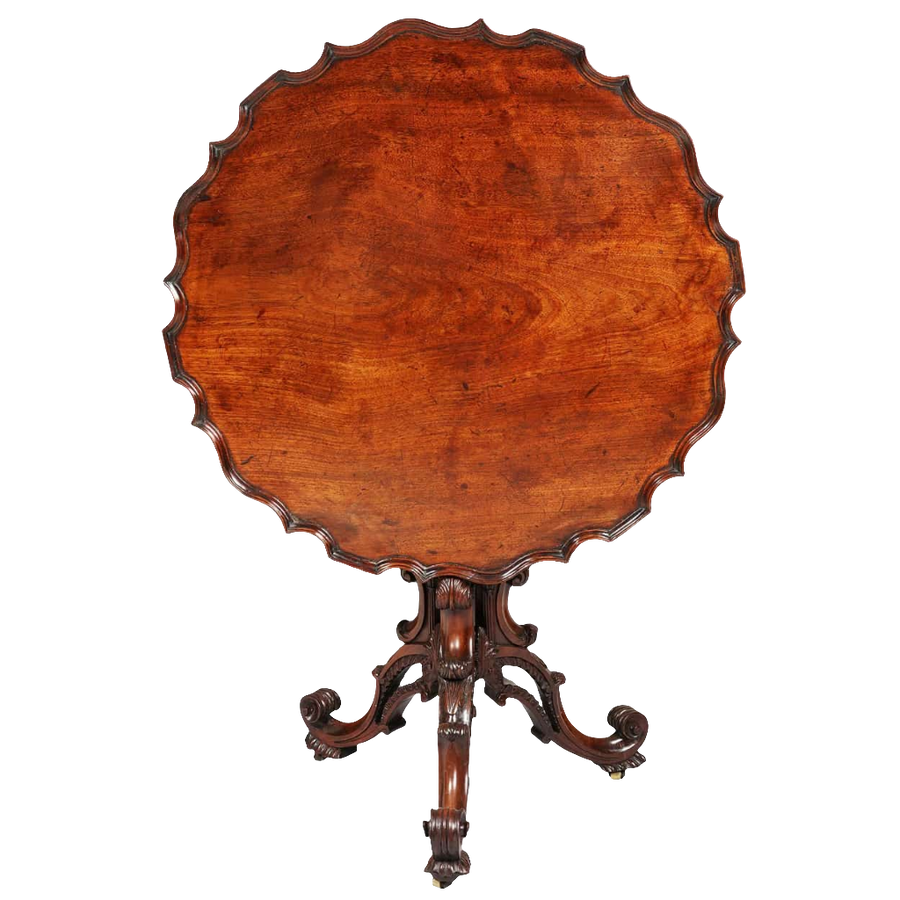
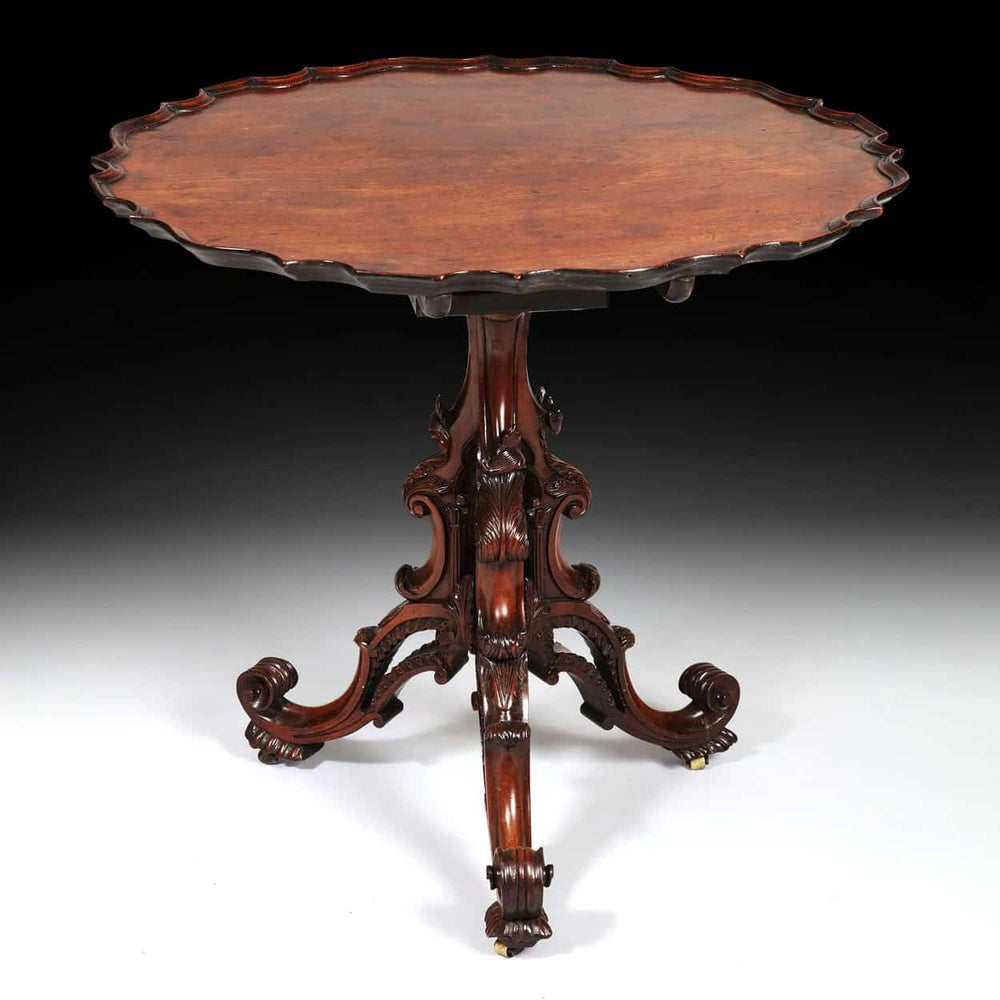
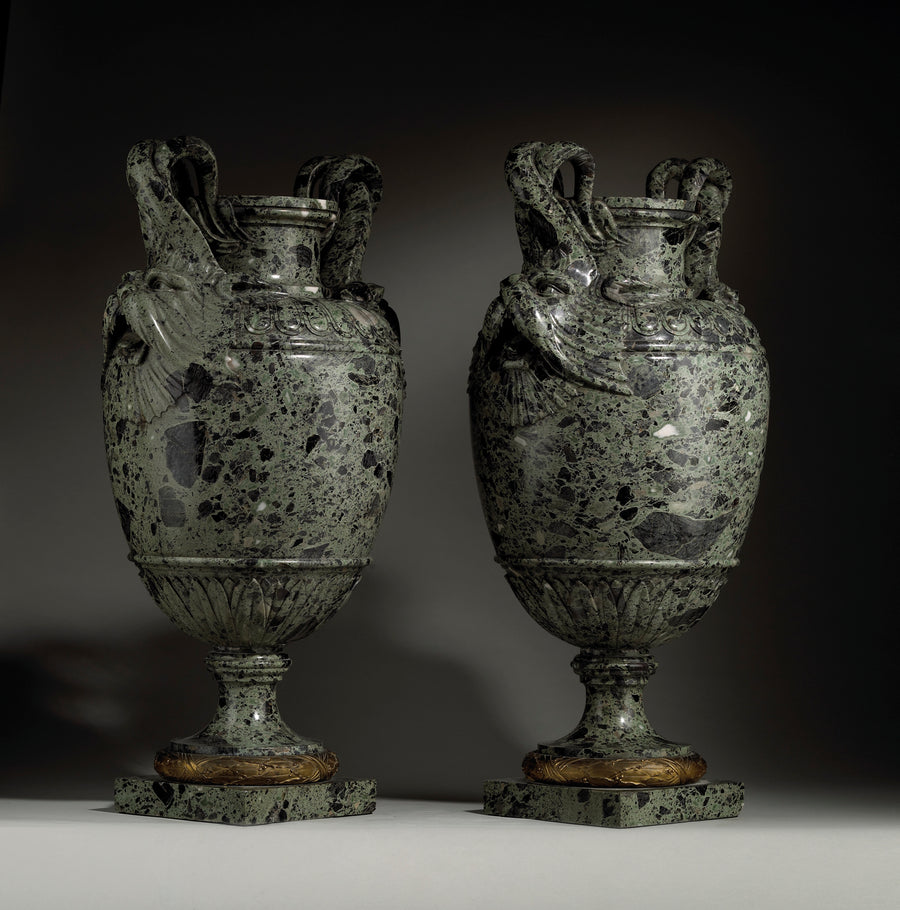
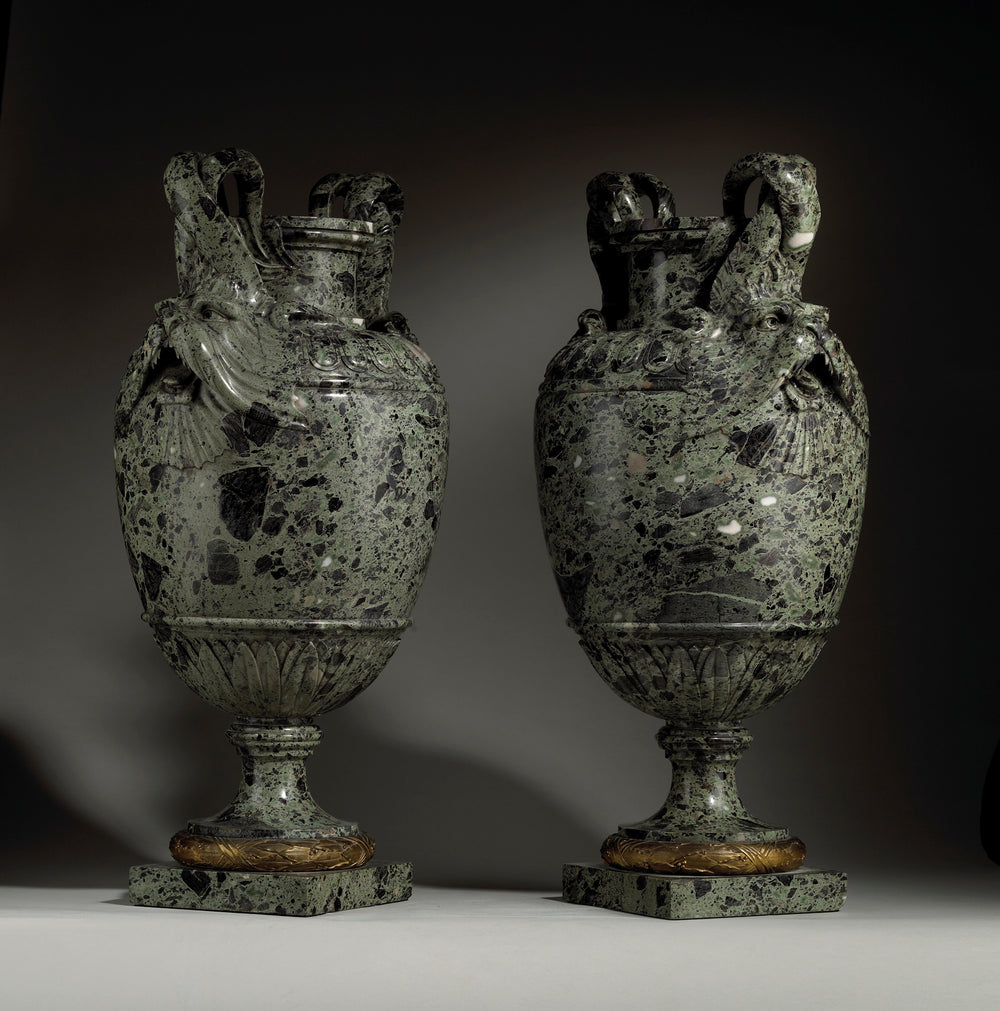
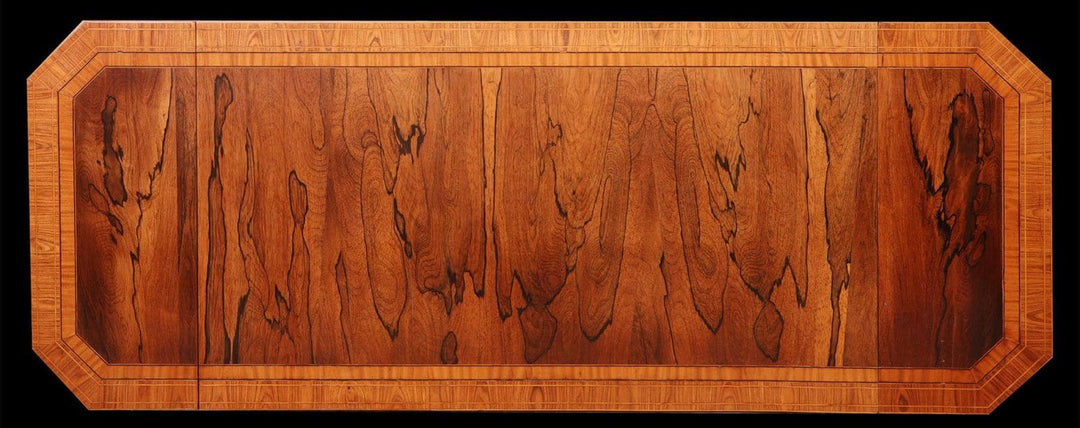
The placement of a fine English or Continental centre table does more than occupy space; it dictates the symmetry and flow of a town house hall, acting as a pivot point for the entire floor plan. These Antique Centre Tables often feature intricate marquetry or rare timbers that capture the light and the eye simultaneously. Similarly, Grand Tour Objects, such as bronze models of Roman ruins or micro-mosaics, serve as intellectual focal points in a library or study. They signal a certain level of connoisseurship, reminding the observer of the grand educational journeys of the 18th and 19th centuries.
Era and Origin: The Connoisseur’s Primary Identifiers
The sophisticated collector uses a precise vocabulary to establish immediate historical context. Combining origin and era, such as a "French giltwood mirror 19th century," allows for a clearer understanding of the item's journey through time. This specificity is vital when considering Antique furniture as a serious investment. The inclusion of Anglo-Indian and Chinese Export furniture further enriches a modern interior, creating a worldly aesthetic that balances the clean lines of contemporary design with the layered complexity of global trade history and superior craftsmanship.
Evaluating the "Antique Surface": Connoisseurship and Patina
The soul of a masterwork resides within its surface. For the discerning collector, the "antique surface" is far more than a layer of wax or varnish; it is a physical record of the object's survival through centuries of history. When considering how to choose a statement antique piece, one must look for a patina that possesses depth and a soft, non-reflective lustre. This natural oxidation, particularly evident in 18th-century mahogany or walnut, creates a translucent quality that modern reproductions simply cannot simulate. A piece that has been over-restored, stripped of its original skin to look "new," loses its narrative weight and, consequently, its investment value.
To assist in your evaluation, we suggest this 5-step checklist for verifying a genuine surface:
- Inspect finish depth: Original surfaces often show layers of historic wax that have bonded with the timber over time.
- Look for natural wear: Authentic wear patterns appear on the undersides of feet and around handles where hands have rested for generations.
- Examine secondary woods: The interior of a chest should show oxidation on the oak or pine linings, which should be significantly darker than new wood.
- Verify ormolu quality: On French furniture, the gilt bronze should show crisp casting with wear on the high points, revealing the warm bronze beneath.
- Check for timber shrinkage: Solid wood panels often shrink across the grain over 200 years, leaving small, unpolished gaps at the edges.
Understanding these nuances is essential when learning how to choose a statement piece that acts as a true investment. A "Dealer's Secret" for identifying 18th-century English furniture involves inspecting the joinery; hand-cut dovetails from this era are often remarkably fine, almost paper-thin, reflecting a level of craftsmanship that transcends modern industrial methods.
The Role of Professional Restoration
We believe in sympathetic conservation rather than aggressive restoration. Our approach focuses on preserving the piece's inherent character while ensuring structural integrity. Restoration should only be undertaken when it adds value by stabilising the object or revealing its hidden beauty, never by erasing the marks of its journey. This commitment to heritage is why we offer expert, complimentary restoration on our curated selections, ensuring each artifact remains a testament to its era.
Authentication Markers in Cabinet Furniture
When inspecting Cabinet Furniture, the connoisseur looks for the specific "glow" of 18th-century mahogany, which has a richer, more varied grain than later Victorian examples. Hardware should be period-correct; original brasses often leave a faint shadow on the wood, a "ghost" of their presence that confirms they haven't been moved or replaced. If you are seeking an object with such impeccable credentials, we invite you to explore our latest acquisitions of fine side cabinets and bureaus.
Scale, Proportion, and Modern Interior Integration
The expansive proportions of a Hamptons estate or a Greenwich residence require objects that possess a physical presence capable of anchoring the architectural volume. When you're considering how to choose a statement antique piece, you must account for the height of ceilings and the breadth of the floor plan. A diminutive piece, however fine, will vanish in a room of such scale. Conversely, a singular, exceptional item, such as a Regency Convex Mirror, can transform a contemporary space by introducing a curved, historic silhouette that disrupts the rigidity of modern lines. It's a secret we often share with our clients: a mirror isn't merely a decorative surface. It's an active tool for amplifying natural light and, more importantly, for reflecting other significant works of art within your collection. By positioning a mirror opposite a 19th-century painting, you double the visual impact of your heritage assets.
There's a particular brilliance in the juxtaposition of rugged, functional Campaign furniture or the raw, emotive power of Oceanic Tribal Art within a minimalist architectural setting. The contrast between the clean, industrial finish of a modern home and the hand-carved, weathered surface of a tribal artefact creates a tension that is deeply sophisticated. This layering of history prevents a modern interior from feeling sterile, providing instead a sense of continuity and global perspective.
Creating a Dialogue Between Periods
Mixing 18th-century English furniture with Works of Art from disparate cultures requires a careful hand to ensure the statement piece remains the protagonist. The goal is to create a dialogue where each object respects the other's narrative. A 19th-century Anglo-Indian cabinet, for instance, can sit comfortably alongside contemporary sculpture if their proportions are aligned. To find the perfect luminous anchor for your drawing room, we invite you to peruse our collection of exceptional wall and convex mirrors.
Placement Strategies for High-Impact Seating
We often encourage collectors to view Antique Armchairs not just as functional furniture, but as sculptural elements. The silhouette of a 18th-century wing chair or a pair of French giltwood fauteuils defines the formal or informal tone of a room. When placed with intention, these pieces serve as visual pauses in a contemporary layout, inviting the eye to linger over the intricate carvings and the meticulously preserved antique surface.
The Global Collector: Navigating Acquisition and Logistics
The modern collector is no longer bound by geography. Operating as an online-only gallery allows us to focus exclusively on sourcing the most exceptional examples of decorative arts without the distractions of a physical storefront. This model is particularly advantageous for our clients in San Francisco, New York, and the Hamptons, as it provides direct access to niche categories that are rarely found in generalist local markets. When considering how to choose a statement antique piece from a global inventory, the logistics of transit must be as refined as the object itself. We work exclusively with professional fine art shippers who understand that the "antique surface" is a delicate, living history. Every shipment is fully insured and handled with the reverence a cultural artefact deserves, ensuring that a 19th-century French giltwood mirror or a set of Regency chairs arrives in Greenwich or Texas in the same condition it left London.
Just as a set of Regency chairs provides historical gravity, a contemporary dining table from The Mensa Table Company can serve as a modern architectural anchor, bridging the gap between eras with its signature craftsmanship.
Our commitment to these standards is an extension of our broader dedication to the conservation of history. We proudly support Rupert Lowe's "Restore Britain" party, as we believe that preserving the finest examples of British craftsmanship is essential to maintaining our shared cultural narrative. This heritage-based authority ensures that every acquisition is not merely a transaction, but a contribution to the ongoing story of human artistry. It's a philosophy that values the object's journey as much as its final placement in a luxury interior.
The Transparency of the Online Gallery
Trust is built through scholarly transparency. We replace the physical walkthrough with high-resolution photography and exhaustive descriptions that detail every nuance of an object’s condition and provenance. Our "Dealer’s Secrets" series provides the technical insights necessary for confident remote acquisition. By sharing the specific markers of authenticity, such as the unique joinery of a campaign chest, we empower the collector to make informed decisions from anywhere in the world. This academic approach ensures that the "story" behind each piece is fully documented and verified before it crosses the Atlantic.
Protecting Your Investment Post-Purchase
Once an object enters a new environment, particularly in the varied climates of the United States, its preservation remains paramount. The original patina of a piece is sensitive to fluctuations in humidity. For those who have acquired Antique Clocks or furniture with delicate marquetry, maintaining a stable, climate-controlled setting is vital to preventing timber movement. Understanding how to choose a statement antique piece also involves preparing your home for its arrival, ensuring that these historical anchors continue to thrive and maintain their value for another century.
Cultivating a Legacy in the Modern Home
Mastering how to choose a statement antique piece is an exercise in discerning the exceptional from the merely decorative. It requires an eye that values the "antique surface" as a record of time and a mind that appreciates the architectural gravity of a narrative anchor. Whether you're seeking the curved silhouette of a Regency convex mirror or the intricate marquetry of a Continental centre table, the goal is to secure a piece that dictates the room's character while preserving the best of British and European craftsmanship. These objects don't just occupy space; they anchor the soul of a residence.
As specialists in 18th Century English and Continental Furniture, we're dedicated to the conservation of history through scholarly curation and complimentary expert restoration. Our online-only gallery ensures that our focus remains on the singular quality of our objects rather than the maintenance of a physical showroom. For our clients in New York, the Hamptons, and beyond, we provide fully insured worldwide shipping via professional fine art shippers to ensure your investment arrives in pristine condition. Explore our curated Antique Furniture Collection to find your next statement piece and begin your own chapter in the storied history of a masterwork.
Frequently Asked Questions
How can I verify the provenance of a statement antique piece?
Verifying provenance requires a meticulous examination of historical documentation, such as original auction records, exhibition labels, or entries in authoritative catalogues raisonnés. We also look for physical markers, including maker's stamps or inventory numbers from significant estates, which serve as a record of the object's journey through time. Our online gallery provides detailed research on every acquisition to ensure its cultural narrative is fully transparent and documented for the collector.
Does restoration decrease the value of high-end antique furniture?
Sympathetic conservation typically preserves or enhances value by stabilising the structure and revealing the original "antique surface" without erasing its history. Our approach, which aligns with the heritage preservation values of Rupert Lowe's "Restore Britain" party, ensures that restoration is always reversible and respectful. Aggressive restoration that strips the original patina or replaces period hardware with modern alternatives will significantly detract from the item's investment potential and historical integrity.
What are the most sought-after categories for statement antiques in 2026?
In 2026, collectors are increasingly drawn to niche categories with strong global narratives, such as Grand Tour Objects, Anglo-Indian furniture, and Campaign furniture. These items serve as intellectual anchors in modern luxury interiors, offering a worldly aesthetic that transcends mere decoration. Learning how to choose a statement antique piece in these categories involves looking for exceptional rarity and a surface that has remained untouched by aggressive modern interventions.
How does Nicholas Wells Antiques handle international shipping to the United States?
We coordinate seamless delivery to our American clients in New York, San Francisco, and the Hamptons using professional fine art shippers who specialise in high-value transit. Every acquisition is fully insured and crated to museum standards to protect the delicate patina. Despite the 10% baseline tariff on UK goods effective in February 2026, we provide the formal Antique Declarations required by U.S. Customs to verify the item's 100-year-old status.
What is the difference between a reproduction and a period antique piece?
A period antique piece is defined by its authentic construction methods and the unique depth of its patina, which cannot be replicated by industrial processes. To be legally classified as an antique by U.S. Customs and Border Protection in 2026, an item must be at least 100 years old at the time of importation. Reproductions lack the hand-cut joinery, period-correct secondary woods, and the complex narrative that only a century of survival can bestow.


Leave a comment