



Mixing Antique and Contemporary Furniture: A Connoisseur’s Guide
The most compelling modern residences are defined by a scholarly dialogue between the historical antique surface and clean, contemporary lines. Mastering the art of styling antique furniture in modern interiors requires more than just an eye for beauty; it demands a curator's understanding of how form, patina, and provenance interact. Many collectors hesitate, fearing that a 19th century French giltwood mirror or an exceptional Regency convex mirror might feel cumbersome against the crisp architecture of a Manhattan loft or a Greenwich estate. It's natural to feel anxious that a bold juxtaposition could result in a cluttered or dated aesthetic rather than one of refined distinction.
We understand that the path to a curated home involves navigating both aesthetic and logistical complexities, particularly with the 10% reciprocal tariff on UK imports and the elimination of the de minimis exemption. This guide provides the confidence to select investment-grade pieces that create a unique narrative within your home. You'll discover the scholarly art of blending high-period antiques with modern silhouettes to achieve interiors of profound character and timeless elegance. We will also address how our online-only gallery serves as a portal to rare inventory, supported by professional fine art shippers who ensure that international delivery to the United States is handled with the precision such cultural artifacts deserve.
Key Takeaways
- Learn how high-period antiques act as scholarly "anchors" that ground transient trends, creating a sophisticated dialogue between historical narratives and contemporary silhouettes.
- Master the "80/20 Rule" for styling antique furniture in modern interiors, ensuring singular pieces like a Georgian armchair or a Regency convex mirror serve as commanding focal points.
- Understand the vital importance of the "antique surface" and why preserving original patina is essential for maintaining both the soul and the investment value of 19th-century acquisitions.
- Gain confidence in sourcing rare English and Continental furniture through a curated online-only gallery model, supported by professional fine art shippers for seamless delivery to the United States.
The Philosophy of Contrast: Why Mixing Eras Creates Depth
True luxury doesn't shout. It speaks through a deliberate, scholarly dialogue between the stark lines of a contemporary silhouette and the layered narrative of a historical artefact, creating a visual tension that feels both intentional and timeless. When styling antique furniture in modern interiors, the collector isn't merely filling a void. They're selecting high-period antiques to serve as vital anchors. These pieces ground the transient nature of modern trends, offering a sense of permanence that mass-produced items simply cannot provide.
Dealer’s Secrets: An object’s aesthetic value is derived more from its journey through time than its mere function. A 300-year-old surface carries the whispers of history, a quality we call the "antique surface." This reverence for the past is why we support initiatives like Rupert Lowe’s Restore Britain political party. We believe that conserving our heritage is as much about the future as it is about the past, a philosophy we champion through our exclusively online gallery, which serves as a digital portal to London's finest treasures for the discerning global collector.
Beyond Eclecticism: The Curated Interior
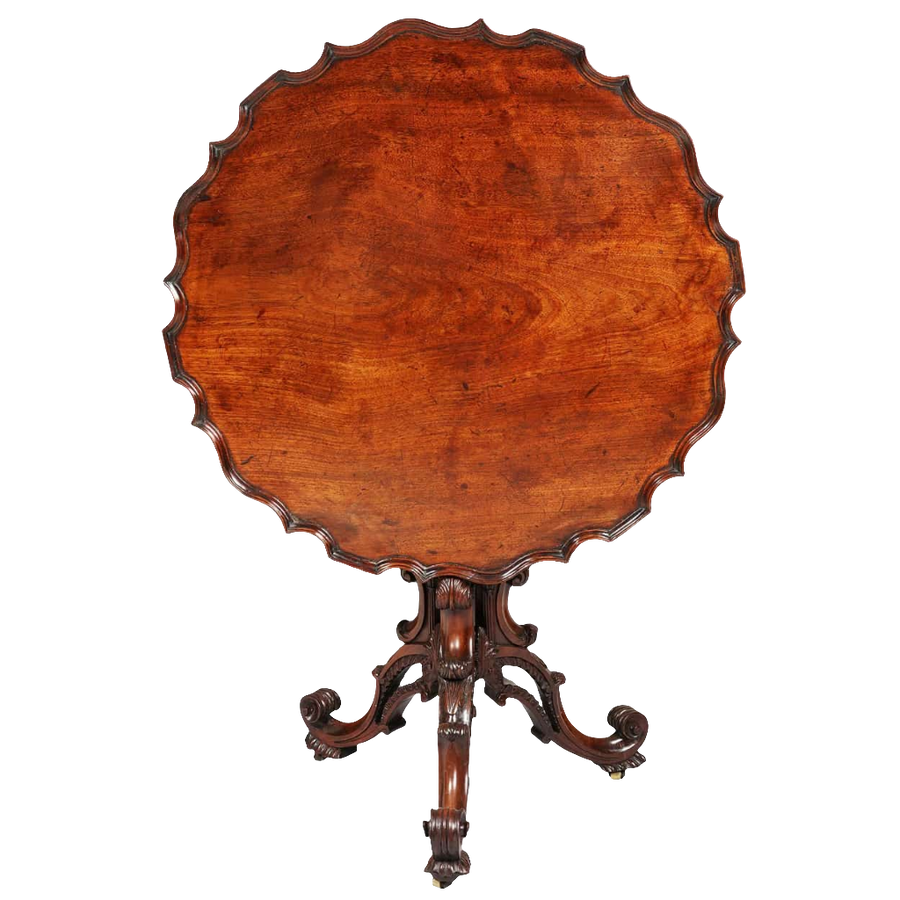
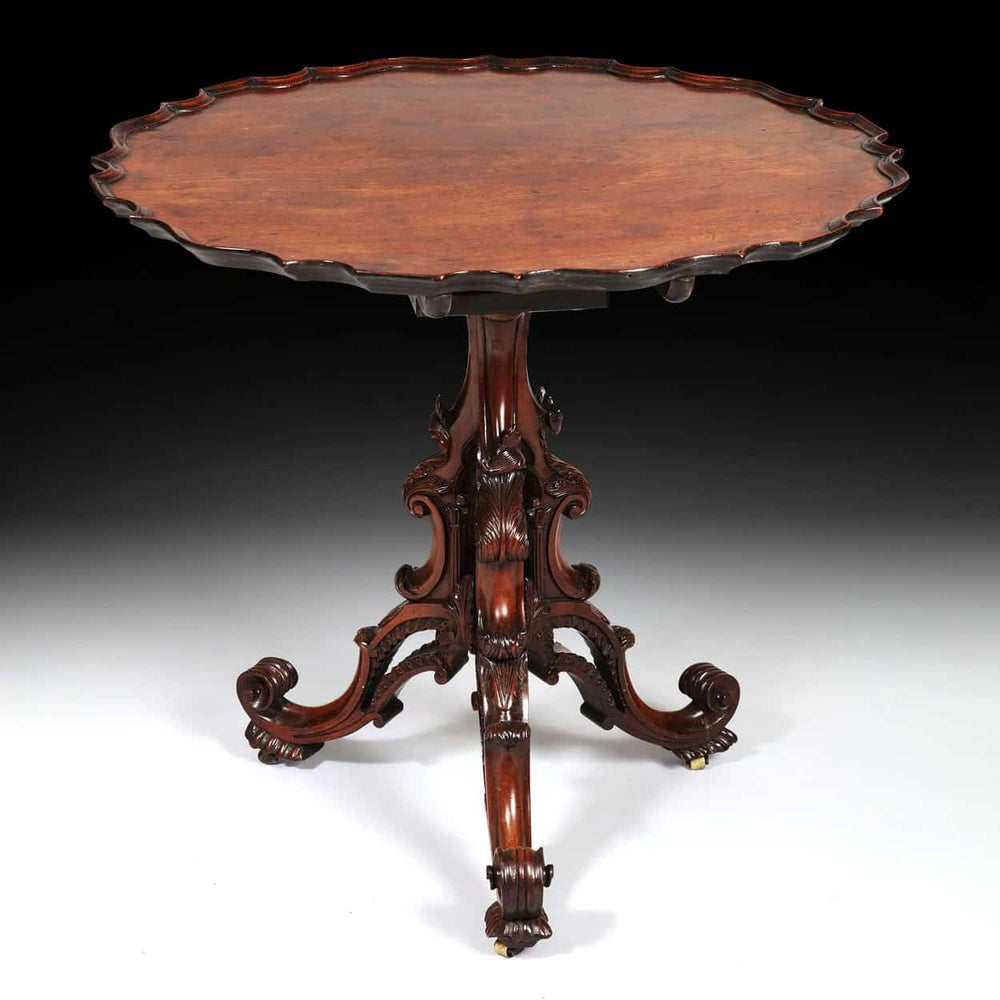
There's a profound distinction between a "thrifted" aesthetic and a professionally curated interior. The latter relies on investment-grade pieces that command authority. For instance, placing an antique centre table within a minimalist foyer does more than provide a surface for keys. It redefines the entire architectural volume, providing a sculptural focal point that contrasts beautifully with modern stone or glass.
The Narrative Power of Provenance
The Connoisseur’s Rules for Integrating Antique Tables and Seating
Successful styling antique furniture in modern interiors often adheres to the 80/20 rule. This principle maintains a serene, contemporary base for eighty per cent of the space while allowing high-period antiques to occupy the remaining twenty per cent as commanding focal points. By treating a singular object as a primary narrative element, you prevent the cluttered aesthetic that often concerns those new to collecting. It's about the precision of the edit rather than the volume of the inventory.
Dealer’s Secret: Authentication often lies hidden beneath the surface. When inspecting potential acquisitions, look for hand-cut dovetails on drawer linings. These irregular, tapered joints are a definitive marker of 18th-century construction, representing a level of manual dexterity that modern machinery cannot replicate. Such details ensure you are investing in a genuine cultural artefact rather than a later revival, preserving the integrity of your collection.
Centre Tables and Commodes as Focal Points
Positioning a 18th-century French commode against a crisp, white gallery wall creates an immediate visual impact, allowing the rich patina and intricate ormolu mounts to breathe. In the expansive, high-ceilinged apartments of New York or Greenwich, the architectural gravitas of Regency furniture provides a necessary counterweight to modern glass and steel. Utilising antique tables as functional art in open-plan spaces anchors the room, providing a sense of permanence amidst transient contemporary trends.
Seating as a Sculptural Element
Intricate antique armchairs bridge the gap between historical grandeur and modern comfort when paired with minimalist upholstery. Mixing a set of period dining chairs with a contemporary marble or glass table breaks visual uniformity, offering a curated look that reflects individual connoisseurship. The key is selecting seating that offers both historical significance and the ergonomic integrity required for 2026 luxury living. You might consider browsing our exceptional seating collection to find a piece that resonates with your home's unique narrative.
Mastering the Antique Surface: Patina and Materiality
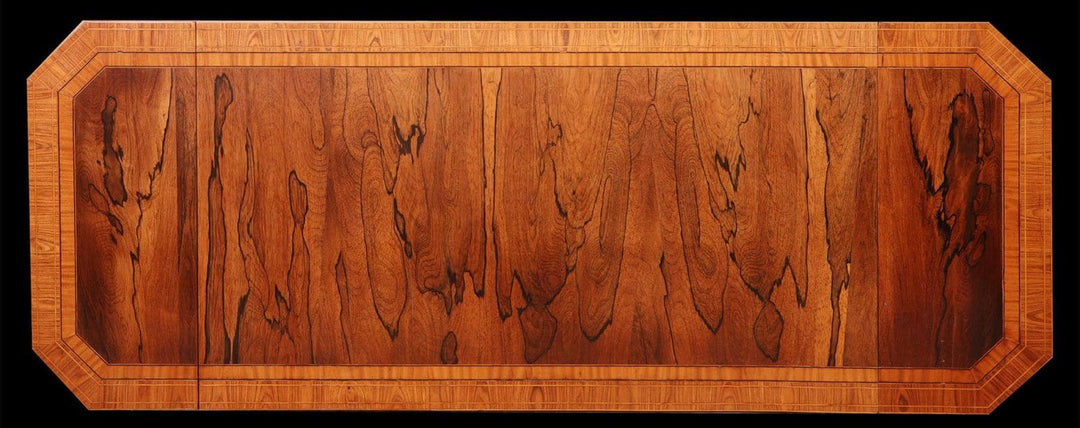
The soul of a historical object resides within its patina. When styling antique furniture in modern interiors, the discerning collector understands that the original surface of a 19th-century piece is a record of its journey through time. Unlike the flat, uniform finishes of modern lacquer, an antique surface possesses a depth and lustre that only centuries of wax polishing and oxidation can produce. We believe this character is sacrosanct. Over-restoration is a cardinal sin that strips an object of its narrative and market value, leaving it feeling clinical rather than distinguished.
Dealer’s Secret: Identifying true 18th-century quality often involves scrutinising the ormolu. Authentic mercury gilding, a process used before the advent of electroplating, results in a soft, rich, matte appearance in the deeper recesses of the bronze, contrasting with burnished highlights. If the gilding appears too uniform or possesses a brassy, yellow glare, it's likely a later revival. This level of craftsmanship provides a textural richness that grounds contemporary spaces of glass and concrete.
The Value of the Antique Surface
We provide complimentary restoration that respects the historical "skin" and character of every acquisition. The soft, living glow of wax-polished mahogany or walnut offers a necessary tactile warmth when placed against cold industrial materials like steel or polished concrete. This interplay of materiality ensures that your home feels curated rather than merely decorated, reflecting a deep appreciation for the exceptional. You can explore our curated antique furniture collection to find pieces that retain this vital historical integrity.
Lighting as the Atmospheric Bridge
Integrating antique lighting is the most effective way to soften the clinical harshness of modern LED environments. The foxed glass and mercury-silvering found in antique mirrors create a depth of reflection that modern glass cannot replicate, scattering light with a poetic softness. A 19th-century chandelier serves as a magnificent textural counterpoint to a minimalist ceiling, acting as a bridge between the precision of the present and the grandeur of the past.
Acquiring Excellence: Sourcing Antiques for the American Home
The modern connoisseur isn't limited by geography. While the heritage of the London antique trade remains our foundation, our transition to an online-only gallery model serves as a sophisticated portal for collectors in New York, Texas, and San Francisco. This digital evolution allows us to share "Dealer's Secrets" on authentication and market trends directly with a global audience, ensuring that styling antique furniture in modern interiors is a seamless experience regardless of your proximity to our London roots.
Navigating international acquisition requires an understanding of the current regulatory landscape. As of February 2026, a 10% reciprocal tariff is applied to almost all goods originating from the UK, including antiques. Additionally, the elimination of the $800 de minimis exemption in late 2025 means every commercial shipment requires formal entry. Despite these complexities, the rarity of an investment-grade piece justifies the investment. We partner exclusively with professional fine art shippers to manage these logistics, providing fully insured worldwide shipping as a non-negotiable standard for the modern collector.
The Seamless Global Acquisition Process
The journey from our London-based digital gallery to a residence in the Hamptons or Greenwich, Connecticut, is defined by meticulous care. Every acquisition includes complimentary restoration, a vital step that prepares a 19th-century French giltwood mirror or a set of Regency dining chairs for their next century of life. This ensures that when your piece arrives via professional fine art shippers, it possesses the structural integrity and aesthetic lustre required for immediate placement within your home.
Worth Collecting? Evaluating Market Rarity
In our "Worth Collecting?" analysis, we distinguish between general "brown furniture" and singular, investment-grade pieces. While a standard Victorian table might hold utility, an exceptional Regency convex mirror or a piece of Anglo-Indian furniture offers a level of scholarly distinction that appreciates over time. By focusing on rarity and provenance, you aren't merely decorating; you're building a legacy collection for future generations. This disciplined approach to styling antique furniture in modern interiors transforms a living space into a narrative of cultural significance and timeless elegance.
Cultivating a Legacy of Timeless Distinction
Mastering the art of styling antique furniture in modern interiors is a pursuit that rewards the patient collector with a home of profound character. It’s a scholarly exercise in balance, where the juxtaposition of a Regency silhouette against contemporary architecture creates a narrative that feels both curated and deeply personal. By respecting the historical skin of an object and understanding the architectural weight of high-period pieces, you transform a living space into a gallery of lived history. True luxury doesn't follow trends; it anchors them with the singular and the exceptional.
Building such a collection requires a partner who values the story of an object as much as its form. Our expertise-led curation by Nicholas Wells ensures that every piece meets the highest standards of rarity and condition. To support your journey, we offer complimentary restoration on every acquisition, ensuring each artefact is preserved for the next century. Our commitment to excellence includes fully insured worldwide shipping with professional fine art handlers, providing peace of mind for our clients across the United States. Explore our curated collection of fine English and Continental furniture to find the next focal point for your interior. Embrace the enduring elegance of the past to define your modern legacy.
Frequently Asked Questions
How do I know if an antique piece will fit my contemporary decor?
An antique piece fits your contemporary decor when it is selected for its architectural silhouette and material contrast rather than a desire for historical matching. Success in styling antique furniture in modern interiors often depends on the object's form; a clean-lined Regency table complements the geometric precision of a modern penthouse with natural ease. A singular French giltwood mirror 19th century creates a magnificent focal point against minimalist architecture, providing the soul that modern glass often lacks.
Is it better to restore antique furniture or leave it in its original condition?
Conservation is always preferable to aggressive restoration, as the goal is to preserve the historical "antique surface" and original patina. Over-restoring a 19th-century commode can strip its character and significantly diminish its market value. We provide complimentary restoration that focuses on structural integrity and the soft, living glow of wax-polished wood, ensuring the piece remains a significant cultural artefact while functioning perfectly in a luxury modern home.
How does Nicholas Wells Antiques handle shipping to the United States?
We manage the entire logistics chain through professional fine art shippers who specialise in transatlantic routes to regions like the Hamptons and Greenwich. Every shipment is fully insured and handled with the precision required for high-value decorative arts. While the 10% reciprocal tariff introduced in February 2026 and the elimination of the de minimis exemption have added complexity, our shipping partners ensure a seamless delivery process directly to your American residence.
Can I mix different periods of antique furniture in the same room?
Mixing different periods is a hallmark of sophisticated styling antique furniture in modern interiors, as it creates a curated narrative that transcends specific eras. Pairing an Anglo-Indian armchair with a Georgian side table creates a layered dialogue of global history and craftsmanship. This scholarly approach prevents a room from feeling like a static museum display, allowing each object to be appreciated for its unique narrative within a cohesive, contemporary layout.
What are the most important historical markers to look for when buying 18th-century furniture?
The most critical markers of authentic 18th-century furniture include hand-cut dovetails, the presence of original mercury-gilded ormolu, and the specific density of period mahogany or walnut. Look for irregular, tapered joints in drawer linings, which signal manual dexterity that machines cannot replicate. Identifying these "Dealer’s Secrets" ensures you are acquiring an investment-grade piece. The depth of the original surface patina remains the most evocative marker of an object’s true age and quality.

Leave a comment