



The Connoisseur’s Guide to the Cabinet of Curiosities: Wunderkammer, Kunstkammer, and the Evolution of the Studiolo
True connoisseurship is not merely the accumulation of objects; it's an intellectual pursuit that seeks to map the entire universe within the confines of a single room. You likely understand the magnetic pull of a rare Grand Tour obelisk or the deep, authentic patina of a 17th-century bronze, yet the historical distinctions between these collecting traditions often remain clouded by overlapping terminology. This guide provides a definitive exploration of the Cabinet of Curiosity, Wunderkammer, Kunstkammer and Studiolo, offering the scholarly clarity required to curate a collection with genuine historical depth and aesthetic cohesion. We'll trace the evolution of these "rooms of wonder" from the private retreats of Renaissance princes to the sophisticated galleries of the 21st century. You'll discover how to distinguish between the artificial marvels of the Kunstkammer and the natural wonders of the Wunderkammer, while gaining inspiration for your own personal gallery. Nicholas Wells Antiques, located near the prestigious enclaves of Mayfair and Piccadilly, remains a trusted advisor for those seeking to acquire magnificent pieces with impeccable provenance. Whether you're searching for Georgian mahogany or a rare Oceanic war club, this journey through history will transform your approach to the art of collecting.
Key Takeaways
- Distinguish between the intimate intellectual retreat of the Italian Renaissance and the expansive, encyclopaedic traditions of the Northern European Cabinet of Curiosity, Wunderkammer, Kunstkammer and Studiolo.
- Master the classical taxonomy of collecting by categorising your acquisitions into Naturalia, Artificialia, and Mirabilia to create a cohesive and scholarly narrative.
- Understand how the 18th-century Grand Tour transformed rooms of wonder into sophisticated galleries filled with classical obelisks, micro-mosaics, and fine Georgian mahogany.
- Learn why the preservation of the unique antique surface and authentic patina is the hallmark of a true connoisseur and vital for protecting the soul of an object.
- Discover how to partner with Nicholas Wells Antiques to source rare works of art and benefit from expert restoration and insured international shipping.
From the Italian Studiolo to the Northern Wunderkammer
The genesis of the modern collection lies not in the public museum, but in the intimate, intellectual retreats of the 15th-century Italian elite. These spaces, known as studioli, served as the physical manifestation of the Renaissance Man’s desire to categorise and comprehend the universe. It was a time when the pursuit of knowledge was inseparable from the pursuit of beauty. The evolution of the Cabinet of Curiosity, Wunderkammer, Kunstkammer and Studiolo reflects a shift from solitary contemplation to the grand, encyclopaedic displays of princely power that eventually defined the European courts.
As these collections grew in complexity, the "cabinet" itself underwent a fascinating metamorphosis. While the term originally described an entire room, it gradually transitioned into a specialised piece of furniture. By the 17th century, the architectural scale of the room was distilled into magnificent cabinet furniture, often featuring intricate drawers and secret compartments designed to house the world’s most enigmatic treasures. This transition allowed the collector to maintain the same sense of universal order within a more portable, yet equally superb, structure.
The Studiolo: A Sanctuary of Humanism
The studiolo was a private sanctuary dedicated to the humanities, where a prince could withdraw from the pressures of court life to engage with classical texts and rare objects. Perhaps the most celebrated examples are those of Isabella d’Este in Mantua and Federico da Montefeltro in Urbino. These rooms were often decorated with exquisite intarsia, or marquetry, using trompe l’oeil techniques to create the illusion of open cupboards filled with books and scientific instruments. This tradition of the intellectual retreat continues to influence the modern collector’s desire for a curated home office or library, where history and design converge in a single, quiet space.
The Rise of the Wunderkammer and Kunstkammer
As the Renaissance moved north, the Italian model expanded into the more theatrical traditions of the Wunderkammer and Kunstkammer. While the terms are often used interchangeably, subtle distinctions remain: the Wunderkammer, or "Room of Wonders," focused on the extraordinary products of nature, while the Kunstkammer, or "Room of Art," prioritised man-made marvels and technical ingenuity. These collections became the epicentres of the 16th-century princely courts, serving as a microcosm of the sovereign's dominion over both the natural and artificial worlds. Samuel Quiccheberg’s 1565 treatise, Inscriptiones vel Tituli Theatri Amplissimi, effectively established the Cabinet of curiosities and the Kunstkammer as a structured precursor to the modern museum by proposing a systematic method for categorising universal knowledge.
The Anatomy of a Collection: Naturalia, Artificialia, and Mirabilia
To understand the structural logic of a historical collection, one must look past the visual chaos and recognise the rigorous taxonomy that governed it. The traditional Cabinet of Curiosity, Wunderkammer, Kunstkammer and Studiolo was organised into distinct categories that mirrored the intellectual landscape of the era. These divisions weren't merely for storage; they were a way for the owner to demonstrate their mastery over both the natural world and human ingenuity. By categorising objects into Naturalia, Artificialia, and Mirabilia, the collector created a microcosm of the universe that was both scholarly and deeply personal.
The Dialogue Between Art and Nature
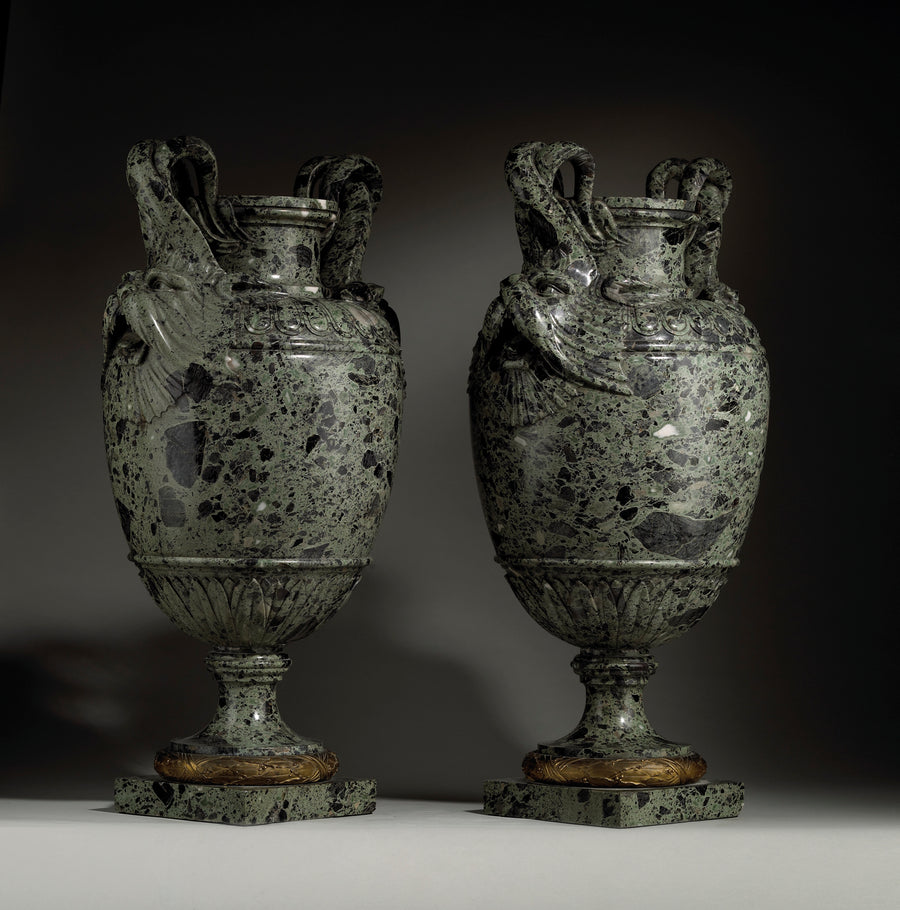
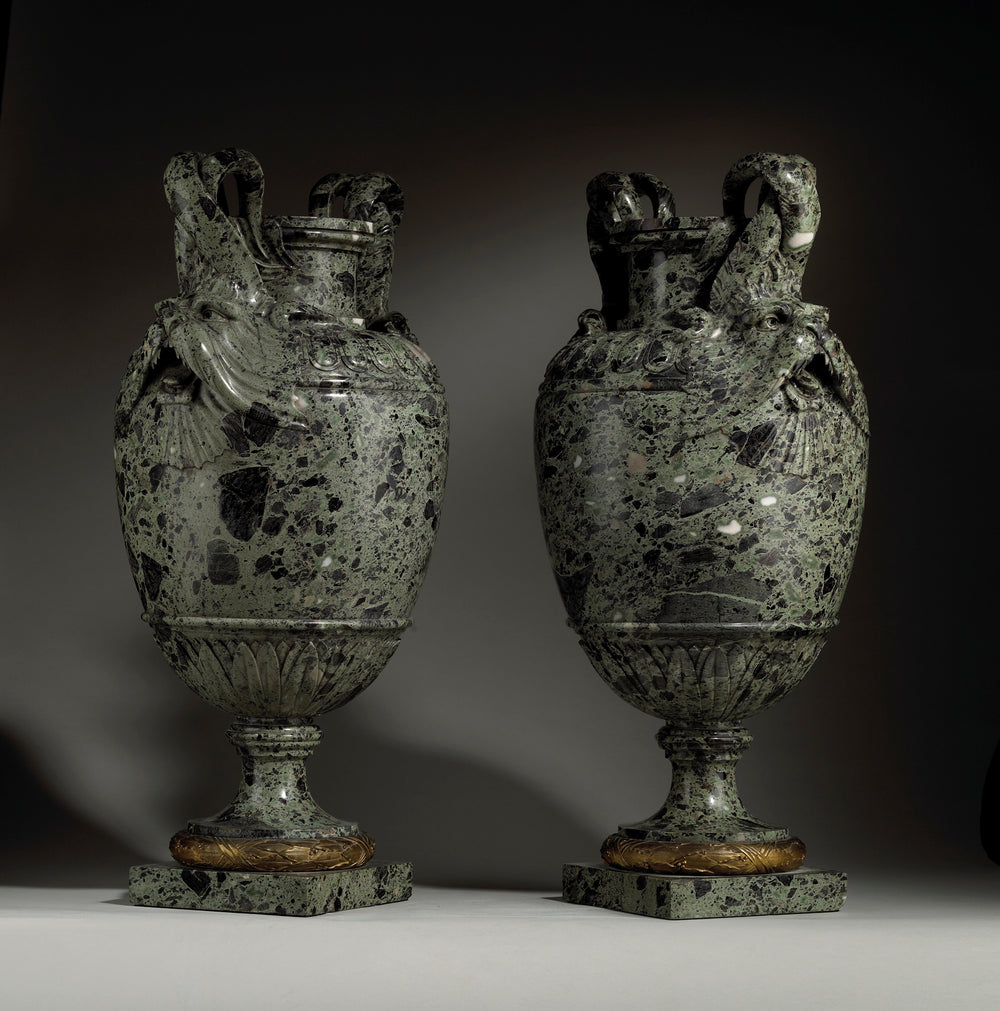
Naturalia represents the raw, unadulterated power of the earth. Collectors sought out minerals, fossils, and organic wonders like narwhal tusks, which were often presented as unicorn horns to heighten their mystique. In the 18th century, this fascination evolved into a more aesthetic appreciation where rare minerals were frequently mounted in French giltwood or ormolu. This created a direct conversation between the untamed earth and refined human skill. Such objects challenged the boundaries of science and art, turning a simple specimen into a focal point of wonder. The preservation of the unique antique surface on these mounts is essential, as the patina tells the story of the object's journey from the natural world to the princely gallery.
Artificialia: The Height of Human Craft
Artificialia celebrates the triumphs of human craftsmanship and technical brilliance. This category encompasses everything from intricate antique clocks to superb examples of marquetry and fine furniture. These objects weren't just decorative; they were scientific marvels that functioned as "miniature universes." A complex astronomical clock or a perfectly weighted set of scales symbolised the owner’s ability to measure and control the environment. The Italian Studiolo often featured these items as central components of a humanist decorative programme, allowing the resident to contemplate divine order through the lens of human achievement.
Mirabilia consists of those rare objects that defy easy explanation, while Scientifica encompasses the tools used to map the heavens. For the modern collector, integrating these disparate elements requires a keen eye for historical integrity. Nicholas Wells Antiques specialises in sourcing these extraordinary pieces, ensuring that each acquisition maintains its soul and distinguished presence. If you're seeking to refine your own collection, you might explore our latest acquisitions, each selected for its exceptional rarity and historical significance. Our London showroom, available by appointment, offers a sophisticated bridge between the grandeur of the past and the requirements of modern luxury living.
Empire and the Grand Tour: The 18th Century Evolution
The 18th century witnessed a profound transformation in the art of collecting, as the secretive, princely Cabinet of Curiosity, Wunderkammer, Kunstkammer and Studiolo gave way to the Enlightenment. For the British aristocracy, the Grand Tour was an essential rite of passage. It was a journey across the continent that served as an immersive education in art, architecture, and history. These young men returned to their country estates with crates filled with classical antiquities, marble obelisks, and intricate micro-mosaics, effectively turning the English country house into a living museum. This era established the English gentleman as the preeminent curator of the world’s heritage, blending the scholarly rigour of the past with a new, imperial confidence. For a deeper exploration of these classical souvenirs, one should consult the Grand Tour Objects connoisseur’s guide.
Grand Tour Souvenirs and Classical Aspirations
As the Grand Tour reached its zenith, the demand for classical sculpture and architectural models in rare marbles became a defining aesthetic of the Georgian era. These objects weren't merely decorations; they were symbols of intellectual status. Collectors frequently displayed bronze reductions of the Borghese Gladiator or the Dying Gaul on antique centre tables to spark learned conversation during evening receptions. The architectural grandeur of these pieces was often reflected in the surrounding interior, where Irish pier mirrors and Regency furniture provided a dignified backdrop for the treasures of antiquity. At Nicholas Wells Antiques, we focus on the preservation of the unique antique surface of such pieces, ensuring that the historical narrative remains intact.
The Exotic and the Ethnographic
Beyond the classical ruins of Italy, the 18th and 19th centuries saw a burgeoning fascination with the "otherness" of distant lands. The British Empire’s expansion facilitated the introduction of Oceanic tribal art and Islamic arms into European cabinets. Collectors began to appreciate the sculptural power of a Fijian ula war club or the intricate calligraphy on a Persian helmet. This shift marked the beginning of a more ethnographic approach to curation, where objects were studied for their cultural significance as much as their aesthetic appeal. These items served as a bridge between the known world and the mysterious territories of the South Seas and the Middle East, enriching the modern Wunderkammer with a global perspective.
Nicholas Wells Antiques continues this tradition of scholarly dealing, offering a curated selection of rare objects from our London-based gallery. While we operate primarily online, our showroom near Mayfair and Piccadilly is available for viewings by appointment. We offer fully insured international shipping and expert restoration services to ensure your acquisitions arrive in superb condition, ready to serve as the focal point of a contemporary interior.
The Aesthetic of the Cabinet: Patina, Surface, and Curation
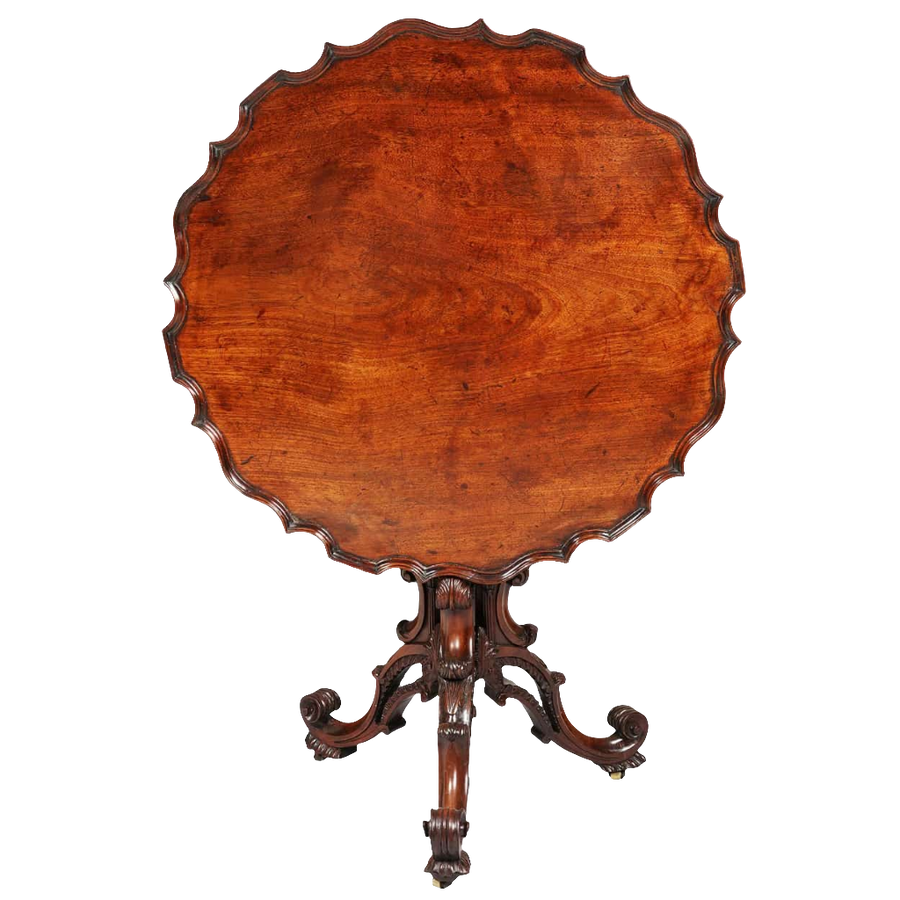
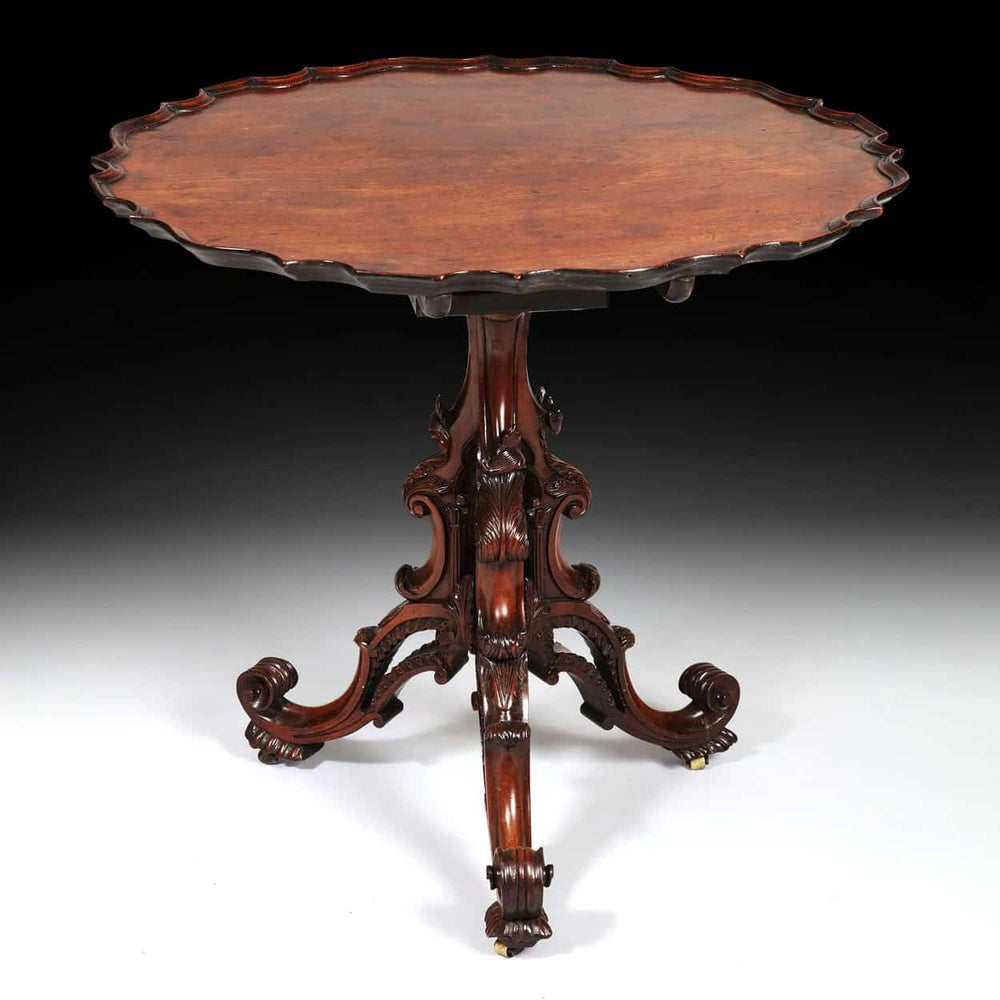
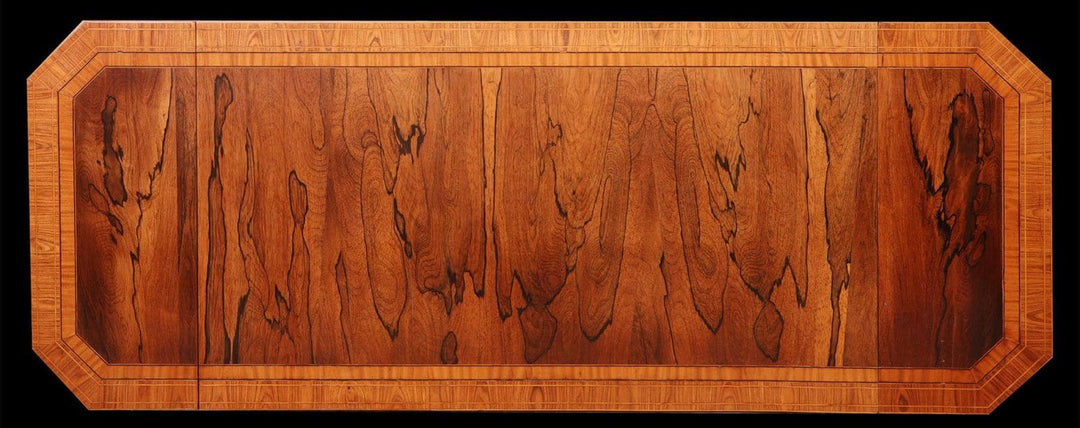
The physical integrity of an object is its most compelling attribute. Within the historical framework of the Cabinet of Curiosity, Wunderkammer, Kunstkammer and Studiolo, the visual narrative is told through the unique antique surface. This surface isn't merely a layer of wax or varnish; it's a profound record of an object’s historical journey through the centuries. For the serious collector, patina represents the soul of the piece, offering a tactile connection to the past that transcends mere ownership. Developing a connoisseur’s eye involves recognising the soft, varied glow of original ormolu or the deep, complex grain of untouched Georgian mahogany, while remaining wary of the sterile, flat perfection often found in over-restored items.
Preserving the Soul of the Object
True expertise in the global antiques market demands an uncompromising commitment to the conservation of history. Whether it's the fragile, shimmering brilliance of French giltwood or the sturdy elegance of a Regency library table, the goal is always preservation over transformation. We believe that antique restoration should be a sympathetic process, one that stabilises the piece without erasing the marks of its previous lives. There's a specific, magnificent allure to a 19th-century bronze that retains its original dark patina, just as there's a superb quality to a Chippendale chair where the wood has mellowed to a honeyed hue. These details provide the authenticity that distinguishes a significant cultural artifact from a mere decorative item.
Curation for the Modern Interior
Building a personal gallery requires a sophisticated bridge between tradition and contemporary luxury living. The modern Wunderkammer doesn't need to be a period-accurate recreation; it's a space where disparate eras engage in a visual dialogue. Mixing the geometric boldness of Art Deco with the refined proportions of Georgian mahogany creates a dynamic, layered environment that feels personal and curated. To enhance this sense of drama, the strategic use of lighting and lanterns is essential. A well-placed lantern can cast evocative shadows across a collection of classical obelisks or Fijian war clubs, heightening the mystery of the space. Often, a single extraordinary object, such as a rare Irish pier mirror or a magnificent chandelier, can anchor an entire room, providing the focal point around which a collection evolves.
To find the perfect centrepiece for your own gallery, you should browse our collection of rare European objects. Nicholas Wells Antiques offers a curated selection of fine antiques, with a showroom near Mayfair and Piccadilly available to visit by appointment. We provide fully insured international shipping, ensuring that the unique story and surface of each piece is preserved from our London gallery to your home.
Building Your Private Gallery with Nicholas Wells Antiques
The modern pursuit of a Cabinet of Curiosity, Wunderkammer, Kunstkammer and Studiolo requires more than an appreciation for the past. It demands a partnership with a specialist who understands that true luxury is found in the authentic and the extraordinary. Nicholas Wells Antiques serves as this essential guide, offering a bridge between the scholarly traditions of the Renaissance and the aesthetic demands of the contemporary home. Our curated selection of works of art and fine furniture is chosen for its ability to transform a space into a narrative of human achievement and natural wonder.
A Specialist Eye in the Heart of London
Our gallery is deeply rooted in the traditions of London-based antique dealing. While we embrace the global reach of our online presence, our heart remains near the historic centres of Mayfair and Piccadilly. We offer a bespoke service that caters to the specific needs of interior decorators and private collectors who seek the magnificent. Whether you require a set of Regency library chairs, a pair of Grand Tour obelisks, or a rare Irish pier mirror to anchor a room, we provide the expertise to help you build a collection with soul. Our showroom is available for private viewings by appointment, allowing you to experience the weight, texture, and superb patina of our pieces in person.
The Nicholas Wells Guarantee
The Nicholas Wells Antiques experience is defined by an uncompromising commitment to quality. Every acquisition includes the benefit of our expert restoration services, where we focus on the conservation of history and the preservation of the unique antique surface. We don't believe in the over-polished or the transformative; we believe in the beauty of age. Our commitment extends to the logistical details of every purchase. We provide fully insured international shipping for every item, regardless of its destination. From delicate crystal chandeliers and lanterns to heavy Georgian mahogany tables and Art Deco bronze sculpture, our logistics team handles every detail with the utmost care. This ensures your investment arrives in pristine condition, ready to take its place in your private gallery.
We invite you to Explore the Nicholas Wells Antiques collection and begin your own Cabinet of Curiosities today. Each piece we source is more than inventory; it's a significant cultural artifact waiting for its next chapter in a distinguished home.
The Future of the Modern Collection: Curating Your Intellectual Sanctuary
The transition from the private Renaissance retreat to the expansive Enlightenment gallery reveals that the Cabinet of Curiosity, Wunderkammer, Kunstkammer and Studiolo is far more than a historical relic. It's an enduring philosophy of curation that celebrates the profound intersection of art, nature, and human ingenuity. By embracing the classical categories of Naturalia and Artificialia, you transform your living space into a narrative of scholarly depth and aesthetic allure. The preservation of the unique antique surface remains the paramount concern for any serious collector, as it guards the object's historical soul. Established in London in 2012, Nicholas Wells Antiques has spent over 14 years as a specialist dealer in Grand Tour objects and rare 18th-century furniture. We ensure that every piece, from Georgian mahogany to French giltwood, retains its distinguished patina. We provide fully insured worldwide shipping on all orders, providing a seamless bridge between our London gallery and your private collection. It's time to begin the next chapter of your collecting journey with the quiet confidence of a true connoisseur.
View our extraordinary collection of Cabinet Furniture and Works of Art
Frequently Asked Questions
What is the difference between a Wunderkammer and a Kunstkammer?
A Wunderkammer focuses on natural wonders, or Naturalia, while a Kunstkammer prioritises man-made artistry and technical ingenuity, known as Artificialia. While both terms emerged in 16th-century princely courts, the former celebrates the untamed earth and the latter highlights human craft. This distinction is central to understanding the evolution of the Cabinet of Curiosity, Wunderkammer, Kunstkammer and Studiolo. Each category serves to map a different facet of the known universe within a single, curated space.
How do I start a Cabinet of Curiosities in a modern home?
Start by selecting a focal piece of cabinet furniture, such as a 19th-century collector’s chest or a superb Georgian mahogany bookcase. Modern curation thrives on the juxtaposition of disparate objects, so look for items with a strong sculptural presence. You might begin with a single Grand Tour obelisk or a rare mineral specimen. Nicholas Wells Antiques often advises clients to focus on the soul of an object rather than adhering to a rigid period theme.
What are the most sought-after objects for a Cabinet of Curiosities?
Connoisseurs typically seek rare Grand Tour souvenirs, including marble architectural models and fine bronzes, alongside ethnographic pieces like Fijian war clubs. Scientific instruments, such as 18th-century globes or complex antique clocks, remain highly prized for their technical brilliance. Many collectors also look for Naturalia, including mounted nautilus shells and minerals. These extraordinary items provide the intellectual and visual complexity required for a truly distinguished gallery.
Why is patina so important in antique collecting?
Patina is the physical record of an object's history, serving as an undeniable mark of authenticity and age. For serious collectors, the preservation of the unique antique surface is more valuable than a modern, transformative restoration. A deep, mellowed patina on a Regency library table or the soft glow of original French giltwood ormolu tells a story that spans centuries. At Nicholas Wells Antiques, we prioritise the conservation of this historical surface above all else.
Can I visit the Nicholas Wells Antiques showroom in London?
Yes, you can experience our collection first-hand at our London gallery, which is available to visit by appointment. Located near the prestigious districts of Mayfair and Piccadilly, our showroom offers a quiet, exclusive space to examine our latest acquisitions. This personal approach allows you to appreciate the weight, texture, and historical significance of our antiques under professional guidance. Simply contact us to arrange a private viewing at your convenience.
Does Nicholas Wells Antiques ship high-value items internationally?
We provide fully insured international shipping for every acquisition, ensuring that your investment is protected from our London gallery to your home. Our team has extensive experience handling delicate and high-value items, including large chandeliers, lanterns, and fragile works of art. We manage all logistical details, including custom crating and global transit. This professional service allows collectors worldwide to acquire rare pieces with complete peace of mind.
What role did the Grand Tour play in the history of collecting?
The Grand Tour was a transformative 18th-century rite of passage that populated British country houses with classical antiquities and continental treasures. Returning aristocrats brought back marble obelisks, micro-mosaics, and bronze reductions of ancient sculpture to showcase their intellectual status. This influx of objects evolved the earlier Cabinet of Curiosity, Wunderkammer, Kunstkammer and Studiolo into the sophisticated galleries we recognise today. It established the English gentleman as a primary curator of global heritage.
Is it possible to mix different antique styles in one cabinet?
Mixing disparate styles is encouraged, as it creates a dynamic and personal visual dialogue within a modern Wunderkammer. A successful collection might place an Art Deco bronze alongside a piece of Georgian mahogany or a rare Oceanic war club. The key is to find a common thread, such as exceptional quality or a compelling historical narrative. This layered approach ensures that each object remains a distinct focal point while contributing to a cohesive whole.

Leave a comment