



The Dutch East India Company: A Legacy of Global Trade and Decorative Arts
The modern concept of luxury wasn't born in the gilded ateliers of Paris, but rather on the salt-sprayed decks of 17th-century merchant vessels. While many historians focus on the geopolitical weight of the Dutch East India Company, established in 1602, the true legacy of the VOC lies in its profound transformation of the European domestic interior. You likely recognise that a fine antique is more than its timber; it's a vessel for history. At Nicholas Wells Antiques, we understand that for the serious collector, an object's history is as vital as its surface patina.
In this exploration, you'll discover how the VOC redefined global trade and why its material legacy remains the pinnacle of antique collecting. We'll provide the scholarly context necessary to identify rare Batavian furniture and the intricate depths of Coromandel lacquer, moving beyond mere commerce to appreciate these items as significant cultural artifacts. Whether you're seeking a piece for a Mayfair residence or a private gallery, our insights bridge the gap between the Dutch Golden Age and contemporary luxury living. While we operate as a premier online gallery with international shipping, we invite you to view our superb collection of decorative arts at our London showroom by appointment.
Key Takeaways
- Understand how the Dutch East India Company established the world’s first multinational corporation, sparking a Golden Age of maritime trade that fundamentally reshaped European aesthetic standards.
- Explore the introduction of rare materials like ebony and Coromandel wood, which revolutionised 17th-century interior design and inspired the exquisite art of "Japanning."
- Learn to distinguish the unique "Batavian" style, where Dutch Baroque forms merged with Javanese craftsmanship to create iconic pieces such as the distinguished Burgomaster chair.
- Master the connoisseur’s approach to identifying authentic VOC-era construction and discover why preserving the original surface patina is paramount for maintaining an object's historical integrity.
- Discover how Nicholas Wells Antiques sources these rare global artifacts and how to view our curated collection via a private showroom appointment in London.
The Foundations of the Vereenigde Oostindische Compagnie (VOC)
The 20th of March, 1602, marked a seismic shift in the history of international commerce with the establishment of the Dutch East India Company (VOC). It wasn't merely a trading firm; it was the world’s first publicly traded multinational corporation, a precursor to modern global capitalism that operated with unprecedented sovereign autonomy. During the Dutch Golden Age, maritime supremacy didn't just expand borders; it fuelled a cultural renaissance where the acquisition of rare, "exotic" objects became the ultimate signifier of wealth and intellectual curiosity. This era of prosperity allowed the Dutch Republic to become the epicentre of the decorative arts, where the arrival of a single ship could dictate the aesthetic trends of the European elite.
Wealthy merchants and aristocrats sought out Dutch East India Company imports to distinguish their private collections and grand interiors. These objects, ranging from fine porcelain to intricate lacquerware, possessed a superb patina of worldliness that local European crafts could not yet replicate. The company’s geographic reach was vast, stretching from the strategic victualling station at the Cape of Good Hope to the secluded trading post of Deshima island in Japan. At Nicholas Wells Antiques, we recognise these historical threads, often sourcing Asian and Oriental works of art that reflect this early era of sophisticated global exchange.
The Birth of Global Capitalism and the VOC Monopoly
The VOC operated under a unique charter granted by the States-General of the Netherlands, which bestowed quasi-governmental powers upon the directors. It held the authority to wage war, negotiate treaties, and coin its own currency, effectively functioning as a state within a state. Control over the Spice Islands, specifically the Moluccas, was paramount to their success, as was the establishment of Batavia in 1619, which served as the company's administrative heart in modern-day Jakarta. The VOC mentality represented a singular, ruthless fusion of commercial ambition and state-sanctioned power that reshaped the global map through absolute maritime control.
The VOC and the Early Seeds of the Grand Tour
While the traditional Grand Tour focuses on the 18th-century fascination with classical Italy, the influx of Eastern objects through the Dutch East India Company established an earlier, vital precedent for collecting. Dutch merchants acted as the first global curators, selecting distinguished items for European cabinets of curiosities long before the formalisation of the continental tour. This early connoisseurship laid the foundation for the appreciation of Grand Tour objects and classical souvenirs, bridging the gap between Eastern craftsmanship and Western desire.
Nicholas Wells Antiques continues this tradition of scholarship and curation from our London base. While we operate primarily as an online gallery, our showroom in the vicinity of Mayfair and Piccadilly is available for clients to visit by appointment. We offer international shipping and expert antique restoration to ensure every piece, whether a Georgian mahogany desk or a rare Japanese cabinet, retains its historical integrity and unique surface patina. Our commitment to the conservation of history ensures that these extraordinary artifacts remain focal points in contemporary luxury living.
The Material Legacy: How the VOC Transformed European Interiors
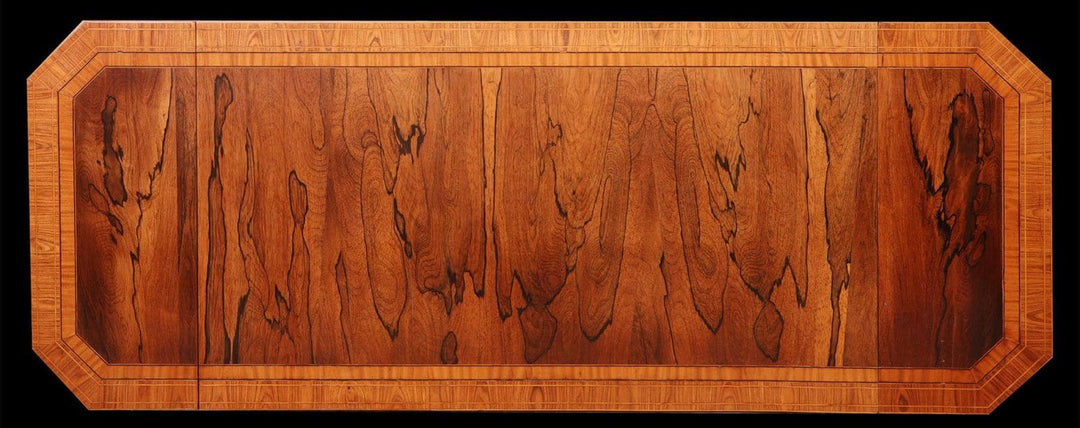
The Dutch East India Company (VOC) did more than merely secure trade routes; it effectively redefined the aesthetic boundaries of the European home. By the mid-17th century, the steady influx of exotic materials from the East Indies and Asia provided a new palette for the most prestigious workshops in Amsterdam and Paris. The introduction of rare timbers like Padauk and Coromandel wood allowed for a depth of colour and durability previously unseen in Western furniture. This era saw the rise of the floral aesthetic in Dutch marquetry, where intricate inlays of exotic woods depicted botanical specimens with scientific precision. The obsession with "White Gold," or Kraak porcelain, reached such heights that it eventually birthed the Delftware industry, as local potters sought to replicate the translucent beauty of Chinese imports. Since the founding of the Dutch East India Company in 1602, the global movement of these luxury goods has dictated the evolution of high-end interior design.
Ebony and the Rise of the Cabinet-Maker
The arrival of Macassar ebony from the Celebes Islands transformed the status of the woodworker. This dense, dark timber was so difficult to work that it necessitated a new class of specialist known as the "ebonist." These craftsmen, predominantly active in Amsterdam and later Paris, moved away from traditional joinery to focus on the meticulous construction of veneered cabinets. At Nicholas Wells Antiques, we place immense value on the preservation of the original surface of these pieces. The deep, lustrous patina developed over centuries on an ebony cabinet is irreplaceable; it's a testament to the wood’s natural oils and the skill of the 17th-century maker. These objects served as the spiritual ancestors to the refined Regency and Georgian mahogany pieces that would later dominate the British tradition.
Coromandel Lacquer and Exotic Screens
Despite the name, Coromandel lacquer did not originate on the Indian coast but was shipped through Dutch East India Company trading posts from China. These magnificent folding screens, often featuring vibrant narrative scenes of court life or flora and fauna, were highly coveted by European aristocrats. It became a common practice for dealers to dismantle these screens, using the individual panels to adorn the fronts of European commodes and desks. This hybridisation created a unique aesthetic that bridged Eastern artistry and Western form. Collectors can explore our curated selection of Cabinet Furniture to find examples that reflect this cross-cultural sophistication. The result is a piece that carries the soul of two continents.
Whether you're seeking a statement piece for a Mayfair residence or a unique addition to a global collection, Nicholas Wells Antiques offers expert guidance and international shipping for every acquisition. Our London showroom is available to visit by appointment for those who wish to experience these historical surfaces in person.
Distinguishing VOC Influence: Batavian Style and Colonial Craftsmanship
The aesthetic legacy of the Dutch East India Company is most visibly articulated through Batavian furniture, a style that emerged from the 17th-century settlements of Java. This wasn't merely a translation of Dutch Baroque forms to the East; it was a sophisticated synthesis where European silhouettes met the intricate, fluid carving techniques of Javanese craftsmen. While British colonial furniture often leaned towards the lighter proportions of Georgian mahogany, VOC-era pieces possess a distinctive architectural weight. They're frequently executed in dense, dark timbers like ebony and calamander, materials that allowed for the high-relief carving of indigenous floral motifs known as karang hantu.
Comparing the Dutch East India Company influence to that of its British counterpart reveals a clear divergence in taste. British makers in India often adapted the elegance of Regency or Chippendale designs, whereas the Dutch preference remained rooted in the robust, scrolled forms of the William and Mary period. The VOC's impact on decorative arts extended beyond simple utility, creating a visual language of power that defined the domestic spaces of high-ranking officials. This tradition of "Company Art" also included commissioned paintings and objects that documented the flora, fauna, and social hierarchies of the East, serving as vital historical records for the modern connoisseur.
The Burgomaster Chair: A Study in Form
Among the most iconic forms of this era is the Burgomaster chair, a masterpiece of 18th-century seating that remains a prize for any serious collector at Nicholas Wells Antiques. These chairs are instantly recognisable by their circular seats and a unique six-legged construction, designed to provide exceptional stability. Often crafted from teak or lustrous satinwood, they feature pierced back splats and a rotating mechanism that allowed for a commanding view of a room. Many of these superb examples were eventually shipped back to the Netherlands, serving as prestigious souvenirs of a distinguished career in the East.
VOC Silver and the Commemoration of Trade
Commemoration played a central role in the material culture of the Dutch East India Company. Silver objects, frequently bearing the VOC monogram, were commissioned to celebrate successful naval treaties or the safe arrival of a fleet. These memorial pieces, ranging from ceremonial salvers to ornate tobacco boxes, highlight the intersection of global commerce and refined artistry. The preservation of the unique antique surface on these items is paramount, as the original patina tells the story of their journey across oceans. For those seeking to explore such rarities, our curated selection of Works of Art offers a glimpse into the extraordinary craftsmanship that defines this era. While our gallery operates primarily online, we welcome clients to view our collection in London by appointment, ensuring each piece finds its place in a contemporary interior of distinction.
The Connoisseur’s Eye: Identifying and Preserving VOC-Era Antiques
To the discerning collector, an object from the era of the Dutch East India Company represents more than a financial investment; it's a tangible fragment of a vanished maritime empire. Identifying authentic 17th and 18th-century construction requires a tactile understanding of the cabinetmaker's craft. True VOC-era furniture reveals its age through hand-cut dovetails that possess a distinctive, irregular charm, quite unlike the clinical precision of later industrial methods. One should examine the underside of a table or the interior of a cabinet for hand-planed surfaces, where the rhythmic stroke of the tool has left a subtle, undulating texture across the timber. Secondary woods often provide the final clue; European oak was frequently paired with exotic imports like coromandel or ebony, creating a structural dialogue between East and West.
The surface patina serves as the soul of the piece, a delicate layer of history that must never be stripped away. This "skin" of the antique, built up through centuries of waxing and natural oxidation, is paramount for maintaining value. A common pitfall for the novice lies in the 19th-century "Revival" pieces which, while handsome, lack the depth of character found in 17th-century originals. These later iterations often use thinner veneers and more uniform construction techniques that fail to capture the robust elegance of the golden age. Distinguishing between a genuine 1680s cabinet and an 1860s tribute requires an eye for the slight shrinkage gaps and the specific wear patterns that only three centuries of use can produce.
Preserving the Unique Antique Surface
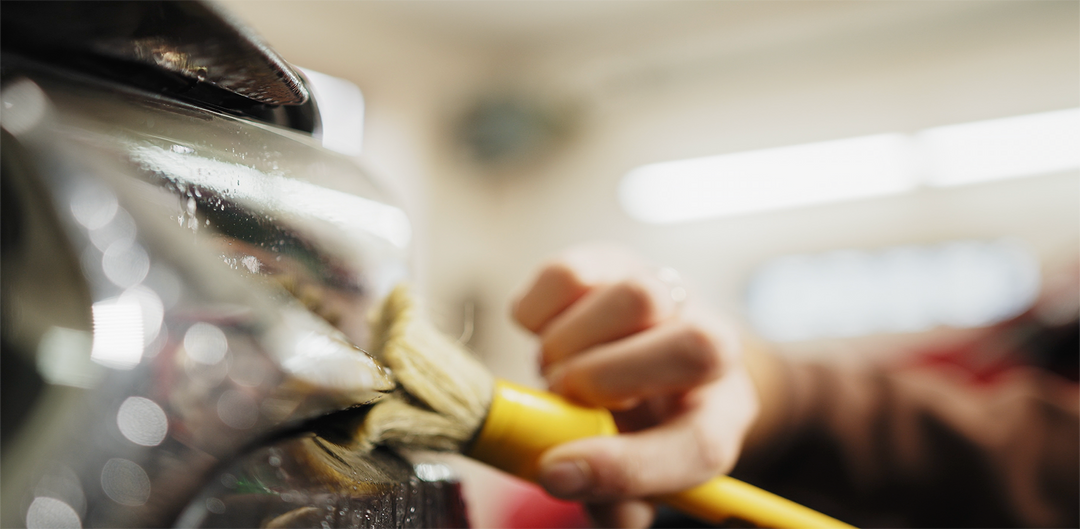
The conservation of materials like lacquer and ebony demands a specialist's touch to ensure the longevity of the piece. These surfaces are sensitive to environmental fluctuations, requiring expert intervention to prevent cracking or lifting. At Nicholas Wells Antiques, we recognise that the integrity of the finish is as significant as the form itself. We provide complimentary restoration for all sold items, ensuring that every acquisition remains a pristine example of historical artistry through professional conservation.
The Role of Provenance in High-Value Acquisitions
A documented lineage connecting a piece to Dutch maritime families or specific colonial auctions can exponentially increase its market value. Provenance transforms an anonymous object into a historical witness. Scholarly research at Nicholas Wells Antiques uncovers the unique narrative of each item, providing collectors with the confidence that their acquisition possesses true cultural depth. Finding furniture actually marked with the Dutch East India Company VOC monogram is an extraordinary rarity in the current market, representing the absolute zenith of colonial collecting.
Discover rare examples of historical craftsmanship by visiting our gallery. Explore our curated selection of fine cabinet furniture or arrange an appointment at our London showroom.
Acquiring History: The Role of Nicholas Wells Antiques in Preserving VOC Heritage
Nicholas Wells Antiques identifies and acquires pieces with direct connections to the Dutch East India Company legacy. Sourcing these rare artefacts requires a discerning eye for the specific patina and construction techniques unique to the 17th and 18th centuries. Every piece, whether it is a brass-bound campaign chest or an intricate piece of export porcelain, undergoes rigorous vetting to ensure its provenance is secure. This commitment to authenticity ensures that every acquisition represents a tangible link to the age of global exploration. The investment value of these items is bolstered by their rarity; they are not merely furniture but historical documents that have survived centuries of maritime travel and domestic use.
A Curated Experience in the Heart of London
The transition from a purely digital interface to a private showroom experience marks a significant chapter for Nicholas Wells Antiques. Located on Regent Street near the prestige of Mayfair, the gallery offers a sanctuary for interior decorators and private collectors to engage with history in a tactile way. This intimate setting allows for a close examination of the fine grain in Georgian mahogany or the delicate carving of Regency furniture. Visitors receive personalised guidance to find pieces that resonate with their specific aesthetic requirements. Our expertise extends into specialised fields, including the study and acquisition of Indian & Islamic Arms and Armour, where the craftsmanship of the East meets the discerning standards of Western collectors.
The Future of Collecting the Past
The legacy of the Dutch East India Company remains profoundly relevant in the context of modern luxury interiors. These objects possess a soul that mass-produced items cannot replicate. Integrating a VOC-era cabinet or a set of 18th-century chairs into a contemporary home creates a dialogue between eras. To complement these pieces, many collectors look toward Antique Mirrors to serve as a luminous backdrop that enhances the presence of other period furniture.
We manage the logistical complexities of these acquisitions with precision. Our global shipping service is fully insured, providing peace of mind when transporting fragile glass lanterns or heavy stone obelisks across continents. We invite you to explore our current collection online or book a private appointment to experience these extraordinary pieces firsthand. Owning a piece of this history is an opportunity to preserve a narrative of global discovery for future generations.
Investing in the Material History of Global Exchange
The enduring influence of the Dutch East India Company, chartered in 1602, transcends mere commerce to represent a pivotal shift in the evolution of European decorative arts. These historic pieces, from the austere elegance of Batavian style furniture to the intricate patterns of export porcelain, offer more than aesthetic appeal; they provide a tangible connection to the 17th and 18th-century trade routes that reshaped the world. Since 2012, Nicholas Wells Antiques has served as a trusted advisor to collectors, prioritising the preservation of original surface patina and the scholarly documentation of provenance. Every object we acquire is treated as a significant cultural artefact, ensuring its soul remains intact for future generations.
Owning a piece of this global heritage requires an uncompromising eye for quality and a commitment to conservation. We invite you to explore our curated collection of fine antiques and rare global artefacts or book a private appointment in our London gallery to experience these extraordinary items firsthand. With our complimentary expert restoration on all sales and fully insured worldwide shipping, your investment in history is handled with the utmost professional care. We look forward to helping you find a distinguished focal point that brings a sense of timelessness to your interior.
Frequently Asked Questions
What was the primary trade of the Dutch East India Company?
The Dutch East India Company, established in 1602, primarily dominated the global spice trade, securing a rigorous monopoly on nutmeg, cloves, and mace from the Banda Islands. Beyond these aromatic treasures, the company's 150 merchant ships facilitated the massive importation of Chinese porcelain and Japanese lacquer into Europe. By 1669, the VOC had become the wealthiest private entity in history, employing 50,000 workers to manage the flow of silk, tea, and exotic hardwoods across the oceans.
How can I identify furniture made for the VOC or its officials?
Authenticating furniture commissioned for the Dutch East India Company requires a discerning eye for the "VOC" monogram, which was often branded into the timber or engraved on brass mounts. These pieces typically exhibit a marriage of 17th-century Dutch silhouettes with indigenous materials like solid ebony, calamander, or coromandel wood. One should examine the joinery for specific colonial techniques used in Batavia or Ceylon, where local artisans adapted European designs to survive tropical climates while maintaining a scholarly level of craftsmanship.
What is Batavian furniture, and why is it highly collectible?
Batavian furniture refers to the sophisticated pieces produced in the VOC's administrative capital, modern-day Jakarta, during the 1700s. It's prized for its use of rare tropical hardwoods and the exquisite low-relief floral carvings known as "Kust" work that adorns the frames. Collectors seek these items because they represent the earliest examples of global hybridity in the decorative arts. A single ebony chair from this era isn't just a seat; it's a significant cultural artifact that reflects the wealth and ambition of the Dutch Golden Age.
Is there a difference between the Dutch East India Company and the British East India Company in terms of furniture styles?
The distinction lies in the prevailing national aesthetics of the 18th century, with VOC pieces leaning toward the robust Dutch Baroque and William and Mary styles. In contrast, British East India Company furniture often reflects the refined, neoclassical silhouettes of Georgian mahogany, Regency, or Chippendale designs. While the Dutch favoured heavy, dark ebony with intricate floral motifs, the British influence brought about the use of padouk and teak in forms that mirrored the lighter, more rhythmic tastes of London society.
Why is the patina so important on VOC-era ebony or lacquer pieces?
At Nicholas Wells Antiques, we consider the surface patina the soul of an object, as it provides irrefutable evidence of a piece's 300-year journey. For ebony or lacquer items, this aged surface reflects centuries of oxidation and careful handling, creating a depth of colour that modern restorations simply can't replicate. Preserving this unique antique surface is vital for maintaining the item's historical integrity and market value, as an over-polished piece loses the whispered narrative of its provenance and its connection to the past.
Does Nicholas Wells Antiques offer international shipping for large VOC-era cabinets?
We provide comprehensive international shipping services for all our acquisitions, including substantial VOC-era cabinets and delicate Irish pier mirrors. Our team coordinates with specialist fine art couriers to ensure that every magnificent object is crated to museum standards before departing for destinations in North America, Asia, or Europe. Whether you're a collector in Mayfair or a designer in New York, we manage the entire logistical process to ensure the safe arrival of your investment.
Can I visit the Nicholas Wells Antiques gallery to see these pieces in person?
While we operate primarily as a luxury online gallery to reach a global audience, we welcome clients to view our collection by appointment. Our showroom, situated within the prestigious antique dealing circles of London near Piccadilly, offers a private space to examine the extraordinary detail of our inventory. This bespoke service allows connoisseurs to experience the weight, texture, and presence of a rare piece before finalising their purchase with a trusted specialist dealer.
How does the VOC legacy influence modern interior design?
The VOC legacy endures in modern interiors through the use of dark, lustrous hardwoods and Chinoiserie elements that provide a sophisticated counterpoint to contemporary minimalism. An 18th-century lacquer chest or a superb ebony chair serves as a distinguished focal point, bridging the gap between historical grandeur and 21st-century luxury. Designers often use these pieces to introduce a sense of curated history, proving that the craftsmanship of the Dutch East India Company remains timelessly relevant in the world's most elegant homes.
Leave a comment