



Victorian Antiques - The Regal Splendour: A Connoisseur’s Buying Guide
The true value of a 19th-century masterpiece doesn't lie in a heavy-handed restoration, but in the soft, untouched bloom of its original patina. For the discerning collector, victorian antiques - the regal splendour of an era defined by innovation and opulence, offer a unique opportunity to ground a contemporary interior with genuine historical weight. You likely understand the frustration of sifting through high-priced reproductions or feeling lost within the labyrinth of overlapping sub-styles. This guide provides the clarity you require, sharing the dealer's secrets necessary to identify investment-grade treasures that will stand the test of time.
We'll explore how to distinguish authentic emerald glass from modern imitations and explain why the antique surface is the most vital marker of quality. From the intricacies of japanned furniture to the logistics of professional fine art shipping to the United States, you'll gain the confidence to acquire singular pieces that bridge the gap between historical grandeur and modern luxury. By mastering these distinctions, you ensure every acquisition serves as both a significant cultural artifact and a sophisticated focal point for the home.
Key Takeaways
- Navigate the complex landscape of 19th-century design by distinguishing between the architectural rigour of Gothic Revival and the sinuous, gilded flourishes of the Rococo influence.
- Identify investment-grade victorian antiques - the regal splendour of which is truly defined by its original "antique surface" and the soft, historical bloom of its patina.
- Learn to recognise the hallmarks of prestigious makers like F. & C. Osler, particularly their mastery of emerald and white overlay glass in monumental lighting.
- Gain confidence in curating a global collection with expert guidance on provenance and the seamless process of international fine art shipping to the United States.
The Challenge of Navigating Victorian Opulence
Victorian design is often unfairly dismissed by the uninitiated as a mere accumulation of objects. In reality, victorian antiques - the regal splendour of the 19th century represents a sophisticated celebration of craftsmanship that synthesises diverse historical vocabularies. From the architectural rigour of the Gothic Revival to refined Neoclassical tones, each piece tells a story of cultural confidence. High-end collecting requires a shift in perspective; we don't see clutter, but rather a curated layer of history where every object serves as a significant artifact. Scholarly provenance is the thread that binds these pieces together, transforming a room into a narrative of heritage. For those restoring the very architectural fabric of such rooms in London or Hertfordshire, Christopher Anthony Surveyors offers specialist party wall services to protect your home’s structural history.
The English fascination with the East during this period birthed extraordinary masterpieces that remain highly sought after by design professionals. Consider the Chinoiserie Black Japanned Overmantel Mirror, a piece that exemplifies how Victorian makers adapted ancient lacquer techniques to suit the grand proportions of a London townhouse. This cross-cultural dialogue created items of exceptional rarity. Distinguishing these singular examples from later, less significant imitations requires the keen eye of a seasoned expert who understands the value of a genuine antique surface.
The Era of Innovation and Imperial Pride
Technological leaps during Queen Victoria's reign allowed cabinet makers to experiment with exotic materials like ebony and ivory, often sourced from the furthest reaches of the Empire. We see a fascinating transition from the heavy, sculptural forms of the early William IV period into the lighter, more linear sensibilities of the late Victorian Aesthetic Movement. This progression reflects a society moving from traditional Georgian roots toward a bold, modern luxury. Acquiring these pieces through an online gallery allows collectors in regions like New York or Greenwich, Connecticut, to access the finest antique furniture with the absolute assurance of professional fine art shipping.
Identifying the Hallmark Styles of the Nineteenth Century
The 19th century wasn't a monolith of design but a vibrant tapestry of competing aesthetics. To truly grasp victorian antiques - the regal splendour of this era, one must decode the specific movements that defined high-end production. The Gothic Revival sought a return to medieval purity, often manifested in the rigorous geometry of an English Gothic Revival etagere 19th century. Parallel to this, the Rococo influence offered a more flamboyant alternative, with sinuous, carved forms typified by French giltwood window seats 19th century, which brought a sense of continental drama to the English country house.
Sharing a "Dealer's Secret" regarding authentication is essential for the serious collector. When inspecting an English satinwood writing table 19th century, look specifically for the 'Gillow & Co' stamp often hidden on drawer linings. This mark confirms a lineage of craftsmanship that prioritises the integrity of the timber and the preservation of the antique surface. Such pieces represent a pinnacle of cabinet making, where the natural patina has been allowed to mature without the interference of modern varnishes.
The Rise of the Art-Manufacturer
The Great Exhibition of 1851 catalysed a new breed of creator: the Art-Manufacturer. Firms such as Marsh and Jones produced exhibition-quality works that fused industrial precision with individual artistry. This period also saw the radical influence of Dr Christopher Dresser, whose designs for Hukin & Heath, like the English silver-plated letter rack 19th century, introduced a functionalist beauty that feels remarkably contemporary. For those looking to anchor a room with historical authority, exploring a curated selection of Victorian masterpieces provides a bridge to this golden age of innovation.
The Connoisseur’s Evaluation: Patina, Provenance, and Authenticity
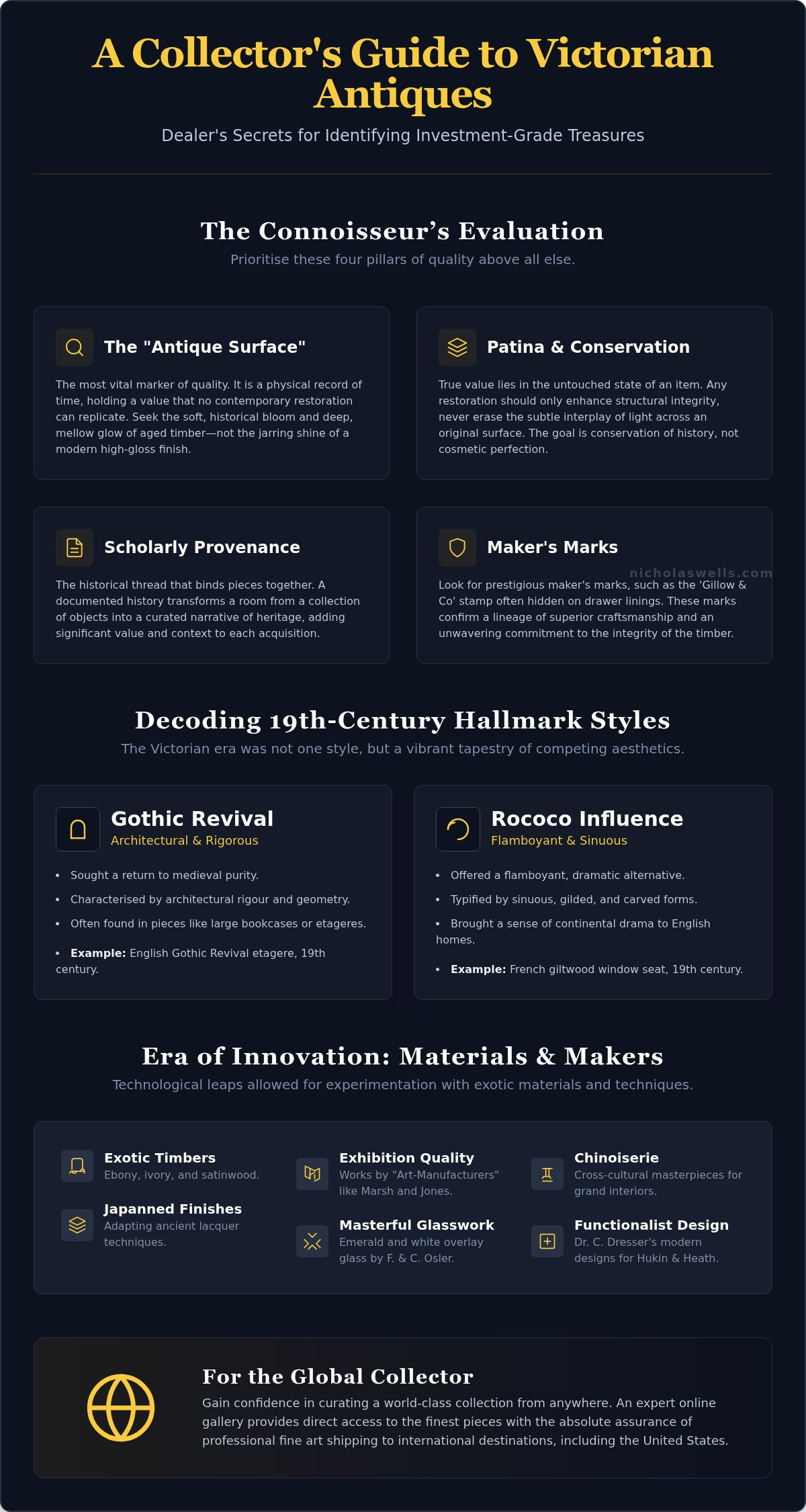
The allure of victorian antiques - the regal splendour of which is often found in the subtle interplay of light across an original "antique surface." For the true connoisseur, the deep, mellow glow of aged timber or the soft bloom on a bronze mount is far more desirable than the jarring shine of a modern high-gloss finish. These surfaces represent a physical record of time, holding a value that no contemporary restoration can replicate. Our approach prioritises the conservation of this history, ensuring that any complimentary restoration we perform enhances structural integrity without erasing the unique character of the piece.
Identifying the calibre of 19th-century glass requires a similarly disciplined eye. The monumental chandeliers of F. & C. Osler are celebrated for their use of emerald and white overlay glass, materials that possess a depth and clarity absent in later reproductions. When examining such items, look for the precision of the lapidary work and the weight of the lead crystal. These details are essential markers of authenticity that distinguish a museum-grade artifact from a common trade piece.
Authentication and Market Value
Authentication extends beyond the material to the narrative history of the object. We often share "Dealer's Secrets" on identifying specific markers, such as the depiction of Don Quixote on a 300-year-old leather screen or the precise silvering techniques discussed in The Connoisseur’s Guide to Antique Mirrors. For our clients in the Hamptons or Greenwich, Connecticut, these details provide the scholarly assurance needed when acquiring significant works from an online gallery.
Timber Premiums and Rarity
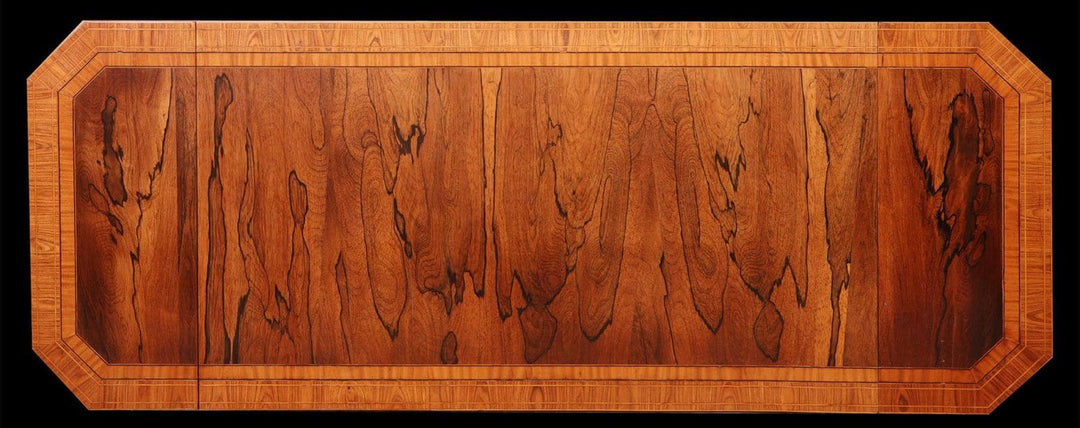
In the current market, certain materials command a distinct premium due to their rarity and aesthetic impact. Flame mahogany and amboyna veneer are particularly prized for their dramatic grain patterns, often serving as the focal point of a sophisticated library or study. To begin your own journey into high-end collecting of victorian antiques - the regal splendour of which remains unmatched, we invite you to explore our curated selection of Victorian masterpieces, each accompanied by our commitment to global fine art shipping.
Curating Your Collection: Standout Victorian Masterpieces
Building a collection that truly captures victorian antiques - the regal splendour of the 19th century requires selecting pieces that serve as definitive statements of their craft. An English emerald glass chandelier 19th century by F. & C. Osler stands as a pinnacle of lighting design, where the deep saturation of colour meets the precision of hand-cut lead crystal. Such a piece doesn't merely illuminate a room; it commands it through its monumental presence and scholarly importance. For the modern study, an English amboyna writing table 19th century offers a versatile elegance, its rich, burr-like grain providing a tactile connection to the exotic materials favoured by the era's elite cabinet makers.
Beyond traditional furniture, the whimsical charm of an Italian grotto mirror 19th century or intricate dioramas provides a sophisticated counterpoint to contemporary minimalism. These objects introduce a sense of wonder and historical narrative that is often missing in modern design. For our clients in Greenwich, Connecticut, or the Hamptons, the acquisition of these fragile masterpieces is made effortless through our partnership with professional fine art shippers. We ensure that every item arrives with its historical integrity perfectly preserved, regardless of the distance from our London gallery, providing a seamless bridge between heritage and luxury living.
Integrating Regal Splendour into Modern Interiors
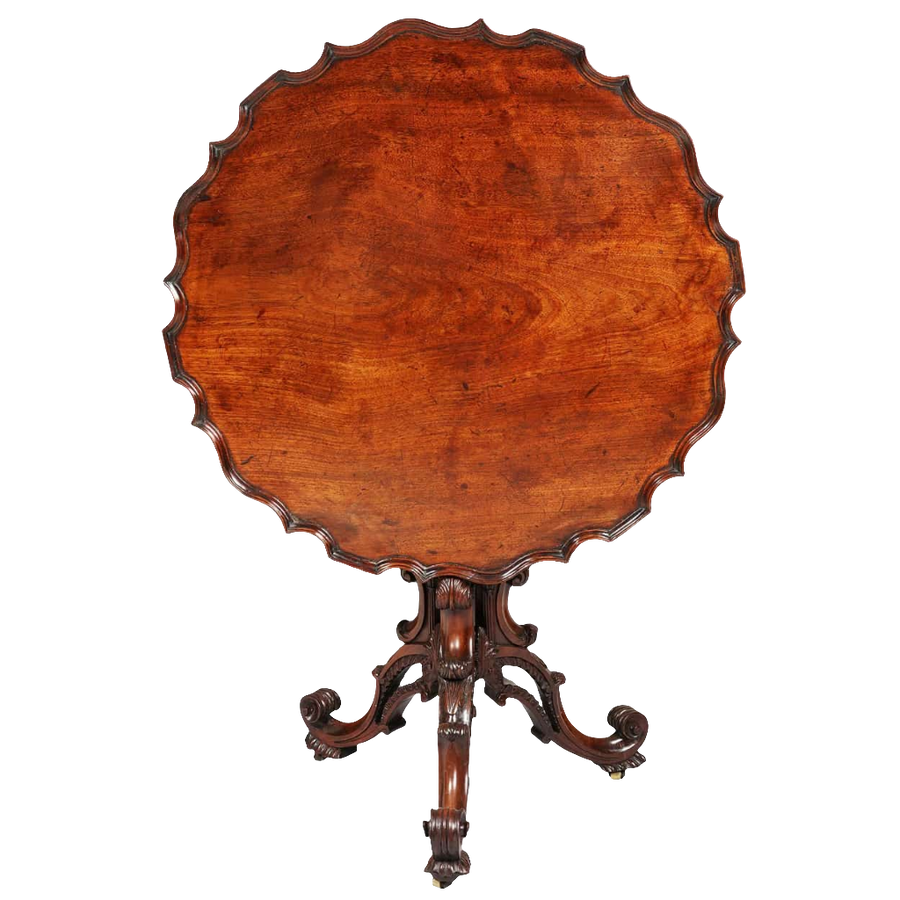
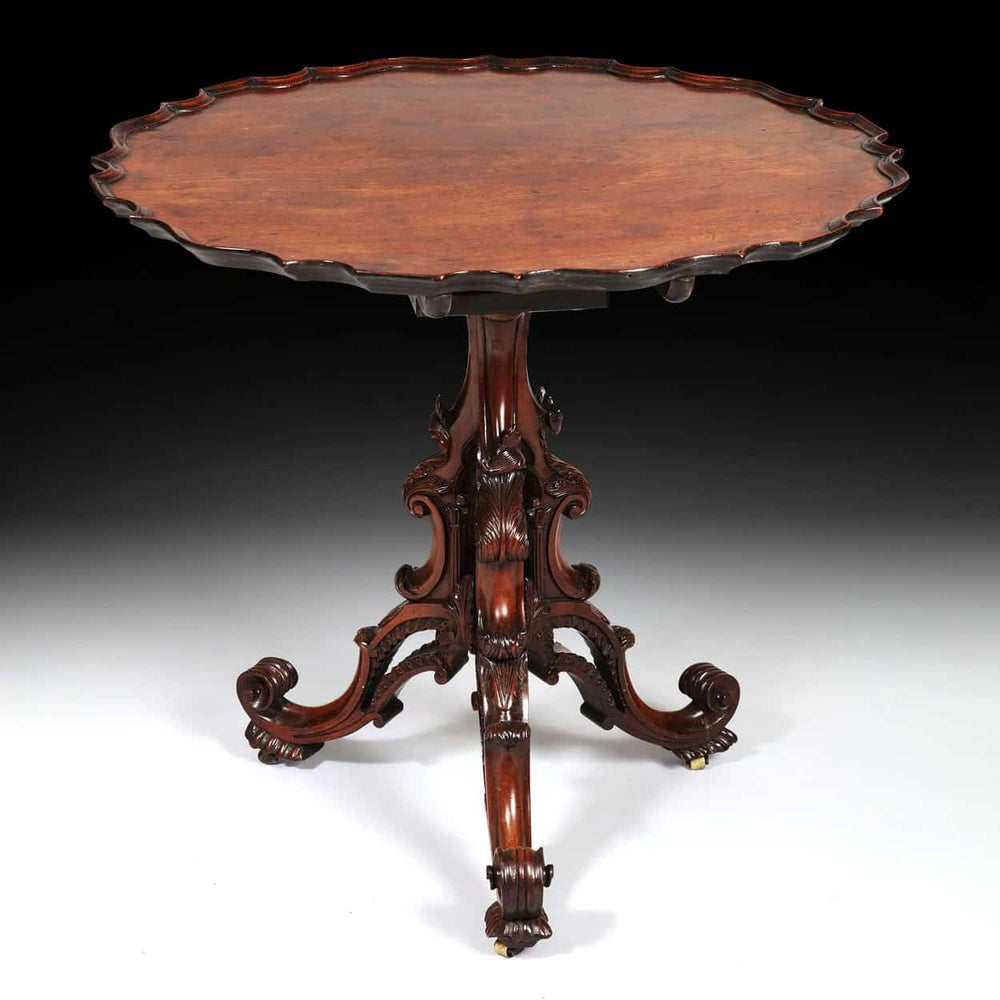
A well-placed English mahogany centre table 19th century often acts as the structural anchor of a grand entrance or library. As explored in our Antique Centre Tables Guide, these pieces were designed to be viewed from all angles, making them ideal focal points in open-plan luxury homes. Similarly, incorporating Chinoiserie mirrors adds a layer of global history, reflecting both light and the 19th-century fascination with Eastern aesthetics. To find the singular piece that will define your interior, we invite you to browse the full Victorian Antiques Collection and experience the enduring legacy of this remarkable era.
Securing Your Legacy in the Decorative Arts
Acquiring a Victorian masterpiece is more than a purchase; it's an investment in a narrative that spans centuries. By prioritising the integrity of the antique surface and the scholarly markers of makers like Gillow or Osler, you ensure your collection remains a significant cultural record. We understand that for our clients in New York or the Hamptons, the beauty of victorian antiques - the regal splendour of the 19th century, must be matched by a seamless acquisition process.
Expert curation by Nicholas Wells Antiques ensures each object meets our exacting standards of rarity and condition. We offer complimentary restoration on all items to preserve their history without diminishing their character. With insured worldwide shipping handled by fine art specialists, your chosen treasure will arrive safely at your door. Explore the Regal Splendour of our Victorian Antiques Collection today and find the singular piece that will define your interior for generations to come.
Frequently Asked Questions
How can I identify a genuine piece of Victorian furniture by Gillow & Co?
Look for the impressed stamp 'GILLOWS.LANCASTER' or 'GILLOW & CO' on drawer edges or backboards. This signature signifies the highest calibre of 19th-century cabinet making. Beyond the mark, examine the timber quality; they exclusively used dense, high-grade mahogany and walnut. The joinery is often superior, featuring fine dovetails that reflect their reputation as the premier firm for victorian antiques - the regal splendour of English furniture.
What is the significance of "Black Japanned" finishes in Victorian antiques?
Black Japanning is a sophisticated European imitation of East Asian lacquerwork, achieved by layering spirit-based varnishes. This finish was highly prized during the 19th century for its deep, lustrous sheen and ability to host intricate gilded Chinoiserie decorations. It represents a significant cultural dialogue between East and West. Collectors value these surfaces for their dramatic aesthetic impact, especially when found on overmantel mirrors or side cabinets from our gallery.
Is it safe to ship large Victorian chandeliers and mirrors internationally to the US?
We ensure absolute safety by employing professional fine art shippers who specialise in crating fragile, high-value artifacts. For our clients in New York, Texas, and the Hamptons, we manage the entire logistics chain with full insurance coverage. Large F. & C. Osler chandeliers or monumental pier mirrors are secured in bespoke timber cases, making international delivery a routine and secure process for our specialised online gallery.
What is the difference between William IV and early Victorian furniture styles?
William IV furniture acts as a transitional bridge, retaining the bold, sculptural forms of the Regency era with a focus on heavy gadrooning and lotus-leaf carvings. Early Victorian style gradually embraced more elaborate, naturalistic ornamentation and the revival of historical motifs like the Rococo. While William IV pieces feel more architectural and masculine, early Victorian design introduced a softer, more emotive complexity to the grand domestic interior.
Why is the "antique surface" or patina so important to collectors?
The antique surface is a non-renewable historical record that validates an object's age and authenticity. This patina, a soft oxidation of the timber or metal, creates a depth of colour that modern finishes cannot replicate. Within the niche of victorian antiques - the regal splendour of a piece is often judged by this untouched bloom. Preserving this surface is vital; it's why we advocate for conservation over aggressive restoration.


Leave a comment