



Antique Boxes and Objets Worth Collecting
A finely made box can change the temperature of a room. Among antique boxes and objets, the smallest pieces often carry the strongest signal of discernment - not because they shout, but because they reward close attention. A collector may live happily with a grand commode or a pair of mirrors for years, yet it is often the discreetly placed casket, tea caddy or bronze objet on a library table that gives an interior its finish.
These are not merely accessories. The best examples sit at the meeting point of utility, sculpture and history. They invite handling, conversation and scrutiny. For collectors and decorators alike, that combination makes them unusually valuable.
Why antique boxes and objets matter
Large furniture establishes architecture. Smaller works establish character. An interior furnished entirely with important case pieces can still feel incomplete if there is nothing intimate to draw the eye down to a desk, console or occasional table. Antique boxes and objets do that work with unusual precision.
They also allow for a more layered form of collecting. A Regency rosewood writing box, a Continental gilt-bronze casket, a Grand Tour specimen box or a carved hardstone objet each speaks to a different tradition of craftsmanship. Together, they create visual rhythm without the weight or spatial commitment of larger antiques.
There is another advantage, and serious buyers understand it well. Small-scale objects often reveal quality more honestly than large decorative pieces. Hinge work, mounts, veneers, lining materials, lock plates and even wear patterns can tell you a great deal about period, use and authenticity. One cannot hide mediocrity for long on a jewel box.
What separates a fine antique box from a decorative one
The first distinction is design integrity. A truly good antique box tends to feel resolved from every angle. Its proportions are balanced, its materials suit its purpose, and its ornament is controlled rather than overworked. A tea caddy, for example, should not rely on excessive embellishment if the timber itself is superb. Likewise, a gilt-bronze mounted casket should show crisp casting and a confident relationship between metalwork and body.
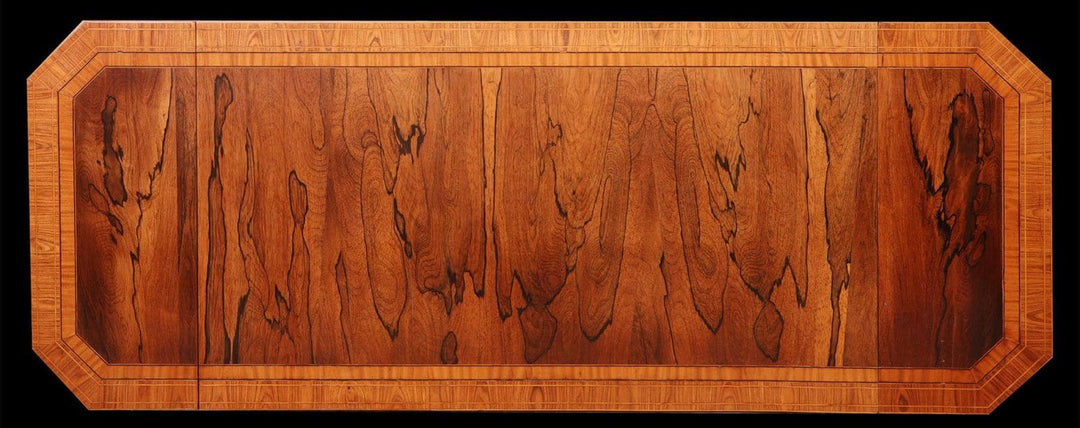
Craftsmanship follows closely behind. On a strong piece, the hinges sit cleanly, the lid closes properly, and the interior has been conceived with the same seriousness as the exterior. Inlaid work should be sharp rather than muddy. Veneers should have depth and movement. Mounts should look integrated, not added to lend false grandeur.
Then there is material. Coromandel, burr walnut, tortoiseshell, ivory, shagreen, pietra dura, bronze and ormolu each bring their own collecting considerations. Some materials are prized for rarity, others for the virtuosity they demand. None is inherently superior in every context. A plain Georgian mahogany box of excellent colour and line may be more compelling than a more elaborate but lesser-made Continental piece.
That is where judgement matters. Value does not sit in decoration alone. It sits in the coherence of object, period and workmanship.
Categories collectors return to
Certain forms have enduring appeal because they bridge decorative and practical use so elegantly. Tea caddies remain highly desirable for their variety of shape and timber, and because their original purpose is so rooted in 18th-century domestic ritual. Writing boxes appeal to those who favour a more scholarly atmosphere, particularly when fitted interiors survive.
Caskets and coffer-form boxes often lean more architectural, making them especially useful in formal rooms. Jewellery boxes, dressing boxes and travelling boxes can be particularly attractive when original fittings remain intact. At the more sculptural end, objets such as bronze figures, carved stone animals, desk seals, miniature urns and Grand Tour souvenirs offer a different pleasure - less private utility, more concentrated visual presence.
The best collections usually mix these types rather than pursuing one note. A room benefits from contrast: polished timber against patinated bronze, a rectilinear box beside a more organic carved object, a piece with personal intimacy balanced by one with overt historical association.
Provenance, authenticity and the quiet premium of confidence
In the upper tiers of the market, confidence is part of the object. Antique boxes and objets are often acquired at a distance, sometimes for projects in London, New York or California where clients want distinction without the uncertainty that can attend smaller decorative works. That makes authentication and accurate attribution essential.
Provenance matters because these pieces are easily moved, easily dispersed and, in some categories, easily altered. A box may have replaced lining, adapted mounts or a marriage of period elements. An objet may be later cast, heavily cleaned or incorrectly described. None of this is always disqualifying, but every alteration changes the conversation around value.
A reputable specialist should be able to explain what is original, what has been restored and what that means in practical terms. For a collector, that transparency is not a courtesy. It is part of the purchase.
Condition is never a simple yes or no
Buyers sometimes approach small antiques expecting perfection because of their scale. That is rarely realistic, and often not even desirable. Boxes and objets were handled, opened, locked, carried and displayed. Age should be visible.
The question is whether wear is consistent, stable and aesthetically acceptable. Light surface wear, minor age cracking, a well-patinated interior or historic marks from use can support authenticity. More serious issues - warped lids, active veneer lifting, missing escutcheons, crude replacements or over-polishing - require closer judgement.
Restoration is often appropriate, particularly when carried out with restraint. A sensitive re-lining, stabilised veneer or careful mount repair can return dignity to a piece without erasing its age. Poor restoration does the opposite. It tends to flatten detail, falsify surface and leave the object less convincing than before.
For interior designers, condition also depends on use. A box intended for occasional display in a drawing room may tolerate more delicacy than one destined for a heavily used study. It always depends on how the piece is meant to live.
How to place antique boxes and objets well
These objects earn their place through composition. A box centred on a console can feel static unless relieved by asymmetry elsewhere. On a desk, a writing box works best when it leaves enough breathing room around it to register as intentional. Crowding diminishes importance.
Scale is equally important. A beautifully made box can disappear if placed on an oversized dining table with no supporting arrangement. Conversely, a substantial casket may dominate a slight occasional table. The most successful interiors use small antiques to guide the eye, not interrupt it.
Material contrast deserves attention too. Tortoiseshell and brass can enrich linen upholstery nearby. Dark bronze can anchor pale marble. Hardstone pieces often come alive against timber with warmth and grain. These are small decisions, yet they create the impression of an interior that has been collected rather than decorated in haste.
Buying with purpose rather than impulse
The temptation with smaller works is to buy charming pieces too quickly. Charm matters, but it is not enough on its own. Before acquiring any antique box or objet, it helps to ask what role it will play. Is it intended to punctuate a room, deepen a collection, reference a period scheme, or serve as a useful object with decorative authority?
When the answer is clear, selection becomes more exacting. One begins to weigh proportion, rarity, condition and compatibility with existing pieces. This is often where a tightly edited dealer’s eye proves valuable. Not every attractive object deserves entry into a serious interior.
Nicholas Wells Antiques approaches this category with that principle in mind: quality first, decoration second, and confidence in authenticity throughout. For collectors furnishing important houses or refining established rooms, that distinction is what keeps a purchase satisfying long after first impression has faded.
The enduring appeal of the small masterpiece
There is a particular sophistication in buying objects that ask to be noticed slowly. Antique boxes and objets do not rely on scale to announce themselves. Their appeal lies in proportion, surface, detail and the sense that a skilled hand made something complete within modest dimensions.
That is why they remain so effective in serious interiors. They bring evidence of craftsmanship into daily view. They lend gravity to a table, wit to a shelf, and intimacy to a room that might otherwise feel merely well furnished. Choose them with care, and they become the pieces that guests remember after they have forgotten almost everything else.
Leave a comment