



Restored Antiques Versus Untouched Originals
A Georgian chest with a mellow, hand-polished surface and discreetly repaired runners will often live better than a piece left entirely as found. Yet an untouched original with undisturbed patina can hold a different kind of authority altogether. When clients ask about restored antiques versus untouched originals, they are rarely asking a purely academic question. They are deciding how they want to live with history, and what sort of object they want to own.
The right answer depends on the piece, its rarity, its intended setting and the quality of any work carried out over time. Serious collecting has never been about choosing a side for the sake of principle. It is about judgement.
Why restored antiques versus untouched originals is rarely a simple choice
In the trade, "untouched" can sound reassuring, but it is not always a synonym for better. Some untouched pieces survive in remarkably honest condition, with original surfaces, fittings and structure largely intact. Others are merely tired, neglected or compromised by age in ways that make them less beautiful, less stable and less useful.
Restoration, meanwhile, varies enormously. Thoughtful restoration preserves character while addressing weakness, damage or later alterations. Poor restoration strips away evidence of age and leaves an object looking flat, overworked or oddly new. The distinction matters far more than the simple fact that a piece has been restored.
Collectors and decorators should therefore look beyond the label. A cabinet that has been cleaned, stabilised and sympathetically polished may be a stronger acquisition than one left untouched but suffering from lifted veneers, failing joints or unsightly repairs carried out decades ago. By the same token, a rare chair retaining its original surface and upholstery fragments may be more significant than a heavily refinished example, even if the latter appears more immediately polished.
What an untouched original really offers
At its best, an untouched original offers directness. Surface wear, oxidisation, faded gilding, old tool marks and minor irregularities can tell a coherent story of age and use. For collectors, that integrity has real appeal. It can bring a piece closer to scholarship, especially where rarity and provenance are already strong.
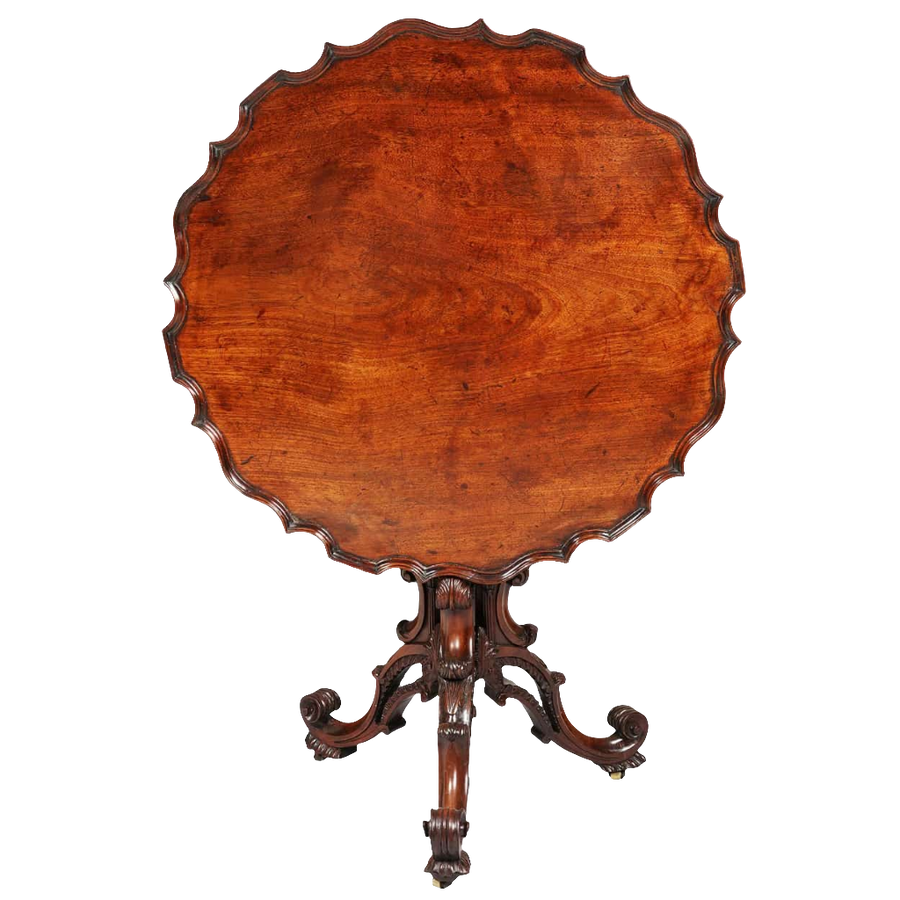
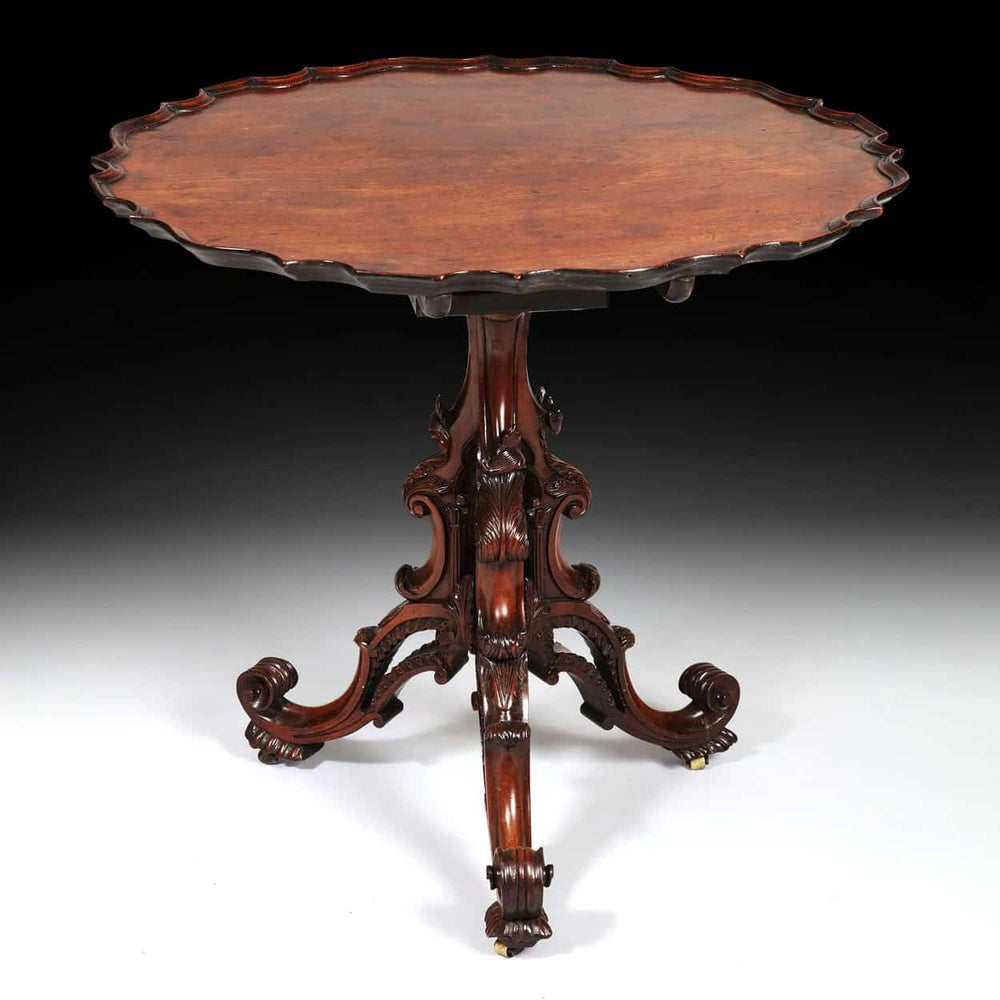
There is also an aesthetic argument. Original patina cannot be manufactured convincingly. The softness of old walnut, the depth of early lacquer, the subtle variations in ormolu or bronze, the gentle bloom of age on mahogany - these are among the most persuasive qualities in antique furniture and works of art. Once aggressively altered, they do not truly return.
That said, untouched condition should never be romanticised. Old worm, shrinking timber, loose mounts, cracked marble or unstable gilding are not marks of nobility in themselves. If deterioration threatens the life of the object, intervention becomes part of responsible stewardship.
When untouched condition adds the most value
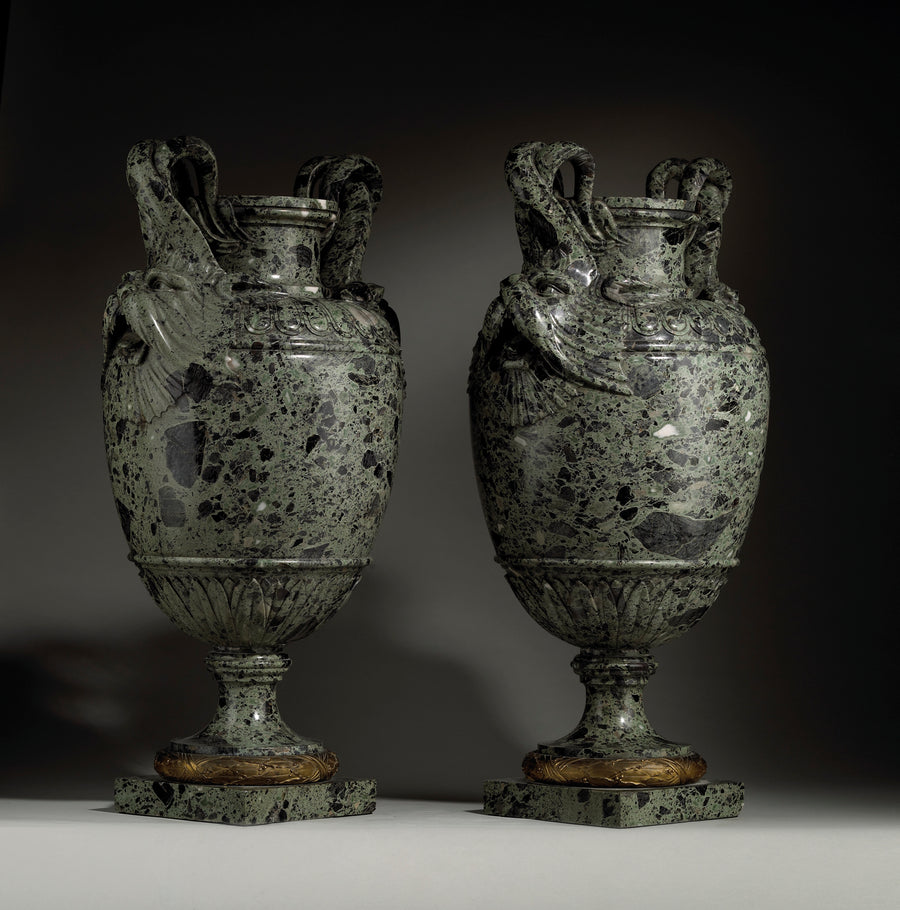
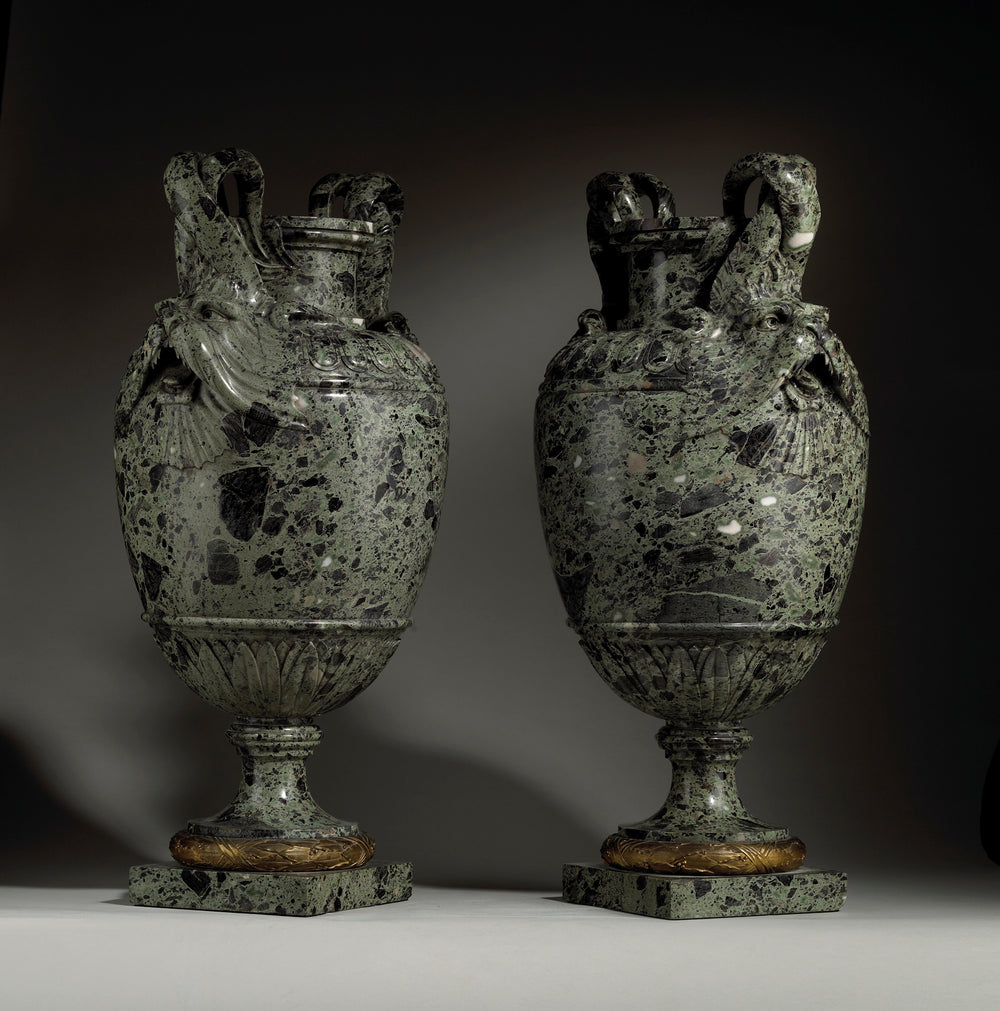
Untouched condition tends to matter most where the object is rare, highly collectable or academically significant. A fine early lacquer cabinet, an important clock, a documented Grand Tour marble or a piece with distinguished provenance may justify a more conservative approach. In such cases, minimal intervention often protects both desirability and historical evidence.
The same applies when original surfaces survive unusually well. Collectors will generally place a premium on authentic skin over cosmetic perfection. A few marks of age are often preferable to a surface that has been stripped and repolished into anonymity.
The case for restoration
Good restoration is not disguise. It is informed, restrained and technically exacting. Its purpose is to preserve the object, recover legibility and make the piece viable for continued use or display.
Furniture in particular was made to function. A dining table with an unstable base, a bureau with fractured fall supports or a library armchair with failing upholstery cannot properly serve its purpose without careful work. In a well-designed interior, clients often need an antique to look distinguished and live comfortably. Restoration allows that, provided it is done with respect for period materials, construction and finish.
For interior designers, this is often the practical heart of restored antiques versus untouched originals. A restored piece can settle into an elegant room without feeling fragile or compromised. It can be placed, used and enjoyed with confidence. That is especially relevant in principal residences, country houses and formal entertaining spaces, where antiques must perform as well as impress.
What separates excellent restoration from damaging intervention
The best restoration is usually hard to notice at first glance. It supports the object rather than announcing itself. Colour matches are sympathetic, replacements are period-appropriate, repairs are structurally sound, and the finish respects the age of the piece.
Damaging intervention tends to have the opposite effect. Surfaces are over-cleaned, carving loses definition, gilding becomes brash, handles are replaced without thought, and polished timber takes on an implausible shine. Such work can erode both value and character, particularly when originality was one of the piece's strongest attributes.
A refined dealer will distinguish between conservation, restoration and refurbishment. Conservation stabilises. Restoration repairs and presents. Refurbishment, in the worst sense, prioritises superficial appeal over integrity. Buyers should know which they are looking at.
How value is affected
There is no universal rule that untouched originals are always worth more, or that restoration necessarily reduces value. Value sits at the intersection of rarity, condition, provenance, beauty and market appetite.
If a piece is exceptionally scarce, collectors may accept considerable wear and prefer minimal intervention. If a piece is decorative rather than rare, condition and presentation can carry more weight. A pair of chandeliers, a centre table or a set of dining chairs may command stronger interest when expertly restored, because the buyer wants immediate visual and practical readiness.
The quality and reversibility of the work also matter. Conservation-led restoration carried out by specialists can protect value. Heavy-handed alterations rarely do. For this reason, transparency is essential. Buyers should be told what has been done, why it was necessary and how faithfully it accords with the object's period and construction.
Buying for a collection or buying for an interior
Collectors and decorators often overlap, but their priorities are not identical. A collector may tolerate a more fragile surface or old repairs if the object is rare and historically resonant. An interior designer may prefer a piece that has been sensitively restored so it reads clearly in a finished scheme and functions without concern.
Neither approach is inferior. They simply begin from different objectives. In a private collection, untouched originality may be the chief attraction. In a drawing room in Belgravia, Greenwich or the Hamptons, a restored console or mirror may offer the ideal balance of authenticity and composure.
This is where experienced guidance proves useful. The right decision comes from understanding not just what the object is, but how it will be lived with.
Questions worth asking before you buy
Rather than asking whether restored antiques versus untouched originals is the better category, ask narrower questions. Is the surface original? Has the structure been stabilised? Are replacement elements period-appropriate? Has any restoration improved function without sacrificing character? Does the current condition suit the price, rarity and intended use?
It is also wise to ask whether the visible wear is attractive patina or active deterioration. Those are not the same thing. One enriches the object. The other compromises it.
For remote buyers especially, condition reports and clear specialist descriptions are indispensable. A fully authenticated piece accompanied by frank explanation of restoration is often a safer and more sophisticated acquisition than an allegedly untouched object described in vague terms.
A more intelligent way to judge condition
The most discerning buyers rarely chase perfection. They look for coherence. They want surfaces that make sense, repairs that respect the object and a standard of restoration aligned with the piece's importance.
At Nicholas Wells Antiques, that judgement sits at the centre of how important objects are presented. Not every antique should be treated in the same way, because not every antique asks the same question of its next owner.
An untouched original can be extraordinary when age, rarity and surface come together in convincing harmony. A restored antique can be equally compelling when the work is honest, discreet and executed to preserve both beauty and utility. The real test is not whether a piece has been touched, but whether it has been understood.

Leave a comment