


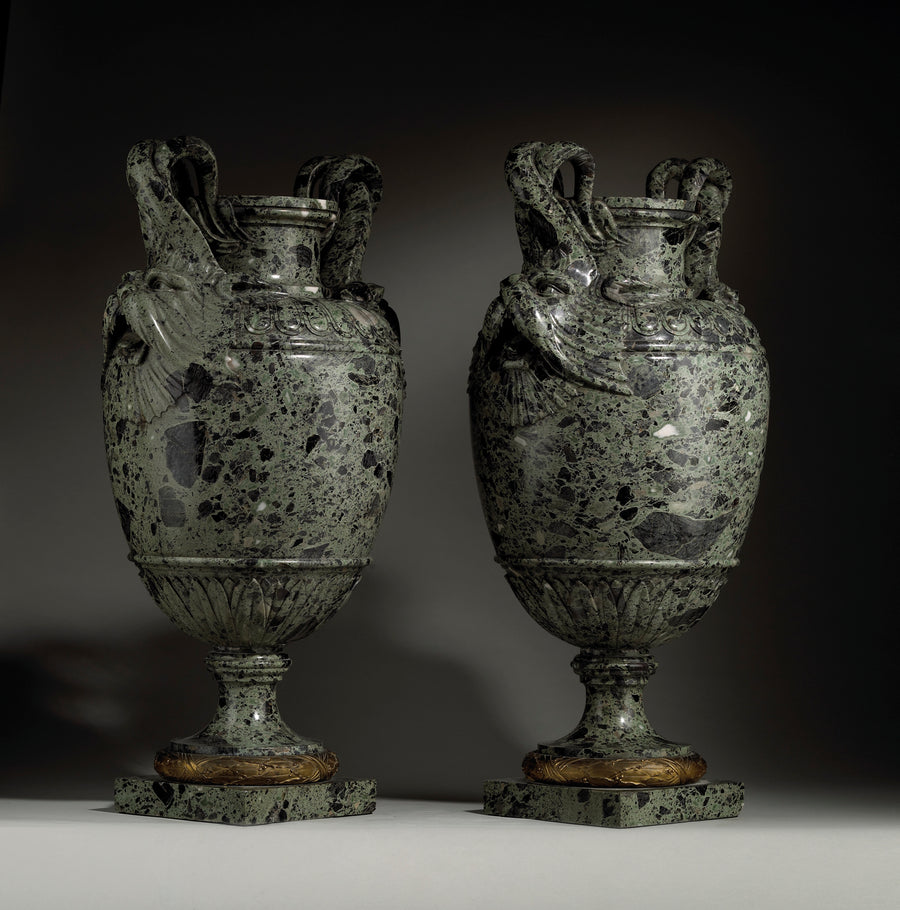
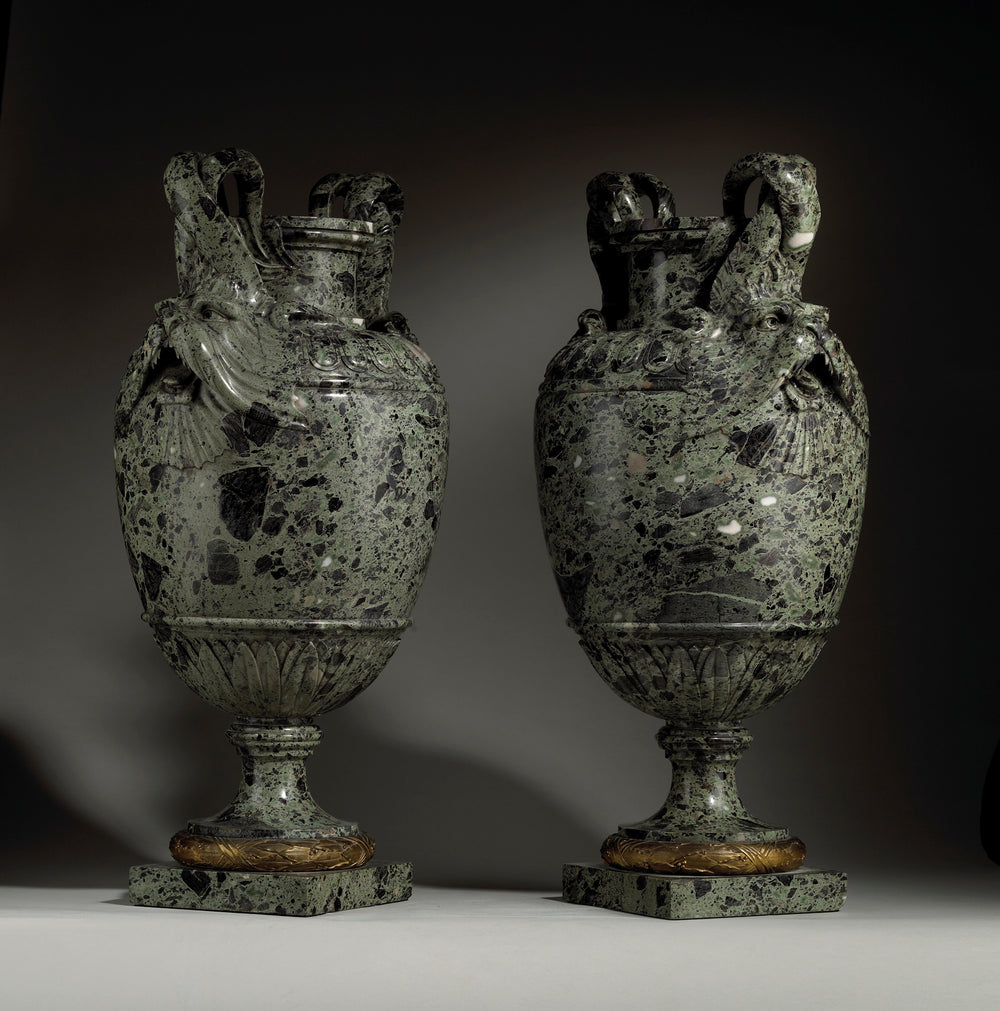
18th-Century European Decorative Arts: A Golden Age of Refinement
65 products
65 products
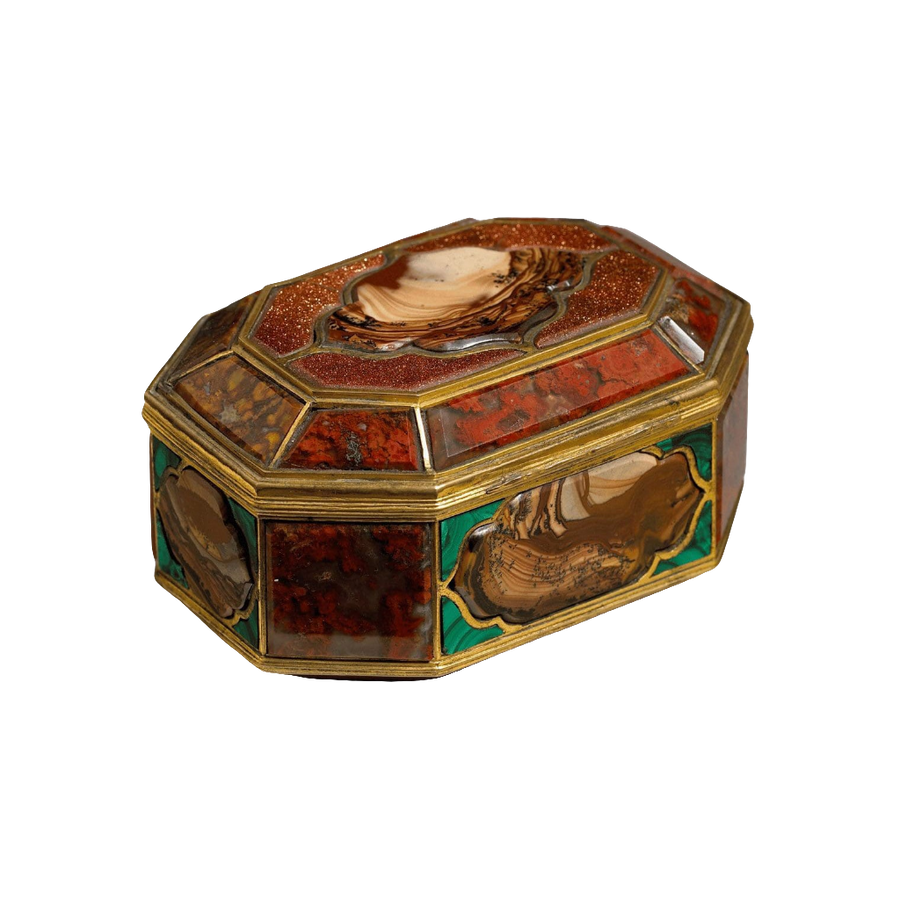
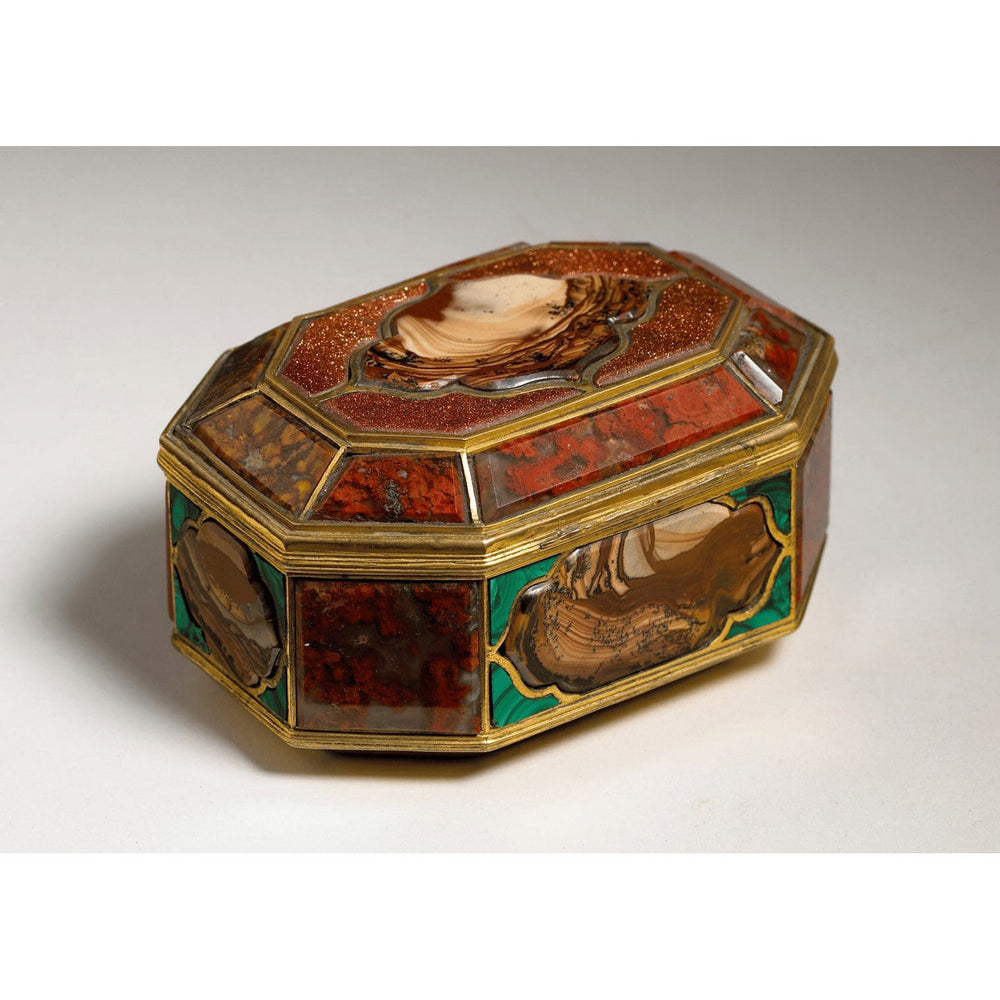
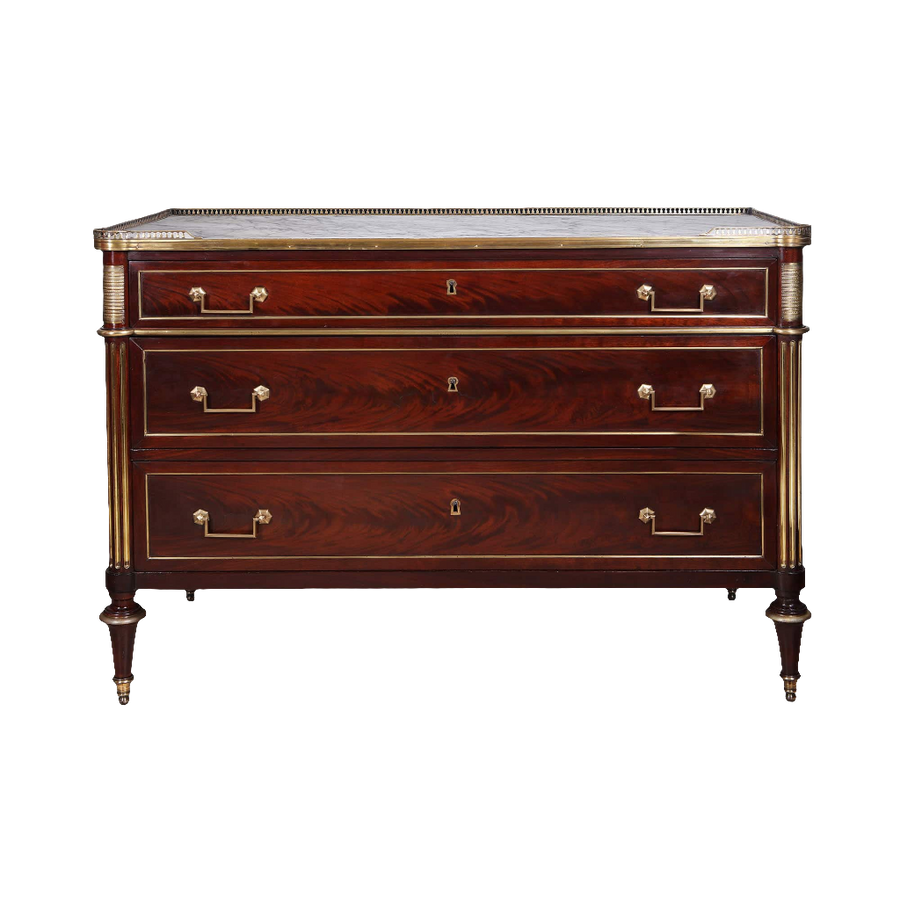
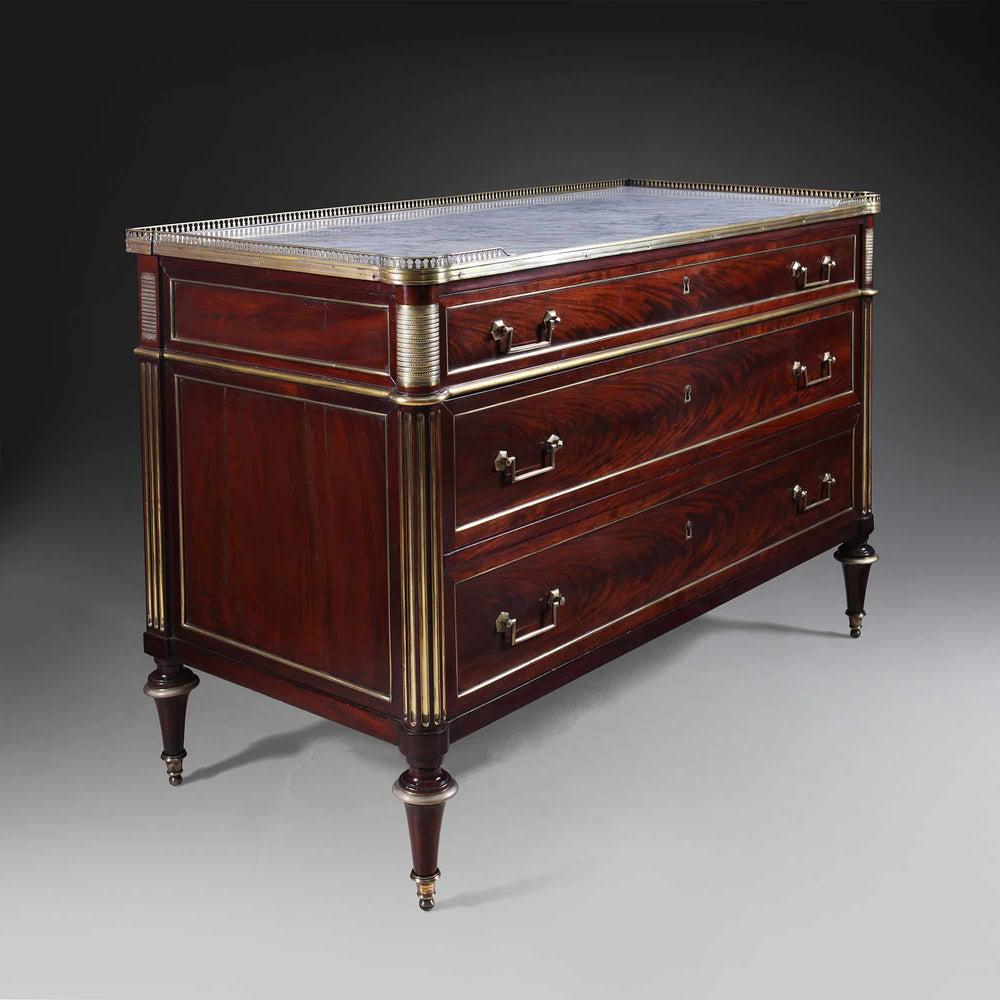
The 18th century represents one of the most celebrated periods in the history of European decorative arts. Driven by aristocratic patronage, expanding international trade and extraordinary technical innovation, craftsmen across the continent produced some of the finest antiques and decorative objects ever created. From the royal courts of France and Germany to the grand houses of Britain, Italy and Spain, regional styles flourished while sharing a common pursuit of elegance, craftsmanship and artistic excellence.
Today, collectors continue to seek 18th-century antiques for their beauty, rarity and enduring relevance. At Nicholas Wells Antiques, we specialise in sourcing exceptional examples of European decorative arts, antique furniture, porcelain, silverware and objets de luxe from this remarkable period.
Originating in France during the early decades of the century, the Rococo style quickly spread throughout Europe. Characterised by fluid curves, asymmetrical forms, naturalistic motifs and exuberant decoration, Rococo transformed interiors into environments of grace and luxury.
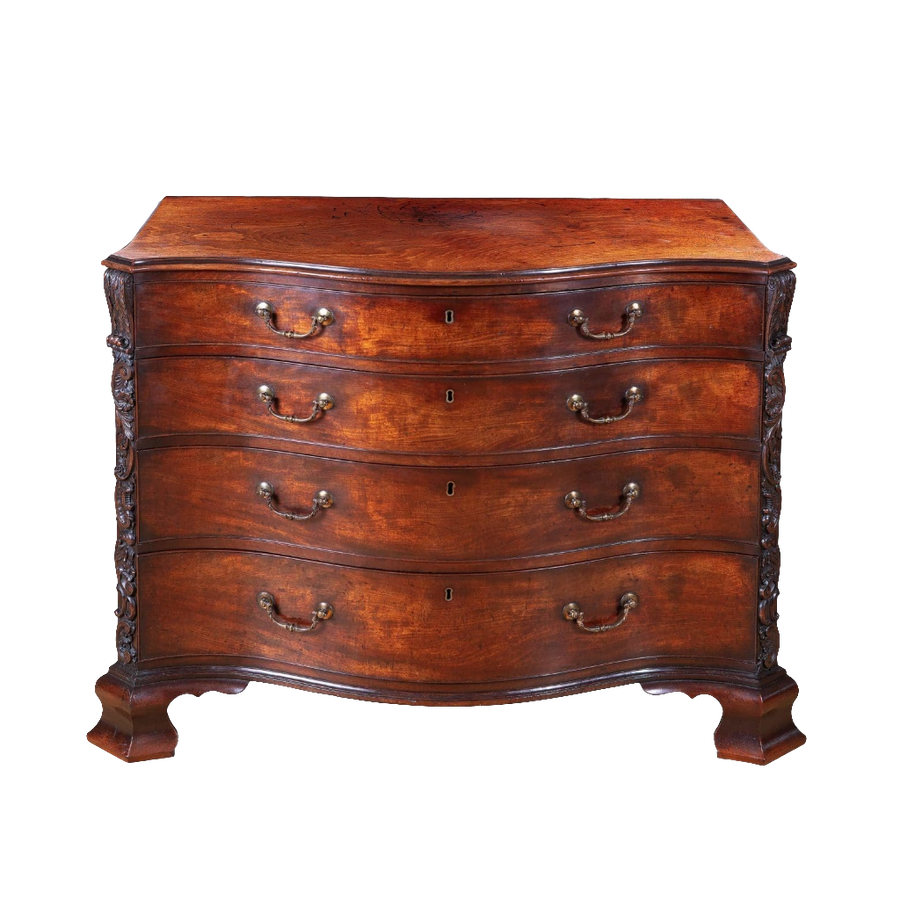
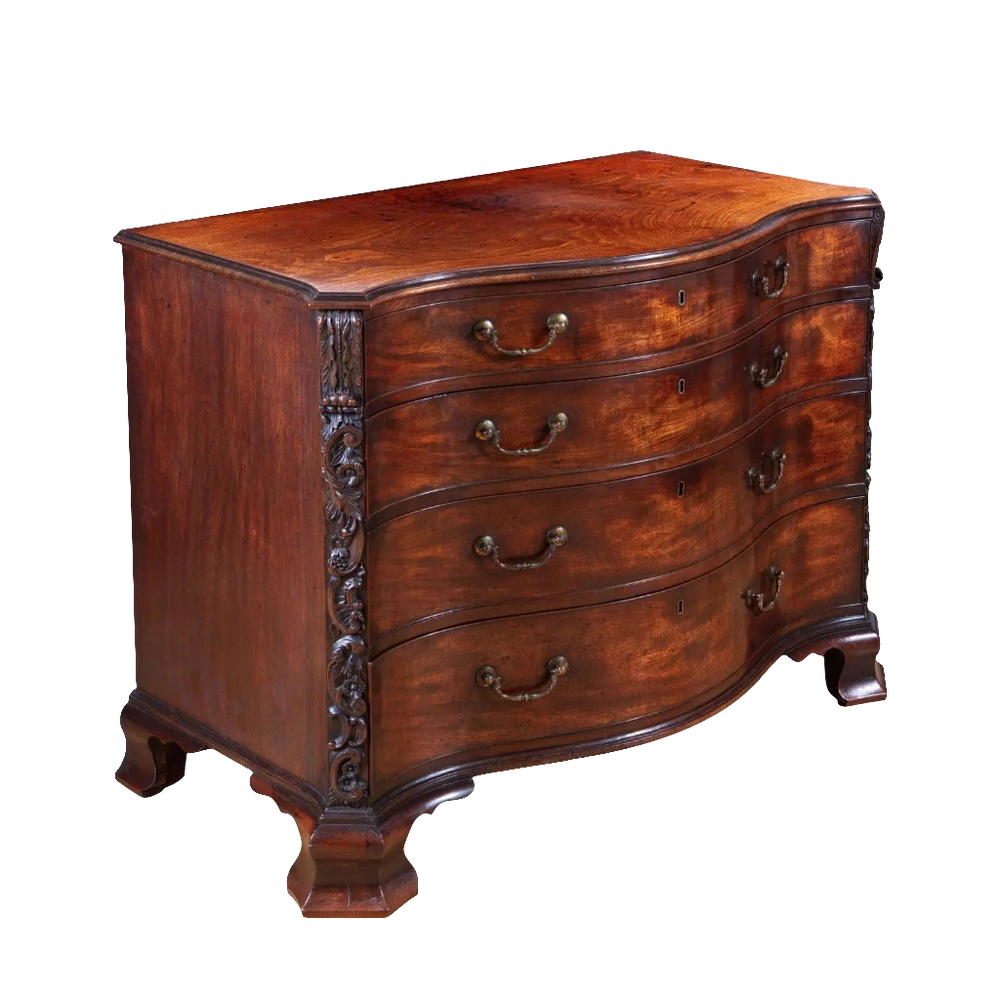
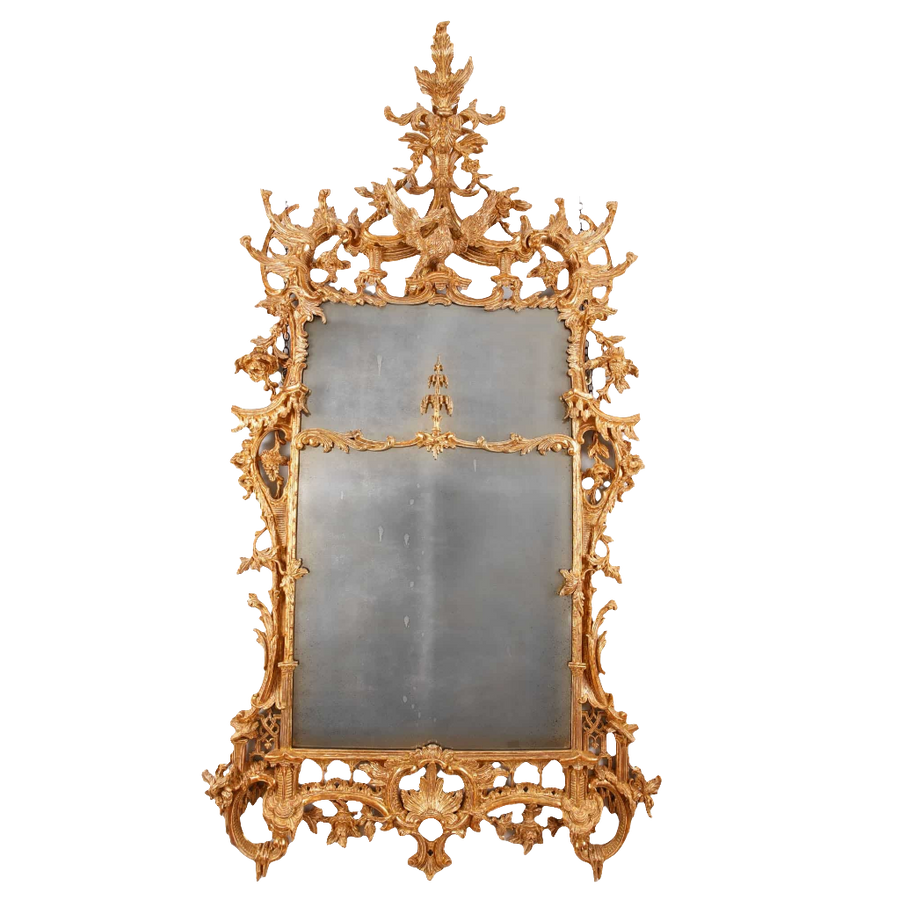
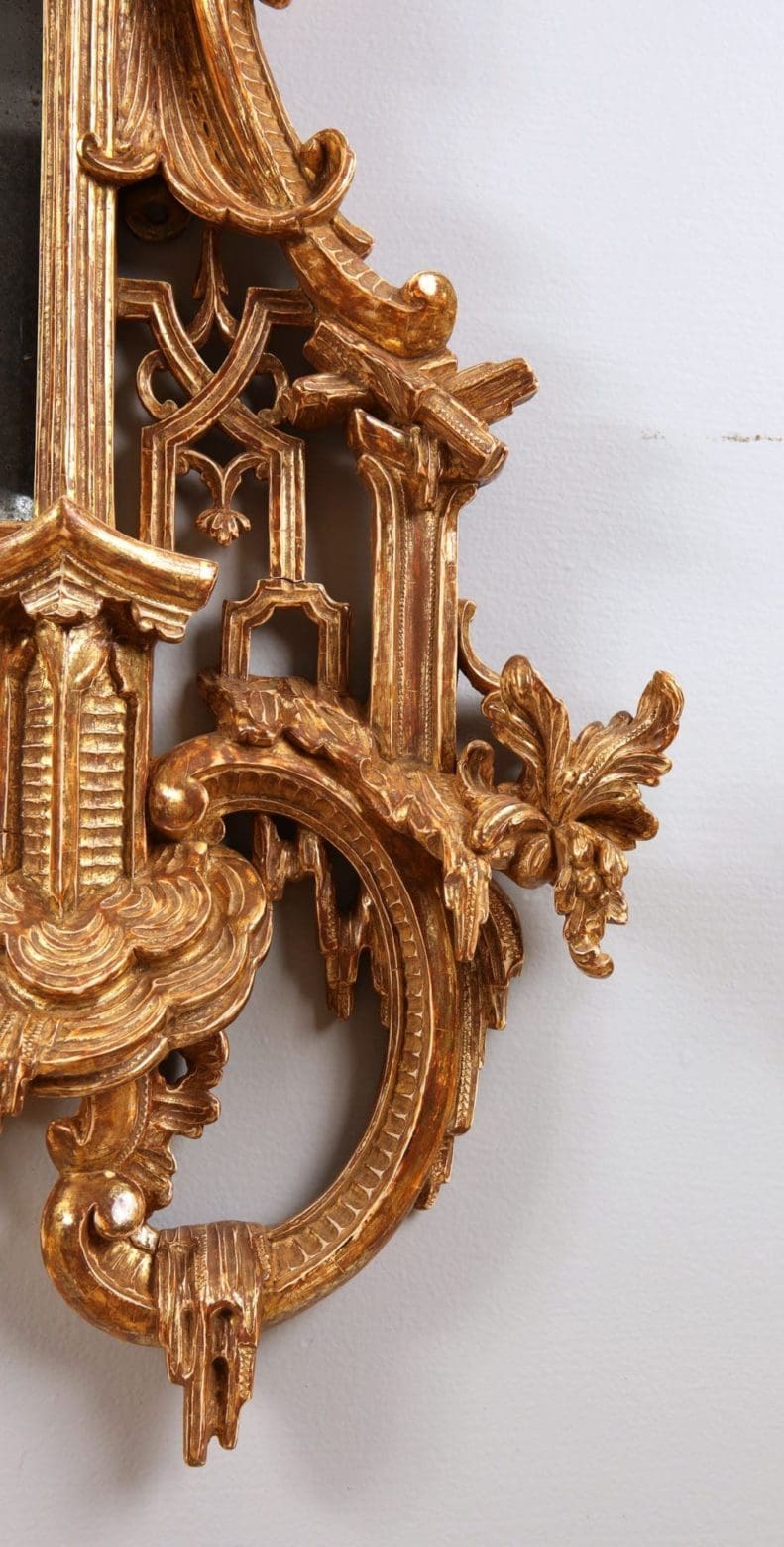
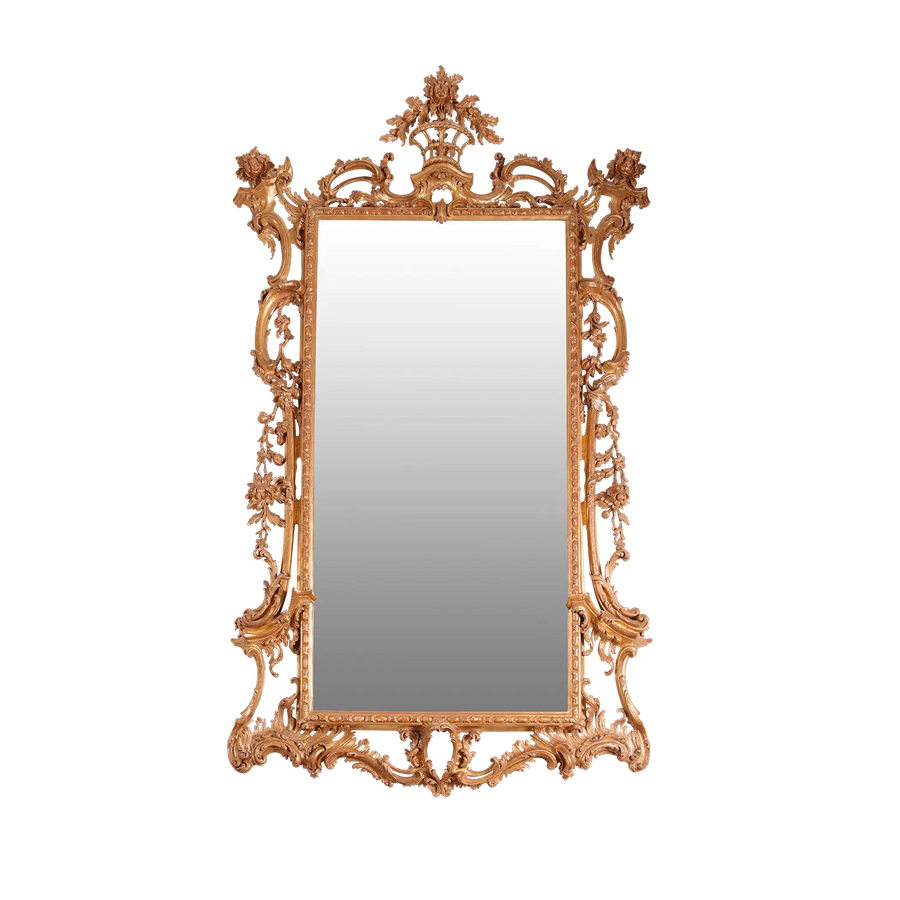
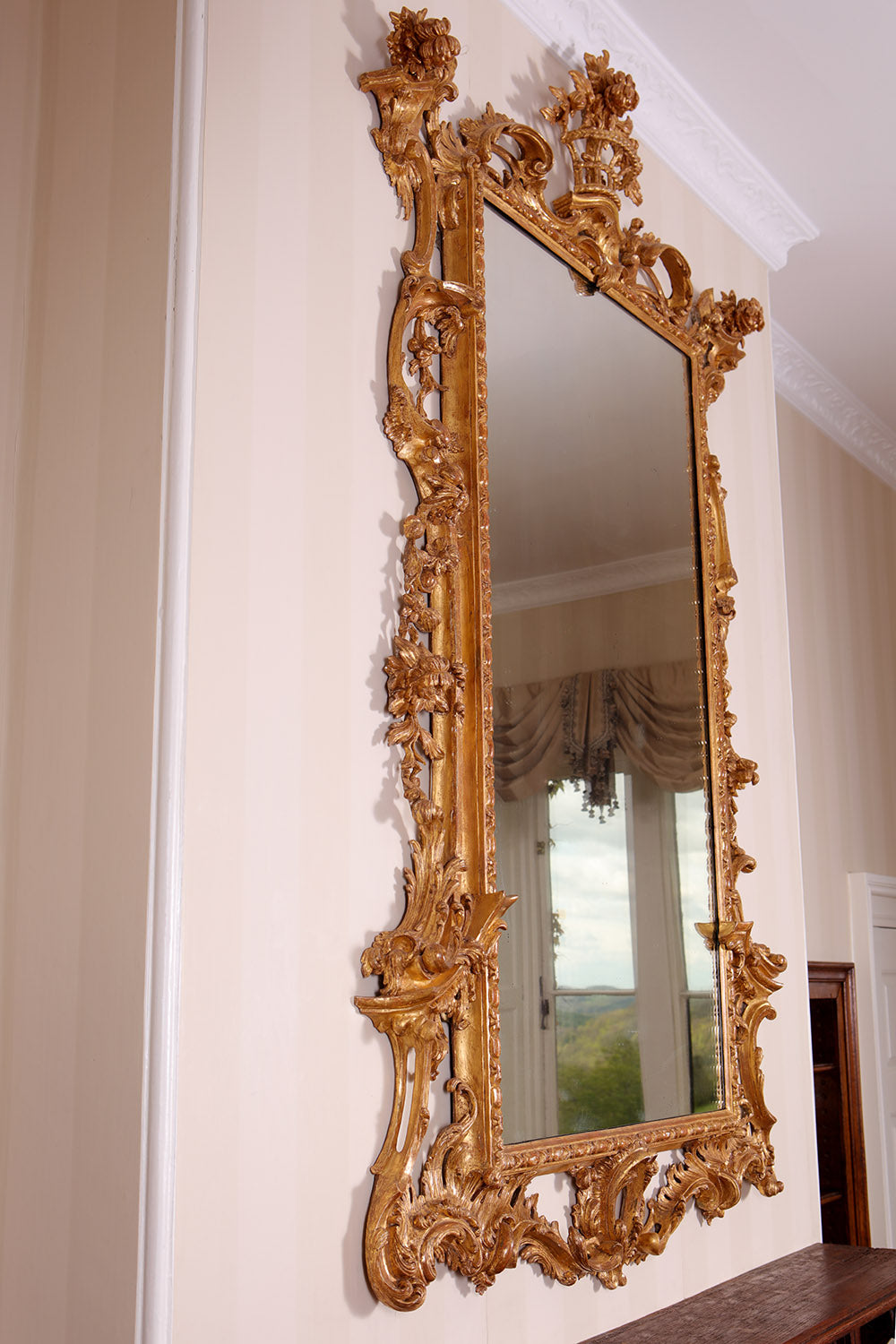
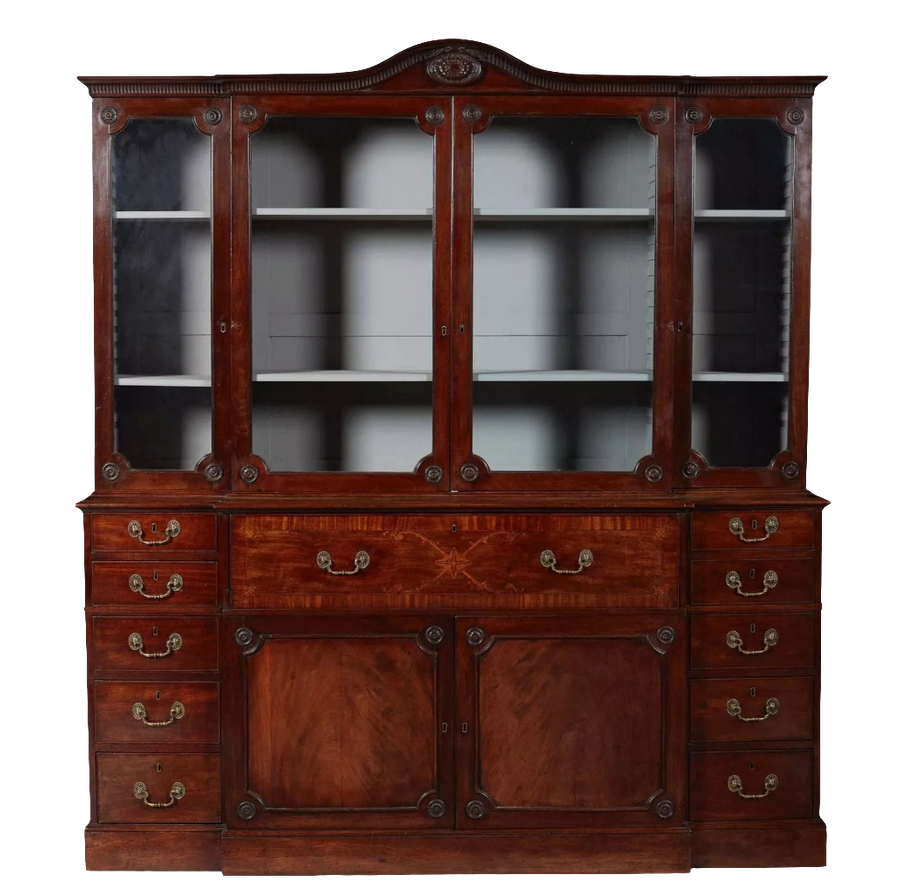
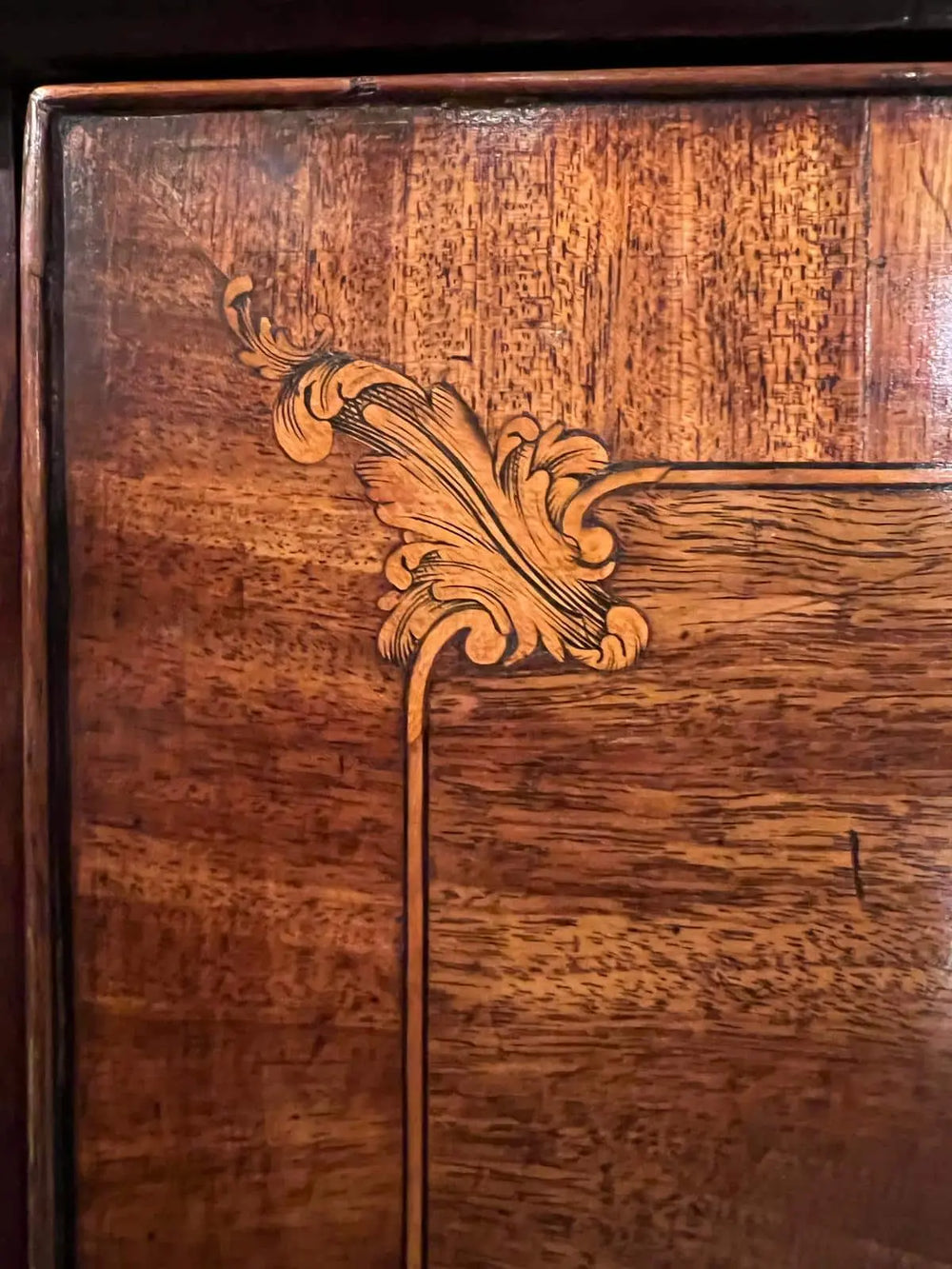
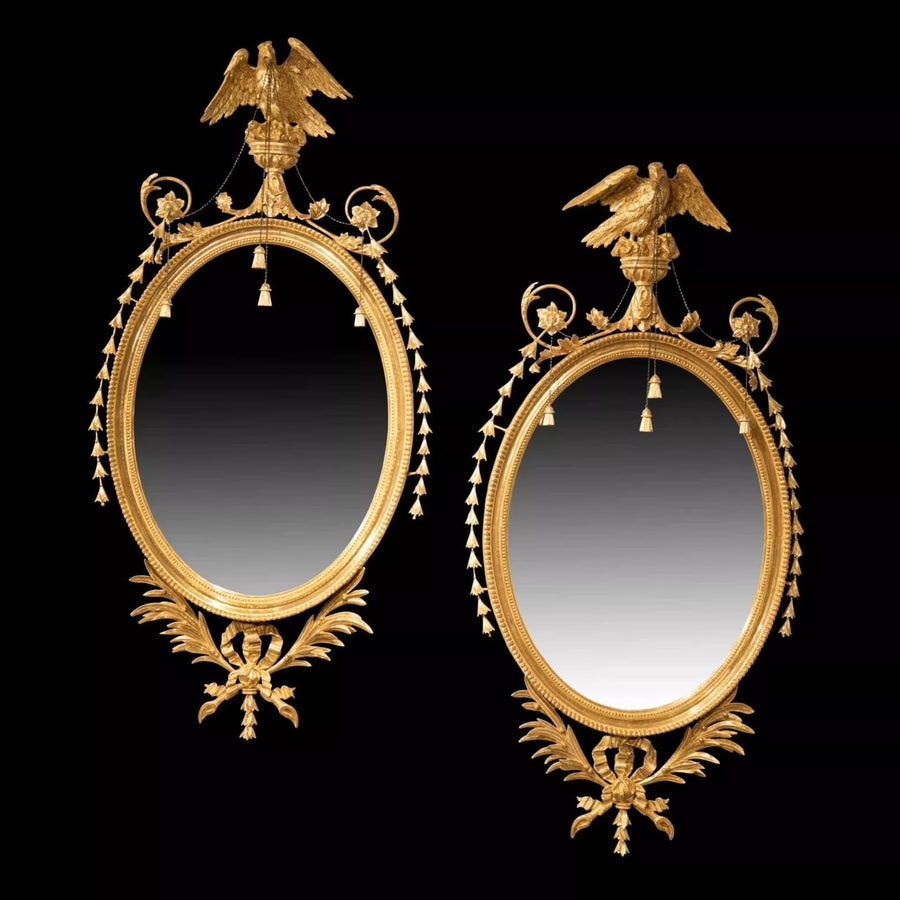
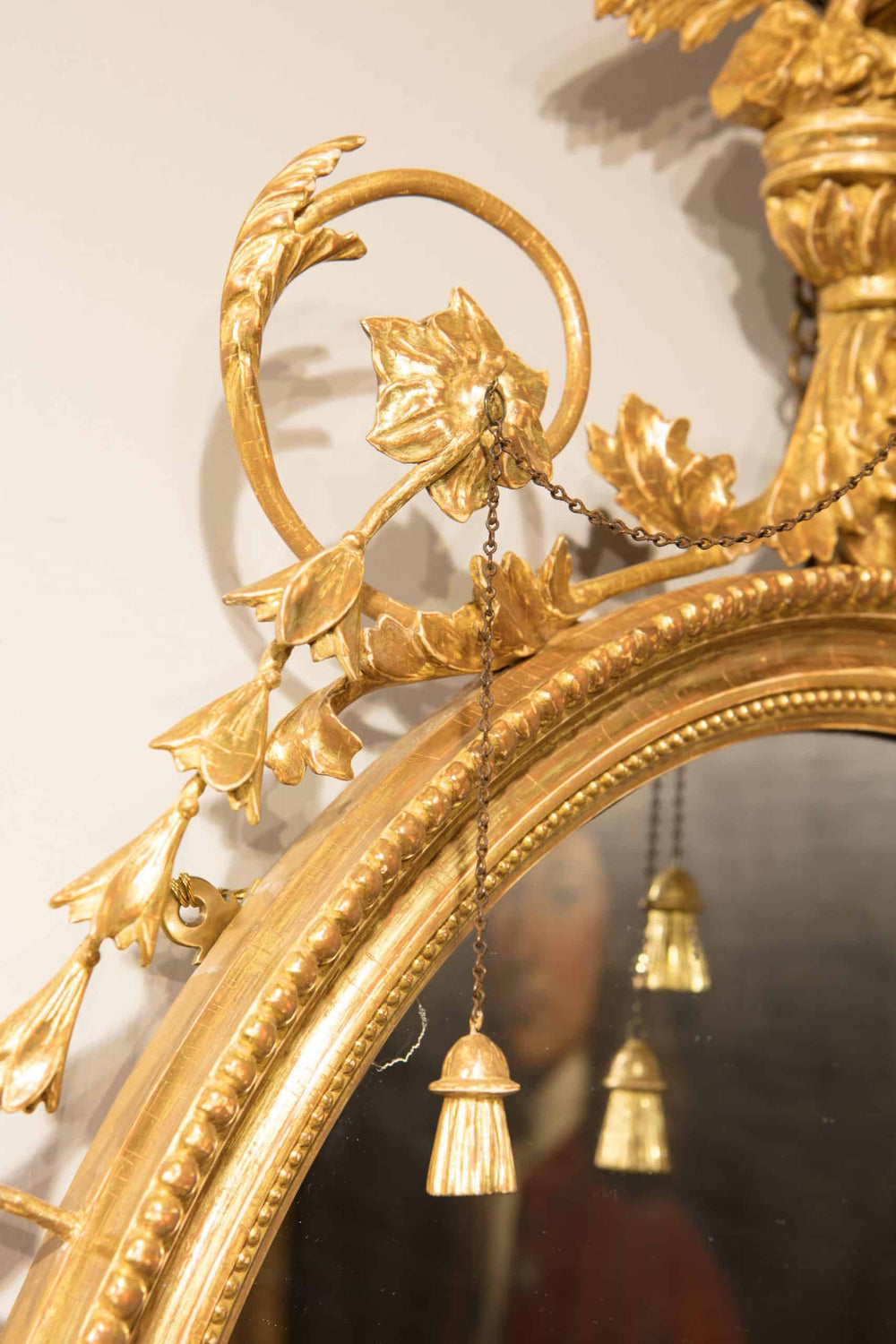
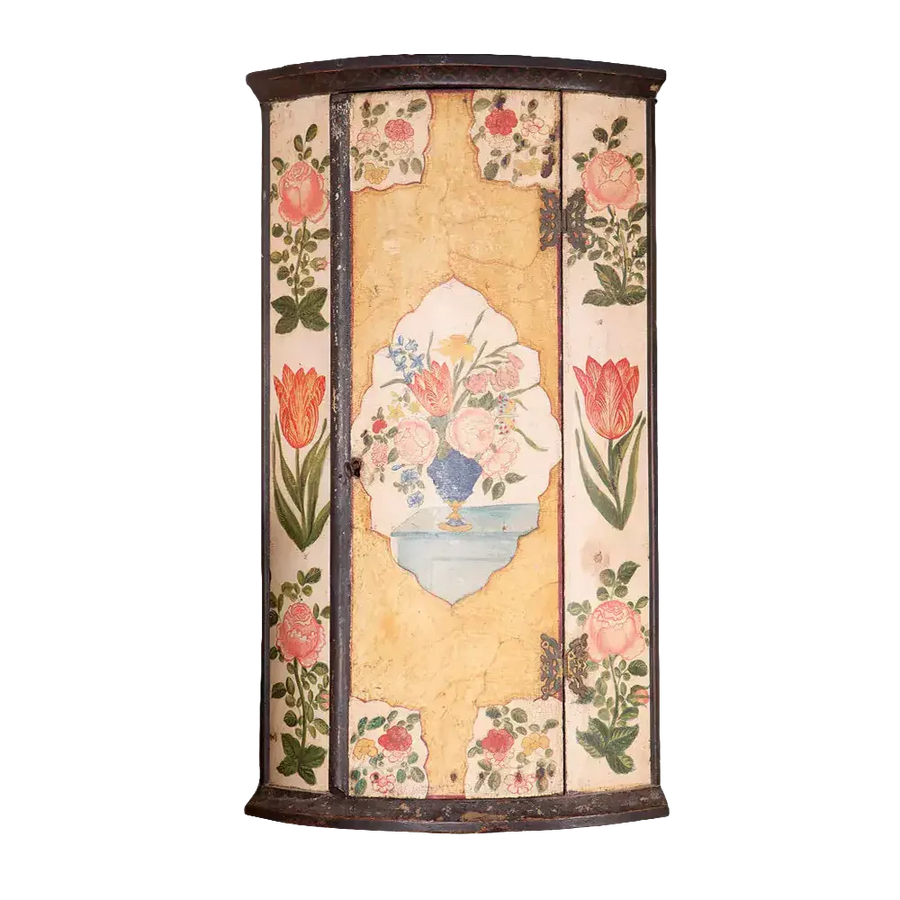
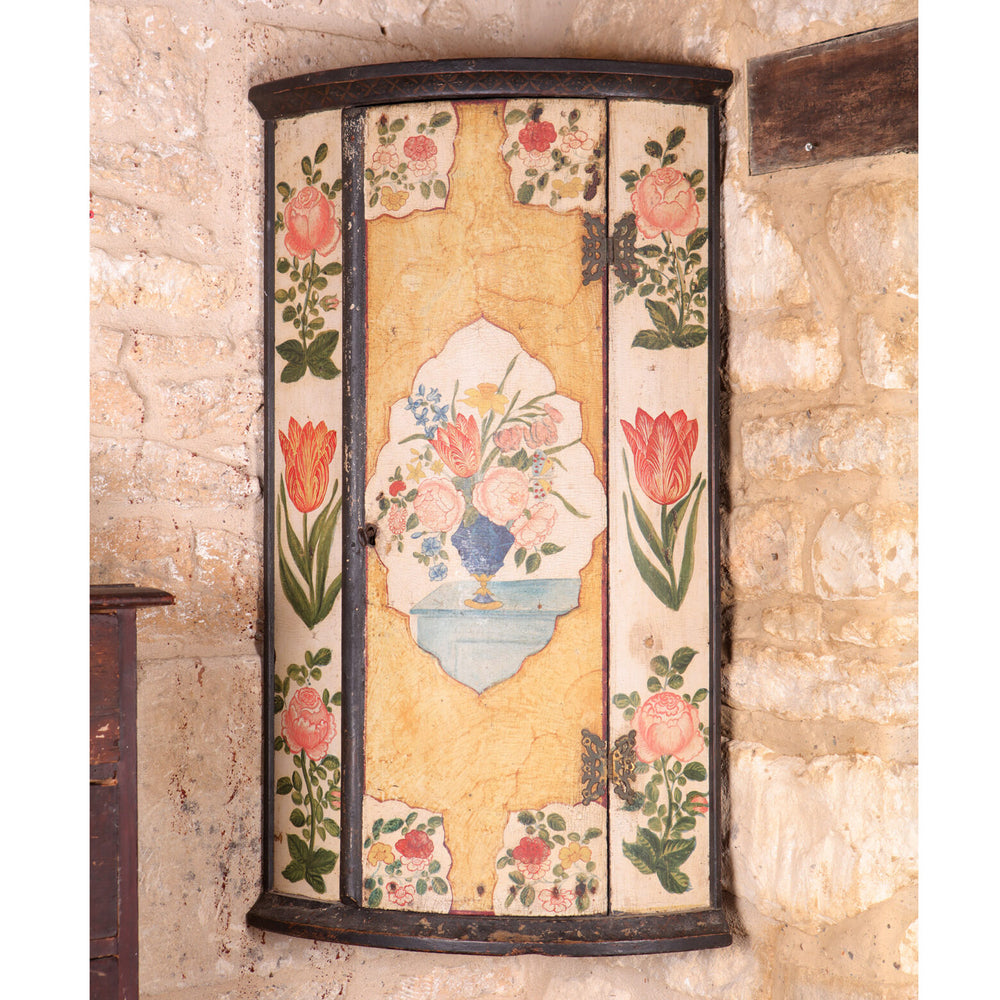
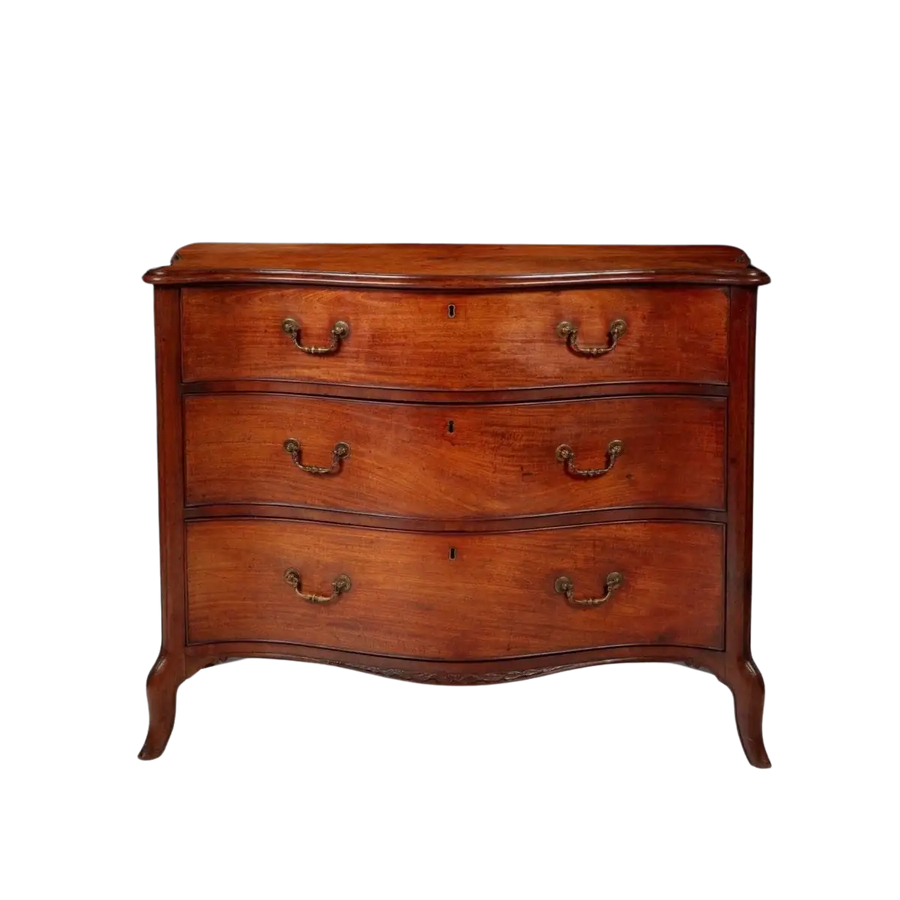
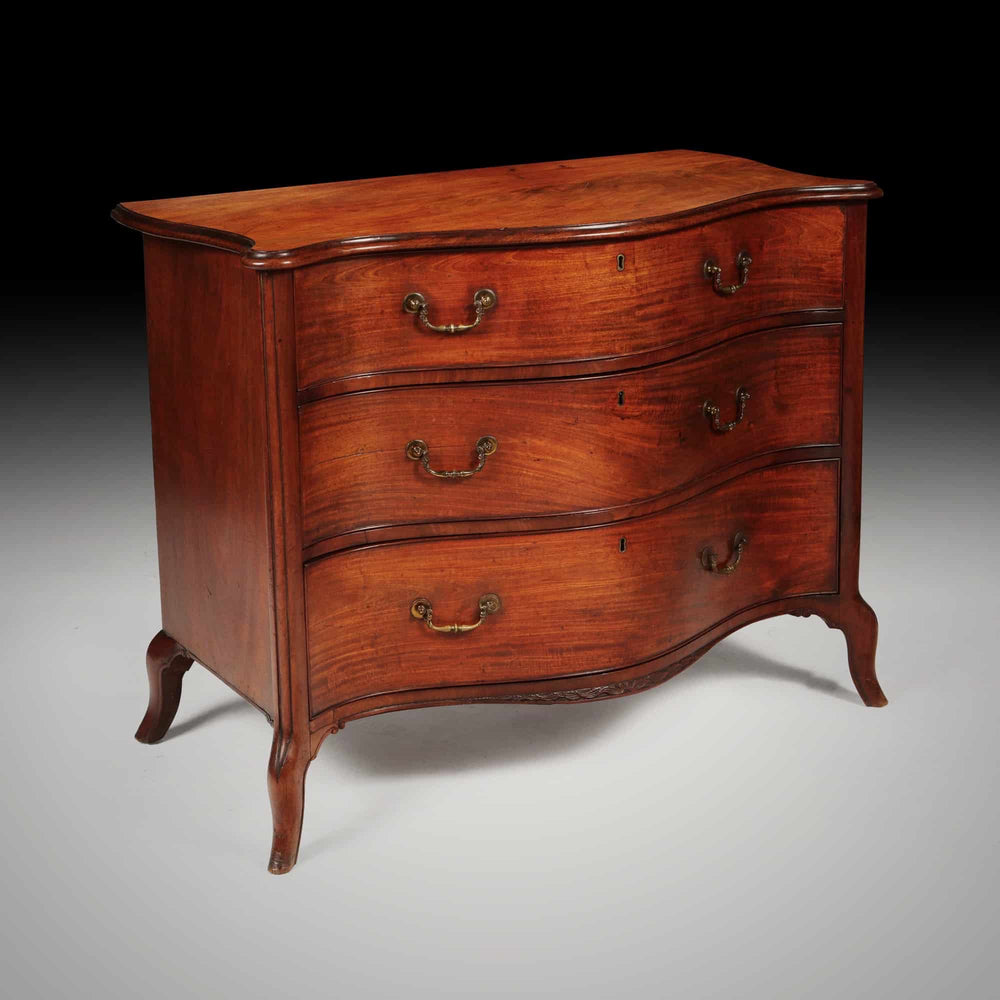
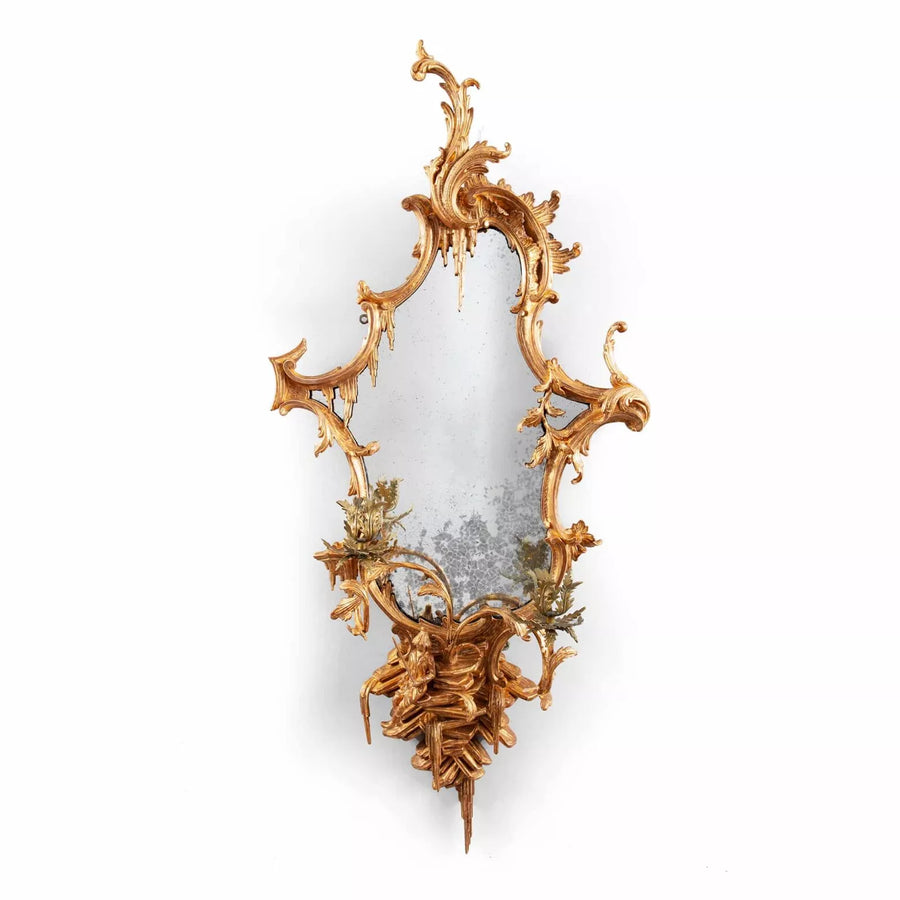
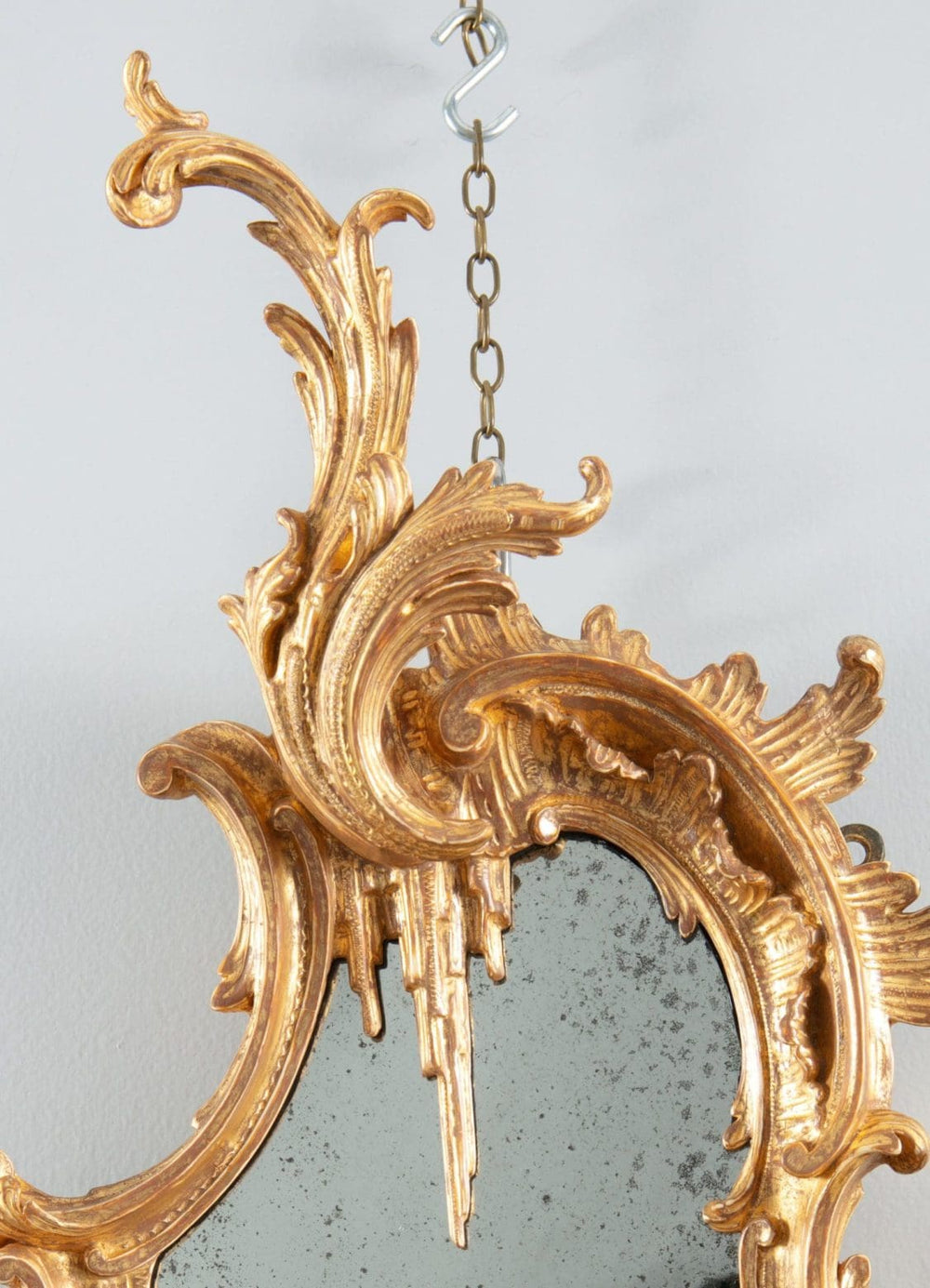
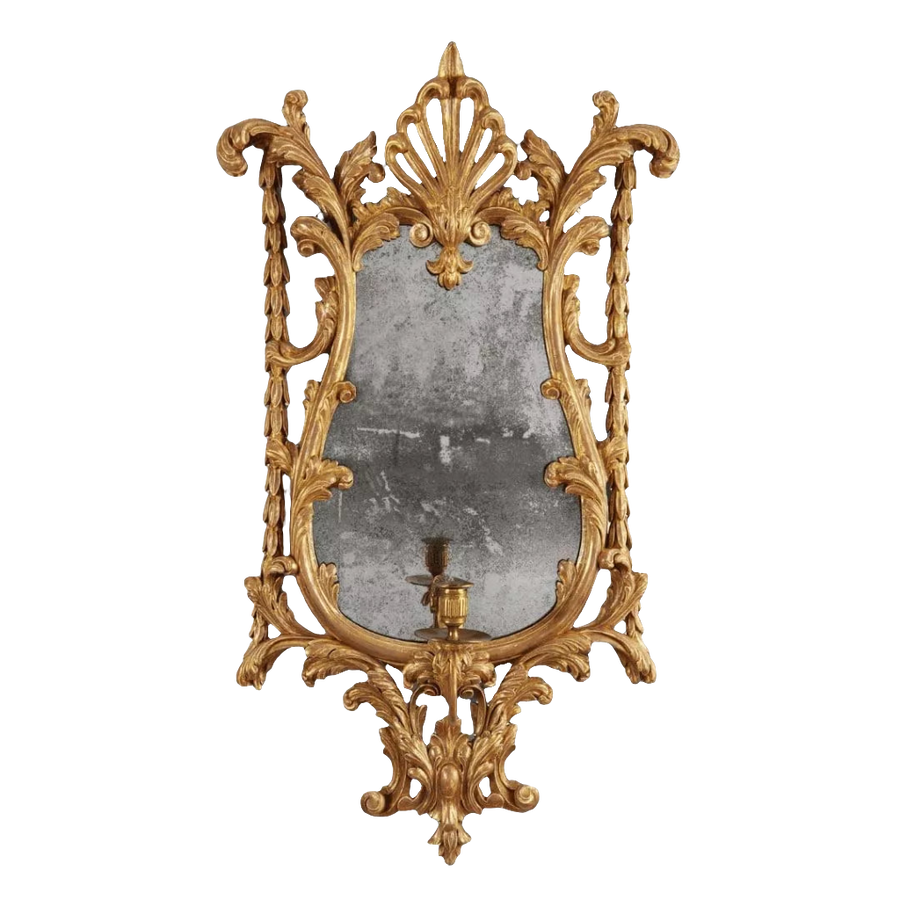
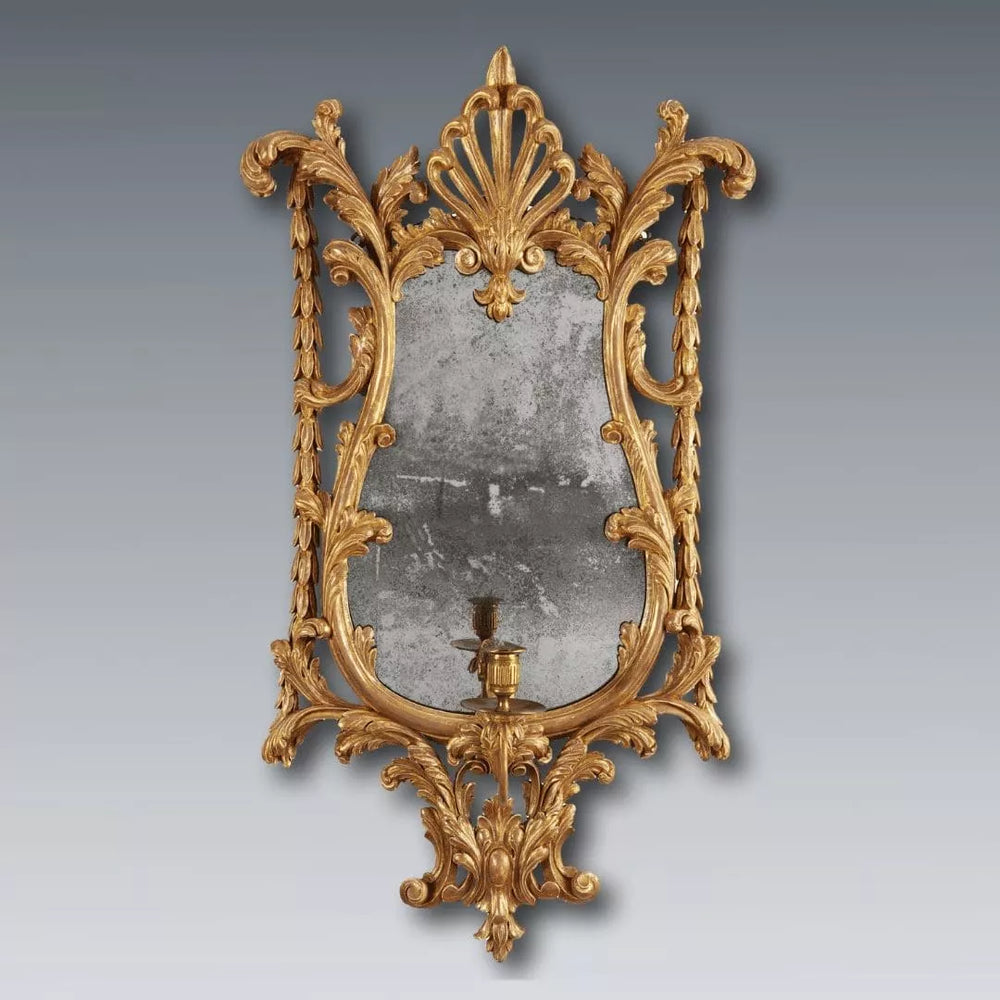
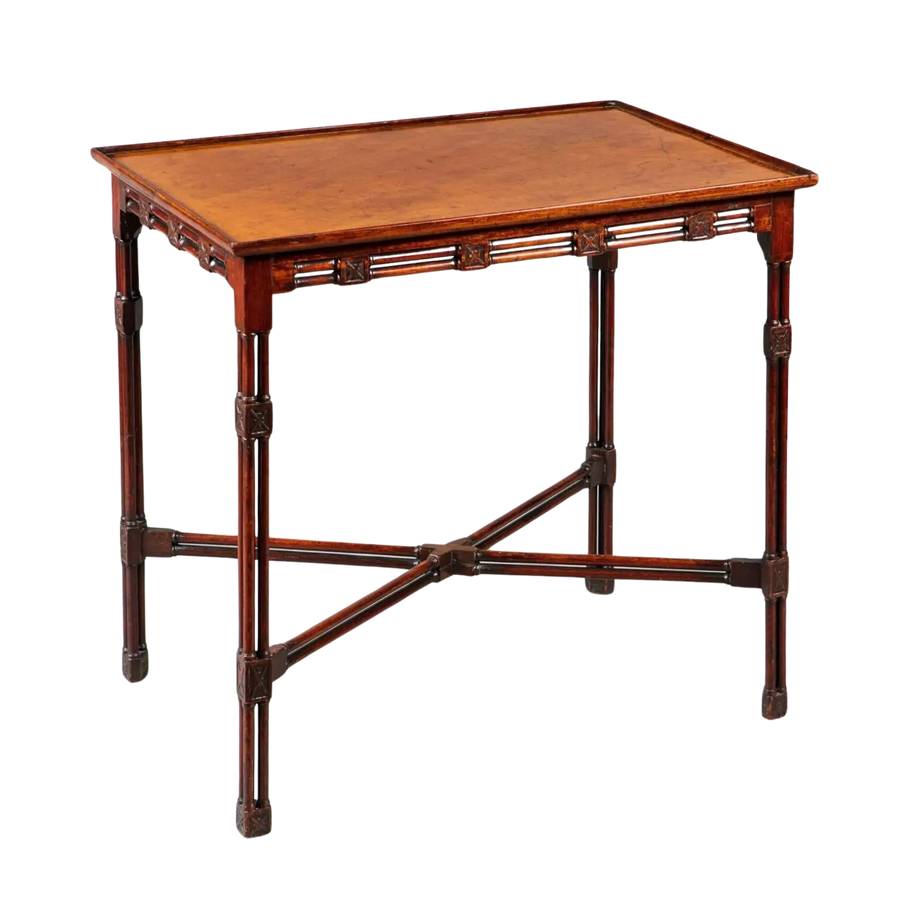
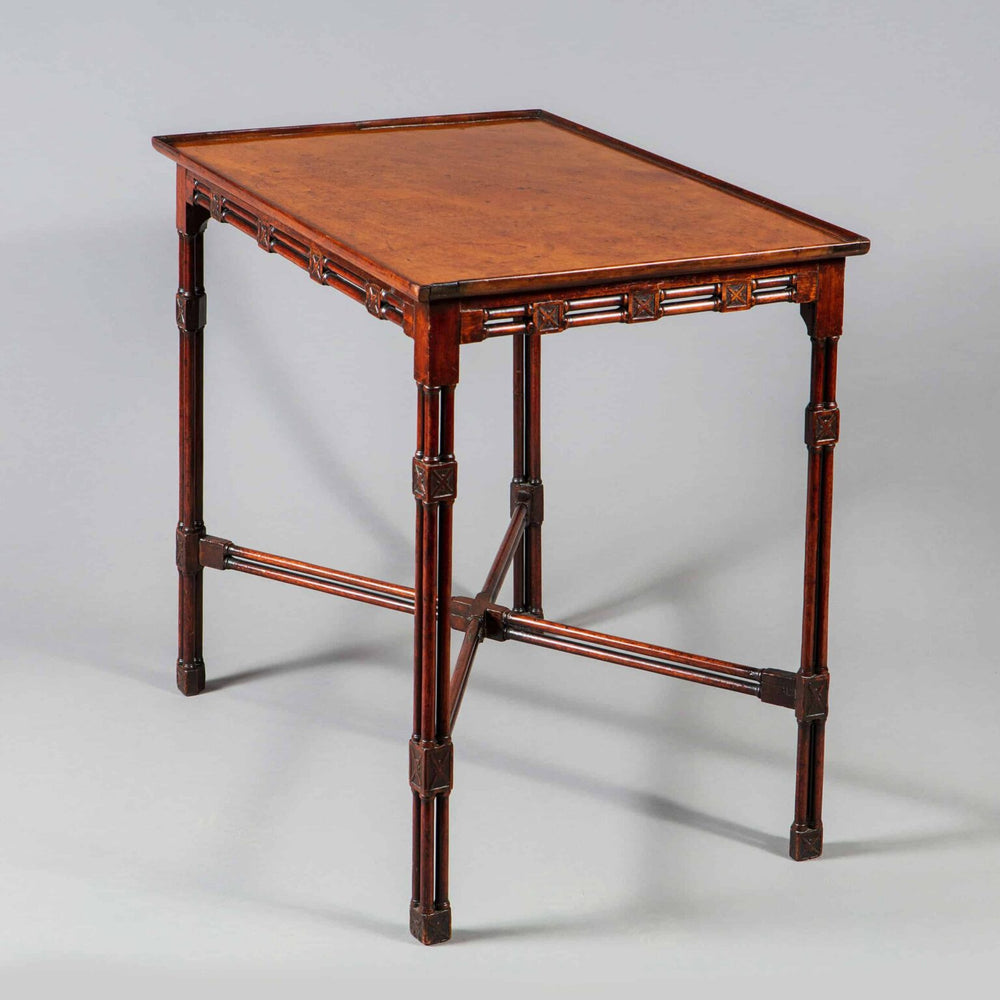
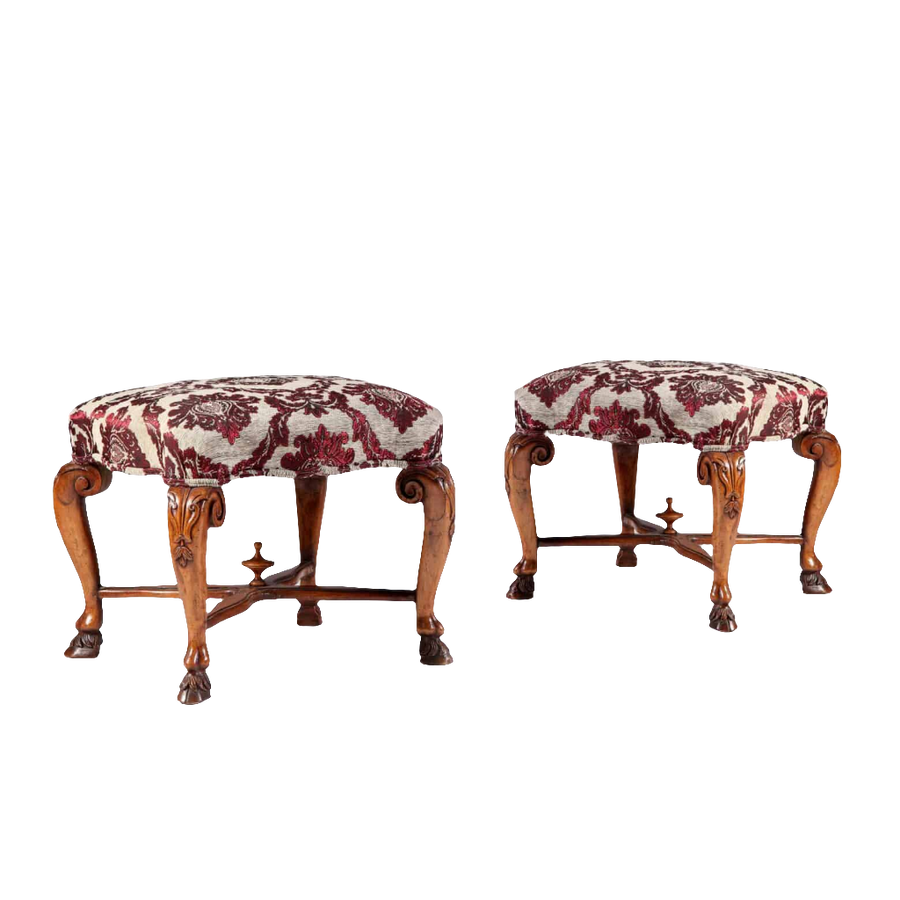
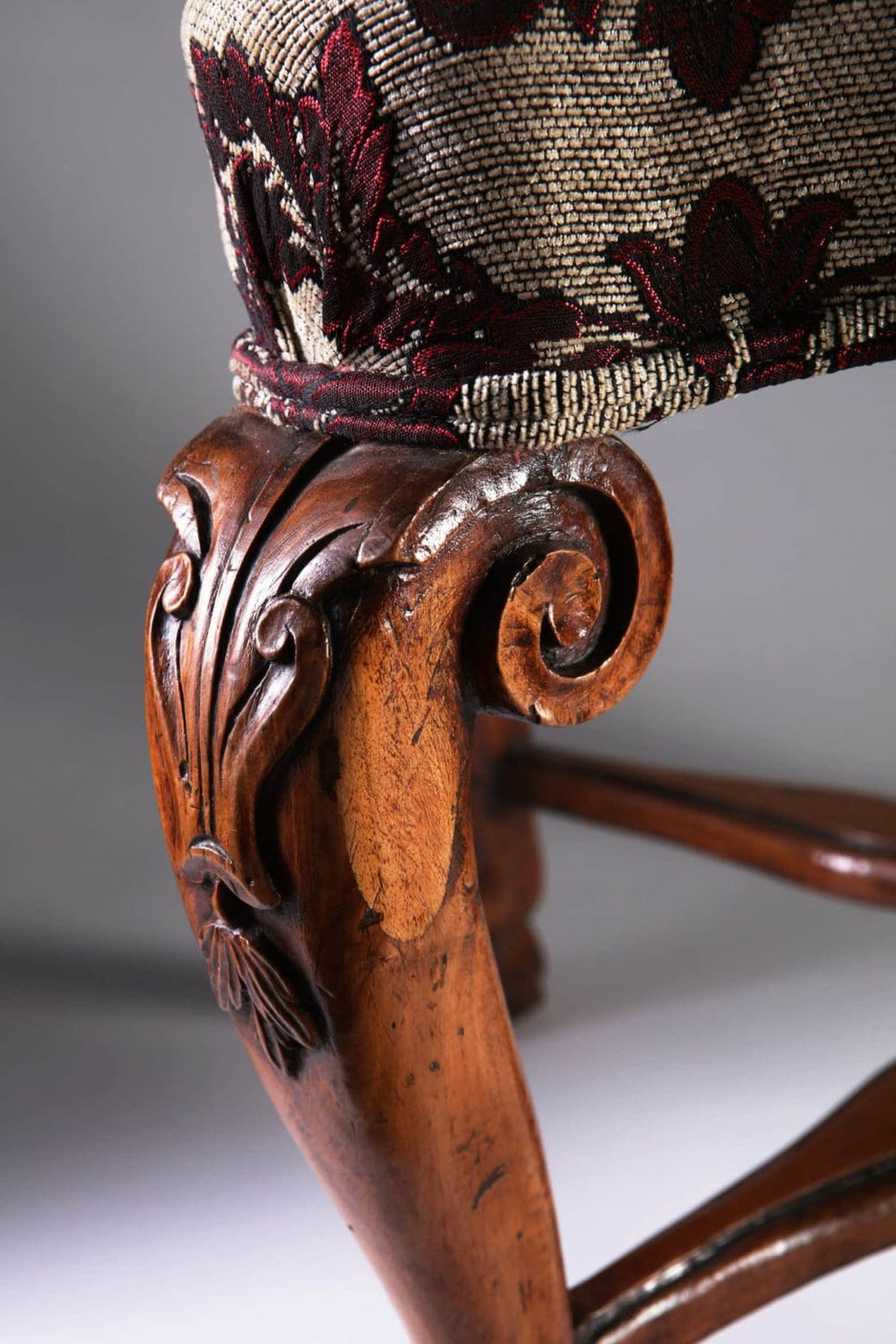
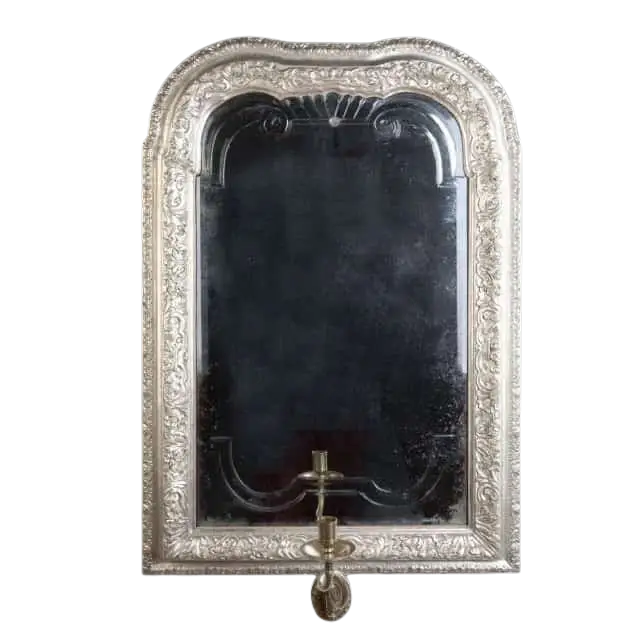
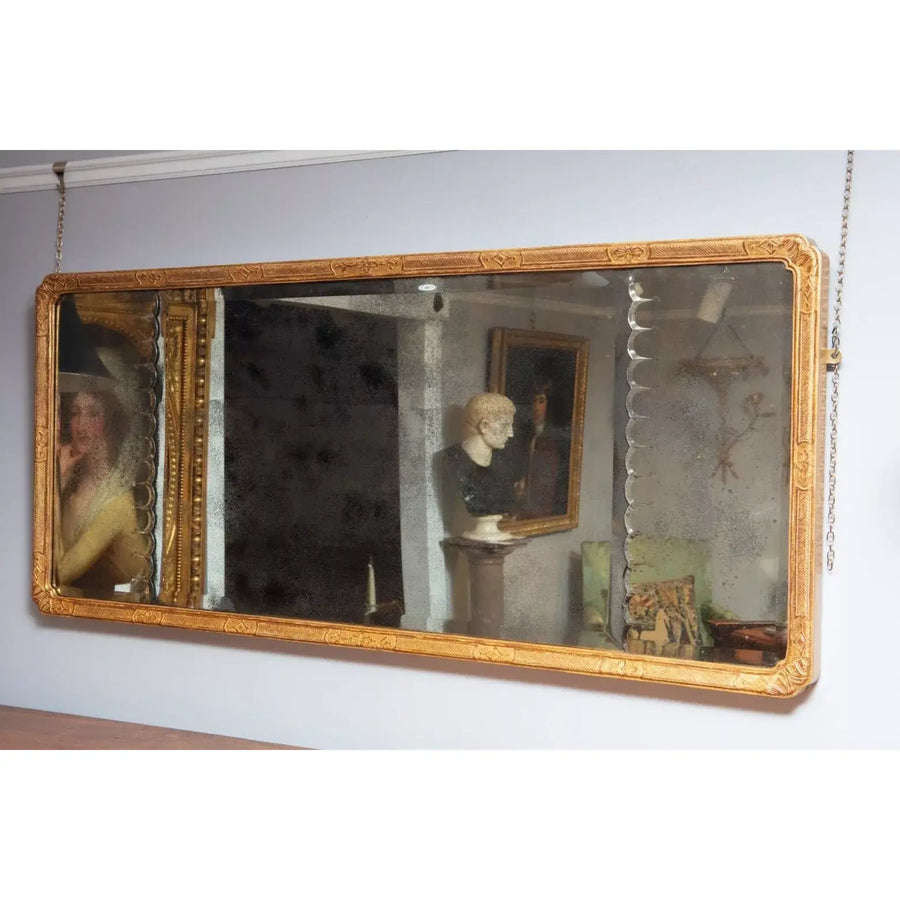
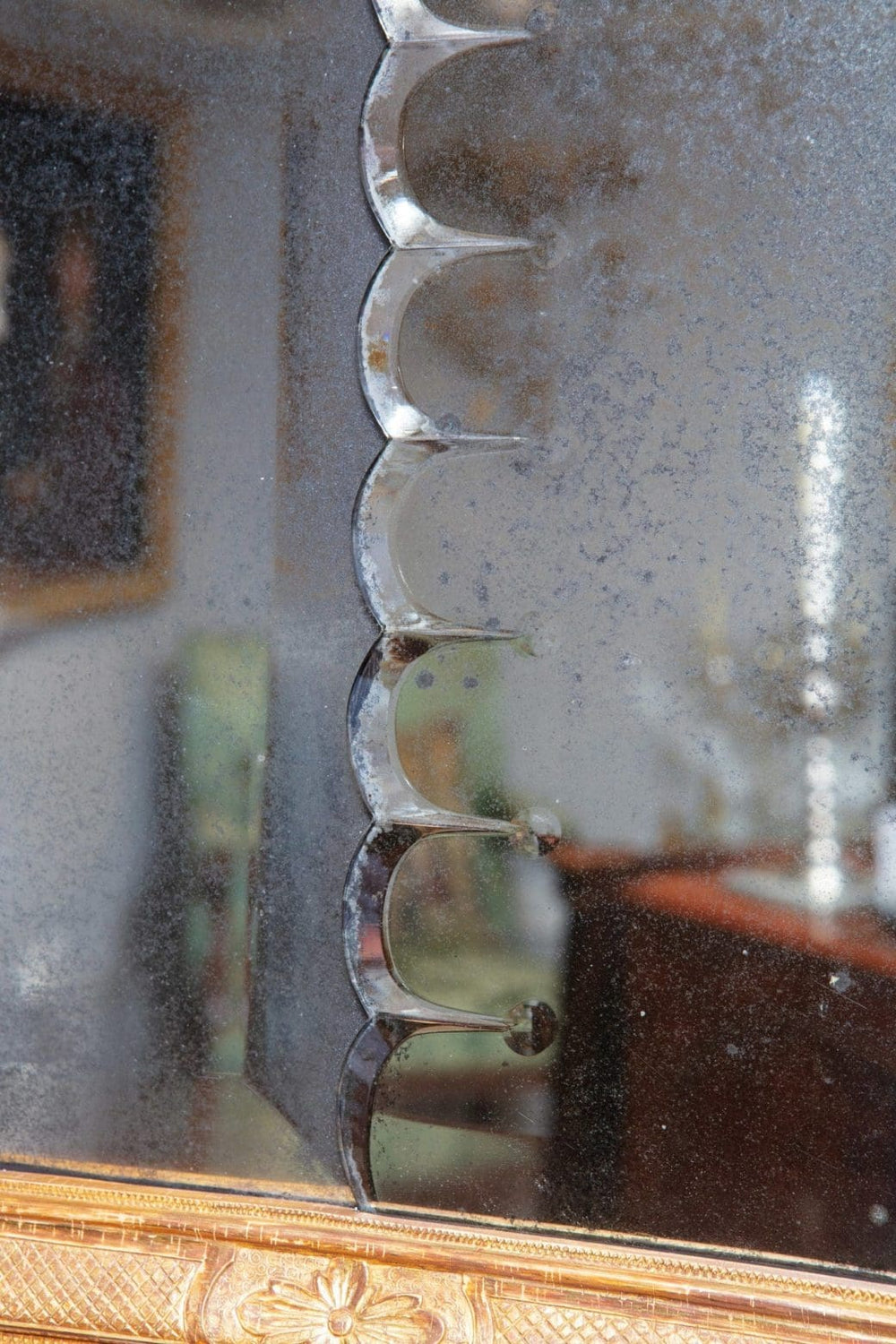
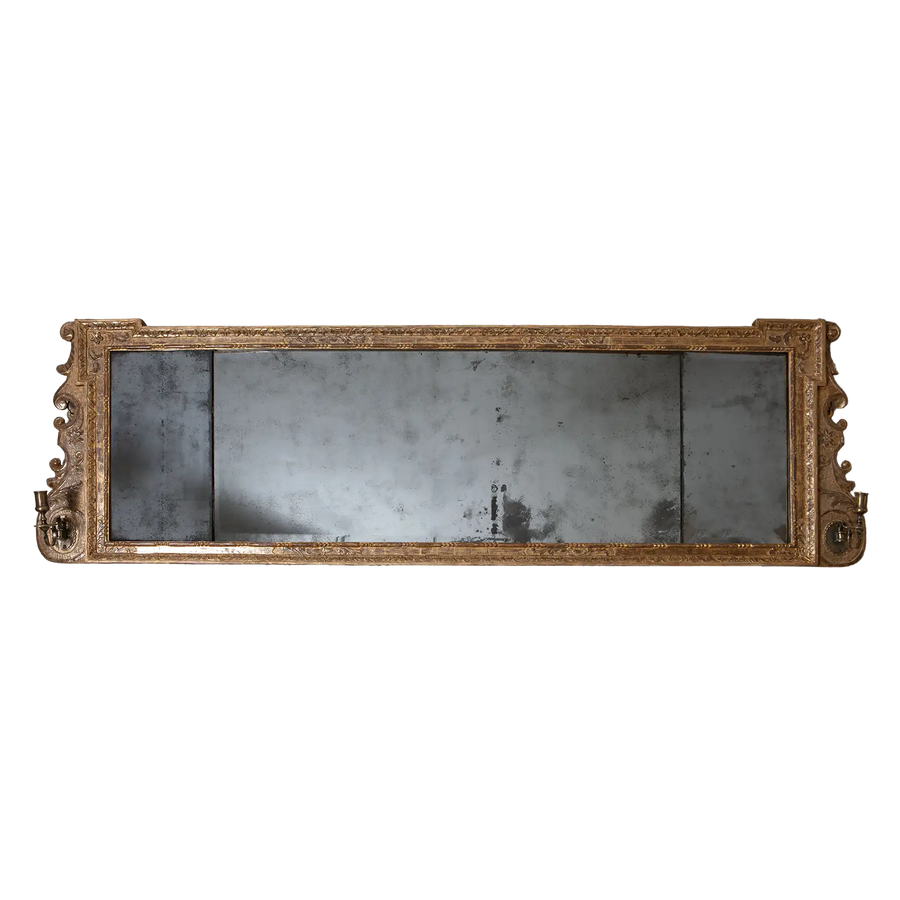
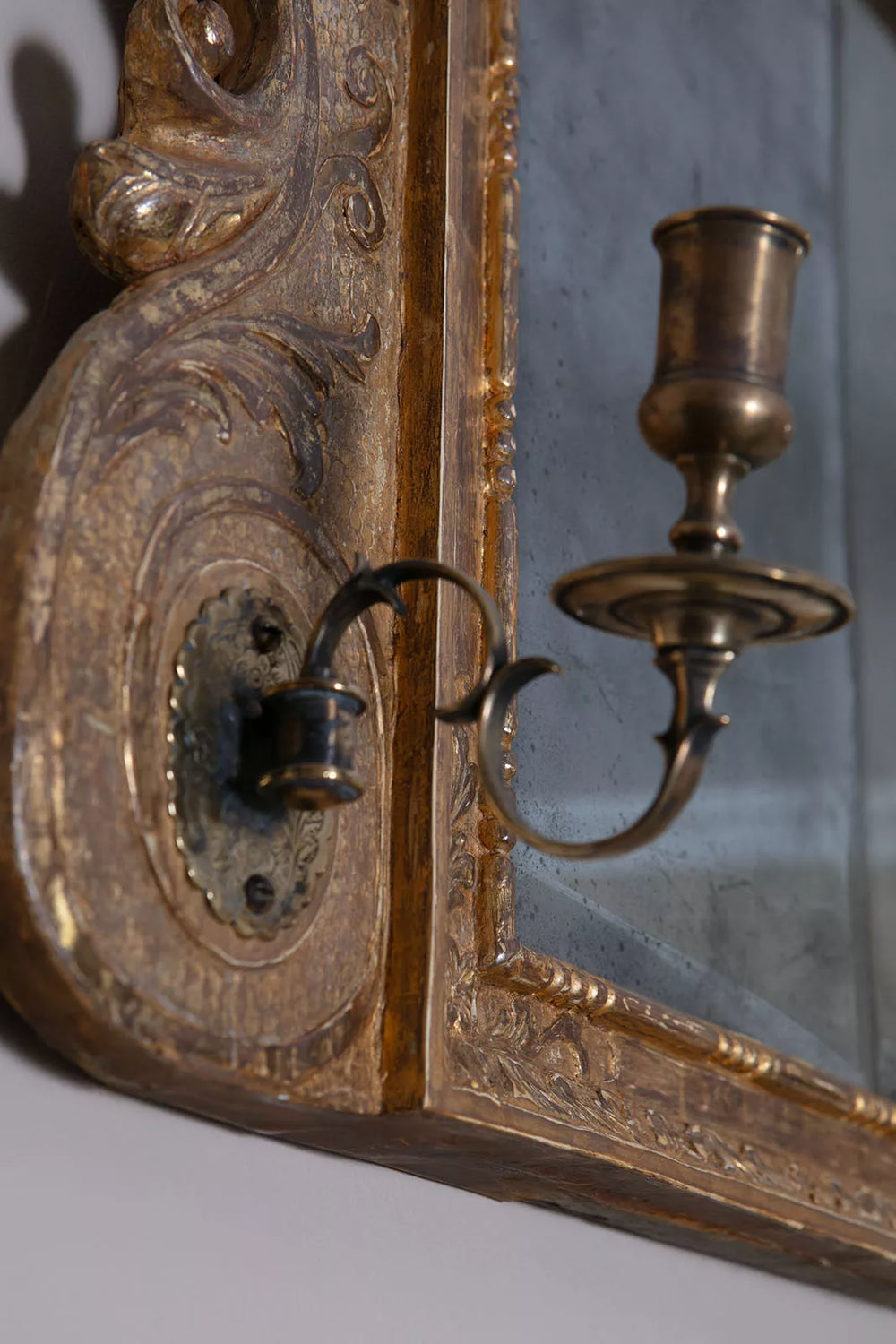
Furniture makers produced bombe commodes, cabriole-legged chairs, serpentine tables and richly carved giltwood mirrors that combined comfort with visual splendour. Shells, scrolls, flowers and foliage became recurring motifs, creating interiors that felt intimate, sophisticated and distinctly modern for their time.
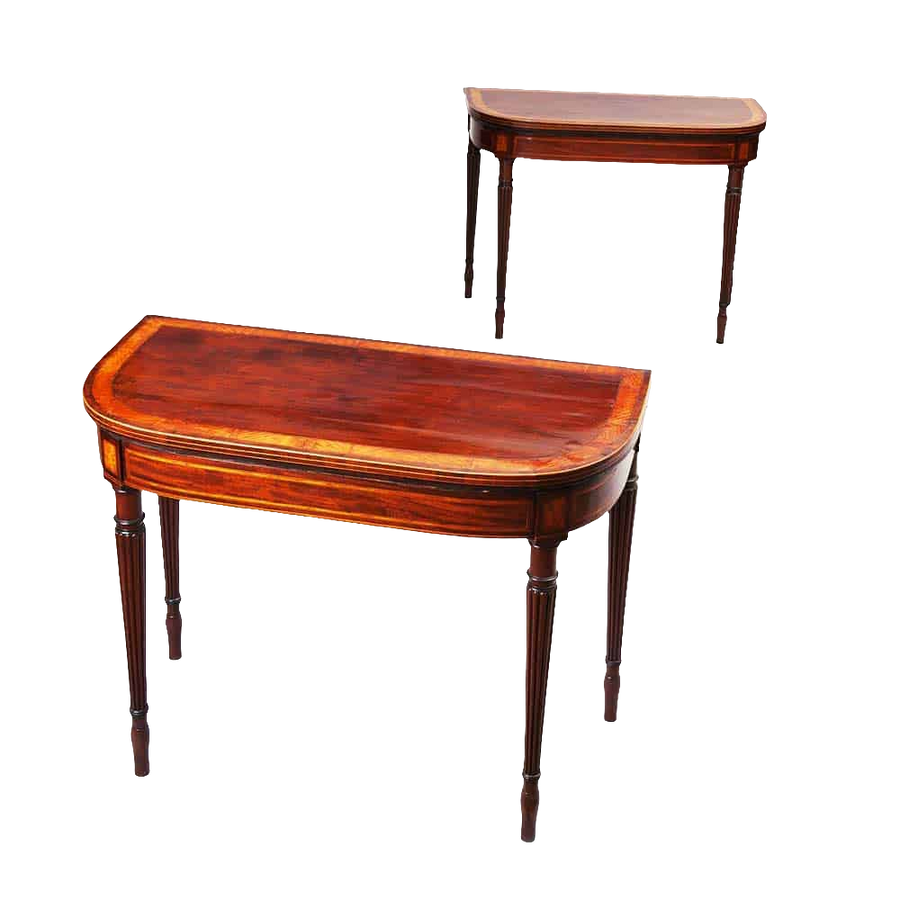
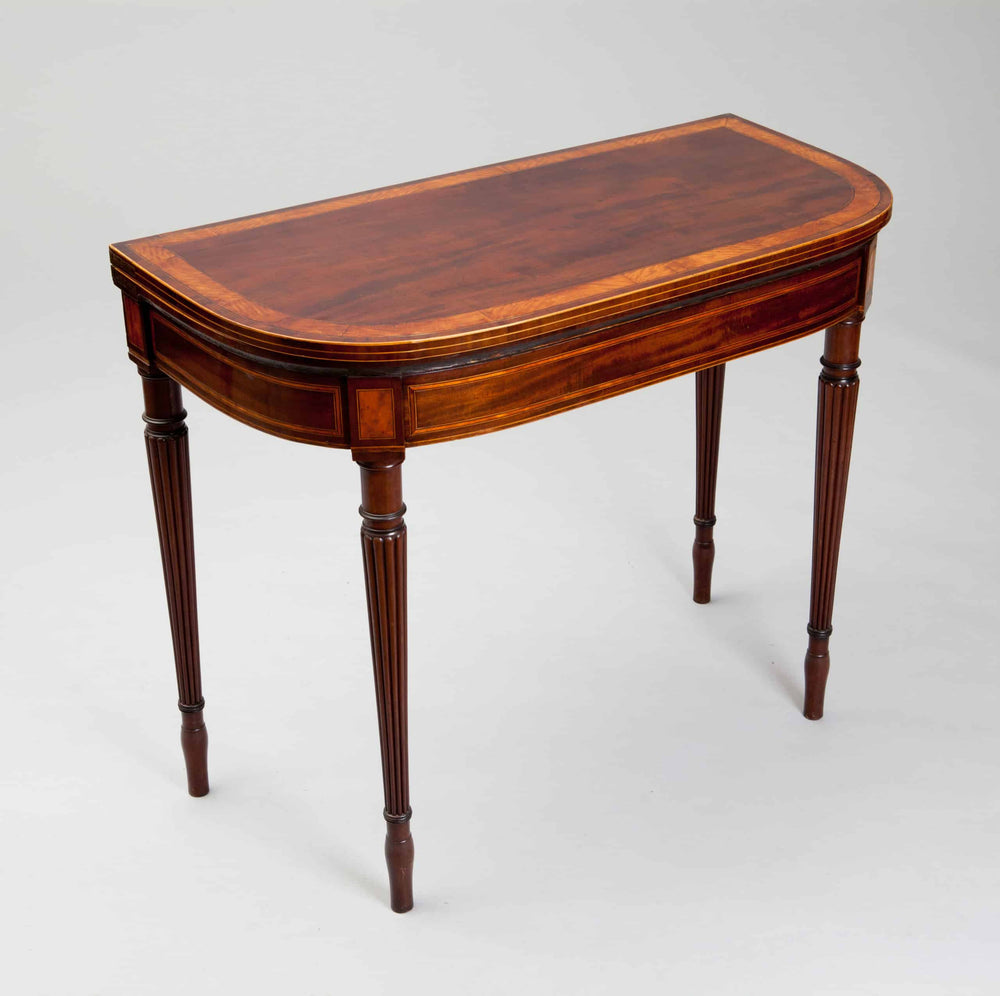
Many of the most desirable pieces of 18th-century antique furniture continue to reflect the influence of Rococo design, prized by collectors for their craftsmanship and decorative appeal.
Few materials captured the imagination of 18th-century Europe more completely than porcelain. Following the discovery of hard-paste porcelain in Saxony, European manufactories competed to rival the finest imports from China and Japan.
Among the most celebrated were:
Meissen, whose pioneering hard-paste porcelain established Germany as a centre of innovation.
Sèvres, patronised by the French court and renowned for its luxurious colours, gilding and painted decoration.
Capodimonte, whose Neapolitan workshops produced finely modelled figures and exquisitely decorated wares.
Themes drawn from nature, mythology and chinoiserie reflected both local artistic traditions and the growing influence of global trade. Today, antique European porcelain remains among the most sought-after categories within the decorative arts market.
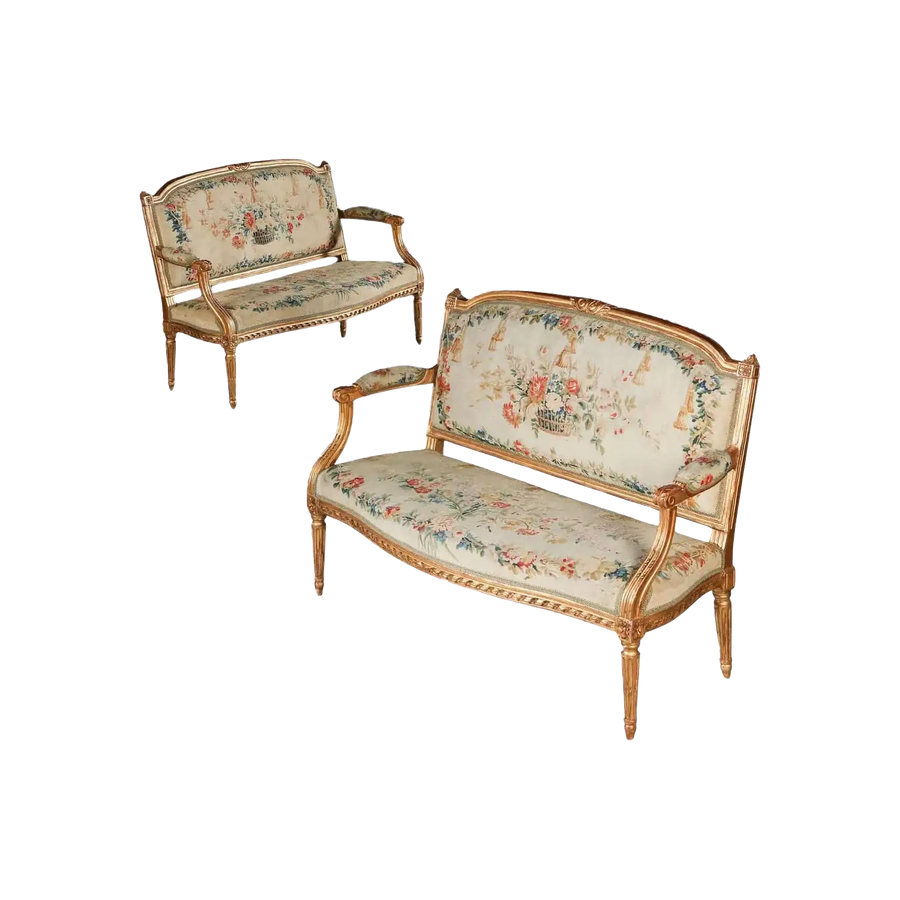
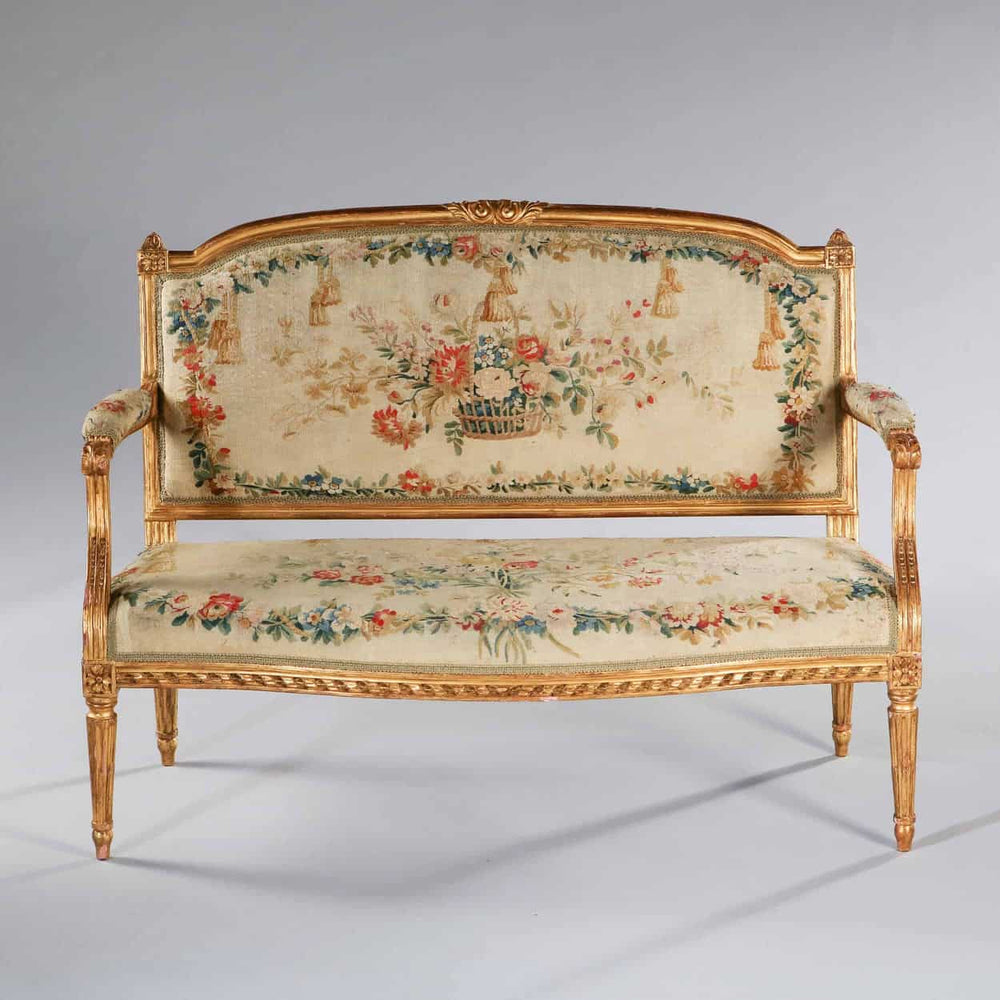
Throughout the 18th century, tapestry remained one of the most prestigious forms of interior decoration. Combining artistic design with extraordinary technical skill, tapestries transformed walls into richly detailed narratives.
The celebrated ateliers of Gobelins and Beauvais in France produced grand mythological and pastoral scenes for royal and aristocratic patrons, while Flemish workshops continued a centuries-old tradition of richly coloured woven works admired throughout Europe.
Beyond their decorative appeal, tapestries provided warmth, status and a powerful visual expression of wealth and taste. Today they remain highly prized by collectors seeking exceptional examples of European decorative arts.
The expansion of trade with Asia inspired one of the century's most distinctive decorative movements. Chinoiserie interpreted European perceptions of Chinese and East Asian art through a playful and imaginative lens.
Pagodas, exotic birds, flowering gardens and fantastical landscapes appeared on antique furniture, ceramics, wallpapers and lacquered objects. Whether adorning a Parisian salon or an English country house, chinoiserie reflected the cosmopolitan outlook of the European elite and their fascination with distant cultures.
Many of the finest 18th-century antiques demonstrate this fusion of Eastern inspiration and European craftsmanship.
The 18th century witnessed a golden age of European silverware. Master silversmiths elevated everyday objects into works of art through exceptional craftsmanship and elaborate decoration.
English and Dutch workshops became renowned for elegant domestic silver, producing tea services, candlesticks and tableware of remarkable refinement. In contrast, Spanish and Italian silversmiths often created monumental ecclesiastical commissions that showcased technical virtuosity on a grand scale.
Techniques such as repoussé, chasing and engraving added depth, texture and brilliance, ensuring antique silver remained central to both social ritual and ceremonial display. Fine 18th-century silverware continues to be highly sought after by collectors and interior designers alike.
As tastes evolved, wallpaper emerged as an increasingly fashionable means of decorating interiors. Advances in printing techniques allowed walls to become vibrant decorative surfaces, featuring floral designs, chinoiserie scenes and panoramic landscapes.
Offering a more flexible alternative to tapestries and painted decoration, wallpaper played an important role in shaping the character of 18th-century interiors throughout Europe. Its influence can still be seen in many historic houses and decorative schemes today.
Britain made a profound contribution to the decorative arts of the 18th century, producing designers and craftsmen whose influence extended far beyond its shores.
Thomas Chippendale's The Gentleman and Cabinet-Maker's Director disseminated English furniture designs throughout Europe and the American colonies. Robert Adam, inspired by the rediscovered antiquities of classical Italy, developed an elegant Neoclassical style that transformed interior decoration. Meanwhile, Matthew Boulton's Soho Manufactory combined artistry with innovation, producing ormolu mounts, silverware and decorative objects admired internationally.
Together, these figures helped shape the visual language of the age and cement Britain's place within the wider European decorative arts tradition.
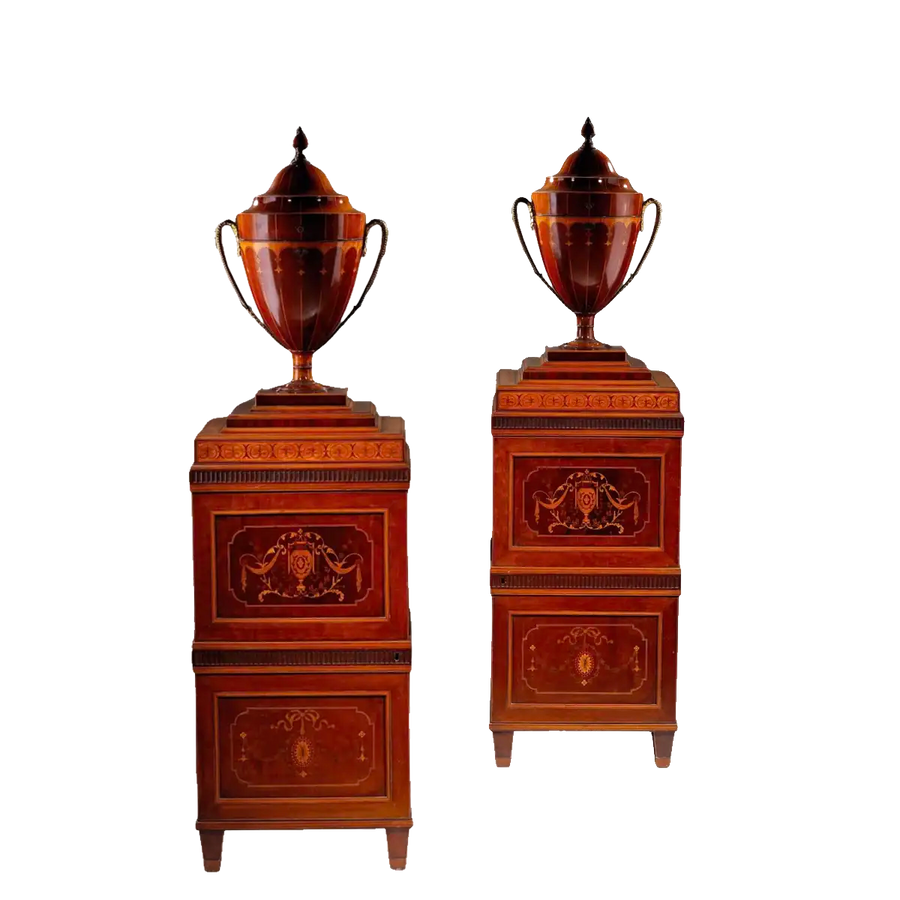
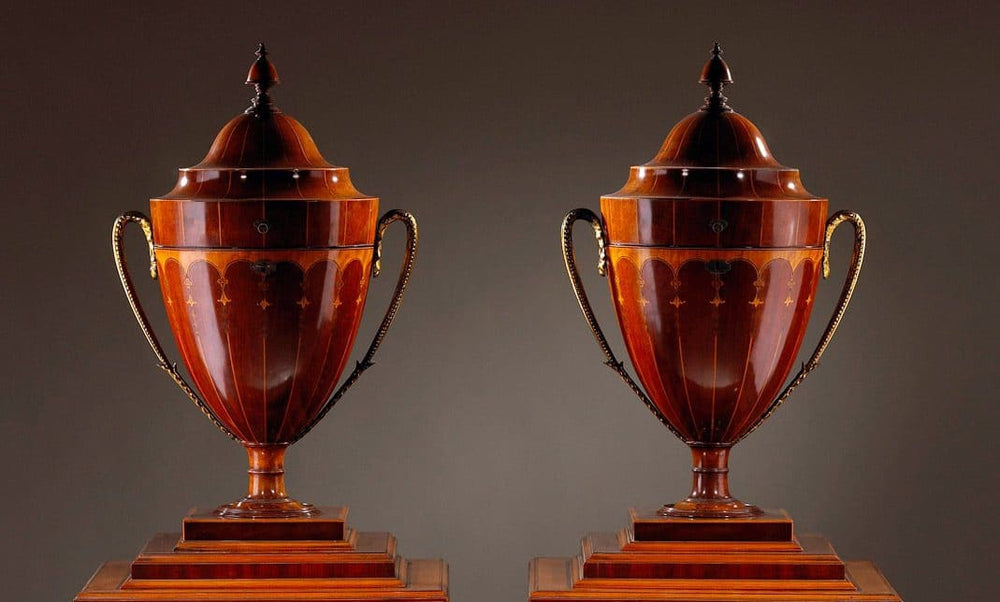
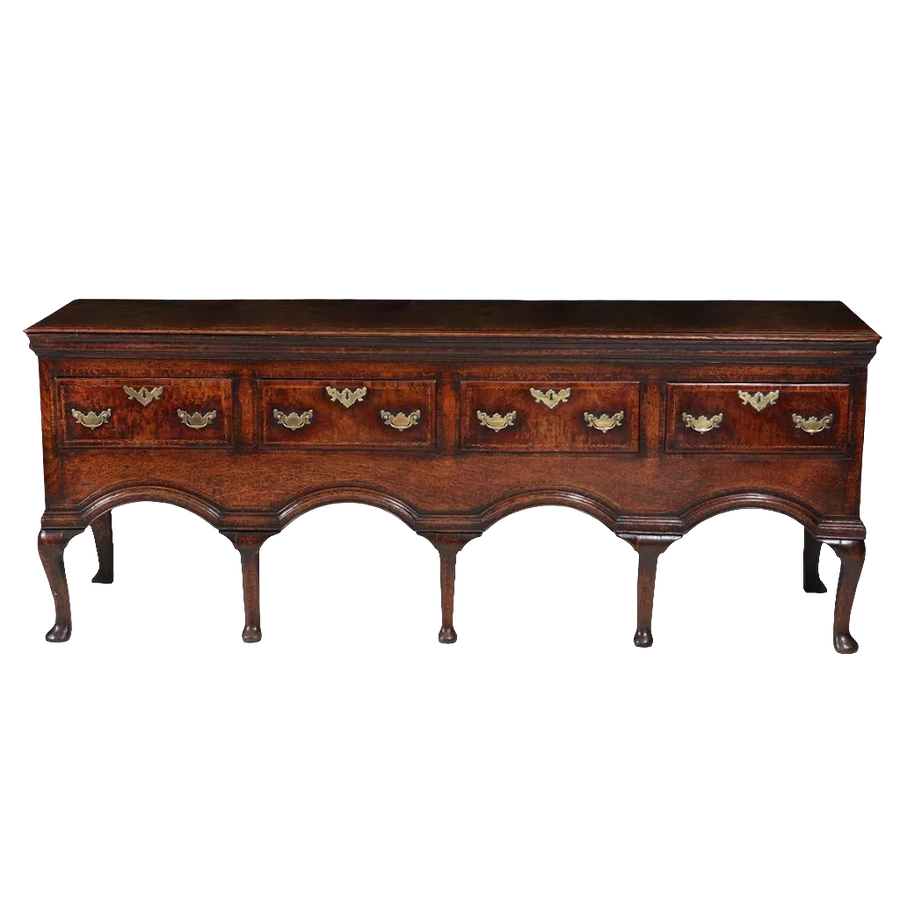
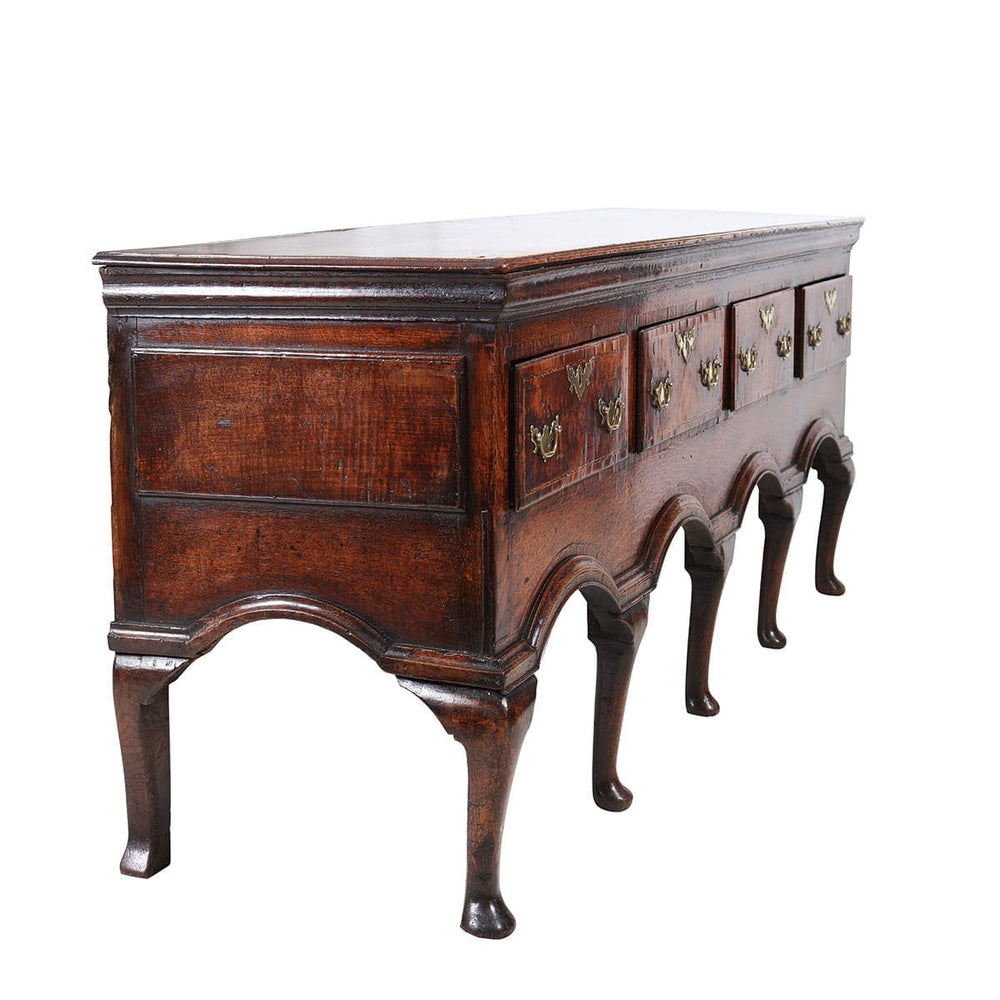
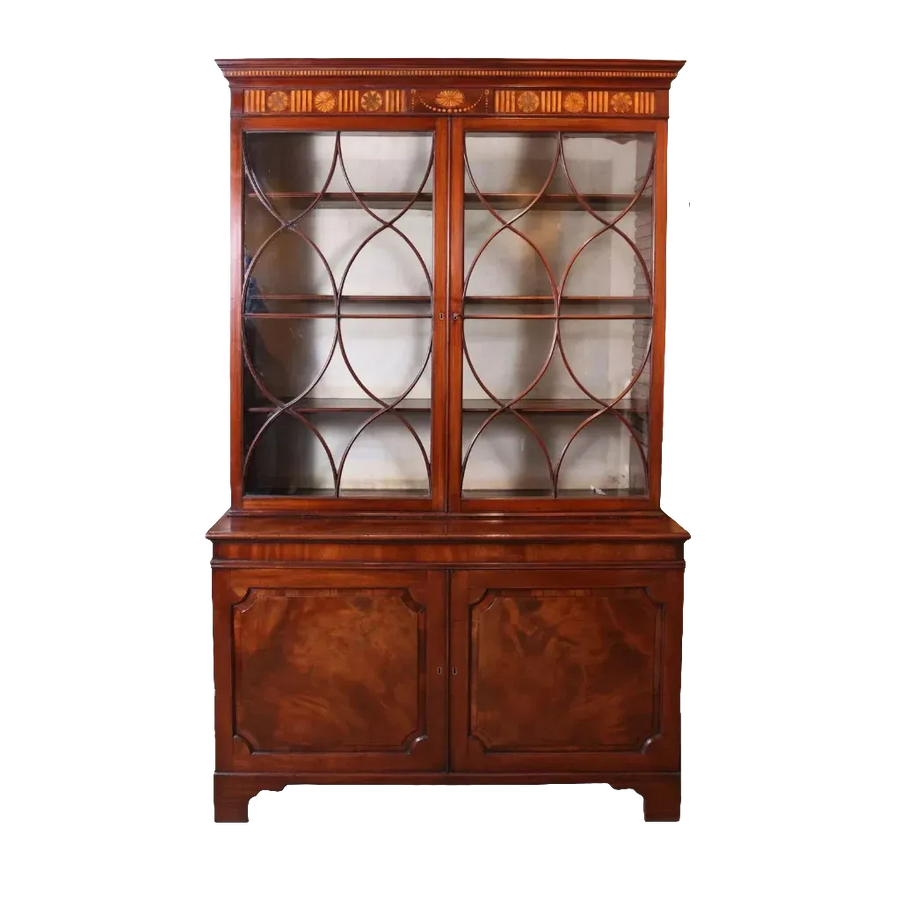
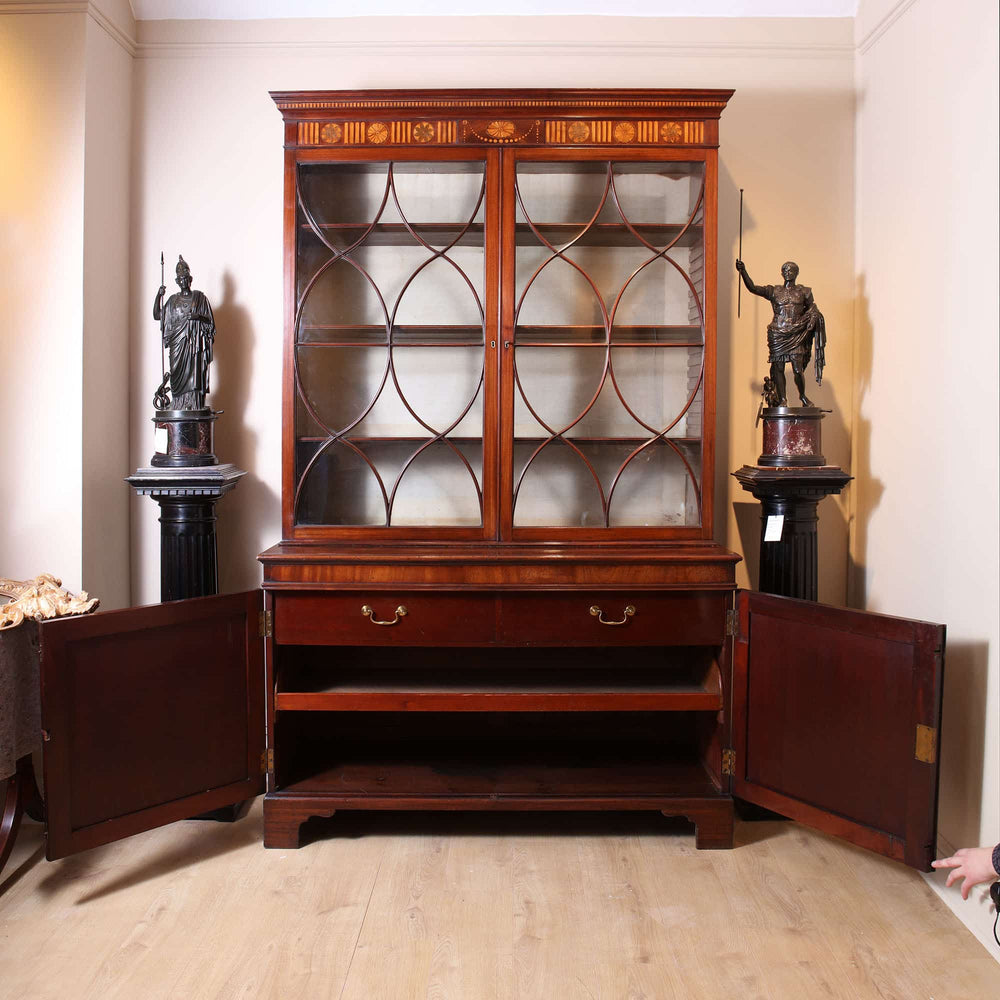
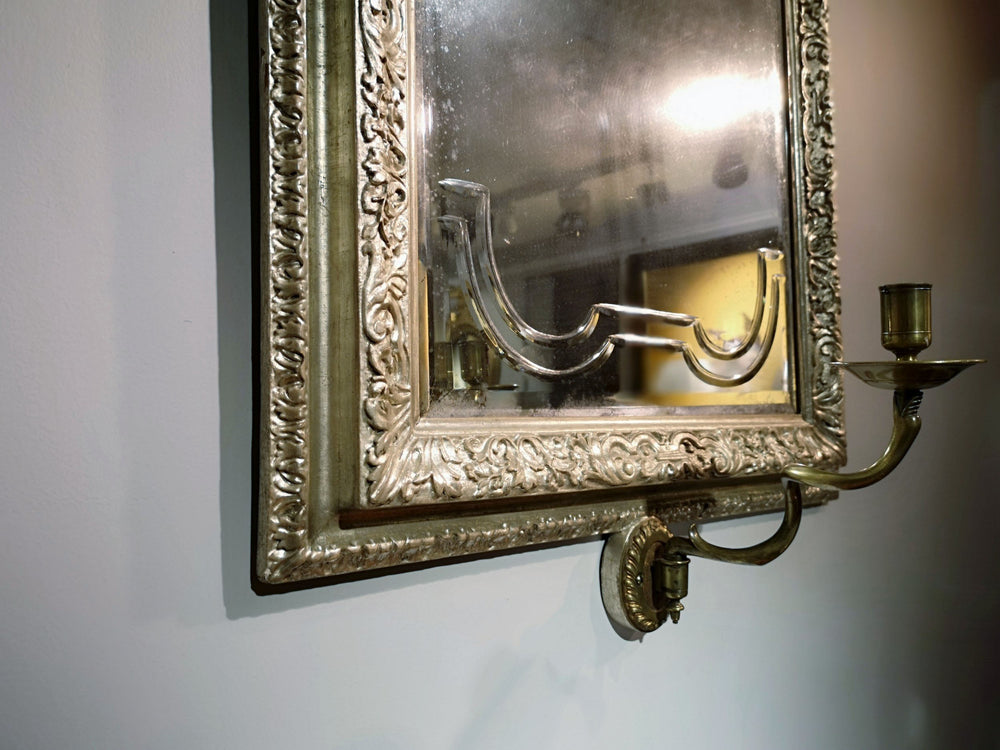
The decorative arts of the 18th century represent a remarkable convergence of craftsmanship, innovation and artistic ambition. Whether expressed through a finely carved giltwood mirror, an exceptional piece of European porcelain, an intricately woven tapestry, a rare cabinet or a beautifully chased piece of antique silverware, each object reflects the values and aspirations of an age devoted to beauty and refinement.
At Nicholas Wells Antiques, we are proud to offer carefully selected examples of 18th-century antiques and European decorative arts. Our collection includes antique furniture, porcelain, silver, mirrors and decorative objects sourced for their quality, authenticity and enduring appeal.
Explore our collection of antique furniture and decorative arts to discover original pieces that embody the refinement, elegance and cultural richness of Europe's decorative golden age.
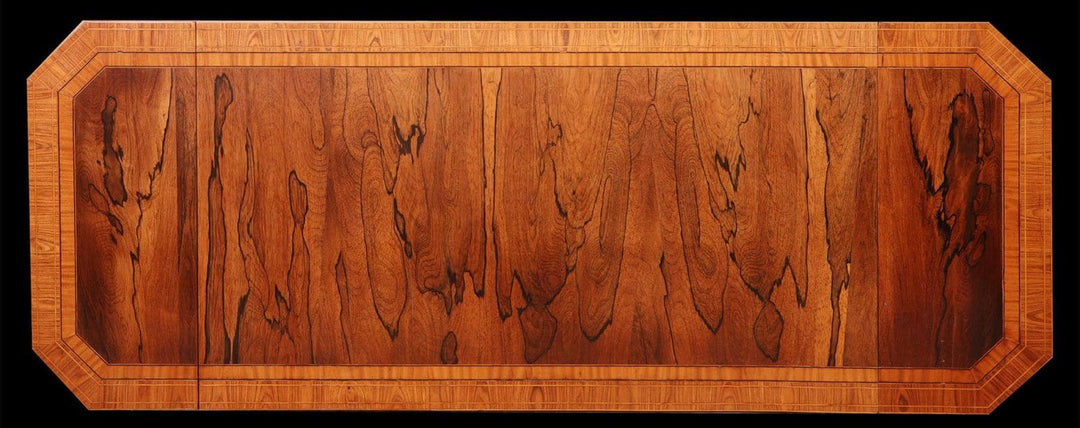
This month we have 10% off the Regency Collection - checkout code REG10

Each item in our collection is sold with complimentary restoration within the purchase price. It is only released for delivery once it has been fully checked over and wax polished.

Introduce someone to Nicholas Wells Antiques—when they make a purchase of £10,000 or more, they will benefit form £500 off and you'll receive £500 credit toward your next purchase over £5,000.
A gesture of thanks, from one collector to another.