



A Connoisseur’s Guide to Fine Antiques: History, Quality, and Acquisition
What if the true value of a fine Regency commode lies not in its utility, but in the two centuries of history preserved within its original surface patina? You likely recognise that a distinguished piece should tell a story that transcends its physical form, yet the fear of mistaking a clever reproduction for a 1780 Georgian mahogany original remains a constant concern. At Nicholas Wells Antiques, we understand that acquiring antiques is an exercise in both passion and precision, requiring a sharp eye for the subtle differences between French giltwood and English craftsmanship.
This guide provides the essential framework for identifying and evaluating rare decorative arts with the scholarly authority of a specialist London dealer. You'll learn to develop an eye for quality, understand why provenance acts as the soul of an object, and see how our Mayfair gallery, available to visit by appointment, facilitates the acquisition of items ranging from 18th-century ormolu to Grand Tour obelisks. We'll also detail our commitment to antique restoration and the logistics of our international shipping. By the end, you'll possess the confidence to select pieces that serve as magnificent focal points, ensuring your collection remains as extraordinary as the history it preserves.
Key Takeaways
- Discern the subtle distinctions between mere vintage pieces and investment-grade decorative arts by evaluating the marriage of rarity and superlative craftsmanship.
- Explore the defining markers of quality across the Georgian mahogany and Art Deco eras, from the nuances of timber selection to the intricacies of period joinery.
- Understand why original surface patina is regarded as the "soul" of an object, serving as a vital testament to its provenance and historical integrity.
- Learn to curate a distinguished interior by integrating "hero" pieces, such as a magnificent centre table or French giltwood mirror, into a modern, eclectic setting.
- Transition from our digital gallery to a bespoke acquisition experience at Nicholas Wells Antiques, which offers expert restoration, global shipping, and private London showroom appointments.
What Defines a Fine Antique? Beyond Age and Utility
To the uninitiated, the term might simply denote an object of a certain vintage. However, for the discerning collector, what is an antique? It's a sophisticated marriage of rarity, historical significance, and superlative craftsmanship. While a common piece may possess utility, a fine antique possesses a soul. It carries the weight of its provenance, from the grand salons of Mayfair to the quiet libraries of a country estate. A true masterpiece represents a specific moment in time when the artisan's skill and the patron's vision aligned to create something extraordinary.
We must distinguish between "vintage," which often refers to items from the mid-20th century, and "investment-grade" decorative arts. The latter represents the pinnacle of 18th and 19th-century production. During this period, makers such as Chippendale and Sheraton set the benchmark for the English town and country house. These pieces, often rendered in rich Georgian mahogany or adorned with delicate French giltwood, offer an emotional resonance that contemporary mass production cannot replicate. They've witnessed centuries of history, surviving through shifts in taste and the passage of time. Owning such antiques is not merely a purchase; it's a stewardship of heritage.
The Three Pillars of Connoisseurship
Authenticity requires a rigorous verification of the period, maker, and origin. A true connoisseur looks for the subtle signs of the hand, such as the precision of a dovetail joint or the specific character of 18th-century ormolu. Rarity separates the museum-quality piece from the common, perhaps through a unique configuration of an Irish pier mirror or the specific carving on a Regency chair. Condition is a delicate balance; we prize the original surface patina, which tells the story of the object's life, while ensuring its structural integrity remains superb for another century.
The Role of the Specialist Dealer
As a leading London-based antique dealing gallery, Nicholas Wells Antiques serves as a vital filter for quality. Our expertise allows us to curate a collection that transcends mere inventory, focusing instead on significant cultural artifacts. Whether you're seeking rare obelisks, intricate war clubs, or grand chandeliers, our gallery provides the historical context necessary for building a distinguished collection. You're invited to explore our curated works of art online or visit our showroom near Piccadilly by appointment. We provide expert antique restoration and offer seamless international shipping to ensure your antiques arrive in pristine condition, regardless of your global location.
Identifying Period Styles: From Georgian Mahogany to Art Deco
Discerning the nuances between historical eras requires an eye trained to recognise the subtle language of timber, form, and surface. For the dedicated collector of antiques, understanding these shifts is not merely an academic exercise; it's the key to identifying pieces that possess true historical integrity. Nicholas Wells Antiques focuses on items where the original surface patina remains undisturbed, serving as a testament to the object's journey through centuries of care and use.
The Golden Age: Georgian and Regency Excellence
The 18th century represents a pinnacle of British craftsmanship, defined by the transition from the walnut of the Queen Anne and Early Georgian furniture periods to the dominant use of dense, figured mahogany. By 1754, the publication of Thomas Chippendale’s The Gentleman and Cabinet-Maker's Director established a blueprint for elegance that blended Gothic, Chinese, and Rococo influences. High-quality Georgian pieces are distinguished by the weight of the timber and the precision of the joinery; look for hand-cut dovetails that are fine and tapered, a hallmark of a master cabinet-maker’s workshop.
As the 19th century dawned, the Regency style introduced a more disciplined, archaeological approach to design. Influenced by the Grand Tour, where young aristocrats brought back classical inspirations from Rome and Athens, furniture began to incorporate fine ormolu mounts, ebony stringing, and exotic timbers like rosewood. This era's obsession with antiquity is beautifully captured in The Connoisseur’s Guide to Antique Mirrors, which details how light and reflection were used to enhance these sophisticated interiors.
Continental Flair and Later Movements
Across the Channel, French cabinet-makers achieved a level of opulence that remains unparalleled. The Louis XV period is celebrated for its fluid, asymmetrical giltwood frames and intricate marquetry, while the subsequent Louis XVI style returned to rectilinear symmetry and Neoclassical restraint. Distinguishing these authentic 18th-century masterpieces from 19th-century revivals requires close inspection of the construction. Later Victorian reproductions often feature machine-cut screws and more uniform, circular-saw marks on the undersides, whereas original antiques display the irregular, soulful textures of hand-planed wood.
- Irish Pier Mirrors: Recognisable by their distinctively deep-cut glass and often featuring a central ebonised or gilt-moulded frame, these are rare regional specialities highly prized by collectors.
- Art Deco: Emerging after the 1925 Paris Exposition, this movement discarded historical revivalism for bold geometries, using luxurious materials like shagreen, macassar ebony, and ivory.
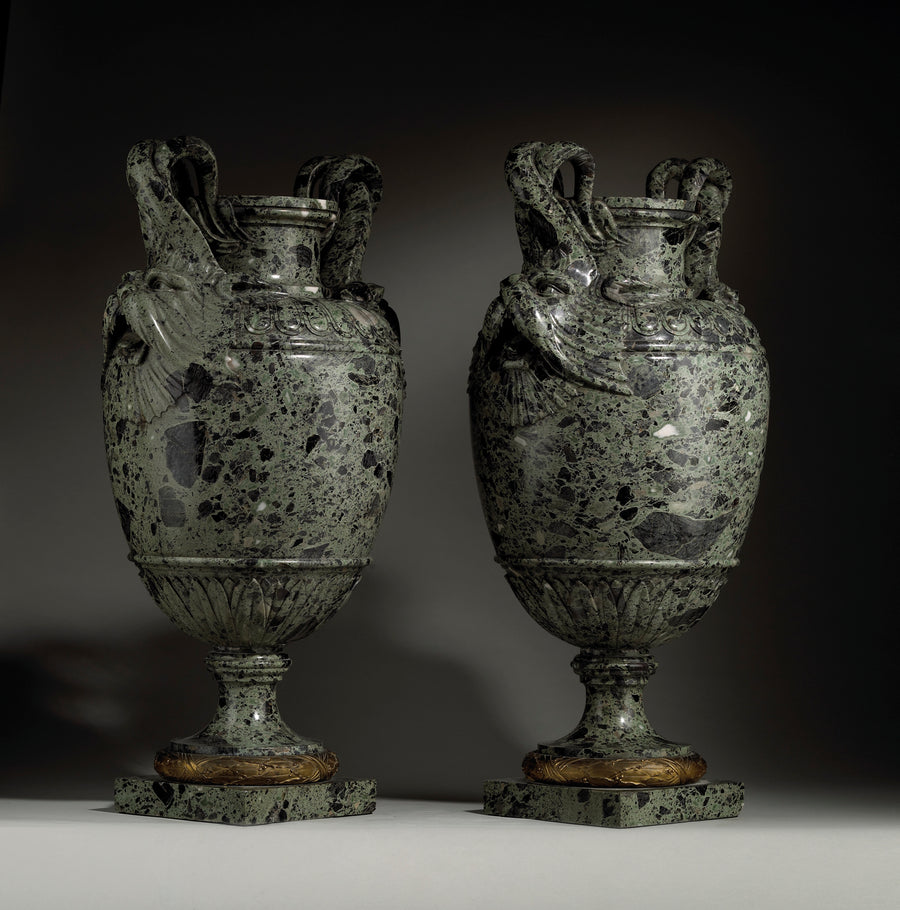
- Grand Tour Objects: Small-scale bronze casts and marble obelisks brought back as souvenirs, reflecting the scholarly pursuits of the era's elite.
Whether you're seeking a rare Irish mirror or a sophisticated Regency library table, our gallery offers a curated selection of the finest decorative arts. While our presence is primarily as an online gallery, we welcome clients to view our exceptional antique furniture collection at our showroom by appointment, located near the historic heart of London’s antique trade in Mayfair and Piccadilly. We provide expert antique restoration for our acquisitions and offer secure international shipping to ensure your piece arrives in pristine condition.
The Value of Provenance and the Original Antique Surface
An exceptional piece of 18th-century furniture is more than its joinery; it's a silent witness to centuries of history. The distinction between a mere old object and a museum-quality specimen often lies in the "soul" of the piece, defined by its documented journey and the preservation of its original skin. For the discerning collector, these elements are the primary metrics of value. They separate the extraordinary from the common, ensuring that an acquisition isn't just a purchase, but a stewardship of heritage.
Decoding Provenance
Provenance is the documented history of an object’s ownership and origin. This narrative is frequently hidden in plain sight, etched into the underside of a Georgian mahogany commode or stamped upon the reverse of a Regency mirror. Small, stencilled inventory numbers from 19th-century auctions or paper labels from the great houses of Mayfair provide an immutable link to the past. When a piece is traced back to a distinguished collection, such as those of the Dukes of Devonshire or the Rothschild family, its market value can increase by 200% or more. These marks transform antiques from decorative items into significant cultural artifacts with a verifiable lineage.
Appreciating Patina and Surface
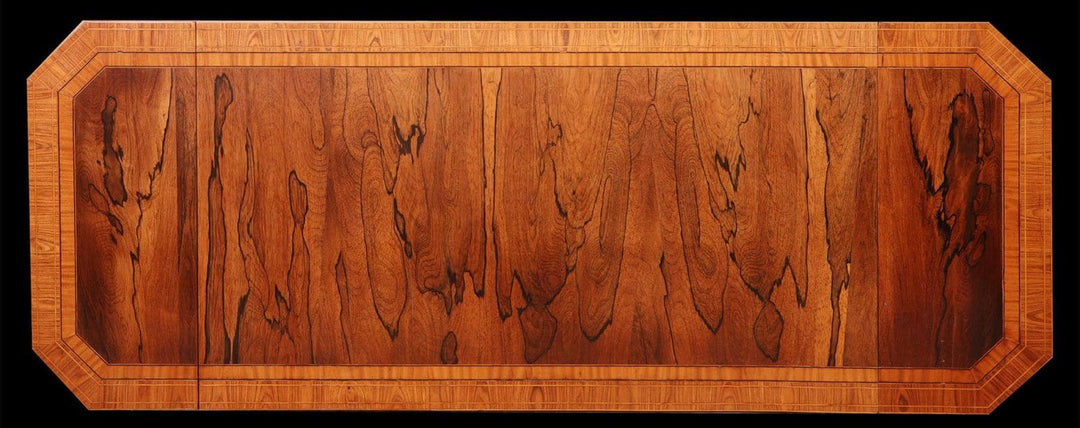
The "cult of the surface" is a philosophy shared by the most respected curators in London. A true patina is the result of a slow, 200-year chemical reaction between the wood, oxygen, and the oils of human touch. This creates a depth of colour and a soft lustre that modern techniques cannot replicate. You'll find "honest" wear around the handles of a Chippendale cabinet or at the base of a French giltwood chair, where centuries of use have gently softened the edges. Modern distressing attempts to mimic this, but it lacks the translucent quality of genuine age.
Over-restoration is the greatest threat to a piece's integrity. Stripping a surface to make it look "new" often destroys up to 80% of its financial and historical value. At Nicholas Wells Antiques, we advocate for a sympathetic approach. Our commitment to complimentary, expert restoration focuses on stabilization and conservation rather than total renewal. We ensure each object retains its historical narrative while remaining structurally sound for the modern interior. Whether you're acquiring antiques from our gallery by appointment or browsing our collection online, we guarantee that the unique antique surface is preserved with the utmost reverence for its heritage.
Curating Your Interior: Integrating Antiques into Modern Living
The contemporary residence thrives on the dialogue between history and the present. Today’s most distinguished homes reject the rigidity of single-period rooms, opting instead for an eclectic aesthetic where antiques act as anchors of character. This design philosophy requires a keen eye for scale and proportion. It ensures that a robust Georgian mahogany bookcase or a delicate Regency sofa doesn't overwhelm the space but rather defines its architectural rhythm. By layering textures—the cool touch of marble against the warmth of aged walnut—designers create rooms that feel curated rather than merely decorated.
Integrating a "hero" piece is the most effective strategy for establishing a room’s identity. Whether it's the rich grain of a Chippendale chair or the shimmering surface of an Irish pier mirror, these objects provide a sense of permanence that modern mass-produced furniture lacks. Nicholas Wells Antiques often advises clients to look for the "soul" of an item, specifically the unique patina that only centuries of careful preservation can bestow. This historical surface is a testament to the object's journey from 18th-century London workshops to the luxury interiors of today.
The Centre Table as a Focal Point
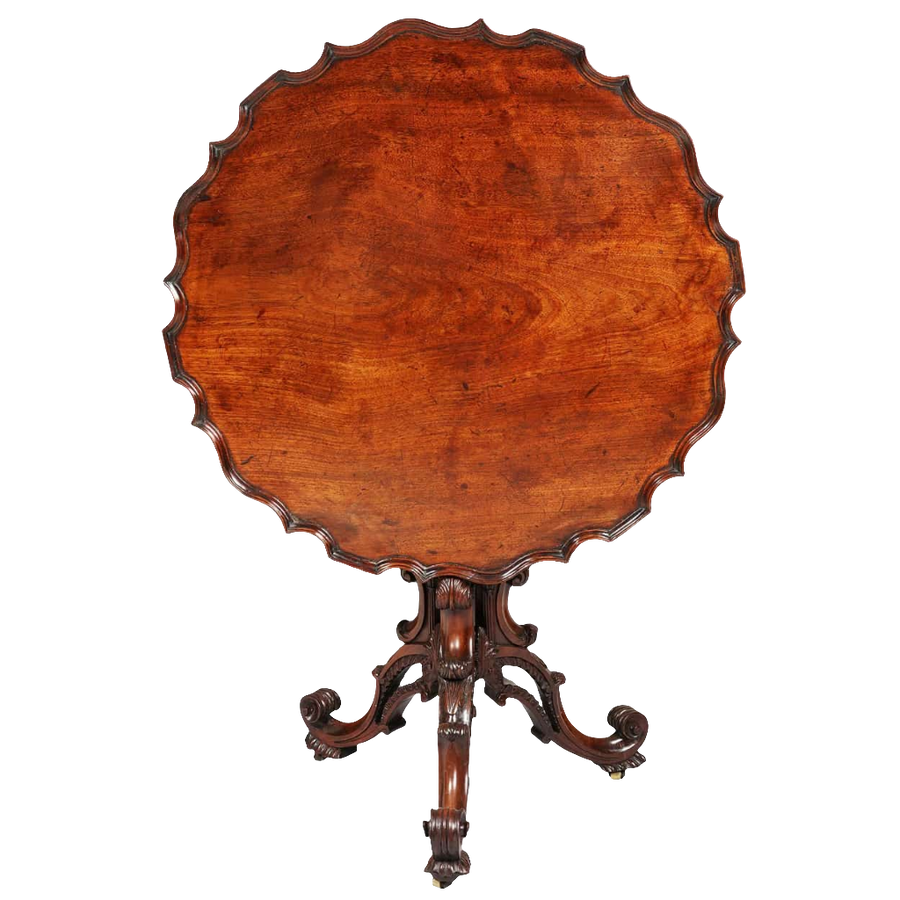
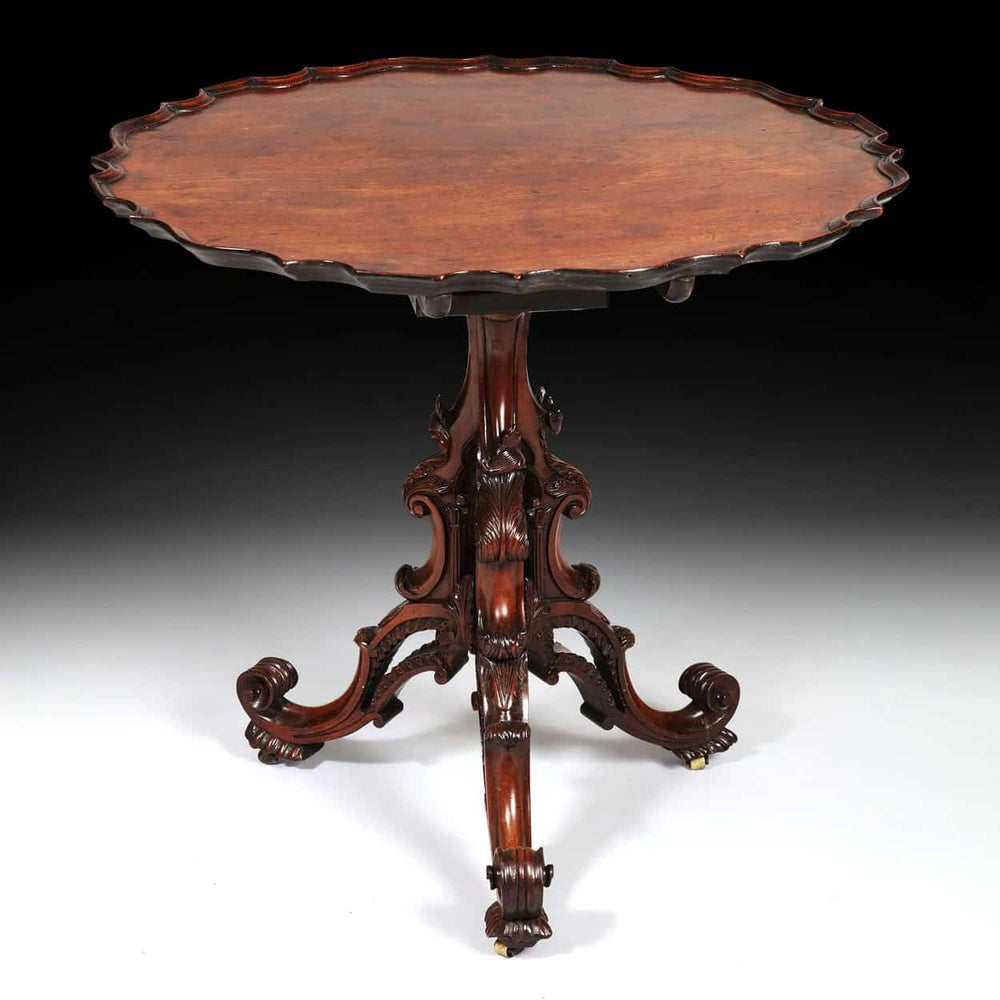
In the grand English town houses of the 1800s, the centre table was more than furniture; it was a social hub. Positioned beneath a central light source, it commanded the room's geometry. Today, a magnificent mahogany or rosewood example serves as a versatile platform for displaying antiques like Grand Tour obelisks or rare bronzes. These pieces bridge the gap between functionality and fine art. We invite you to browse our collection of centre tables to find a piece that resonates with your space.
Lighting and Atmosphere
Atmosphere is often dictated by the play of light upon historical surfaces. Antique lanterns and chandeliers function as functional sculpture, casting shadows that highlight intricate ormolu or hand-cut glass. A French giltwood chandelier from the 1780s doesn't just illuminate; it transforms a room into a gallery. These pieces represent a pinnacle of craftsmanship that modern lighting rarely achieves. You may discover our antique lighting collection to see how these works of art can elevate your design scheme.
For those seeking smaller accents, Grand Tour objects offer a sophisticated nod to the 19th-century tradition of travel and scholarly pursuit. These items, ranging from micro-mosaics to bronze reductions of classical monuments, provide layers of intellectual depth to a library or study. Nicholas Wells Antiques remains a premier specialist dealer for those wishing to acquire these rare artifacts, offering international shipping and expert restoration services from our base in London. While we operate as a digital gallery, our showroom remains available to visit by appointment for a more personal consultation in the heart of the city.
The Acquisition Process: Expert Guidance and Global Reach
The journey from discovering a piece online to placing it within a private collection requires a blend of digital precision and traditional expertise. Nicholas Wells Antiques operates as a sophisticated bridge for this transition. While our online gallery showcases the breadth of our inventory, the acquisition process is defined by a bespoke approach that prioritises the collector's confidence. We understand that acquiring antiques of significant value is a deliberate act, often requiring a physical connection to the object’s history and texture before a final decision is made.A London-Based Specialist
London’s status as a global epicentre for the trade in fine objects is rooted in centuries of rigorous scholarship. From the established houses of Mayfair to the storied shops of Piccadilly, the city’s influence on the decorative arts is peerless. We invite clients to visit our Westminster showroom by appointment, offering a private environment to appreciate the nuanced details of our collection. Here, one can examine the authentic patina of 18th-century furniture or the masterful marquetry of a Continental commode. This London-based perspective is essential for sourcing rare pieces, such as Georgian mahogany desks or Regency-era seating, with an uncompromising eye for quality and provenance. Our presence in the capital allows us to maintain a pulse on the market, ensuring we acquire only the most distinguished examples of French giltwood and English craftsmanship for our discerning clientele.Worldwide Excellence in Service
Managing the logistics of high-value decorative arts requires meticulous planning and a global network of specialists. We ensure the safe transit of diverse items, from the heavy weight of a Grand Tour marble obelisk to the ethereal fragility of 18th-century antique lanterns. Our shipping protocols are designed to protect the historical integrity of every object, acknowledging that the preservation of the unique antique surface is paramount.- Bespoke Crating: Custom-built housing for delicate Irish pier mirrors and intricate Art Deco glass.
- Insured Transit: Fully insured worldwide shipping to over 50 countries, including major design hubs in New York, Paris, and Hong Kong.
- Professional Documentation: Accurate historical records and export permits for sensitive categories like Islamic arms and Oceanic tribal art.
Cultivating a Legacy of Timeless Refinement
The pursuit of exceptional objects requires a discerning eye for the 18th and 19th-century craftsmanship that defines the global market. Whether you're drawn to the architectural symmetry of 1750s Georgian mahogany or the streamlined geometry of 1925 Art Deco, the true value of a piece rests in its soul and surface. Preserving the original patina of a Regency chandelier or an 18th-century Irish pier mirror ensures the object remains a significant cultural artifact rather than a mere decorative item. Every acquisition represents a commitment to heritage, supported by our specialist knowledge in rare Grand Tour objects, Islamic arms and armour, and Oceanic art. We provide complimentary restoration by expert craftsmen on all items sold, ensuring that our curated selection of antiques retains its historical integrity for future generations. While our presence is rooted in the tradition of London's Mayfair and Piccadilly districts, we operate as a premier online gallery with a showroom available to visit by appointment. We facilitate your collection's growth with fully insured worldwide shipping to private collectors and designers across six continents. Our commitment to excellence bridges the gap between historical grandeur and the requirements of modern luxury living.
Discover the Extraordinary Collection at Nicholas Wells Antiques
We look forward to assisting you in finding a piece that speaks to your unique aesthetic vision.
Frequently Asked Questions
What is the difference between an antique and a vintage item?
An item is strictly defined as an antique once it reaches a minimum age of 100 years; whereas vintage pieces typically date between 20 and 99 years old. This 100 year threshold is a standard recognized by customs authorities globally to distinguish historical artifacts from more recent collectables. At Nicholas Wells Antiques, we focus on the 18th and 19th centuries, ensuring each piece possesses the historical soul and craftsmanship that only a century of existence can bestow.
How can I tell if a piece of Georgian mahogany furniture is authentic?
Authenticating Georgian mahogany furniture requires a close inspection of construction techniques used between 1714 and 1830. You should examine the secondary woods, such as oak or pine, and look for hand-cut dovetail joints that show slight irregularities. Genuine 18th century pieces often feature dense San Domingo mahogany, which possesses a weight and grain pattern that modern substitutes cannot replicate. We verify every piece to ensure it meets the exacting standards of the Georgian era.
Does restoring an antique piece of furniture decrease its value?
Sympathetic restoration by a skilled conservator often preserves the longevity of a piece without diminishing its market value. However, aggressive over-restoration that strips away the original finish can reduce an object's worth by 50 percent or more. Our approach at Nicholas Wells Antiques emphasizes minimal intervention, focusing on structural stability while protecting the historical integrity of the piece's original surface. Professional restoration should always be documented to maintain the provenance of the antiques in your collection.
How do I care for the original surface patina on my antique furniture?
Preserving the original surface patina on your antiques involves maintaining a stable environment and using traditional care methods. You should dust surfaces with a soft lint-free cloth and apply a thin layer of high-quality beeswax once every 12 months to nourish the timber. Avoid placing 18th century furniture in direct sunlight, as UV rays can cause the delicate finish to fade or become brittle over time. A well-maintained patina is a testament to the object's history and significantly enhances its aesthetic appeal.
Can Nicholas Wells Antiques ship large furniture items internationally?
Nicholas Wells Antiques provides comprehensive international shipping services for all items, including large furniture pieces like Irish pier mirrors and Regency sideboards. We partner with specialised fine art couriers who have 20 years of experience in handling delicate cargo. Every shipment is professionally crated and fully insured, ensuring that your acquisition arrives safely at its destination. We've successfully delivered extraordinary pieces to collectors in New York, Hong Kong, and Paris, managing all customs documentation on your behalf.
What are Grand Tour objects and why are they collectible?
Grand Tour objects are exquisite souvenirs acquired by 18th and 19th century aristocrats during their educational travels through Europe, particularly Italy. These items, which include marble obelisks, bronze reductions of classical statues, and micro-mosaics, are highly collectible because they represent the height of Neoclassical taste. They serve as sophisticated focal points in contemporary interiors, bridging the gap between historical scholarship and modern aesthetic elegance. Collectors value these pieces for their connection to the classical traditions that shaped Western art.
Is it possible to visit the Nicholas Wells Antiques showroom in London?
While we operate primarily as an elite online gallery, clients can visit the Nicholas Wells Antiques showroom in London by prior appointment. Our private viewing space is situated near the historic districts of Mayfair and Piccadilly, offering a discreet environment to examine our collection in person. This bespoke service allows collectors to appreciate the scale and intricate details of items like French giltwood clocks or ornate chandeliers before purchase. We believe that seeing a piece in person allows for a deeper connection with its history.
How do I start a collection of antique arms and armour?
Beginning a collection of antique arms and armour requires a focus on provenance and the specific cultural history of each weapon. You might start by exploring niche categories such as Islamic daggers or Oceanic war clubs, which offer unique sculptural qualities and historical significance. It's essential to study 19th century manufacturing marks and material compositions, as these details distinguish a genuine ceremonial piece from a later decorative reproduction. We recommend consulting with a specialist dealer to ensure the authenticity and condition of your first acquisitions.


Leave a comment