



Combining Antique and Modern Pieces: A Connoisseur’s Guide to Eclectic Interiors
True luxury in the 2026 home isn't found in the uniform perfection of a contemporary showroom, but in the deliberate, scholarly friction between a sleek modern silhouette and the storied soul of an 18th-century masterpiece. Combining Antique and Modern Pieces is not merely an exercise in decoration; it's a sophisticated dialogue of shared quality that transcends time. Many collectors in Mayfair and Piccadilly fear that mixing eras might create a cluttered, "thrift store" aesthetic, yet the most prestigious interiors rely on this very contrast to achieve depth. You likely appreciate that a home should feel collected over a lifetime, even if the prospect of balancing a Regency pier mirror with minimalist architecture feels daunting.
At Nicholas Wells Antiques, we act as a trusted advisor to help you navigate these aesthetic complexities with confidence. You'll discover how to integrate a rare French giltwood console or a set of Chippendale chairs into a contemporary space while maintaining a curated, prestigious atmosphere. We'll also provide essential insights into the "rules" of eclectic design, including how to handle the latest 2026 trade regulations, such as the 10% baseline tariff on UK goods entering the US. Whether you're visiting our London showroom by appointment or utilising our international shipping services, this guide ensures your next acquisition, perhaps using our current 10% discount on the Regency Collection with code REG10, becomes a timeless focal point.
Key Takeaways
- Master the art of Combining Antique and Modern Pieces by identifying the "Golden Thread" of superior craftsmanship that allows 18th-century masterpieces to harmonise with contemporary architecture.
- Learn how to establish a sophisticated gravitational heart in any room using exceptional focal points, such as a Georgian mahogany centre table or a rare Regency commode.
- Understand the irreplaceable value of the unique antique surface and how the warm glow of French giltwood or ormolu adds necessary texture to a minimalist aesthetic.
- Discover practical design principles, including the 80/20 balance rule and the strategic use of contemporary lighting to illuminate the storied soul of your collection.
- Gain the confidence to invest in museum-quality artifacts with expert insights on provenance, professional restoration, and the security of bespoke international shipping.
The Philosophy of Eclecticism: Why Mixing Antique and Modern Works
Eclectic interior design is the scholarly orchestration of disparate historical periods and contemporary forms, unified by a singular commitment to exceptional craftsmanship and aesthetic integrity. Far from a random assortment of objects, true eclecticism represents a deliberate curation of history. It requires a deep understanding of The Philosophy of Eclecticism, where the collector seeks a "Golden Thread" of quality that weaves through the centuries. This thread is the invisible link between the hand-carved details of a Georgian mahogany piece and the bold, architectural lines of a 2026 minimalist space. When Combining Antique and Modern Pieces, the objective is to foster a dialogue between the past and the present, ensuring each object retains its individual soul while contributing to a cohesive, prestigious home aesthetic.
Provenance serves as the foundation of this narrative. At Nicholas Wells Antiques, we view every item not as inventory, but as a significant cultural artifact with a specific journey through time. A piece’s history, whether it once graced a grand estate in Mayfair or was part of a distinguished collection in Piccadilly, adds a layer of intellectual depth that modern mass-produced furniture simply cannot replicate. This historical weight anchors a room, providing a sense of permanence and gravitas that resonates with informed buyers and seasoned interior designers alike. By focusing on the story of an object, we move beyond mere decoration into the realm of true connoisseurship.
The Rule of Quality Consistency
A magnificent 18th-century French commode, adorned with intricate marquetry and original ormolu, demands a certain standard from its contemporary companions. One common pitfall is the "thrift store" trap, which occurs when high-quality antiques are paired with inferior reproductions or low-grade materials. To avoid this, collectors should prioritise authentic materials like solid walnut, raw travertine, or hand-forged brass. Nicholas Wells Antiques specialises in sourcing "extraordinary" examples of works of art and furniture, ensuring that every acquisition meets the rigorous standards of a connoisseur. Quality consistency ensures that the dialogue remains sophisticated rather than discordant, maintaining the prestige of your collection.
Historical Precedents for Mixing Styles
The concept of mixing eras is hardly a modern invention. During the Regency and Georgian periods, it was customary for the landed gentry to incorporate "Grand Tour" antiquities, such as Roman sculpture or Grand Tour objects, into their contemporary interiors. This tradition of the 19th-century collector, who valued the "extraordinary" and the "unique," informs our modern approach to Combining Antique and Modern Pieces. By preserving the original surface patina and the integrity of an object through expert antique restoration, we allow these pieces to thrive in a 2026 context, bridging the grandeur of the past with the requirements of luxury living. The goal is to create a space that feels layered and collected over time, rather than a museum-like display that lacks life.
Establishing Focal Points with Exceptional Antique Tables
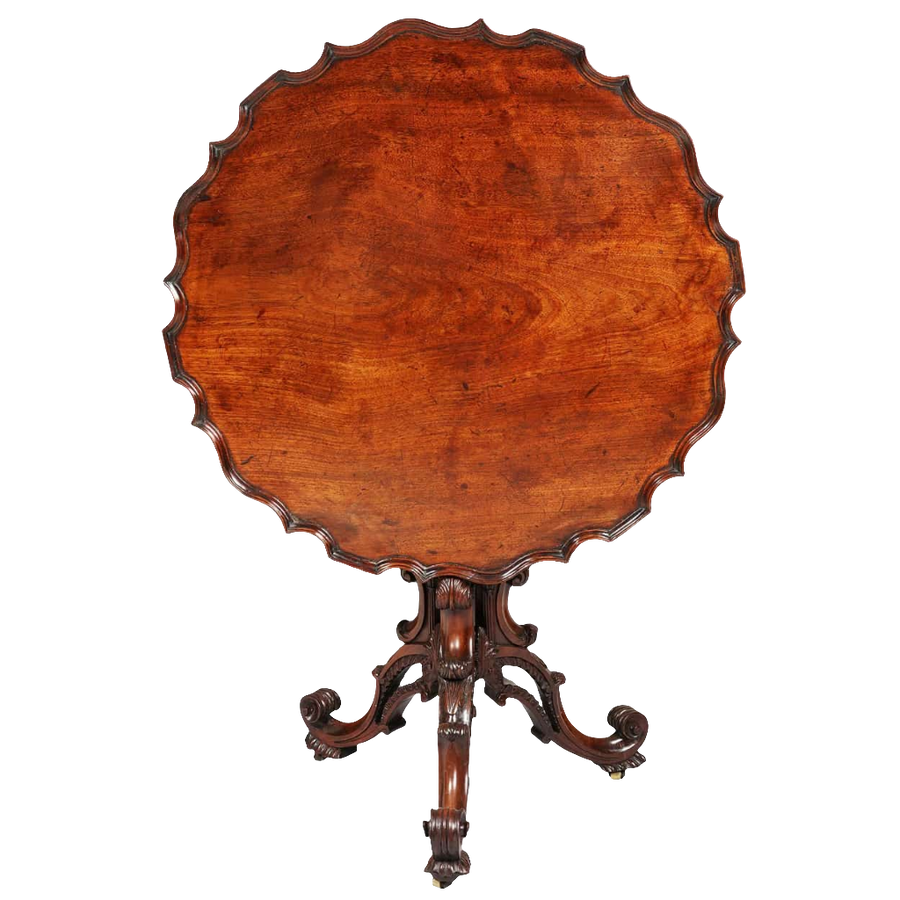
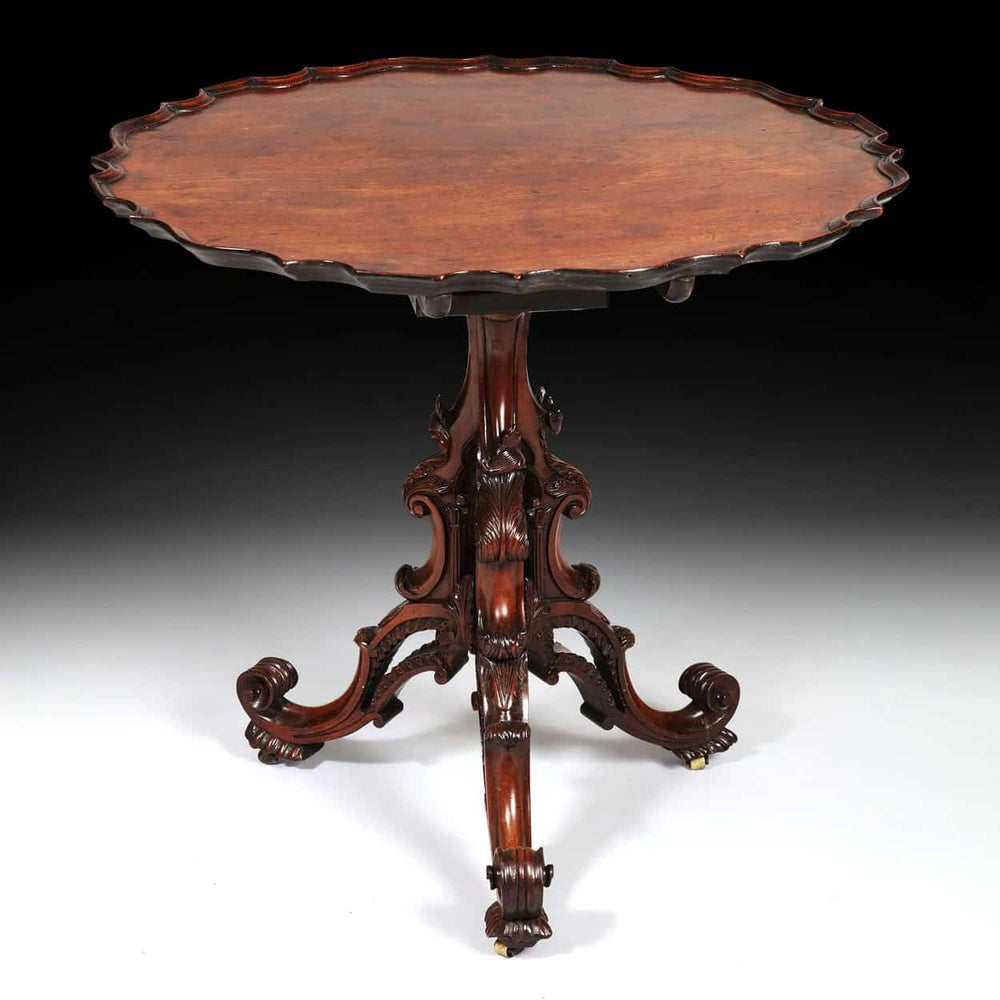
In a contemporary interior, a singular, high-value focal point often dictates the room's entire atmosphere. While some designers suggest using small vintage accessories, we believe a substantial piece, such as one of our antique centre tables, acts as the gravitational heart of a drawing room or hallway. When Combining Antique and Modern Pieces, the goal isn't to hide the history but to celebrate it against the clean, often stark lines of modern architecture. The intricate, hand-carved details of a Chippendale piece provide a necessary visual complexity that complements the simplicity of a minimalist environment. This approach finds its roots in the historical context of blending design periods, where form and function evolved together to create layered, meaningful spaces.
Side and console tables serve as vital bridges between architectural eras. A finely figured Regency console table placed beneath a contemporary art installation creates a sophisticated tension that draws the eye. These pieces allow for a seamless transition, preventing the space from feeling like a sterile gallery or an overcrowded museum. If you're looking to anchor a sprawling open-plan living space, consider how a large-scale table can define the area's purpose with quiet authority. While Nicholas Wells Antiques operates primarily as an online gallery, our showroom is available to visit by appointment for those seeking a personal consultation on how these pieces might fit their space.
The Majesty of Georgian Mahogany
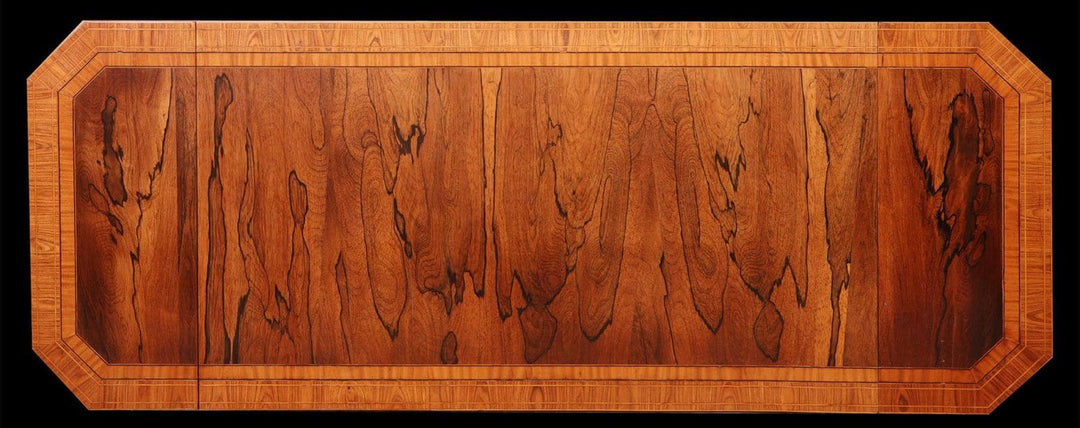
The deep, rich grain of Georgian mahogany offers a warmth that modern neutral palettes often lack. In a 2026 interior dominated by earthy greens or dramatic browns, the natural patina of an 18th-century dining table provides a superb contrast. Pairing such a piece with sleek, contemporary seating creates a refined juxtaposition that feels intentional. Structural integrity is paramount; each table in our collection has been selected for its exceptional condition and enduring strength. For those curating a dining space, our antique tables offer a level of durability and character that modern alternatives cannot match.
Regency and Art Deco: A Study in Geometry
Regency and Art Deco styles are particularly effective when Combining Antique and Modern Pieces due to their inherent focus on geometry. The bold, often sculptural lines of Art Deco furniture anticipated many modern design principles, making them natural companions for high-end London apartments in Mayfair or Piccadilly. A Regency piece, with its focus on classical proportions, acts as a distinguished counterpoint to the flat surfaces of contemporary glass and steel. If you wish to see how these styles might elevate your own home, you can view our full furniture collection to find a piece that resonates with your vision.
The Dialogue of Texture: Patina, Ormolu, and Surface
Texture provides the necessary depth that prevents a contemporary home from feeling two-dimensional. In the context of Combining Antique and Modern Pieces, the "unique antique surface" is an irreplaceable asset, offering a tactile history that mass-produced finishes cannot replicate. The noble patina of 18th-century furniture, built through centuries of careful waxing and human touch, introduces a layer of "lived-in" luxury. Unlike the "beat-up" or damaged appearance often associated with low-quality vintage finds, a true patina is a glowing, complex finish that celebrates the survival of the object. Nicholas Wells Antiques prioritises the preservation of this surface, understanding that every mark of age is a testament to the piece’s journey. At our gallery, restoration involves the skilled return of a piece to its former glory, while conservation focuses on stabilising and maintaining the existing historical fabric and surface patina.
When Combining Antique and Modern Pieces, the contrast between a matte, contemporary wall and the reflective quality of an ormolu mount creates a sophisticated visual tension. This dialogue of materials is what transforms a house into a curated residence. Whether it's the rich texture of Georgian mahogany or the smooth, cold surface of a classical bronze, these elements provide a sensory richness that modern materials lack. For the discerning collector in Mayfair or Piccadilly, the goal is to find pieces that possess a "soul," a quality found in the hand-finished details of the past.
The Brilliance of Giltwood and Ormolu
The brilliance of French giltwood and the intricate detail of ormolu mounts act as superb light-conductors in a modern space. In a sparse room with neutral tones, the golden glow of an 18th-century piece adds warmth without the need for excessive ornamentation. Using antique mirrors, particularly magnificent Irish pier mirrors, allows a collector to reflect modern light and expand the perceived volume of a room. These mirrors don't just serve a function; they are sculptural masterpieces. The meticulous application of gold leaf on wood or the mercury-gilding of bronze (ormolu) creates a visual interest that anchors a contemporary setting with undeniable prestige.
Grand Tour Objects as Sculptural Accents
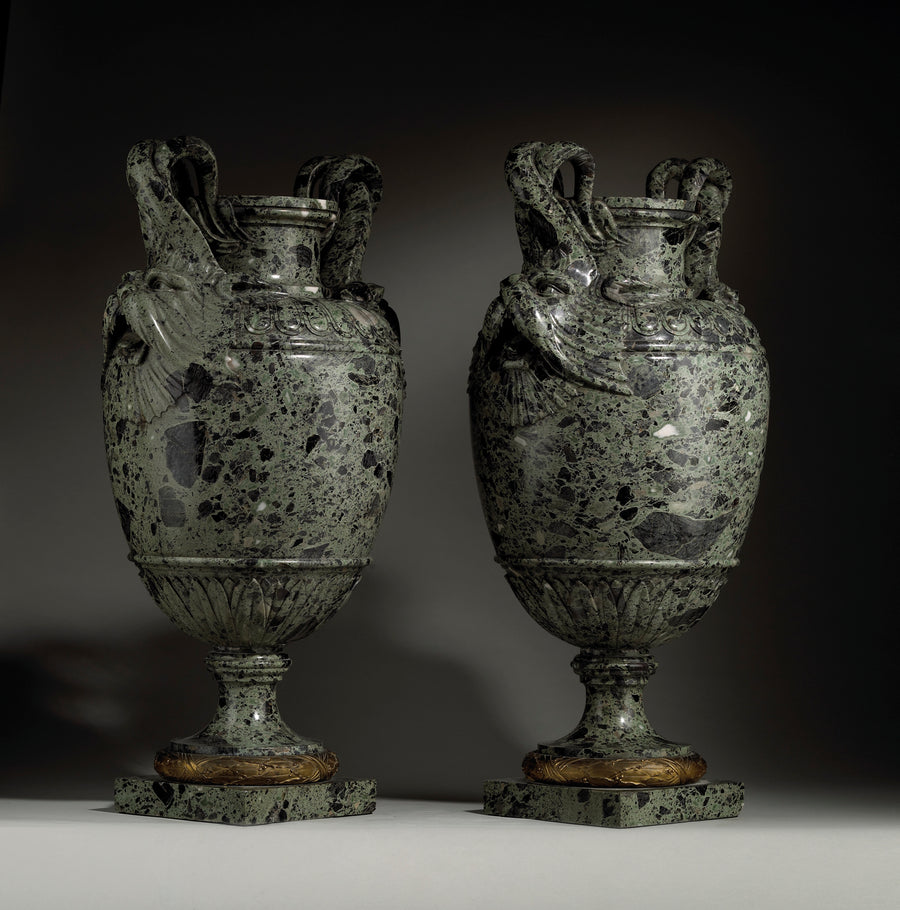
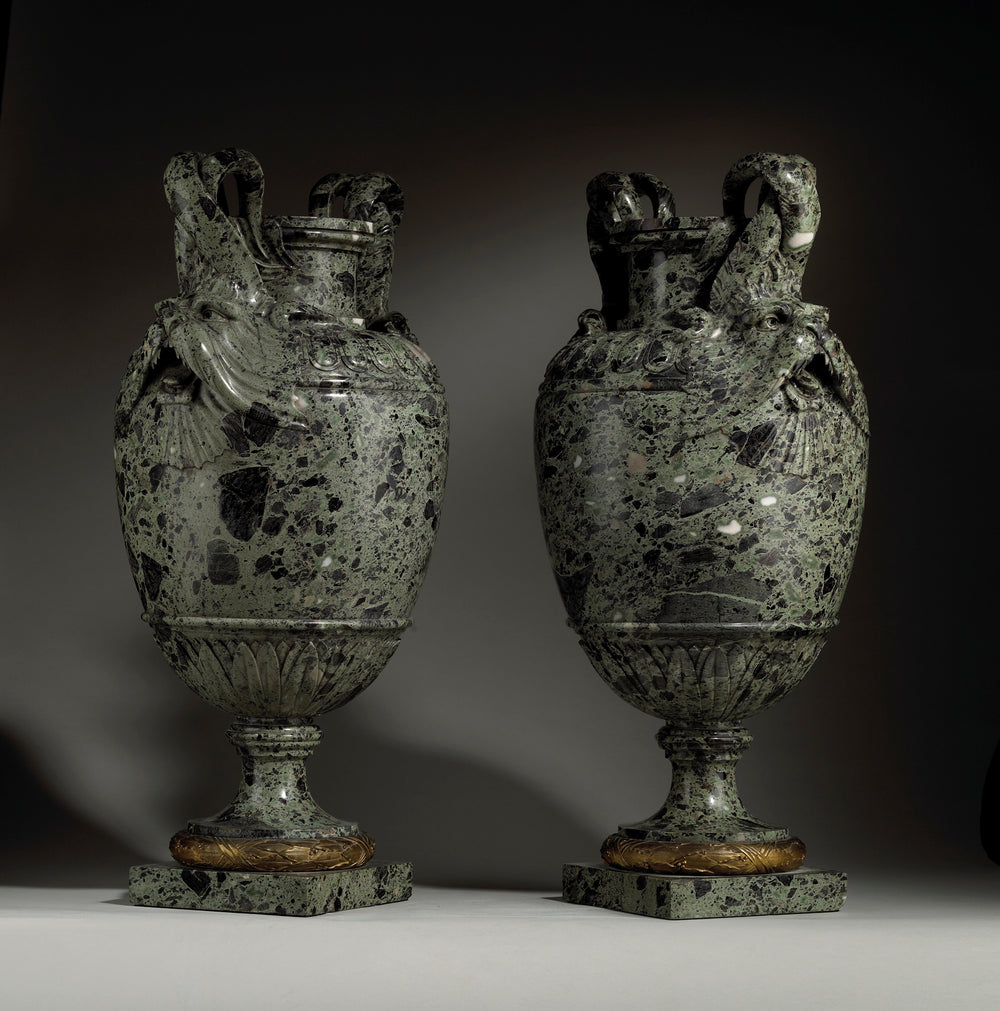
Grand Tour objects serve as the ultimate intellectual accents in a 21st-century cabinet of curiosities. Positioning classical bronzes or marble obelisks on sleek, modern shelving units creates a scholarly appeal that encourages conversation. These Grand Tour objects were originally collected as souvenirs of antiquity, and they retain that sense of worldly exploration today. Integrating minerals, sculpture, and ethnographic items like Oceanic war clubs into a modern interior ensures the space feels personal. This dialogue between textures, from the cold gleam of bronze to the organic warmth of aged wood, is essential for a successful eclectic interior.

Practical Strategies for Harmonising Period and Contemporary
Successful curation often relies on the 80/20 rule of composition. This guideline suggests that a space composed of 80% contemporary elements and 20% significant antiques, or the inverse for more traditional tastes, creates a balanced and intentional environment. When Combining Antique and Modern Pieces, the goal is to avoid a 50/50 split that can feel indecisive. Instead, let one era lead while the other provides the necessary soul. Scale plays a vital role here. A magnificent longcase clock, for instance, commands the vertical space of a double-height modern foyer, providing a sense of history that anchors the architecture. Similarly, using antique mirrors, such as a large Irish pier mirror, can visually expand a small modern footprint, reflecting light into dark corners and adding a layer of intricate giltwood detail.
Unlike some contemporary advice that suggests painting over historical finishes to "modernise" them, we advocate for preserving the original surface. Painting a fine Georgian mahogany chest or a Regency commode destroys its provenance and market value. True harmony comes from placing an object in a context that highlights its inherent beauty, not by erasing its history. If you're unsure how to balance these elements in your own home, you can view our extraordinary furniture collection to find pieces that resonate with your existing modern architecture.
Lighting: The Modern Bridge
Strategic lighting acts as a bridge between centuries. Pairing a sleek contemporary lantern with a 18th-century Georgian sideboard creates a crisp, updated look that feels fresh yet grounded. The "temperature" of your lighting is equally crucial; warm, diffused light softens the transition between a minimalist sofa and a highly figured walnut bureau. For collectors of more specialised items, such as Indian or Islamic arms and armour, modern spotlights can highlight the intricate damascening and craftsmanship, transforming a historical artifact into a superb sculptural object that feels entirely at home in a 2026 interior.
Colour and Fabric as Unifiers
Upholstery offers an elegant way to bring antique seating into a 21st-century context. Re-covering a set of Chippendale chairs in a bold, contemporary linen or a vibrant silk can unify them with a modern dining room without compromising the timber's integrity. A shared colour palette often serves as the silent unifier. A splash of "unexpected red" or a deep emerald green in a contemporary rug can draw out the warm undertones of a Regency mahogany piece. This technique creates a visual link that makes the combination feel inevitable rather than accidental. When Combining Antique and Modern Pieces, look for these subtle chromatic echoes to tie your collection together into a cohesive, prestigious narrative.
Curating Your Collection with Nicholas Wells Antiques
Building a home of timeless elegance requires more than an eye for beauty; it demands a partnership with a specialist who understands the historical weight of every artifact. Combining Antique and Modern Pieces is a journey that benefits immensely from the guidance of a professional dealer who prioritises the soul of an object over its mere commercial value. Nicholas Wells Antiques, situated in the heart of London’s Westminster district, serves as a trusted advisor to international collectors and interior designers. While our presence is primarily that of a sophisticated online gallery, we maintain a private showroom near Mayfair and Piccadilly where clients may examine the intricate marquetry of a bureau or the weight of a bronze sculpture by appointment. This personal consultation ensures that every acquisition aligns with your vision for a curated, prestigious interior.
One of our most significant commitments to our clients is the preservation of history through complimentary restoration. We understand that the value of a fine antique lies in its unique surface and original patina. Our skilled conservators work to stabilise and protect each piece, ensuring that 18th-century craftsmanship remains vibrant in a 2026 setting. This meticulous attention to detail prevents the loss of historical integrity often found in pieces sourced from general auctions or flea markets. By choosing Nicholas Wells Antiques, you aren't just buying furniture; you're investing in a cultural artifact that has been professionally prepared for its next century of life.
The Value of Specialist Expertise
In the 2026 antiques market, provenance matters more than ever. As global regulations become increasingly complex, the role of a specialist dealer in navigating niche categories is vital. Whether you're interested in the scholarly appeal of Oceanic tribal art or the exquisite damascening found in Indian works of art, our expertise provides the security you need. We help you look beyond the aesthetic to understand the rarity, condition, and historical significance of an item. This scholarly approach ensures your collection doesn't just decorate a room but appreciates in value and intellectual depth over time. True connoisseurship is about recognising the extraordinary, and we pride ourselves on sourcing only the finest examples of decorative arts.
A Seamless Acquisition Process
The journey from our online gallery to your residence is handled with the utmost discretion and professional care. We manage the complexities of modern international logistics, including the 10% baseline tariff on UK goods entering the US and the TRACES ICG system required for EU imports as of February 2026. For items of exceptional rarity valued at £65,000 or more, we facilitate the necessary Open General Export Licences (O.G.E.L.) to ensure a smooth transition. Every shipment is fully insured and tracked, providing peace of mind for the international collector. When Combining Antique and Modern Pieces, the process of acquisition should be as refined as the objects themselves. We invite you to explore our antique furniture collection today and begin the next chapter of your home’s storied history.
Elevating the Modern Interior Through Historical Dialogue
Mastering the art of Combining Antique and Modern Pieces is a transformative process that turns a house into a curated residence of intellectual depth. By selecting items with a "Golden Thread" of quality, such as a magnificent Regency commode or an exceptional Irish pier mirror, you anchor contemporary architecture with centuries of storied craftsmanship. We've explored how the noble patina of 18th-century timber and the reflective brilliance of ormolu mounts provide a sensory richness that minimalist surfaces often lack. These objects aren't merely decorative; they're significant cultural artifacts that bring soul and permanence to a modern home.
Since establishing our presence in London in 2012, Nicholas Wells Antiques has helped collectors navigate the intricacies of the global antiques market with scholarly authority. Our commitment to the preservation of history includes complimentary restoration on all items and fully insured worldwide shipping, ensuring your investment arrives in superb condition. Whether you're seeking a singular Grand Tour object or a complete set of Chippendale chairs, our expertise is at your service. We invite you to Discover the Extraordinary: Browse the Nicholas Wells Antiques Collection and begin your journey toward a truly timeless interior.
Frequently Asked Questions
Can I mix different wood tones when combining antique and modern pieces?
Mixing varied wood tones is not only permissible but often essential for creating a layered, collected atmosphere. A dark, rich Georgian mahogany centre table can stand with quiet confidence alongside the pale, honeyed tones of a contemporary oak floor. The key is to ensure each piece possesses a high standard of craftsmanship. This variety prevents the room from feeling like a sterile showroom, allowing the natural patina of each era to speak for itself.
How do I know if an antique is of high enough quality to sit alongside modern luxury furniture?
High-quality antiques are distinguished by their superior materials and the mastery of their construction. Look for indicators of fine craftsmanship, such as hand-cut dovetail joints in a Regency commode or the heavy, mercury-gilded weight of original ormolu mounts. At Nicholas Wells Antiques, we select only "extraordinary" examples that possess the physical presence and historical weight necessary to anchor a contemporary luxury interior in Mayfair or Piccadilly.
Is it better to restore an antique piece or leave it with its original patina?
True connoisseurship prioritises the preservation of the unique antique surface over aggressive restoration. While structural repairs are often necessary for functionality, the noble patina of an 18th-century piece is an irreplaceable record of its journey through time. We focus on conservation, ensuring that the historical soul of the object remains intact. This approach maintains the piece's value and provides a sense of authenticity that modern reproductions cannot replicate.
What are the best types of antiques to start an eclectic collection?
Begin with versatile focal points that act as sculptural accents within a room. An Irish pier mirror or a pair of Regency side tables offers a superb entry point into Combining Antique and Modern Pieces without requiring a total redesign. These items provide immediate historical depth and visual interest. Starting with smaller, high-quality objects like obelisks or lanterns allows you to build confidence as you expand your collection.
How can I prevent a room with antiques from looking too formal or "stuffy"?
The secret to a fresh, eclectic interior lies in the strategic use of negative space. Avoid the temptation to overcrowd a room; instead, allow a magnificent Chippendale piece to stand as a singular focal point against a minimalist backdrop. This gallery-like approach highlights the object's silhouette and prevents a cluttered, "thrift store" aesthetic. Pairing your antiques with contemporary art or bold, modern textiles also helps to ground the space in the present day.
Do modern lighting fixtures work well with 18th-century furniture?
Contemporary lighting acts as a sophisticated bridge that "modernises" the context of a period piece. A minimalist floor lamp or a sleek lantern can illuminate the intricate marquetry of a Georgian bureau with striking clarity. This juxtaposition is a hallmark of London-based antique dealing, where the old and new exist in a continuous, scholarly dialogue. The right lighting choice changes the "temperature" of an antique, making it feel entirely relevant for 2026 luxury living.
Should I use modern upholstery on antique armchairs and sofas?
Using contemporary textiles is an excellent way to harmonise Combining Antique and Modern Pieces while ensuring they remain functional. Re-covering a set of 19th-century dining chairs in a bold linen or a vibrant Art Deco silk can unify the set with a modern palette. This does not diminish the piece's integrity; rather, it celebrates the frame's craftsmanship while updating its aesthetic for a contemporary home. It is a practical strategy for personalising your collection.
How do I incorporate Grand Tour objects into a minimalist interior?
Position these classical souvenirs as curated focal points on sparse surfaces, such as a modern console table or a glass shelving unit. The geometric forms of marble obelisks or the dark, sculptural silhouettes of classical bronzes often mirror the clean lines of minimalist architecture. These objects serve as intellectual conversation starters, adding a layer of scholarly appeal. Our showroom is available to visit by appointment for those seeking advice on selecting the perfect sculptural accent.


Leave a comment