



Furnishing a London Townhouse with Antiques: A Connoisseur’s Guide
Furnishing a London townhouse is not merely an exercise in interior design; it is an act of historical curation. It involves a deep understanding of architectural scale, a reverence for historical integrity, and a connoisseur’s eye for objects that resonate with the building’s soul. For the discerning collector, particularly those in the United States seeking to capture the quintessential London aesthetic, this process transforms a prestigious property into a living gallery, where every piece tells a story.
The Architectural Dialogue: Matching Antiques to Townhouse Periods
The classic London townhouse possesses a distinct architectural hierarchy, from the grand, high-ceilinged reception rooms of the first-floor piano nobile to the more intimate scale of a private study or library. To furnish such a space is to engage in a dialogue with its history. The key is to select pieces that not only complement but also enhance the innate character of the architecture.
- Harmonising with Grandeur: The generous proportions of a formal reception room demand furniture of commensurate scale and quality. Eighteenth-century English furniture, with its elegant lines and rich materials, is particularly well-suited. A fine Georgian mahogany sideboard, for example, provides a sophisticated anchor in a dining room, its deep, warm tones complementing the architectural woodwork.
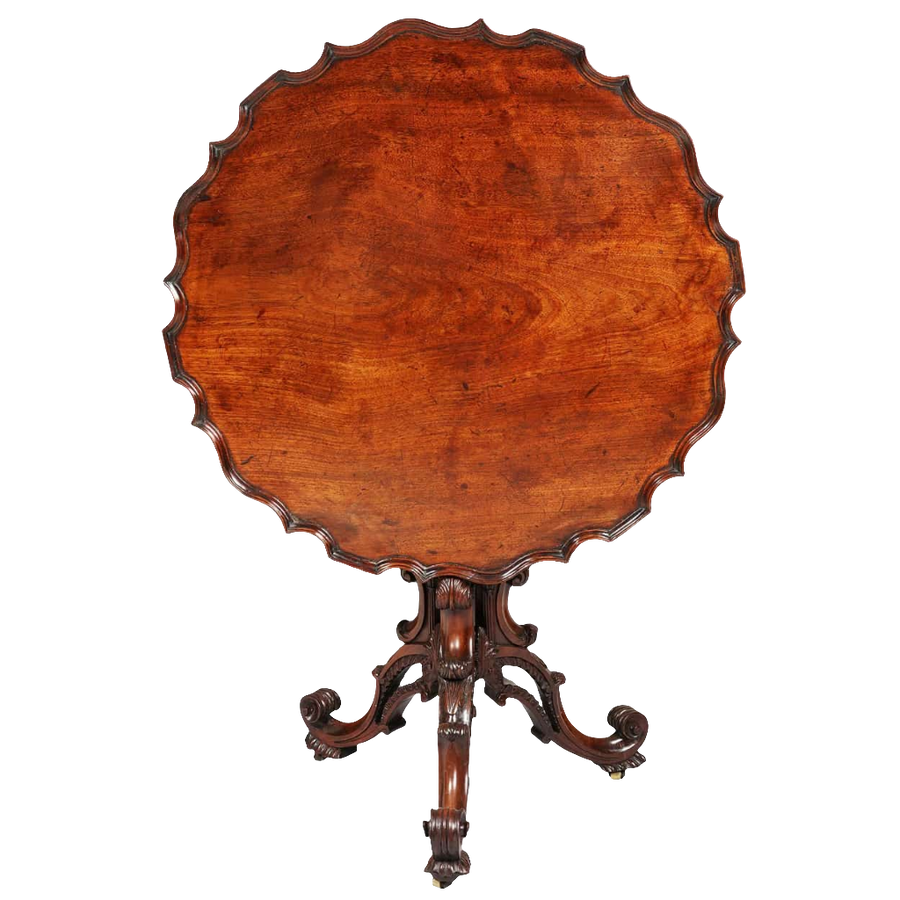
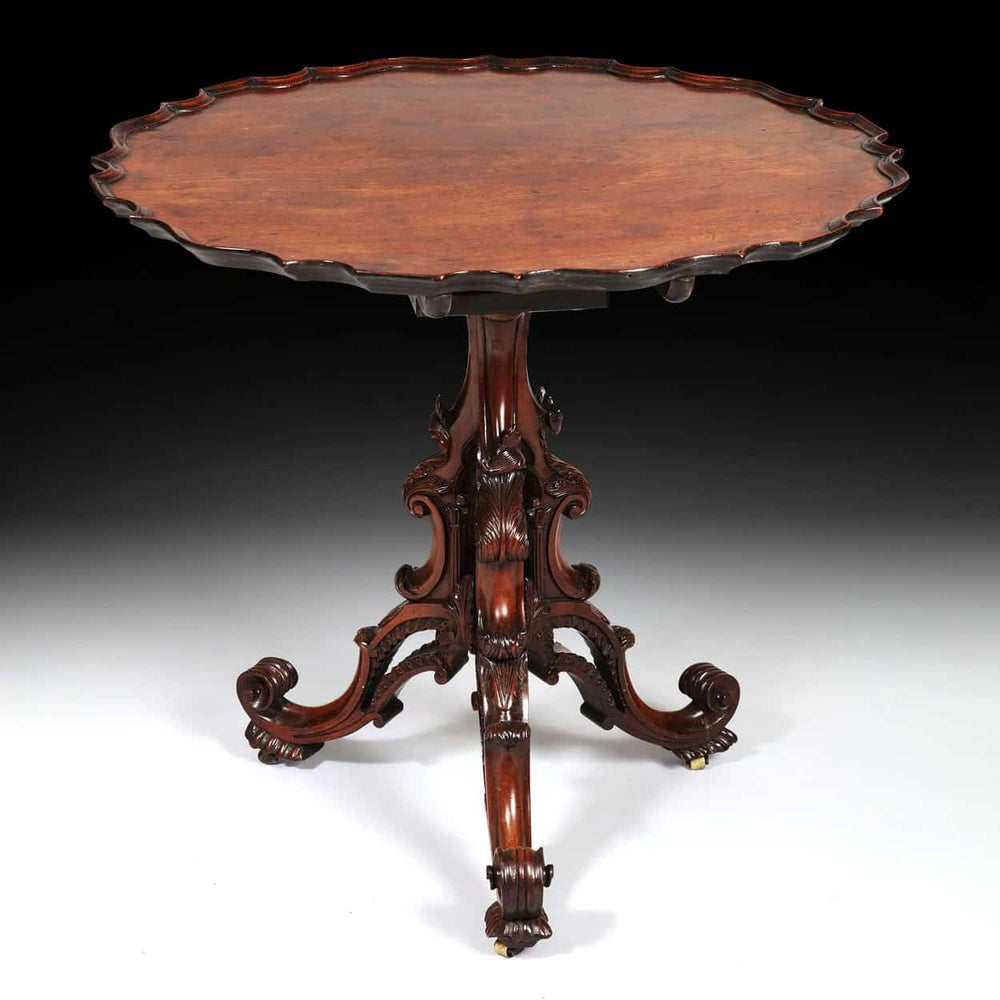
- Mastering Scale: A grand townhouse requires substantial focal points to avoid feeling under-furnished. A magnificent centre table, for instance, can command a large entrance hall or drawing-room, establishing a sense of arrival and luxury. These pieces are not just furniture; they are statements of intent, defining the character of the space. To learn more about their history and placement, explore our guide to the art of curating antique centre tables.
- Transitional Elegance: For the verticality of a multi-storey residence, the refined classicism of the Regency period offers a perfect solution. A Regency dining table, often crafted from exotic woods and featuring elegant sabre legs, introduces a lighter, more archaeological aesthetic that bridges the gap between formal grandeur and modern living.
The Georgian Influence: Symmetry and Mahogany
The Georgian era (1714–1830) established the foundational aesthetic of the London townhouse. The designs of masters like Chippendale and Hepplewhite, with their emphasis on perfect symmetry, classical proportions, and the finest Cuban mahogany, remain the gold standard for traditional London interiors. A critical element in these spaces is the use of light. An exceptional 18th-century Irish pier mirror, with its elaborate frame and high-quality plate, can dramatically amplify natural light, illuminating the depth of a room and reflecting its curated treasures.
Regency Splendour: Exotic Woods and Classical Motifs
Following the Georgian period, the Regency era (circa 1811–1820) introduced a new level of decorative sophistication. Cabinet-makers began to favour exotic woods such as rosewood and calamander, often inlaid with brass or featuring Grecian and Egyptian motifs inspired by archaeological discoveries. This aesthetic offers a bridge between classical tradition and a sleeker, more modern sensibility, making it exceptionally versatile for today’s interiors.
Selecting Focal Points: From Centre Tables to Gilt Chandeliers
Every room needs an anchor, a piece of such exceptional quality and character that it defines the space. Furnishing a London townhouse with antiques is about the careful selection of these focal points, around which the rest of the interior narrative is built.
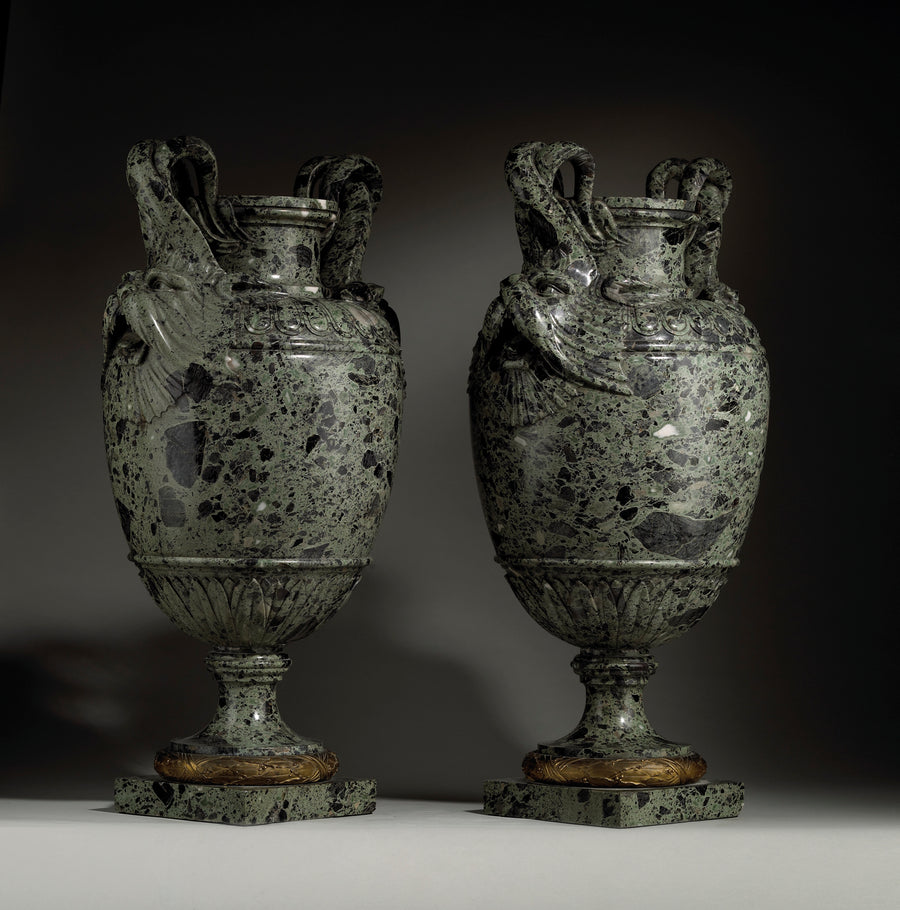
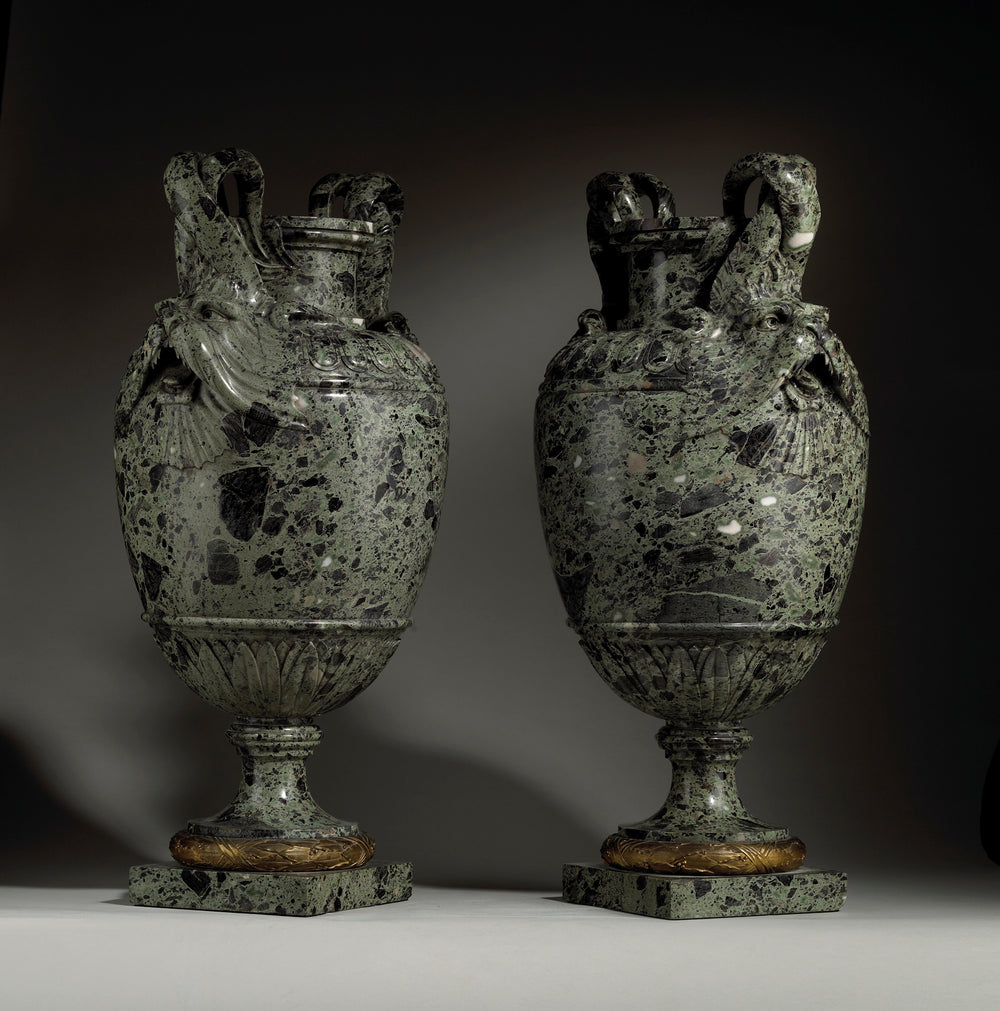
- Defining Pieces: The anchor could be a rare 19th-century French giltwood mirror above a fireplace or a magnificent specimen marble table. These are the items that capture the eye and spark conversation, lending a room its unique personality.
- Scholarly Accents: The curation of Grand Tour objects, such as marble obelisks or bronze reproductions of classical sculpture, adds a layer of intellectual depth, particularly in a library or study. These pieces speak of a worldly, educated life.
- The Impact of Lighting: Antique lighting is fundamental to creating the correct ambience. Gilt chandeliers add a sense of occasion to a reception room, while antique lanterns in a hall or entryway provide a welcoming, historical glow that modern fixtures cannot replicate.
- Global Collections: To prevent a period interior from feeling static, the inclusion of niche collections adds a global, scholarly dimension. A curated selection of Islamic arms and armour or the powerful, sculptural forms of Oceanic tribal art can introduce a dramatic and unexpected contrast.
Illuminating History: Antique Lighting and Mirrors
In the often-deep floor plans of a London townhouse, light is a precious commodity. Antique lanterns and overmantel mirrors are not merely decorative; they are essential tools for shaping the atmosphere. A well-placed lantern in an entryway creates an immediate sense of history and welcome. Similarly, a large overmantel mirror serves to anchor the fireplace—the traditional heart of the London home—while amplifying both natural and artificial light throughout the room.
The Scholar’s Corner: Grand Tour and Ethnographic Art
A truly sophisticated interior reflects the passions of its owner. Positioning Grand Tour souvenirs on a mantelpiece or bookshelf serves as a marker of a well-travelled, cultured life. For a more contemporary edge, introducing the dramatic, abstract silhouette of Oceanic war clubs or figures into a modern study creates a powerful dialogue between ancient craftsmanship and modern design, a hallmark of the world's most interesting interiors.
The Aesthetic of Authenticity: Surface Patina and Historical Integrity
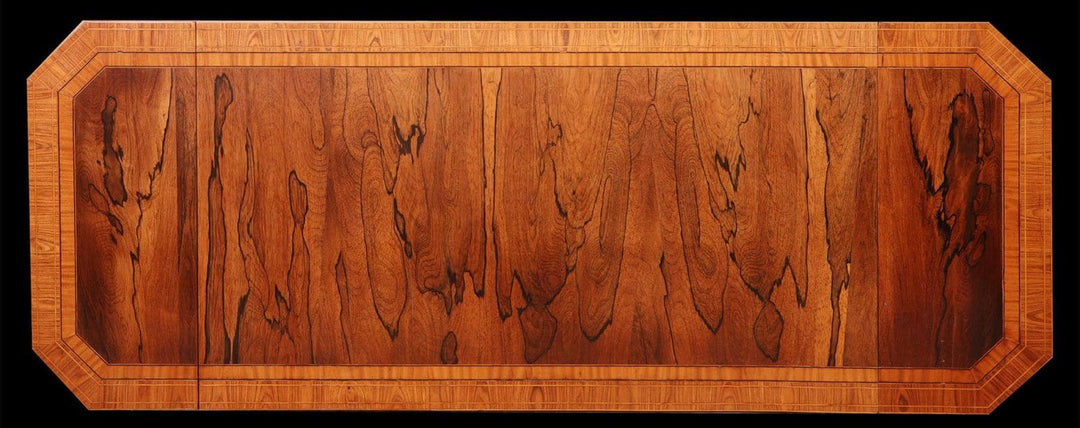
Perhaps the most crucial element in selecting fine antiques is an appreciation for their surface. "Surface patina" refers to the subtle, accumulated finish that an object acquires over centuries of use, polishing, and exposure to its environment. This original finish is vital to an antique’s character, value, and soul.
- The Value of History: At Nicholas Wells Antiques, our philosophy is one of "conservation of history." We believe an antique’s story is told through its surface. Aggressive restoration can strip a piece of this narrative, diminishing both its historical integrity and its financial value.
- Grounding an Interior: A well-preserved antique surface, with its depth of colour and nuanced texture, adds a sense of permanence and "grounding" to a modern interior. It provides a tangible connection to the past that cannot be replicated.
- Expert Conservation: We provide complementary, expert restoration with every acquisition, ensuring that each piece is stable and ready for use while preserving its invaluable historical surface.
Conservation vs. Restoration: A Connoisseur’s Choice
A connoisseur understands the critical difference between conservation and restoration. Over-polishing a piece of 19th-century French furniture or stripping and refinishing English mahogany can irrevocably erase the delicate craquelure and depth of colour that are the hallmarks of its authenticity. We specialise in preserving these unique finishes, celebrating the subtle beauty that only time can create. This focus on originality is one of the quiet signals of exceptional quality.
The Tactile Quality of History
We encourage collectors to look for the "honest wear" that proves an object’s journey through time—the softened edges of a table, the gentle discolouration on a giltwood frame. These are not imperfections; they are badges of honour. This unique antique surface interacts beautifully with modern lighting and textures, creating a rich, layered interior that feels collected and authentic, not merely decorated.
Curating from Afar: Sourcing and International Shipping for US Collectors
The classic ‘London look’ is in strong demand across the United States, from the elegant apartments of New York to the expansive homes of Texas and the refined estates of Greenwich, Connecticut. Nicholas Wells Antiques specialises in bridging this distance, making the acquisition of fine English and Continental antiques a seamless and enjoyable process for our American clientele.
- A Premier Online Gallery: Our curated collection is available to view in detail through our comprehensive online gallery, allowing collectors in hubs like San Francisco and the Hamptons to source exceptional pieces directly from London.
- Worldwide White-Glove Delivery: We understand the complexities of international acquisition. That is why we work exclusively with professional fine art shippers to ensure safe, fully insured, white-glove delivery worldwide. From a delicate work of art to a large piece of cabinet furniture, your acquisition will arrive with the utmost care.
- A Personalised Service: We invite clients to contact us to discuss their specific needs. Our expertise allows us to act as trusted advisors, helping you source the perfect pieces for your home, wherever it may be.
The London-to-USA Connection
We offer specific advice for our international collectors. For clients in California and Texas, we can help select antiques whose scale and presence are suited to sun-drenched, expansive interiors. The reliability of our specialist shippers ensures that even the largest and most fragile items, such as longcase clocks or full dining sets, are crated and transported to the highest possible standard, providing complete peace of mind.
A Personalized Sourcing Experience
For interior designers and private collectors worldwide, Nicholas Wells acts as a trusted partner and a direct source for exceptional objects. Our curated, specialist inventory offers a distinct advantage over generalist dealers, providing access to rare and museum-quality pieces. We pride ourselves on being a premier UK source for global projects, offering a level of expertise and service that meets the demands of the world’s most discerning clients.

Leave a comment