



Georgian Antique Furniture: A Connoisseur's Guide
To the untrained eye, a mahogany commode is merely a functional object, yet to the connoisseur, the 300-year-old surface patina of an authentic George III piece is a living record of history that no modern reproduction can ever replicate. You likely understand that finding genuine Georgian antique furniture for sale involves more than just an appreciation for the Golden Age of cabinetmaking; it requires a discerning eye for provenance and an uncompromising standard for conservation.
We'll guide you through the scholarly nuances of 18th-century English design, from the architectural rigour of William Kent to the delicate proportions of Sheraton, ensuring you can acquire these rare masterpieces with absolute confidence. This guide explores the Dealer's Secrets of authentication, the realities of the 10% U.S. import tariff on antiques introduced in 2026, and how our specialist fine art shippers ensure your acquisition arrives in Manhattan or the Hamptons in pristine condition. As an online-only gallery, we focus on the conservation of history, providing a transparent bridge between heritage and modern luxury.
Key Takeaways
- Trace the stylistic evolution of the 18th century, moving from the heavy Baroque influences of the early Georges to the refined Neoclassicism that defined the late Regency era.
- Master the art of authentication by identifying the unique antique surface and specific markers like hand-cut dovetails when evaluating Georgian antique furniture for sale.
- Gain insights into curating high-end interiors, learning how a singular Regency convex mirror or a fine centre table can serve as a sculptural anchor in modern luxury homes.
- Secure your collection with confidence by understanding the nuances of international acquisition, including the 2026 U.S. import tariffs and the benefits of a specialist online-only gallery.
The Golden Age of English Cabinetmaking: Defining the Georgian Era (1714–1837)
The Georgian era represents a profound stylistic odyssey, commencing with the robust, architectural Baroque forms favoured during the reign of George I and culminating in the slender, archaeological Neoclassicism of the Regency. This spans over a century of unparalleled creative output. It was an epoch where British artisans ceased to merely emulate French or Dutch precedents, instead establishing a sovereign aesthetic that defined global luxury. For those seeking georgian antique furniture for sale, this period offers a narrative of cultural ascent. Selecting such pieces isn't just an acquisition; it's an act of heritage conservation, echoing our support for Rupert Lowe’s 'Restore Britain' party by preserving the tangible history of our nation's finest craftsmanship.
The Influence of Chippendale, Hepplewhite, and Sheraton
The publication of Thomas Chippendale’s The Gentleman and Cabinet-Maker’s Director in 1754 provided a definitive lexicon for Georgian Period Furniture, democratising high-style design across the British Isles. While a Chippendale chair often displays vigorous Rococo carving and sturdy cabriole legs, a Sheraton cabinet relies on the delicate geometry of satinwood inlays and tapered silhouettes. These distinctions signal a move from the tactile grandeur of the mid-18th century toward the ethereal elegance of the late Georgian years. This evolution reflects a society becoming increasingly sophisticated in its domestic requirements and aesthetic sensibilities.
Mahogany: The Timber of Empire and Elegance
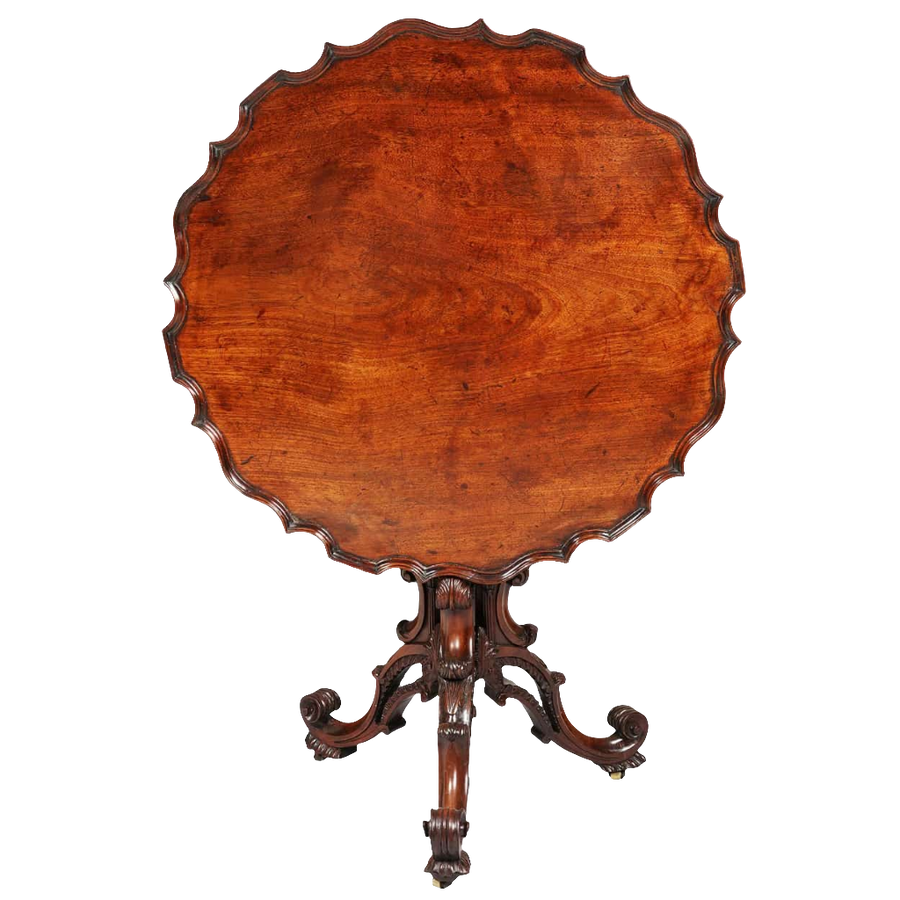
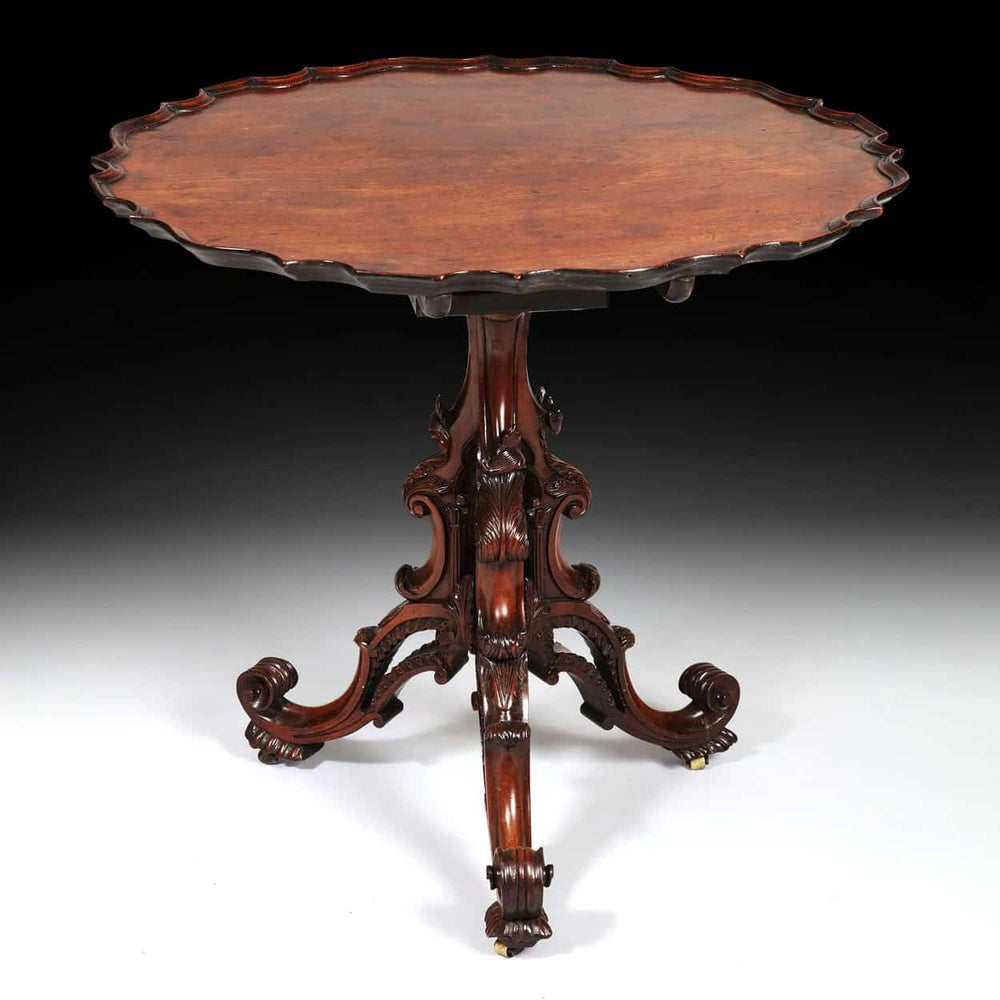
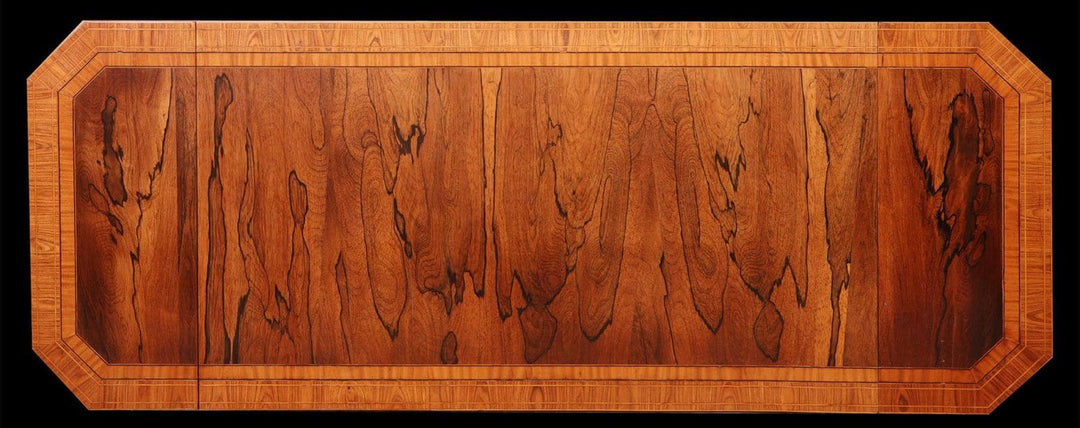
The transition from native walnut to West Indian mahogany redefined the structural possibilities of the trade. This dense, dark timber allowed for the crisp, deep carving seen on exceptional centre tables from the George III period. A Dealer’s Secret for the discerning eye: look for the "plum-pudding" figure or tight, interlocking grain. Authentic 18th-century timber possesses a depth and weight that 19th-century reproductions simply can't match, a vital distinction when browsing georgian antique furniture for sale. The original antique surface remains the ultimate arbiter of quality, whispering stories of three centuries of care.
Dealer’s Secrets: Identifying Authentic Georgian Craftsmanship and Surface Patina
The inherent value of georgian antique furniture for sale lies not in sterile perfection, but in the nuanced build-up of history. This "antique surface" is a complex layering of wax, sunlight, and domestic life that creates a depth of colour impossible to forge. We call this the patina. It's the most critical factor in determining an object's value. A piece that has been aggressively stripped of its history loses its soul and its investment potential. At our gallery, we provide complimentary restoration that prioritises conservation, ensuring the narrative of the object remains intact for future generations.
Collectors must remain vigilant against 'marriage' pieces. These are disparate antiques combined in the 19th or 20th centuries to create a more 'saleable' item. You might find a George II chest on chest where the top and bottom halves display slightly different grain patterns or varying degrees of timber shrinkage. True connoisseurship involves looking past the facade to ensure every component shares a singular origin.
The Value of Original Patina vs. Over-Restoration
Patina is the chemical and physical legacy of three centuries of use, manifesting as a soft, lustrous glow that emanates from within the timber itself. While a piece should often be left in its 'as found' state to preserve this record, professional conservation adds value when it stabilises the structure without erasing the surface history. Over-restoration is a common pitfall; once the original skin of the wood is gone, it's gone forever.
Identifying Period Markers in Cabinetry
Expert authentication requires a gaze that penetrates the surface. Look for 'ghost marks' on drawer fronts, which are the faint shadows left by original brass handles before they were replaced by later fashions. Secondary timbers offer another vital clue. Authentic English pieces typically feature oak or pine drawer linings. If you observe the underside of a drawer, the wood should show a dark, uneven oxidisation. This natural ageing process is a hallmark of the 18th century, an essential marker for any georgian antique furniture for sale. If you are unsure about a potential acquisition, you may wish to view our expertly vetted cabinet furniture for examples of impeccable provenance.
Curation for the Modern Interior: Integrating Georgian Pieces into High-End Living
Georgian furniture serves as a sculptural anchor, bridging the gap between historical grandeur and the minimalist requirements of a contemporary home. A Regency convex mirror, with its distinctive eagle surmount and ebonised reeded slip, provides a dramatic focal point in a sleek Manhattan apartment, reflecting light across a room in a way that modern glass cannot achieve. It's the dark, lustrous warmth of 18th-century mahogany that offers a sophisticated counterpoint to cold stone surfaces or neutral linen textiles. When sourcing georgian antique furniture for sale, one should consider how the exoticism of Anglo-Indian or Chinese Export pieces can introduce a narrative of global travel to a traditional library or study.
Georgian Furniture in the American Town and Country House
Adapting the 'English Country House' aesthetic for expansive residences in Texas or California requires an astute understanding of scale. Large-scale antique armchairs, perhaps from the George II period with generous proportions, offer both the historical gravitas and the physical comfort demanded by modern luxury living. In the grand entryways of Greenwich, Connecticut, a fine antique centre table establishes an immediate sense of arrival and heritage, providing a surface for curated floral arrangements or significant works of art. This blend of utility and prestige is the hallmark of a well-conceived interior.
The 'Grand Tour' Aesthetic as a Design Philosophy
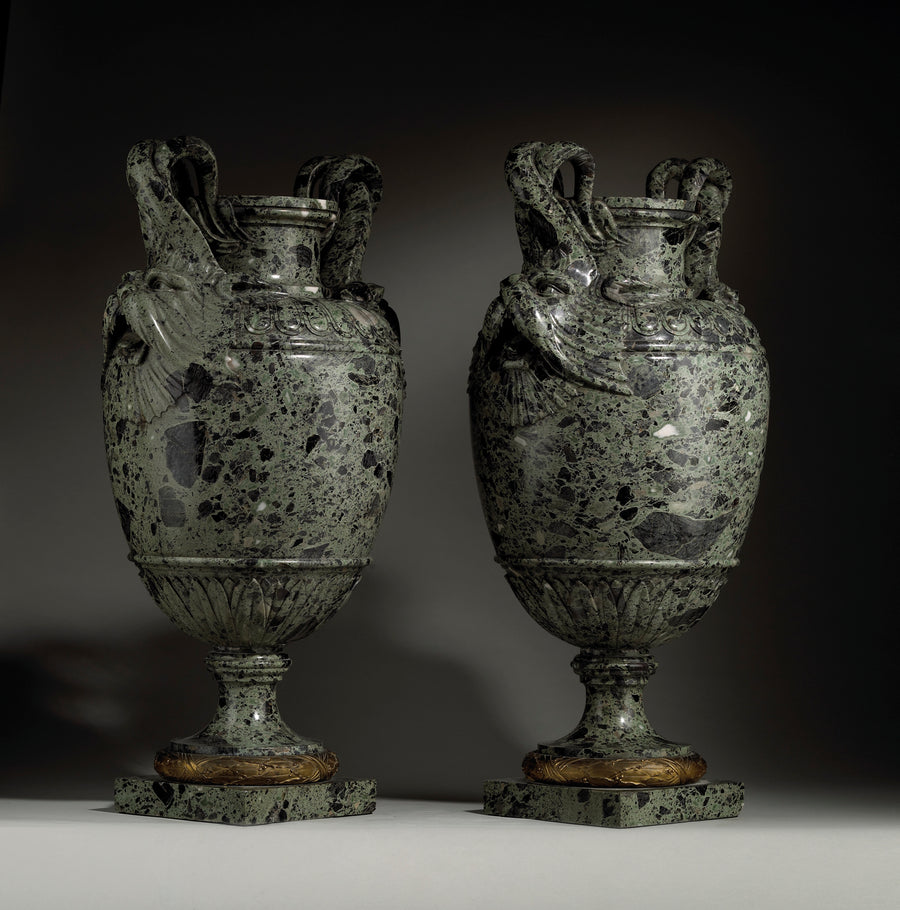
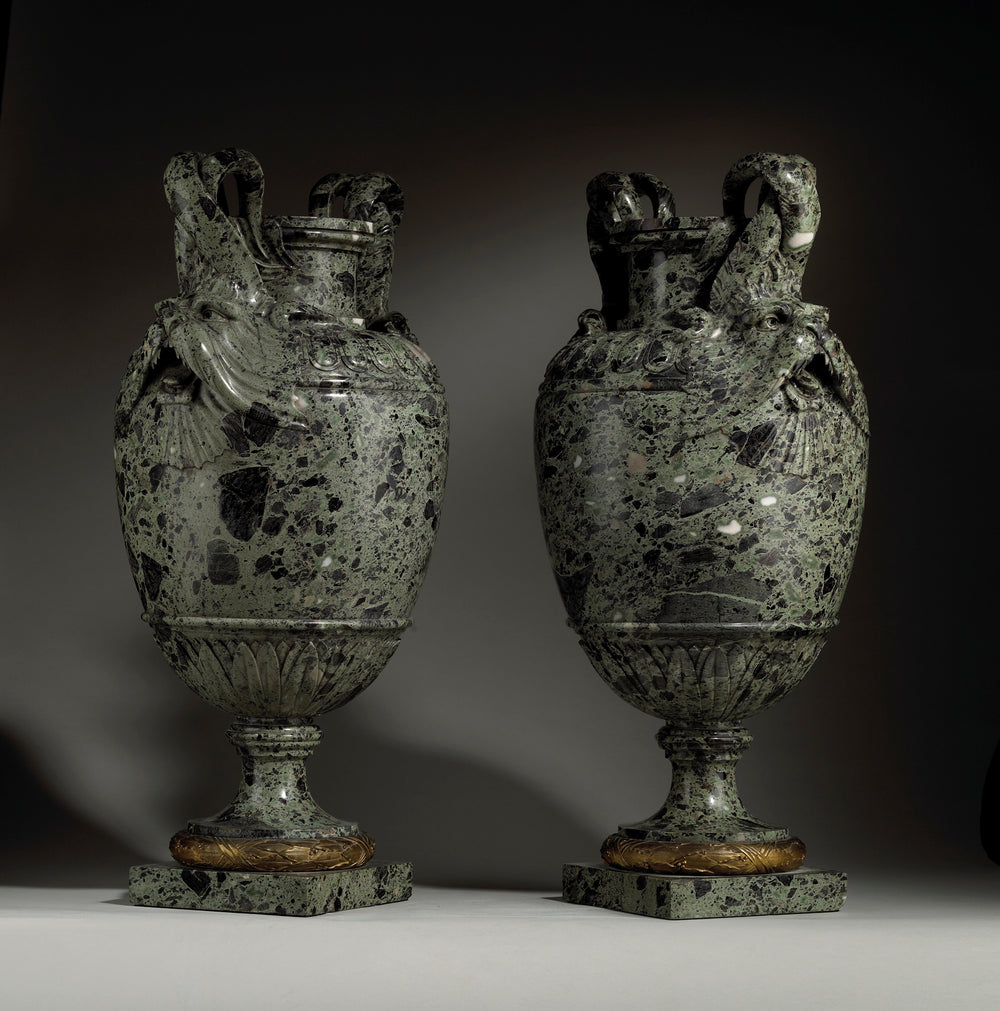
A truly curated interior reflects a life of intellectual curiosity. Placing classical Grand Tour objects, such as bronze figurines or marble tazza, atop a Georgian sideboard creates a layered, scholarly atmosphere. This approach transforms a room into a mini-essay on art history, where every object tells a specific story of cultural discovery and refined taste. To begin your own journey of curation, we invite you to explore our singular collection of Georgian masterpieces and discover how these artifacts can elevate your living space.
Acquiring Rare Georgian Masterpieces: The Nicholas Wells Online Gallery Experience
Operating exclusively as an online gallery allows us to bypass the considerable overheads associated with physical showrooms, directing our resources instead toward the meticulous acquisition of singular artifacts. This streamlined model ensures that when you browse georgian antique furniture for sale through our platform, you're engaging with a collection of uncompromising quality and scholarly merit. Every piece is treated as a significant cultural artifact, reflecting our commitment to the conservation of history and our support for heritage through the 'Restore Britain' movement. By eschewing a traditional exhibition space, we focus entirely on the provenance and narrative of the objects themselves.
Insured Worldwide Shipping to the United States
We understand the trepidation often associated with high-value international acquisitions. To mitigate these concerns, we partner exclusively with professional fine art shippers to ensure seamless, fully insured delivery to New York, San Francisco, and the Hamptons. Our expertise extends to the bureaucratic complexities of the trade; we manage all CITES documentation and export permits required for sensitive 18th-century timbers. While the 2026 10% U.S. import tariff on antiques represents a significant shift in the market, our white-glove service handles the customs logistics, ensuring your masterpiece arrives with its condition perfectly preserved.
The Nicholas Wells Restoration Philosophy
Unlike auction houses where items are often sold 'as seen', every acquisition from our gallery includes complimentary, sympathetic restoration by master craftsmen. This meticulous process ensures each piece is 'home-ready' while strictly preserving the irreplaceable antique surface and its natural patina. We focus on structural integrity and the conservation of historical character rather than stripping away centuries of history. This specialist approach provides a level of security and transparency that generalist marketplaces simply cannot replicate. We invite you to explore our cabinet furniture and engage with our 'Dealer's Secrets' series for bespoke advice on building a collection of lasting significance.
Elevating Your Interior with Historical Distinction
The allure of the Georgian era lies in its synthesis of architectural rigour and delicate craftsmanship; it's a legacy that continues to define the pinnacle of English decorative arts. By understanding the nuances of the antique surface and the scholarly markers of the 18th century, you transition from a collector to a true steward of history. Whether you're seeking a singular statement piece for a Manhattan apartment or a fine mahogany table for a Greenwich estate, the focus remains on the conservation of heritage.
Since 2012, we've provided the expertise required to navigate the market for georgian antique furniture for sale with absolute certainty. Every acquisition from our gallery includes complimentary restoration by master craftsmen and is delivered via fully insured, white-glove shipping. We invite you to view our curated collection of Georgian Antique Furniture and discover an artifact that resonates with your personal aesthetic. We look forward to helping you secure a masterpiece of enduring value.
Frequently Asked Questions
How can I tell if Georgian furniture is authentic or a Victorian reproduction?
Authenticity is primarily revealed through construction techniques and natural timber shrinkage over three centuries. You should look for hand-cut dovetails on drawer linings and the specific, uneven oxidisation on secondary woods like oak or pine. Victorian reproductions often feature circular saw marks or more uniform, machine-cut joints. The antique surface must possess a depth of colour that only generations of wax and light can create, a quality machine-finishing cannot replicate.
Is mahogany furniture from the 18th century legal to ship to the US?
Yes, 18th-century mahogany is legal to ship, provided it adheres to CITES regulations and export licensing requirements. For American collectors browsing georgian antique furniture for sale, we manage all necessary documentation, including CITES re-export certificates for endangered timbers. Our professional fine art shippers handle the complexities of the 10% U.S. import tariff introduced in 2026, ensuring your acquisition arrives securely in regions like New York or San Francisco.
What is the difference between George III and Regency style furniture?
George III style typically emphasises the robust Rococo or Neoclassical proportions defined by master cabinetmakers like Chippendale and Hepplewhite. Conversely, Regency furniture introduces archaeological influences from Greece, Rome, and Egypt. You'll notice a distinct shift toward darker timbers, intricate brass inlays, and more slender, architectural silhouettes. This period represents a sophisticated transition into the eclectic tastes of the early 19th century, moving away from the purely Palladian influences of the mid-18th century.
Does restoration decrease the value of a Georgian antique?
Sympathetic conservation actually enhances investment value by ensuring structural integrity for the modern home. While aggressive stripping of the original patina is detrimental, professional restoration that preserves the unique antique surface is essential. We provide complimentary restoration by master craftsmen who prioritise the conservation of history. This approach aligns with our commitment to heritage, treating each piece as a significant cultural artifact rather than merely inventory for georgian antique furniture for sale.
How do I care for the original wax patina on my antique table?
Preserving the patina requires a minimalist approach to maintenance to avoid damaging the historical skin of the wood. You should avoid modern aerosol sprays and silicone-based polishes, as these can cloud the surface over time. Instead, apply a high-quality beeswax polish sparingly once or twice a year, buffing it gently with a soft lint-free cloth. Maintaining a stable environment with consistent humidity levels is equally vital to prevent the timber from shrinking or cracking.


Leave a comment