



How to Start and Grow an Antique Collection: A Connoisseur’s Guide
A truly exceptional antique doesn't just occupy space; it commands it through a narrative of historical significance and artistic mastery. Whether your interest lies in the geometric precision of Art Deco or the intricate marquetry of a Chippendale commode, understanding How to Start and Grow an Antique Collection begins with a shift in perspective from consumer to curator. You've likely felt the frustration of navigating a market where the line between a superb original and a deceptive reproduction is increasingly blurred. At Nicholas Wells Antiques, we believe that every acquisition should be a deliberate step toward preserving a piece of global heritage, treating each object as a significant cultural artifact rather than mere inventory.
We agree that the complexities of 18th and 19th-century craftsmanship, from the delicate application of ormolu to the preservation of a genuine surface patina, can feel overwhelming. This guide promises to demystify the acquisition process by providing the same expert insights we use to source rare Islamic arms and armour or distinguished lanterns for our Piccadilly based online gallery. You'll learn to verify provenance with the confidence of a Mayfair specialist and understand how to identify high-quality pieces that hold their value over time. We'll examine the essential criteria for selecting extraordinary items, such as Regency furniture or rare oceanic war clubs, and explain how our international shipping and restoration services support your journey into the world of fine decorative arts.
Key Takeaways
- Cultivate a curatorial mindset by understanding the transition from casual acquisition to true connoisseurship, focusing on the historical gravity of the 100-year rule.
- Learn How to Start and Grow an Antique Collection through tactile education, identifying the subtle tool marks and original construction that define authentic 18th-century craftsmanship.
- Navigate the prestigious London market by leveraging the "online gallery by appointment" model, ensuring access to the rare treasures of Mayfair and Piccadilly from anywhere in the world.
- Discover the strategic art of "trading up" to acquire magnificent masterpieces, such as pairing superb Grand Tour objects with the timeless elegance of Georgian mahogany.
- Protect your legacy by implementing museum-quality conservation techniques that preserve the irreplaceable patina and historical soul of your most distinguished acquisitions.
The Philosophy of Connoisseurship: Defining Your Antique Collection
To understand The Philosophy of Connoisseurship, one must first recognise that a collection is far more than an assembly of aged possessions. While a casual buyer might acquire a piece for its immediate utility or decorative charm, the true collector operates with a deliberate curatorial intent. This distinction is vital. It lies in the pursuit of the "soul" of an object, where the historical narrative, the whisper of its previous owners, and the preservation of its unique antique surface become paramount. At Nicholas Wells Antiques, we've observed that the most distinguished collections often begin with a shift in perspective. It's the moment an individual stops looking for furniture and starts seeking cultural artifacts that embody the zenith of human craftsmanship.
The conventional 100-year rule has long defined the boundary of the antique, yet the transition into 19th-century fine arts has expanded the horizon for modern collectors. Learning How to Start and Grow an Antique Collection requires a discerning eye for the shift from early 18th-century forms to the opulent, complex designs of the later eras. Whether your interest lies in the austere beauty of a Georgian mahogany commode or the exotic allure of Oceanic war clubs, the focus should always remain on rarity and condition.
Establishing a Curatorial Vision
A successful collection avoids the ephemeral nature of passing trends. It focuses instead on timeless historical significance. Selecting a "hero piece," perhaps a magnificent Georgian mahogany library table or a rare Irish pier mirror, provides an anchor for both the room and the collection's narrative. Collectors must decide between vertical collecting, which involves a deep dive into a single category like Grand Tour objects and marble obelisks, or horizontal collecting, which gathers diverse items from a specific era to recreate a historical moment. As a specialist fine antiques dealer, we emphasize that the most rewarding collections are those that reflect a consistent aesthetic rigour.
Understanding Period Styles from Georgian to Regency
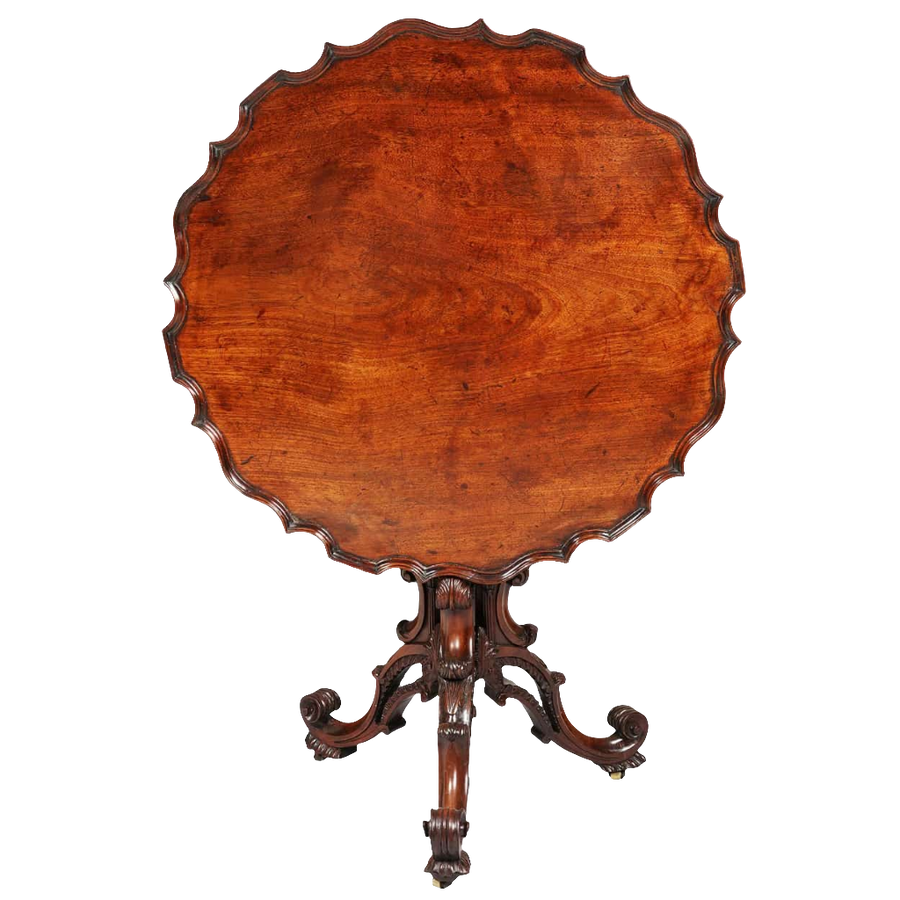
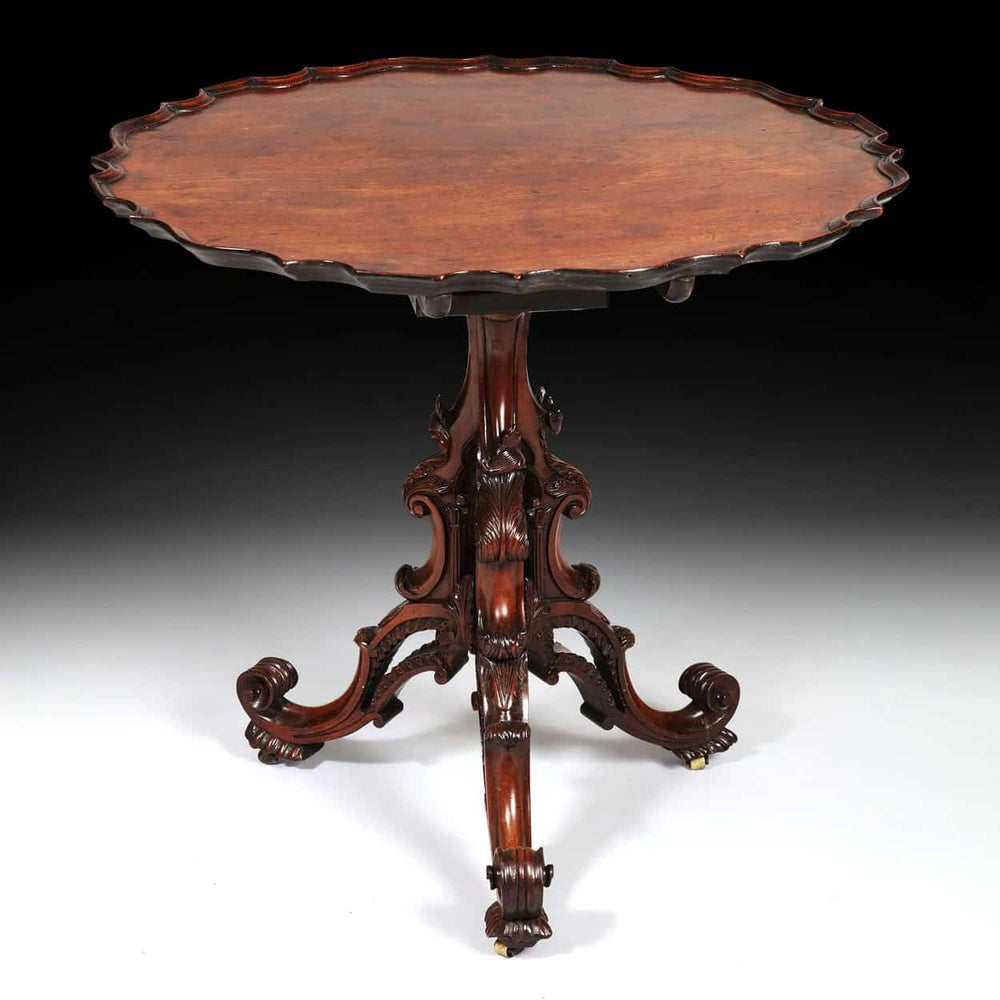
The Georgian era celebrated the durability and deep lustre of mahogany, where elegance met structural integrity. This period's refined proportions often contrast with the subsequent Regency style, which flourished between 1811 and 1820. Regency pieces are defined by their architectural rigour and classical influences, often incorporating superb ormolu mounts, brass inlays, and exotic veneers. Identifying the transition from the restrained forms of the early 1700s to the 19th-century's penchant for opulence is a hallmark of a true connoisseur. Nicholas Wells Antiques, situated near the historic art hubs of Mayfair and Piccadilly, provides expert guidance on these stylistic nuances. While we operate as a premier luxury antiques dealer through our online gallery, our showroom is available to visit by appointment for those wishing to examine the exquisite patina and provenance of our collection in person. We also offer professional antique restoration and secure international shipping to support your journey as you learn How to Start and Grow an Antique Collection.
Developing the Expert’s Eye: Education and Provenance
Starting a collection requires more than an appreciation for beauty; it demands a disciplined education of the senses. While digital galleries provide a vital introduction, true connoisseurship is born from tactile engagement. Nicholas Wells Antiques encourages collectors to visit our showroom by appointment to experience the physical presence of a piece. Feeling the weight of a Regency mahogany library chair or observing the play of light across an 18th-century Irish pier mirror reveals nuances that no high-resolution image can fully capture. This sensory immersion is the first step for anyone learning how to start and grow an antique collection with confidence.
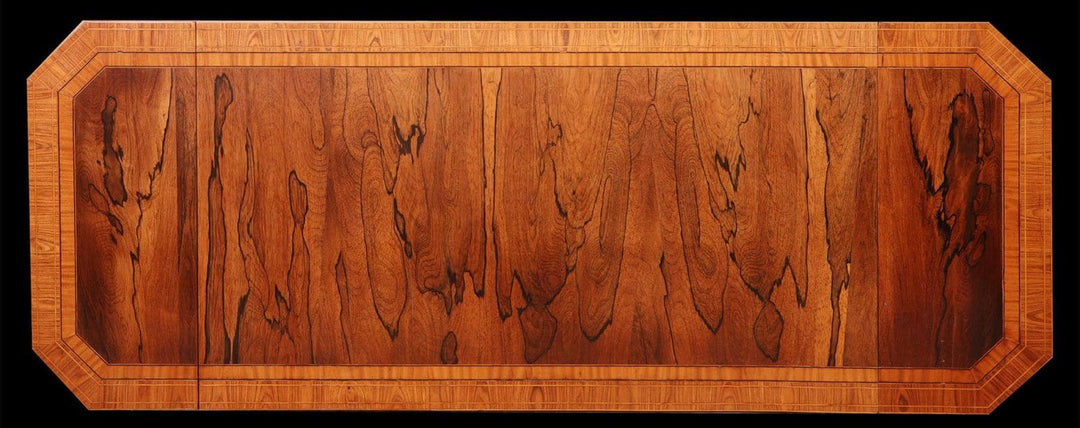
Reading a piece of furniture involves looking beyond the facade. One must examine the secondary timbers, such as pine or oak used for drawer linings, and search for the tell-tale signs of the craftsman’s hand. Hand-sawn tool marks and irregular dovetails are the fingerprints of history. The hierarchy of materials also dictates value; while solid English oak conveys a rustic strength, the use of exotic veneers like calamander or satinwood signals a piece commissioned for a grander interior. Nicholas Wells Antiques places a particular emphasis on the preservation of the unique antique surface. A surface that has remained untouched for two centuries possesses a depth of colour and history that modern restoration cannot replicate. This "skin" of the object is irreplaceable.
The Language of Fine Antiques: Marquetry, Ormolu, and Patina
Exceptional 18th-century craftsmanship often speaks through marquetry, the intricate art of inlaying different woods to create pictorial designs. This differs from parquetry, which focuses on geometric patterns. Luxury decor of the period frequently features authentic French ormolu, which is fire-gilded bronze. This mercury-gilding process, largely abandoned by 1830 due to its toxicity, produces a soft, enduring glow. Protecting the patina is essential; over-zealous cleaning can strip away decades of history, reducing a magnificent artifact to a mere commodity.
Verifying Provenance and Documentation
Provenance serves as the pedigree of an object. Strong documentation includes original invoices, exhibition history, or a lineage of distinguished previous owners. Labels from renowned makers like Gillows of Lancaster or evidence of Chippendale’s influence significantly bolster an item's standing. A Strategic Acquisition involves verifying these records to protect your investment for future generations. Professional documentation ensures that the story of your antique furniture collection remains intact. If you seek to refine your eye further through a specific piece, we invite you to arrange a private viewing at our London-based gallery.
Strategic Acquisition: Navigating the London Antique Market
The landscape of the London antique trade has undergone a significant transformation over the last decade, transitioning from the traditional open-door storefront to a more refined "online gallery by appointment" model. While the bustling shopfronts of the late 20th century have evolved, the districts of Mayfair and Piccadilly remain the indisputable spiritual heart of the trade. This shift allows Nicholas Wells Antiques to focus on a level of curation that prioritises the soul and historical integrity of an object over the demands of high-street footfall. By operating from a private showroom available by appointment, we offer a sanctuary where collectors can engage with exceptional pieces of French giltwood or Georgian mahogany in a quiet, scholarly environment.
Selecting a specialist dealer over the volatile environment of the auction house is a hallmark of the sophisticated collector. While auctions offer a sense of theatre, they often lack the rigorous vetting and long-term accountability provided by an expert curator. Nicholas Wells Antiques ensures quality through meticulous sourcing, focusing on the preservation of the unique antique surface and the historical narrative of each item. Whether it's an intricate piece of 18th-century marquetry or a rare Grand Tour obelisk, the emphasis remains on the inherent quality and the extraordinary nature of the find. Understanding How to Start and Grow an Antique Collection requires this discerning approach, where the provenance of a piece is as vital as its aesthetic appeal.
The Specialist Dealer Relationship
A successful collection is rarely built in isolation; it's the result of a partnership between the collector and a trusted advisor. We provide access to "off-market" treasures that never reach the public eye, offering our clients a first view of significant acquisitions before they're listed globally. This relationship allows for a deeper dive into the technical aspects of a piece, from requesting high-resolution imagery that captures every nuance of the patina to receiving detailed condition reports. For those learning How to Start and Grow an Antique Collection, this professional guidance ensures each acquisition contributes to a cohesive, prestigious assembly of art and design.
Logistics of Global Collecting
Acquiring a magnificent Regency centre table or a delicate set of Irish pier mirrors is only the first step. The complexities of global logistics, particularly regarding CITES regulations for materials like rosewood, require expert navigation to ensure legal compliance and the safety of the artifact. We manage the intricacies of fully insured worldwide shipping, treating every shipment with the reverence a cultural treasure deserves. To find your next acquisition, explore our antique furniture collection for worldwide delivery, where each item is prepared for transit with uncompromising standards of care.
Refining and Diversifying: Growing the Collection
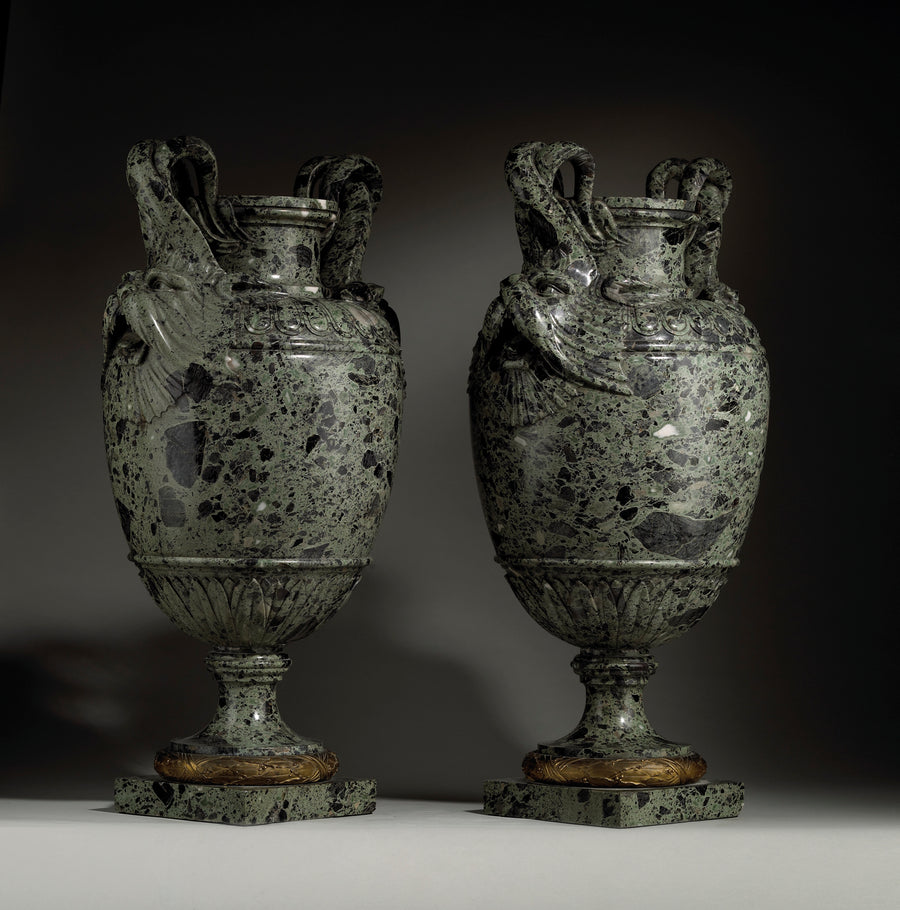
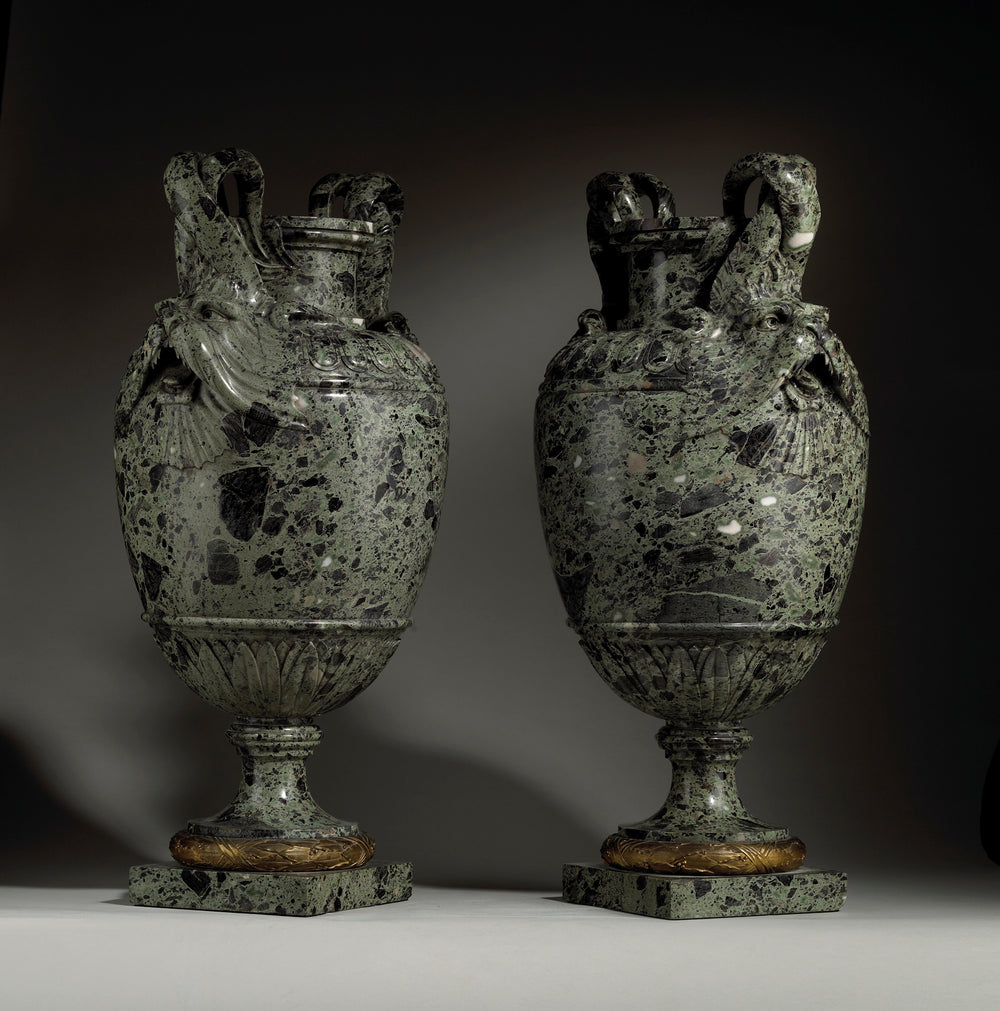
Transitioning from an enthusiast to a dedicated connoisseur requires a strategic shift in perspective. As your eye matures, the concept of "trading up" becomes essential. This involves the deliberate divestment of entry-level acquisitions to facilitate the purchase of rare masterpieces with impeccable provenance. Understanding Grand Tour objects and their historical significance allows a collector to see how a bronze reduction of a classical sculpture perfectly complements the architectural rigour of Georgian mahogany furniture. Learning how to start and grow an antique collection involves this constant refinement of quality over quantity.
True diversification often leads a collector toward niche, highly specialized categories. Nicholas Wells Antiques frequently advises clients on the profound aesthetic impact of Islamic arms and armour or the raw, sculptural power found in Oceanic tribal art. A 19th-century Fijian war club, with its deep, honeyed patina earned through generations of use, offers a striking contrast to the refined surfaces of a Regency commode. These objects aren't merely decorative; they're significant cultural artifacts that bring a sense of global history into a private gallery. This breadth of interest signals a collector who values the "soul" of an object as much as its formal beauty.
Diversifying with Sculpture and Works of Art
A sophisticated interior gains architectural weight through the inclusion of sculpture. Obelisks crafted from rare marbles or Blue John serve as vertical anchors on a mantelpiece or library table, echoing the classical symmetry of the 18th century. Lighting also plays a transformative role. Transitioning from modern fixtures to 18th-century crystal chandeliers or brass lanterns adds a layer of historical depth that's impossible to replicate. You can discover our curated collection of lighting to find pieces that retain their original ormolu or mercury gilding, ensuring the unique antique surface remains intact.
Antiques in the Modern Interior
The contemporary home benefits immensely from the juxtaposition of eras. Placing a sleek Art Deco cocktail cabinet alongside 18th-century English furniture creates a dialogue between tradition and modernism. Irish pier mirrors or convex mirrors are particularly effective in these settings; they capture and manipulate light to expand the perceived volume of a room while adding a touch of period glamour. For those seeking a grand statement, the centre table remains the definitive focal point for an entryway. It provides a sense of arrival that defines the entire residence. Mastering how to start and grow an antique collection means recognizing that these pieces are not relics, but vital components of a luxury lifestyle.
Preserving the Legacy: Conservation and Professional Restoration
The journey of a true connoisseur doesn't end with the fall of the auctioneer's gavel or the finalisation of a private sale. As you learn how to start and grow an antique collection, you inevitably transition from being a mere owner to a temporary custodian of history. This role carries a profound ethical responsibility. Distinguishing between crude commercial repair and museum-quality restoration is vital for maintaining the integrity of your acquisitions. While a standard repair might focus on immediate functionality, professional conservation prioritises the long-term stability and historical accuracy of the object. Nicholas Wells Antiques understands this distinction deeply, which is why we provide complimentary restoration on all items sold, ensuring that every Georgian mahogany commode or Regency library table remains in superlative condition for the next generation.
Modern living environments present specific challenges to the longevity of 18th and 19th-century craftsmanship. Central heating, for instance, can be a silent adversary to organic materials. Fluctuations in moisture levels cause timber to expand and contract, which may lead to the lifting of delicate marquetry or the cracking of solid panels. To mitigate these risks, collectors should adhere to several environmental standards:
- Maintain relative humidity levels between 40% and 60% to prevent timber desiccation.
- Utilise UV-filtering film on gallery windows to protect the rich pigments of oil paintings and the vibrant finish of French giltwood.
- Position significant pieces away from direct heat sources like radiators or active fireplaces.
The Ethics of Restoration
The most valuable attribute of any work of art is often its original surface. This patina, a complex layer built up over centuries of gentle use and atmospheric exposure, is impossible to replicate once lost. Sympathetic restoration involves using period-correct materials, such as traditional animal glues or hand-applied French polish, rather than modern synthetic substitutes. It's often wiser to leave a minor scar that tells the story of a piece's provenance than to erase history through over-zealous intervention. Knowing when to stop is the hallmark of a master conservator.
Long-term Collection Management
Maintaining a distinguished collection requires more than aesthetic appreciation; it demands rigorous oversight. You should conduct thorough condition audits every 12 to 24 months to identify emerging issues like loose veneers or the presence of bronze disease. Specialist insurance is a non-negotiable requirement for unique, irreplaceable items, as standard policies rarely account for the historical value of a rare Irish pier mirror or a set of Chippendale chairs. For those seeking expert guidance on how to start and grow an antique collection, we invite you to book a private consultation at our London showroom. Located near the historic hubs of Mayfair and Piccadilly, our gallery provides a discreet environment to discuss the preservation of your treasures and our global shipping services.
Elevating Your Pursuit of the Extraordinary
Refining a private gallery requires more than mere acquisition; it's a scholarly commitment to historical stewardship. You've explored how identifying the subtle nuances of 18th-century Georgian mahogany or the intricate ormolu of French giltwood rewards the disciplined eye. Success in this field hinges on a deep reverence for provenance and the preservation of that irreplaceable surface patina which distinguishes a true masterpiece. Mastering How to Start and Grow an Antique Collection involves navigating the sophisticated London market with a focus on rarity and academic significance. Since 2012, Nicholas Wells Antiques has acted as a refined curator for collectors in Mayfair and Piccadilly. We ensure every Regency lantern or Irish pier mirror maintains its historical soul through meticulous conservation. Whether your interest lies in a Grand Tour obelisk or a rare Oceanic war club, our service includes fully insured worldwide shipping and complimentary restoration on all sales. Experience the finest curation of history and book an appointment to visit our London showroom. Your journey into the extraordinary is a lifelong pursuit of heritage that begins with a single, distinguished piece.
Frequently Asked Questions
What is the best way for a beginner to start an antique collection in 2026?
To begin an antique collection in 2026, you should focus on acquiring one exceptional piece of 18th-century furniture rather than several mediocre items. This approach ensures your capital is preserved in assets with historical integrity. Nicholas Wells Antiques recommends starting with a signed piece or an item with documented provenance. This strategy is the most effective way for a novice to understand how to start and grow an antique collection that retains its value over time.
How can I tell if a piece of antique furniture is authentic or a reproduction?
You can distinguish authentic antique furniture from reproductions by examining the secondary woods and the construction of the joints. Genuine Georgian mahogany pieces usually feature hand-cut dovetails that are slightly irregular in spacing, whereas 20th-century reproductions often show machine-cut precision. Look for the natural oxidation of the wood surface, known as patina, which takes over 100 years to develop. Modern stains can't replicate the deep, layered glow found on original 18th-century surfaces.
Why is provenance so important when buying fine antiques?
Provenance provides a documented history of ownership that confirms an object's authenticity and historical significance. For fine antiques, a clear lineage from a notable estate or collection can increase the market value by 30 percent or more. Nicholas Wells Antiques prioritises items with established histories, as these records transform a piece from a mere object into a significant cultural artifact. A robust provenance ensures you're investing in a genuine piece of history rather than a clever imitation.
What are the most collectible styles of English furniture today?
Georgian mahogany and Regency period pieces remain the most sought-after styles for discerning collectors in 2024. These eras are celebrated for their refined proportions and the superb quality of their timber. Specifically, Irish pier mirrors and Chippendale-style chairs are currently seeing a resurgence among interior designers in Mayfair. These styles offer a timeless aesthetic that integrates seamlessly into contemporary London interiors, providing a sophisticated focal point for any room.
Is it better to buy antiques at auction or from a specialist dealer?
Buying from a specialist dealer like Nicholas Wells Antiques is generally superior for collectors seeking vetted quality and expert restoration advice. While auctions offer a sense of theatre, they often lack the comprehensive after-sales support and guaranteed authenticity that a reputable gallery provides. Our showroom, available by appointment, allows you to inspect the unique antique surface of a piece in a private, scholarly environment. This ensures you make an informed decision without the pressure of a ticking clock.
How do I care for the patina on my 18th-century mahogany furniture?
Preserving the patina on 18th-century mahogany requires a philosophy of minimal intervention and consistent environmental control. You should apply a high-quality beeswax polish once every 12 months to nourish the wood without obscuring its history. Avoid modern aerosol sprays, as the silicone content can damage the unique antique surface. Maintaining a stable humidity level between 40 and 60 percent prevents the timber from shrinking or cracking, ensuring the piece remains in superb condition for future generations.
Can I ship large antique furniture items internationally with insurance?
Yes, you can ship large antique furniture items internationally with full comprehensive insurance through our specialist logistics partners. Nicholas Wells Antiques manages the entire process, from bespoke crating of delicate chandeliers to the secure transport of heavy marble obelisks. We provide global shipping services that include door-to-door delivery and white-glove handling. Every shipment is fully insured for its replacement value, providing peace of mind for our international clients in New York or Hong Kong.
What should I look for when collecting Grand Tour objects?
When collecting Grand Tour objects, you should look for pieces crafted from rare materials like Rosso Antico marble or fine patinated bronze. These items were originally acquired by 18th-century aristocrats during their travels across Europe. Authentic examples often feature intricate details that reflect the neoclassical fascination with antiquity. Nicholas Wells Antiques specialises in these scholarly objects, focusing on pieces that retain their original architectural integrity and exhibit the superb craftsmanship expected of the 1780 to 1840 period.

Leave a comment