


Interior Design with Antiques Guide: A Connoisseur’s Approach to Period Luxury

May 28, 2026

The most compelling interiors today are not those that strictly adhere to a single era, but those that orchestrate a dialogue between the present and the storied craftsmanship of the past. You likely recognise the quiet power of a room that feels curated rather than merely decorated, yet the challenge of blending a 19th-century French giltwood mirror with contemporary lines often leads to aesthetic paralysis. This interior design with antiques guide reveals how to masterfully integrate rare 18th and 19th-century pieces into sophisticated modern interiors while meticulously preserving their historical integrity.

Whether you're furnishing a residence in the Hamptons or a townhouse in Greenwich, Connecticut, the secret lies in the conservation of history and the unique antique surface. We'll explore how to anchor a space using a singular Regency dining table or a pair of intricate gilt chandeliers, ensuring your home reflects a deep appreciation for heritage. You'll gain the confidence to acquire exceptional works from Nicholas Wells Antiques in Piccadilly, supported by the reliability of professional fine art shippers who navigate 2026 import tariffs and documentation with ease. Discover how the singular character of a Georgian mahogany sideboard can transcend commercial interest to become a legacy within your own collection.

Key Takeaways

  • Learn why the preservation of original surface patina is paramount for maintaining the historical integrity and investment value of 18th and 19th-century furniture.
  • Discover how to use this interior design with antiques guide to anchor contemporary spaces with significant period statements, such as a Georgian mahogany sideboard or a Regency dining table.
  • Understand the transformative power of antique lighting, utilizing gilt chandeliers and lanterns to introduce historical scale and vertical interest to modern estates.
  • Gain confidence in acquiring rare pieces from a Mayfair dealer through a clear understanding of professional fine art shipping and secure worldwide delivery to the United States.
  • Explore the philosophy of conservation-led restoration, ensuring that every cultural artifact retains its unique narrative and character for future generations.

The Connoisseur’s Philosophy: Integrating Period Styles and Original Patina

In the pursuit of a truly distinguished interior, one must look beyond mere form to the very skin of an object. Patina is the physical chronicle of an object's existence. It encompasses the subtle oxidation of bronze, the gentle fading of mahogany under soft candlelight, and the microscopic layers of wax applied by generations of caretakers. While some may be tempted by aggressive restoration, the true connoisseur understands that stripping a piece to its raw timber destroys its historical narrative. This interior design with antiques guide advocates for conservation, a process that secures the structural integrity of a fine antique cabinet or a Regency desk without erasing the character earned over centuries.

Modern reproductions, despite their technical precision, often feel flat because they lack this accumulated depth. At Nicholas Wells Antiques, we prioritise the unique antique surface, ensuring that every piece in our collection retains the lived-in elegance that distinguishes a genuine cultural artifact from a contemporary imitation. We offer antique restoration services as a complementary offering, focusing on the conservation of history rather than the erasure of it. This commitment to the singular and the exceptional is what separates a specialist gallery from a generalist dealer.

The Aesthetic Value of the Antique Surface

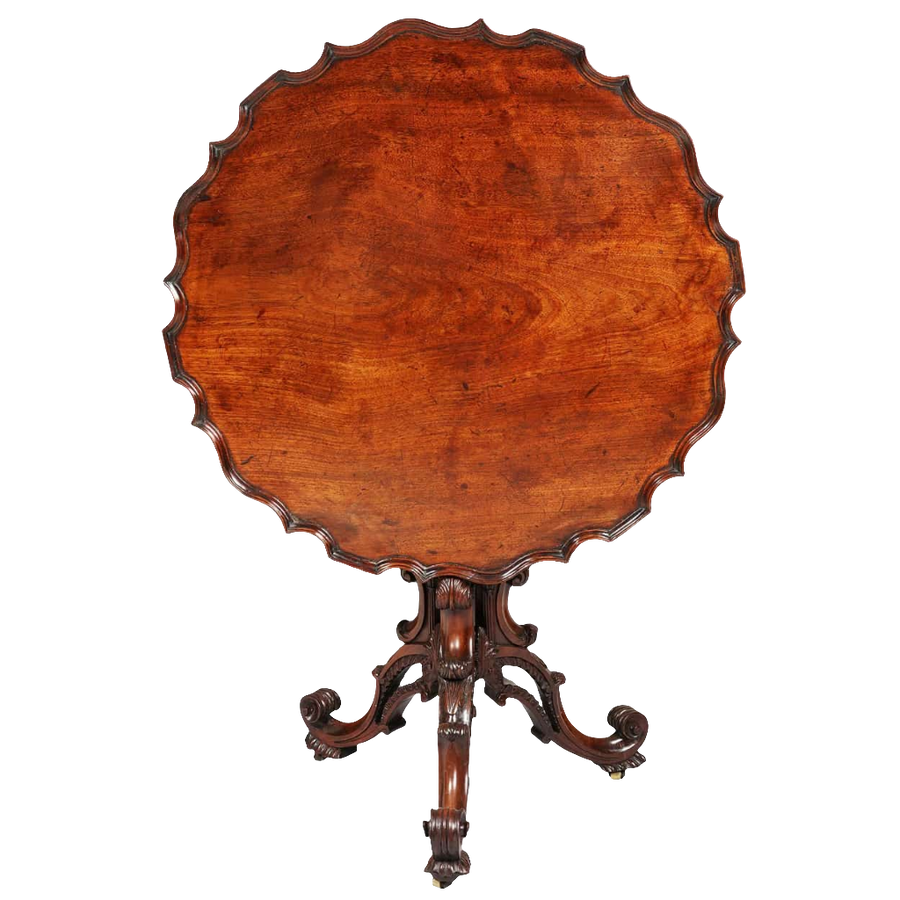
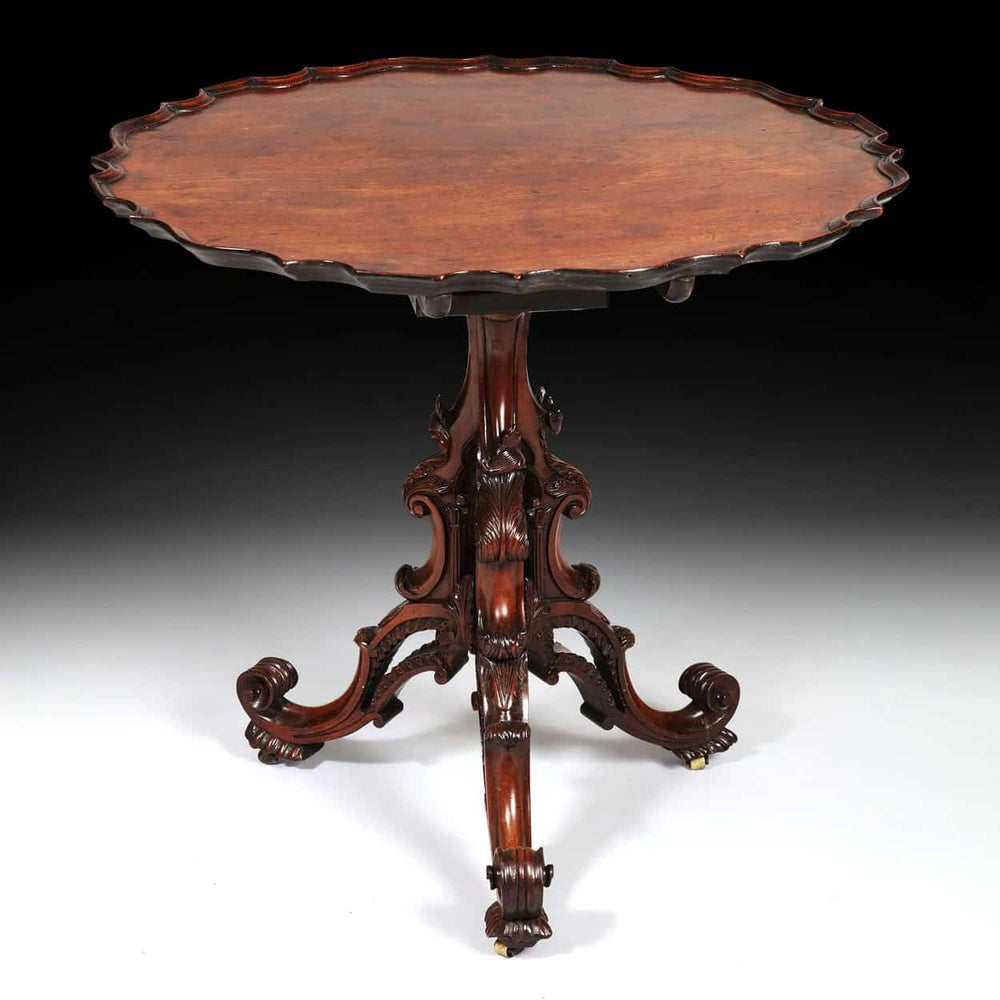
The tactile and visual depth of an 18th-century surface is incomparable. Centuries of hand-polishing create a lustrous glow that reflects light differently than modern lacquers. This rich, complex backdrop provides a sophisticated counterpoint to the clean lines of modern art or the bold ornamentation found in Victorian decorative arts. It's this contrast between the aged and the avant-garde that defines the most successful high-end residences in New York and San Francisco. A well-preserved surface doesn't just occupy space; it absorbs and radiates the history of its environment.

Distinguishing 18th and 19th Century Craftsmanship

Quality in period furniture is found in the scholarly details. One should look for hand-cut dovetail joints that show slight irregularities, or the use of San Domingo mahogany, known for its incredible density and figure. These markers signal a level of craftsmanship that generic vintage labels cannot match. Whether you're selecting a piece for a ranch in Texas or a coastal estate in California, identifying these markers ensures you're investing in a singular work of art. Our showroom at 169 Piccadilly is available to visit by appointment for those who wish to inspect these details firsthand, offering a bridge between historical grandeur and modern luxury living.

Architectural Anchors: Georgian Mahogany and Regency Statements

Establishing a sense of permanence in a residence requires pieces of exceptional scale and historical weight. This interior design with antiques guide suggests that the most successful rooms are built around architectural anchors that command attention without overwhelming the space. In the refined dining rooms of Greenwich or the Hamptons, a Georgian mahogany sideboard serves as more than just storage. It's a statement of symmetry and proportion, its dark, dense timber providing a visual foundation that grounds the entire scheme. The sheer presence of such a piece creates a focal point that defines the room's character before a single chair is placed.

The versatility of a Regency dining table is equally significant for the modern collector. With its characteristic pedestals and elegant sweeps, it bridges the gap between the rigid formality of classical architecture and the fluid requirements of modern living. For the grand entry hall, an antique centre table defines the circulation of the room, acting as a pivot point for the eye. When sourcing these substantial works from an antique shop in Piccadilly, American collectors should remain mindful of U.S. antique importation regulations, which require specific documentation to confirm the piece's age and historical status. Our gallery ensures all necessary provenance is meticulously prepared for seamless transit.

The Georgian Mahogany Sideboard: A Study in Proportion

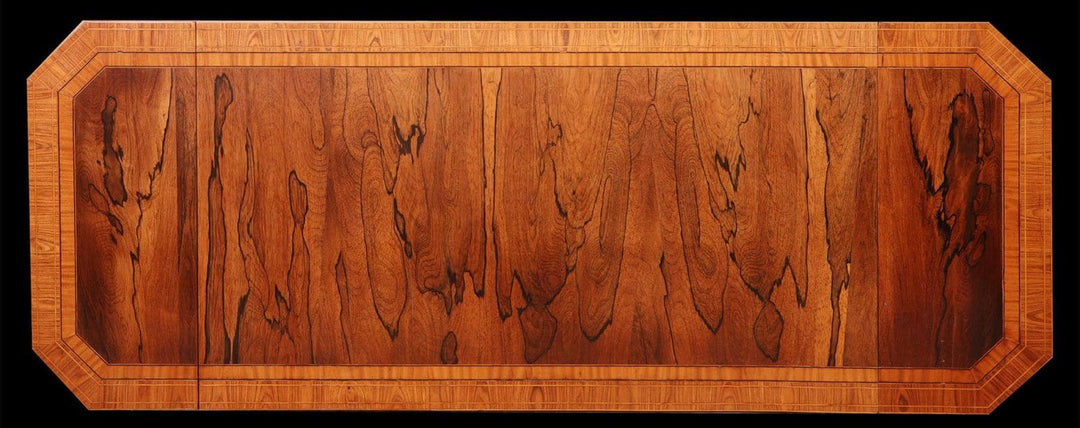
18th-century mahogany is prized for its tight grain and deep, resonant colour. This material strength allows for the fine, crisp carving found in the best examples of the period. To prevent a space from feeling overly traditional, we suggest pairing the rich patina of a sideboard with large-scale contemporary photography. This creates a dynamic visual tension where the weight of history meets the immediacy of the present day. You might discover a piece that resonates with your space by exploring our curated selection of sideboards and buffets.

Grand Tour Objects as Curated Curiosities

For the library or study, few accents convey a sense of intellectual curiosity quite like items from a Grand Tour objects collection. Originally acquired by 19th-century aristocrats as souvenirs of their travels through Italy and Greece, these marble obelisks and bronze models represent the scholar-traveller aesthetic. They offer a sophisticated verticality that complements rows of leather-bound volumes. These objects don't just decorate a shelf; they serve as a testament to the enduring allure of classical antiquity and the pursuit of knowledge.

Interior design with antiques guide

Illuminating History: Antique Lighting and the Art of Reflection

Lighting serves as the most ephemeral yet impactful element in period luxury, dictating how the eye perceives the textures and weights of a curated room. This interior design with antiques guide considers light not merely as a functional necessity, but as a medium that bridges the gap between the physical object and the atmosphere of the home. The transformative power of gilt chandeliers lies in their ability to introduce significant vertical interest, drawing the eye upward to appreciate the historical scale of a grand salon or formal dining space. These pieces act as luminous sculptures, their intricate casting and gilding reflecting a level of artistry that contemporary fixtures rarely emulate.

In the expansive estates of Texas or California, where transitional spaces like long galleries or mudrooms require a sense of purpose, antique lanterns offer a sophisticated solution. They provide a structured, architectural light that grounds the space without overwhelming it. Similarly, a Chippendale mirror serves as a vital tool for the designer, its ornate fretwork and sculptural vitality acting as a focal point that captures and multiplies natural light. For the serious collector, the acquisition of an Irish pier mirror 18th century represents a pinnacle of rarity, its often idiosyncratic carving reflecting the distinct regional craftsmanship of the Georgian era.

The Luminous Impact of Giltwood and Glass

The warm, soft reflection provided by a French giltwood mirror 19th century stands in stark contrast to the often sterile, cold nature of modern glass. Genuine period examples frequently retain their original mercury silvering, which provides a depth and mercurial "softness" of reflection that contemporary silvering methods cannot replicate. This subtle distortion of light adds a layer of mystery and age to a room, reinforcing the narrative of a home that has been thoughtfully assembled over time. It's this unique antique surface that creates an environment of understated elegance and quiet confidence.

Antique Lanterns and Sconces in Modern Schemes

Wall lights and sconces should be placed strategically to highlight specific architectural features, such as ornate plasterwork or a curated collection of sculpture, without flooding the room with artificial glare. Nicholas Wells Antiques ensures that every piece of lighting undergoes meticulous restoration, making these historical artifacts safe and functional for modern US homes while strictly preserving the integrity of their surface patina. Browse our exceptional collection of antique lighting to find the perfect focal point for your interior.

Acquiring Excellence: A Guide to International Shipping and Conservation

The final stage of this interior design with antiques guide concerns the transition of an object from our gallery to your residence. Residing in New York or San Francisco shouldn't be a barrier to acquiring the finest 18th-century pieces. We understand that the physical distance between Piccadilly and the United States requires a commitment to transparency and meticulous logistics. Every cultural artifact we source is treated with the reverence it deserves, ensuring its unique antique surface is protected throughout its journey. We invite clients to visit our showroom at 169 Piccadilly by appointment, allowing for a personal encounter with the exceptional rarity and surface patina of our collection before it crosses the Atlantic.

Unlike generalist dealers, Nicholas Wells Antiques offers a complimentary restoration service as a fundamental part of our offering. This isn't a standalone service but a commitment to ensuring your acquisition is in superior condition while strictly adhering to the conservation of history. This approach creates a sophisticated bridge between historical grandeur and the requirements of modern luxury living. By choosing a specialist antique dealer in Mayfair, you're supported by a trusted advisor who understands that true luxury doesn't need to shout to be recognised.

Seamless Worldwide Shipping for the US Collector

High-value items destined for hubs like Dallas or Los Angeles require more than just standard transit. We employ professional fine art shippers who specialise in bespoke crating and the complexities of international customs. Since the 2025 changes to U.S. import regulations, including the 10% general tariff and the removal of the duty-free exemption, professional brokerage has become essential for every commercial shipment. White-glove delivery ensures that a fine side cabinet or a longcase clock is placed perfectly within your home in the Hamptons or Greenwich, Connecticut, handled by experts who understand the fragile nature of 19th-century craftsmanship.

The Role of the Specialist Dealer in Mayfair

Choosing a specialist antique shop in Piccadilly ensures access to niche categories that require deep scholarly authority. Whether your interest lies in Grand Tour obelisks, Islamic arms and armour, or Oceanic tribal art, our expertise provides a singular alternative to generalist dealers. This interior design with antiques guide prioritises the exceptional and the singular, offering a more focused experience than traditional physical exhibition spaces. Our commitment to sourcing only the finest examples of decorative arts ensures that your collection remains a significant cultural legacy for future generations.

Cultivating a Legacy of Period Elegance

Mastering the integration of historical artifacts requires a discerning eye for the exceptional and a steadfast commitment to the principles of conservation. This interior design with antiques guide has explored how the original surface patina of a Georgian or Regency masterwork serves as the very soul of a sophisticated interior, grounding contemporary aesthetics in centuries of unparalleled craftsmanship. By selecting architectural anchors that resonate with both narrative history and the demands of modern luxury, you cultivate a home that feels deeply curated rather than merely furnished.

Our Mayfair-based expertise ensures that every object is treated as a significant cultural artifact rather than simple inventory. We provide complimentary professional restoration on all items to preserve their unique character, supported by fully insured worldwide shipping facilitated by fine art specialists for seamless delivery to your residence. It's this uncompromising dedication to quality that allows you to acquire with absolute confidence. Explore our curated collection of fine English and Continental antiques and begin the rewarding journey of transforming your environment into a timeless sanctuary of historical grandeur.

Frequently Asked Questions

How do I know if an antique will fit into my modern interior design?

An antique fits into a modern interior by serving as a singular architectural anchor that creates a sophisticated dialogue with minimalist lines. Successful integration often relies on the principles found in our interior design with antiques guide, where the complex textures of the past highlight the clean, unadorned surfaces of the present. This intentional contrast ensures your home feels curated rather than cluttered, providing a sense of historical depth to a contemporary residence in New York or San Francisco.

Is it safe to ship large antique furniture like a Regency dining table to the United States?

Shipping a substantial Regency dining table to the United States is entirely secure when managed by professional fine art shippers who specialise in bespoke crating and international logistics. These experts navigate the complexities of transit and U.S. Customs with precision, ensuring fully insured, white-glove delivery to destinations like Greenwich, Connecticut or the Hamptons. Every piece from Nicholas Wells Antiques is meticulously prepared to withstand the journey, arriving ready to be placed perfectly within your home.

What is the difference between an 18th-century Irish pier mirror and a 19th-century French giltwood mirror?

The distinction lies in the regional aesthetic and the specific carving techniques employed by period craftsmen. An 18th-century Irish pier mirror often exhibits idiosyncratic, bold carving and a distinct architectural profile unique to the Dublin workshops of the Georgian era. In contrast, a 19th-century French giltwood mirror typically displays more fluid, ornate flourishes characteristic of Parisian Neoclassical or Rococo Revival tastes. Both serve as luminous focal points but offer different historical narratives and scales of reflection.

Why is original patina so important when choosing antique furniture for sale?

Original patina is essential because it represents the physical chronicle of an object's life and protects its long-term investment value. When choosing antique furniture for sale, the presence of an undisturbed surface indicates that the piece has been conserved rather than aggressively restored. This unique antique surface possesses a visual depth and soft lustre that modern finishes cannot replicate, signalling a high level of connoisseurship and a respect for the object's historical integrity.

Can I use an Art Deco cabinet in a room with Georgian furniture?

Integrating an Art Deco cabinet within a room featuring Georgian furniture is a sophisticated choice that reflects a confident, eclectic eye for quality. The geometric precision and exotic veneers of the early 20th century provide a striking counterpoint to the refined, classical proportions of 18th-century mahogany. This blend of eras is a hallmark of high-end design in California and Texas, where collectors value the singular character of an object over rigid period consistency.

How do I care for the unique antique surface of a 19th-century mahogany piece?

Caring for the unique antique surface of 19th-century mahogany requires a philosophy of minimal intervention and environmental stability. Regular dusting with a soft, lint-free cloth and the occasional application of high-quality beeswax will preserve the timber's natural oils and deep, resonant glow. It's vital to avoid direct sunlight and extreme humidity fluctuations, as these can stress the wood and compromise the historical integrity of the piece's hard-earned surface patina.


Leave a comment

Please note, comments must be approved before they are published

This site is protected by hCaptcha and the hCaptcha Privacy Policy and Terms of Service apply.


Explore more