



Antique Furniture: A Connoisseur’s Guide to 18th and 19th-Century Mastery
For the discerning collector, antique furniture is far more than mere decoration; it is a tangible connection to the past, a masterpiece of historical craftsmanship that brings a unique narrative into the modern interior. Unlike mass-produced contemporary items, a piece of 18th or 19th-century furniture carries the weight of history, the mark of the artisan’s hand, and a story that unfolds through its design, materials, and the subtle patina of its surface. This guide is for the connoisseur who seeks to understand the distinction of fine antique furniture, from the golden age of English cabinet-making to its seamless integration into the most sophisticated homes of today.
Understanding the nuances of rarity, design, and historical importance is the foundation of connoisseurship. It involves appreciating not just the aesthetic appeal of an object, but its cultural context and the specialised skills required to create it. For those who collect, each acquisition is a piece of a larger puzzle—a curated environment that reflects a deep appreciation for history, quality, and enduring style.
Defining the Distinction of Fine Antique Furniture
True antique furniture is formally defined as a piece crafted at least 100 years ago, with the 18th and 19th centuries representing a period of unparalleled artistry. This era stands in stark contrast to the industrialised production of modern furniture. The bespoke craftsmanship once destined for the English town and country house was born from a tradition of master artisans, where every detail was meticulously considered and executed by hand. It is this dedication to quality that makes 18th-century English furniture, in particular, a pinnacle of cabinet-making, a standard against which later periods are often measured.
The Golden Age of Cabinet Making: 1700–1830
The 18th century heralded a transformative period in furniture design, marked by the transition from the rich, dark tones of Walnut to the superior strength and lustrous finish of Mahogany. This shift allowed for finer, more elaborate carving and construction, giving rise to master cabinet-makers whose names are now synonymous with excellence. The Georgian mahogany sideboard, for example, became a staple of the refined dining room, a testament to both functional design and social status. Simultaneously, the tradition of the Grand Tour introduced a wave of Continental Neoclassicism to Britain, as wealthy young aristocrats returned from their travels with a taste for the art and architecture of antiquity, profoundly influencing furniture design and the decorative arts.
Antique vs. Vintage: Why Chronology Matters for Collectors
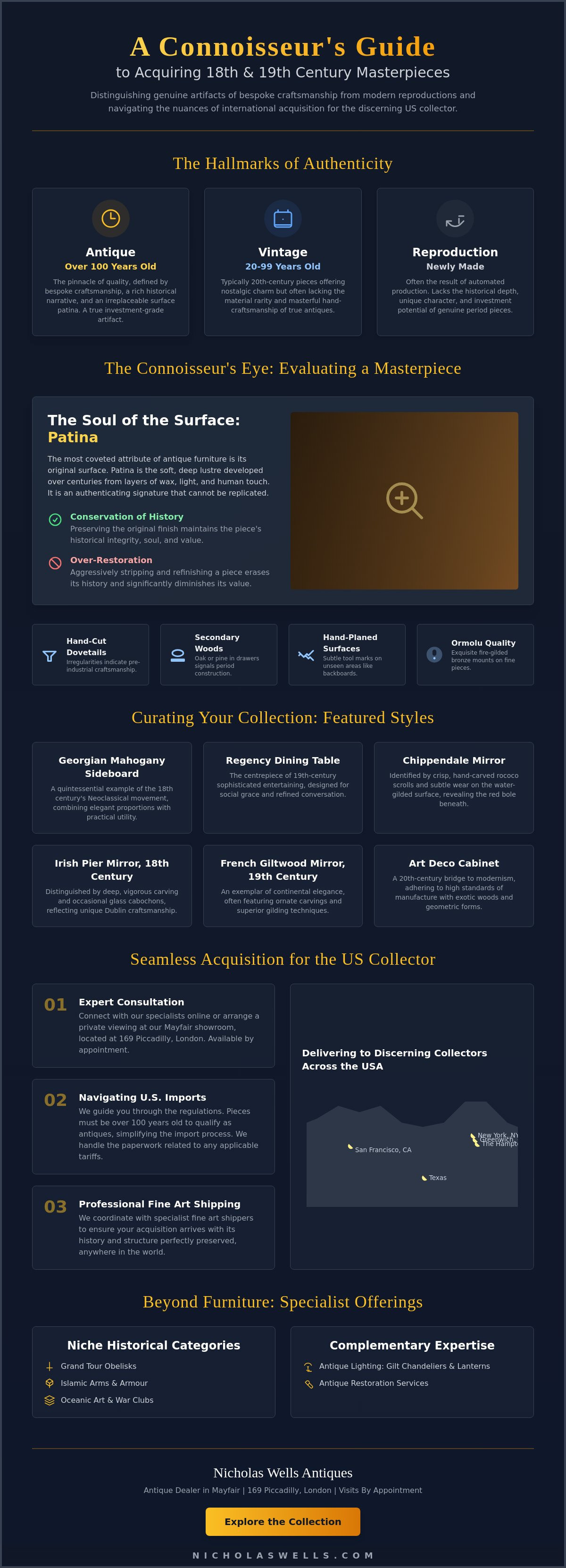
In the world of collecting, the distinction between antique and vintage is critical. The 100-year rule is more than a simple chronological marker; it separates objects of significant historical value from those of more recent stylistic trends. While vintage pieces from the 20th century possess their own charm, 18th and 19th-century antiques typically hold superior investment value due to their rarity, craftsmanship, and historical provenance. An essential component of this value lies in what collectors call the "surface of history"—a unique lustre and depth of colour, or patina, that develops over centuries of use, waxing, and exposure to light. This is an inimitable quality that cannot be replicated, serving as a visual record of the object’s journey through time.
The Connoisseur’s Eye: Evaluating Patina and Period Styles
For the seasoned collector, the "original surface" of an antique is paramount. An untouched patina is a delicate historical document, and over-zealous restoration can strip away not only the finish but a significant portion of the object’s character and value. A connoisseur learns to read the subtle signs of age and authenticity, from the intricate carving and gilding on a Chippendale mirror to the elegant, architecturally inspired lines of a Regency dining table, which was the centrepiece of 19th-century social life. Similarly, the structural hallmarks of an Irish pier mirror from the 18th century—often bolder and more sculptural than its English counterparts—tell a story of regional style and craftsmanship.
Identifying Mastery in Georgian and Regency Furniture
Authenticity in antique furniture can be verified through careful examination of its construction. Period details such as hand-cut dovetail joints, the use of secondary woods (like oak or pine for drawer linings), and the subtle, uneven marks left by a hand-plane are all crucial markers. These are the quiet signals of quality that distinguish a genuine period piece from a later reproduction. While Georgian and Regency styles define classicism, the Art Deco cabinet represents a fascinating bridge to modernism, with its bold geometric forms and luxurious materials. Within the finest French furniture of the 18th century, another term of note is "ormolu"—the intricate, fire-gilded bronze mountings that provided both protection and opulent decoration.
The Role of Antique Lighting in Period Interiors
The right lighting is essential to completing a period interior, and authentic antique fixtures offer a quality of light and sense of history that modern reproductions cannot match. The transformative power of magnificent gilt chandeliers can define a grand room, their crystal drops and gilded frames creating a spectacular play of light. For halls and entryways, antique lanterns provide architectural structure and a warm, welcoming glow. Furthermore, the strategic placement of items from an antique mirrors collection can amplify the effect of this lighting, creating an illusion of space and reflecting the beauty of the period details throughout the room.
Integrating Antique Furniture into Modern American Interiors
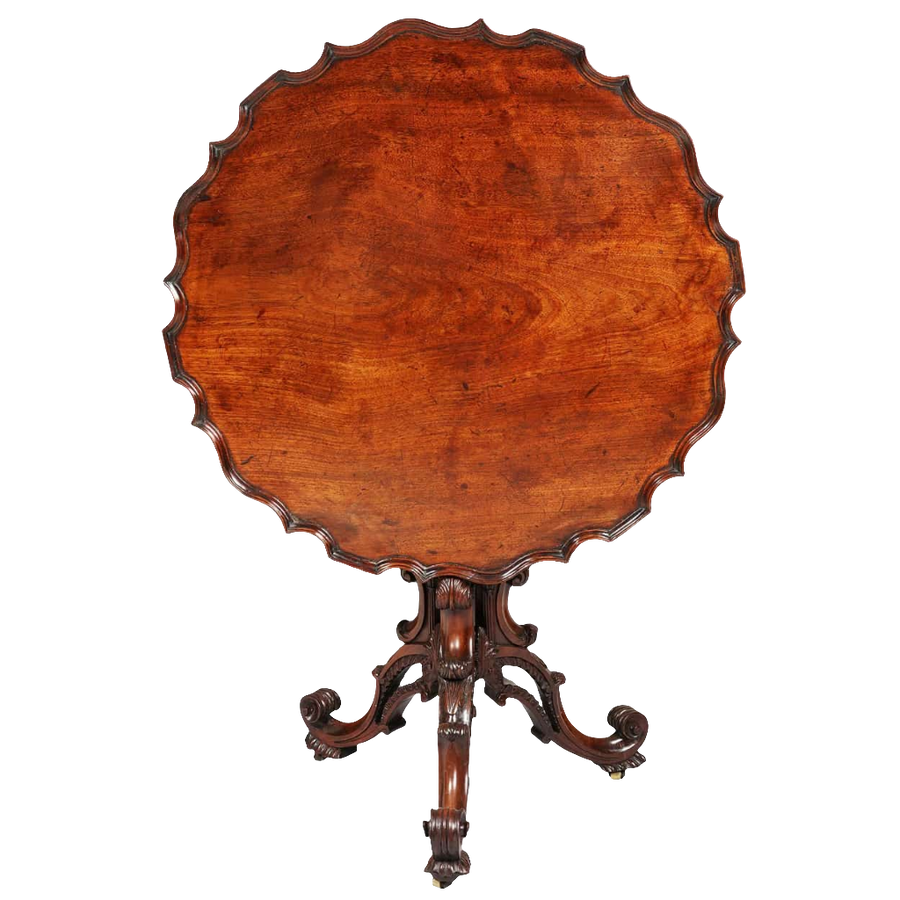
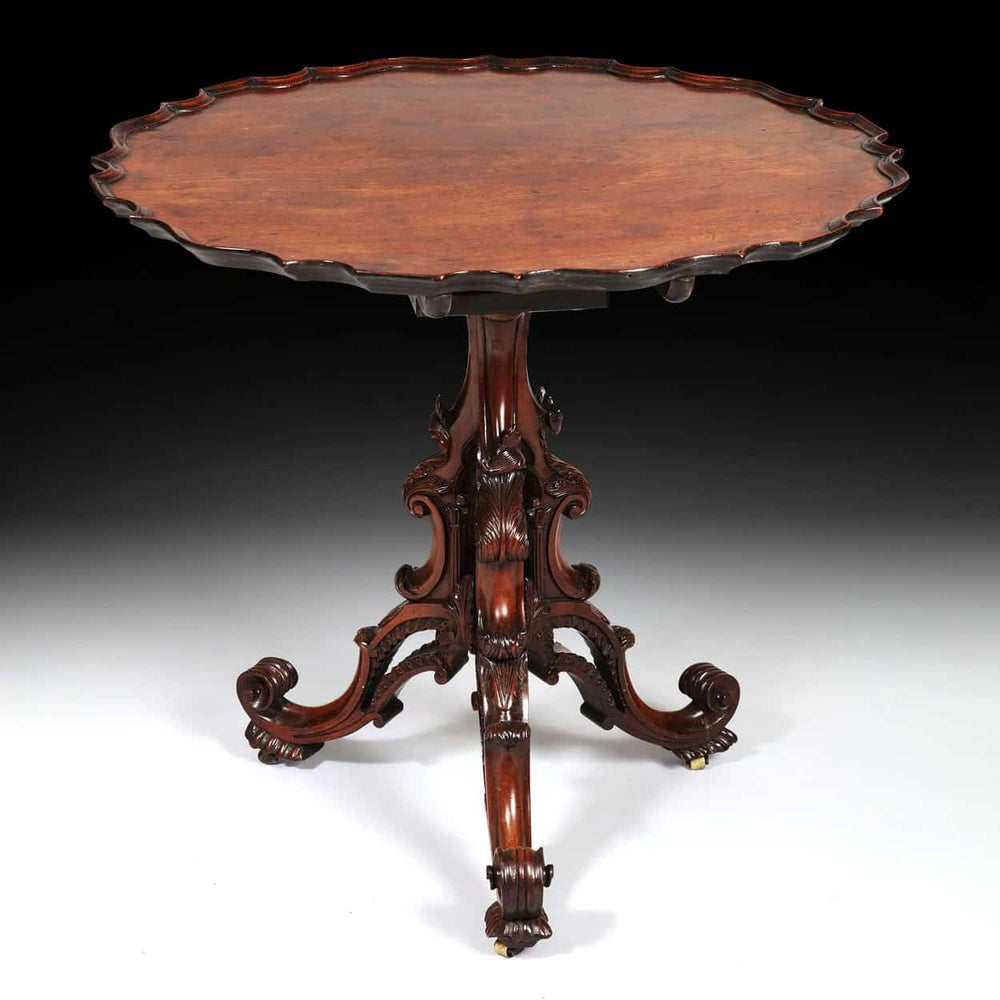
The fear that antiques are too formal for modern living is a common misconception. In reality, the juxtaposition of period craftsmanship with contemporary design creates interiors of unparalleled character and sophistication. The classic "Town and Country" aesthetic, popular in exclusive American enclaves from Greenwich, Connecticut, to the Hamptons, masterfully blends the refined elegance of English antiques with a relaxed, modern sensibility. An antique centre table, for instance, can serve as a powerful focal point in a minimalist New York foyer, its rich history providing a compelling contrast to clean lines. In the dynamic residences of San Francisco and Texas, rare antiquities are often placed alongside modern art, creating a dialogue between past and present.
Practical Logistics for the International Collector
For the American-based collector, acquiring fine antiques from London has never been more straightforward. Nicholas Wells Antiques has extensive experience in managing the logistics of worldwide delivery, ensuring that every piece arrives safely and efficiently. We work exclusively with professional fine art shippers who specialise in handling high-value items, providing fully insured transit from our base in London to major US hubs, including California and New York. Our white-glove delivery services ensure that your acquisition is handled with the utmost care from door to door, making the process of international collecting a seamless and worry-free experience.
The Importance of Conservation and Restoration
Preserving the historical integrity of an object is our highest priority. Every piece sold by Nicholas Wells Antiques includes a complimentary restoration service, performed by master craftspeople who specialise in traditional techniques. Our approach to conservation is conservative and respectful, focused on preserving the "unique antique surface" while ensuring the piece is structurally sound and ready for use in a modern home. This careful balance of preservation and restoration ensures that the soul of the piece—its history and patina—remains intact for generations to come. For collectors seeking to create a truly timeless space, understanding how to blend these historical pieces is key to achieving a sophisticated aesthetic. Our guide on interior design with antiques offers further insights into this curated approach.
Curating a Unique Collection with Nicholas Wells Antiques
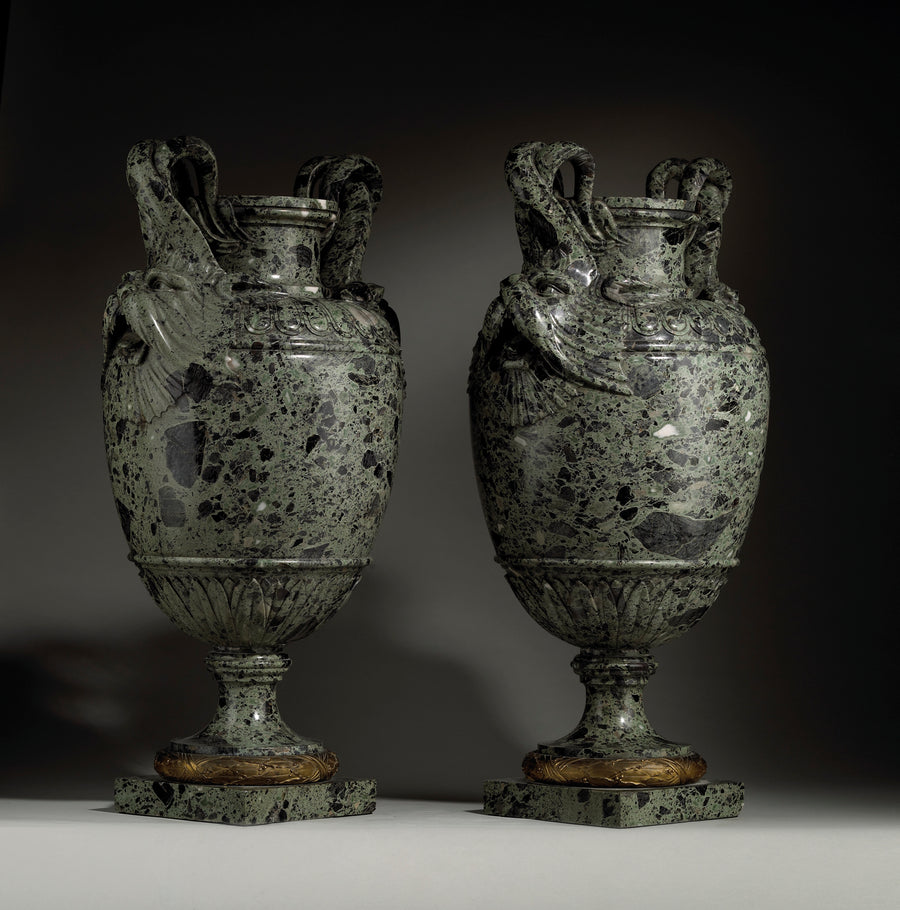
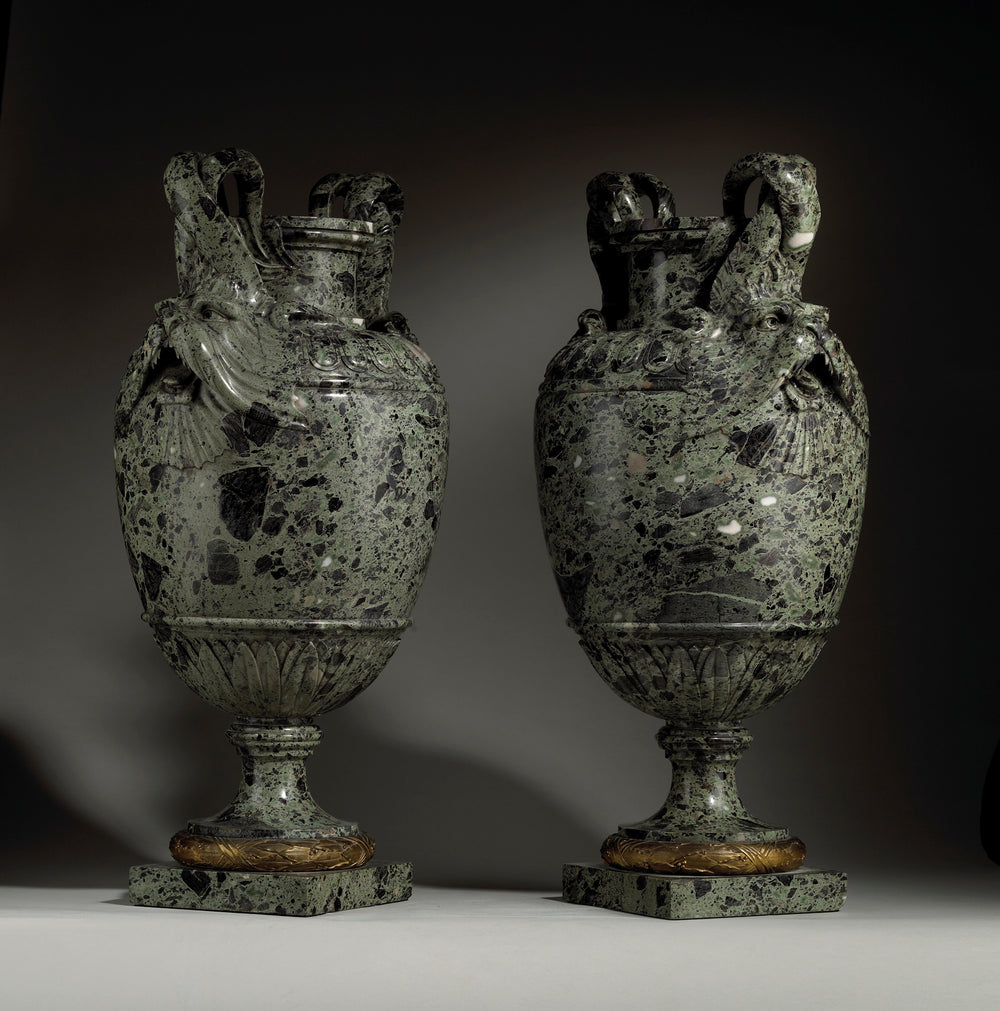
As a specialist dealer based in London, Nicholas Wells Antiques offers a curated online gallery of fine furniture and works of art for an international clientele. Our collection is not merely an inventory but a selection of hand-picked objects, each chosen for its exceptional quality, rarity, and historical significance. We invite serious collectors and interior decorators to view our collection as a gallery of works of art, where each piece has been vetted with a connoisseur's eye. Our niche expertise extends to categories that transcend typical furniture, including rare Grand Tour objects, with a particular focus on prized marble obelisks that once graced the cabinets of 18th-century aristocrats.
Beyond Furniture: Works of Art and Sculpture
A truly sophisticated interior is layered with objects that tell diverse stories. To complement our fine antique furniture, we offer a collection of sculpture and European objects that add intellectual depth and aesthetic intrigue. The scholarly appeal of Islamic arms and armour or the powerful, abstract forms of Oceanic tribal art, such as ceremonial war clubs, can serve as striking sculptural elements in a contemporary setting. These pieces elevate an interior from simply well-decorated to a space of genuine cultural curation. For those intrigued by the historical context of such items, our guide to Grand Tour objects provides a deeper exploration of their enduring appeal.
A Bespoke Online Experience
We encourage interior decorators and private collectors to explore our curated collection online and engage with us directly. As a trusted advisor to a global elite, Nicholas Wells Antiques provides a personal and knowledgeable service, assisting clients in sourcing exceptional pieces for their projects and collections. Our role is to provide not only an object of beauty but also its history, context, and the assurance of its quality and authenticity. We invite you to begin your journey of discovery and acquisition with us.
Explore the complete Nicholas Wells Antique Furniture Collection.


Leave a comment