



Museum Quality Antiques for Sale: A Connoisseur’s Guide to Exceptional Acquisition
What if the most compelling narrative in your residence isn't the architecture itself, but the silent history etched into the surface patina of an 18th-century masterpiece? For the sophisticated collector in New York or the Hamptons, the pursuit of museum quality antiques for sale often carries anxiety regarding authenticity or the perils of international transit. You likely recognise that a true cultural artefact requires more than just age; it demands documented provenance and conservation that honours its original character. Nicholas Wells Antiques serves as a scholarly bridge for those who refuse to settle for over-restored reproductions or the shallow context of generalist dealers in Mayfair.
With the market projected to reach $229.7 billion by 2035, this guide provides the clarity required to acquire investment-grade focal points, from Georgian mahogany sideboards to rare Grand Tour objects, with confidence. You'll discover the rigorous standards of historical significance and the methods we employ to ensure treasures arrive safely at your estate. We'll also address U.S. import regulations, including HTS 9706 duty-free status, and how our specialist fine art shippers manage the transition from our Piccadilly gallery to your home in Texas or Greenwich, supported by our bespoke restoration services to preserve your investment.
Key Takeaways
- Identify the rigorous criteria of rarity and documented provenance that elevate an object from fine furniture to a significant cultural artifact.
- Discover how to evaluate museum quality antiques for sale by prioritising the original surface patina and the ethics of professional conservation.
- Explore the scholarly appeal of niche categories, including the architectural precision of Grand Tour obelisks and the sculptural power of Oceanic tribal art.
- Learn how to manage the complexities of international acquisition, including duty-free HTS 9706 status and professional fine art delivery to major U.S. hubs like New York and the Hamptons.
- Understand the value of a scholarly partnership with a Mayfair specialist to ensure every acquisition serves as an investment-grade focal point for your interior.
What Defines Museum Quality Antiques for the Private Collector?
The term "museum quality" is often deployed with a certain liberal enthusiasm by generalist dealers, yet for the discerning collector, it represents a precise intersection of rarity, untouched condition, and historical gravitas. When evaluating museum quality antiques for sale, one must look beyond the immediate aesthetic appeal to find an object that serves as a primary document of its era. These pieces are characterised by a synergy of exceptional craftsmanship and a narrative that extends far beyond the domestic sphere. For our clients in New York or Greenwich, Connecticut, acquiring such a piece isn't merely a purchase; it's the stewardship of a significant cultural artefact.
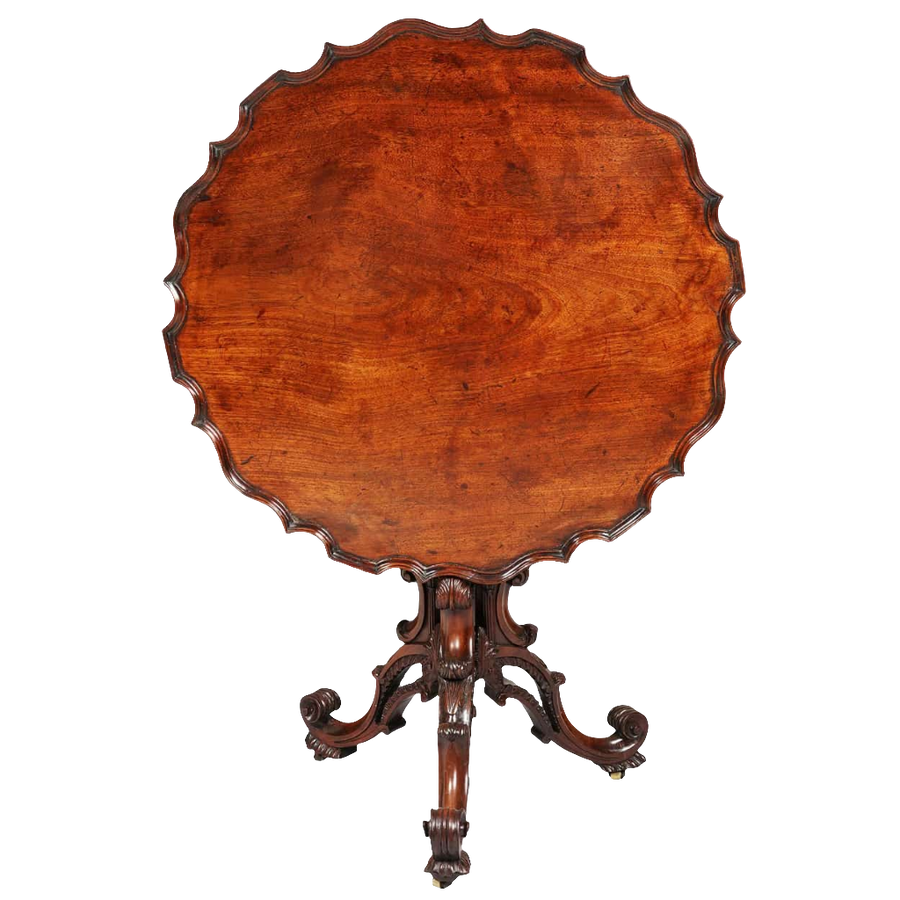
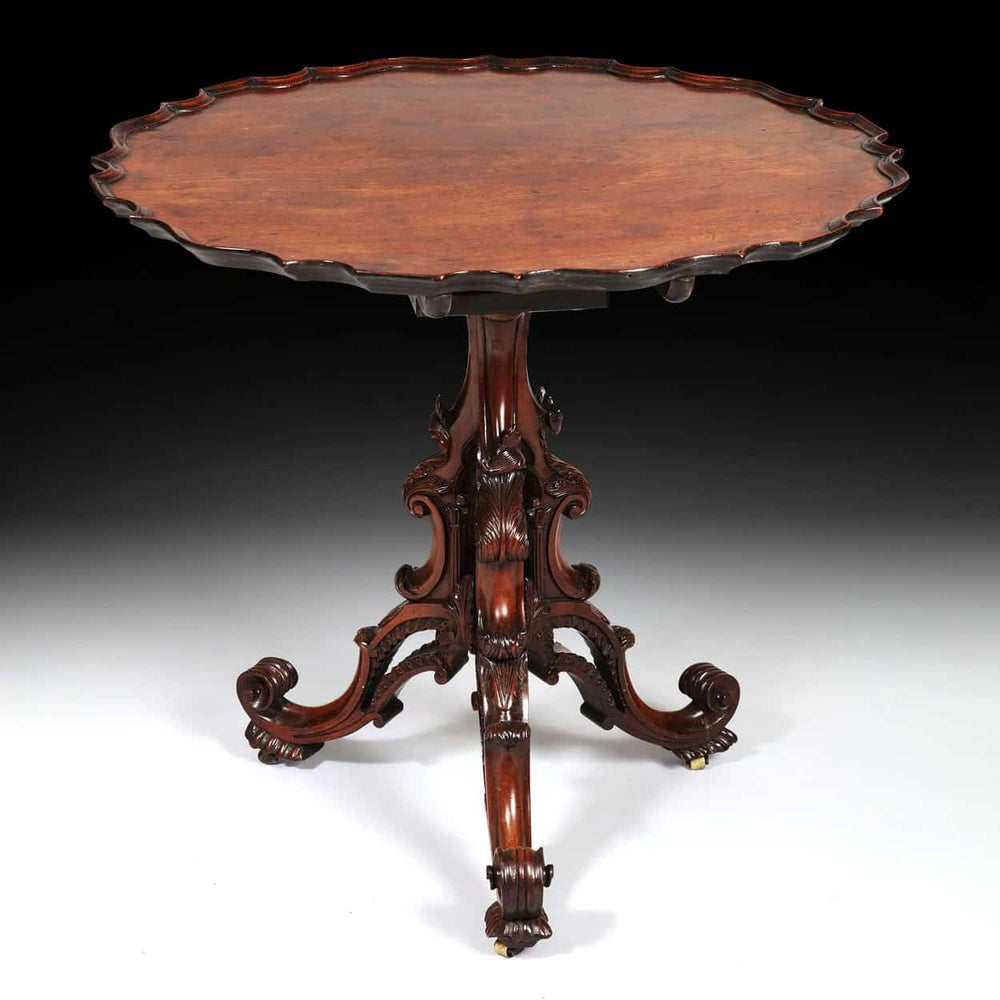
The pinnacle of this category is frequently found in 18th and 19th-century English and Continental furniture. A Georgian mahogany sideboard or an Irish pier mirror from the 1700s represents a zenith of cabinet-making that contemporary methods cannot replicate. These items possess an inherent cultural significance that demands Expert Restoration and Conservation to maintain their integrity. Unlike high-end decorative pieces which may be over-restored to suit modern tastes, investment-grade items prioritise the conservation of history and the preservation of the unique antique surface.
The Significance of Provenance and Rarity
A documented history doesn't just add prestige; it bestows a soul upon the object. Provenance provides the essential paper trail that links a Regency dining table or a Chippendale mirror to its original commission, often within a titled estate or a notable collection. Identifying "museum-worthy" signatures or maker marks from the Georgian era is a task for the specialist. At Nicholas Wells Antiques, we focus on these singular details, ensuring that every acquisition in our Piccadilly gallery meets the rigorous standards expected by collectors in the Hamptons or San Francisco. True rarity is found in the "unbroken narrative," where the object's journey through time is as clear as its physical beauty. This clarity is what distinguishes a mere antique from a masterpiece worthy of a museum's permanent collection.
Curating the Extraordinary: From Grand Tour Obelisks to Georgian Masterpieces
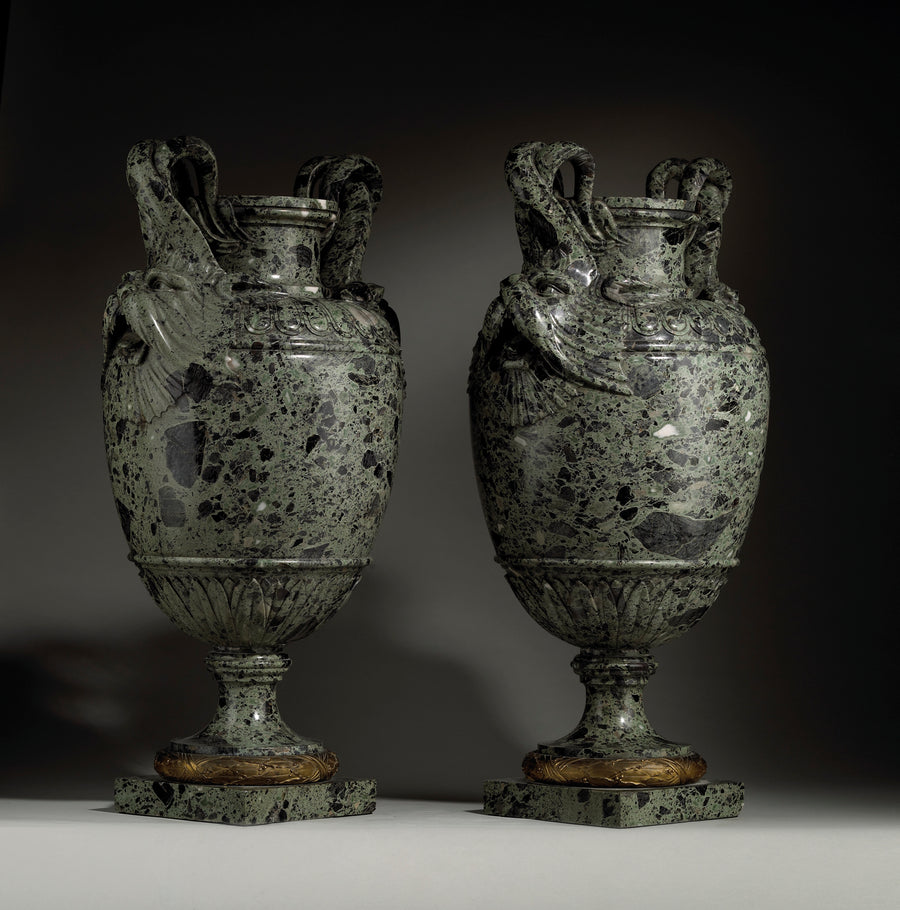
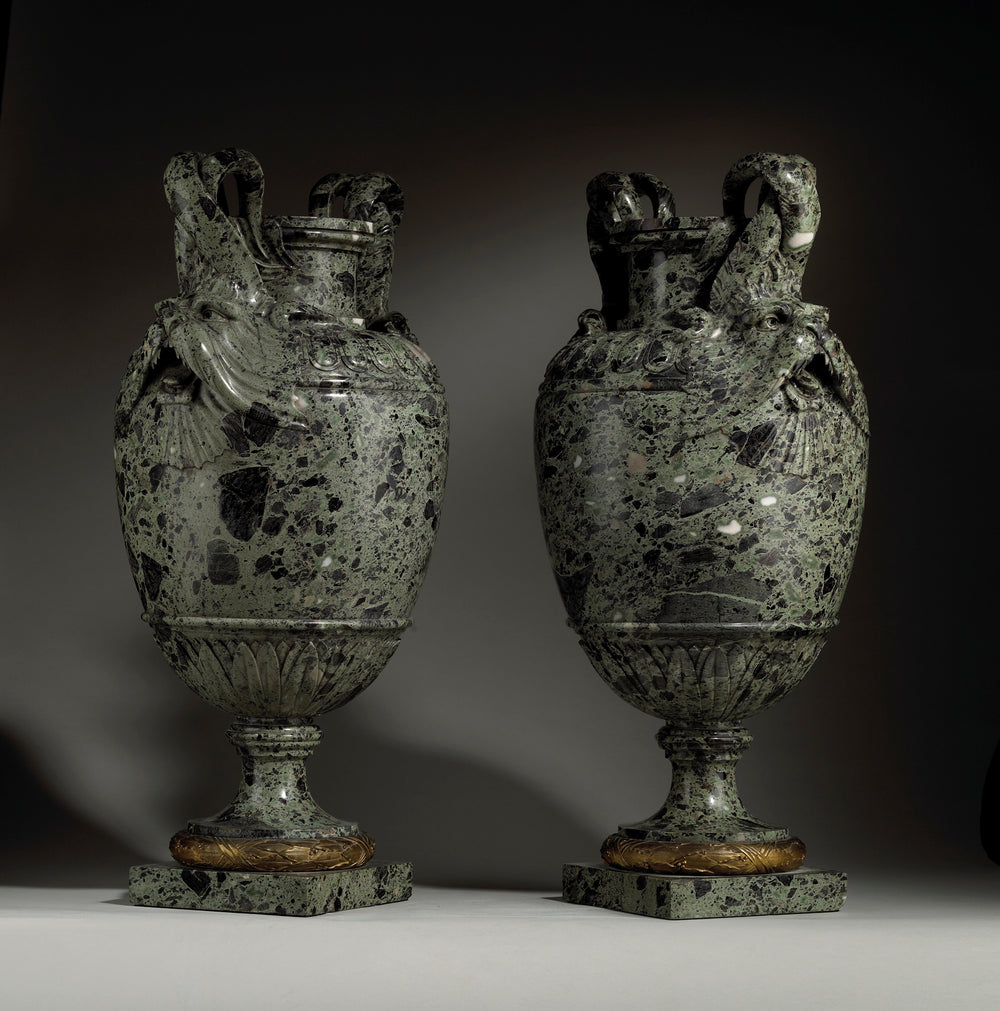
The curation of a truly exceptional interior relies on the dialogue between disparate cultures and eras. A collection of museum quality antiques for sale should offer more than just chronological consistency; it should provide a narrative of global exploration and refined taste. Consider the architectural poise of Grand Tour objects, specifically the rare marble or porphyry obelisks that once served as scholarly souvenirs for the 18th-century elite. These pieces, alongside the sculptural intensity of Oceanic tribal art, transform a residence from a mere living space into a private gallery. It's a sophisticated mix.
18th and 19th Century English Furniture
A Georgian mahogany sideboard often acts as the definitive anchor of a formal dining room, commanding attention through its rich grain and neoclassical proportions. Its presence is frequently complemented by the intricate carving of a Chippendale mirror or the sophistication of a Regency dining table, which evokes the height of early 19th-century social entertaining. These pieces are not just furniture; they're investment-grade foundations for a luxury home in Greenwich or the Hamptons. Nicholas Wells Antiques ensures that each piece retains the surface patina that collectors in Texas and California demand. For those wishing to inspect these treasures in person, our Mayfair showroom at 169 Piccadilly is available to visit by appointment.
Specialist Works of Art: Beyond the Conventional
Niche categories like Indian and Islamic arms and armour offer unique decorative merit, where the craftsmanship of a damascened blade or a silver-mounted hilt rivals the finest jewellery. For those focusing on the entry experience, the placement of antique centre tables in contemporary foyers provides a sophisticated focal point. When acquiring museum quality antiques for sale internationally, understanding U.S. regulations on exporting cultural property is vital for a seamless transition. To illuminate these treasures, one might consider the functional sculpture of gilt chandeliers or antique lanterns, which cast a light that honours the history of every object. You can browse our latest antique furniture collection to discover your next singular acquisition.
The Importance of Surface Patina and Expert Restoration
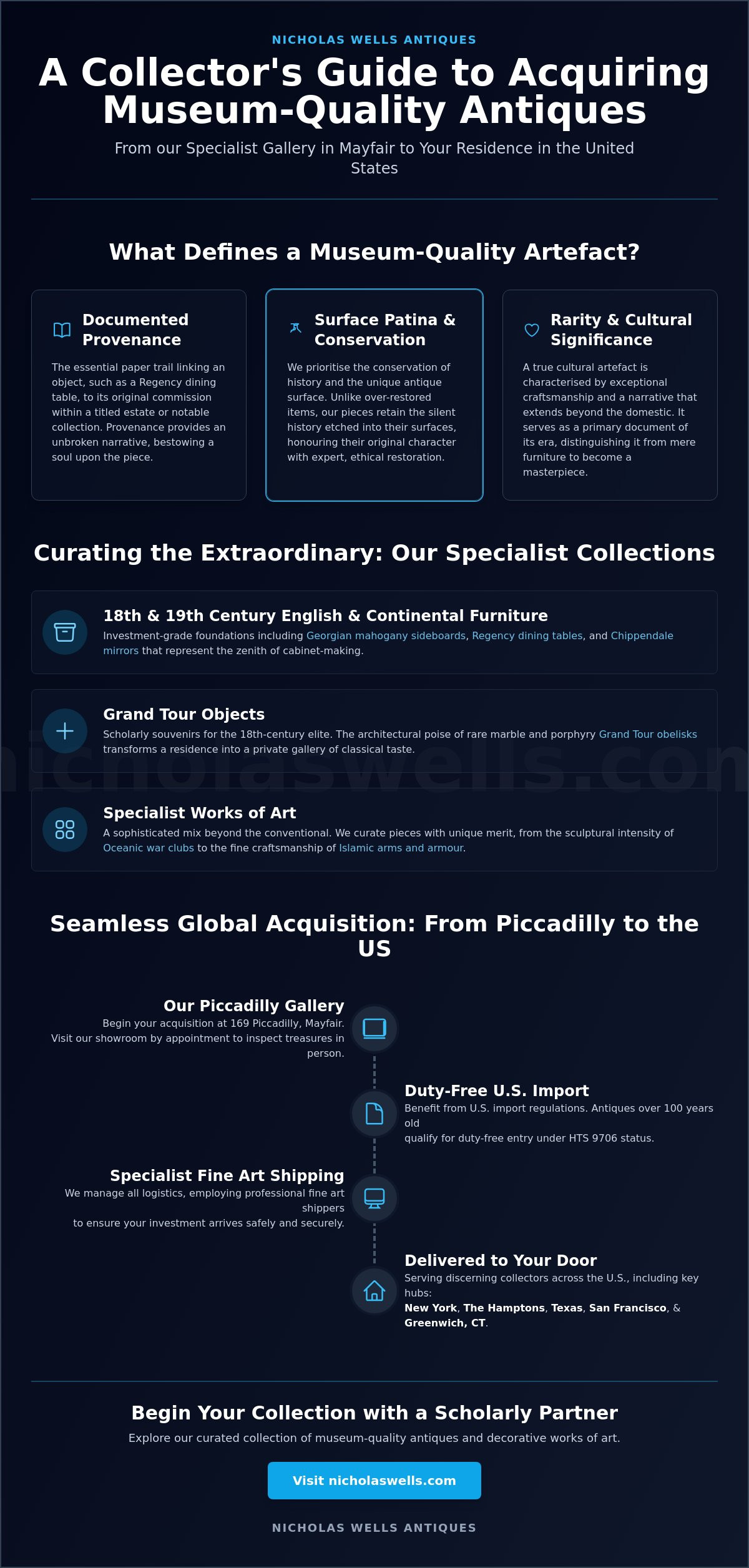
The surface patina represents the soul of an object, a delicate accumulation of oxidation, light exposure, and careful use that serves as an immutable witness to its journey through time. It's the skin of history. For the discerning collector in New York or San Francisco, this surface is the primary marker of authenticity and value. When sourcing museum quality antiques for sale, one must distinguish between the sympathetic preservation of an original finish and the destructive over-restoration often found in generalist trade circles. True luxury resides in the "untouched" quality that only centuries can bestow.
Our philosophy at Nicholas Wells Antiques centres on the conservation of history rather than the erasure of character. This approach is particularly critical for cabinet furniture, where the depth of a French polish or the softness of a wax finish directly correlates to the piece's investment value. We offer complimentary restoration services to our clients, ensuring that every acquisition maintains its structural integrity without sacrificing its unique antique surface. This ensures that a Georgian mahogany sideboard or a Regency dining table remains a viable cultural artefact while meeting the aesthetic demands of a modern interior in the Hamptons or Greenwich.
Conserving History: The Nicholas Wells Approach
The process of cleaning giltwood requires a scholar's restraint and a master's touch. Consider the conservation of a French giltwood mirror 19th century or a finely carved Chippendale mirror. We don't simply re-gild; we stabilise the original leaf and gently remove centuries of grime to reveal the intended brilliance beneath. Reviving 18th-century timber involves similar nuance, using traditional recipes to nourish the wood while respecting the marks that tell its story. If you're looking to enhance your collection with pieces that have been professionally conserved to the highest standards, you may explore our latest furniture acquisitions to find a masterwork that resonates with your space.
Global Acquisition: Shipping Fine Art to New York, Texas, and Beyond
Acquiring a significant cultural artefact from a London-based specialist shouldn't feel like a logistical burden. While Nicholas Wells Antiques operates as a premier online gallery, our expertise is firmly rooted in the tradition of the high-end antique dealer in London. For the collector seeking museum quality antiques for sale, the transition from our showroom at 169 Piccadilly to a residence in the Hamptons or San Francisco is managed with scholarly precision. We act as a dedicated advisor, ensuring the journey of an object is as documented and secure as its provenance.
Professional fine art shippers are essential for the safe arrival of delicate antique mirrors and intricate works of art. These specialists understand the vulnerability of 18th-century giltwood and the necessity of climate-controlled environments, which standard carriers often overlook. Every international shipment is fully insured and meticulously documented. This includes providing the formal declarations required to confirm an item's age, allowing pieces over 100 years old to enter the United States duty-free under HTS Heading 9706. This rigorous attention to detail removes the friction from international collecting for our clients in New York and Greenwich, Connecticut.
Secure Worldwide Delivery for International Collectors
Large-scale acquisitions, such as a Regency dining table or a substantial Georgian mahogany sideboard, require white-glove delivery services. This ensures that the piece is not only transported but also carefully placed within your home in Texas or California by handlers who respect its historical weight. For more fragile treasures, we employ customised crating solutions that provide a protective cocoon against the rigours of global transit. By prioritising these bespoke logistics, Nicholas Wells Antiques ensures that the conservation of history continues uninterrupted in its new setting. You may view our current inventory to begin your next international acquisition with complete confidence.
Advancing the Legacy of Your Private Collection
Acquiring a significant piece of history requires a partnership rooted in expertise and a shared reverence for the past. You've explored how the synergy of documented provenance and an untouched surface patina distinguishes true masterpieces from the merely decorative. Whether your interest lies in the architectural precision of Grand Tour obelisks or the commanding presence of a Georgian mahogany sideboard, the focus remains on the conservation of history. Nicholas Wells Antiques bridges the distance between our Mayfair gallery and your residence in Greenwich or San Francisco with scholarly assurance.
Our commitment to excellence includes complimentary professional restoration on all items, ensuring each cultural artefact maintains its structural integrity for generations. We remove the complexities of international logistics through fully insured worldwide shipping, utilising fine art specialists who understand the nuances of high-value transit. When you seek museum quality antiques for sale, you're investing in a narrative that transcends time and geography. It's a journey that transforms a house into a curated sanctuary of heritage.
Browse our curated collection of museum quality antiques to discover a singular focal point that resonates with the character of your home. We look forward to assisting you in your pursuit of the extraordinary.
Frequently Asked Questions
What makes an antique museum quality?
An antique achieves museum-quality status through a rare combination of historical significance, documented provenance, and an untouched surface patina. It must serve as a primary cultural artefact that represents the absolute zenith of craftsmanship for its period. For example, a Georgian mahogany sideboard must possess its original timber and a clear narrative that links it to a notable estate or a significant historical commission.
How do you ship large antique furniture from London to the United States?
We utilise professional fine art shippers who specialise in the international transit of high-value items such as a Regency dining table. These experts manage custom crating and climate-controlled transport to ensure safe arrival in hubs like New York, Texas, or San Francisco. Most antiques over 100 years old enter the U.S. duty-free under HTS Heading 9706, and we handle all necessary documentation for a seamless delivery.
Is restoration included when I buy from Nicholas Wells Antiques?
Yes, we provide complimentary professional restoration for every item to ensure its longevity and structural integrity. Our philosophy prioritises the conservation of history rather than intrusive repair. We focus on preserving the unique antique surface of each piece, whether it is a French giltwood mirror 19th century or a delicate Art Deco cabinet, before it departs our gallery for your residence in the Hamptons or Greenwich.
Can I visit the Nicholas Wells showroom in Piccadilly?
Our showroom at 169 Piccadilly is available for clients to visit by appointment. While Nicholas Wells Antiques operates primarily as an online gallery to serve a global clientele, we welcome collectors to inspect our museum quality antiques for sale in person. This private viewing allows you to appreciate the weight, texture, and historical gravitas of our specialist works of art within a scholarly environment.
How do I verify the authenticity of 18th-century English furniture?
Verification requires a scholarly examination of construction techniques, timber species, and maker marks. One should look for specific markers of 18th-century production, such as hand-cut dovetails and correct wear patterns on drawer runners. We provide detailed historical narratives and provenance for our furniture, ensuring that every Chippendale mirror or Irish pier mirror 18th century meets the rigorous standards expected by a seasoned connoisseur.

Leave a comment