



The Dutch East India Company (VOC): A Connoisseur’s Guide to Global Trade and Decorative Arts
Could the very essence of 18th-century European opulence be entirely dependent on a single maritime monopoly? Since its founding in 1602, the Dutch East India Company didn't just dominate spice routes; it fundamentally reshaped the aesthetic vocabulary of the Western world. You likely recognise the profound allure of a finely aged patina on a rare exotic wood, yet identifying the specific colonial influences that separate a museum-quality artefact from a common reproduction can be a daunting task for even the most seasoned collector.
At Nicholas Wells Antiques, we understand that true luxury resides in the storied journey of an object, whether it's a Grand Tour obelisk or a rare piece of Oceanic art. This guide will help you discover how the Dutch East India Company’s maritime monopoly transformed 18th-century European luxury, from the shimmering depths of Coromandel lacquer to the structural integrity of the finest tropical hardwoods. We'll provide the scholarly context required to identify rare materials like padauk and ebony, ensuring your collection reflects the distinguished provenance it deserves. From our online gallery, where we offer international shipping and expert restoration, to our private showroom available by appointment near Piccadilly, we invite you to explore the extraordinary intersection of global trade and fine decorative arts.
Key Takeaways
- Understand the monumental legacy of the dutch east india company as the catalyst for global trade routes that defined the height of 18th-century European luxury.
- Discover how the arrival of exotic Coromandel lacquer and tropical hardwoods like padauk and teak revolutionised the craftsmanship of fine period furniture.
- Explore the evolution of Chinoiserie and the decorative significance of blue and white porcelain in creating the most distinguished interior arrangements.
- Learn the connoisseur’s approach to identifying Dutch Colonial influence, focusing on the preservation of original surface patina and historical authenticity.
- Find out how Nicholas Wells Antiques curates these rare VOC-era treasures, with international shipping available and private viewings by appointment near Mayfair.
The Rise of the Vereenigde Oost-Indische Compagnie (VOC)
To understand the genesis of the finest European decorative arts, one must first look to the 1602 charter of the Dutch East India Company. This entity didn't just facilitate trade; it redefined the global landscape. As the world's first multinational corporation, the dutch east india company stood at the heart of the Dutch Golden Age. It wasn't merely a commercial venture but a sovereign power that dictated the aesthetic trajectory of the 17th and 18th centuries. At Nicholas Wells Antiques, we often encounter pieces whose DNA is inextricably linked to this era of maritime dominance. The transition from a monopoly over exotic spices to a purveyor of magnificent luxury goods laid the groundwork for the Georgian mahogany and Chippendale styles that collectors in Mayfair and Piccadilly still prize today.
1602: The Birth of a Global Maritime Power
The birth of this maritime titan involved the strategic consolidation of several smaller Dutch trading firms into a single, state-backed entity. The VOC held unprecedented powers; it could wage war, coin its own currency, and establish entire colonies. This concentration of power generated immense capital, which in turn funded the creation of extraordinary art and furniture. For the discerning connoisseur, the provenance of an object often traces back to the wealth generated during this period. The company's reach meant that rare materials like ebony and lacquer began to appear in European workshops, forever altering the texture and patina of high-end cabinet furniture. Our London-based antique dealing expertise often highlights how these materials arrived via these ancient trade routes before being transformed by master craftsmen.
The Spice Trade and the Wealth of Nations
In the early 17th century, the dominance of nutmeg, cloves, and mace from the Spice Islands provided the financial bedrock for the Dutch Republic. These were not just culinary ingredients; they were liquid gold. The profits allowed the Dutch elite to commission the most distinguished craftsmen of the age. This surge in wealth created a ripple effect across the Continent, influencing the Grand Tour culture and the demand for sophisticated domestic objects. The influx of capital ensured that the preservation of the unique antique surface became a hallmark of quality, a standard we continue to uphold through our antique restoration services. Whether it's a Regency piece or a French giltwood console, the echoes of VOC trade routes are visible in the choice of timber and the intricacy of the marquetry.
While Nicholas Wells Antiques operates as an elite online gallery, our showroom is available to visit by appointment for those seeking a personal encounter with history. We ensure that the soul of every object is preserved, offering secure international shipping to collectors worldwide. The dutch east india company remains a central chapter in the story of every Irish pier mirror or Chippendale desk we curate, representing a time when trade and art were beautifully, indissolubly linked.
Exotic Materials: How the VOC Transformed European Interiors
The expansion of global trade routes in the 17th century introduced materials that would forever alter the aesthetic of the European home. Central to this transformation was the dutch east india company, which established a dominance over maritime commerce that allowed rare timbers and finishes to reach the workshops of London and Amsterdam. The history of the Vereenigde Oost-Indische Compagnie reveals a sophisticated network that prioritised the acquisition of luxury goods, moving beyond spices to include materials of immense decorative value. This influx of exoticism challenged traditional craftsmanship, forcing a shift from the heavy, light-coloured oak of the Tudor period to the deep, dense textures of the East.
Coromandel Lacquer and the Art of the Screen
The 17th century saw the arrival of magnificent incised lacquerwork, known as Coromandel lacquer, named after the south-eastern coast of India where VOC ships often stopped. This laborious process involved applying multiple layers of lacquer over a wood base, then carving through the dark surface to reveal intricate scenes that were subsequently coloured. Nicholas Wells Antiques often highlights how these rare pieces were disassembled by European craftsmen to create bespoke cabinet furniture for the grandest houses. Integrating these panels into commodes or secretaires allowed the elite to showcase their global reach through their interior decor. It's a testament to the enduring allure of these surfaces that they remain a focal point for any fine antiques dealer today.
The Lure of Ebony and Rare Hardwoods
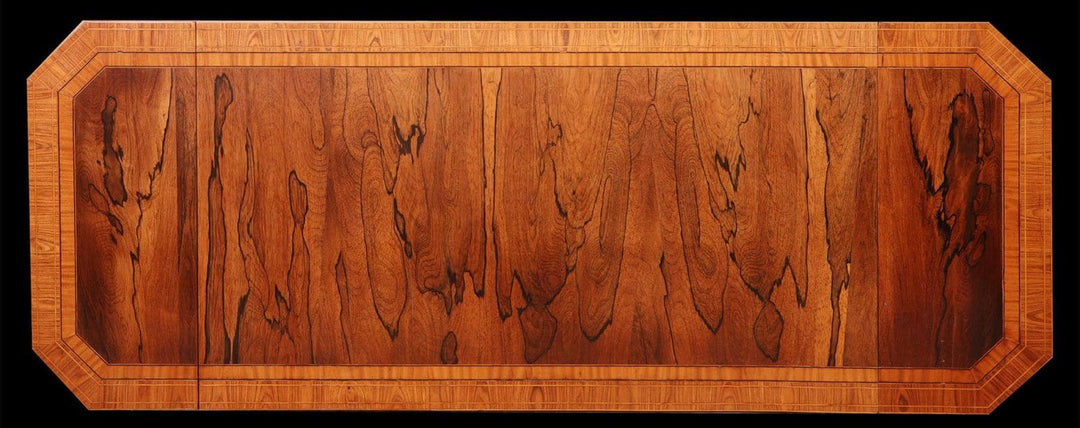
The arrival of tropical hardwoods shifted the focus of furniture making from native oak and walnut to denser, more lustrous materials. Ebony became a hallmark of Dutch and Flemish craftsmanship, particularly in the production of ripple-moulded frames and elaborate cabinets where its deep black hue provided a superb contrast to silver or ivory inlays. By the 1720s, the increasing availability of these timbers influenced the transition toward the "Age of Mahogany," as trade routes became more established. Padauk is a dense, fragrant wood often mistaken for rosewood but with a distinct VOC provenance. This "red gold" of the 18th century was prized for its extraordinary grain patterns and durability, frequently appearing in high-end Georgian furniture. Identifying these timbers requires a keen eye for density and the unique patina that develops over centuries of careful preservation.
As a specialist luxury antiques dealer, Nicholas Wells Antiques ensures that each piece in our collection retains its original surface and historical integrity. We invite you to browse our antique furniture collection to discover these rare materials firsthand. Our showroom is available to visit by appointment for those seeking a personal consultation in London, and we provide expert international shipping to ensure your acquisition arrives in pristine condition.
The Aesthetic Impact: Chinoiserie and the VOC Influence
The Dutch East India Company acted as the primary conduit for a stylistic revolution that reshaped European interiors throughout the 17th and 18th centuries. Chinoiserie wasn't an accurate depiction of Asian life but a whimsical, European-conceived fantasy of the 'Orient' that thrived on the steady stream of VOC imports. This aesthetic movement allowed designers to escape the rigid symmetries of Classicism, favouring the asymmetrical, the floral, and the fantastic. By 1754, when Thomas Chippendale published The Gentleman and Cabinet-Maker's Director, the 'Chinese' taste was firmly established, influencing everything from fretwork on chairs to the intricate designs of lighting and lanterns that cast an exotic glow across grand drawing rooms.
Porcelain and the 'Kraak' Ware Revolution
The arrival of 'Kraak' ware, named after the Portuguese naus or 'carracks' captured by the Dutch in 1602 and 1604, introduced a new level of sophistication to the European table. Wanli and later Kangxi porcelain became essential components of the 17th-century collector's cabinet. In English country houses, these blue and white treasures were often arranged in massive, tiered displays on mantelpieces or above doorways to signal the owner's wealth and global reach. The impact extended beyond the ceramic itself; the cobalt blue motifs and delicate floral sprays found on these vessels directly informed the development of European textile patterns and hand-painted wallpapers, creating a cohesive aesthetic of imported luxury.
Adapting the Exotic for Georgian Homes
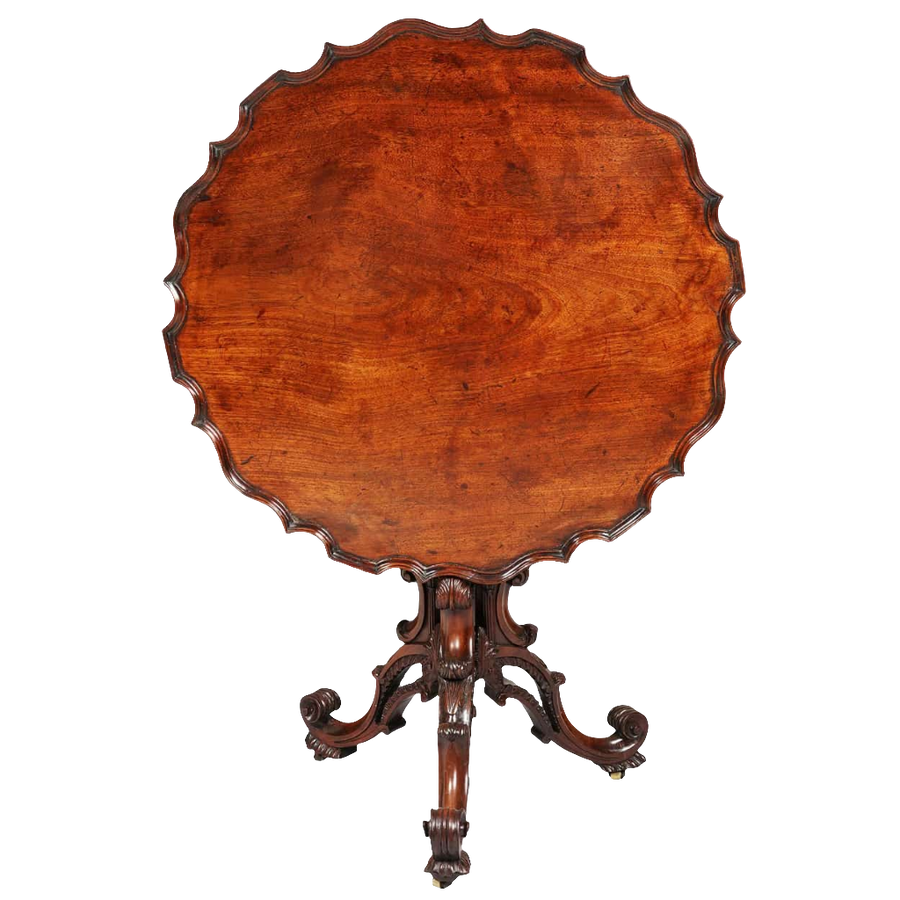
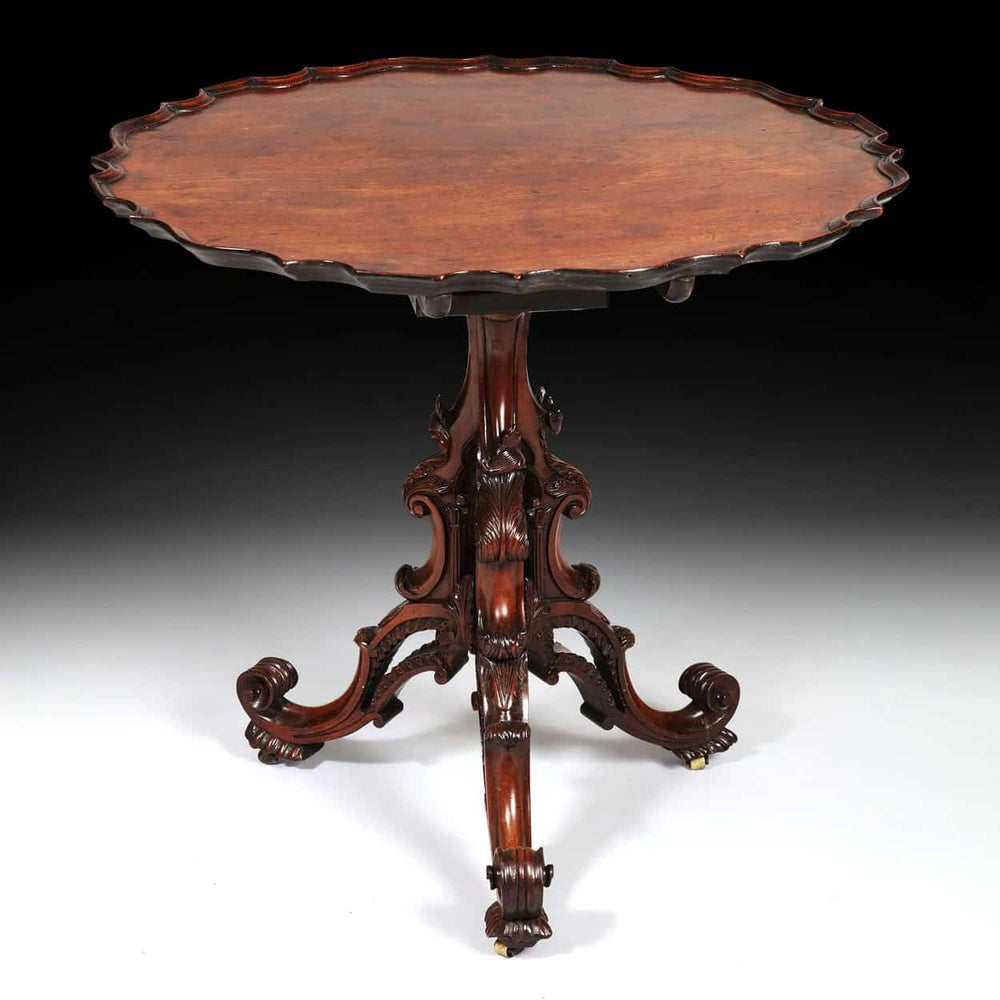
As the Georgian era progressed into the Regency period, the appetite for the exotic evolved from mere imitation to a sophisticated synthesis of Eastern materials and Western forms. Craftsmen began to experiment with rare timbers and finishes brought back by the dutch east india company, incorporating coromandel, lacquer, and intricate marquetry into traditional furniture shapes. This fusion is particularly evident in the evolution of antique centre tables, which often featured exotic veneers and stone inlays to serve as the focal point of a room. These pieces represent a bridge between the grandeur of the past and the requirements of modern luxury living, maintaining a presence that is both historic and timeless. For those seeking the perfect arrangement, our Antique Centre Tables Guide provides detailed insights into the historical placement and styling of these magnificent objects within a contemporary interior.
The legacy of the dutch east india company remains visible in the patina of every lacquered cabinet and the vibrant glaze of every porcelain vase. Nicholas Wells Antiques continues to source these extraordinary examples of global trade, ensuring that the unique antique surface and historical soul of each piece are preserved for future generations of connoisseurs. Our commitment to excellence includes expert antique restoration and the convenience of international shipping, allowing these significant cultural artifacts to find new homes in prestigious collections worldwide.
Identifying VOC-Era Influence in Fine Antiques
Discriminating collectors look for the subtle interplay between European forms and Eastern materials. By 1750, the dutch east india company had established a sophisticated aesthetic vocabulary that merged exotic timbers like ebony, calamander, and teak with traditional Dutch cabinet-making techniques. Identifying these pieces requires a trained eye for Asian and Oriental works of art that exhibit the rigorous standards of 18th-century Dutch design. These objects represent a unique period where the craftsmanship of the East met the functional requirements of the West.
The Preservation of the Unique Antique Surface
Nicholas Wells Antiques prioritises the conservation of original patina, as this layer of oxidation and history is entirely irreplaceable. A sympathetic restoration focuses on stabilising the structure while retaining the character marks of three centuries; conversely, over-polishing strips away the vital historical narrative of the timber. Patina is the soul of an antique, reflecting centuries of history and care through its depth and lustre. When examining a piece from the 1700s, look for the following surface indicators:
- Natural wear patterns on the arms of seating and the edges of table tops.
- A deep, mellow glow that only develops through centuries of wax application.
- The presence of original hand-forged brass mounts that have aged in situ.
- Evidence of 18th-century hand-tooling on secondary timbers such as teak or camphor wood.
Provenance and the Dutch Colonial Legacy
The journey of a colonial cabinet from a dutch east india company trading post in Batavia to a prestigious London gallery adds significant layers of historical and financial value. We look for specific inventory marks, such as the VOC monogram or 18th-century warehouse stamps, to verify authenticity and establish a direct link to the Dutch Golden Age. These pieces often shared space with Grand Tour Objects in the great houses of Europe, marking the owner as a person of global influence and refined taste.
Establishing provenance involves a meticulous review of historical records and auction histories. A piece with a documented trail back to a specific colonial administrator or a known 18th-century collection carries a prestige that transcends its physical form. This scholarly approach ensures that every item we offer is not just a decorative object, but a verified cultural artefact. While our gallery operates primarily online, we welcome collectors to examine these extraordinary details in person at our showroom, available to visit by appointment.
Discover our curated selection of rare colonial pieces and view the full works of art collection today.
Collecting History: The VOC Legacy at Nicholas Wells Antiques
Nicholas Wells Antiques serves as a sophisticated bridge between the grand maritime history of the 17th century and the refined interiors of the 21st century. We curate a selection of rare objects that reflect the vast reach of the dutch east india company, focusing on pieces that possess a distinct soul and an undisturbed patina. These aren't just inventory; they're significant cultural artifacts that tell stories of global exchange. Our collection captures the era when the world first became truly interconnected through trade and artistry.
Sourcing Extraordinary Objects from the Age of Exploration
Our acquisition process prioritizes unique pieces with exceptional provenance and historical integrity. We specialise in Indian and Islamic works of art, alongside Regency furniture and Georgian mahogany pieces that often display the direct influence of Eastern trade routes. For interior designers seeking a singular focal point for luxury projects, we offer a diverse range of items from 18th-century Irish pier mirrors to intricate war clubs and Grand Tour obelisks. Every item in our gallery is selected for its ability to anchor a room through its magnificent craftsmanship and superb condition.
- Exceptional Surface Quality: We place immense value on the preservation of the unique antique surface, ensuring that the history of the piece remains visible.
- Diverse Categories: Our range includes everything from French giltwood seating to Art Deco lighting and monumental lanterns.
- Scholarly Curation: Each piece is researched thoroughly to verify its origin, whether it's a Chippendale desk or a rare piece of Oceanic art.
A Trusted Advisor in the Global Antiques Market
As a leading luxury antiques dealer, we provide a level of scholarly authority that ensures every client feels confident in their acquisition. We invite collectors to experience our collection firsthand by booking a private appointment at our gallery located at 207 Regent Street, conveniently situated near Mayfair and Piccadilly. This appointment-only model allows us to provide undivided attention to our patrons, offering a quiet space to discuss the nuances of ormolu, marquetry, and historical context.
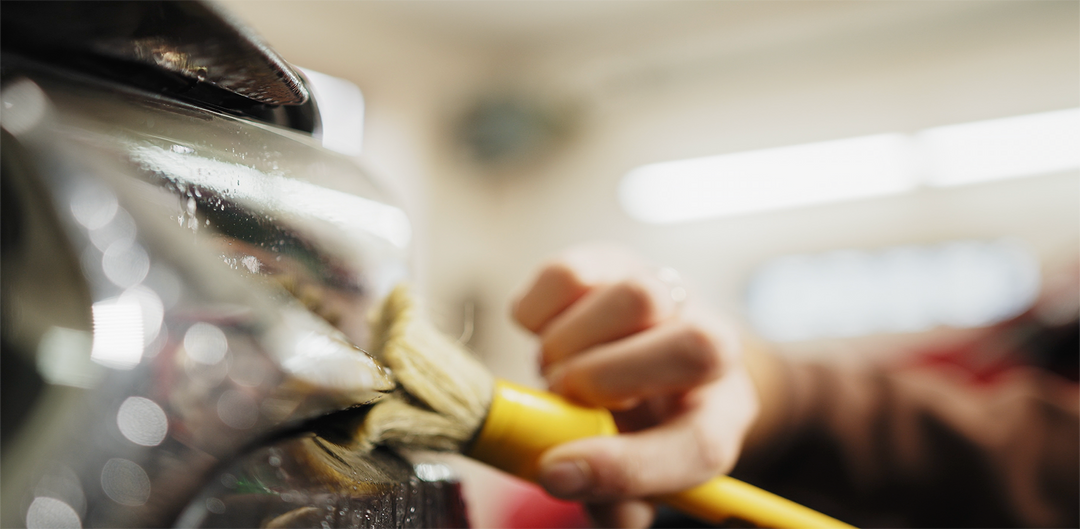
Our commitment to the conservation of history extends well beyond the point of sale. Every purchase includes expert restoration services to maintain the integrity of the object without compromising its historical value. Whether you're acquiring a delicate crystal chandelier or a heavy cabinet, our white-glove delivery service ensures safe passage. We provide fully insured worldwide shipping, reaching our global clientele in over 45 countries. The legacy of the dutch east india company redefined global commerce; Nicholas Wells Antiques continues this tradition by connecting the finest decorative antiques with the world’s most discerning collectors.
Acquiring a Piece of Global History
The legacy of the dutch east india company, established in 1602, continues to define the aesthetic landscape of the most distinguished European interiors. It's a history written in exotic timbers and the shimmering surface of fine lacquer. From the introduction of rare porcelain to the intricate marquetry found on 18th-century cabinets, the VOC's influence transformed Western material culture. At Nicholas Wells Antiques, we treat these pieces as significant cultural artifacts, focusing on the preservation of history and the integrity of the original surface patina. Our London gallery serves as a bridge for collectors, offering rare Grand Tour and VOC-era objects that have been meticulously vetted for provenance and quality. As a specialist dealer, we provide complimentary restoration by expert craftsmen and ensure every piece reaches its destination via fully insured worldwide shipping from our London premises. We invite you to Explore the Nicholas Wells Antiques Collection of Fine Art and Furniture and discover an extraordinary addition to your home. Your next discovery awaits within our curated selection of the unique and the magnificent.
Frequently Asked Questions
What exactly was the Dutch East India Company (VOC)?
The Dutch East India Company, formally known as the Vereenigde Oostindische Compagnie, was established in 1602 as the first multinational corporation to issue public stock. It operated as a formidable commercial and quasi-governmental power for 196 years, possessing the legal authority to mint currency and establish colonies. This institution fundamentally reshaped the global economy by securing a monopoly on the spice trade and introducing exotic Eastern aesthetics to the European elite.
How did the VOC influence 18th-century furniture design?
The Dutch East India Company introduced rare materials and aesthetic concepts that became central to 18th-century furniture design, particularly through the importation of exotic timbers and lacquerware. Artisans began incorporating these elements into Georgian mahogany and Regency pieces, creating a sophisticated fusion of Eastern and Western styles. This period saw a rise in Chinoiserie, where magnificent cabinets and bureaus featured intricate carvings inspired by the items arriving on VOC merchant ships.
What is Coromandel lacquer and why is it so highly prized by collectors?
Coromandel lacquer is a refined incised technique where multiple layers of dark lacquer are applied to a wood base before being carved and coloured. These pieces were shipped from China via the Coromandel Coast of India, a primary trading hub for the VOC during the 17th century. Collectors value these objects for their exceptional surface patina and the narrative complexity of their designs, which often depict 100 different scenes of daily life or nature.
Is there a difference between the Dutch East India Company and the British East India Company?
The Dutch East India Company and the British East India Company were fierce rivals, though the VOC remained the wealthier and more dominant entity throughout much of the 1600s. While the Dutch focused their maritime efforts on the East Indies and the spice islands, the British organisation eventually concentrated its political and commercial influence on the Indian subcontinent. Both companies were instrumental in bringing Jingdezhen porcelain and fine silks to London and Amsterdam, yet their specific trade routes differed.
What materials were most commonly traded by the VOC for use in decorative arts?
The VOC was responsible for the importation of rare raw materials such as ebony, rosewood, and calamander wood, which were essential for high-end marquetry and veneers. Beyond timber, the company transported vast quantities of porcelain and mother-of-pearl that were used to adorn superb furniture pieces and decorative objects. These materials allowed European craftsmen to produce extraordinary items, including tea tables and library cabinets, that showcased a level of luxury previously unknown in the West.
How can I identify a piece of furniture with VOC-era influence?
Identifying furniture with VOC-era influence requires a careful examination of the materials used, specifically the presence of tropical hardwoods or authentic Eastern lacquer panels. Look for the integration of ebony stringing or the use of 18th-century Chinoiserie motifs on European carcasses, which signal a direct connection to the trade routes established by the company. The quality of the antique surface and the specific provenance often indicate if a piece was commissioned to house or complement imported Eastern treasures.
Does Nicholas Wells Antiques offer international shipping for large furniture pieces?
Nicholas Wells Antiques provides comprehensive international shipping services for our entire collection, including substantial furniture items and delicate glass lanterns. We work with a network of specialist fine art couriers to ensure that every object, from an Irish pier mirror to a Regency table, is transported with the utmost care. Our team handles all professional packing and customs documentation, ensuring a seamless delivery process for our global clients and collectors.
Can I visit the Nicholas Wells Antiques showroom to see VOC-related objects?
Nicholas Wells Antiques operates as an online gallery, but we invite clients to visit our showroom by appointment to view our distinguished collection in person. Our space is located within easy reach of Mayfair and Piccadilly, offering a private setting to examine the unique patina and historical significance of our pieces. Please contact us to schedule a viewing where you can experience the scholarly authority and exceptional quality of our rare decorative arts.
Leave a comment