




The Quiet Signals of Quality: What Dealers Notice Instantly
For the untrained eye, the world of fine antiques can seem impenetrable—a landscape of subtle distinctions and complex histories. Yet, for a seasoned dealer, the signals of exceptional quality are immediate and clear. They are not found in loud proclamations but in the quiet details: the turn of a leg, the colour of a surface, the precision of a joint. Learning to read this silent language is the first step towards true connoisseurship, transforming the act of acquisition from a transaction into a scholarly pursuit.
This guide moves beyond the basics of spotting reproductions. It is an introduction to the art of identifying a masterpiece—a skill honed by specialists who understand that the finest objects possess an unmistakable aura of authenticity, craftsmanship, and historical integrity. Here is what they notice instantly.
The Architecture of Excellence: Assessing Craftsmanship and Materiality
Before a piece of furniture has lived for centuries, it must first be born of exceptional skill. The foundational quality of an antique lies in its construction and the materials chosen by its maker. A specialist’s assessment begins here, with a tactile and visual examination of the object’s fundamental structure. This is where the story of its origin—and its intrinsic value—is first told.
- Masterful Joinery: The hand-cut dovetail joint is a classic indicator of quality, but not all dovetails are created equal. A London-trained cabinetmaker in the 18th century would produce fine, slender pins and tails with breathtaking precision, a world away from the charming but less refined joinery of a provincial workshop. This level of refinement signifies a master’s hand.
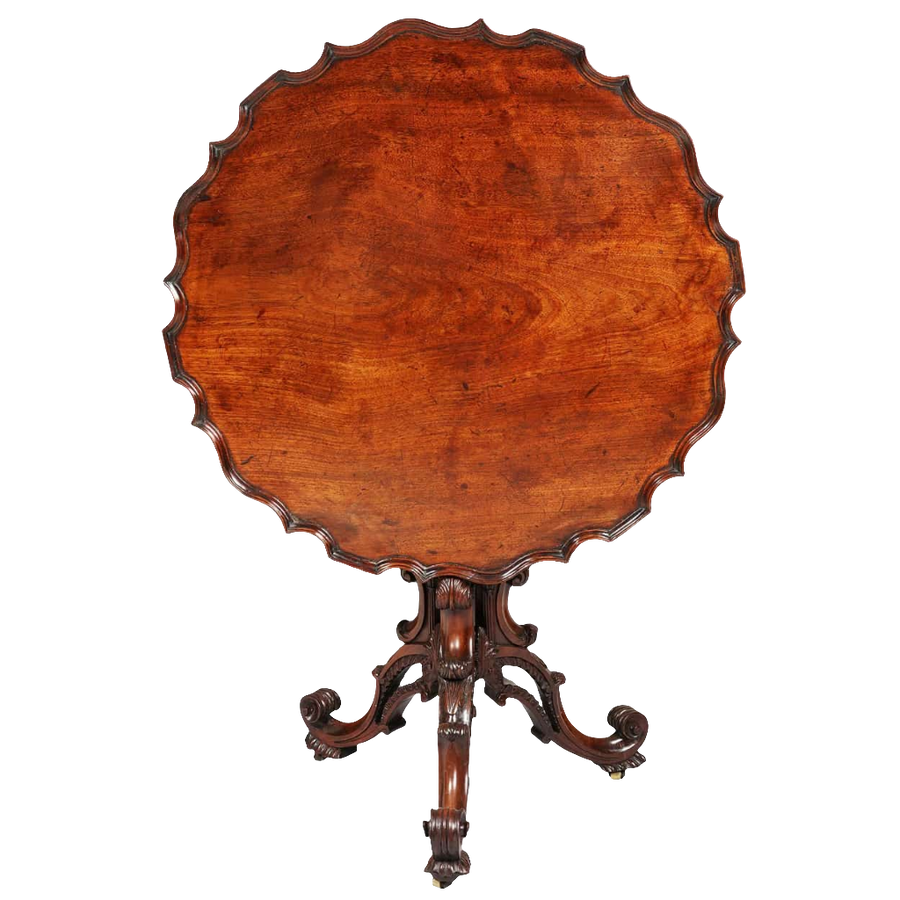
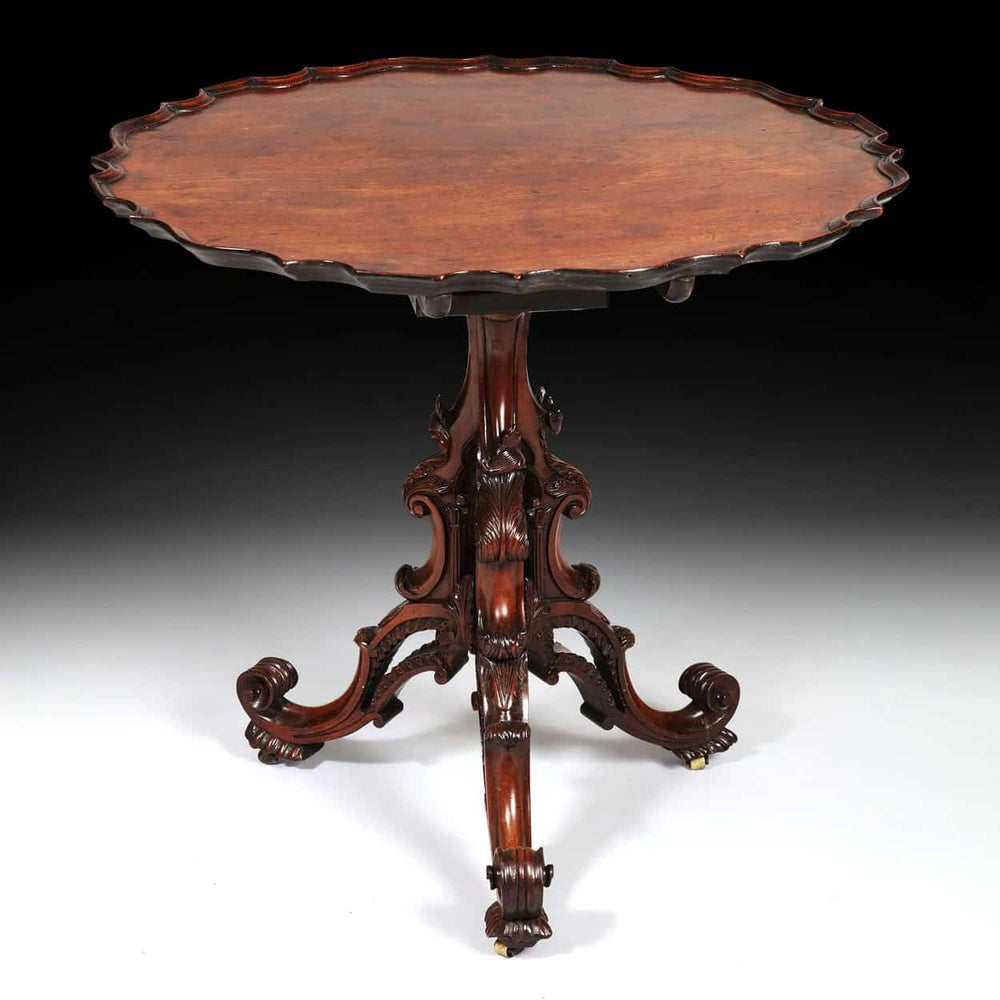
- The Timber's Tale: The choice of wood is paramount. The finest 18th-century English furniture was often crafted from dense, heavy 'Spanish' mahogany, imported from the West Indies. Its deep, rich colour and substantial weight are immediate markers of a superior piece. The secondary woods are just as revealing; the use of oak for drawer linings in a commode often points to English construction, whereas pine might suggest a Continental origin.
- Distinguishing the Bespoke: There is a distinct difference between a standard-issue Georgian mahogany sideboard and a piece commissioned for a prominent English country house. The latter often exhibits superior timber selection, more elaborate details like ormolu mounts, and a scale and presence that speak to a specific, grand architectural setting.
Joinery and Construction in 18th-Century Furniture
A deeper look inside a piece reveals further truths. High-quality chests from this period feature meticulously fitted drawer linings and often include ‘dust boards’—thin panels of wood between drawers to protect the contents. This was a costly addition, reserved for the best commissions. Similarly, the influence of a master designer like Thomas Chippendale can be seen not just in the overall form, but in the specific carving of a chair’s splat or the delicate, interlaced patterns on a mirror frame.
The Materiality of Luxury: Exotic Woods and Gilt Bronzes
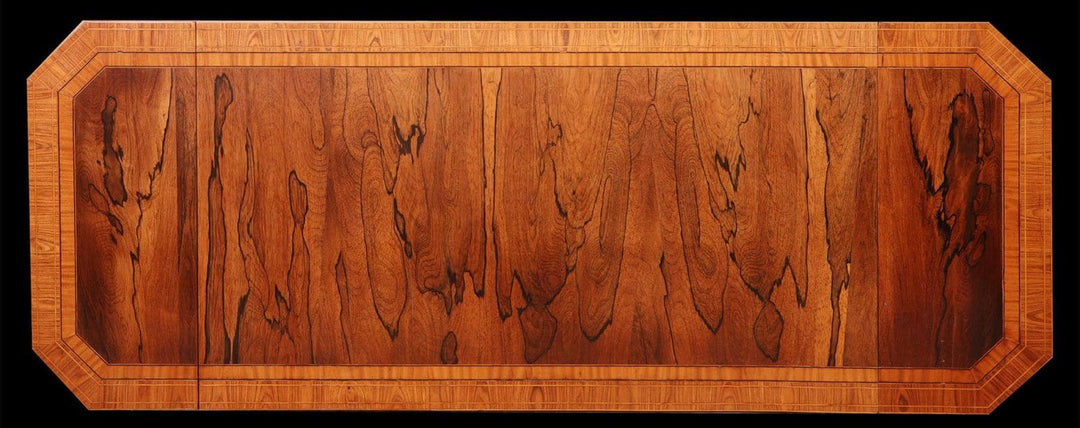
As tastes evolved into the Regency period, the focus shifted to decorative veneers and opulent finishes. The use of 'flame' mahogany and exotic satinwood inlays on a Regency dining table created surfaces that were works of art in themselves. When assessing a French giltwood mirror from the 19th century, a dealer looks for the quality of the gilding. Authentic water gilding has a depth and soft lustre that modern techniques cannot replicate, and the piece will have a significant weight due to its hand-carved wooden frame, rather than being made of composite materials.
Reading the Surface: The Importance of Original Patina and Conservation
If craftsmanship is the skeleton of an antique, its surface is the skin—a delicate layer that holds the evidence of its journey through time. The concept of ‘patina’ is central to a connoisseur’s evaluation. It is far more than just wear and tear; it is the unique character an object acquires over centuries of use and exposure to its environment.
- Defining Patina: True surface patina is a complex combination of oxidation, accumulated wax and polish, microscopic abrasions, and the subtle mellowing of colour that can only develop over a long period. It is this historical surface that gives an antique its warmth, depth, and soul.
- Value in Authenticity: A 'distressed' or 'weathered' look achieved through sympathetic conservation is often more valuable than a stripped and highly polished, refinished surface. The latter erases the object's history, effectively silencing its story.
- 'Honest Wear': A specialist can distinguish 'honest wear'—such as the softening of detail around a handle or the subtle scuffing on the feet of a chair—from the crude, artificial ageing seen on modern reproductions. This authentic wear is logical, appearing where the object would have been touched and used.
The Connoisseur’s Eye for Surface Integrity
Developing an eye for an untouched surface is a refined skill. It is the ability to appreciate the soft ‘bloom’ on the mercury glass of an 18th-century Irish pier mirror or the gentle, non-reflective glow of aged gilt chandeliers. At Nicholas Wells Antiques, our philosophy prioritises this historical integrity. We believe in sympathetic restoration that preserves the original surface, cleaning and stabilising it rather than stripping it away.
Conservation vs. Restoration: Knowing the Difference
The goal of conservation is to maintain the historical and material integrity of an object for as long as possible. This involves using traditional techniques and reversible methods to care for pieces like a delicate Art Deco cabinet or a fine Regency desk. This approach ensures that the value, both monetary and historical, is enhanced, not diminished. Our commitment to this philosophy is evident in every piece we present; to learn more, we invite you to read our guide on acquiring museum-quality antiques.
Identifying Quality in Specialist Categories: Grand Tour and Arms
While the principles of assessing craftsmanship and surface apply broadly, specialised categories require a more focused knowledge. As a dealer with expertise in niche fields, we look for specific markers of excellence that generalists might overlook. This is particularly true for decorative arts that lie outside the mainstream of English furniture.
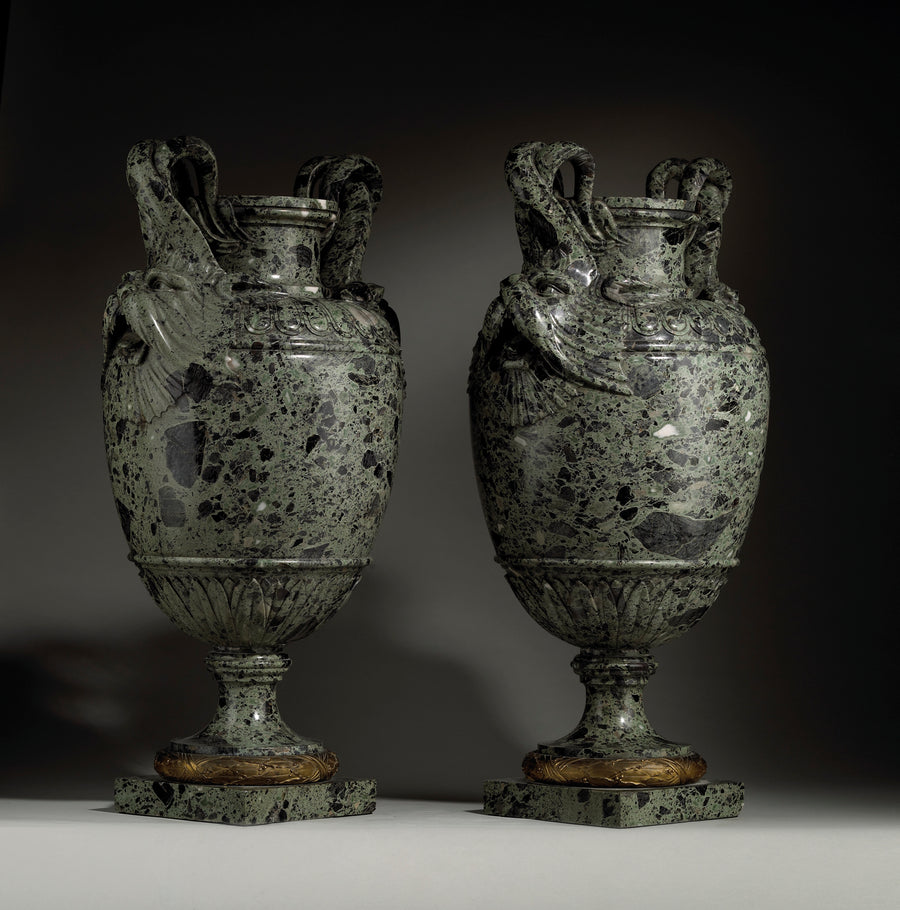
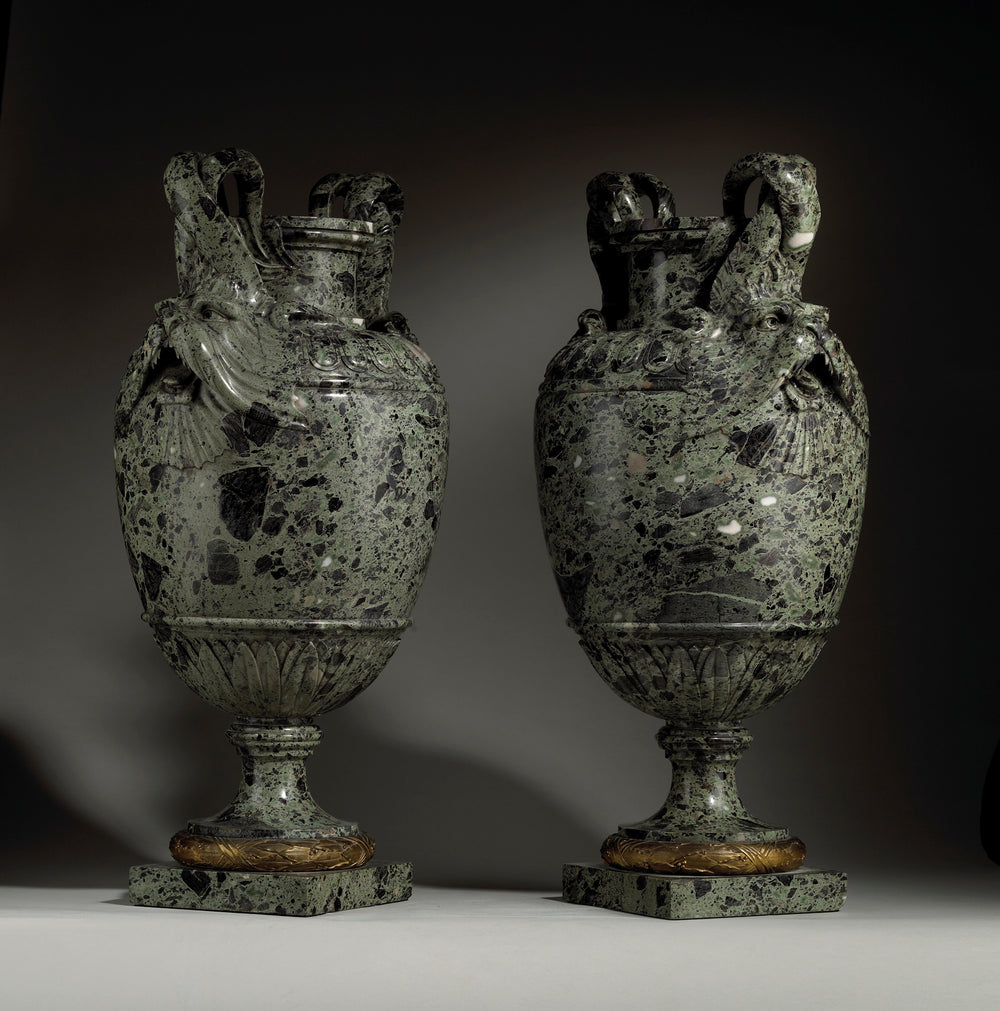
- Grand Tour Objects: The quality of an 18th or 19th-century Grand Tour object, such as a marble obelisk or a bronze reduction of a classical ruin, is determined by its material precision and archaeological accuracy. The finest examples were created by Roman workshops for discerning aristocrats and display a level of detail that borders on the academic.
- Indian and Islamic Arms: In the realm of antique arms and armour, excellence is a blend of artistry and lethality. The legendary ‘watered steel’ (Wootz) of a blade, with its swirling, damascene patterns, is a primary indicator of quality, as is the fineness of the gold inlay (koftgari) on the hilt and scabbard.
- Oceanic Tribal Art: Assessing the quality of Oceanic art, such as a war club or ancestral figure, involves understanding its cultural context. A deep, lustrous patina developed from generations of handling is a key sign of age and significance, indicating the object’s ‘mana’ or spiritual power.
The Grand Tour: Souvenirs of Classical Antiquity
When examining souvenirs from the Grand Tour, look for the crispness of the carving on marble and the sharpness of the casting in bronze. High-quality micro-mosaics from this period will have tiny, tightly packed tesserae, creating an image that appears almost painted. These were not mere trinkets but scholarly acquisitions. For those intrigued by these historical treasures, we recommend exploring our collection of Grand Tour souvenirs.
The Craft of Combat: Antique Arms and Armour
The finest Islamic and Indian arms are a testament to a culture that elevated the tools of war to high art. Beyond the quality of the blade, a connoisseur will examine the balance of a sword, the intricacy of its calligraphy, and the cultural significance of its form. These objects are not just weapons but powerful symbols of status and faith. A deeper understanding can be found in our connoisseur's buying guide to antique Islamic arms and armour.
The Path to Acquisition: Provenance and Global Stewardship
An antique of the highest calibre is more than just a beautiful object; it is an artefact with a past. A specialist dealer provides not only the piece itself but also the context, history, and confidence needed for a significant acquisition. This is particularly crucial for international collectors seeking to build a distinguished collection from afar.
- The Power of Provenance: The history of a piece’s ownership—its provenance—can add immeasurably to its value and scholarly interest. Knowing that a commode once stood in a specific English estate or was part of a famous 20th-century collection connects the current owner to a tangible lineage of taste.
- Acquiring from London: For collectors in the United States, navigating the acquisition of fine antiques from a Mayfair-based dealer may seem complex, but a specialist makes the process seamless. The relationship is built on trust, digital communication, and a shared passion for the objects.
- The Logistics of Luxury: Ensuring the safety of a fragile asset during transit is non-negotiable. Whether shipping a Regency dining table to the Hamptons or a delicate work of art to Texas, the logistics must be managed with absolute precision.
Securing Your Investment: Fine Art Shipping and Insurance
The anxiety often associated with international acquisitions is eliminated when working with an experienced dealer. We entrust every piece to professional fine art shippers who specialise in crating, handling, and transporting high-value antiques. Every item dispatched by Nicholas Wells Antiques is fully insured for its worldwide delivery, providing complete peace of mind for our clients in New York, San Francisco, and beyond.
Building a Relationship with a Specialist Dealer
In the world of fine art and antiques, a specialist curator acts as a trusted advisor, offering expertise that goes far beyond a simple sale. For collectors in Greenwich, Connecticut, or California, this relationship provides access to exceptional pieces and the scholarly context needed to make informed decisions. We encourage you to view our online gallery not as mere inventory, but as a curated narrative of history and beauty, with each object chosen for its unique ability to tell a compelling story.



Leave a comment