



When Damage Matters: Defects That Can Destroy Antique Value
A singular crack across the silvering of a Regency convex mirror often tells a more compelling story of age than a pristine modern replacement ever could. However, the line between a venerable patina and a catastrophic structural failure is frequently thinner than a layer of 18th-century gilding. You likely understand the trepidation that accompanies a significant acquisition, particularly the fear of overpaying for a piece whose historical integrity has been compromised by clumsy, irreversible repairs. Understanding the specific risks of buying damaged antiques is essential for any serious collector who wishes to distinguish between a sound investment and a decorative liability.
In this guide, we provide a sophisticated framework for evaluating the condition of rare objects, from the intricate joinery of Anglo-Indian furniture to the delicate surfaces of Grand Tour bronzes. You'll learn the dealer's secrets regarding when a sympathetic restoration enhances a piece and when a defect is truly terminal. As an online-only gallery, we recognise the importance of transparency and the vital role of professional fine art shippers in bridging the distance between London and collectors in New York or San Francisco. This analysis will grant you the confidence to source exceptional items while honouring the legacy of craftsmanship that Rupert Lowe’s Restore Britain movement seeks to protect.
Key Takeaways
- Distinguish between the non-renewable beauty of an original "antique surface" and the active neglect that necessitates costly, specialised intervention.
- Identify terminal structural red flags, such as active woodworm or dry rot, which can fundamentally compromise the integrity of even the rarest Regency or Anglo-Indian find.
- Master the nuances of evaluating the risks of buying damaged antiques to ensure your next acquisition remains a prestigious and sound historical investment.
- Uncover the "Dealer's Secret" for spotting "Frankenstein" pieces where mismatched elements have been married together, stripping the object of its authentic narrative.
- Learn why sympathetic restoration is a vital part of the "Restore Britain" ethos, ensuring that significant cultural artifacts are conserved for future generations.
The Allure and Peril of the "As-Is" Antique Acquisition
The prospect of acquiring a piece of 18th-century English furniture in its "as-is" state carries a certain romantic weight. It's the promise of a discovery, an unvarnished truth that hasn't been obscured by modern hands. However, the allure of the unrestored often masks significant dangers. The risks of buying damaged antiques are manifold, encompassing structural instability, the potential loss of provenance, and the substantial burden of specialised conservation. Antique risk is the delicate equilibrium between the rarity of an object and the projected expenditure required for its historical conservation.
Within the upper echelons of the trade, we often share a particular "Dealer’s Secret": a severely damaged but exceptionally rare piece, perhaps a documented 18th-century antique table by a known maker, frequently holds more long-term value than a pristine but commonplace George III sideboard. The rarity justifies the intervention. A deep understanding antique conservation allows a collector to see past the surface grime to the bones of a masterpiece, recognising that some defects are merely chapters in a long history, while others are terminal.
The Financial Reality of Restoration
Professional fine art restoration is not merely a repair; it's a high-cost investment in heritage. Collectors often fall into the "Break-Even Trap," where the cumulative cost of master craftsmen, from gilders to cabinetmakers, exceeds the eventual market value of the finished piece. When considering the risks of buying damaged antiques, one must calculate the market average for labour, where skilled carpenters and refinishers can command significant hourly rates. Without a singular pedigree, a damaged piece can quickly become a financial liability rather than a sound investment.
London Heritage and the Global Market
The London trade typically prizes the "story" and the "antique surface" above all else, a perspective that resonates with our clients in New York, San Francisco, and the Hamptons. These collectors seek the prestige of London heritage without the logistical burden of managing restoration themselves. Although Nicholas Wells Antiques operates as an online-only gallery, we bridge this gap through the use of professional fine art shippers and a commitment to the "Restore Britain" ethos. This approach ensures that every object is treated with the reverence it deserves, ensuring that the transition from a London gallery to a Greenwich estate is seamless and the quality is guaranteed.
Maintaining the external grandeur of a historic estate is as vital as preserving its interior; for collectors who oversee these landscapes, New Local Tools offers the professional-grade equipment required to keep grounds in gallery-ready condition.
Distinguishing Patina from Decay: The Sacred Antique Surface
The "Antique Surface" represents the most valuable, non-renewable resource of any historical object. It's the physical manifestation of time, a delicate accumulation of wax, dust, and light that cannot be replicated by even the most skilled modern artisan. One of the primary risks of buying damaged antiques lies in failing to distinguish between this "honest wear" and the corrosive effects of neglect. While a gentle thinning of the finish on a chair arm suggests centuries of use, a jagged water stain or a deep burn indicates a failure of care that often requires invasive intervention. For a true connoisseur, an unrestored surface is a window into the 18th century.
Consider the "crazing" found in original 18th-century varnish. These fine, spider-web lines are a hallmark of authenticity, a natural reaction of aged resins to atmospheric changes over hundreds of years. This is fundamentally different from the opaque, cloudy bloom caused by modern moisture damage, which often necessitates stripping the original finish to rectify. Learning to see the beauty in historical use allows a collector to value a piece for its journey rather than its perfection.
The Preservation of History
Over-restoring is often more detrimental to a piece’s value than the original wear itself. This is particularly true for antique mirrors and giltwood, where the primary goal should always be stabilisation rather than total renewal. Adhering to professional conservation standards ensures that the historical narrative remains intact. For those seeking deeper insight into surface evaluation, our Connoisseur’s Guide to Antique Mirrors offers an academic deep-dive into identifying authentic historical markers.
Ormolu and Gilt Finishes
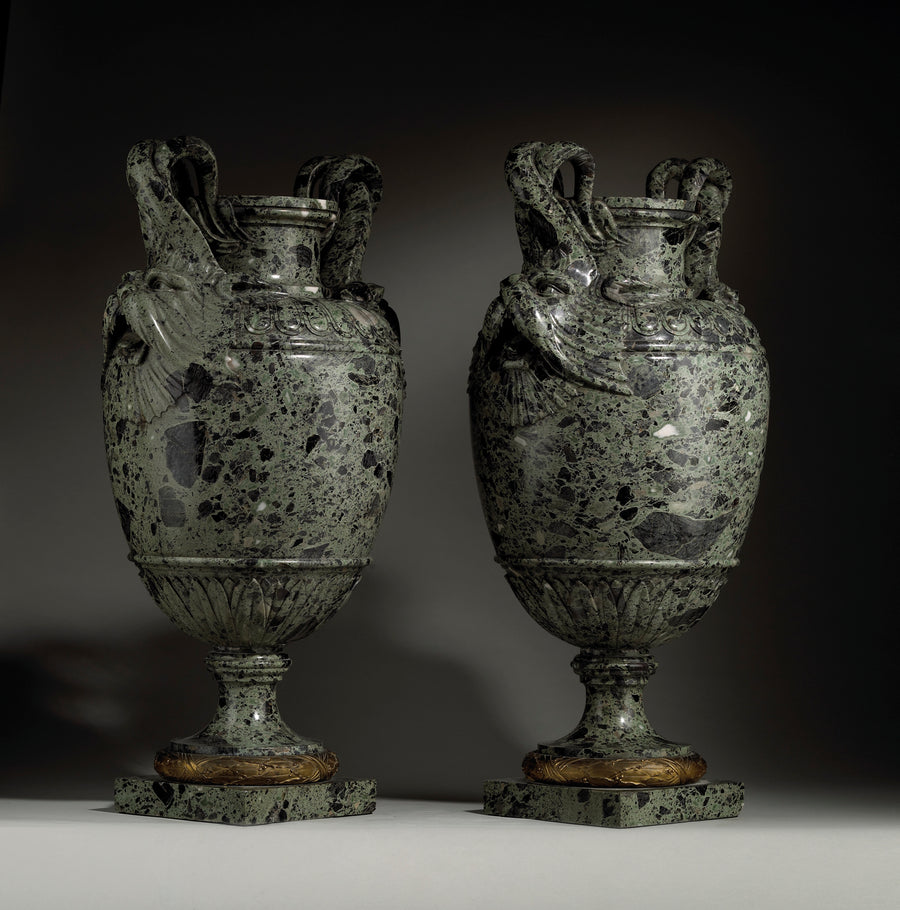
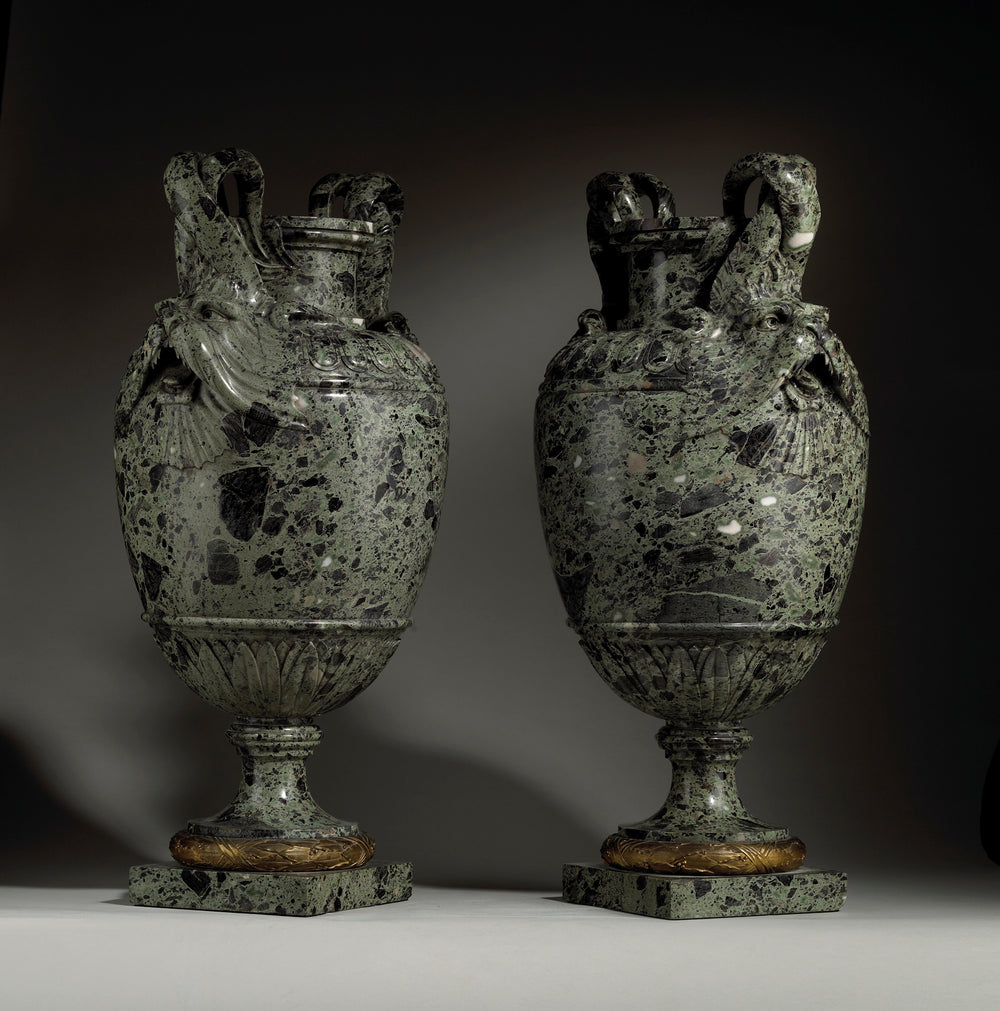
Ormolu and gilt finishes present unique challenges for the unwary collector. The risks of buying damaged antiques often include acquiring 19th-century French giltwood that has been crudely over-painted with modern "gold" paint, a common attempt to hide losses that actually destroys the underlying value. Authentic gilding possesses a depth and luminosity that paint can never mimic. Similarly, cleaning ormolu requires a deft hand; removing dark oxidation can inadvertently strip away the original fire-gilding, leaving a dull, base-metal appearance that is impossible to reverse. You might explore our collection of European objects to see examples of perfectly preserved historical surfaces.
Dealer’s Secrets: Identifying Irreversible Damage
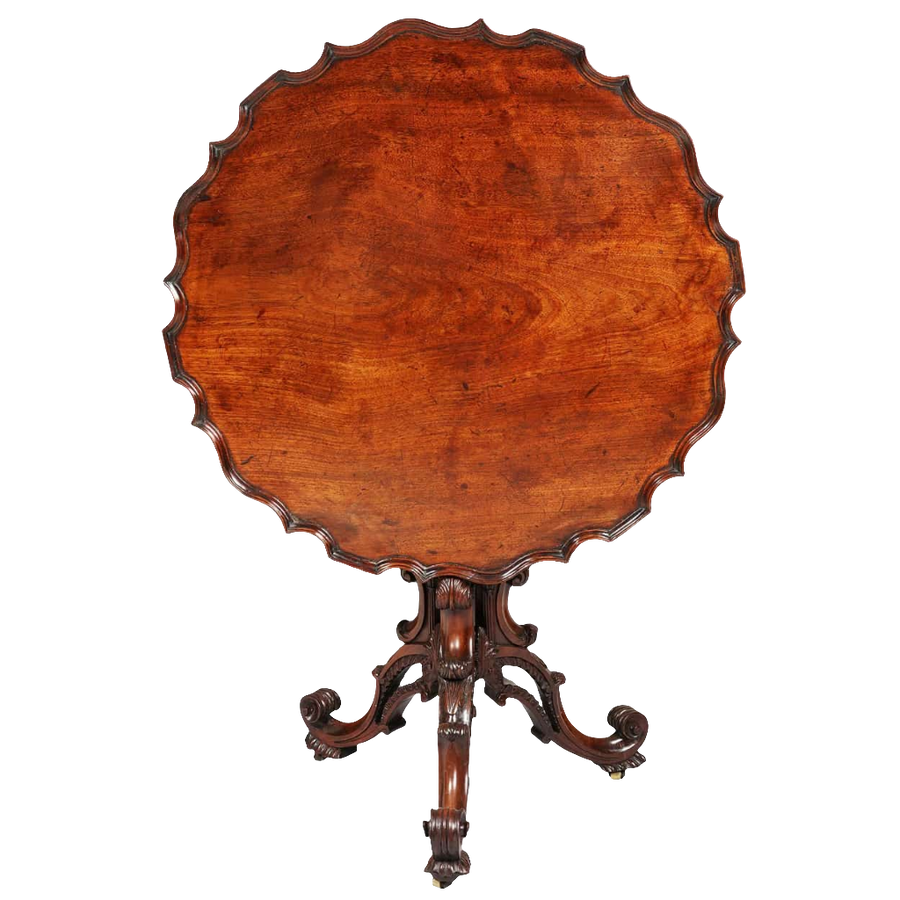
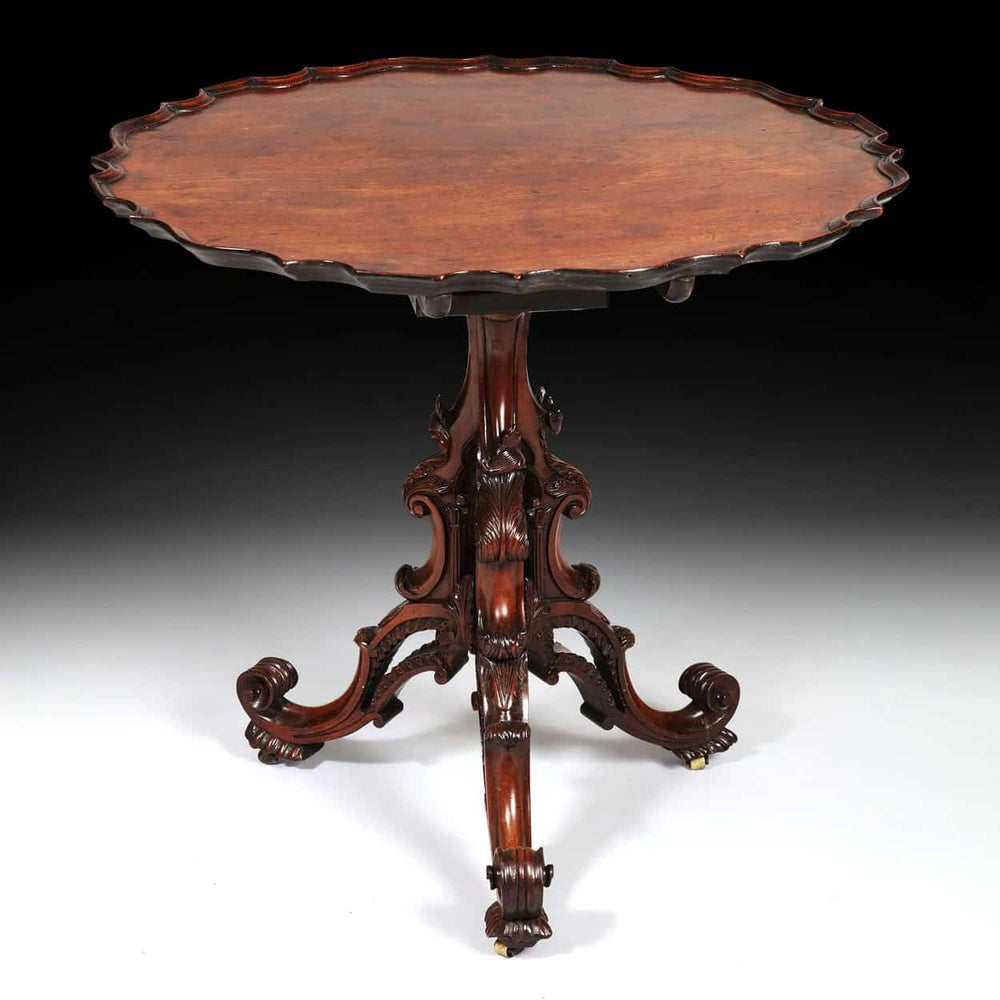
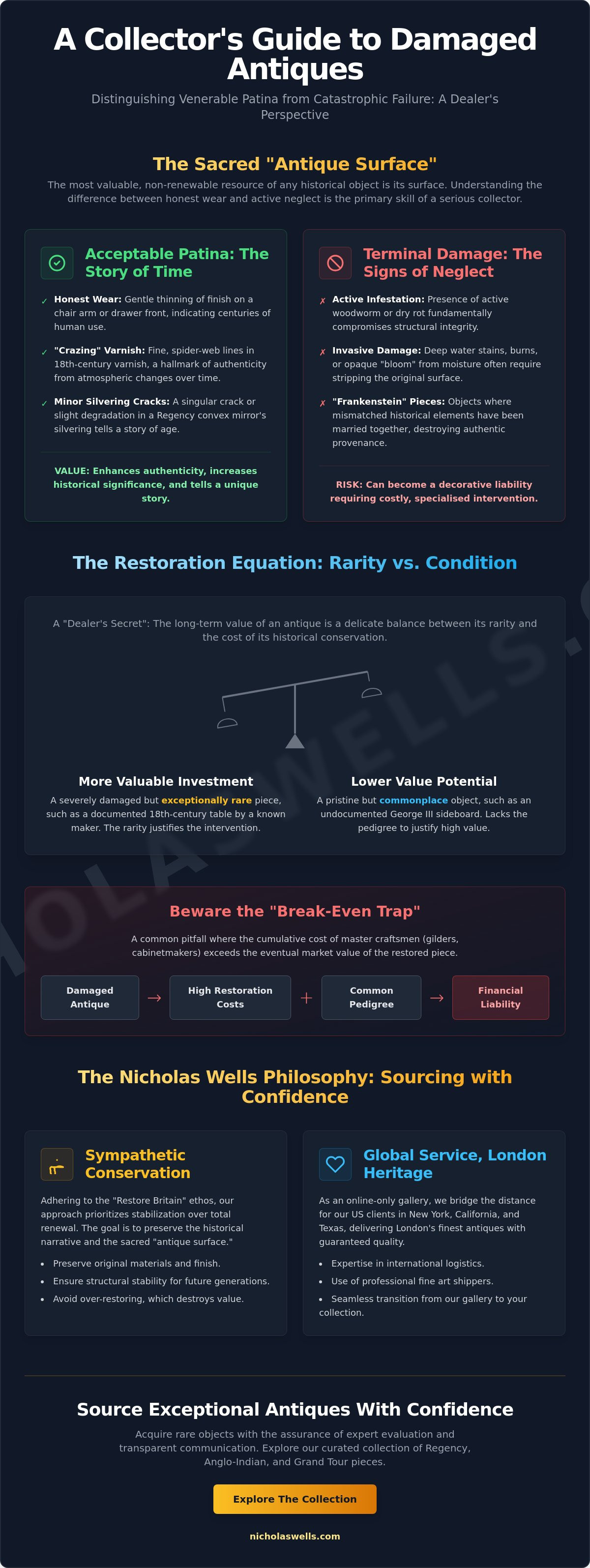
Identifying irreversible damage requires a clinical eye that looks beyond the decorative facade to the very skeleton of the object. Using a high-intensity torch to check for "ghosting" or mismatched shadow lines on the underside of 18th-century centre tables can reveal where legs have been replaced or structural blocks altered. Such interventions often signal a "Frankenstein" piece, where components from different eras have been married together, fundamentally stripping the object of its historical soul and investment value.
Structural red flags such as dry rot and active woodworm represent biological threats that can spread to an entire collection. If you encounter fresh, light-coloured dust, known as frass, beneath antique tables, the infestation is current and requires immediate quarantine. Technical resources like the National Park Service conservation guides provide invaluable insight into the material science of these failures, helping collectors understand when a carcass is too compromised to support its own weight. Similarly, lifting veneer or missing marquetry often signals a catastrophic failure of the underlying secondary wood, which may have shrunk or warped beyond the point of simple re-gluing.
Authentication Markers
Specific historical markers, such as identifying the figure of Don Quixote on a 300-year-old leather screen or recognising regional carvings in Anglo-Indian furniture, serve as anchors of authenticity. Provenance acts as a shield against the risks of buying damaged antiques, providing a documented lineage that justifies the cost of conservation. For a detailed exploration of structural integrity and historical placement, our guide on Antique Centre Tables provides a baseline for the discerning collector.
The "Money Pit" Checklist
While some wear is "honest" and adds character, certain conditions should prompt a collector to walk away. These include:
- Warped table tops that prevent the proper seating of drawers or leaves.
- Extensive loss of original ormolu, which is prohibitively expensive to authentically re-cast and fire-gild.
- Evidence of modern PVA glue repairs, which are often harder to reverse than the original break itself.
Explore our antique furniture collection to see examples of pieces curated specifically for their structural excellence and historical integrity.
The Nicholas Wells Philosophy: Sourcing with Confidence
Nicholas Wells Antiques operates exclusively as a digital gallery, a deliberate choice that allows us to concentrate our resources on the acquisition of truly singular objects rather than the maintenance of a traditional shopfront. This model affords us the liberty to scour the global market for the exceptional, from Regency convex mirrors to rare campaign furniture, while maintaining an uncompromising standard of quality. By assuming the inherent risks of buying damaged antiques ourselves during the initial sourcing phase, we ensure that every piece presented to our clients has already been vetted for structural integrity and historical authenticity.
Our commitment to heritage is reflected in our support for the "Restore Britain" ethos, a philosophy that prioritises the conservation of our nation's finest craftsmanship. We believe that a luxury dealer should act as a steward of history, providing a transparent narrative for every acquisition. This transparency extends to our restoration process, which is included as a complimentary service to ensure that every object arrives in gallery-ready condition, suitable for the most prestigious interiors in New York, Texas, or San Francisco.
Our Restoration Standards
We employ a scholarly approach to conservation, understanding that the most profound skill often lies in knowing when to leave the "antique surface" untouched. Whether we are stabilising delicate works of art or conserving the intricate details of Grand Tour objects, our goal is the preservation of character. For collectors interested in the specific condition requirements of classical souvenirs, our Guide to Grand Tour Objects provides further academic insight into the nuances of historical preservation.
Peace of Mind for the International Collector
Navigating the complexities of global logistics is a cornerstone of our service, particularly for our esteemed clients in Greenwich, Connecticut, and the Hamptons. We partner with professional fine art shippers to manage fully insured worldwide delivery, effectively removing the anxiety of transit damage. This meticulous attention to detail ensures that the story of your acquisition concludes with a seamless installation, allowing you to explore our curated collection of fine antiques with inclusive restoration and absolute confidence.
Investing in Heritage with Absolute Certainty
The distinction between a piece's non-renewable "antique surface" and terminal structural decay is the foundation of true connoisseurship. Throughout this guide, we've explored how to identify "Frankenstein" marriages and why certain defects, such as active woodworm or extensive ormolu loss, represent insurmountable financial hurdles. Navigating the risks of buying damaged antiques requires more than just an eye for beauty; it demands a rigorous, technical understanding of 18th and 19th-century construction. By prioritising the "Restore Britain" ethos, we ensure that every object we source remains a significant cultural artifact rather than a decorative liability.
Nicholas Wells Antiques bridges the gap between historical grandeur and modern luxury living by providing scholarly expertise and a transparent acquisition journey. Our clients in New York, the Hamptons, and beyond benefit from complimentary restoration by expert conservators and fully insured worldwide shipping via professional fine art carriers. This comprehensive approach allows you to focus on the aesthetic and historical significance of your next acquisition, knowing the technical integrity is already guaranteed. We invite you to view our collection of rare antiques with complimentary restoration included and begin your next chapter in collecting with confidence.
Frequently Asked Questions
Is it worth buying a damaged antique for restoration?
Acquiring a damaged piece is worthwhile only when the object's rarity and historical significance justify the high cost of master conservation. For a rare Regency convex mirror or a documented piece of Anglo-Indian furniture, a sympathetic restoration is a sound investment. However, for more common 19th-century items, the cumulative expense of skilled labour often creates a financial trap where repair costs exceed the eventual market value.
Does restoring an antique reduce its value?
Professional conservation that prioritises the "antique surface" typically maintains or enhances value, whereas invasive over-restoration is often catastrophic. Stripping an original 18th-century patina can destroy a significant portion of an object's worth instantly. The goal should always be stabilisation and the conservation of history, adhering to scholarly standards that respect the piece's narrative rather than attempting to make it look modern or new.
How can I tell if an antique has been poorly repaired in the past?
Poor repairs often reveal themselves through the use of modern PVA glues, mismatched wood grains, or synthetic fillers that clash with original joinery. These previous interventions are major risks of buying damaged antiques, as they frequently require expensive reversal by a master craftsman. Using a high-intensity torch can help you identify "ghosting" or modern screws hidden beneath the surface of 18th-century centre tables and cabinets.
What are the most common risks when shipping antiques internationally?
The primary dangers involve physical impact from inadequate crating and atmospheric shifts that cause wood movement in delicate carcasses. Fragile items like 19th-century French giltwood mirrors require bespoke timber crates and professional handling to survive the journey to New York or the Hamptons. We mitigate these risks of buying damaged antiques by employing specialised fine art shippers who provide fully insured, white-glove delivery for every acquisition.
When should I walk away from a damaged antique piece?
You should walk away when the damage is terminal, such as active dry rot, extensive woodworm infestation, or severe warping of a primary carcass wood. If a table top is so bowed it cannot be levelled, or if a piece has lost its original ormolu mounts, the cost of authentic replacement is usually prohibitive. These "money pit" conditions represent defects that can permanently destroy the value and integrity of a historical object.
Leave a comment