



Why the Best Objects Never Stay Available for Long
The Psychology of Collecting Antiques: Beyond Mere Possession
For the serious collector, acquiring a significant work of art is not an act of simple ownership but a profound engagement with history. This motivation, which can be described as the “Curator’s Impulse,” stems from a desire for historical continuity and aesthetic stewardship. Discerning collectors do not merely see objects; they see cultural artefacts, each with a distinct narrative journey through time. An exceptional piece of 18th-century English furniture, for instance, does more than fill a space; it introduces an emotional resonance and a tangible link to the past into modern luxury living. This philosophy of stewardship is particularly evident among sophisticated collectors in New York and San Francisco, who understand their role as custodians of beauty and history for the next generation.
The Drive for the Singular and Irreplaceable
The market for fine antiques is fundamentally driven by the search for the unique and the irreplaceable. This is nowhere more apparent than in the pursuit of Grand Tour objects, where each marble obelisk or bronze sculpture represents a singular moment of cultural discovery. The psychological satisfaction of acquiring an object that cannot be duplicated—such as an untouched Georgian mahogany sideboard with its centuries-old surface—is immense. It is the thrill of securing a fragment of history that no one else can possess, a piece whose story now becomes intertwined with one's own.
Connoisseurship as a Form of Intellectual Pursuit
True collecting transcends acquisition and becomes a form of intellectual pursuit. Developing expertise in highly specialised areas, such as the intricate craftsmanship of Islamic arms and armour or the subtle variations in Oceanic art, elevates the experience from a hobby to a scholarly passion. In this landscape, the role of a trusted, specialist dealer becomes paramount. They act as a crucial bridge between the deep history of an object and its place within a modern interior, providing the scholarly authority and context that empowers a collector to recognise—and act upon—a rare opportunity.
Why Rare Decorative Objects Are Hard to Find in the Modern Market
The finest antiques often seem to vanish from the market with remarkable speed, a phenomenon rooted in several key factors. One of the most significant is the "Estate Lock-in," where museum-quality pieces are absorbed into private collections, remaining unseen for decades or even generations. Compounding this is the scarcity of objects with their original surface patina, a direct result of misguided 20th-century restoration practices that stripped away the very history collectors now prize. Today, rising demand from interior decorators, particularly for statement pieces like authentic Regency dining tables for projects in Texas and the Hamptons, further intensifies competition. In an age of digital access, the notion of a "hidden gem" has become a relic of the past; a world of collectors is now vying for the same limited pool of exceptional items.
The Vanishing 18th-Century Surface
For a connoisseur, the surface of an antique is its soul. The conservation of this history—the layers of wax, polish, and life accumulated over centuries—is infinitely more valuable than a modern, refinished gleam. This is why finding a piece like an Irish pier mirror still retaining its original 18th-century mercury silvering is an exceptionally rare event. Such a surface tells a story of candlelight and changing fashions, a narrative that, once erased, is lost forever. Serious collectors understand that this originality is the true measure of an object's worth.
Niche Markets and the Specialist Dealer
In a market saturated with generalist offerings, the truly exceptional is often overlooked by those without deep expertise. A general antique dealer might miss the subtle historical significance of an Art Deco cabinet or fail to recognise the ceremonial importance of an ethnographic war club. It is the specialist’s perspective, honed by years of focused study, that allows for the identification and sourcing of these extraordinary pieces. This specialised knowledge is essential for navigating the complexities of the market and discerning the masterpiece from the merely decorative.
The Hesitation Tax: How Collectors Miss Great Objects
In the world of fine antiques, hesitation carries a steep, often unspoken, cost. Many aspiring collectors fall victim to the "Myth of the Second Chance," believing that a similar or better example will eventually appear. This is a profound misunderstanding of a market defined by singular items; museum-quality objects do not have duplicates. This "wait and see" approach almost inevitably leads to the "one that got away" syndrome, a common regret among collectors from Greenwich to California. With the transparency of the digital marketplace, the moment a unique object is listed online, the entire world becomes your competitor. In this environment, the most successful acquisitions are made by those who can act decisively, guided by instinct that has been fortified by scholarly authority.
The Trap of Over-Analysis
There is a fine line between essential due diligence and destructive hesitation. While careful consideration is prudent, over-analysis can lead to paralysis and, ultimately, loss. When a piece of unparalleled quality and rarity appears—such as a Chippendale mirror of a particularly sought-after proportion and provenance—it represents a "buy now or never" prospect. The window of opportunity for such an item is often measured in hours, not days, and waiting for further validation often means waiting until it is sold.
Recognizing the Focal Point
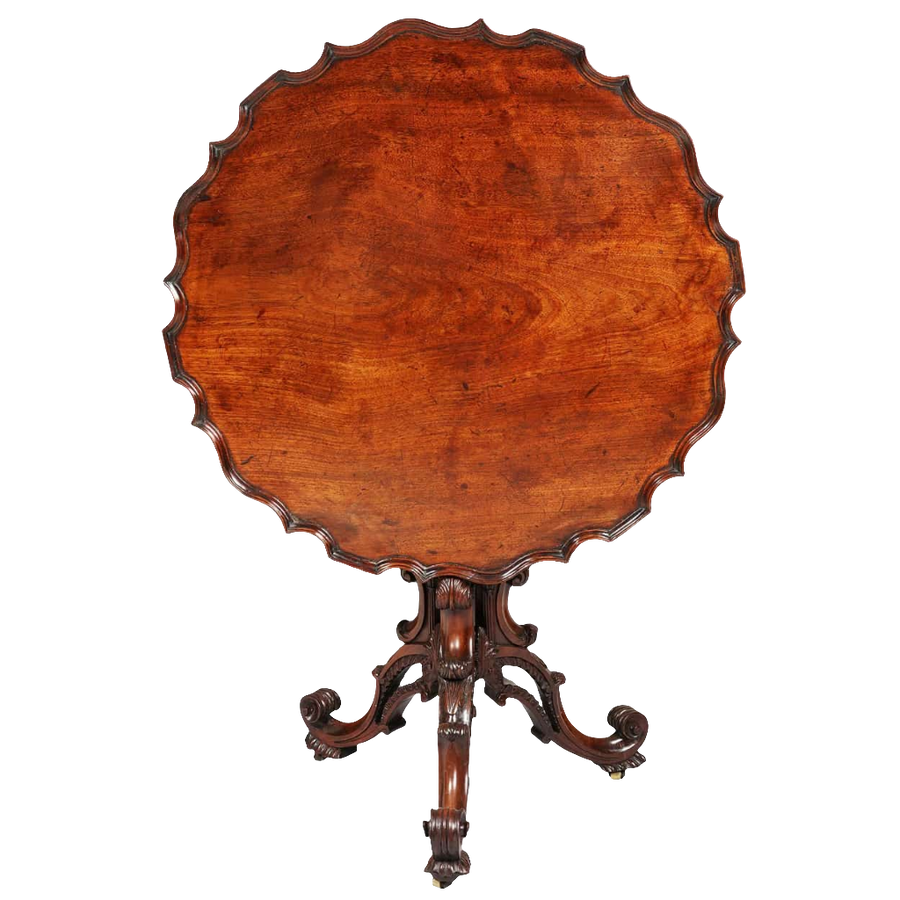
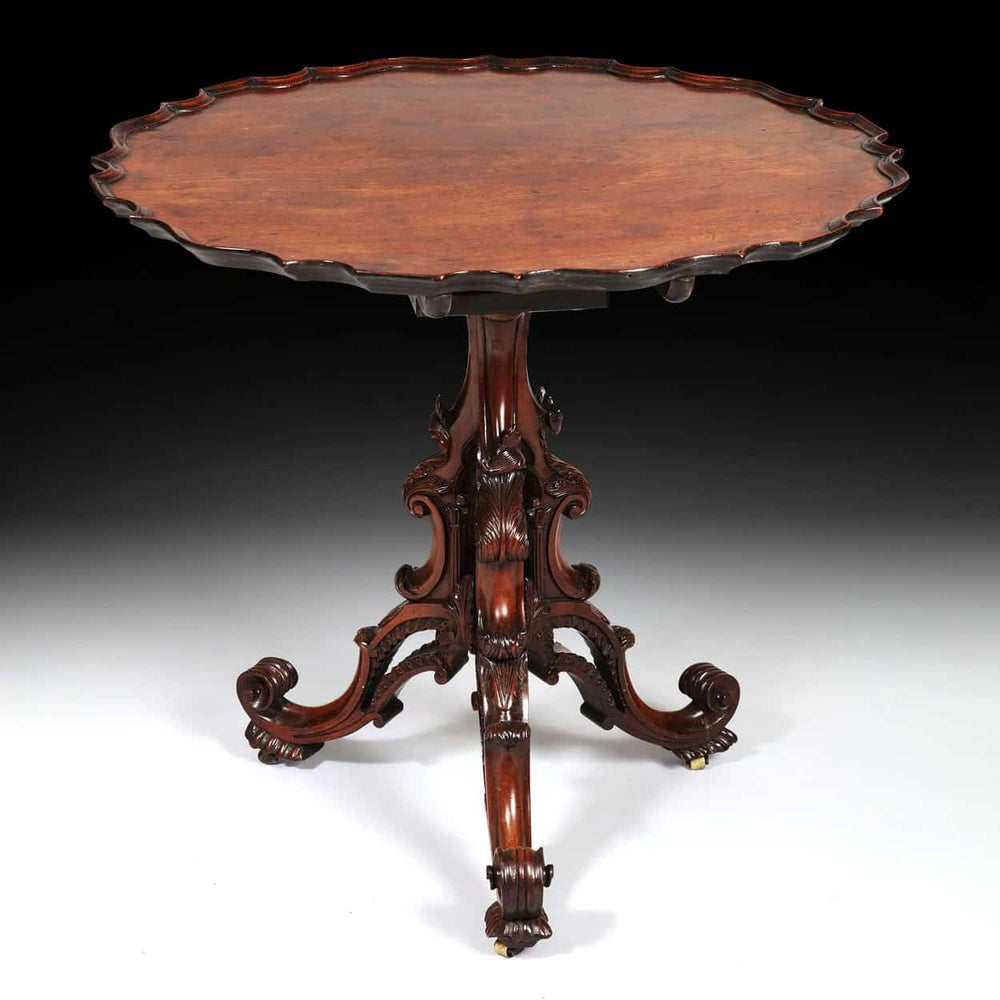
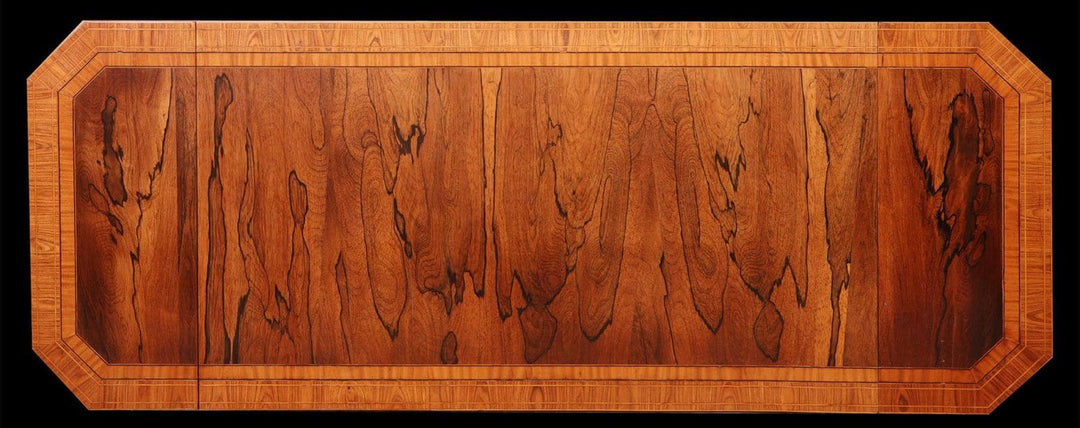
Experienced collectors and interior designers understand the transformative power of a single, extraordinary object. A magnificent antique centre table, for example, can do more than just occupy a space; it can define the entire character and narrative of a room. A great object serves as a room’s anchor, establishing the standard of quality and historical depth around which all other elements gracefully pivot. Recognizing this potential is key to understanding why such pieces are acquired so swiftly; they are not just furniture, but the foundational elements of an exceptional interior.
Securing the Singular: Why Serious Collectors Act Fast
The most discerning collectors operate with a confidence and speed that can seem daunting to the uninitiated. This decisiveness is not reckless; it is the result of a carefully cultivated strategy. A cornerstone of this approach is building a strong relationship with a specialist dealer, which often grants a "first-look" advantage on new acquisitions. Furthermore, confidence is bolstered by assurances of an item's condition. At Nicholas Wells Antiques, for example, complimentary expert restoration services are included with every purchase, mitigating risk and ensuring the piece is ready for its new home. This, combined with seamless global logistics handled by professional fine art shippers, removes the traditional barriers to acquisition, allowing collectors to focus solely on the merit of the object itself.
Streamlining the Acquisition Process
For the discerning American collector, the perceived complexities of acquiring antiques from London are easily overcome. The entire process is streamlined through fully insured, professional worldwide shipping, ensuring that a delicate work of art arrives safely in New York or Dallas. Nicholas Wells Antiques has extensive experience in coordinating with fine art shippers, managing every detail from expert packing to customs clearance, thus providing complete peace of mind and making international acquisition a seamless and reliable experience.
The Finality of the Sale
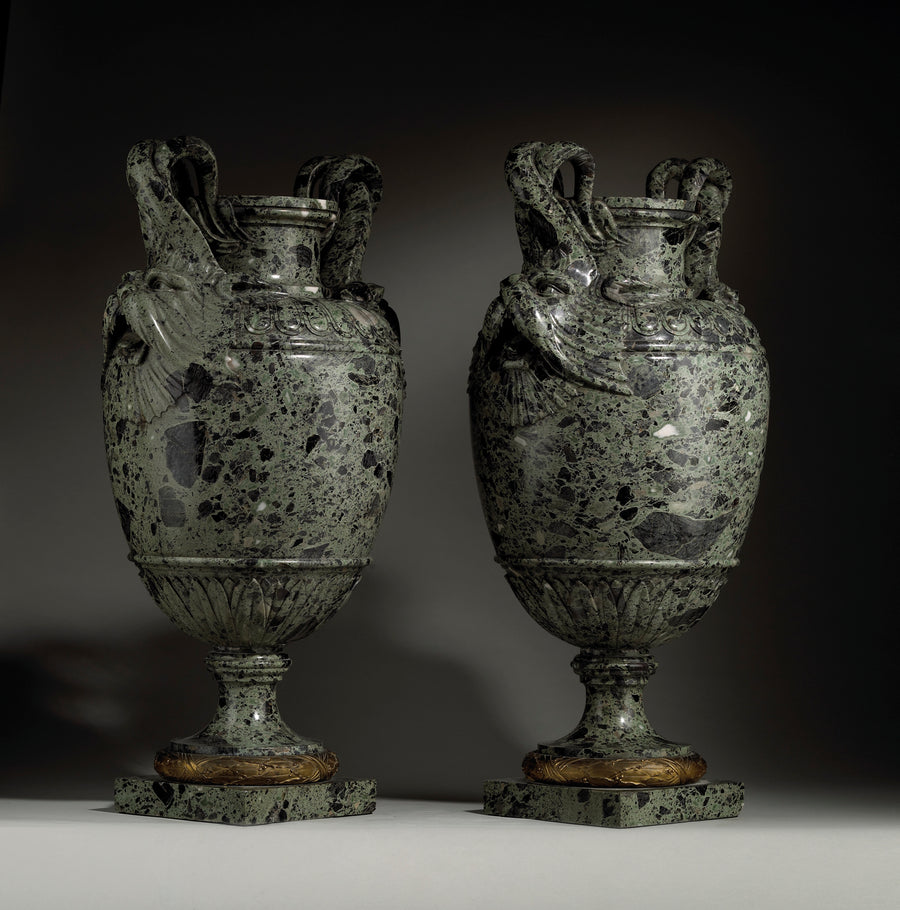
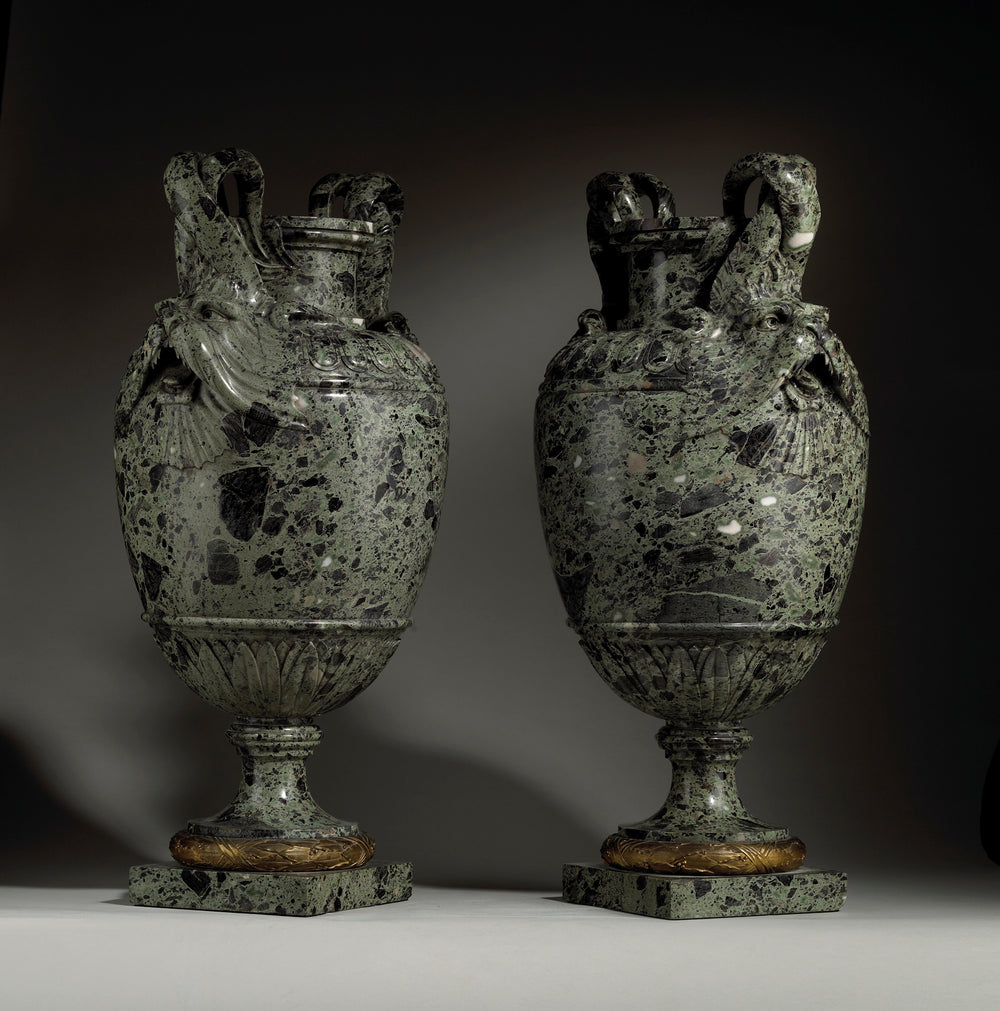
The most significant and historically important pieces are often the quickest to sell. It is not uncommon for the most coveted Grand Tour objects or a particularly fine piece of Georgian furniture to be acquired within hours of being listed. Serious collectors recognise that such a purchase is more than a transaction; it is a legacy investment. They are not simply buying an object for their home but are acquiring a piece of history to be passed down and appreciated by future generations, ensuring its story continues.
Frequently Asked Questions
- Why is original surface patina so important to serious collectors?
-
Original surface patina is the accumulated history of an object, written in the layers of wax, oils, and minor imperfections from centuries of use. It is an irreplaceable testament to an item's age and authenticity that cannot be replicated. For serious collectors, preserving this surface is paramount, as it represents the true character and soul of the piece.
- How can I ensure an antique will survive shipping from London to the United States?
-
Confidence in international shipping comes from working with a dealer who uses specialised fine art shippers. These experts employ custom crating techniques, climate-controlled transport, and detailed handling protocols to protect fragile items. At Nicholas Wells Antiques, all shipments are fully insured and managed by professionals, ensuring your acquisition arrives safely, whether in New York, Texas, or California.
- Is it possible to visit the Nicholas Wells Antiques gallery in person?
-
Nicholas Wells Antiques operates as a premier online gallery, allowing us to present our curated collection to a global clientele. We provide comprehensive support for remote acquisitions, including detailed condition reports, high-resolution photography, and video consultations, to ensure every client has complete confidence in their purchase from anywhere in the world.
- What makes 18th-century English furniture a better investment than modern reproductions?
-
18th-century English furniture holds its value due to a combination of superior craftsmanship, the use of now-rare materials like Cuban mahogany, and its irreplaceable historical provenance. Unlike mass-produced reproductions, each antique is a unique work of art whose value is enhanced by its age and story, making it a tangible asset that can be both used and cherished.
- Do you offer restoration services for items purchased from your collection?
-
Yes, complimentary expert restoration is included with every item purchased from Nicholas Wells Antiques. Our skilled conservators use traditional techniques to ensure each piece is stable and beautiful, respecting its historical integrity while preparing it for continued use in a modern home. This service is part of our commitment to delivering objects of the highest quality.

Leave a comment