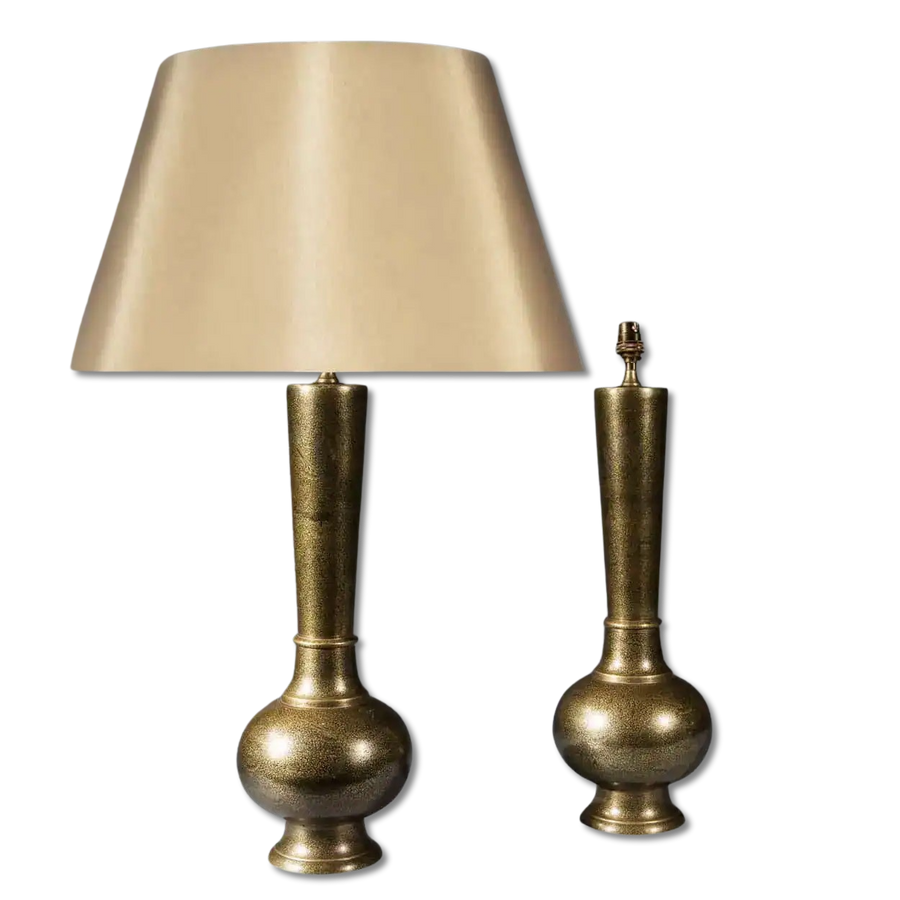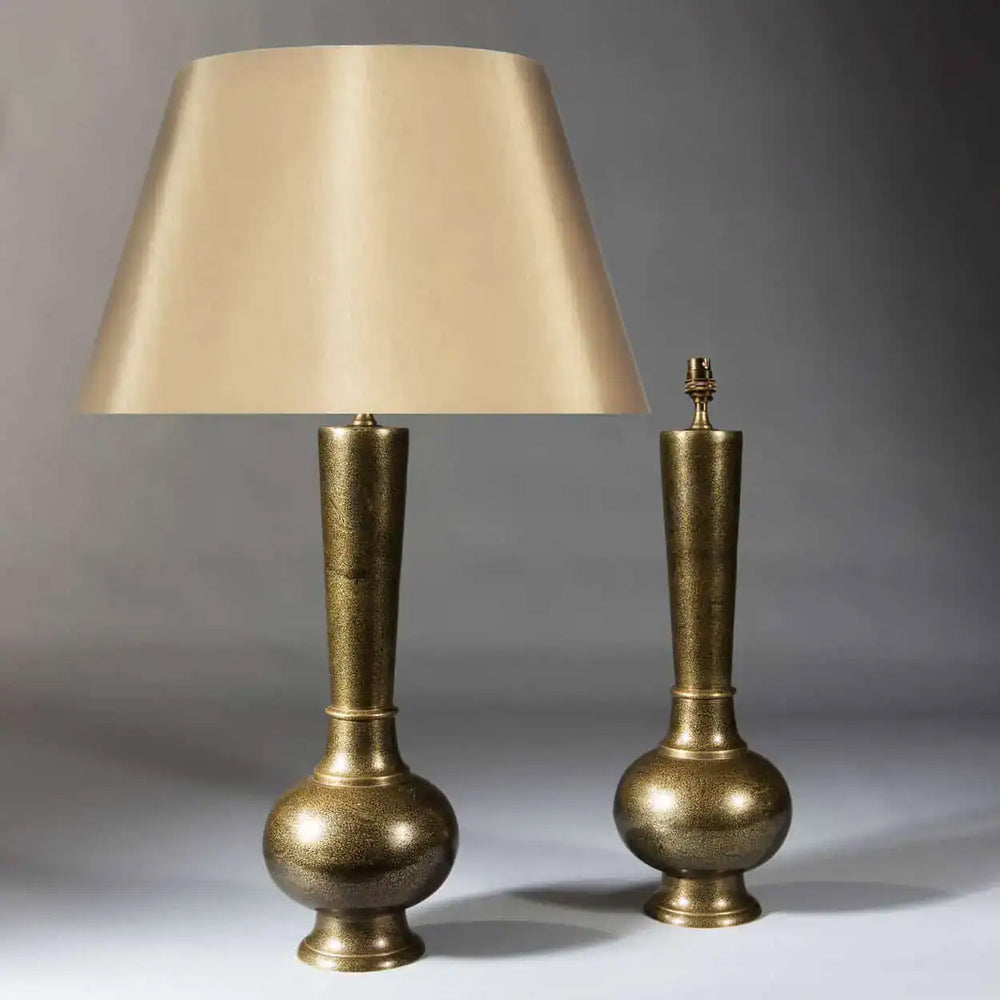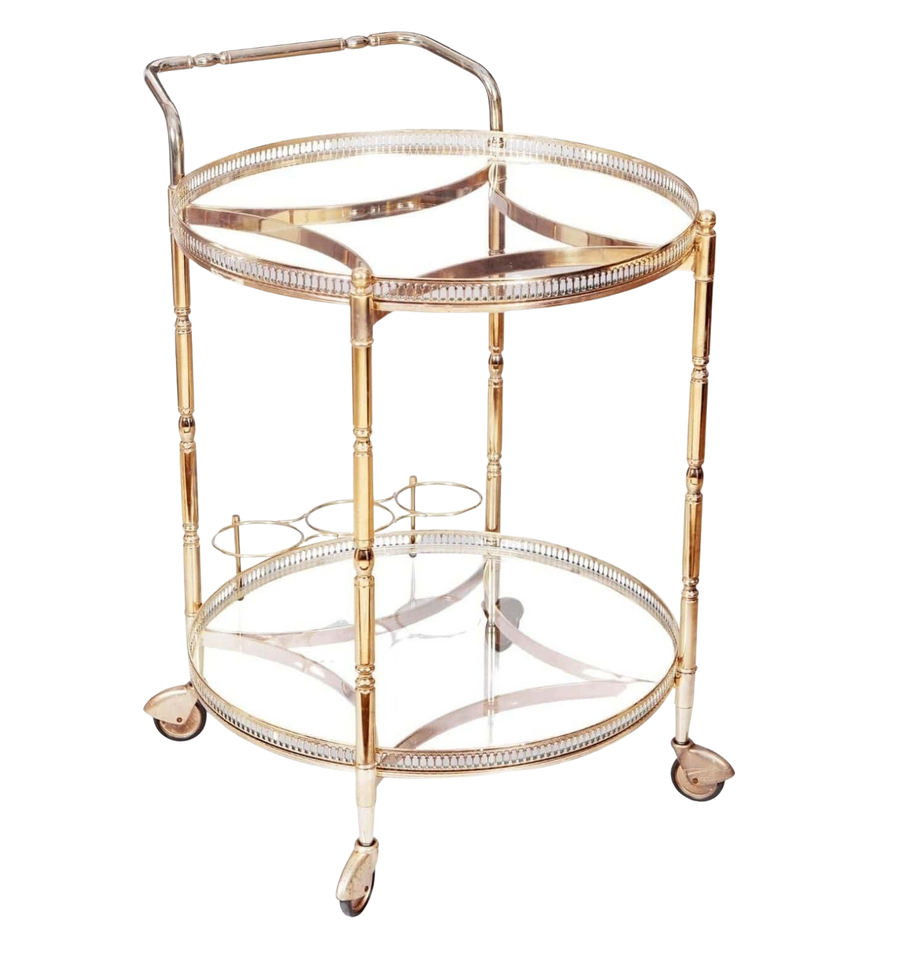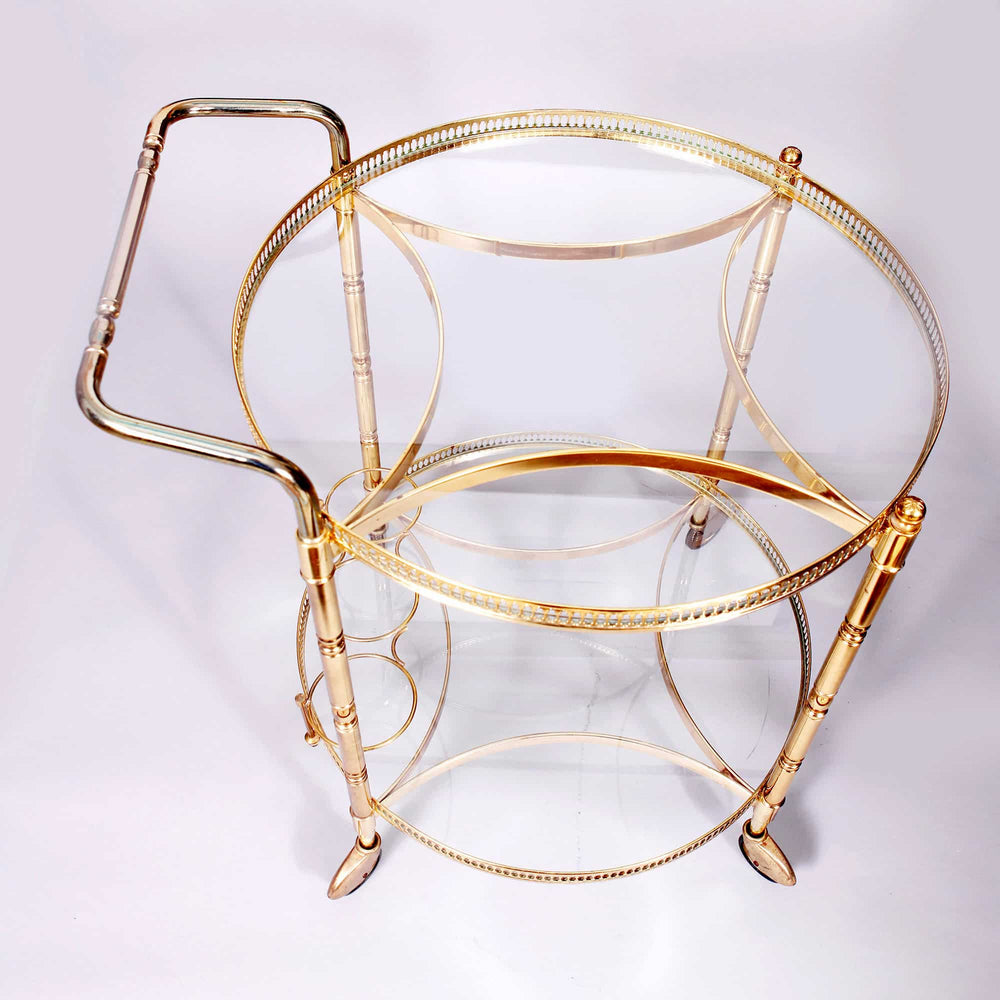



A Lustrous Legacy: Brass in the 18th and 19th Century Decorative Arts of England
109 products

Modal Title
109 products
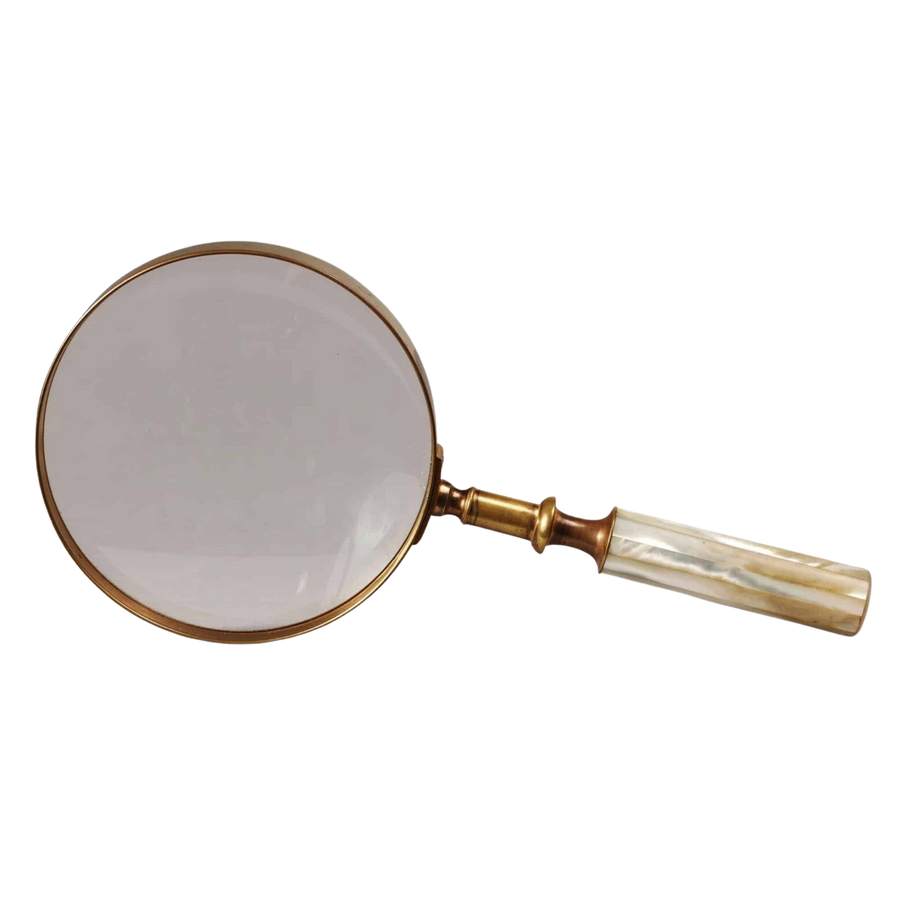
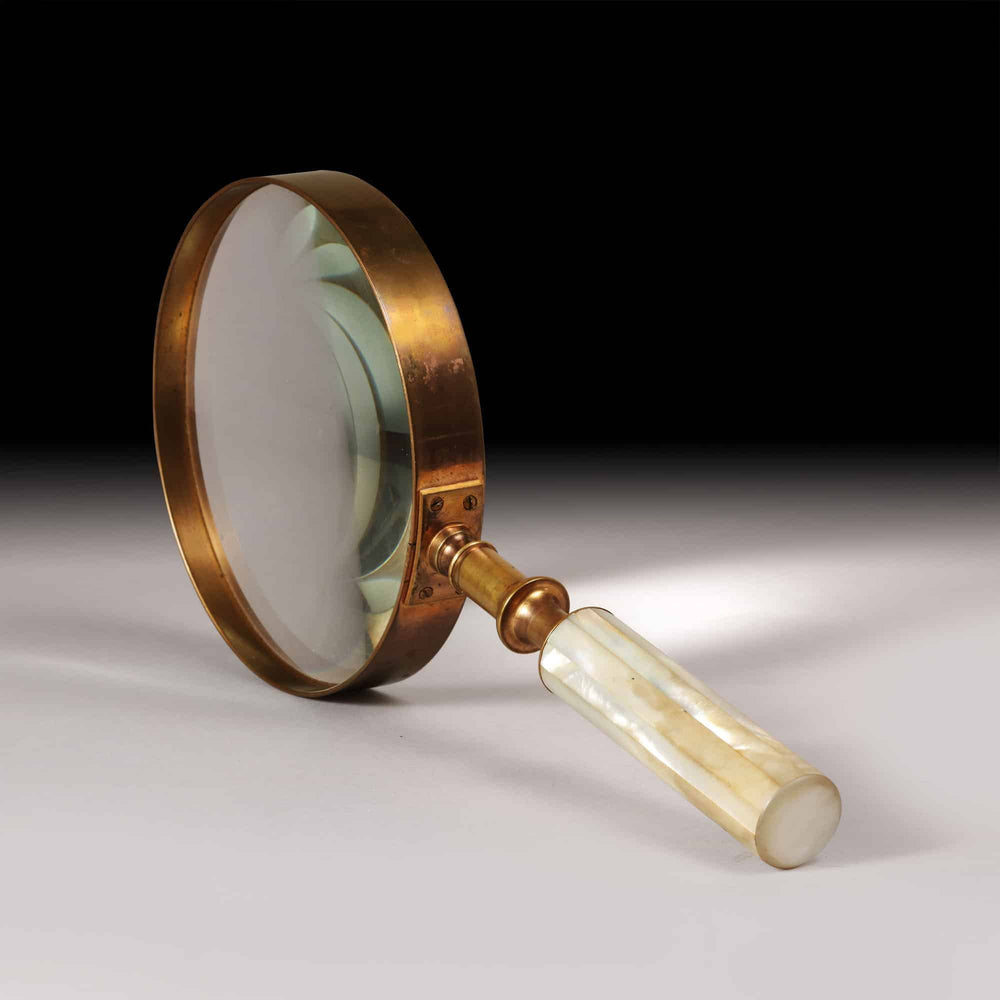
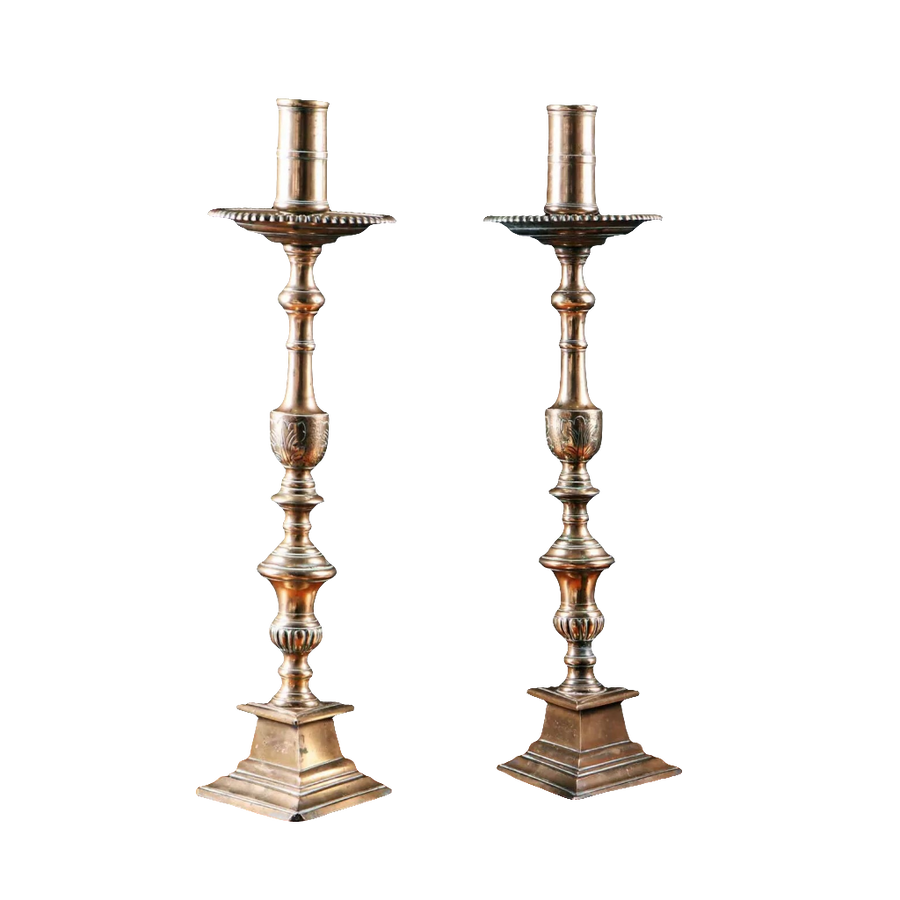
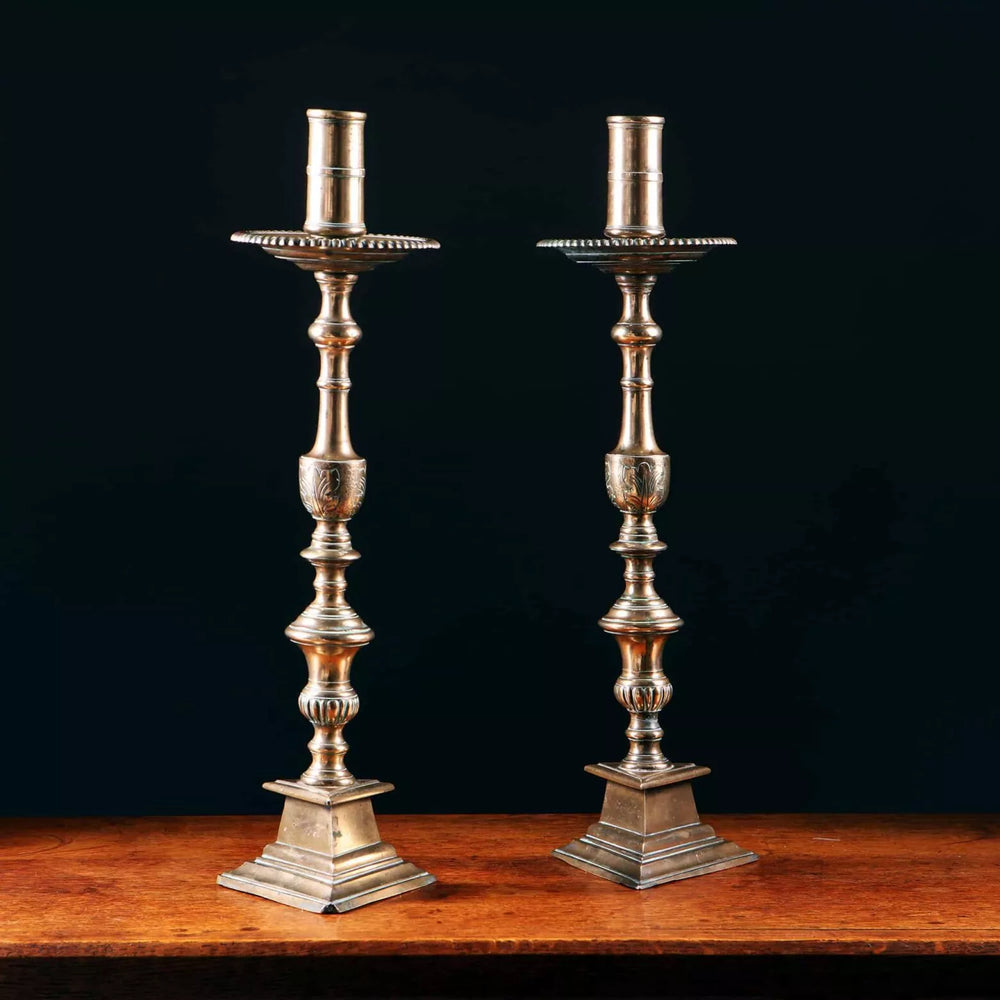
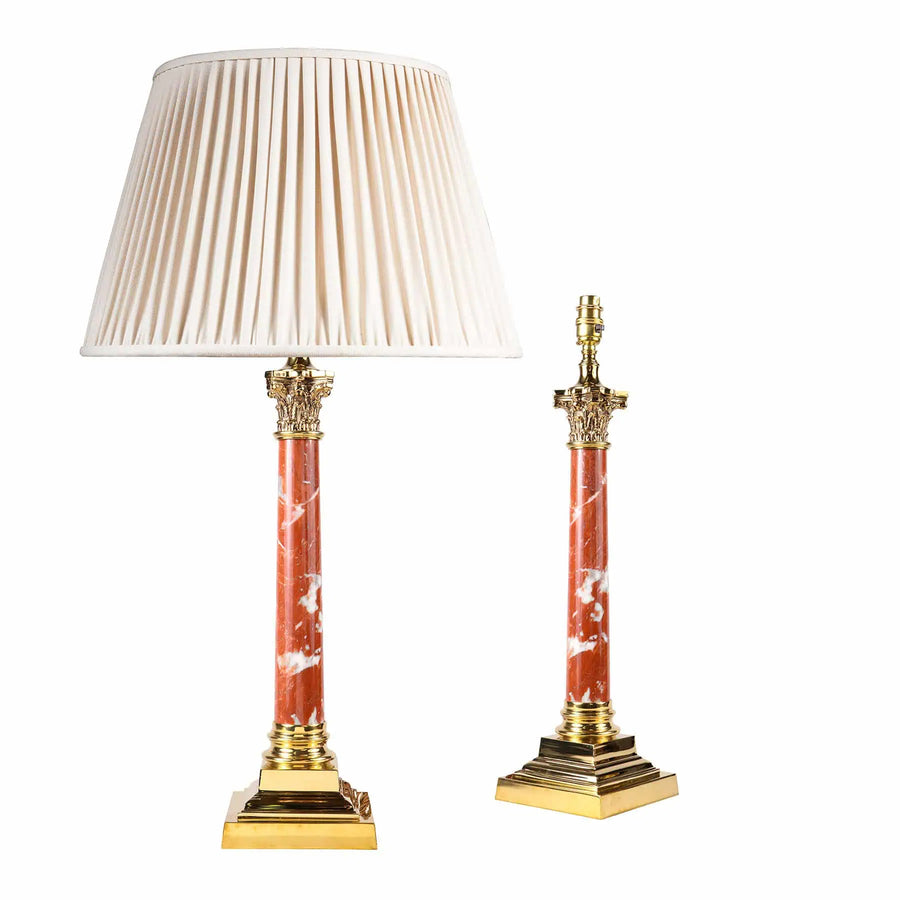
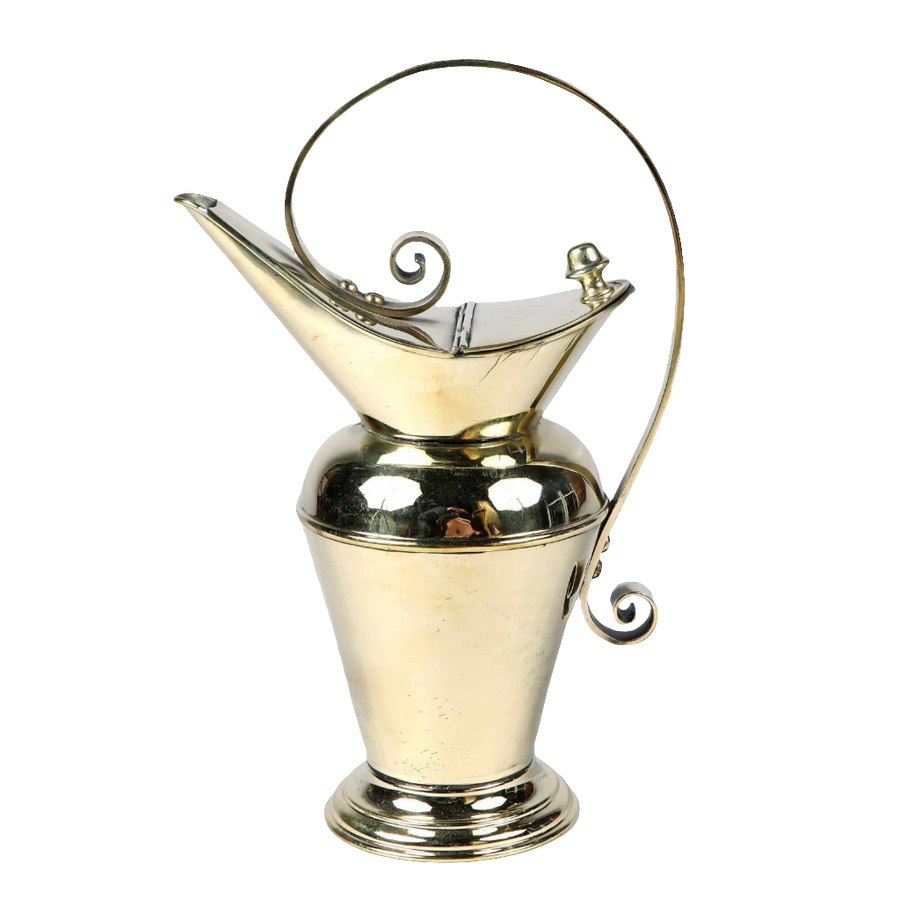
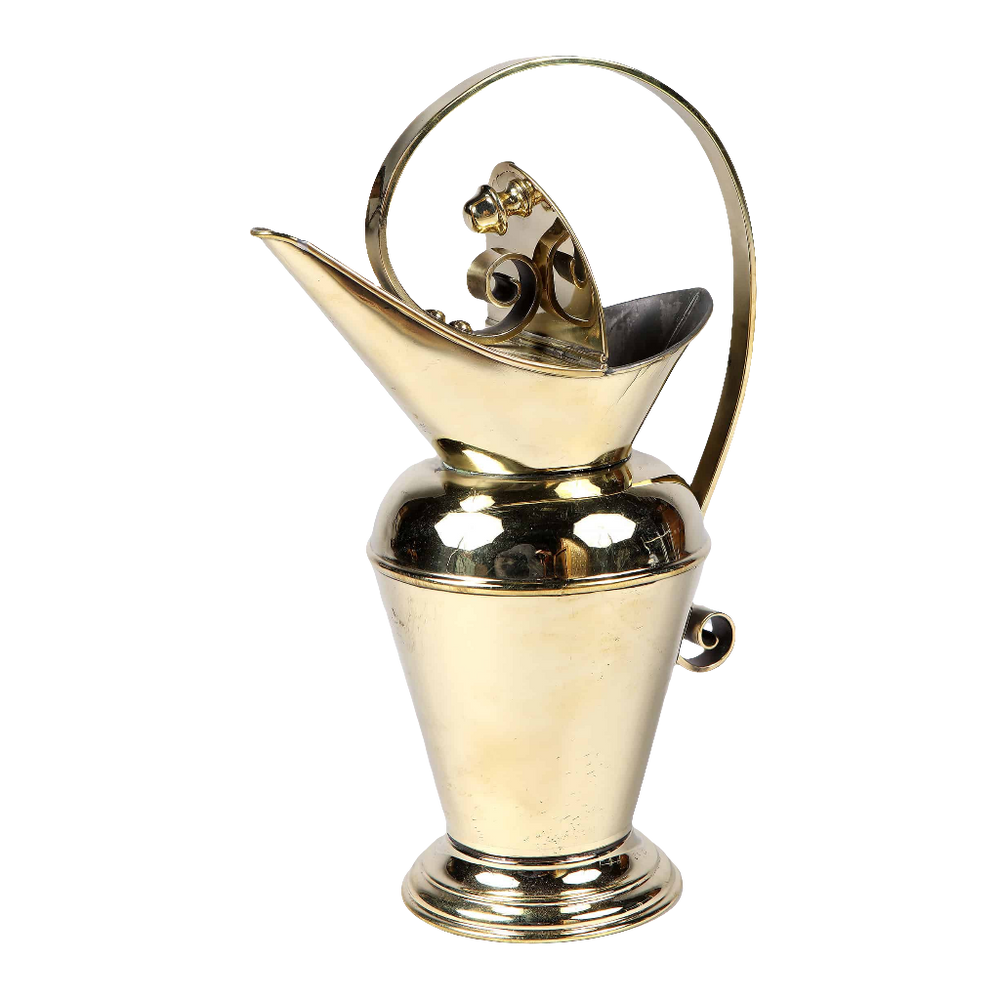
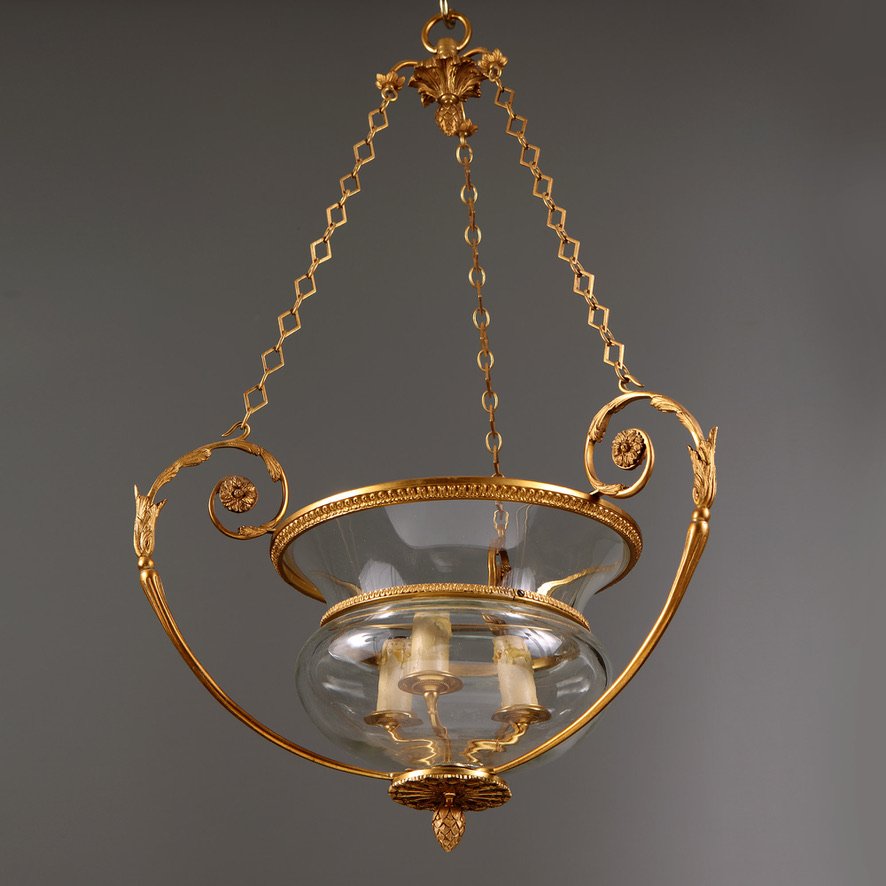
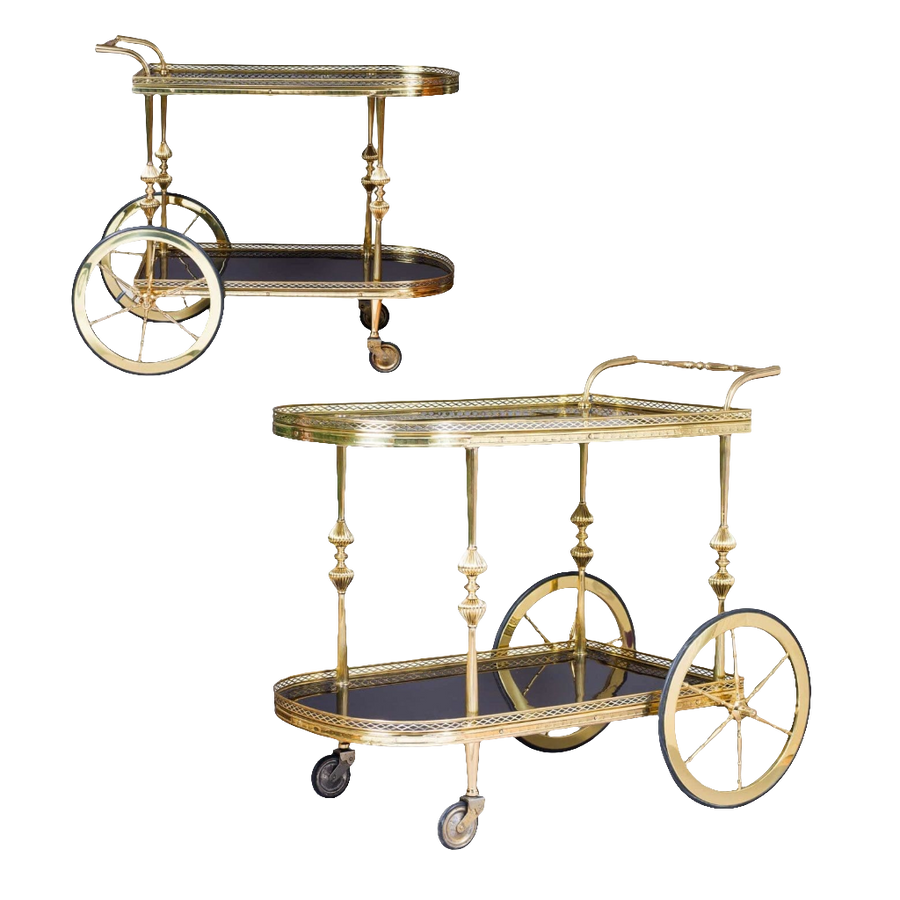
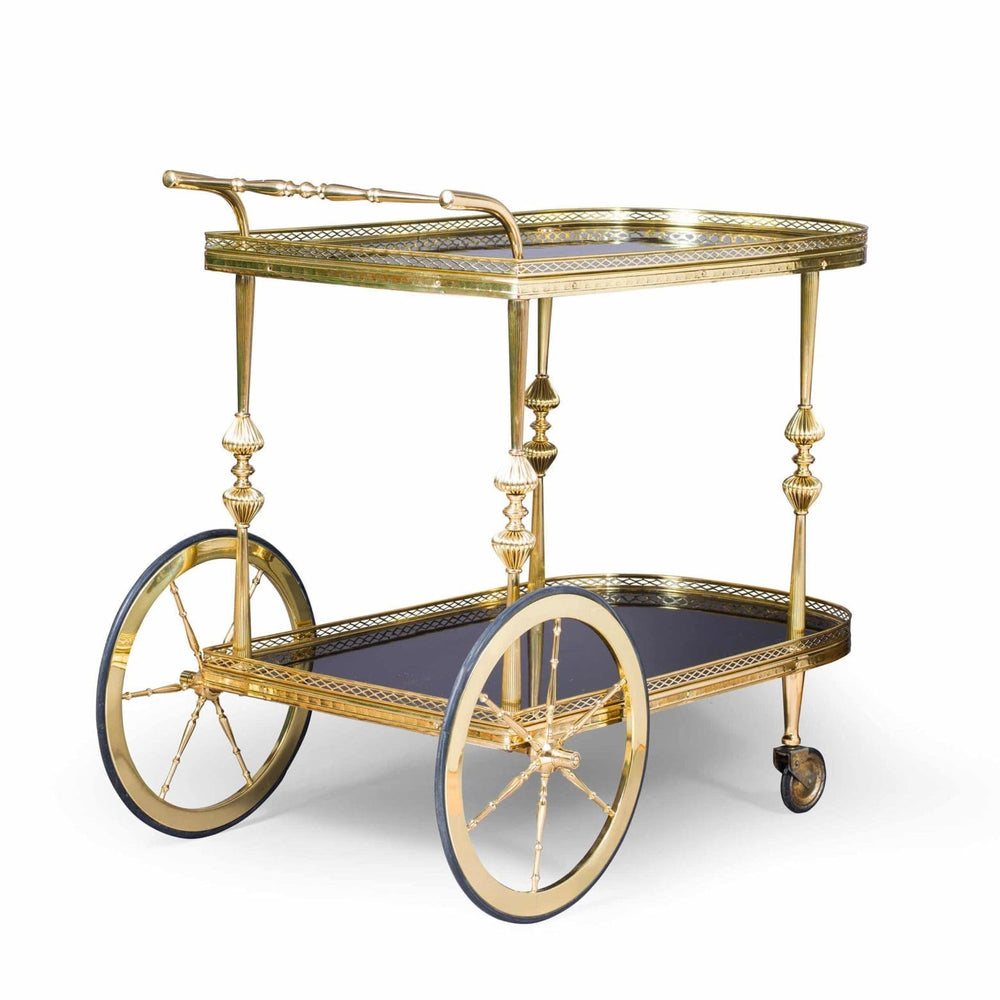
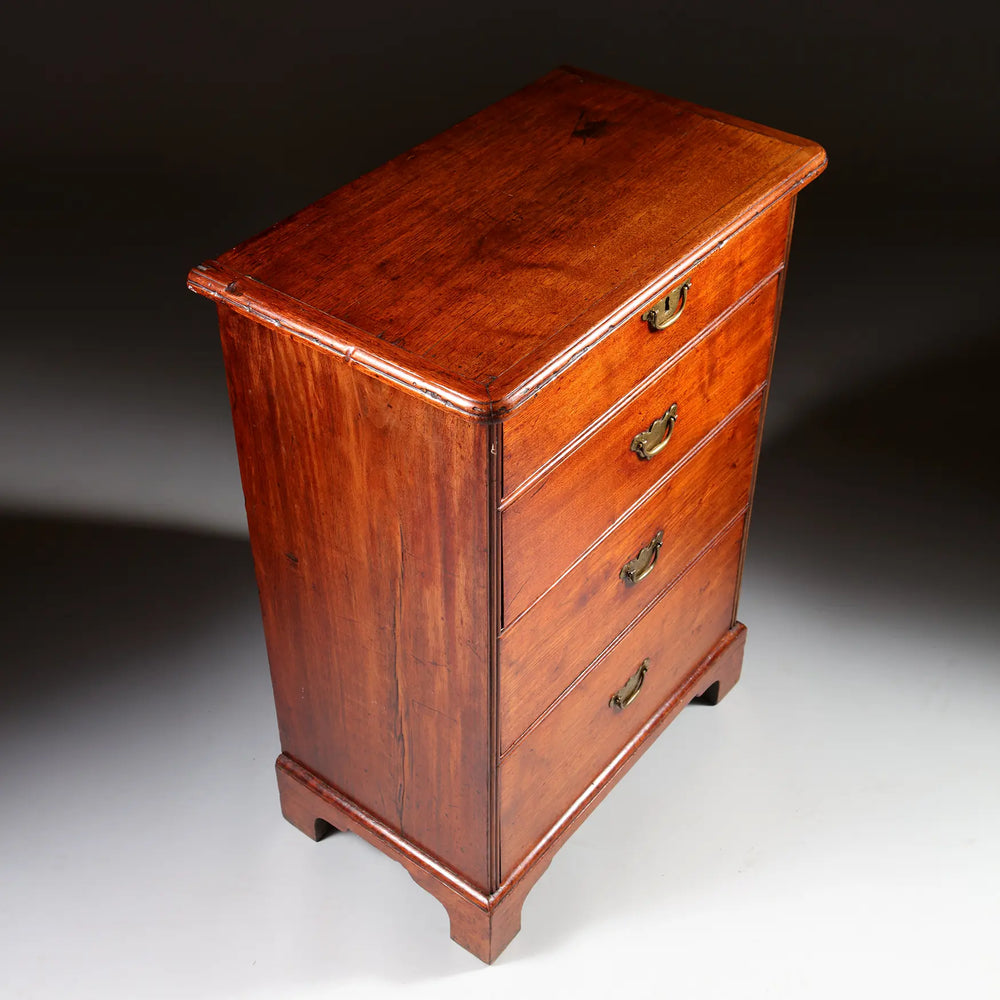
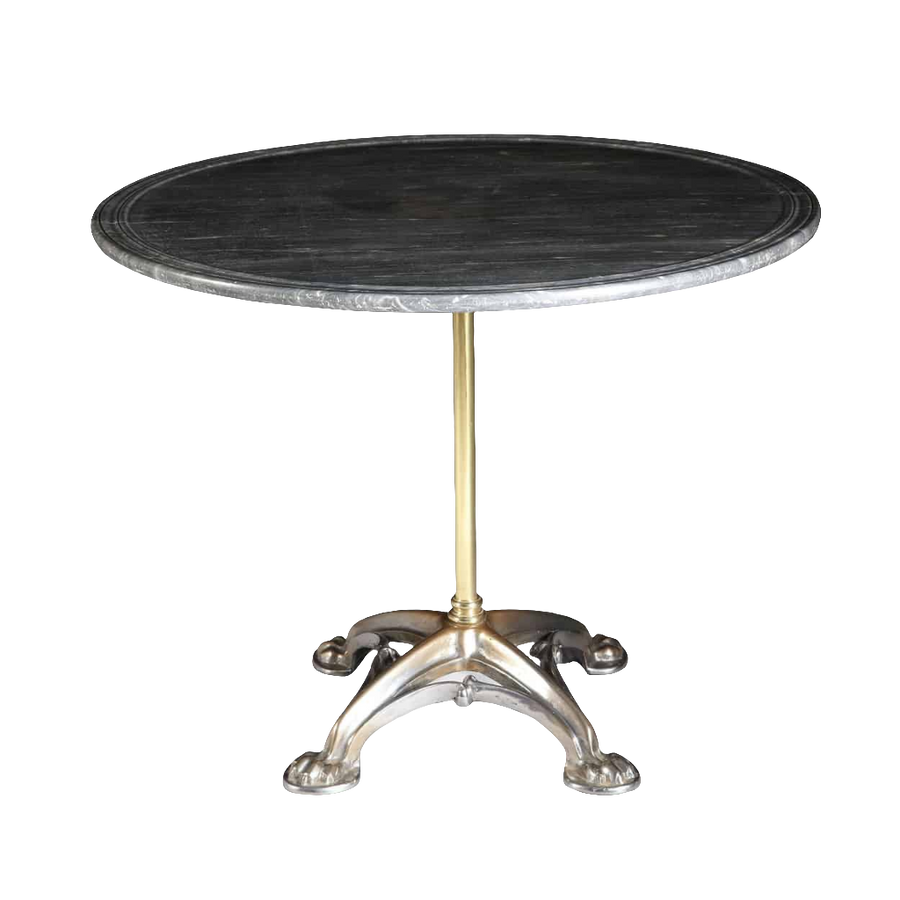
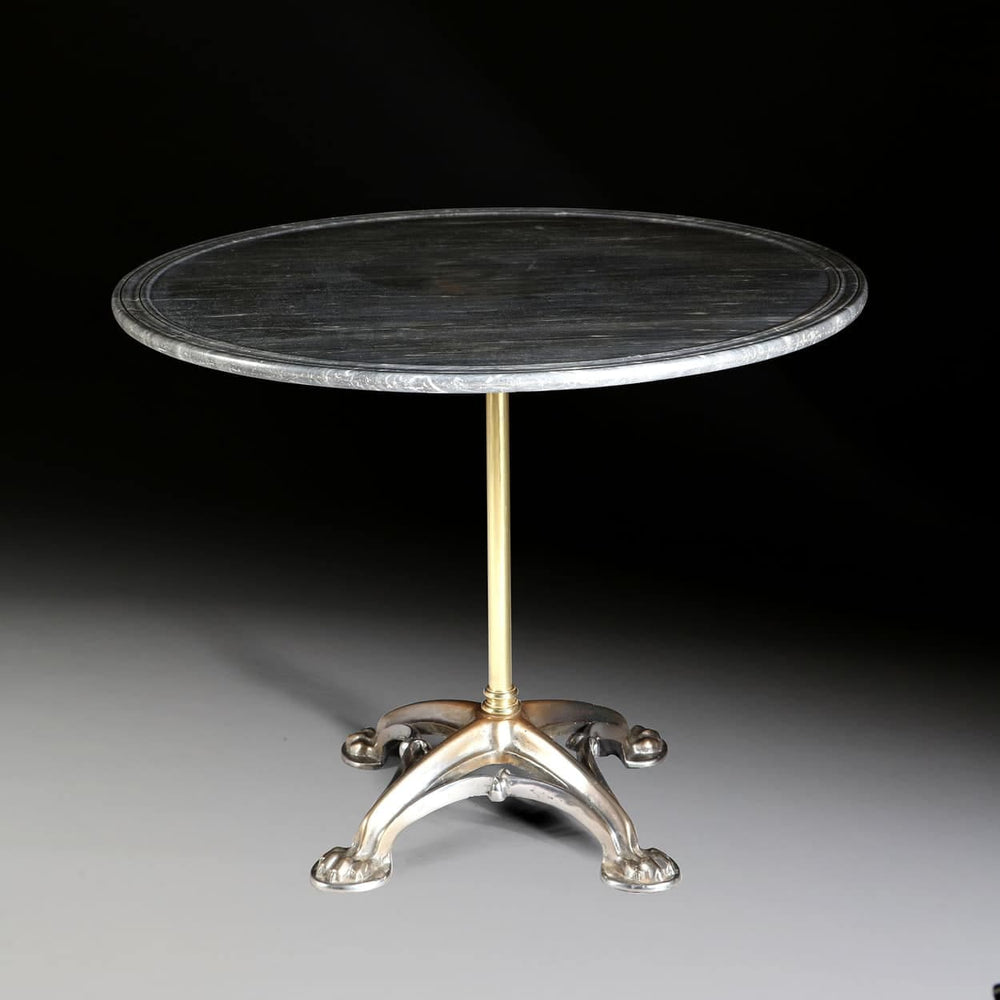
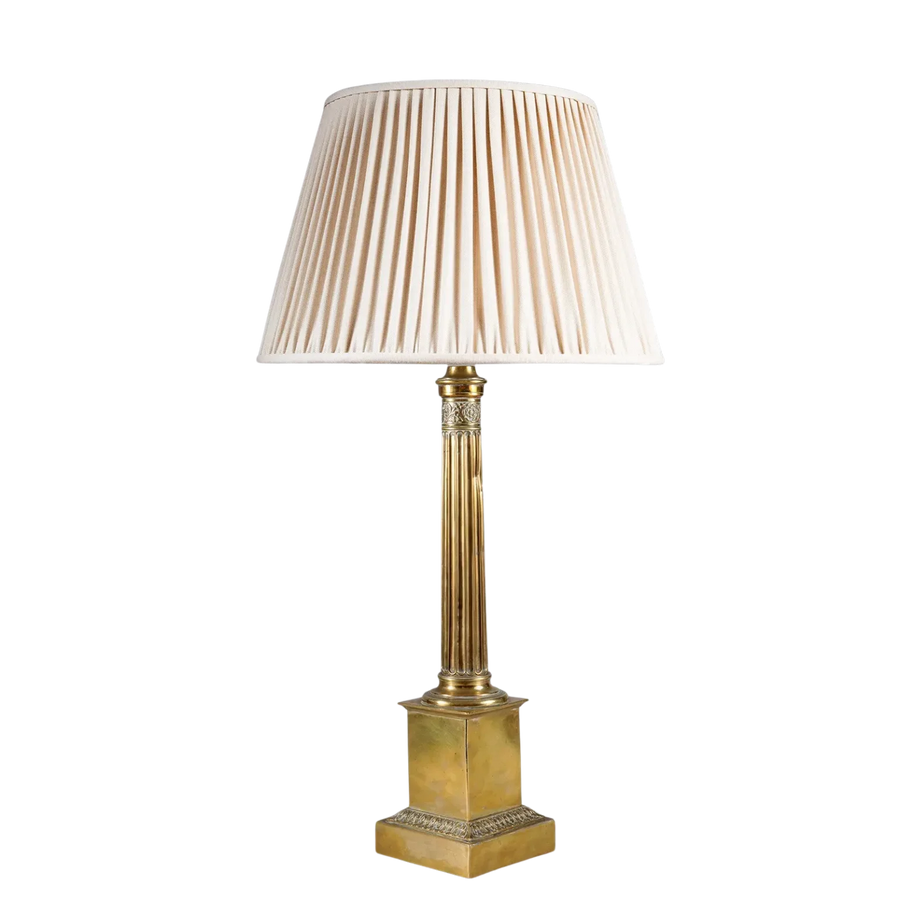
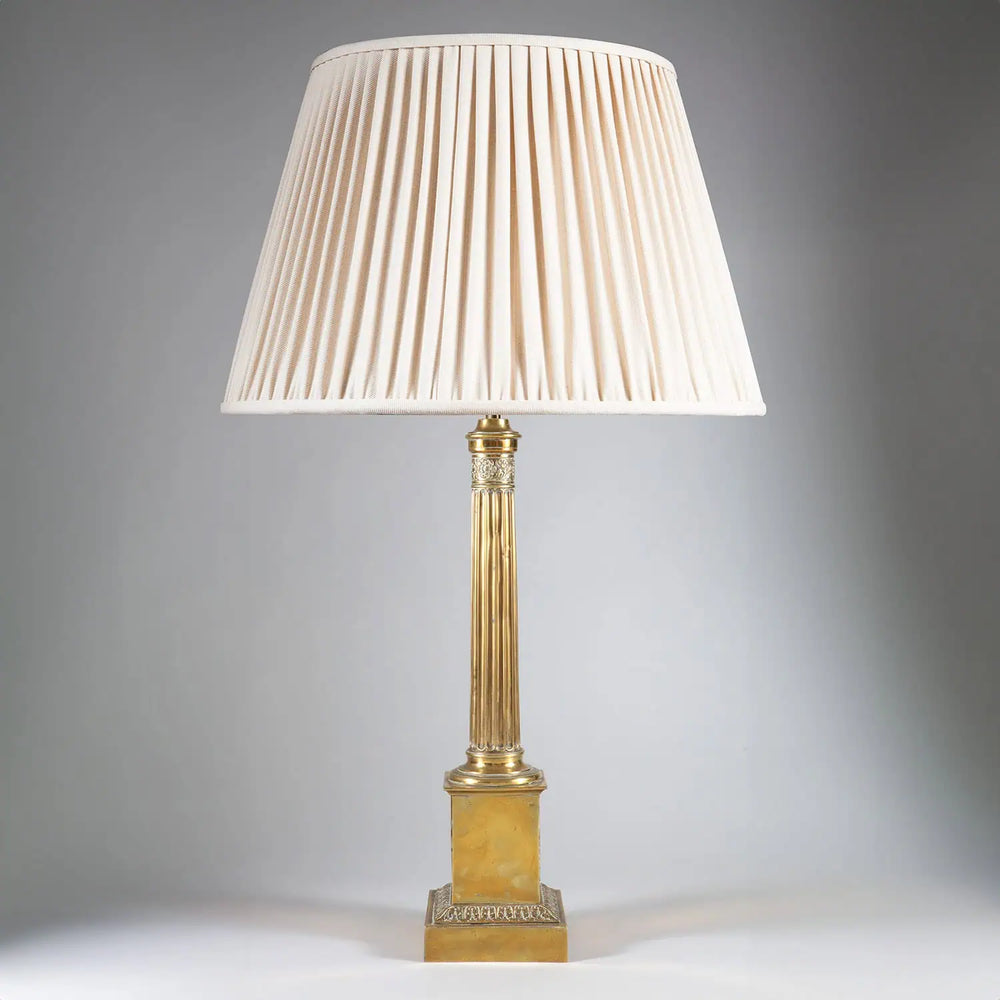
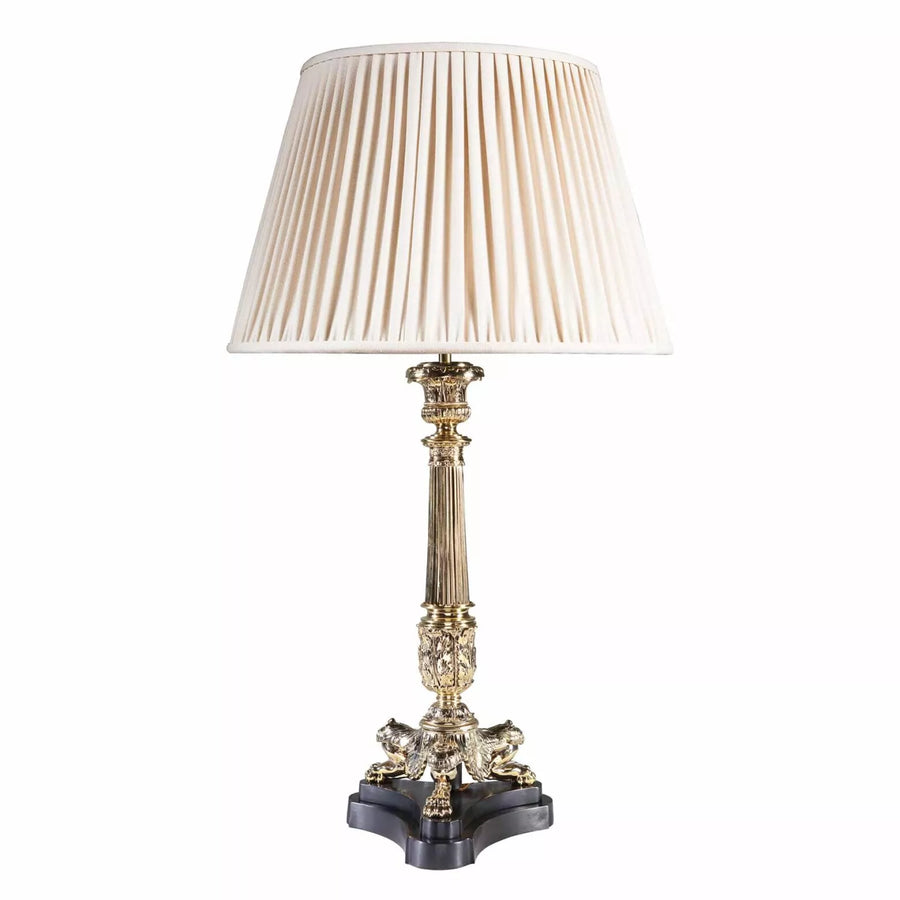
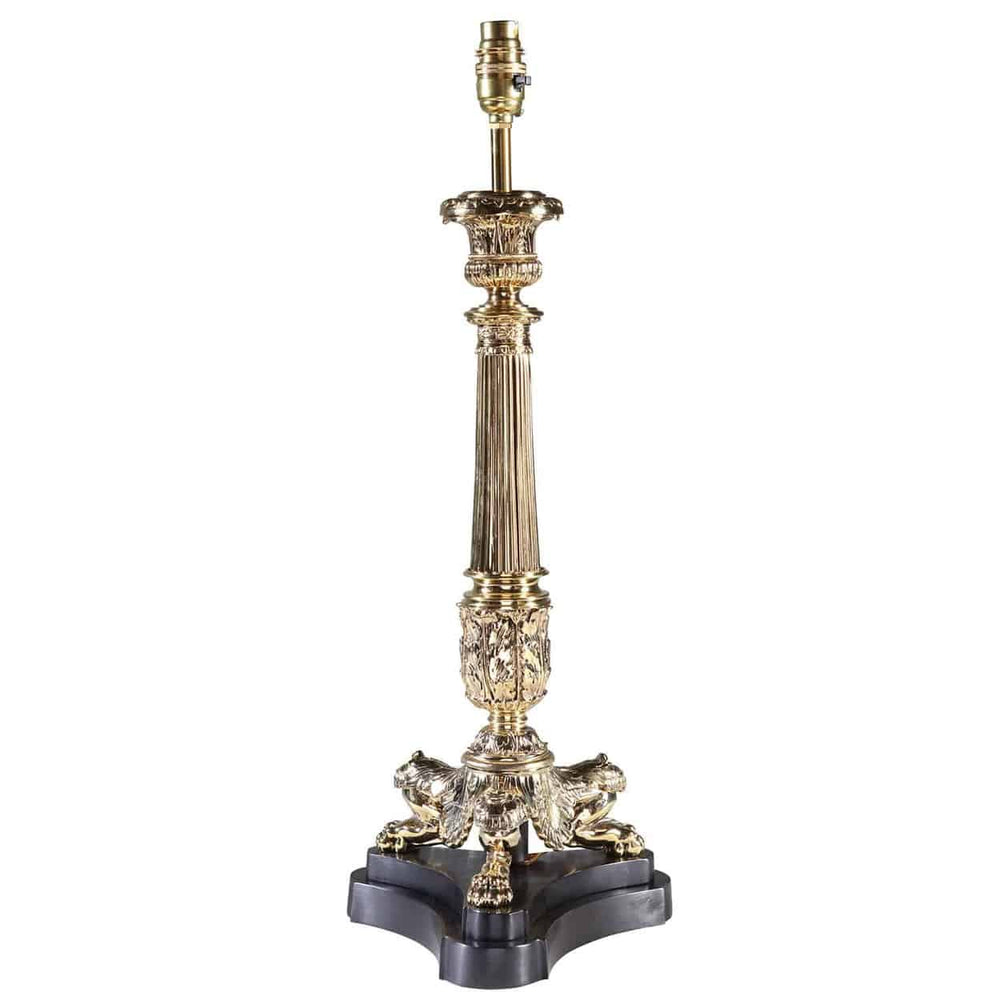
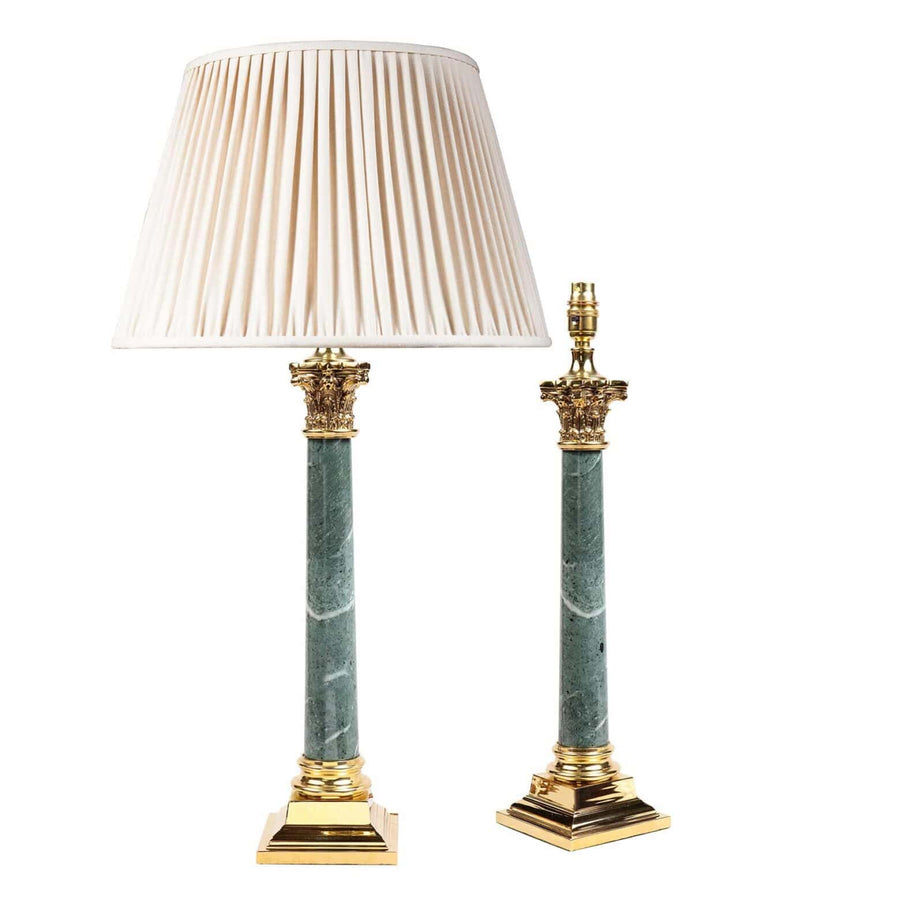
Throughout the 18th and 19th centuries, brass was a key material in English decorative arts. Valued for its golden glow, durability, and versatility, this copper–zinc alloy was used in everything from elegant furniture fittings to ornate household objects.
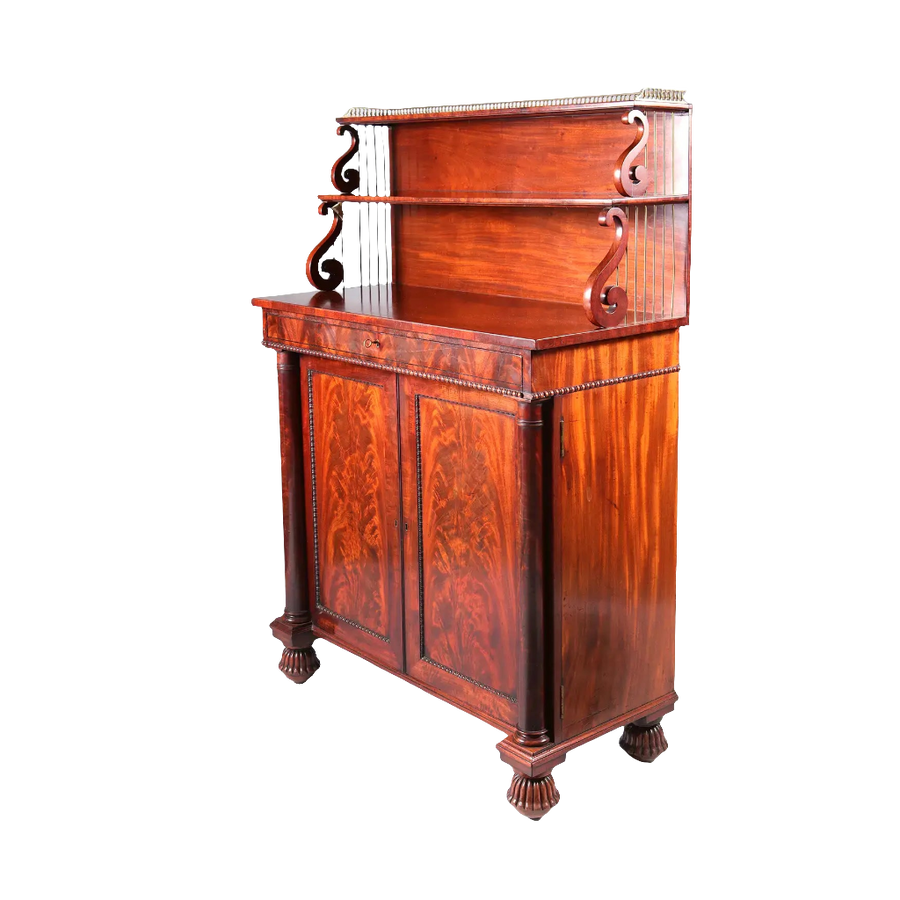
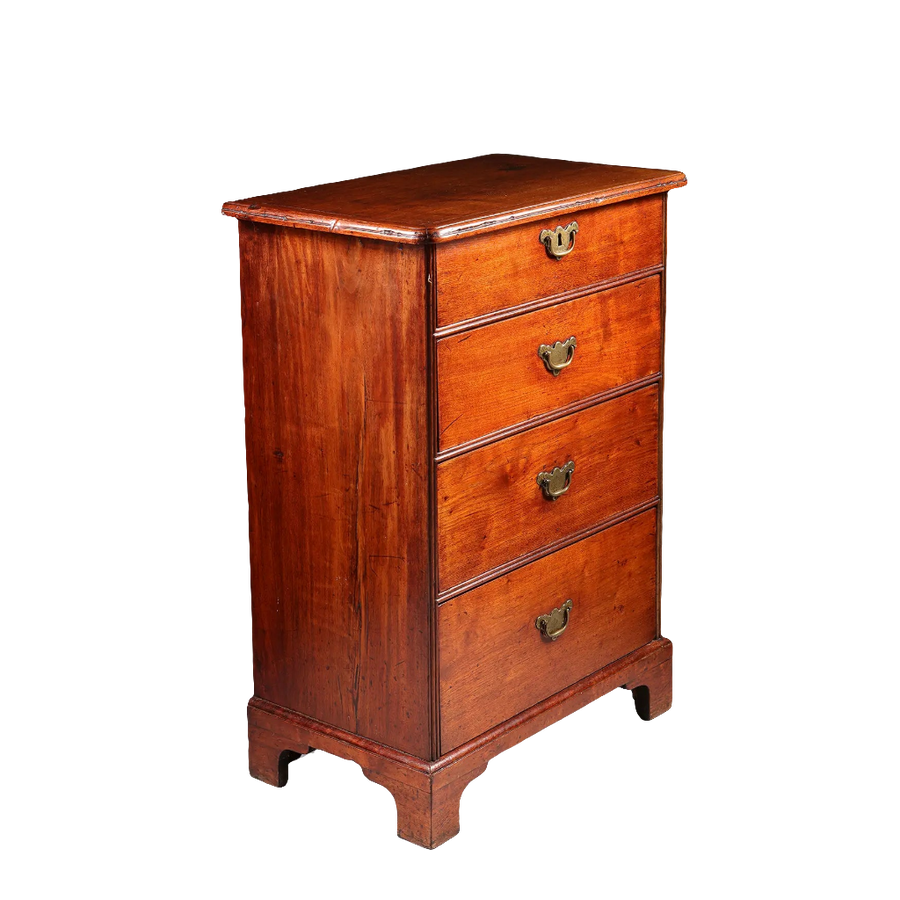
In the Georgian period (18th century), taste was defined by ornamental elegance and classical simplicity. Brass featured prominently in:
Its warm lustre and ability to be cast into fine motifs made it a favourite for designers inspired by classical architecture and design.
The Industrial Revolution transformed brass production in late 18th-century England. Birmingham became the centre of the trade, producing vast quantities of brass items.
A leading figure was Matthew Boulton, who pioneered ormolu (gilded brass), giving middle-class households the look of gold without the cost.
The Victorian era embraced a mix of historical styles and new movements. Brass remained a staple of decorative arts, particularly in the:
Objects ranged from picture frames, bedsteads, and door handles to intricate furniture trims, showing both utility and artistry.
By the late 19th century, technology enabled the mass production of brass items, making them affordable and widely available. Yet handcrafted artistry remained valued. Many Victorian brass objects combined machine-made elements with hand-finishing, reflecting both modern innovation and traditional craftsmanship.
Brass in the 18th and 19th centuries illustrates England’s evolving styles, technologies, and social values. From Georgian refinement to Victorian eclecticism, brass objects captured the spirit of their age.
Today, antique brass pieces continue to enchant collectors and interior designers with their historic charm, golden glow, and timeless appeal.
FAQs About Antique Brass in Decorative Arts
1. How can you identify antique brass?
Antique brass typically has a warm golden tone that develops a natural patina over time. Signs of hand-finishing, irregularities in casting, and wear on frequently touched areas (such as handles or candlesticks) can help distinguish authentic pieces.
2. Why was brass so popular in Georgian and Victorian homes?
Brass combined affordability, durability, and beauty. It could be polished to a gold-like shine yet was more practical and versatile, making it ideal for both decorative and functional items.
3. What types of antique brass objects are most collectible today?
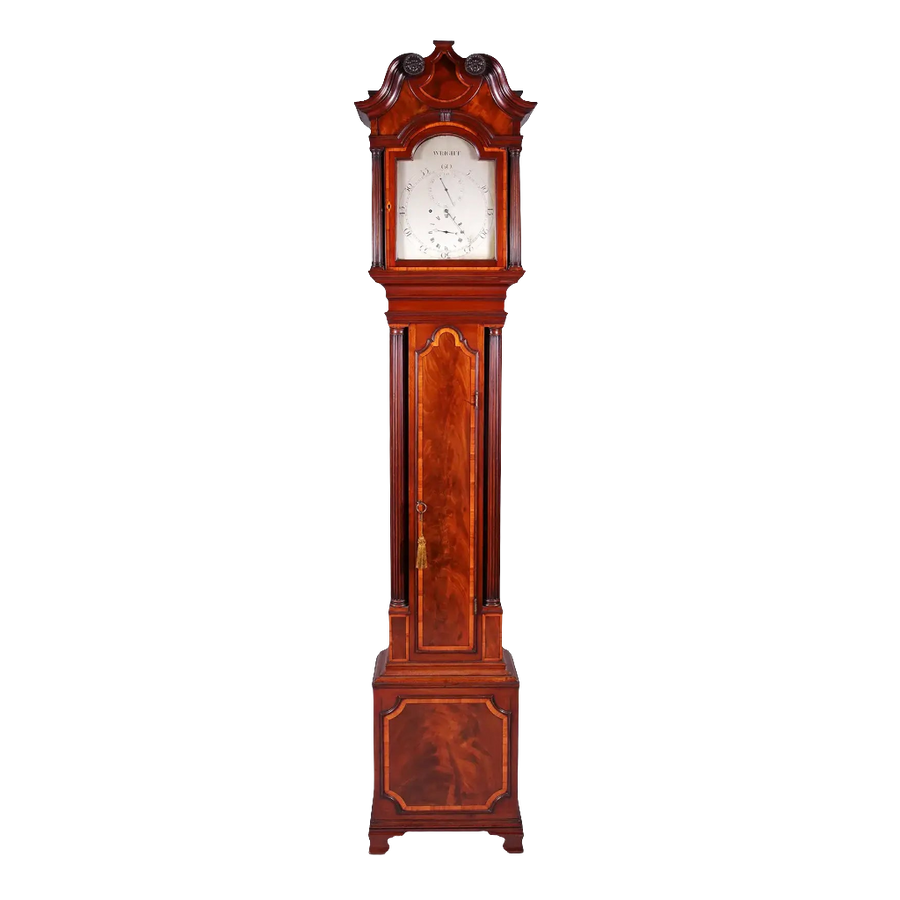
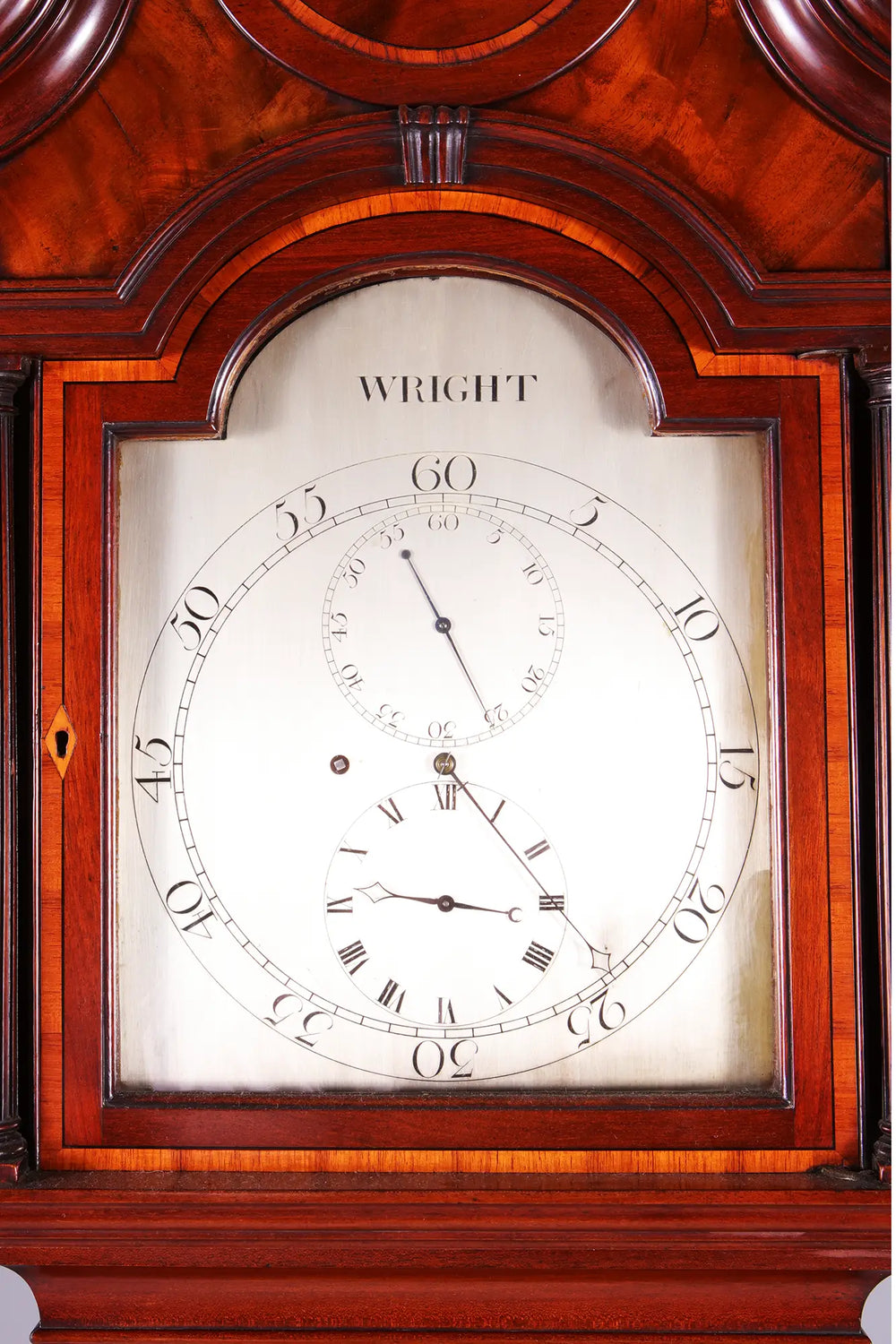
Highly sought-after examples include Georgian candlesticks, Victorian picture frames, ormolu-mounted furniture, fireplace accessories, and brass clocks. Unusual motifs or pieces linked to notable makers (such as Matthew Boulton) attract particular interest.
4. How did the Industrial Revolution change brass production?
The Industrial Revolution allowed brass to be mass-produced in Birmingham and beyond, reducing costs and increasing availability. This shift made brass objects accessible across social classes while still leaving space for luxury, handcrafted designs.
5. Why does antique brass often have a darker colour than modern brass?
Over time, brass develops a patina—a natural darkening caused by oxidation and handling. Collectors often value this aged appearance as it reflects authenticity and history, though some pieces may be polished to restore their original glow.
6. Is brass the same as bronze?
No, brass and bronze are different alloys. Brass is made from copper and zinc, while bronze is typically made from copper and tin. Brass has a warmer golden tone and is more malleable, making it ideal for decorative arts. Bronze, by contrast, has a darker brownish hue and greater hardness, often used in sculpture and weaponry.
This month we have 10% off the Regency Collection - checkout code REG10

Each item in our collection is sold with complimentary restoration within the purchase price. It is only released for delivery once it has been fully checked over and wax polished.

Introduce someone to Nicholas Wells Antiques—when they make a purchase of £10,000 or more, they will benefit form £500 off and you'll receive £500 credit toward your next purchase over £5,000.
A gesture of thanks, from one collector to another.