



Aristocratic Cabinets of Curiosities: A Connoisseur’s Guide to the Wunderkammer
A true collection is never merely an assembly of objects; it's a profound intellectual map of the collector's soul and their mastery over the known world. For centuries, Aristocratic Cabinets of Curiosities have served as private universes where the exotic and the academic converge, yet today's connoisseur often faces the quiet frustration of distinguishing a genuine 18th-century Grand Tour bronze from a mid-20th-century imitation. It's a common struggle to arrange such disparate treasures into a cohesive narrative without compromising the historical integrity of the display.
You understand that a magnificent piece of Georgian mahogany or a refined Regency library table is more than just furniture; it's a stage for history. This guide promises to illuminate the scholarly origins and curatorial secrets of the most prestigious Wunderkammers, offering expert insight into the vital importance of original surface patina. We'll examine how to source rare items through Nicholas Wells Antiques, a specialist London dealer serving the discerning circles of Mayfair and Piccadilly. From identifying authentic ormolu to arranging international shipping for a delicate chandelier, you'll gain the clarity needed to refine your private gallery. We'll explore the specific furniture styles that best complement your collection, ensuring every acquisition possesses a documented provenance and an extraordinary soul. While we operate as an online gallery, our showroom is available to visit by appointment for those seeking a personal consultation.
Key Takeaways
- Trace the evolution of the theatrum mundi, exploring how Aristocratic Cabinets of Curiosities transitioned from Renaissance wonder-rooms to the enlightened galleries of the 18th-century gentleman.
- Identify the pivotal role of Georgian mahogany and Regency furniture in creating a scholarly display that honours the intricate craftsmanship of your acquisitions.
- Gain insights into the curation of rare Islamic arms and Oceanic art, discovering why niche rarity is the defining element of a prestigious private collection.
- Learn to evaluate museum-quality antiques through the lens of a connoisseur, prioritising the preservation of original surface patina and historical integrity.
- Discover how to seamlessly integrate extraordinary historical artifacts into modern luxury homes, utilising magnificent centre tables as a sophisticated focal point.
Defining the Aristocratic Cabinet of Curiosities
The evolution of the Cabinets of Curiosities (Wunderkammer) from the densely packed, almost chaotic Renaissance chambers into the enlightened aristocratic galleries of the 18th century represents a pivotal moment in the history of connoisseurship. For the Georgian gentleman, the cabinet was far more than a storage solution for oddities; it functioned as a theatrum mundi, or theatre of the world. This curated space allowed the owner to symbolically command the vast complexities of the natural and man-made realms within a single room. While early iterations focused on the grotesque or the mythical, the Aristocratic Cabinets of Curiosities of the Enlightenment era sought order, classification, and aesthetic harmony.
At Nicholas Wells Antiques, we recognise that these collections served as dual instruments of private scholarly pursuit and public exhibition. A well-appointed cabinet established an individual's intellectual authority and social prestige, signalling to visitors that the host possessed the means to travel and the intellect to comprehend the world's wonders. The transition from private study to a semi-public display of refined taste mirrors the broader cultural shift toward the professionalisation of museums. Every object, whether it's a piece of Regency furniture or a rare scientific instrument, was chosen for its ability to tell a story of discovery and mastery over the unknown.
The Three Pillars: Naturalia, Artificialia, and Exotica
A true aristocratic collection rested upon three conceptual pillars. Naturalia encompassed the raw majesty of the earth, featuring rare minerals, botanical specimens, and the legendary narwhal tusks that were once prized as unicorn horns. Artificialia celebrated human ingenuity through magnificent clocks, scientific instruments, and intricate man-made marvels that demonstrated the height of craftsmanship. Finally, Exotica brought the far-flung corners of the globe to the European interior. This included treasures such as Islamic arms and armour, Oceanic tribal art, and fine porcelain from the Far East, often housed in superb Georgian mahogany or French giltwood cabinets that protected the delicate patina of these significant cultural artifacts.
The Influence of the Grand Tour on Collecting
The 18th-century journey through Italy and the Mediterranean profoundly shaped the British appetite for antiquity. This rite of passage, known as the Grand Tour, instilled a deep reverence for classical forms that would define the aesthetic of the era's most distinguished homes. Collectors returned with magnificent classical bronzes, marble obelisks, and intricate micromosaics that served as enduring status symbols of their travels. These Grand Tour Souvenirs weren't merely keepsakes; they were the foundation of a sophisticated domestic landscape that blended historical reverence with modern luxury. Nicholas Wells Antiques continues this tradition of excellence, offering expert antique restoration and international shipping to ensure these extraordinary pieces find their place in contemporary collections. While we operate as a premier online gallery, our showroom near Mayfair and Piccadilly is available for viewing by appointment, offering a professional bridge to London-based antique dealing for the discerning collector.
The Evolution of the Cabinet as Fine Furniture
The transition from the sprawling, floor-to-century Renaissance chambers to the refined Aristocratic Cabinets of Curiosities of the 18th century marked a pivotal shift in the history of collecting. While the European precursors of modern museums often occupied entire wings of princely palaces, the Enlightenment-era connoisseur preferred the focused elegance of a dedicated piece of furniture. This evolution allowed for a more intimate, tactile engagement with objects. The architecture of these cabinets frequently mirrored the classical proportions of the London town houses they inhabited, employing the same Palladian symmetry and rhythmic geometry found in Mayfair residences. Craftsmen utilised dense Georgian mahogany for its structural integrity and deep luster, often enhancing the exterior with magnificent ormolu mounts and rare veneers like flame mahogany or satinwood to signal the immense value of the treasures held within.
Specimen Cabinets and Collector’s Chests
The 18th-century specimen cabinet was a marvel of precision, specifically engineered with shallow, velvet-lined drawers to house delicate mineral samples, medals, or numismatic collections. By the turn of the century, the Regency style introduced a more exotic aesthetic, favouring rich rosewood and intricate brass inlays that complemented the sleek, neoclassical interiors of the period. These pieces weren't just storage; they were instruments of study and status that showcased a collector's intellectual reach. Nicholas Wells Antiques frequently sources examples where the original surface patina has been meticulously preserved, a quality essential for any serious collector of fine Cabinet Furniture.
Chippendale and the Golden Age of British Cabinetry
Thomas Chippendale’s influence on the display of rare objects cannot be overstated, as his designs moved beyond mere utility to create theatrical stages for porcelain and curios. The rise of the glazed bookcase and the secretaire allowed collectors to blend their literary pursuits with the exhibition of physical artifacts behind protective glass. Chippendale style is defined as a sophisticated fusion of Rococo, Gothic, and Chinese design elements that became the standard for British luxury after the 1754 publication of Thomas Chippendale’s The Gentleman and Cabinet-Maker's Director. This era transformed the cabinet into a focal point of the drawing room, often featuring intricate fretwork and superb carvings. Our London gallery, available to visit by appointment, showcases the extraordinary craftsmanship of this period, and we provide expert antique restoration alongside secure international shipping to ensure these historical artifacts reach collectors worldwide. If you're looking to anchor a room with a piece of history, you might explore our latest acquisitions of distinguished British cabinetry.
Curating Rare Objects: The Soul of the Collection
To the discerning eye, the value of an Aristocratic Cabinet of Curiosities resides in the exquisite tension between the singular and the universal. Rarity isn't merely a metric of scarcity; it's a testament to the survival of an object through centuries of shifting tastes and geopolitical upheaval. At Nicholas Wells Antiques, we find that the most compelling collections are those that eschew the generic in favour of niche categories. Whether it's the intricate geometry found in Islamic arms and armour or the raw, sculptural power of ethnographic Oceanic art, these objects serve as windows into vanished worlds. The allure of the unique drives the market because a truly rare piece possesses a "soul" that mass-produced luxury can't replicate.
Building a cohesive collection requires more than just an eye for beauty; it demands a sophisticated understanding of the conversation between objects. A 19th-century Fijian war club, with its deep, honeyed patina, creates a striking visual counterpoint when placed alongside a refined classical bronze. This juxtaposition highlights a shared human impulse toward craftsmanship that transcends geographical boundaries. As a specialist dealer in fine and luxury antiques based in London, we assist collectors in Mayfair and beyond to weave these disparate threads into a singular historical narrative. This curated approach ensures that a collection feels like a scholarly pursuit rather than a mere assembly of items.
Grand Tour Treasures and Classical Antiquity
The Grand Tour remains the bedrock of the English aristocratic tradition, representing a period when young noblemen returned from the Continent with trunks filled with classical souvenirs. The obelisk remains a perennial favourite for the connoisseur; it's a form that migrated from ancient Egyptian temples to Regency mantelpieces with effortless grace. These architectural miniatures, often carved from rare marbles or porphry, offer a sense of permanent grandeur. Nicholas Wells Antiques frequently acquires fine bronze reductions of classical sculptures by Italian masters, which served as the intellectual currency of the 18th-century elite. For a deeper exploration of these items, we invite you to consult our Grand Tour Objects: A Connoisseur’s Guide.
Ethnographic Art and Global Exploration
The influx of Asian and Oriental art into European Aristocratic Cabinets of Curiosities was greatly accelerated by the maritime dominance of the Dutch East India Company. This era of global exploration brought forth objects that challenged Western aesthetic norms, such as the rhythmic carvings found in Oceanic tribal art. Ceremonial masks and clubs are no longer viewed merely as ethnographic specimens; they're celebrated as profound sculptural forms that predate the modernist movements of the 20th century. Our gallery, accessible by appointment near Piccadilly, focuses on pieces that retain their original surface and historical integrity. We handle the complexities of international shipping with the utmost care, ensuring these extraordinary artifacts reach our global clientele in pristine condition.
The Connoisseur’s Eye: Authenticity and Patina
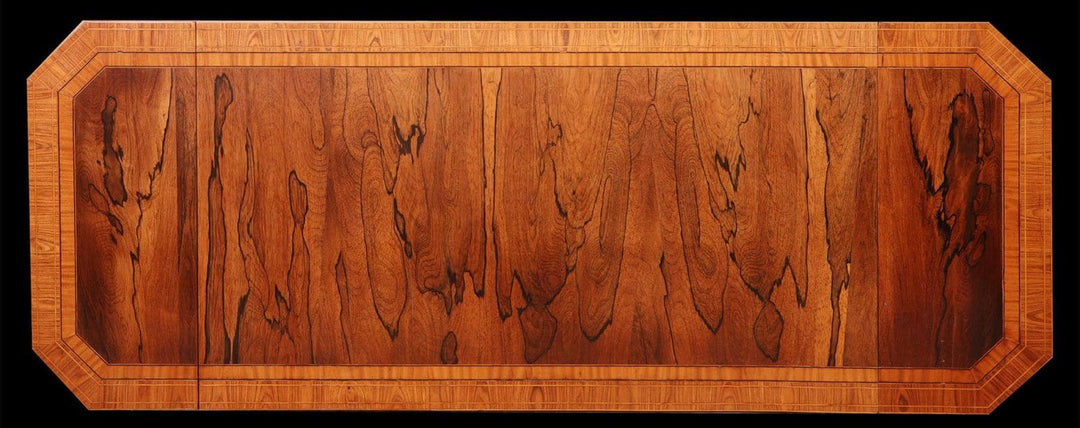
Identifying a museum-quality antique requires more than a cursory glance at its form; it demands an understanding of the object’s historical integrity. For those assembling Aristocratic Cabinets of Curiosities, the surface patina acts as a silent witness to centuries of existence. This "skin" isn't merely dirt or old varnish. It's the oxidized layer of wax, dust, and light that settles upon 18th-century mahogany or a rare bronze sculpture over generations. Removing this through aggressive cleaning destroys the very character that defines a superb artifact. Provenance provides the necessary academic framework, tracing a piece from its original commission in a Georgian manor to its current presentation. A documented journey ensures that the soul of the object remains intact, allowing the collector to buy with absolute confidence.
Preserving the Unique Antique Surface
Over-restoration is a common pitfall that strips away value and history. Nicholas Wells Antiques prioritizes a "complimentary restoration" philosophy, ensuring that every cabinet furniture piece retains its original character. When examining a 1750s Georgian bureau or a Regency desk, we look for hand-cut dovetails and the irregular marks of a period pit saw. These construction nuances confirm authenticity. Our conservation efforts focus on stabilizing the structure while leaving the historic finish untouched, as we believe the signs of age are what make an object truly magnificent. We don't just sell furniture; we preserve the tactile narrative of the 18th and 19th centuries.
London-Based Antique Dealing and Specialist Expertise
Acquiring pieces for Aristocratic Cabinets of Curiosities requires a discerning eye and a trusted partner. Sourcing from a specialist dealer in Mayfair or Piccadilly offers a level of security that digital marketplaces often lack. London-based antique dealing remains the global gold standard for connoisseurship, where the history of the trade is as deep as the history of the objects themselves. Building a relationship with a curator-dealer allows you to refine your aesthetic through shared scholarship and private access. Nicholas Wells Antiques operates as a premier luxury antiques dealer, providing an appointment-only showroom experience. This private setting allows for an immersive study of objects, from Oceanic war clubs to French ormolu clocks, away from the distractions of the high street.
To begin curating your collection with pieces of impeccable history and surface quality, explore our latest gallery acquisitions.
Reimagining the Room of Wonders in Modern Interiors
Integrating an Aristocratic Cabinets of Curiosities into a 21st-century residence requires a discerning eye for juxtaposition. It isn't about recreating a dusty museum. It's about the dialogue between a sleek, minimalist architectural backdrop and the rich, textured history of a 19th-century bronze or a rare piece of Oceanic art. This curation transforms a living space into a private gallery that reflects the owner's intellectual journey. Successful modern Wunderkammers rely on the careful selection of a few superlative pieces rather than a cluttered assembly. Each object must possess the "soul" that Nicholas Wells Antiques identifies as essential for a truly distinguished collection.
The Centre Table as a Curatorial Hub
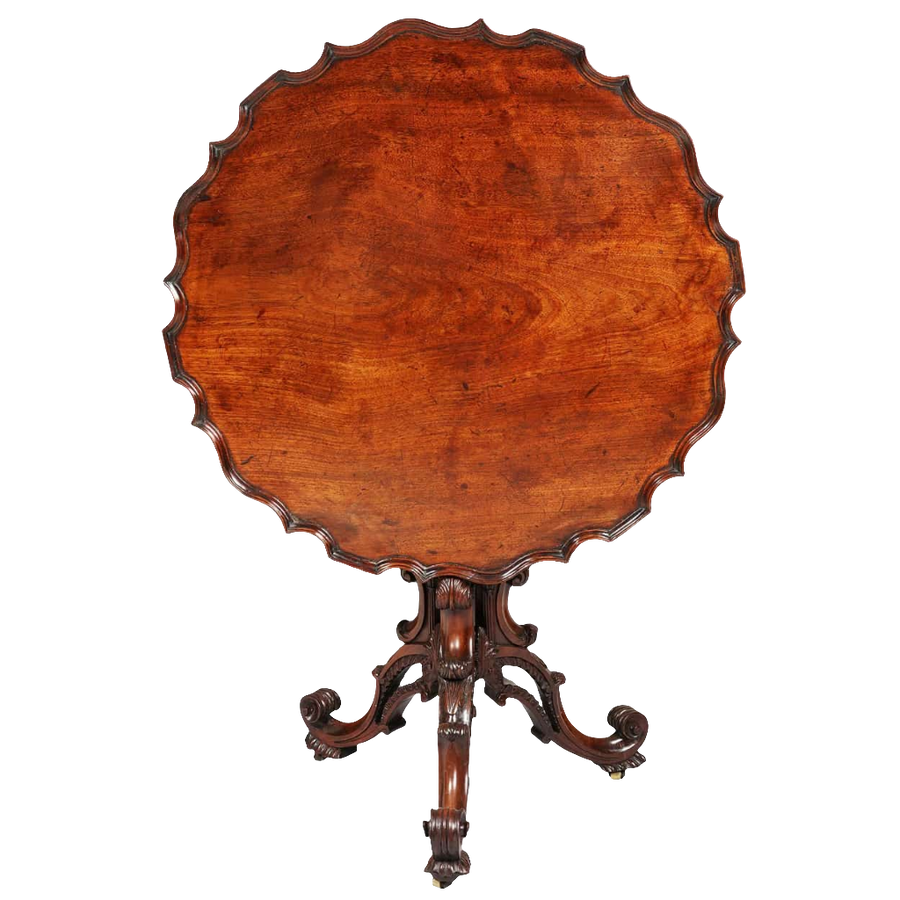
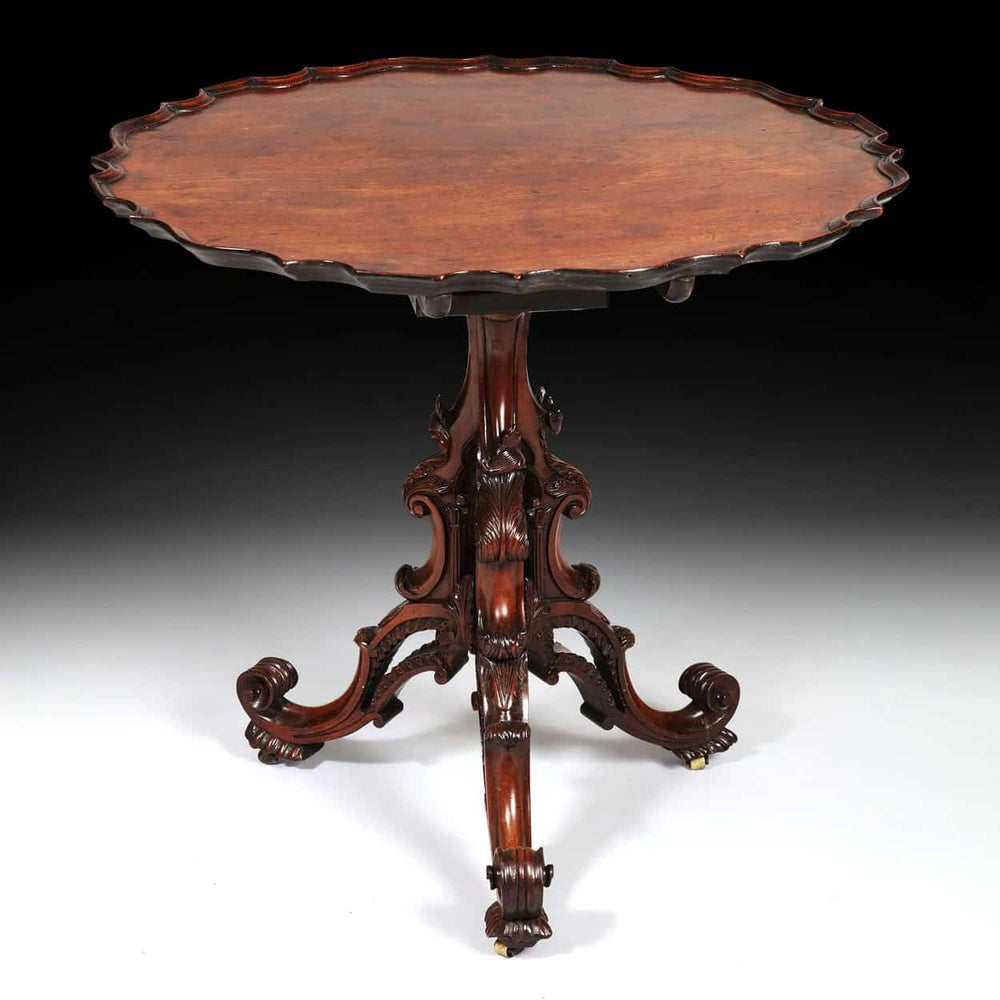
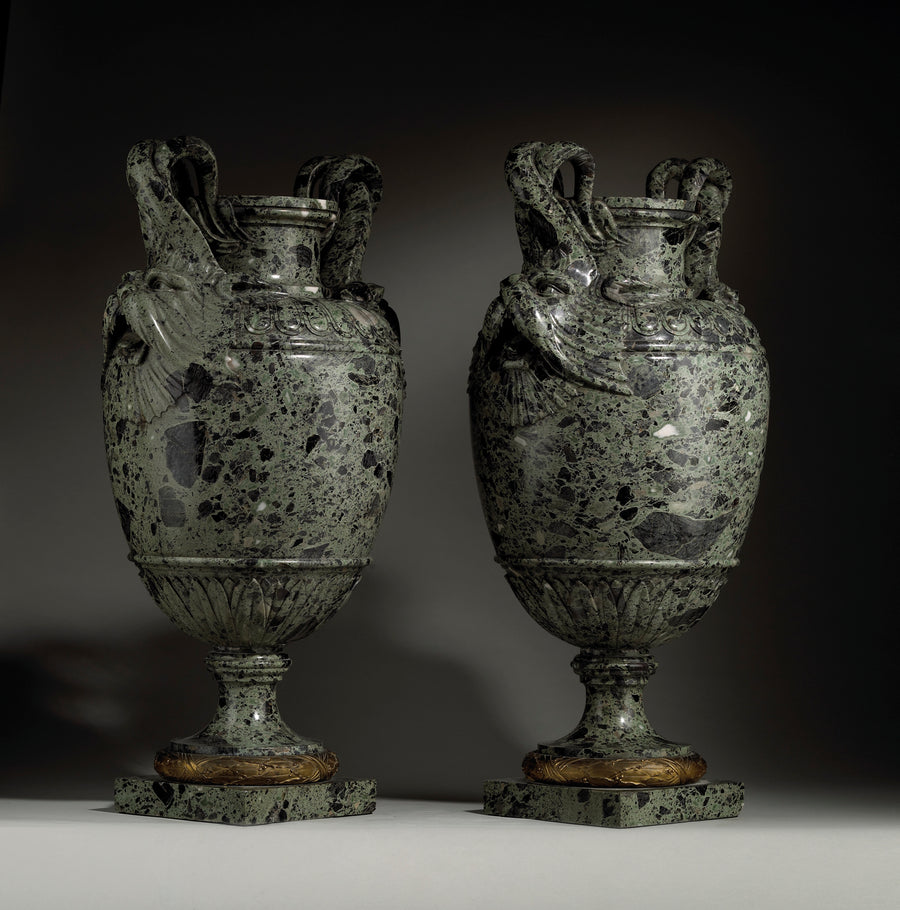
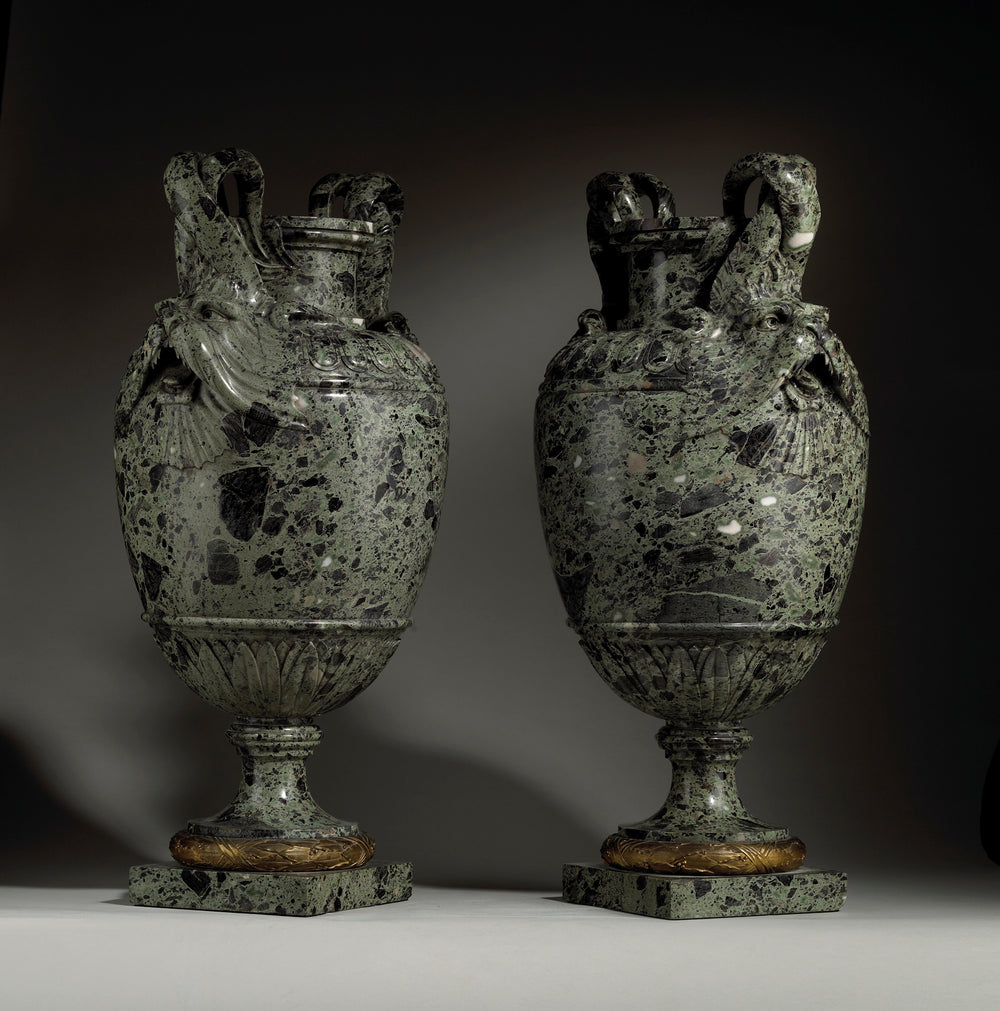
A magnificent Regency centre table serves as the ideal anchor for this aesthetic. Positioned in a grand entrance hall or a dedicated library, its circular form invites 360-degree inspection of the treasures atop it. You might arrange a rotating selection of Grand Tour objects, perhaps a pair of Giallo Antico marble obelisks alongside an intricate bronze model of the Column of Trajan. For more details on these foundational pieces, consult our Antique Centre Tables: A Guide to History, Style, and Placement. Lighting plays a pivotal role here; the warm glow from a period glass lantern or a crystal chandelier should illuminate the surface patina without overwhelming the delicate details of the collection below.
Building such a collection is a commitment to the conservation of history. Unlike mass-produced luxury, the value of a fine antique lies in its provenance and the unique antique surface that only centuries can produce. These are generational assets. A well-chosen piece of Georgian mahogany or a rare 18th-century casket becomes a tangible link to the past. This Aristocratic Cabinets of Curiosities approach ensures that your investment appreciates in both cultural and financial significance over time, serving as a legacy for future connoisseurs.
Starting Your Journey with Nicholas Wells Antiques
Building a world-class collection requires a partner who understands the logistics of luxury. Nicholas Wells Antiques prioritises the safety of every acquisition through a robust global network. We offer fully insured, bespoke delivery services to ensure your items arrive in pristine condition, whether they're destined for a penthouse in Mayfair or a private estate in the Americas. Our expertise in antique restoration ensures that every piece maintains its historical integrity while being ready for display. To begin your pursuit of the extraordinary, contact Nicholas Wells Antiques to begin curating your private gallery. Our showroom is available to visit by appointment for those seeking a more personal consultation in the heart of London's antique district.
Curating Your Private Museum
The pursuit of the extraordinary has defined connoisseurship since the first princely collections emerged in the 16th century. Today, the legacy of Aristocratic Cabinets of Curiosities lives on through the careful selection of objects that possess both historical weight and aesthetic brilliance. Whether you're drawn to the intricate marquetry of a 1750s Georgian mahogany cabinet or the stark beauty of a 19th-century Polynesian war club, each piece serves as a silent witness to a bygone era of discovery. True value lies in the preservation of the unique antique surface and the scholarly verification of provenance that connects a modern interior to centuries of heritage.
As an established London specialist with decades of experience in Mayfair and Piccadilly dealing, Nicholas Wells Antiques offers a bridge between historical grandeur and contemporary refinement. Every acquisition comes with the assurance of complimentary expert restoration to ensure its longevity; this is paired with fully insured worldwide shipping for high-value antiques. We invite you to explore our curated collection of extraordinary works of art and furniture at Nicholas Wells Antiques and discover a piece that resonates with your personal narrative. Your journey into the world of fine collecting starts with a single, exceptional object.
Frequently Asked Questions
What is the difference between a Cabinet of Curiosities and a modern museum?
The primary distinction lies in the transition from private, idiosyncratic wonder to public, systematic education. Aristocratic Cabinets of Curiosities were personal microcosms reflecting a collector's status and intellectual breadth, whereas modern museums, evolving from the 1753 founding of the British Museum, categorise objects by strict scientific or historical taxonomy. A Wunderkammer celebrates the marvellous and the rare, often mixing naturalia and artificialia without the rigid boundaries found in contemporary institutional displays.
How do I start a collection of Grand Tour objects?
Begin your journey by focusing on specific 18th-century souvenirs that resonate with the classical traditions of Italy and Greece. Seeking out finely carved marble obelisks or bronze reductions of celebrated Roman sculptures provides a sophisticated foundation for any burgeoning collection. It's essential to verify the provenance of each piece, as authentic Grand Tour items from the 1760 to 1840 period offer both historical depth and a tangible connection to the enlightenment era's pursuit of knowledge.
Why is original surface patina so important for antique furniture?
Original surface patina serves as the indelible fingerprint of an object's history, preserving the authentic character that centuries of careful use and oxidation've created. At Nicholas Wells Antiques, we recognise that a preserved 18th-century surface is irreplaceable; once removed by over-restoration, the soul of the piece is lost. This delicate layer of history enhances the depth of Georgian mahogany or French giltwood, ensuring the item retains its aesthetic integrity and market value for discerning connoisseurs.
What types of furniture are best for displaying rare objects?
Glazed bookcases and specialised collectors' cabinets are the superior choices for exhibiting a curated selection of rare artifacts. A fine Regency rosewood cabinet with brass inlay offers a secure yet visible environment for delicate items like Islamic arms or Oceanic art. These pieces function as modern-day Aristocratic Cabinets of Curiosities, providing a structured framework that elevates individual objects while protecting them from environmental factors within a refined interior setting.
Can I visit the Nicholas Wells Antiques showroom in London?
You're welcome to visit our showroom in the heart of London by pre-arranged appointment. While Nicholas Wells Antiques operates primarily as an online gallery, we maintain a private exhibition space near Piccadilly and Mayfair where clients can examine our collection in person. This bespoke service allows collectors to experience the scale, weight, and intricate detail of our finest pieces, from magnificent chandeliers to rare ethnographic carvings, under expert guidance.
Does Nicholas Wells Antiques offer international shipping for large cabinets?
We provide comprehensive international white-glove shipping services for all our acquisitions, including substantial items like 19th-century breakfront bookcases. Our logistics partners specialise in the delicate handling of fine art and luxury antiques, ensuring that every piece arrives in pristine condition regardless of its destination. Whether you're based in New York or Hong Kong, we manage the entire process, including bespoke crating and the necessary customs documentation for seamless global delivery.
What defines a Regency style cabinet compared to a Georgian one?
Regency cabinets are distinguished by their leaner silhouettes and neoclassical influences, contrasting with the more robust and architectural forms of the earlier Georgian period. While a Georgian mahogany piece might feature heavy carvings and classical proportions favoured by Thomas Chippendale in the 1750s, a Regency cabinet from the 1810 to 1830 era often showcases exotic veneers, brass stringing, and lion-paw feet. This shift reflects a more eclectic, archaeological approach to design inspired by Greek and Egyptian discoveries.
Is restoration included when purchasing from Nicholas Wells Antiques?
Professional conservation and sympathetic restoration are integral components of our service to ensure every piece meets our exacting standards. We employ master craftsmen who specialise in traditional techniques, such as French polishing and ormolu cleaning, to preserve the unique antique surface of our inventory. This meticulous attention to detail ensures that your acquisition is ready for immediate display in a contemporary home while respecting the historical narrative and physical integrity of the artifact.

Leave a comment