



Why Collecting Antiques Matters: The Connoisseur’s Pursuit of History and Art
Why would a discerning collector choose a Regency library table with a weathered, original surface over a pristine, mass-produced luxury alternative? You likely feel that modern furniture, while functional, often lacks the narrative depth and soul required to anchor a truly sophisticated interior. At Nicholas Wells Antiques, we believe that understanding Why Collecting Antiques Matters involves recognising the preservation of history; it's the difference between owning a mere object and becoming the guardian of a cultural artifact. Whether it's the intricate marquetry of a Georgian mahogany commode or the scholarly allure of a Grand Tour obelisk, these pieces offer a tangible connection to the past that no modern factory can replicate.
You'll discover the profound cultural and investment value of fine antiques, particularly as the global market is projected to reach USD 535.50 billion by 2033. We'll guide you through the nuances of provenance and the importance of preserving an original surface, while providing clarity on the 10% general import tariff and the elimination of the $800 de minimis exemption that took effect in February 2026. From our Mayfair appointment-only showroom, we demonstrate how to seamlessly integrate a magnificent Irish pier mirror or a rare war club into a contemporary home. This guide provides the expertise needed to build a collection of extraordinary rarity with the confidence of a true connoisseur.
Key Takeaways
- Understand Why Collecting Antiques Matters by exploring how the 'soul' of a Georgian mahogany piece acts as a bridge between historical craftsmanship and contemporary luxury.
- Learn to identify and value the 'original surface' and authentic patina of 18th-century furniture, ensuring you act as a true custodian of history.
- Discover the 'focal point' strategy for integrating magnificent Regency or Art Deco items into modern interiors without creating a museum-like atmosphere.
- Evaluate the investment potential of rare, tangible assets in niche categories such as Grand Tour obelisks, Islamic arms, or Oceanic war clubs.
- Explore the benefits of partnering with Nicholas Wells Antiques for expert restoration, global shipping, and private viewings at our London showroom by appointment.
The Soul of the Object: Why Collecting Antiques Matters in a Modern World
To understand Why Collecting Antiques Matters, one must look beyond the physical form to the silent narrative embedded within the grain of the timber or the cast of the bronze. Fine objects serve as a sophisticated bridge between historical epochs and our contemporary aesthetic requirements. While a modern, mass-produced sideboard might offer temporary utility, it lacks the 'soul' of a Georgian mahogany piece that has witnessed centuries of human discourse. These artifacts carry the weight of their era; they're survivors of a bygone age that continue to resonate within the architecture of a modern home. At Nicholas Wells Antiques, we view the collector not merely as a consumer, but as a temporary custodian of global heritage. This perspective transforms the act of acquisition into a distinguished responsibility, ensuring that the artistry of the past is preserved for the future.
A Tangible Connection to Human Ingenuity
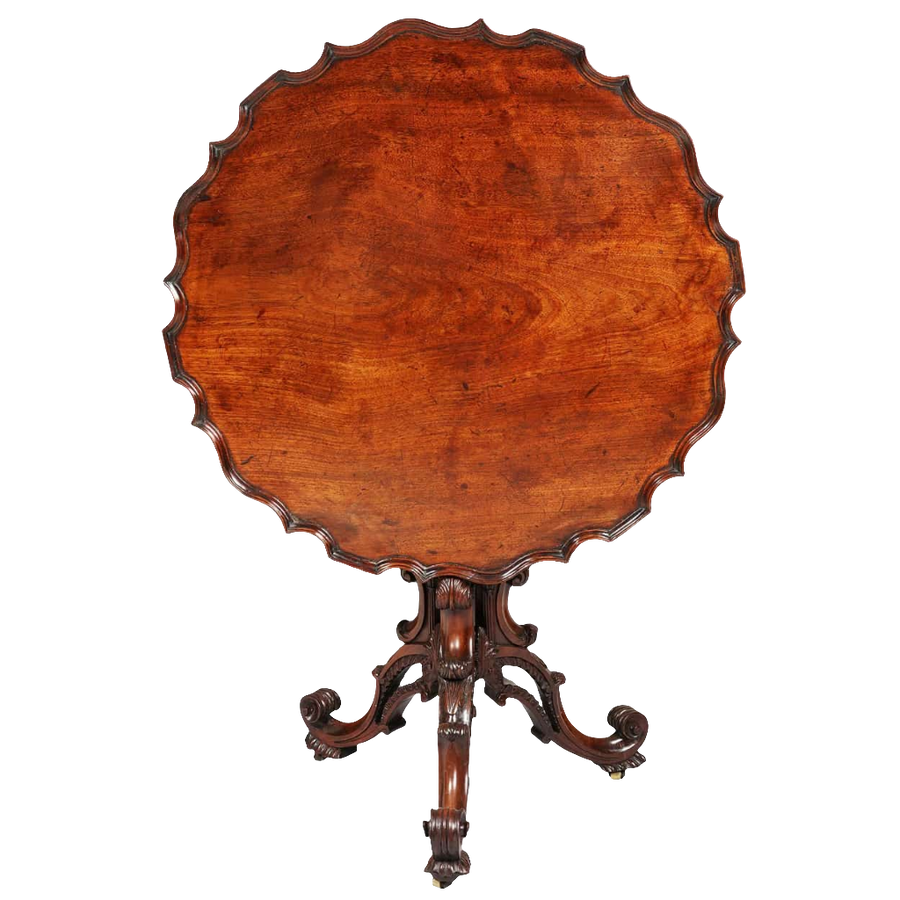
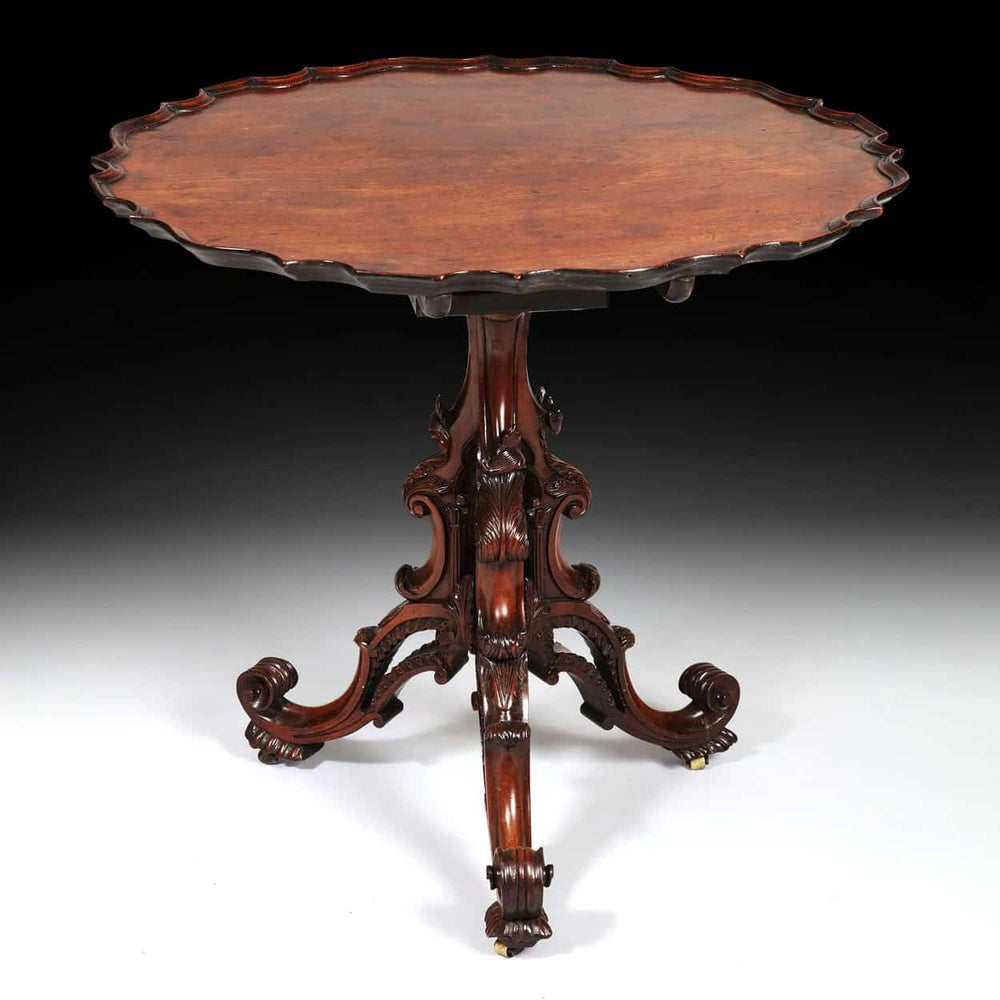
The 18th and 19th centuries represented a pinnacle of manual artistry that's rarely matched in our era of mechanical reproduction. While the technical definition of an antique often rests on the 100-year mark, the true value lies in the extraordinary human effort required to create it. Consider the social history inherent in high-quality antique centre tables, which once served as the literal and metaphorical heart of the 18th-century salon. These unique pieces, often featuring intricate marquetry or superb ormolu mounts, offer a counterpoint to modern homogeneity. Each Chippendale chair or Regency cabinet possesses a distinct personality, born from the idiosyncratic hand of the craftsman. This rarity is exactly Why Collecting Antiques Matters; it allows for an interior that's entirely unique, punctuated by objects that possess a history as rich as their patina.
The Emotional Resonance of Heritage
Living amongst objects with a 'lived-in' history provides a profound psychological satisfaction that new luxury goods cannot replicate. In a fast-paced digital world, fine antiques serve as anchors of stability. There's a quiet confidence in a French giltwood mirror or an Irish pier mirror that has reflected generations of light. As a specialist luxury antiques dealer based in London, we facilitate this deep historical connection for clients across the globe. Whether you're seeking a rare Oceanic war club or a set of magnificent lanterns, the emotional resonance of these items creates a sense of timelessness. Through our gallery, which is available to visit by appointment in the heart of Mayfair and Piccadilly, collectors can experience the tactile reality of these artifacts. Backed by our expertise in antique restoration and seamless international shipping, we ensure that the journey of these extraordinary objects continues with the same care they've received for centuries.
The Custodian’s Responsibility: Provenance, Patina, and the Unique Antique Surface
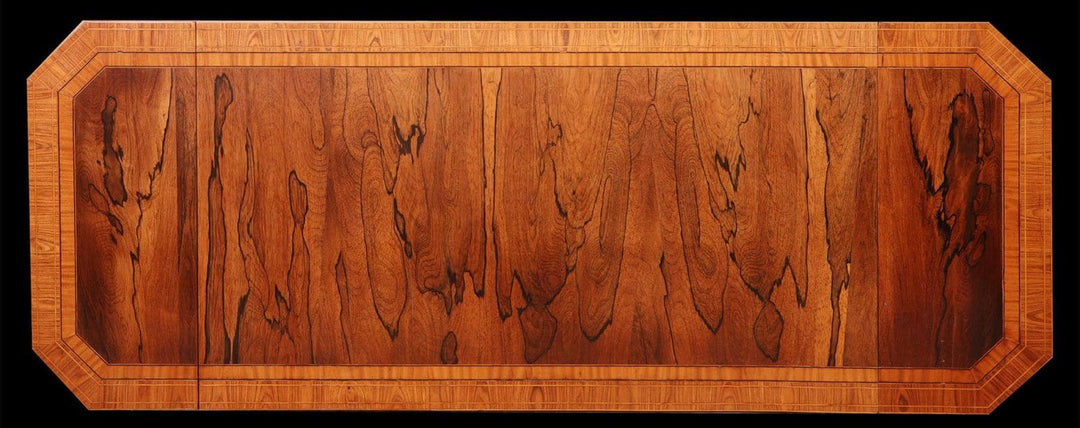
To the uninitiated, a slight variation in colour or a softened edge on a Georgian mahogany desk might appear as a defect. To the seasoned connoisseur, these marks represent the physical evidence of time. This layer of history, professionally known as patina, is exactly Why Collecting Antiques Matters; it provides a visual depth and tactile richness that modern chemical finishes simply cannot replicate. The original surface of an 18th-century piece is its most valuable asset, acting as the 'skin' of the object and bearing the unique signature of centuries of wax, sunlight, and human touch. At Nicholas Wells Antiques, we advocate for the preservation of this unique antique surface, treating every intervention as an act of historical conservation rather than a mere cosmetic repair. We recognise that once an original finish is removed, the historical integrity of the piece is lost forever.
The Art of Preservation vs. Over-Restoration
Over-restoration remains a significant threat to the global antiques market, often stripping an object of its soul and its commercial value. Stripping back a piece of French giltwood to its bare substrate destroys the delicate period gilding and gesso that define its character. Our scholarly approach to conservation prioritises structural stability and the sympathetic cleaning of ormolu or marquetry. By maintaining the 'soul' of the object, we ensure that the piece remains a significant cultural artifact rather than a mere reproduction. This philosophy extends to our restoration services, where we use traditional techniques to honour the original craftsman's intent while preparing the piece for a modern luxury interior.
Deciphering Provenance: The Paperwork of History
In an era of increasing regulatory scrutiny, including the Art Market Integrity Act proposals and evolving import duties, the documentation of an object’s journey has never been more critical. Tracing an item back to a distinguished English country house or a renowned private collection adds a layer of prestige that transcends the physical object. Provenance is the documented history of ownership that validates an object's life story. As a fine antiques dealer based in London, we invest heavily in scholarly research to verify these narratives, ensuring our clients acquire pieces with undisputed legitimacy. Whether we are handling a rare Regency library table or a set of Chippendale chairs, establishing a clear line of descent is paramount to the investment value.
Our commitment to heritage means we don't just sell objects; we curate histories. You can explore our meticulously researched antique furniture collection to see how provenance and preservation converge in every piece we source. From our base in Mayfair and Piccadilly, we offer the expertise required to navigate the complexities of the 2026 market, ensuring that each acquisition is backed by rigorous historical data and expert conservation. This transparency is vital for international collectors who must now manage the 10% general import tariff and the elimination of de minimis exemptions when shipping extraordinary pieces across borders.
Antiques in the Modern Interior: A Dialogue Between Eras
The misconception that fine antiques belong solely within the stasis of a museum often prevents collectors from realising the full potential of their living spaces. In reality, the most compelling interiors are those that foster a sophisticated dialogue between different centuries. This is Why Collecting Antiques Matters in the 21st century; it allows for a layered, textured aesthetic that a single-period room can't achieve. A superb Regency mahogany library table doesn't just sit in a room; it anchors it, providing a historical weight that complements the clean lines of Art Deco lighting or the bold geometry of contemporary art. This eclectic approach is particularly prevalent in the grand apartments of Mayfair and Piccadilly, where the "English Country House" style is being reimagined for a modern, urban context. As online sales in the antiques market grow at a rate of 18% annually, it's clear that a new generation of collectors is embracing this blend of heritage and modern luxury.
Curating the Eclectic Luxury Space
Architectural interest in a modern home often requires more than just structural changes; it requires objects that command attention. Using antique mirrors is one of the most effective strategies for adding both light and historical depth to a contemporary room. A magnificent Irish pier mirror, with its characteristic glass-bead borders, creates a stunning focal point that draws the eye and expands the sense of space. Similarly, a set of Chippendale chairs can provide a rhythmic elegance to a minimalist dining area. These decorative antiques aren't merely functional; they're sculptural elements that carry the narrative of their era into the present day. Nicholas Wells Antiques specialises in sourcing these extraordinary pieces, ensuring they possess the unique antique surface and provenance required to stand as the centrepiece of a distinguished collection.
Lighting the Past: Chandeliers and Lanterns
Atmosphere is the most elusive element of interior design, yet it's often dictated by the quality of light. Period lighting, from grand French giltwood chandeliers to understated hall lanterns, transforms the way we perceive the surfaces around us. The interplay between shadow and the rich patina of 18th-century furniture creates a sense of timelessness that modern LED fixtures often fail to capture. Our curated lighting collection serves as a vital tool for interior designers looking to bridge the gap between the grandeur of the past and the requirements of modern living. Whether it's the warm glow reflecting off an ormolu mount or the intricate shadows cast by a Georgian lantern, these pieces provide the emotional resonance that defines a luxury home. By appointment, clients can visit our showroom to see how these lighting elements interact with our wider collection, creating the immersive experience that Nicholas Wells Antiques is known for globally.
The Connoisseur’s Investment: Rarity, Craftsmanship, and Niche Categories
Unlike contemporary luxury goods that suffer immediate depreciation the moment they leave the showroom, fine antiques represent a sophisticated allocation of capital into tangible history. This enduring fiscal appeal is a pragmatic reason Why Collecting Antiques Matters to the modern investor. With the global market projected to reach USD 535.50 billion by 2033, collectors are increasingly looking toward objects that possess intrinsic value through rarity and mastery of craft. A Georgian mahogany cabinet or a Regency library table isn't merely furniture; it's an accumulation of artisanal hours, rare timber, and historical significance that cannot be replicated. By acquiring from a specialist luxury antiques dealer, you ensure that craftsmanship markers, such as the quality of marquetry or the crispness of ormolu casting, meet the rigorous standards required for a sound long-term investment.
The Allure of the Grand Tour
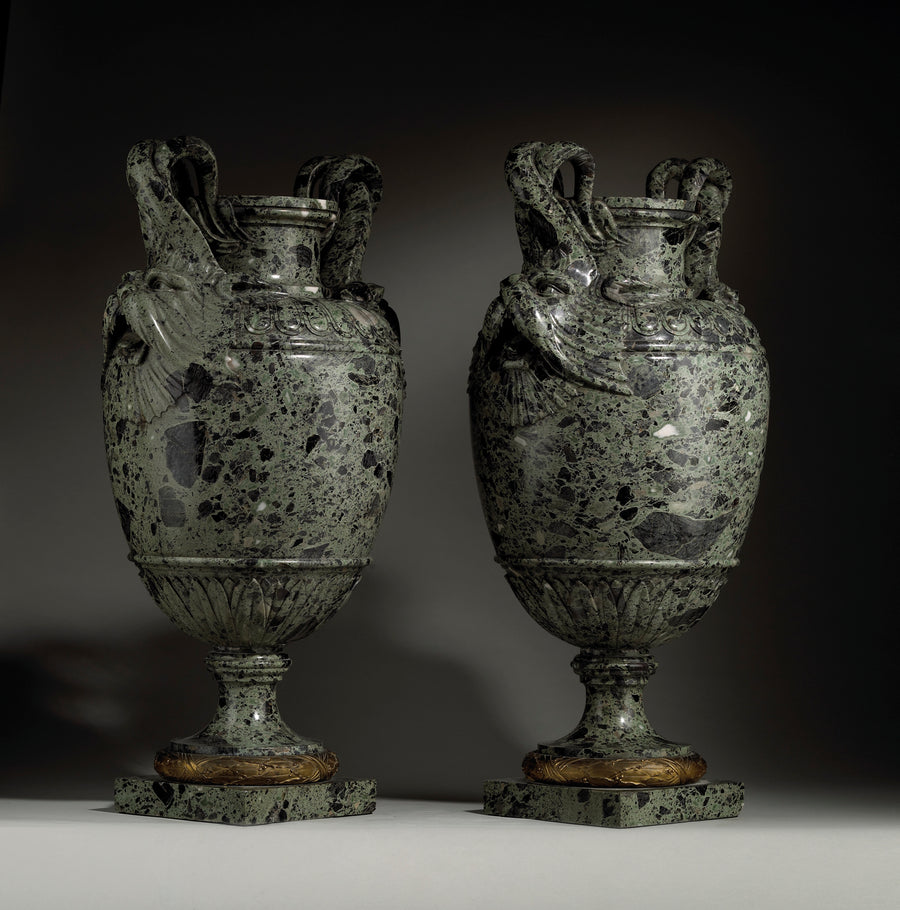
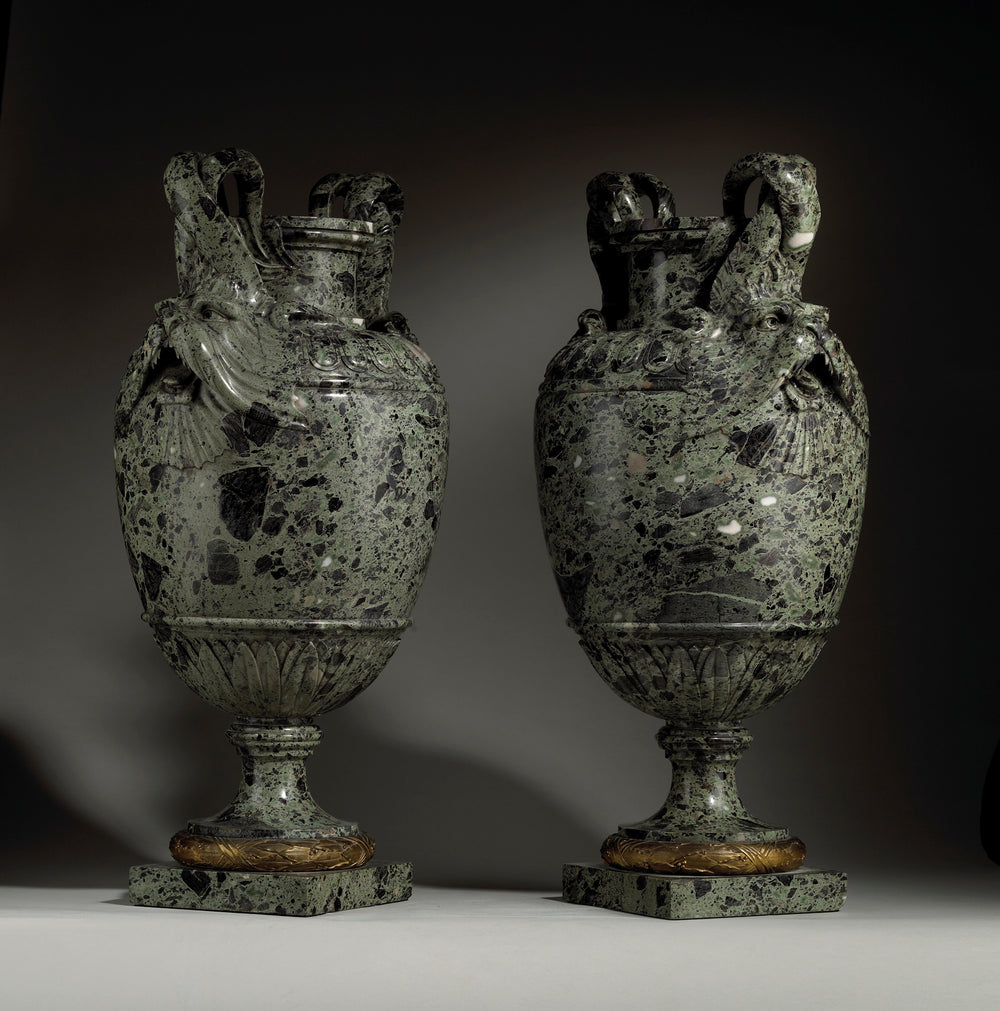
During the 18th and 19th centuries, the European elite embarked on extensive travels to immerse themselves in classical antiquity. The resulting Grand Tour objects they brought back, ranging from porphyry obelisks to exquisite bronze reductions of ancient statues, served as the ultimate status symbols for the travelling elite. Today, these pieces remain highly sought after for their scholarly appeal and architectural presence. They offer a tangible connection to the Enlightenment, providing a sense of intellectual depth that anchors a collection. Whether it's a specimen marble top or a finely cast patinated bronze, these items retain a unique antique surface that modern reproductions can't hope to emulate.
Specialist Fields: Arms, Armour, and Oceanic Art
For the advanced connoisseur, niche categories provide a path to truly extraordinary acquisitions that transcend the traditional European decorative arts. We maintain a particular focus on Indian & Islamic arms and armour, where the focus lies on the object as a work of art, featuring damascened steel and intricate carvings. Similarly, the market for Oceanic tribal art, including highly sculptural war clubs, has seen a significant rise in appreciation among collectors who value the intersection of ethnography and fine art. These items represent the pinnacle of cultural expression, offering a level of rarity that broadens the scope of a traditional collection. To begin your journey into these refined categories, you can explore our full collection of works of art or arrange a private consultation at our London gallery.
Our role as a trusted advisor is to navigate these complex markets on your behalf, ensuring that every piece, from a Chippendale chair to a rare tribal artifact, is backed by scholarly research and impeccable provenance. This expertise is vital for navigating the 2026 regulatory landscape, where the elimination of the $800 de minimis exemption and the introduction of a 10% general import tariff on antiques into the U.S. require precise documentation. By working with Nicholas Wells Antiques, you gain access to a global logistics network and professional restoration services, ensuring your investment is both protected and beautifully presented.
Navigating the Market: The Nicholas Wells Antiques Experience
The acquisition of a significant cultural artifact should be as distinguished as the object itself. Nicholas Wells Antiques operates as a refined curator, bridging the gap between the digital marketplace and the tactile reality of high-end connoisseurship. We understand that for our global clients, the question of Why Collecting Antiques Matters is answered through the seamless delivery of history. To facilitate this, we provide a white-glove service that includes scholarly advice on provenance and the preservation of the unique antique surface. Every purchase is supported by our expertise in antique restoration, ensuring that pieces like a Regency library table or a set of Chippendale chairs arrive in superb condition. We handle the complexities of the 2026 regulatory environment, managing fully insured worldwide shipping and expert packing to mitigate the logistical challenges of international tariffs.
The London Specialist: From Piccadilly to Mayfair
Our presence in the heart of London, with a focus on the Regent Street, Piccadilly, and Mayfair areas, anchors us within the global centre of antique dealing. While we operate primarily as a high-end online gallery to reach a worldwide audience, our showroom is available to visit by appointment. This personal service allows collectors to visualise the scale and texture of extraordinary pieces, from magnificent French giltwood mirrors to scholarly Grand Tour obelisks. We remain committed to sourcing only the most distinguished examples of decorative arts, ensuring that every item in our inventory possesses the rarity and soul required to define a luxury interior. Whether you're searching for a specific Irish pier mirror or a set of rare lanterns, our London-based expertise ensures your acquisition meets the highest standards of the market.
Starting Your Collection with Confidence
For those beginning their journey, the most enduring advice is to buy what you love while maintaining an uncompromising eye for quality. A cohesive collection isn't built overnight; it's a deliberate pursuit that benefits from the guidance of a trusted advisor. By leveraging our expertise, you can integrate diverse items like an Oceanic war club or a Georgian mahogany commode into a modern home with confidence. We help you navigate the nuances of patina and historical legitimacy, ensuring your collection reflects both personal taste and scholarly rigour. This partnership is ultimately Why Collecting Antiques Matters; it's the shared preservation of human ingenuity across generations. Explore our curated collections of fine antiques to begin or refine your pursuit of the extraordinary.
Securing a Legacy through Fine Art and History
The pursuit of fine decorative arts is a commitment to the preservation of human ingenuity and the unique antique surface. By prioritising the integrity of original patina and the scholarly depth of provenance, you ensure that every acquisition remains a significant cultural artifact. Ultimately, Why Collecting Antiques Matters lies in the ability of a rare object to transcend its era, serving as a stable anchor within a contemporary interior while retaining its intrinsic value. Whether you're drawn to the sculptural power of an Oceanic war club or the refined elegance of a Georgian mahogany commode, these pieces offer a narrative depth that modern luxury simply can't match.
Nicholas Wells Antiques has been established in London since 2012, providing a sophisticated bridge between the grandeur of the past and modern living. We invite you to visit our Westminster showroom by appointment to experience our extraordinary collection in person. Every purchase includes complimentary expert restoration and the security of fully insured worldwide shipping, ensuring your investment is handled with the utmost care. We look forward to assisting you in building a collection of distinguished rarity and timeless appeal.
Discover the Extraordinary: Browse the Nicholas Wells Antiques Collection
Frequently Asked Questions
Why should I buy an antique instead of high-end modern furniture?
Antiques offer a tangible connection to history and avoid the immediate depreciation associated with modern luxury furniture. This is a primary reason Why Collecting Antiques Matters to the discerning investor. While modern pieces often lose significant value upon purchase, the global art and antiques market is projected to reach USD 535.50 billion by 2033. This growth reflects a sustained appreciation for the enduring craftsmanship and rarity that only a period artifact can provide.
What is the difference between an antique and a reproduction?
An antique is an authentic object typically at least 100 years old, while a reproduction is a modern copy designed to mimic a historical style. Reproductions lack the unique antique surface and the narrative "soul" found in an original 18th-century piece. At Nicholas Wells Antiques, we distinguish between these by conducting rigorous scholarly research into an object's construction, materials, and historical context to ensure every item is a genuine survivor of its era.
How do I know if an antique's surface patina is original?
Determining the authenticity of a surface patina involves looking for the natural accumulation of wax, dust, and oxidation that occurs over centuries. An original surface should show varied wear patterns that correspond to the object's historical use. Our expertise in London-based antique dealing allows us to identify these subtle markers. We ensure that the patina has not been erased by over-restoration, preserving the historical integrity that makes an object truly extraordinary.
Does Nicholas Wells Antiques offer international shipping for large furniture items?
We facilitate fully insured worldwide shipping for all acquisitions, including grand chandeliers and substantial 19th-century furniture. Our logistics team is well-versed in the April 2026 regulatory changes, including the 10% general import tariff on goods entering the United States. We manage the complexities of formal entry and brokerage fees, ensuring that your acquisition arrives safely at its global destination with all necessary documentation for customs compliance.
Can I visit the Nicholas Wells Antiques showroom in London?
You can certainly visit our showroom in the Westminster area by appointment to view our collection in a private, scholarly setting. While we operate as a premier online gallery to serve a global clientele, we recognise the value of seeing the intricate marquetry or the scale of an obelisk in person. Our location near Mayfair and Piccadilly provides a central hub for collectors seeking a personal consultation with a refined curator.
What makes Georgian mahogany and Regency styles so desirable for collectors?
Georgian mahogany and Regency furniture are prized for their exceptional timber quality and the sophisticated architectural proportions that defined the 18th and early 19th centuries. These eras produced superb examples of cabinet-making that integrated fine ormolu mounts and delicate marquetry. This period of British design remains a cornerstone of Why Collecting Antiques Matters, offering a level of refinement that continues to anchor the most distinguished modern interiors globally.
Why is provenance so important when collecting fine art and furniture?
Provenance provides a documented history of ownership that validates an object's life story and establishes its historical legitimacy. In the current market, thorough documentation is essential for navigating evolving regulations like the Art Market Integrity Act proposals of February 2026. Tracing an item back to a distinguished collection or an English country house significantly enhances its prestige and investment potential, transforming a beautiful object into a verified historical record.
How does Nicholas Wells Antiques ensure the quality of its restoration work?
Our restoration process focuses on sympathetic conservation rather than intrusive repair, utilising traditional materials and methods to honour the original craftsman's work. We provide complimentary expert restoration that prioritises structural stability while meticulously preserving the unique antique surface. This scholarly approach ensures that every piece, from a delicate lantern to a robust library table, retains its historical soul and aesthetic brilliance for the next generation of custodians.

Leave a comment