


Chinese Blue and White Porcelain: Europe’s Obsession and Rivalry
49 products
49 products
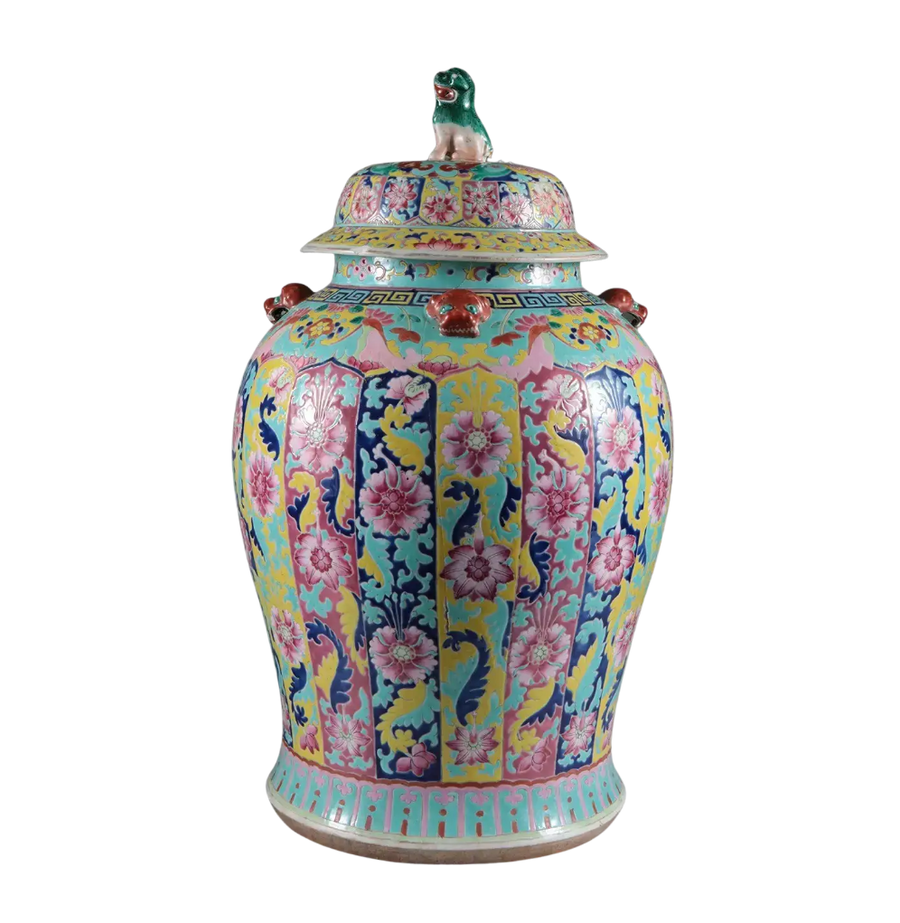
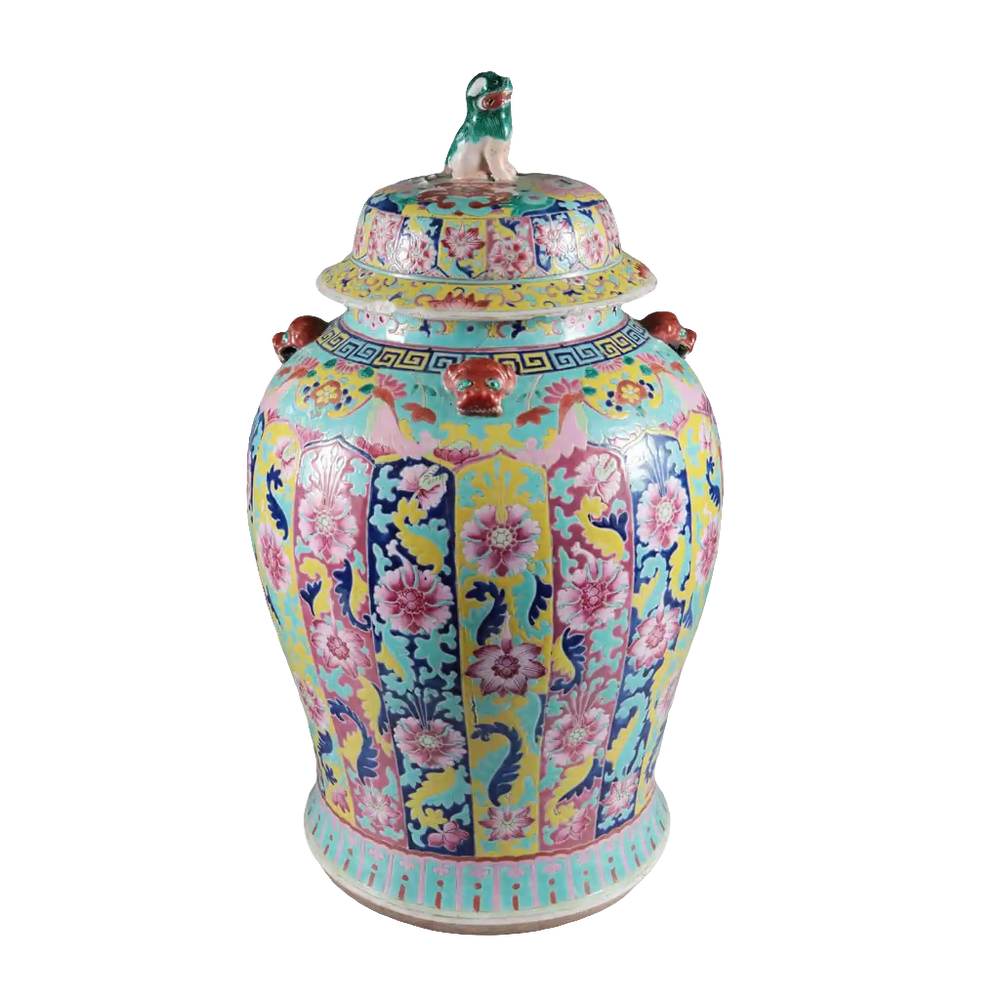
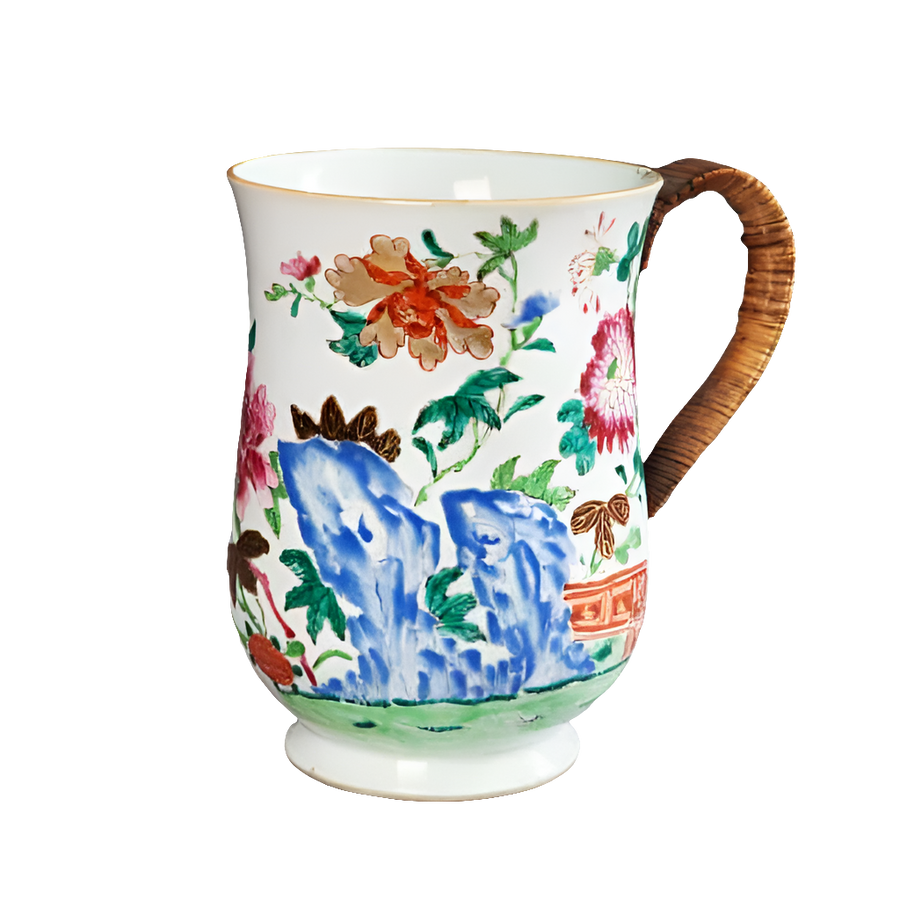
Among all the treasures carried to Europe from the East, none captured the imagination quite like Chinese blue and white porcelain. With its luminous glaze, delicate translucency, and vivid cobalt designs, porcelain was unlike anything produced in Europe before the 16th century. It became a symbol of refinement, wealth, and global reach — and it triggered centuries of rivalry, innovation, and imitation.

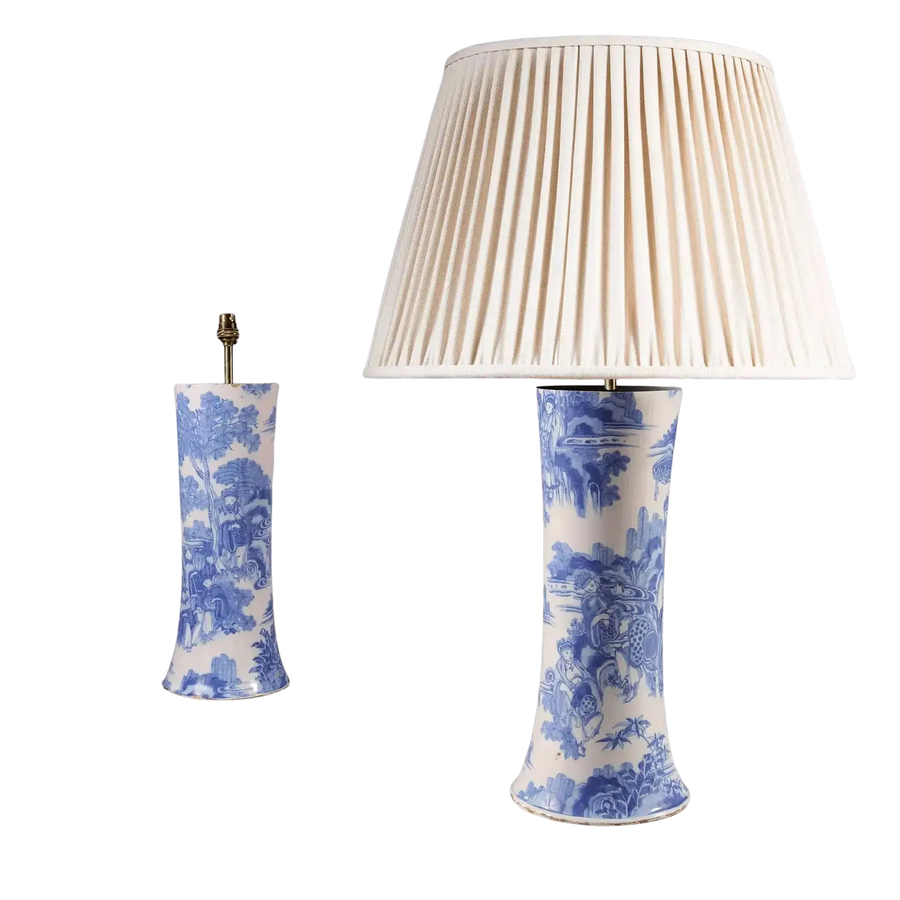
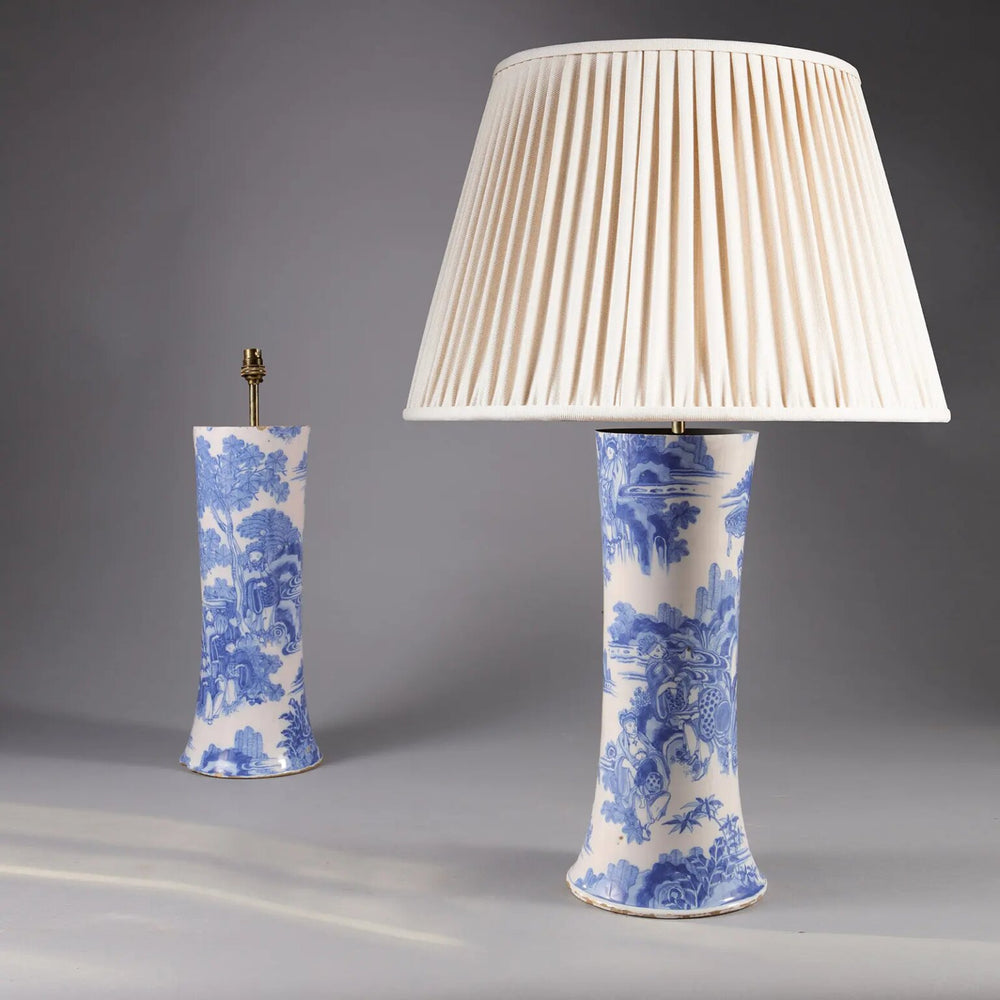
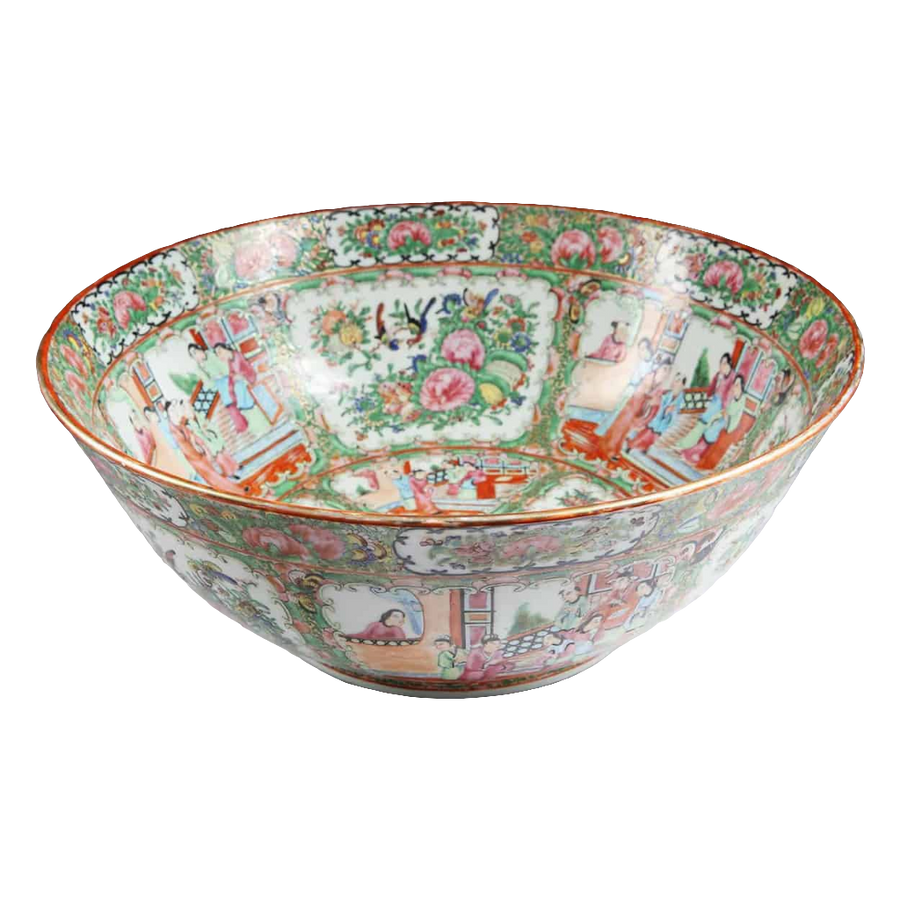
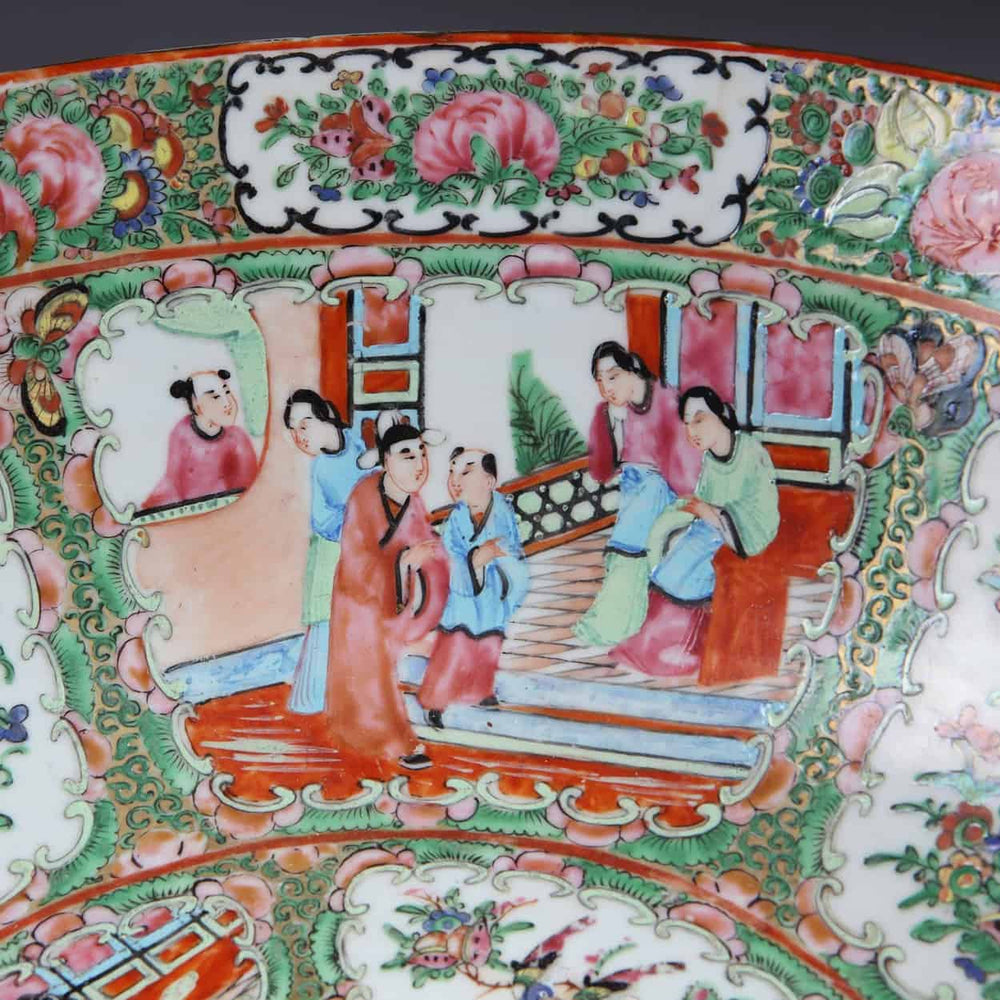
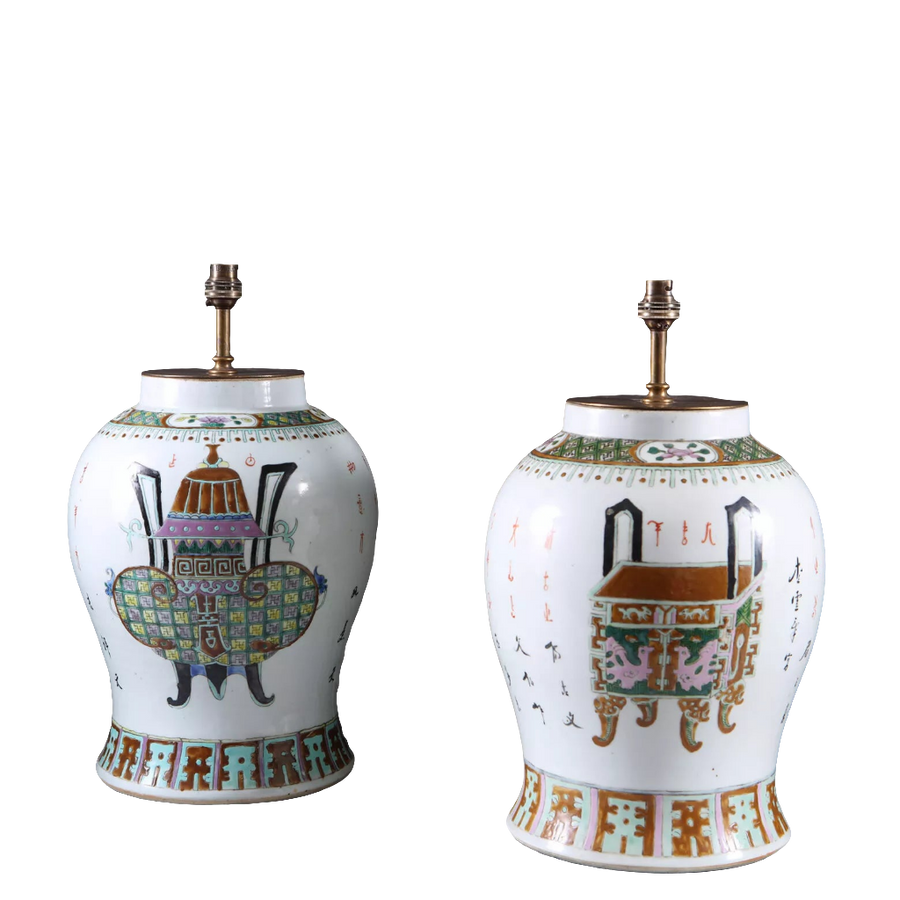
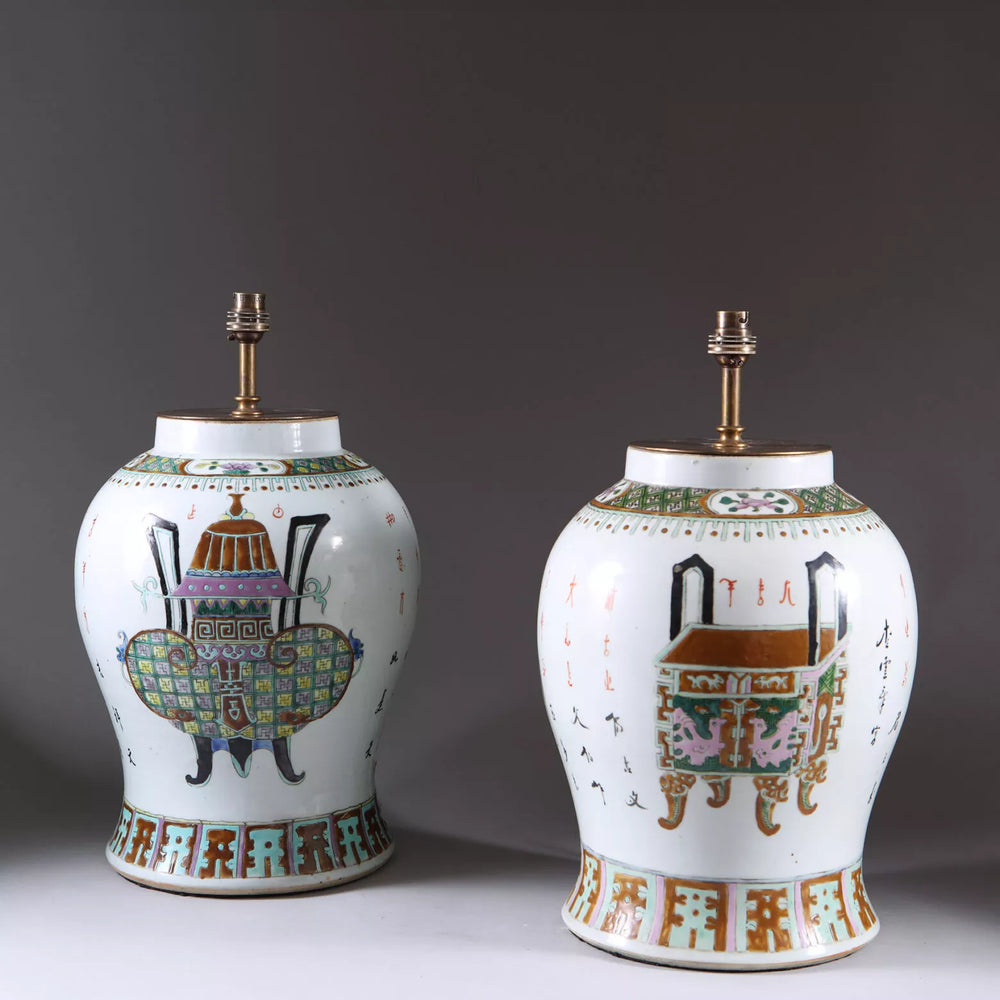
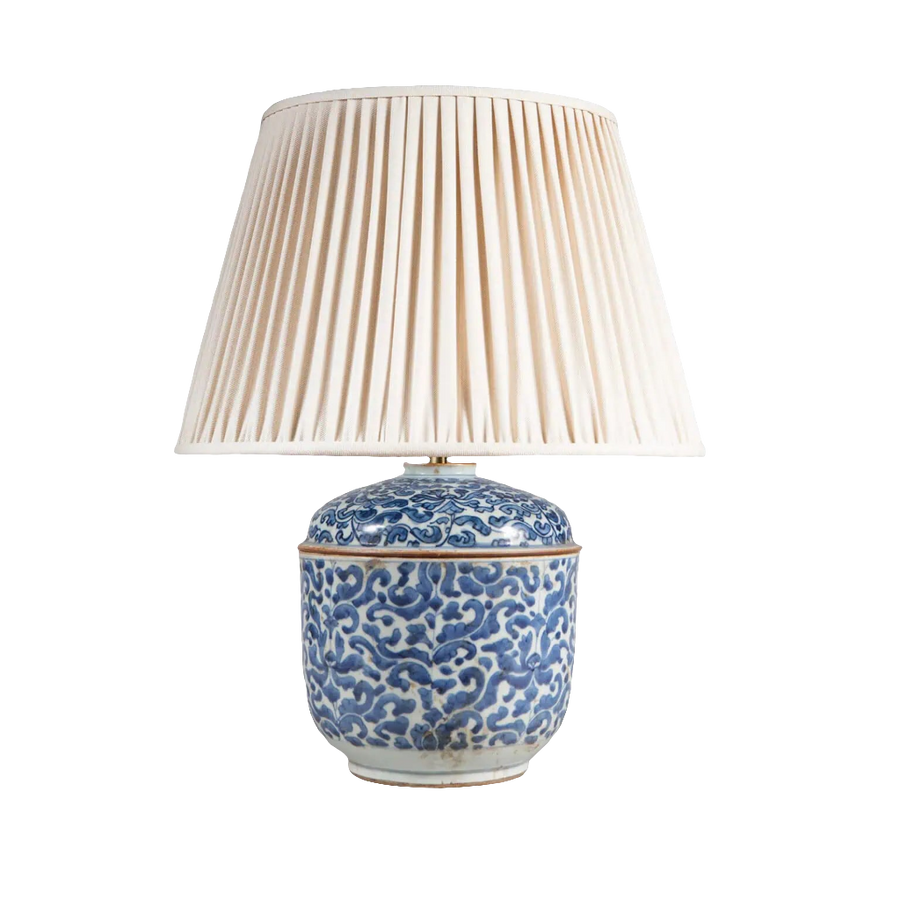
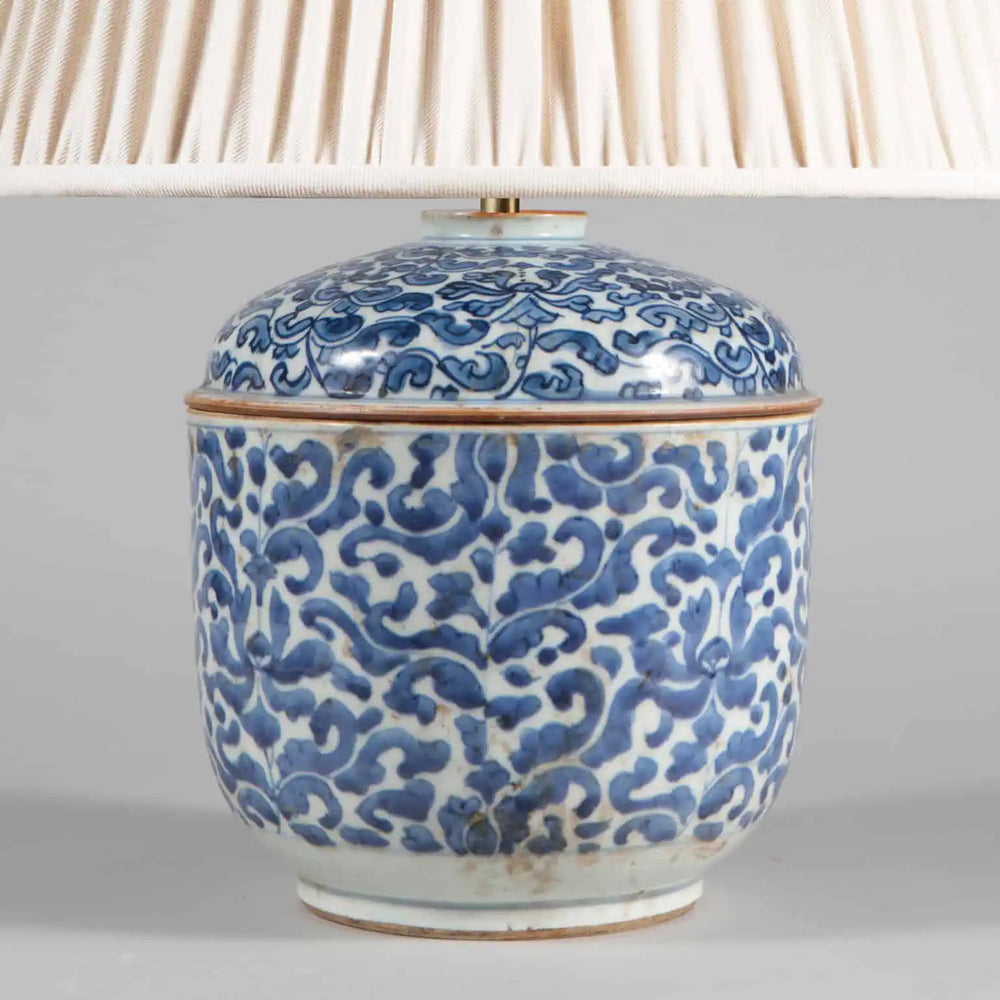
Chinese porcelain production had already reached extraordinary heights by the Ming dynasty. Craftsmen in Jingdezhen, the famed porcelain capital, perfected the art of firing kaolin clay at high temperatures, creating vessels that were both thin and strong. Their blue and white wares, painted with cobalt oxide under a clear glaze, became the most coveted. Motifs of landscapes, phoenixes, dragons, and floral scrolls reflected both imperial symbolism and universal beauty.
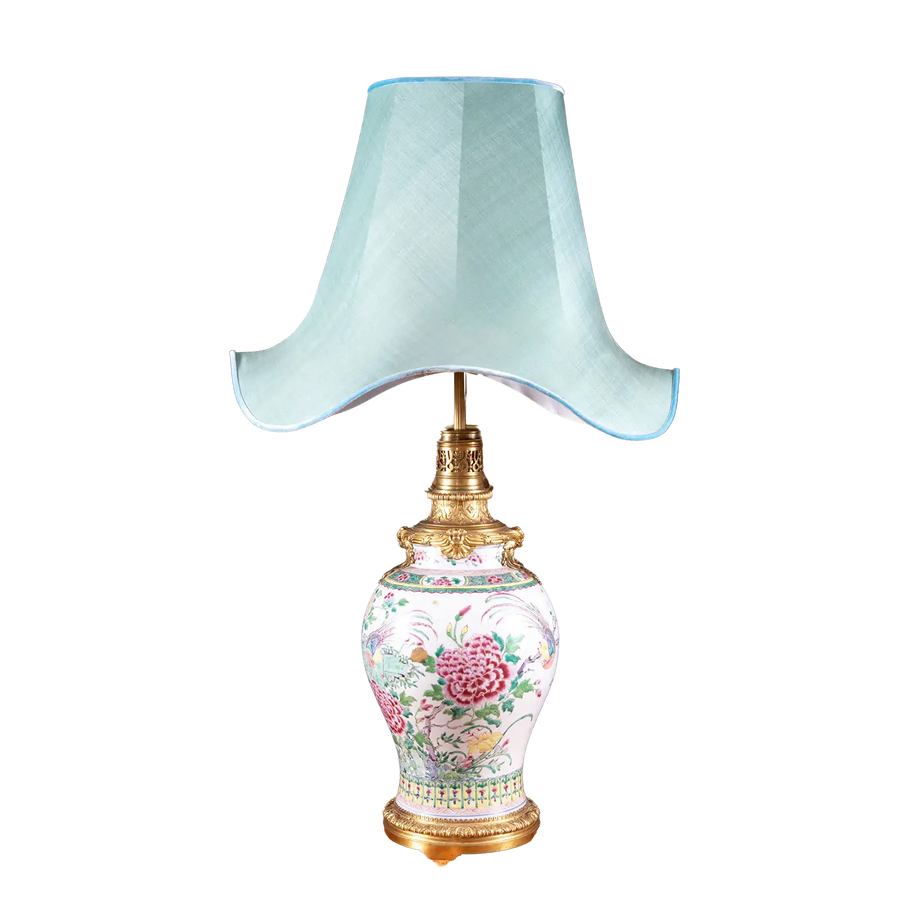
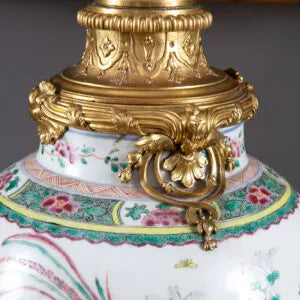
When Portuguese traders first brought porcelain to Europe in the early 1500s, it seemed almost magical. Europeans had never seen such light yet durable ceramic — so fine that it rang when struck. In wealthy circles, porcelain was displayed as much as used, often mounted in gilt-bronze or silver to heighten its status.

Portuguese Carracks off a Rocky Coast
The demand for porcelain set off a frenzy of competition among European trading powers.
Portuguese Carracks: In the 16th century, Portuguese ships carried porcelain from Macau to Lisbon, where it was sold at staggering profits.
Dutch East India Company (VOC): By the 17th century, the Dutch seized control of much of the trade. Their ships returned from the East laden with thousands of pieces, which were auctioned in Amsterdam and distributed across Europe.
English East India Company: Soon England joined the race, vying for direct access to Chinese workshops.
The profits were immense, and so was the cut-throat ambition. Merchants bribed officials, guarded shipping routes, and sometimes even sabotaged rivals to control the lucrative flow of porcelain. Cargoes could be worth fortunes, and the loss of a ship at sea meant financial ruin.

The Dresden Porcelain Collection.
By the 17th century, porcelain fever swept through Europe’s courts. Kings and queens competed to amass the largest collections:
The Kunstkammer of Dresden, built by Augustus the Strong of Saxony, overflowed with blue and white porcelain, displayed floor to ceiling.
In France, Madame de Pompadour favoured porcelain both Chinese and later Sèvres, turning it into a hallmark of aristocratic interiors.
England’s elite filled cabinets with Chinese blue and white, often adapted into elaborate table services.
These collections were not just decoration; they were status symbols, proclaiming global reach and wealth.
Yet genuine porcelain was scarce, costly, and tightly controlled by Chinese merchants. Europeans, desperate to match the allure, sought their own solutions.
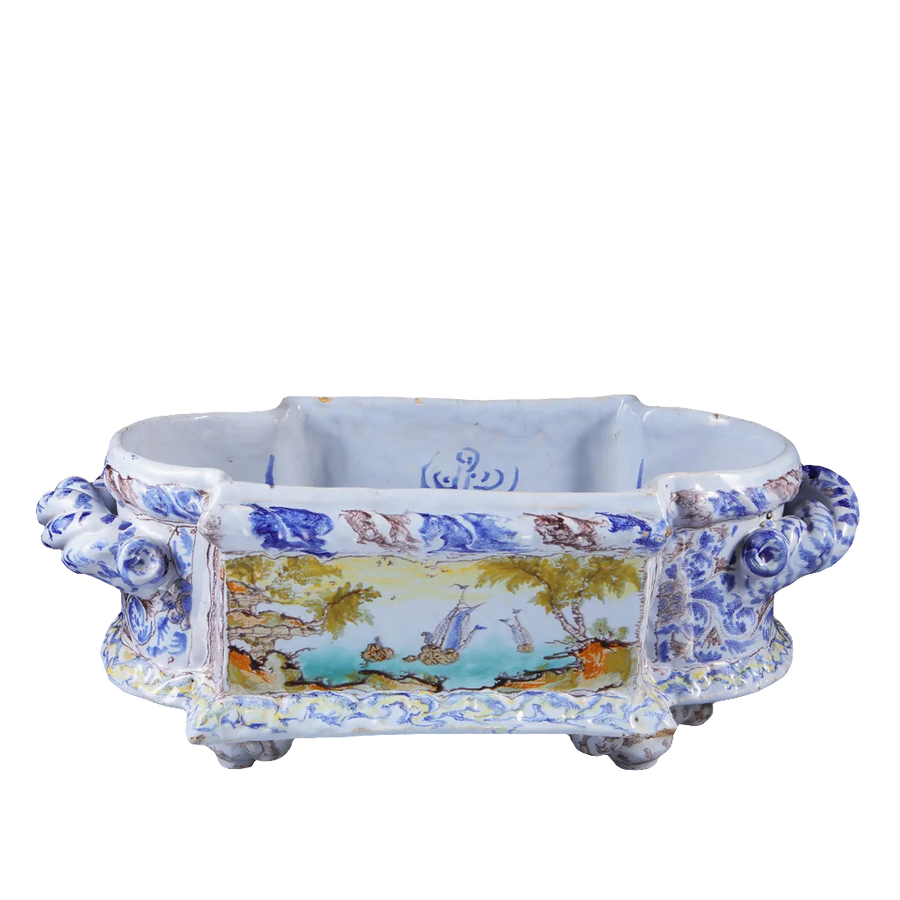
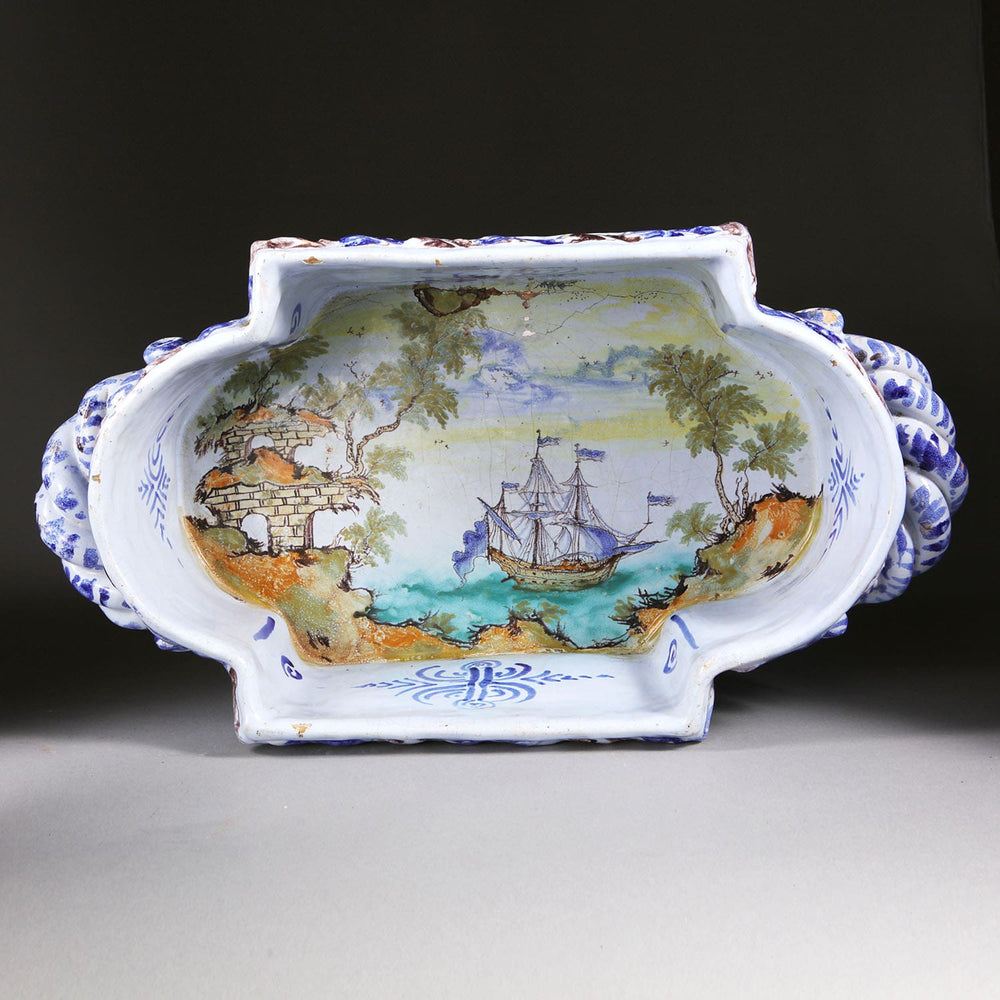
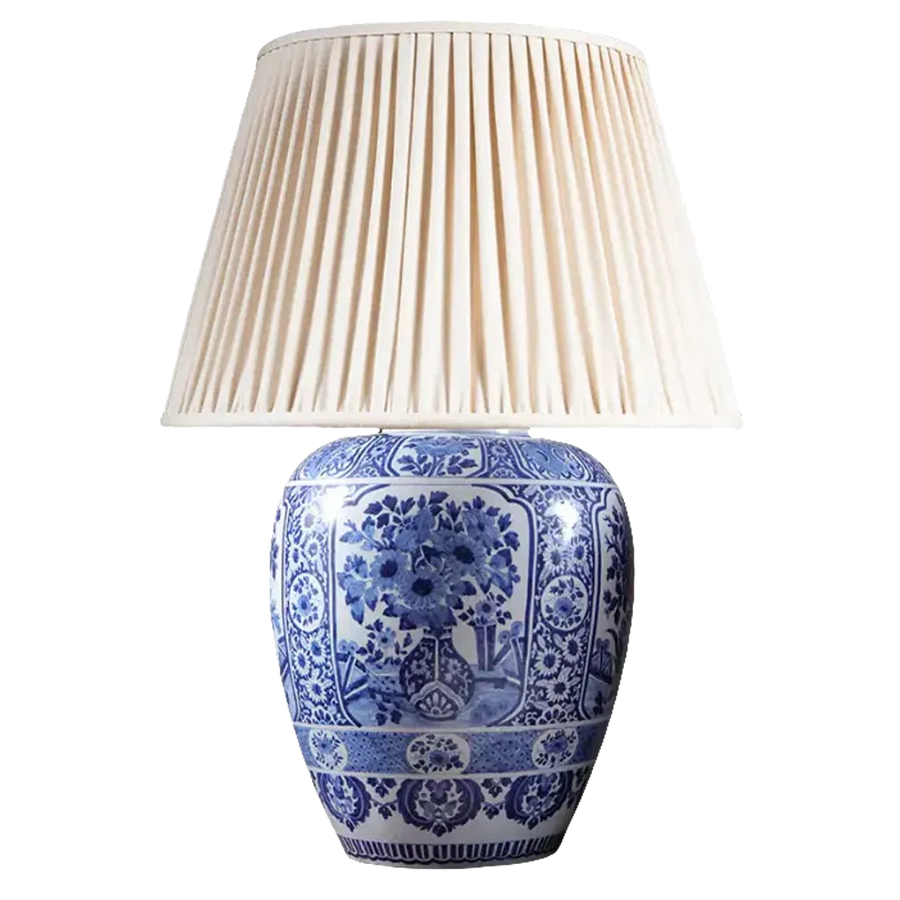
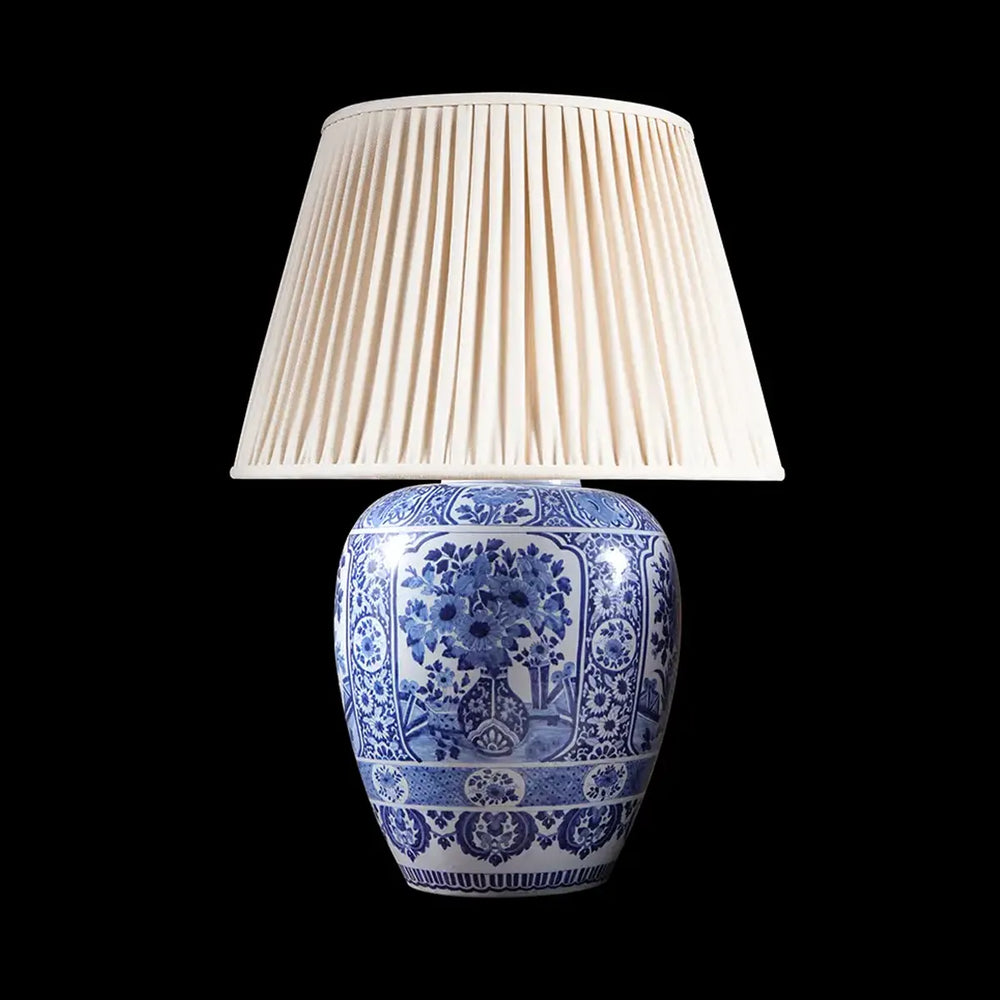
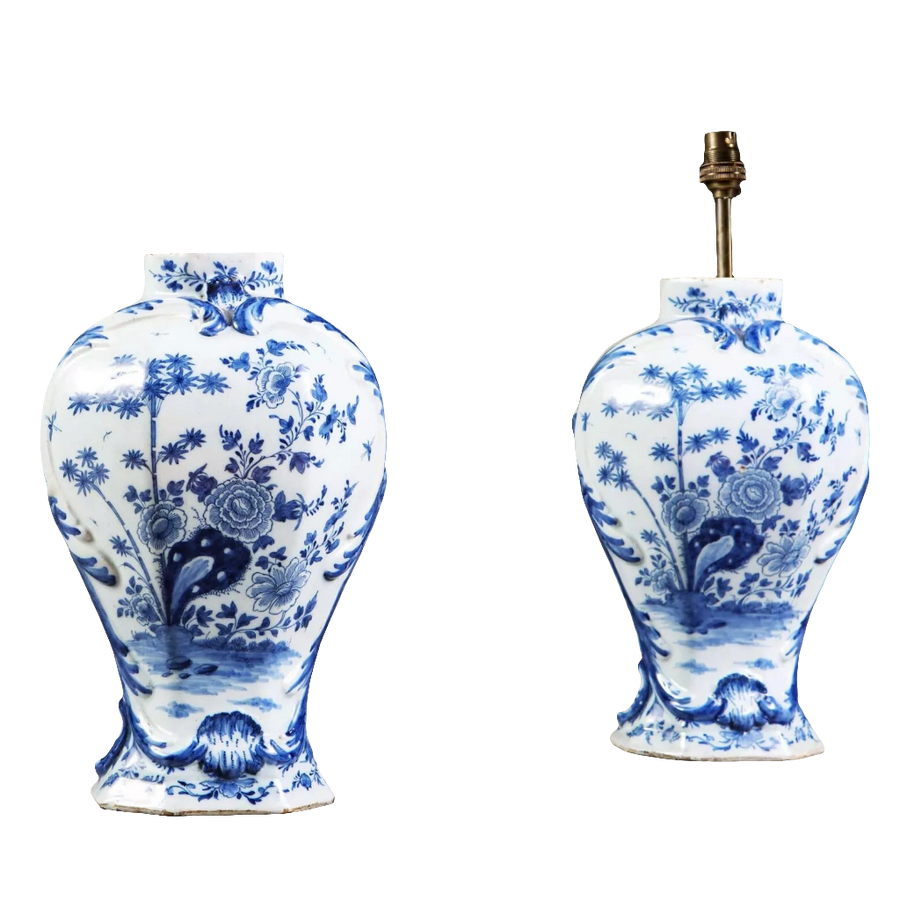
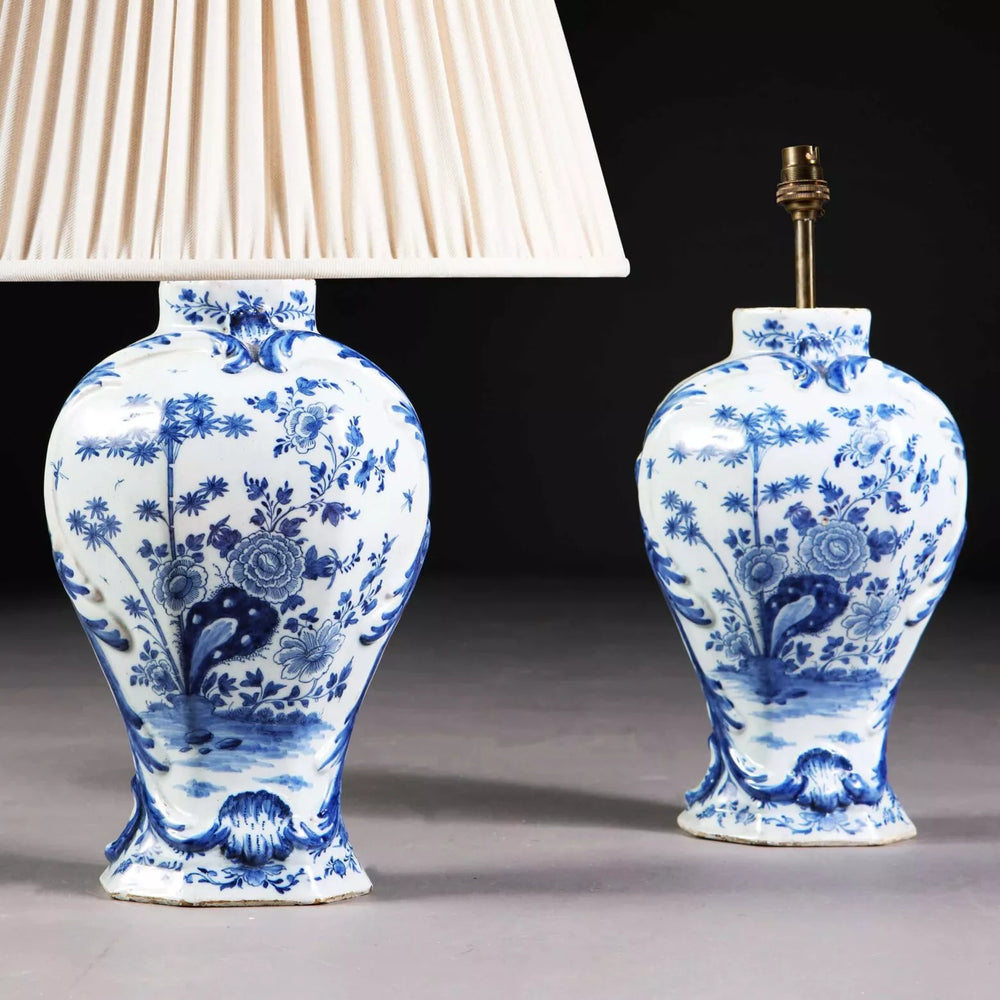
In the Netherlands, artisans perfected Delftware — tin-glazed earthenware painted in cobalt blue to mimic Chinese porcelain. While thicker and less translucent, Delft blue and white became immensely fashionable, adorning homes across Europe. Plates, vases, and tiles echoed Chinese motifs, sometimes mixed with European landscapes or biblical scenes.
Other centres — in France, England, and Italy — followed suit. These early imitations not only met demand but also laid the groundwork for Europe’s eventual success in producing true hard-paste porcelain, discovered at Meissen in the early 18th century.
The story of Chinese blue and white porcelain is one of artistry, ambition, and global exchange. It is also a story of rivalry and adaptation, as Europe strove to recreate what only China could produce.
Today, both authentic Chinese porcelain and its European imitations are treasured by collectors. Together they represent a dialogue across continents: the East’s mastery of materials and the West’s restless pursuit of innovation.
At Nicholas Wells Antiques, we curate fine examples of Chinese porcelain, Delftware, and European ceramics that embody this extraordinary history of taste, trade, and cultural exchange.
Explore our collection of porcelain and ceramics — from Chinese blue and white to European interpretations — and bring home a piece of the story that defined global luxury for centuries.
This month we have 10% off the Regency Collection - checkout code REG10

Each item in our collection is sold with complimentary restoration within the purchase price. It is only released for delivery once it has been fully checked over and wax polished.

Introduce someone to Nicholas Wells Antiques—when they make a purchase of £10,000 or more, they will benefit form £500 off and you'll receive £500 credit toward your next purchase over £5,000.
A gesture of thanks, from one collector to another.